9 “Wallpapered” Ceilings That Trap Moisture and Mold

Wallpapering the “fifth wall” is a high-impact design trend that adds drama to a room in a way that isn’t expected, but experts say it can cause problems with the structure that aren’t visible. Interior designers and mold removal experts say that ceilings are especially likely to collect moisture because warm air rises. Building contractors say that putting non-breathable wallpaper on a ceiling creates a vapor barrier that keeps moisture between the paper and the drywall.
Experts explain that this makes a dark, wet place where mold can grow without anybody knowing for months. By the time a homeowner sees a small spot or a corner that is peeling, the fungus has typically damaged the whole ceiling substrate, converting a fashionable design decision into a dangerous health risk.
Home inspectors and professional flippers say that the “dead” air space in rooms with bad ventilation makes wallpapered ceilings a prime target for condensation. High-end interior designers say that while the style is definitely stylish, DIYers often forget about the technical details that are needed for a safe installation.
Professional organizers say that once mold gets behind a ceiling mural, it can send spores into the whole house every time the HVAC system operates. Architects say that the improper mix of humidity and adhesive kinds can cause the wallpaper to “sweat” moisture back into the joists.
So it’s important to know how humidity and adhesive types work together. Before adding this vertical design feature to their homes, experts say homeowners should check the circulation and moisture levels in the area to avoid a disaster.
1. Vinyl-Coated Bathrooms Ceilings
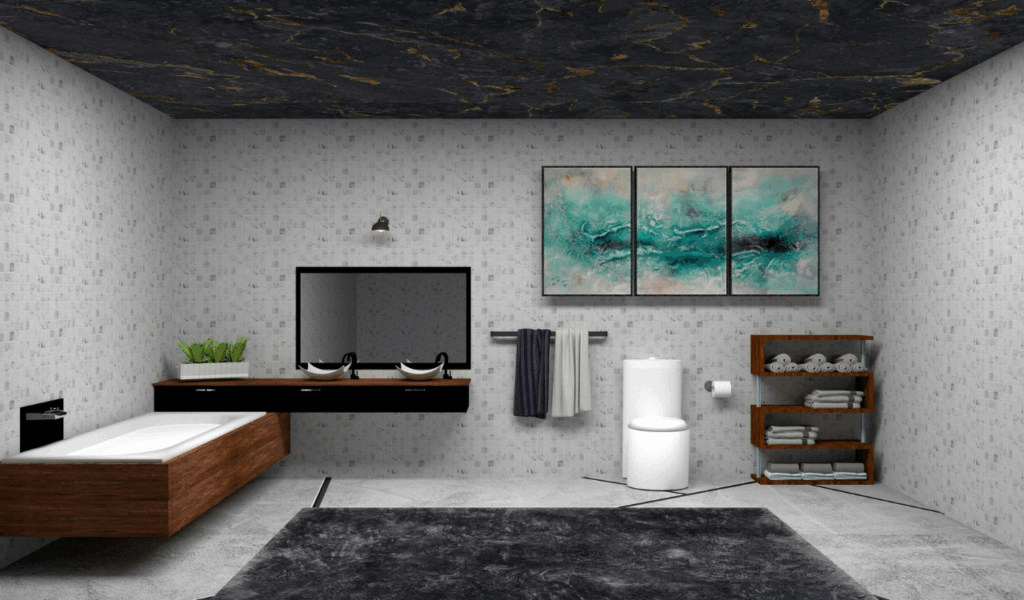
Vinyl wallpaper is typically sold as “moisture-resistant,” but experts say it is the worst choice for a bathroom ceiling. Mold removal experts say that the vinyl coating is completely airtight, which means that the steam from every shower is trapped against the chilly drywall above. Experts believe that condensation collects behind the paper practically right away because the roof is frequently the warmest portion of the bathroom. This “aquarium effect” lets mold grow on the paper’s starch-based glue, which is a main food supply for fungus spores in a damp, still environment.
If you have to wallpaper a bathroom, designers say you should only do it in “half-baths” that are well-ventilated and don’t have showers. Even a strong exhaust fan isn’t always enough to get moisture out from under a hefty vinyl sheet, according to professional contractors. Building inspectors say that once the mold starts to grow, the vinyl hides the smell and look of the rot until the drywall becomes mushy and the structure fails. Architects recommend using moisture-permeable “breathable” non-woven papers instead. These materials let the ceiling dry out naturally between uses, making it safer.
2. Heavy Grasscloth in High-Humidity Zones

Professional organizers say that grasscloth’s natural fibers are a “magnet” for moisture in the environment, even if it is a popular choice for luxury items because of its organic feel. Interior designers say that grasscloth is very absorbent and can hold onto moisture for days after a thunderstorm or a hot, humid afternoon.
Experts claim that when the fibers are wet, the weight of the water exerts a lot of stress on the adhesive bond. This typically causes pockets to “sag,” where air and moisture collect, making a great place for black mold to grow on the grass’s organic cellulose.
Professional flippers say that if mold gets into the fibers of grasscloth, it’s almost impossible to clean, and you usually have to rip it all out. Stone and fabric experts say that the natural dyes in grasscloth can also “bleed” when the humidity is high, causing ugly lines that look like water damage.
Experts say that grasscloth should only be used in rooms with controlled temperatures, like dining rooms or libraries. Designers say that even the salt in the air can react with the grass fibers on the ceiling in coastal areas, which can cause a “musty” smell that doesn’t go away even after cleaning.
3. Dark-Colored Kitchen Ceiling Murals

Experts say that dark-colored ceiling wallpapers soak up and keep heat, which makes moisture problems worse. The kitchen is always “thermal cycling.” Kitchen designers say that the steam from boiling pots rises and settles on the ceiling, where it is caught by the heavy inks of a mural.
Experts believe that dark pigments usually need more glue and thicker paper, which makes the surface less breathable. Professional cleaners say that grease from cooking also sticks to the wallpaper, making a sticky coating that keeps moisture from evaporating.
Contractors say that the space above a stove or oven is a “high-stress” region for ceiling wallpaper. Changes in temperature can cause the drywall to expand and contract all the time, which can make tiny tears in the paper’s seams. Mold experts say that these tiny holes let humid air get underneath the paper, but the hefty ink keeps it from getting out. Experts say that for a long-lasting kitchen design, you should choose high-quality paints or special “breathable” murals that are made to handle the particular environmental conditions of a working kitchen.
4. Poorly Primed “Bare” Drywall Surfaces
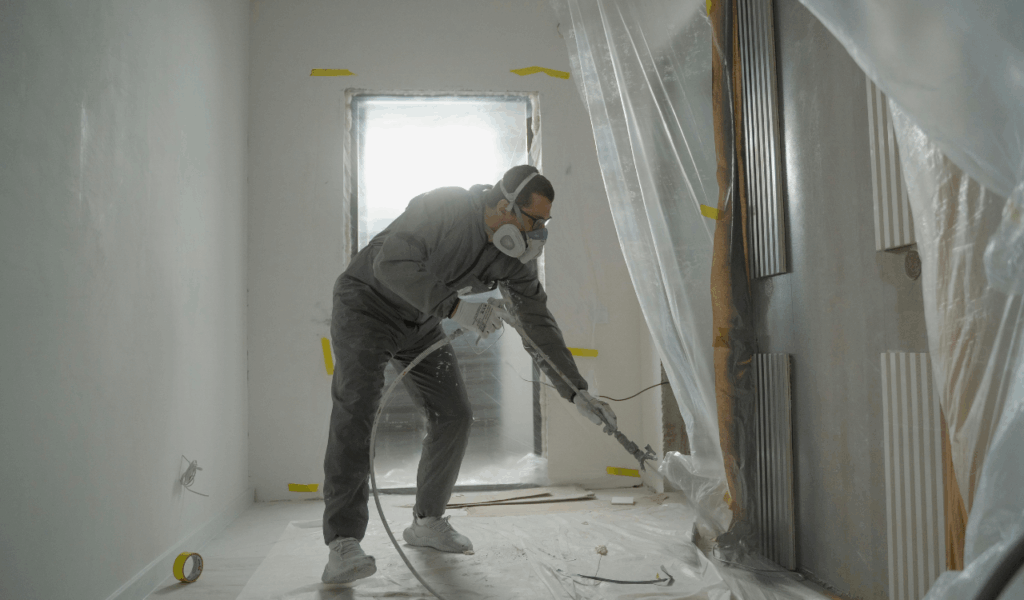
Putting wallpaper on a ceiling that hasn’t been properly treated with a moisture-blocking primer is one of the most typical mistakes that leads to mold. Professional hangers say that bare drywall is very thirsty and will “suck” the water out of the wallpaper paste. Experts believe this makes the bond weak and makes the drywall more likely to let deep moisture in. Building inspectors say that if the drywall isn’t sealed, the room’s dampness can get through the paper and into the gypsum core. This causes decay inside that you can’t see from the outside.
Professional flippers say that a regular “all-purpose” primer is not always enough for ceilings. Designers say to use a special “pre-wallcovering” primer that makes a firm, non-porous shell. Contractors say that this shell keeps the glue from soaking into the drywall and stops mold from growing.
Experts advise that if you don’t do this step, the wallpaper will eventually come off in big, wet sheets, and it will often take the top layer of the drywall with it. For a “fifth wall” project to work, getting the substrate ready is more vital than getting the paper ready.
5. Non-Breathable “Metallic” Foil Papers
Architects say that metallic and foil-finished wallpapers are like “plastic wraps” for your space, but they do give ceilings a glossy, shiny look. Lighting designers say that the metallic surface is great at reflecting light but not so great at keeping heat in. Experts explain that the foil layer keeps air from moving between the room and the ceiling joists. If there is even a small leak in the roof or a pipe above, mold removal specialists say that the metallic paper will hold the water until the ceiling practically sags under the weight of the concealed pool.
Professional organizers say that shiny papers also show up every “bubble” that forms when moisture gets trapped. Interior designers say that these bubbles are usually the first indicator that the glue is failing because it is too wet. Experts argue that the foil’s “blindness” means you can’t see the mold growing behind the mirror. Designers say that to get a shiny look without putting safety at risk, you can use paints with metallic flecks or special “breathable” foils that have tiny holes in them to let air and moisture circulate through.
6. Over-Layered “Historical” Ceiling Repairs
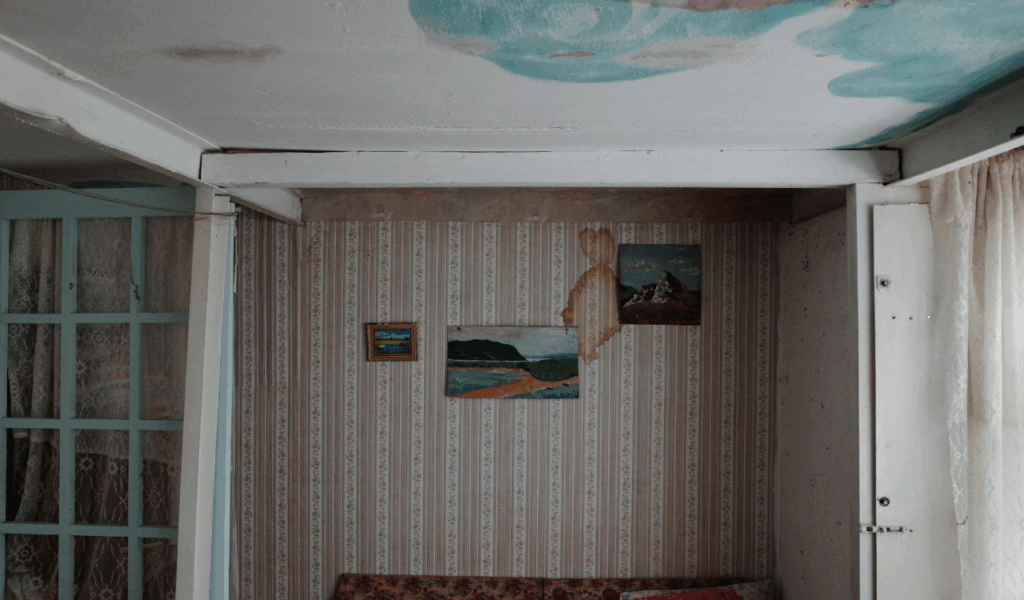
Some homeowners in older homes put wallpaper over previous layers of paper to cover flaws. Experts say this is a sure way to make a “mold sandwich.” Structural engineers say that adding a new layer of wallpaper absorbs the moisture and dust from the older layers underneath.
Experts claim that the organic paste used in old wallpapers typically has dormant spores in it already. You “re-activate” the previous mold when you put a new, wet layer of adhesive on top of it. The mold then grows through both layers and into the new paper.
Professional flippers say that these ceilings with multiple layers are a big problem during home inspections. Realtors say that the weight of several layers of paper and paste can eventually make the plaster come off the lath. Experts warn that if you miss the stripping process, the “cost” will be that the ceiling will eventually fall down.
Before starting a new project, designers say you should always get rid of all the old paper and sand the surface smooth. The only method to make sure the ceiling stays mold-free during a healthy historical refurbishment is to start with a clean, single-layer foundation.
7. Unventilated Attic-Adjacent Ceilings
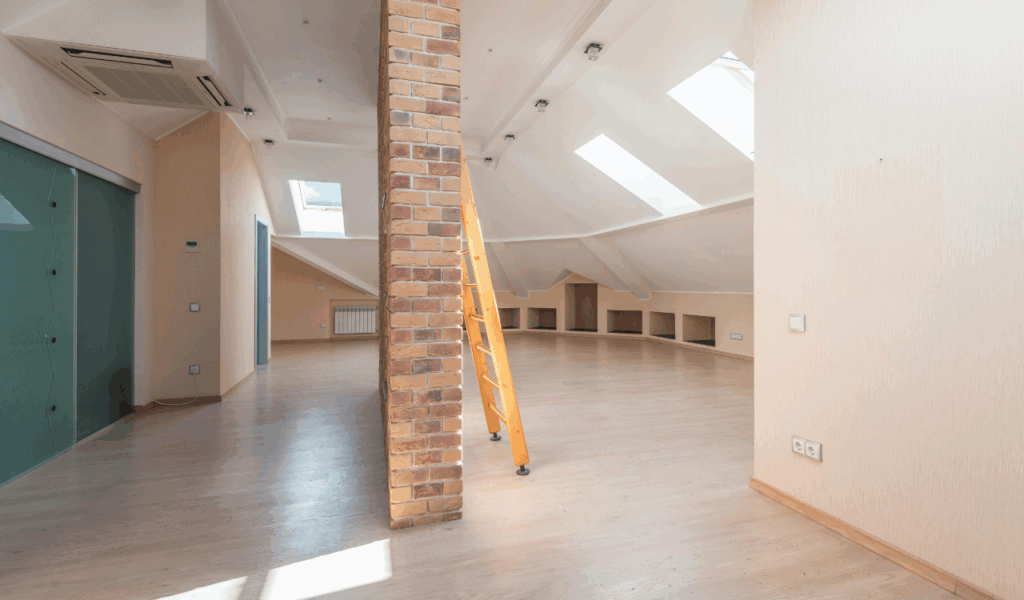
If you have an attic that isn’t insulated or isn’t well-ventilated, the ceilings right below it are high-risk areas for “dew point” mold to grow behind wallpaper. Building specialists say that the difference in temperature between the warm room and the cold attic makes moisture collect on the back of the ceiling drywall.
Experts believe that when you put wallpaper over this drywall, the moisture can’t get into the room. Home inspectors say that this causes a “ghosting” appearance, when dark mold patterns start to seem like the edges of the ceiling joists underneath the paper.
According to professional contractors, this problem happens more often in older bungalows and two-story homes. Mold experts say that the wallpaper works as an insulator, keeping the drywall just cool enough to reach the dew point. Before putting up wallpaper on any ceiling on the top floor, experts say you should make sure your attic insulation and ventilation are up to code. Designers say that even the most costly “breathable” wallpaper will eventually fall apart because of the moisture that builds up when the two rooms’ temperatures clash.
8. Starch-Based Paste in Damp Basements
Professional cleaners say that many high-end wallpapers need classic wheat or starch-based pastes, which are literally “food” for mold. Microbiologists say that starch is the best food for Aspergillus and Penicillium species. Experts argue that the paste itself is what causes mold to grow in a basement or lower-level room with increased natural humidity.
Interior designers say that even if the paper can breathe, the paste can decay underneath it, leaving a fragrance that smells “earthy” and won’t go away no matter how much you dehumidify the room.
If you’re working on a ceiling in a place that might get wet, professional organizers say to use synthetic, antibacterial adhesives. Contractors say that these new pastes include fungicides in them that stop spores from growing even when there is wetness. Experts believe that “pre-pasted” wallpapers are generally the worst because the glue that is put on at the manufacturer is not made to work in areas with a lot of moisture. To keep mold from growing, designers recommend employing a “paste-the-wall” approach with a high-quality, synthetic clay-based glue that makes a stronger, cleaner bond with the ceiling.
9. Overlapping Seams in Cold Climates
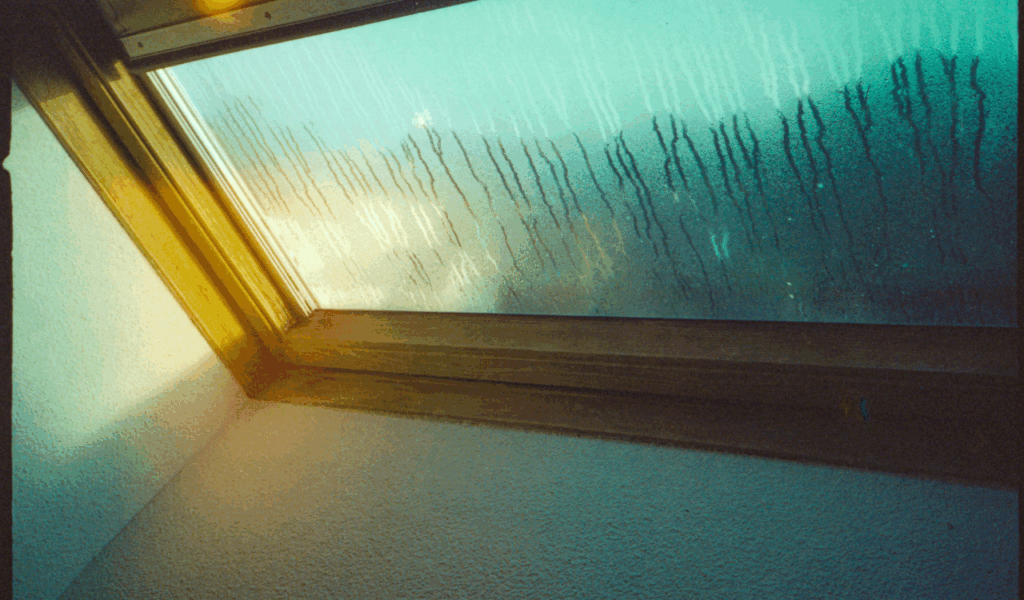
The “overlap” method of wallpapering ceilings can make a trap for moisture that comes from ice dams in places with very cold winters. Roofing experts say that little ice dams can let small amounts of water into the space between the wall and the ceiling. Experts believe that if the margins of the wallpaper seams are too firmly glued and overlapped, the water can’t drain or evaporate. Mold removal experts say that the moisture “travels” along the seam line, leaving behind long, straight lines of black mold that match the pattern of the wallpaper.
Professional flippers say that a “butt-seam” installation is usually safer for ceilings since it lets them expand and contract somewhat. Designers say that the “fail” here is often not putting a permeable sealant around the edges. Experts claim that mold most often gets into the wallpaper system at the corners where the wall and ceiling meet.
Decorators say that leaving a small space at the corners of crown molding in cold areas will make the design last longer. This lets air flow freely and keeps moisture from getting “locked” into the ceiling paper.