7 “Chandelier” Flush Mounts That Blind Everyone at Dinner
Flush mount “chandeliers” are popular for adding luxury to low-ceilinged rooms, but designers warn that they are typically badly built. Flush mounts are mounted directly against the ceiling and use high-wattage bulbs to compensate for their small size. The “stadium effect” concentrates light downward in a harsh, unfiltered cone, according to experts. Interior designers say the lack of distance between the light source and guests makes glare nearly hard to escape, turning an elegant dinner party into a squinting contest.
Designers advise buyers to choose fixtures with frosted glass or diffusers. Many new designs emphasize the “sparkle” of exposed crystals, which operate as hundreds of tiny prisms to disperse light directly into the eyes, say lighting experts. Professional flippers say these fixtures seem great in staged images but are routinely replaced by new buyers who find the lighting unpleasant. Decorators say a light that is too bright for its housing can “kill” the mood of any dining place by washing out colors and casting deep, unpleasant shadows on every face at the table.
1. Exposed Crystal Caged Mounts
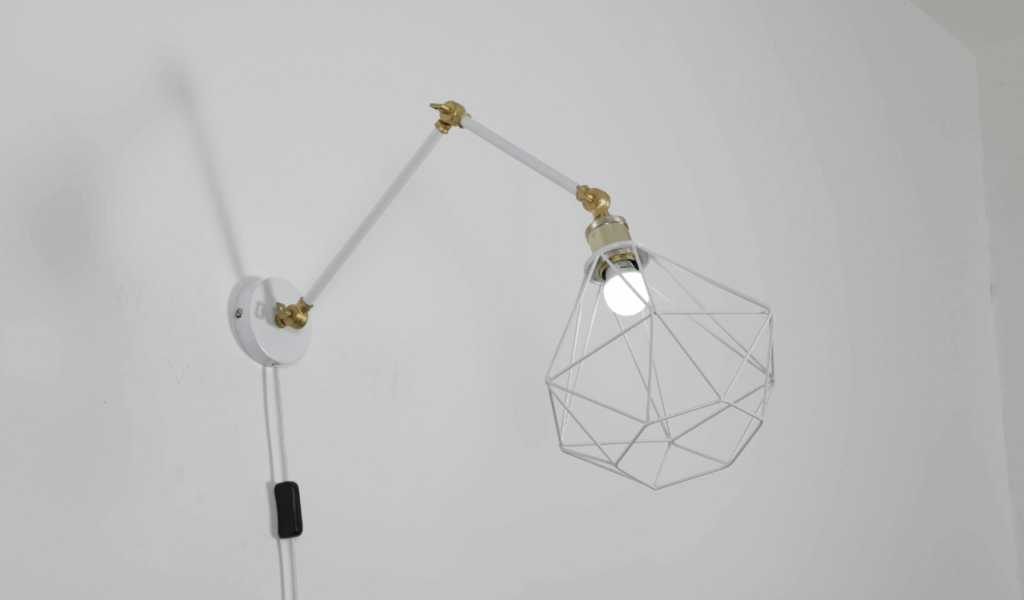
Caged flush mounts dripping with crystals are a common part of glam decor, but designers say they are the main cause of “glare fatigue” during meals. Lighting specialists say that the clear crystals don’t do much to make the light from the bulbs behind them softer. Instead, they bend the light at acute angles, making it look like it’s shimmering but also blinding. Experts believe that the “caged” design typically retains heat, which can make the bulbs burn even brighter before they break. This makes the light feel harsh and intrusive instead than warm and welcoming in a dining setting.
Shiny elements like polished wood or glass on dining tables worsen the problem, say interior designers. Professional flippers say visitors feel uneasy under these lights because their brains are continuously trying to shut out dazzling distractions. Designers claim “vintage” lights with lower lumens can reduce brightness, but the prism effect will remain. If the fixture doesn’t have a large bottom plate to block direct filament sightlines, it will blind everyone sitting beneath it, say experts.
2. Multi-Directional Spoke Fixtures
Many people like the mid-century look of modern spoke-style flush mounts, but contractors say that their ability to point in multiple directions makes them a lighting problem. Experts believe that the fixture doesn’t have a single “shielded” side because the arms can move in all directions. Lighting experts say that this implies that guests are probably looking right at a bare bulb no matter where they are sitting. Designers say that these lights are often offered without shades to keep the look simple. This means that the eye has to deal with unfiltered light that is too bright for a home.
Professional organizers recommend lighting lights in hallways or other locations where people move around rather than dining rooms where people sit stationary. Interior designers believe the “spoke” form creates a messy shadow pattern on walls and ceilings. This can be tiring to watch during a long dinner. Without a dimmer control, six or eight lights in a tiny flush mount produce too much light, say experts. Designers recommend that dining room lights aim up and bounce off the ceiling rather than into the area.
3. Reflective Chrome Starburst Mounts
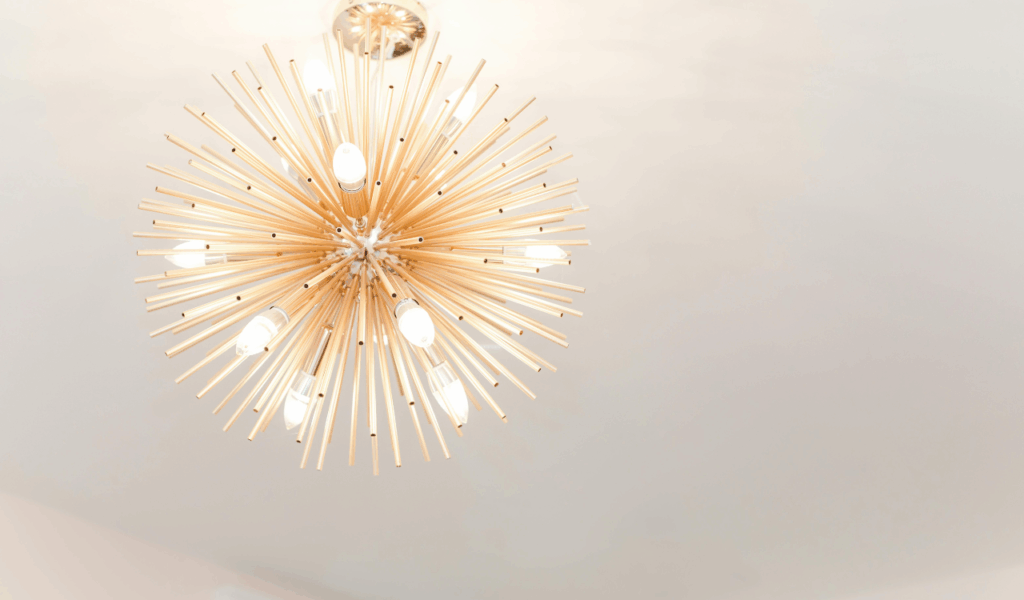
Starburst fixtures with shiny chrome finishes are meant to be the center of attention, but real estate agents say they often become “visual noise” that throws off the equilibrium of a room. Lighting experts say that the chrome surface serves like a second mirror, reflecting the light from the bulb back into the room with twice the brightness. Experts claim this makes a “hot spot” on the ceiling that pulls the eye up and away from the food and conversation. Designers suggest that if you choose a starburst, you should go with a matte or brushed surface to help soak up some of the extra light.
The excessive reflectivity can confuse senior guests and light-sensitive people, according to safety experts. The lamps’ heat can damage the chrome, rendering it dull and uneven, according to professional installers. Some experts believe these arrangements cause “blindness” by using the wrong bulbs. Many households choose “cool white” LEDs that clash with dining room decor. Decorators recommend staying within the 2700K color temperature range for soft, natural light.
4. Clear Glass Global Enclosures
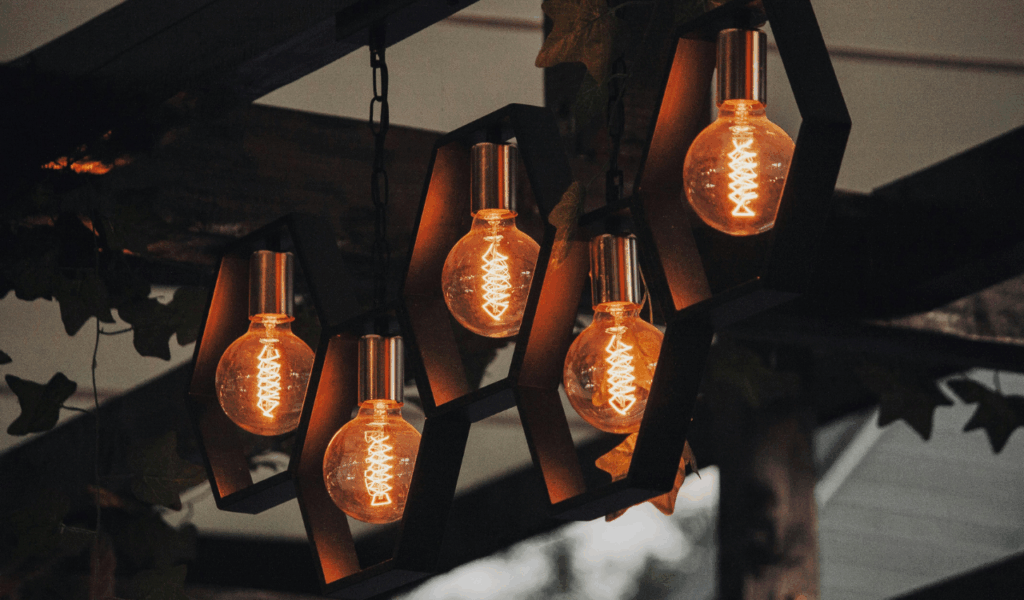
Modern farmhouses are going toward global flush mounts with crystal transparent glass, but designers say they don’t guard against bulb glare at all. Lighting experts say that a transparent glass enclosure is really simply a dust collector that doesn’t spread light. Experts believe that the “Edison bulb” style is very popular, although it looks very bright and harsh when seen from below. Interior designers say that the glass also makes the bulb’s heat stronger, making a “hot zone” right under the light that can make guests feel uncomfortably heated while they dine.
Professional cleaners believe fingerprints or dust on the clear glass will show up while the light is on, making the fixture look dirty all the time. Designers believe the “naked” bulb beneath the glass generates harsh, unsightly shadows. Experts recommend “seeded” or “frosted” glass because it breaks up light but has the same shape. This little adjustment prevents “tunnel vision” from transparent glass mounts by spreading the brightness equally throughout the room.
5. Low-Profile Integrated LED Discs
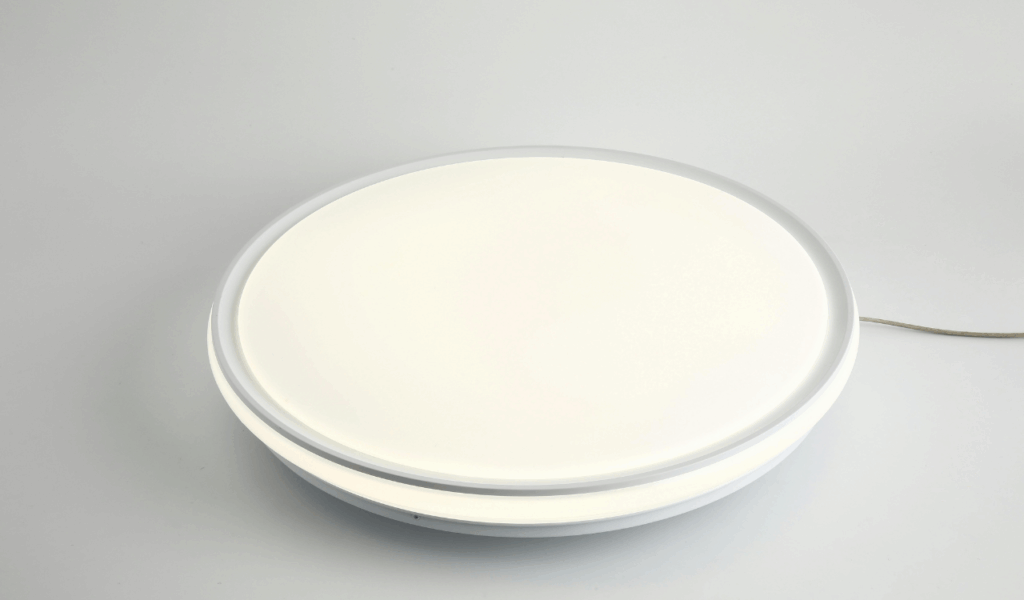
Integrated LED flush mounts are lauded for their energy economy; however, builders caution that their “fixed” luminosity can be detrimental for dining rooms. Lighting specialists assert that numerous economical LED discs possess a high “Color Rendering Index” (CRI) that imparts a clinical ambiance rather than a residential one.
Experts indicate that these lights are frequently “flicker-heavy,” perhaps leading to mild headaches and eye strain that guests may not immediately perceive. The integrated LEDs within the fixture preclude the straightforward replacement of a bulb to modify the hue or intensity of the light.
These discs generate “flat” light, reducing the depth and character of your dining room decor, say interior experts. Without a high-quality dimmer, professional flippers say these lights are either too bright, like a surgical suite, or off. The lack of attractive housing or ornamental features makes them unattractive in an entertainment area, say experts. Designers advocate customizable fixtures over “utility” LEDs in dining areas. You may adjust the illumination to suit your dinner guests’ mood and needs.
6. Mirror-Bottomed Infinity Mounts
Experts say that infinity-style flush mounts are a main cause of “double glare” since they employ mirrored surfaces to make things look deeper. Lighting experts say that the internal mirrors bounce the light around a lot before it leaves the fixture. This makes the light brighter without making it warmer. Experts believe that being under one of these is like being in a “hall of mirrors” where every movement at the table is mirrored and made bigger. Psychologists say that this much visual stimulation might be distracting and make it hard for attendees to pay attention to the discourse.
Professional installers say these fixtures are difficult to level and the mirrors magnify any slight tilt. Decorators say the mirror’s “guts”—wires and sockets—are visible on the bottom if it’s neglected. Experts say the “infinity” feeling is novel and grows old quickly when the ceiling feels like it’s pushing down on the space. Designers recommend dining room lighting with opaque or solid bottoms that cover the mechanical parts and direct light to the table rather than the ceiling.
7. High-Wattage Frosted “Drum” Mounts
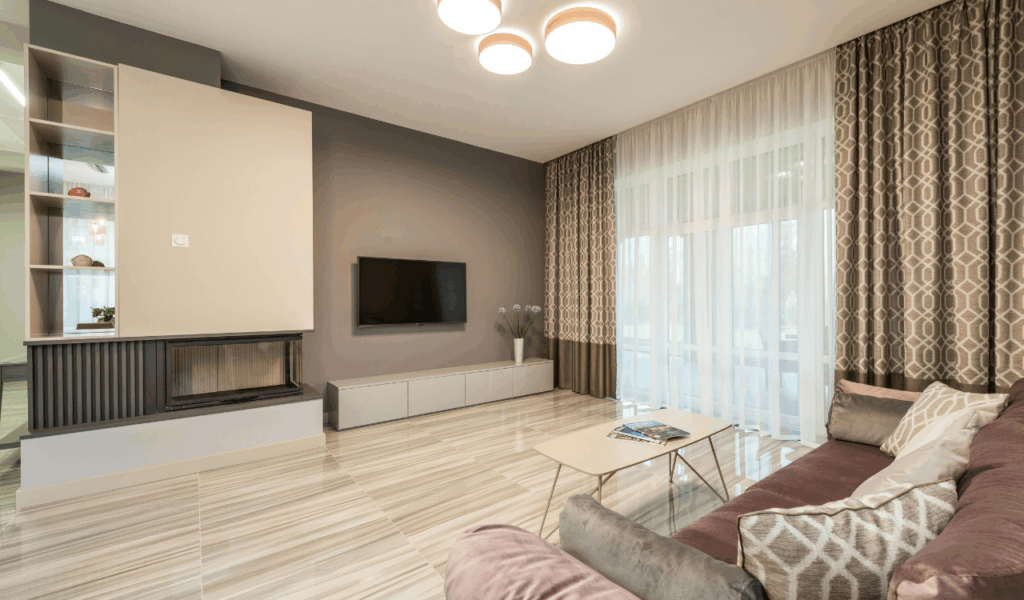
The drum-style flush mount is a classic solution, but many homeowners use too many lamps, which makes the light look like a “glowing UFO.” Lighting experts say that the light can only fall straight down because the fabric or glass drum is so close to the ceiling. Experts warn that if you use high-wattage bulbs to illuminate a big area with just one drum, the shade itself will be so dazzling that it will blind you. Interior designers say that this makes the ceiling feel “heavy,” which can make a room feel smaller and more crowded than it really is.
Professional flippers say drum mounts collect dead bugs and dust, resulting in black patches on the bright color. According to organizers, the “fail” is generally insufficient lighting. If the drum is the only light, it works too hard. Experts recommend using a low-wattage drum bulb and adding lamps or sconces. This “layered” solution maintains the dominant light gentle and atmospheric instead than blinding everyone at the table.