9 Trend-Based Furniture Pieces Now Sitting in Garages
Furniture styles change quickly, frequently more quickly than most households can adjust. As tastes move toward functionality, durability, and adaptability, items that formerly appeared daring, fashionable, or aspirational can swiftly become outdated. Nowadays, a lot of homeowners discover that some once-popular things have been moved from living areas into basements, storage rooms, or garages. Although not poorly built, these pieces of furniture illustrate brief design trends rather than classic utility. Below are nine popular pieces of furniture that are no longer in use and why they are stored rather than displayed.
1. Inflatable Chairs and Sofas
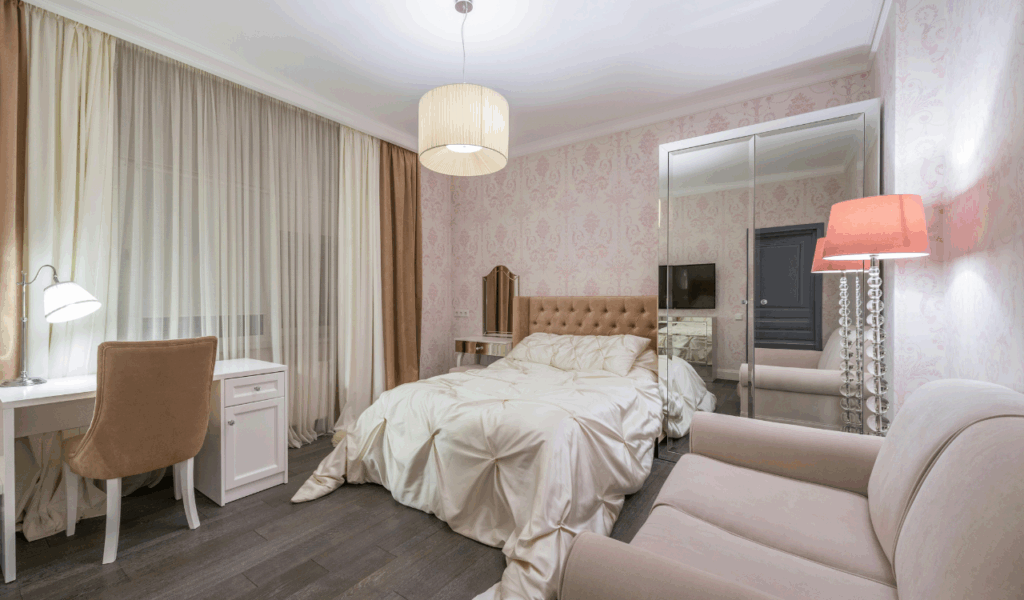
The fun appearance, low cost, and portability of inflatable chairs and couches contributed to their rise in popularity. They were first advertised as practical seating for informal living areas, but they frequently fell short of providing long-term comfort or durability. As time passes, the furniture loses its structural stability, air leaks appear, and seams deteriorate. Many consumers also found inflatable seating lacked posture and back support for prolonged use. These pieces became obsolete as interior design trends evolved toward more durable, ergonomic furniture. Nowadays, they are used as backup seating, rarely used, or shelved once novelty wears off.
2. Glass Dining Tables
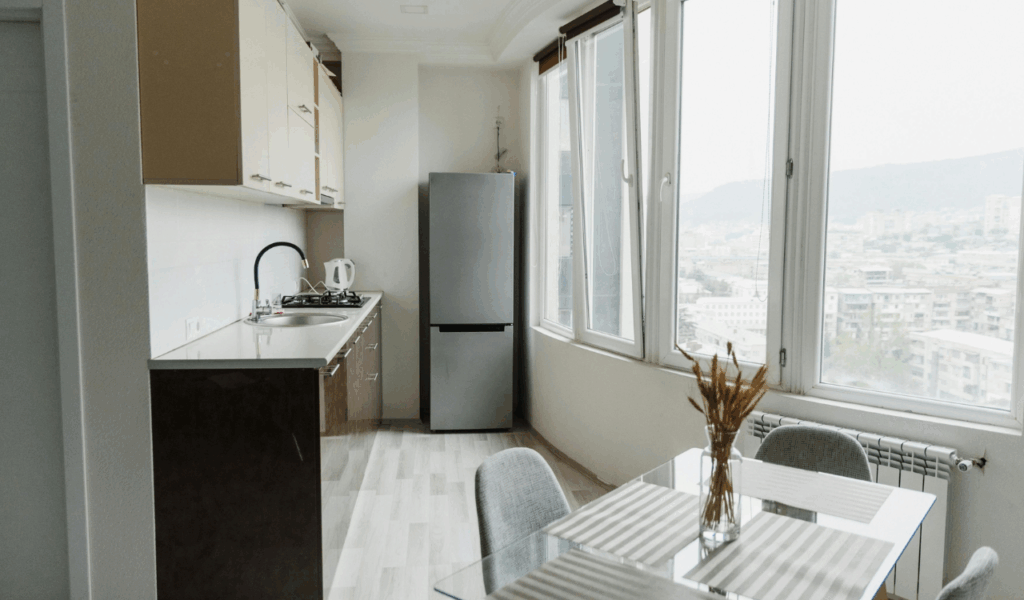
In the past, glass dining tables were associated with contemporary style and perceived lightness, particularly in smaller settings. Daily use, however, exposed a number of shortcomings that diminished their allure. Dust, smudges, and fingerprints are always noticeable, therefore they need to be cleaned frequently to keep looking nice. Glass surfaces are less forgiving than stone or wood in many homes and more likely to chip and scratch. Safety concerns, especially in houses with children or pets, contributed to their decline. As warmer, more durable materials became fashionable, glass dining tables were frequently relegated to storage or garages.
3. Low-Slung Platform Beds

The sleek, minimalist features of low-slung platform beds, which were influenced by modern and contemporary design trends, helped them gain popularity. Although they were aesthetically pleasing, their incredibly low height eventually presented practical difficulties. It can be difficult to get in and out of bed, particularly for elderly people or people with joint issues. These beds also limit under-bed storage, which many houses need for organizing. Poor under-mattress airflow may also cause moisture retention. Comfort and functionality became more important in bedroom design, therefore many platform beds were replaced.
4. Oversized Sectional Sofas
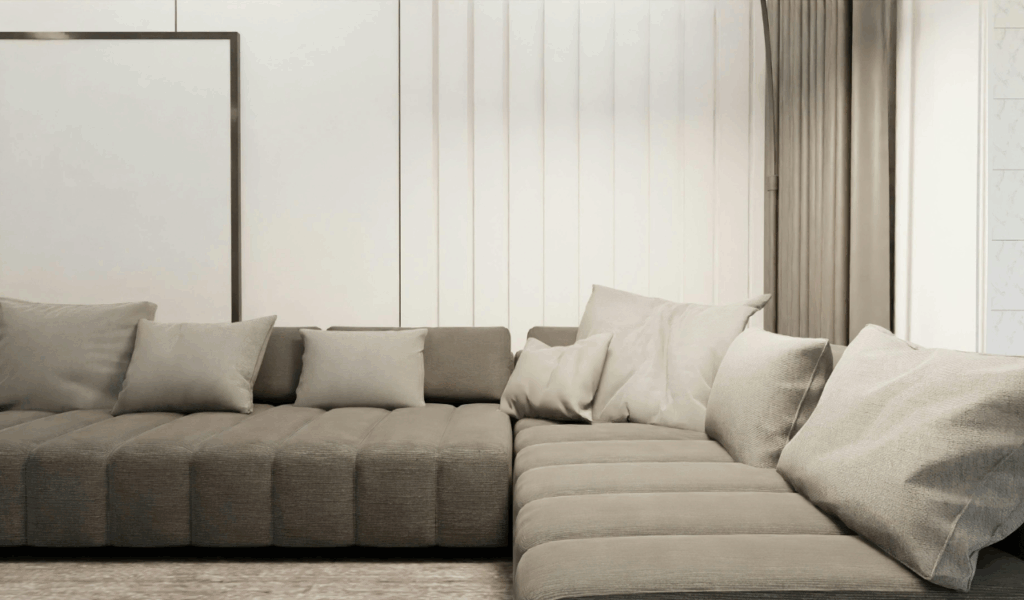
In the past, oversized sectional sofas were seen to be the pinnacle of comfort and luxury since they provided ample seating for families and visitors. But as living areas changed, their sheer vastness frequently became a disadvantage. These couches have the power to take up a space, restrict arrangement options, and make it challenging to rearrange furniture. They may not fit through stairs or doorways, making moving them problematic. Oversized sectionals lost popularity as modular and movable seating became increasingly prominent in interior design. Several downsizers kept these enormous goods in garages.
5. Acrylic or Lucite Furniture
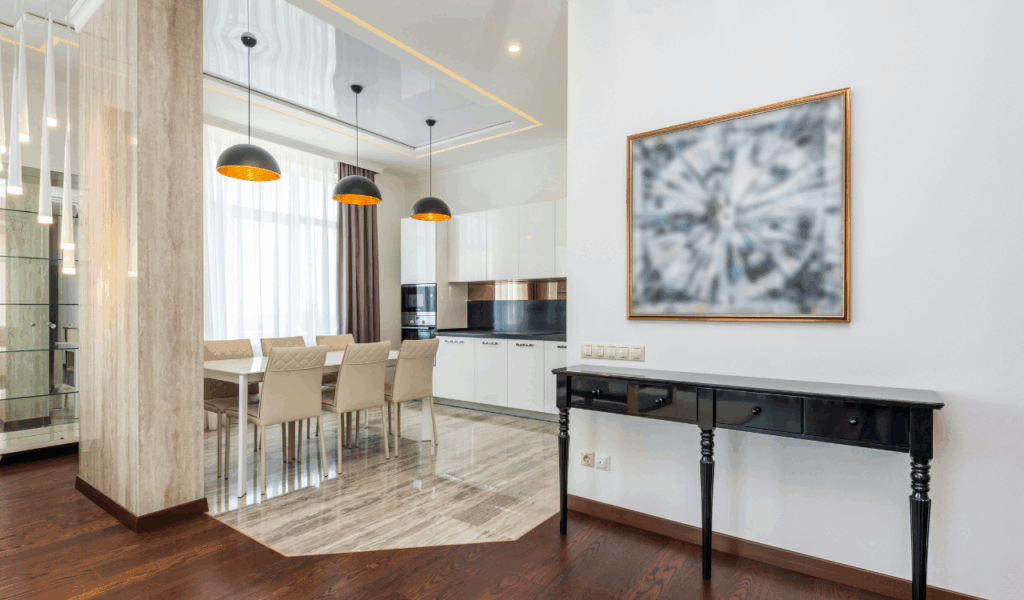
The transparent appearance of acrylic and lucite furniture attracted attention because it promised visual openness and a future design. Despite their initial startling appearance, these works frequently have long-term practical problems. On clear surfaces, scratches are very noticeable, and even small wear can give the furniture an old or hazy appearance. When exposed to sunshine over time, acrylic may also turn yellow. Furthermore, these objects hardly ever provide warmth or comfort, which detracts from the welcoming atmosphere of settings. Acrylic furniture was frequently put away as natural materials and texture became more popular in design.
6. Bean Bag Chairs

Bean bag chairs gained popularity because of its easy comfort and laid-back style, particularly in casual living areas. But as time went on, their shortcomings were exposed. The chair loses support and shape as a result of the filler inside compressing with use. It can also be awkward to get out of a bean bag, especially for adults or people with limited mobility. They frequently lack a clear framework, which can give spaces an unfinished or disorganized appearance. Bean bags were removed from main areas and put away as families looked for more aesthetically pleasing and supportive sitting.
7. Ladder Shelving Units
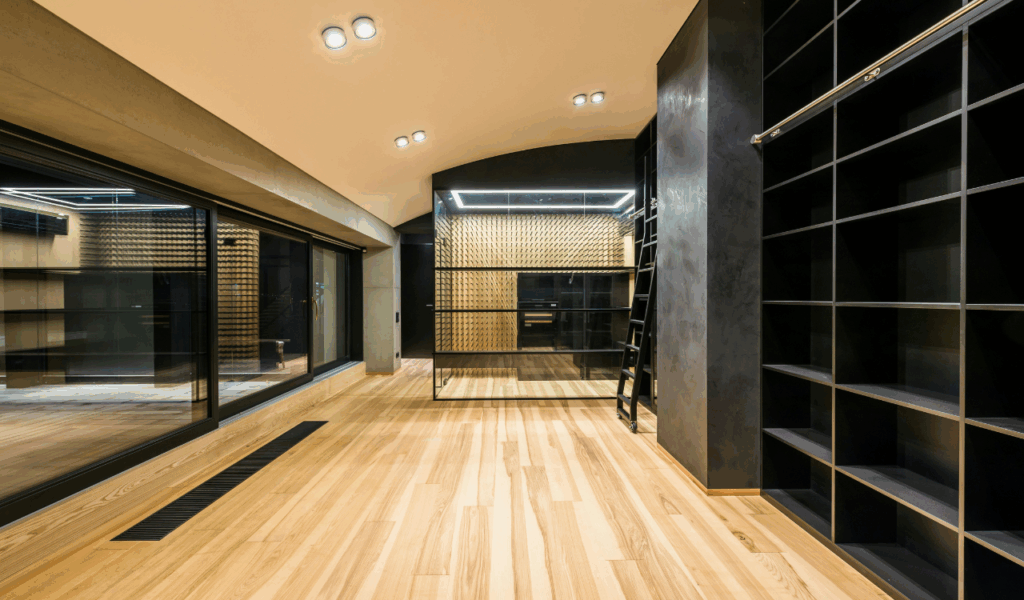
The lightweight design and ease of installation of ladder shelving units—which frequently don’t require wall mounting—made them popular. They often lack functionality despite their attractive appearance. The depth and weight capacity of the shelves are typically restricted, which limits the items that may be stored safely. Additionally, stability may be a problem, particularly on uneven flooring. Users eventually come to the conclusion that these cabinets are more appropriate for beautiful objects than for useful storage. Ladder shelves are frequently removed and stored rather than displayed as demands shift toward more durable shelf options.
8. Futon Sofas
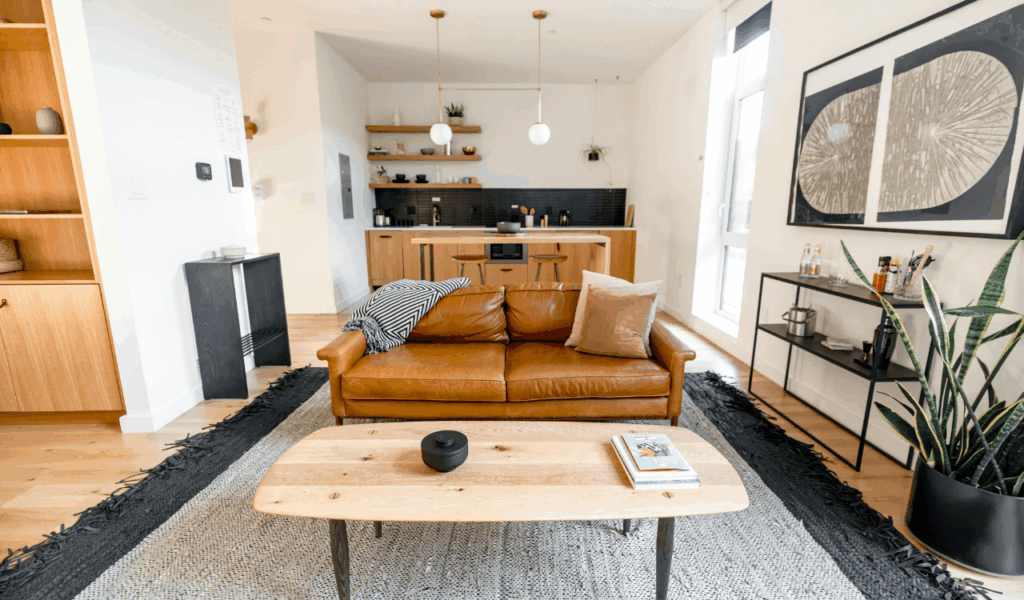
In the past, futon sofas were prized for their multifunctional design, which allowed them to be used as both sleeping and seating surfaces. Although they were theoretically adaptable, many users felt uneasy in both positions. The seating position may seem rigid or uncomfortable, and the thin mattress frequently provides insufficient support for sleeping. The frame and cushions may also deteriorate with frequent folding. Futons lost favor as sofa bed technology advanced, providing more comfort and durability. Futons were left idle in garages or spare rooms as many homes switched them out for more useful options.
9. Mirrored Furniture
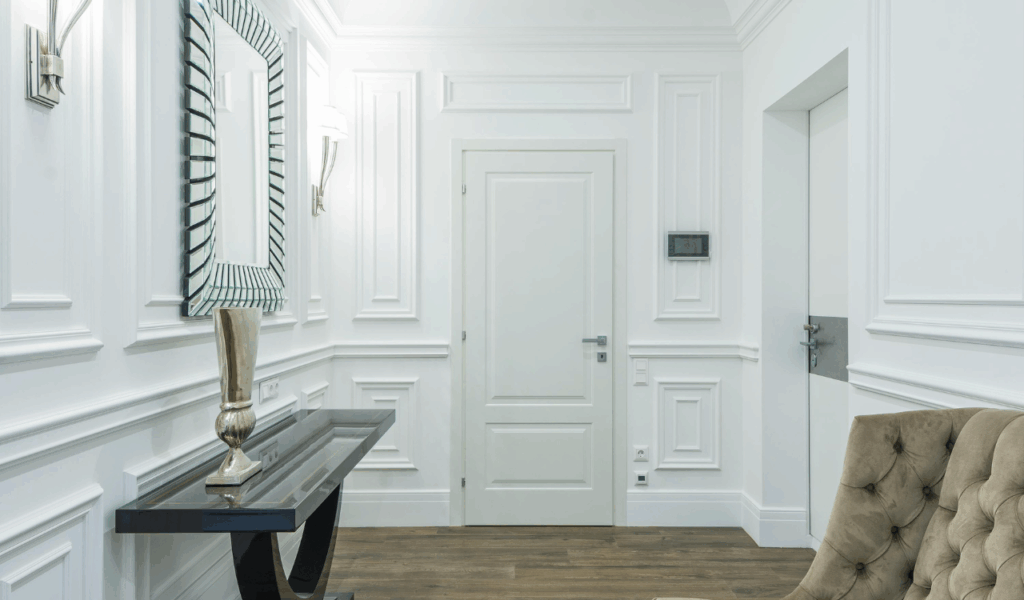
Mirrored furniture became popular because of its capacity to reflect light and give an area a glamorous feel. But these elements were difficult to preserve. Fingerprints, dust, and smudges are quite noticeable and need to be cleaned frequently. Additionally, brittle and prone to chipping or cracking are mirrored surfaces. Over time, the shiny appearance may become intimidating rather than sophisticated. Mirrored furniture became less fashionable and was frequently taken out of the main living rooms and put in storage as interior design trends went toward softer finishes and more subdued materials.