13 Holiday Storage Hacks That Didn’t Save Space
Holiday storage hacks promise quick wins once the decorations come down. Social posts and checklists make it seem like a few smart tricks will free up closets, garages, and basements instantly. In practice, many of these ideas fall apart once real storage conditions come into play. Materials break down, bins don’t stack the way they should, and items get damaged or buried. Instead of shrinking the footprint of holiday décor, these hacks often create more clutter, more replacement costs, and more frustration the following year. These are the holiday storage shortcuts that sounded efficient but quietly failed to save space.
1. Using Cardboard Boxes for Long-Term Holiday Storage

Cardboard boxes feel like an easy solution because they are cheap, familiar, and often already on hand after gift season. The problem is that cardboard is not built for long-term storage, especially for holiday décor that sits untouched for months. Over time, cardboard absorbs moisture from basements, garages, and attics, causing boxes to soften, warp, or collapse. That leads to crushed ornaments, bent décor, and wasted space when boxes can no longer stack safely. Cardboard also attracts pests, from insects to rodents, which see it as nesting material. Instead of saving space, these boxes often need replacing every year, creating more clutter and frustration. What looks like a space-saving shortcut ends up becoming a cycle of damage, repacking, and unnecessary replacement.
2. Throwing All Decorations Together Without Sorting
When the holidays end, exhaustion sets in, and many people pack decorations quickly just to clear visible space. Tossing everything into one or two large bins feels efficient, but it creates long-term chaos. Fragile items rub against heavy décor, lights tangle around ornaments, and delicate finishes get scratched. The bin itself becomes a jumble that must be unpacked completely next season to find anything specific. Instead of saving space, this approach increases handling time and damage risk. Overpacked, unsorted bins also become heavier and harder to stack, limiting where they can be stored. What felt fast in January often creates more mess, more breakage, and more wasted storage space by the time December rolls around again.
3. Not Wrapping String Lights Before Packing
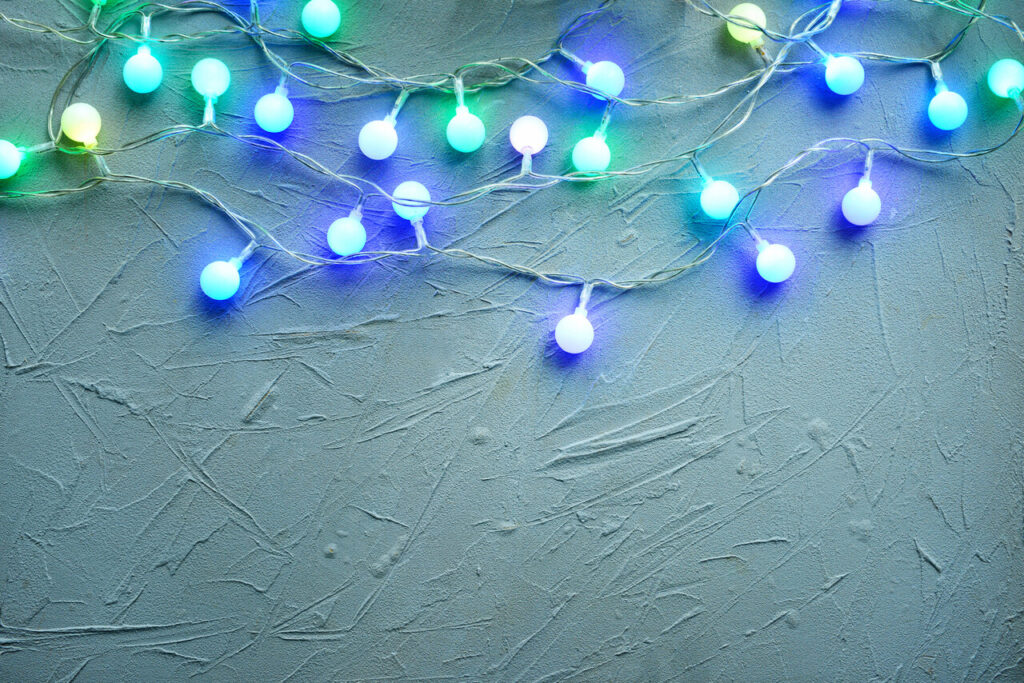
Loose string lights are one of the most common holiday storage mistakes. When lights are tossed into bins without wrapping, they knot tightly over time. Untangling them the following year can take longer than decorating itself. Worse, tugging at tangled wires stresses the internal connections, shortening the lifespan of the lights. Instead of stacking neatly, tangled lights form bulky, uneven masses that waste bin space. Many people end up discarding partially working strands simply because they are too frustrating to deal with. What could have been compact and organized turns into an oversized problem that occupies more room than necessary and adds replacement costs year after year.
4. Ignoring Proper Protection for Fragile Decorations
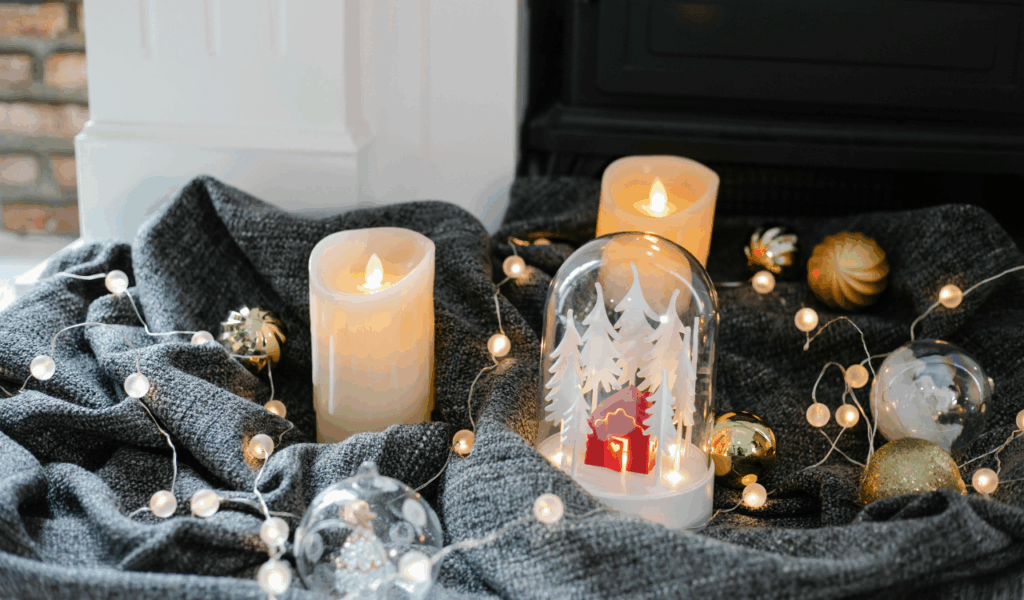
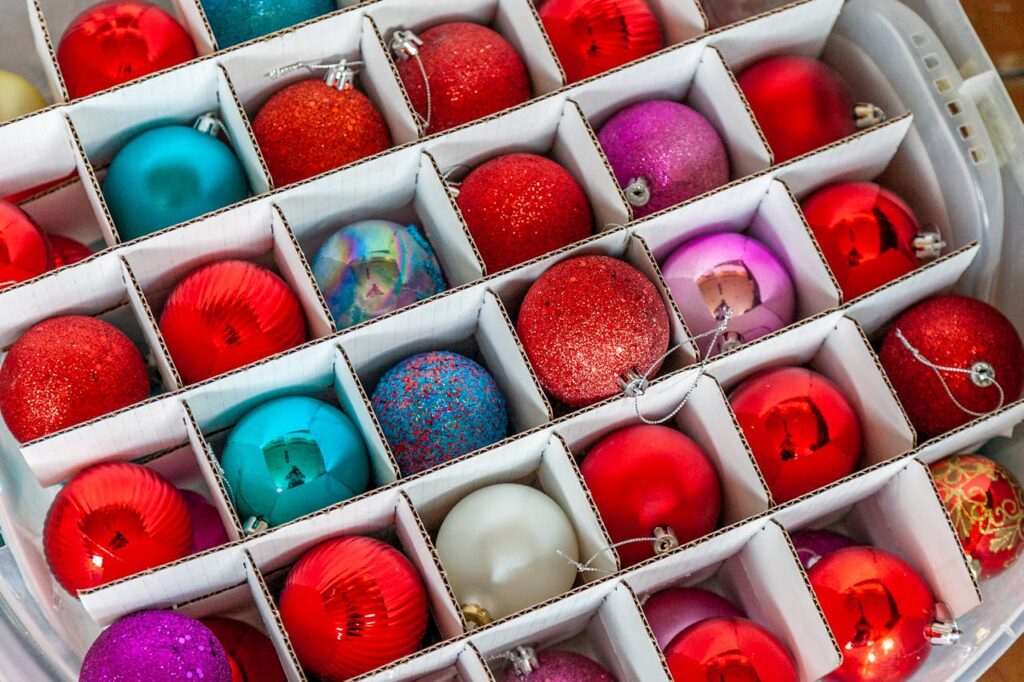
Glass ornaments, ceramic figurines, and sentimental keepsakes require structure and padding, not guesswork. When fragile items are wrapped loosely or not separated properly, they shift during storage. That movement leads to chips, cracks, and complete breakage. Broken items create sharp debris that damages surrounding décor and forces repacking. People often compensate by adding more padding later, which increases box size and reduces stacking efficiency. Instead of protecting space, improper packing leads to bulkier bins and lost items. The emotional cost is high as well, especially when sentimental decorations are damaged. What seemed like a time-saving move quietly costs both space and memories.
5. Storing Wreaths in Oversized, Unstructured Bags

Wreath storage bags promise convenience, but many are too large and lack internal support. Without structure, wreaths shift and flatten under their own weight or when stacked. Branches bend, decorations loosen, and shapes distort. Oversized bags also take up more shelf or floor space than necessary because they cannot be stacked efficiently. They slide, slump, and demand their own dedicated area. Instead of preserving wreaths compactly, these bags often force people to store them separately, increasing the overall storage footprint. A solution meant to protect ends up consuming more space than the wreath itself.
6. Forcing Large Décor Into Too-Small Containers
Trying to squeeze oversized decorations into undersized bins creates pressure points that damage items and warp containers. Lids bulge, sides bow outward, and bins no longer stack cleanly. This reduces vertical storage efficiency, which is critical in garages and closets. Over time, stressed containers crack, forcing repacking into larger bins anyway. The constant reshuffling wastes time and space. Instead of choosing containers that fit the décor, forcing items to fit containers leads to instability, breakage, and more bins than originally needed.
7. Stacking Heavy Bins on Top of Fragile Ones
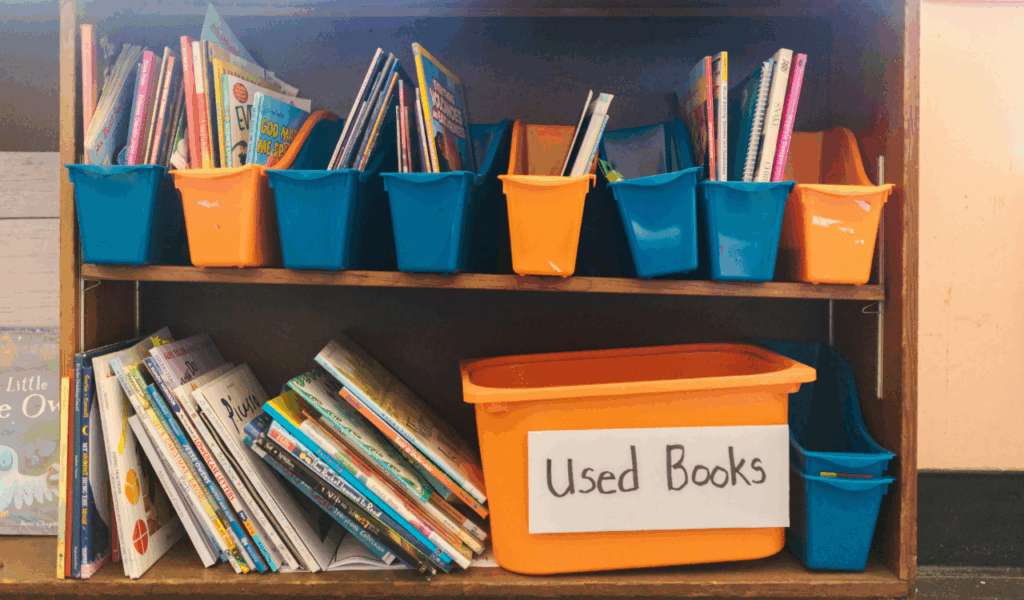
Stacking bins without considering weight distribution undermines any attempt at space efficiency. Heavy bins compress those beneath them, especially if the lower bins contain fragile items or soft materials. Lids warp, sides buckle, and contents inside suffer damage. Once a lower bin is compromised, it can no longer support stacking, reducing usable vertical space. People then spread bins out horizontally, taking up more floor area. What seemed like efficient stacking ends up costing more space and requiring reorganization later.
8. Packing Decorations by Type Instead of by Room
Sorting decorations strictly by type sounds logical, but it often creates inefficiency. When it comes time to decorate, multiple bins must be opened to complete a single room. This leads to bins being dragged out, partially unpacked, and left open for days. Storage areas become cluttered again during decorating season. Packing by room or zone allows bins to be accessed and returned more quickly. When items are grouped only by type, storage feels neat on paper but becomes disruptive in practice, wasting both time and usable space.
9. Using Vacuum Bags for Bulky or Paper Décor
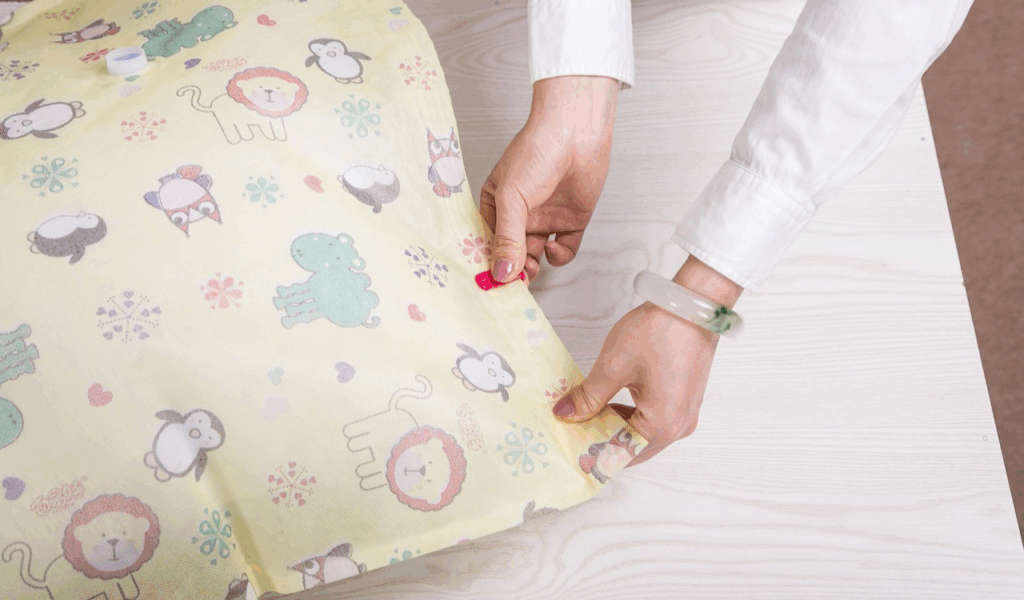
Vacuum bags are excellent for clothing but problematic for holiday décor. Ribbons, bows, felt items, and paper decorations flatten permanently under compression. Once removed, they rarely return to their original shape. Crushed items often need replacing, adding to clutter and storage needs. Vacuum bags also create irregular shapes that do not stack well. Instead of neat rectangular bins, storage areas fill with awkward, sagging bundles that waste space. What looks compact at first becomes inefficient once stacking and accessibility are considered.
10. Forgetting to Label Storage Containers Clearly
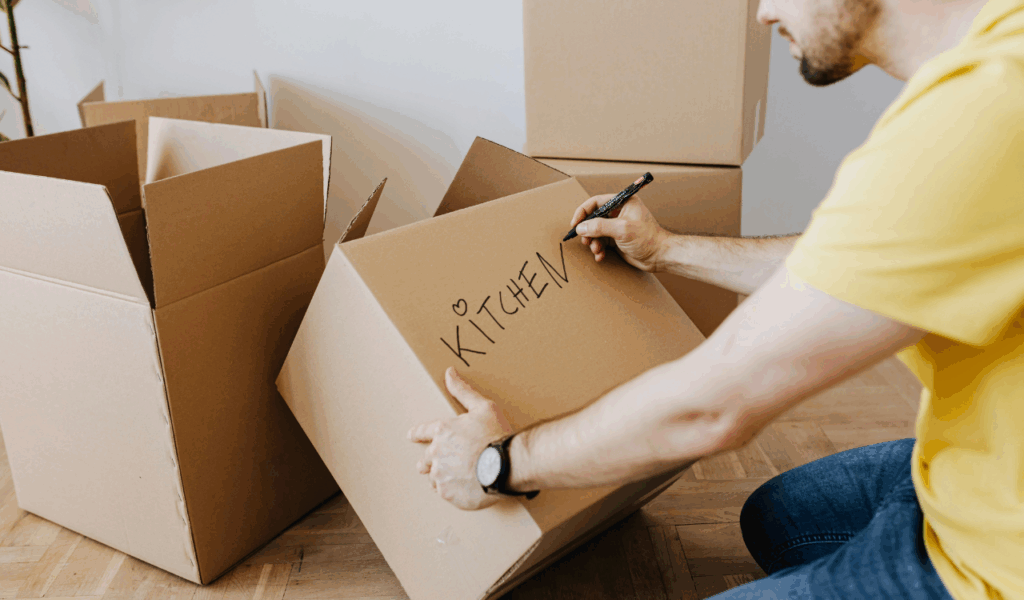
Unlabeled bins hide their contents, forcing people to open multiple containers to find specific items. This leads to bins being left open, contents mixed, and storage areas disrupted. Over time, people compensate by pulling out more bins than needed, spreading clutter. Clear labeling reduces handling and keeps storage compact. Without it, the constant searching undermines any space-saving benefits. Storage works best when retrieval is quick and predictable. When labels are missing or vague, efficiency disappears.
11. Overstuffing Bins in the Name of Saving Space
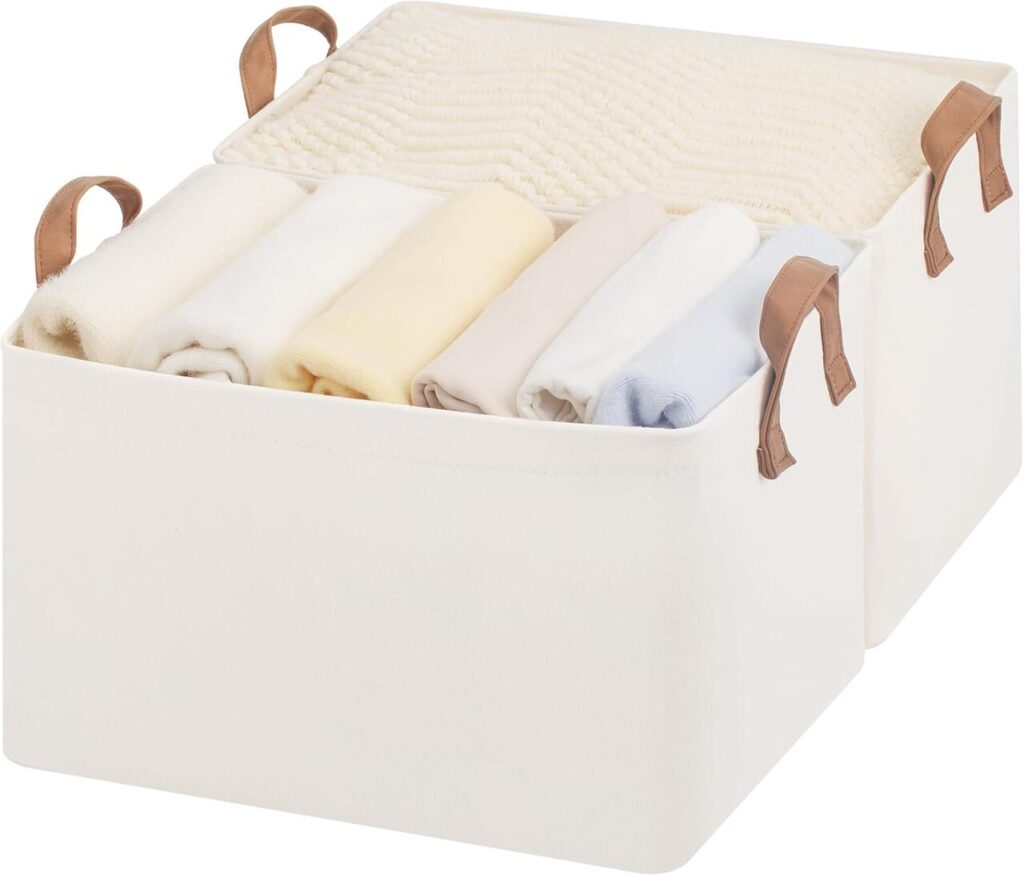
Cramming items into bins may reduce the number of containers temporarily, but it creates long-term problems. Overstuffed bins lose their shape, lids do not close properly, and stacking becomes unstable. Items inside experience constant pressure, leading to damage. When bins cannot stack, storage spreads outward instead of upward. Eventually, items must be redistributed into additional bins anyway. Overstuffing delays proper organization but does not eliminate the need for space. It simply postpones it and makes the mess harder to fix later.
12. Ignoring Climate Conditions in Storage Areas
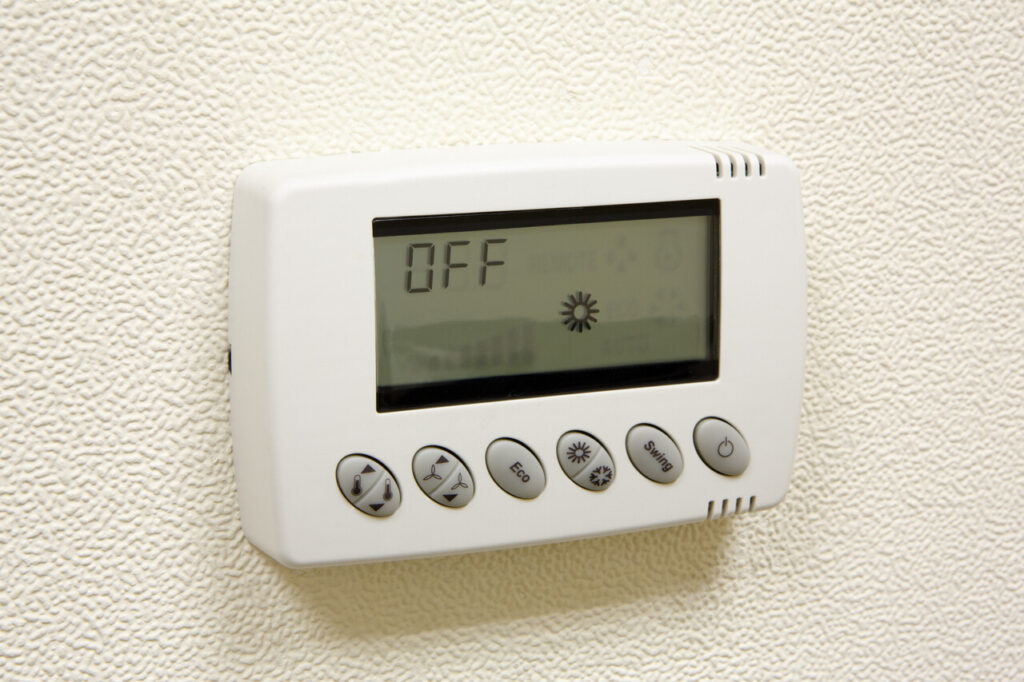
Heat, cold, and humidity quietly destroy holiday décor. Attics and garages expose items to temperature swings that warp plastic, fade colors, and weaken adhesives. Humidity encourages mold and corrosion on metal pieces. When items degrade, people often add protective layers or extra containers later, increasing storage bulk. Some items become unusable and are replaced, adding to clutter. Climate neglect does not just damage décor. It forces inefficient storage decisions down the line that take up more room than necessary.
13. Using Opaque Containers That Hide What’s Inside
Opaque bins look tidy, but they make storage less functional. When contents are hidden, people rely on memory, which fades over time. Bins get opened unnecessarily, contents are disturbed, and items are misplaced. This leads to partial unpacking and repacking that disrupts storage order. Clear containers reduce handling and keep storage compact because people only access what they need. When visibility is lost, efficiency follows. Space-saving storage depends on quick identification. Without it, bins multiply and storage areas become crowded again.