4 Places Homeowners Hide Valuables That Experts Say Are Obvious

Every homeowner wants to keep cash, jewelry, or important documents safe, but burglars know exactly where people tend to hide items. Over 2 million burglaries occur in the United States annually, according to FBI data, and security studies show that most intruders look in predictable spots first. Hiding valuables in plain sight or in commonly used furniture may feel clever, but it often backfires. Knowing the areas burglars check repeatedly can help you adjust storage methods and improve home security without investing in expensive systems. Awareness and simple precautionary habits make a real difference in protecting belongings.
Planning for guest access, everyday use, and quick lockdowns also matters. Many homeowners overlook how routine cleaning, guests, or casual movement around the house expose these hiding spots. By replacing obvious spots with less predictable locations, you reduce vulnerability while maintaining convenience for daily life. The right approach balances safety with functionality, ensuring valuables stay protected and accessible only to those who should have access.
1. Under the Mattress and Bedroom Drawers
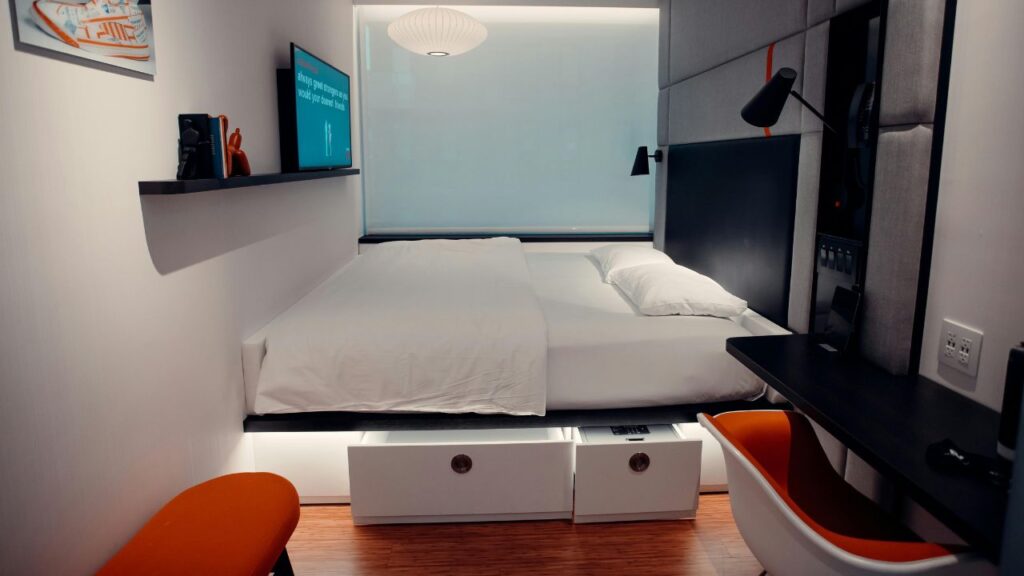
Hiding cash or jewelry under a mattress or in standard bedroom drawers is one of the most common mistakes homeowners make. Security data shows that burglars check mattresses in approximately 75 percent of home break-ins, knowing that these spots are almost always used. Items tucked in bedside drawers, dresser compartments, or mattress seams often appear private but are easily accessed by intruders who expect them to be there.
Simple actions can reduce risk without complicated security setups. Moving valuables to a locked safe, using non-standard hiding compartments, or even anchoring storage units makes a noticeable difference. Just rearranging where you store cash or jewelry ensures that routine hiding spots no longer serve as an invitation. This is especially important for bedrooms, where everyday convenience should not compromise security.
2. Kitchen Freezers or Cabinets
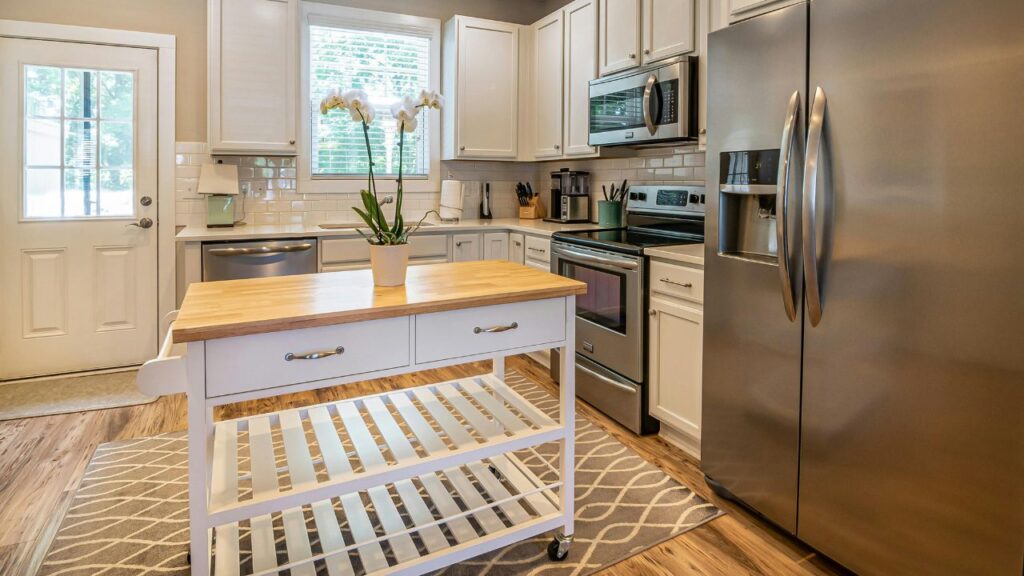
Kitchen freezers and cabinets are surprisingly popular hiding spots. Burglars know that homeowners sometimes slip cash, small electronics, or important documents into food containers or pantry boxes. Security research and Reolink data indicate that these locations rank high on intruder search lists, often third after bedrooms. What seems like a clever spot between frozen vegetables or canned goods can be obvious to someone trained to look for patterns.
Homeowners can make kitchens less predictable by storing valuables in locked containers, using concealed compartments, or selecting non-traditional storage outside typical food preparation areas. This approach reduces risk while keeping the space practical for everyday use. Regularly rotating or checking the storage of valuable items also ensures that the location remains discreet and that any accidental visibility does not create an opportunity for theft.
3. Under Furniture and Couch Cushions
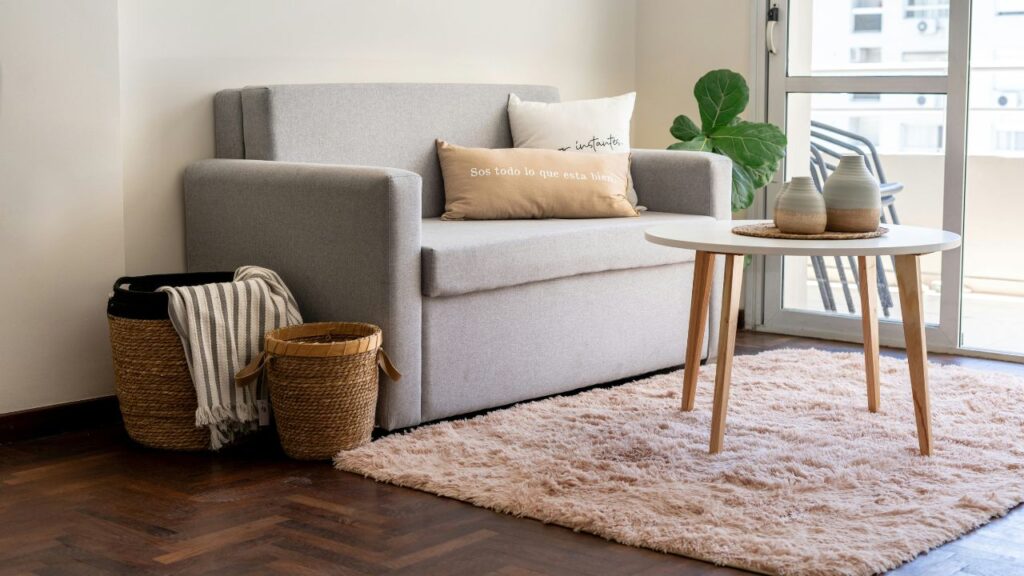
Couch cushions and spaces under furniture are almost instinctively checked by burglars. Studies show that intruders examine cushions in over 50 percent of robberies because cash, small electronics, and jewelry are frequently placed there. Reolink data confirms that living rooms are the fourth most searched area after bedrooms and the kitchen. Even neatly arranged sofas can conceal items in a way that is immediately obvious to someone trained to look for them.
Keeping these spaces clear of valuables reduces vulnerability. Consider using locked drawers, storage ottomans, or anchored containers for items that need to remain accessible. Being strategic about what you leave in everyday furniture ensures that living areas stay functional and comfortable without inadvertently offering intruders easy access to high-value items. Simple placement awareness can drastically improve home security.
4. Other Obvious Spots: Nightstands, Entryway Drawers, and Personal Cabinets
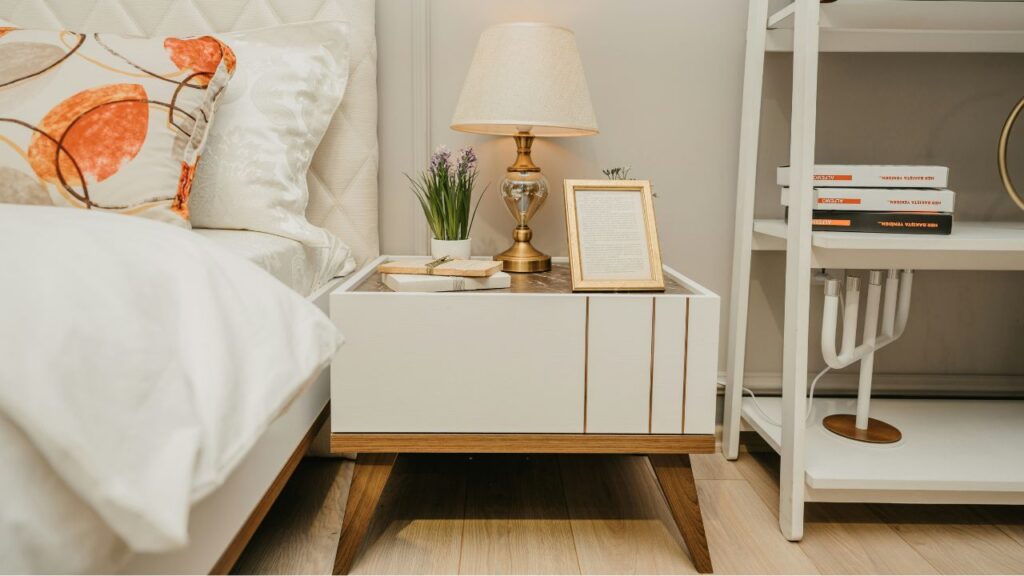
Closets, nightstands, and frequently used drawers in hallways or entryways are often overlooked by homeowners as insecure, but burglars know these are predictable. Items such as wallets, keys, spare cash, or jewelry stored here are easy targets. Mike Mason, a security professional, explains that these accessible areas rank highly on intruder priority lists because they are convenient and repeatedly used.
To reduce exposure, replace obvious storage with less predictable solutions. Lockable containers, hidden compartments, or off-site storage for rarely needed items can protect valuables without disrupting daily life. Awareness of the natural flow of household activity and guest traffic ensures that storage solutions are both practical and secure, maintaining convenience while reducing the chance of theft.