8 Bathroom Spa Ideas That Are Total Overkill (and Waste Water)
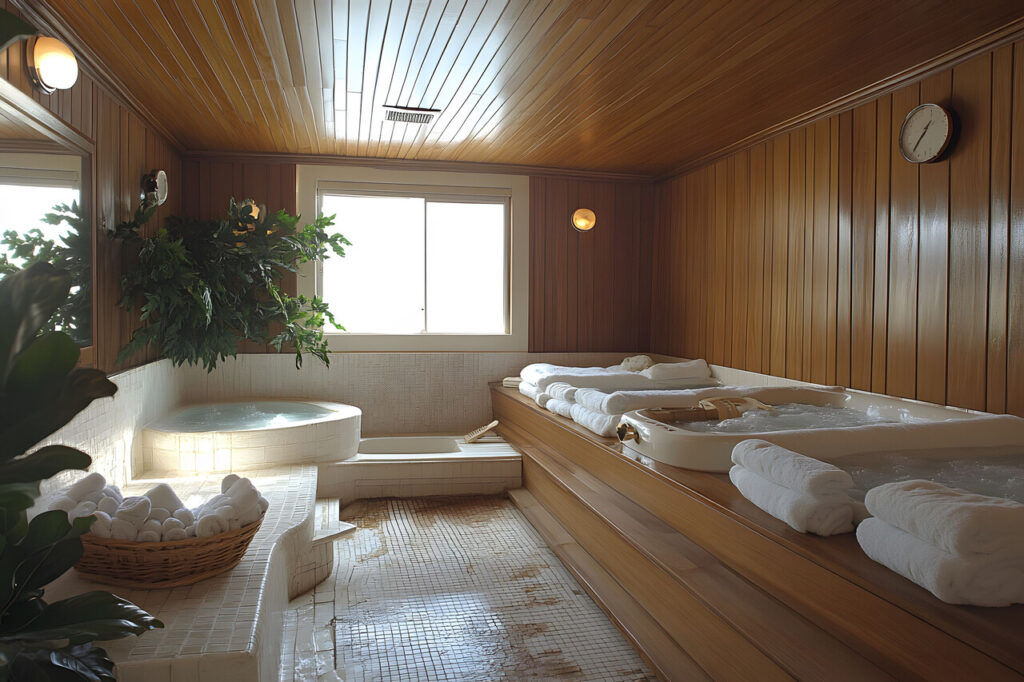
Spa-style bathrooms have become a design obsession, but many of the trendiest upgrades promise more luxury than they deliver. What looks serene in a showroom often turns into higher water bills, bigger energy use and more upkeep than most people expect. When features are built for spectacle rather than daily living, they quickly reveal their downsides. The real surprise is how many so-called indulgences end up ignored once the novelty fades. A bathroom can feel calm and restorative without installations that overwhelm your space, your plumbing or your budget.
1. Oversized Showers With Multiple Heads, Body Sprays And Rainfall Panels
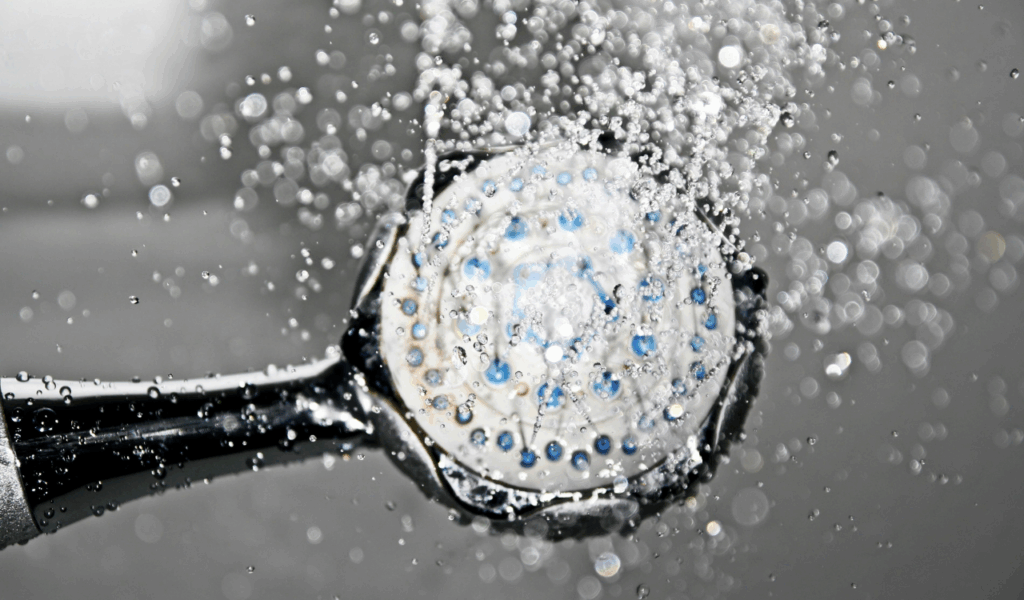
Luxury marketing loves the idea of a car wash-style shower, but the numbers tell another story. Each additional head or body jet adds to the flow rate, so what could be a modest 8 to 10 minute shower can easily double water use compared with a standard fixture. In older homes, plumbing and hot water tanks are rarely sized for that demand, which means pressure drops, temperature swings, and sometimes lukewarm results. Building codes in many regions have also tightened around maximum flow, so some systems never perform as the glossy brochure suggests.
2. Steam Showers Or Saunas In Small Bathrooms
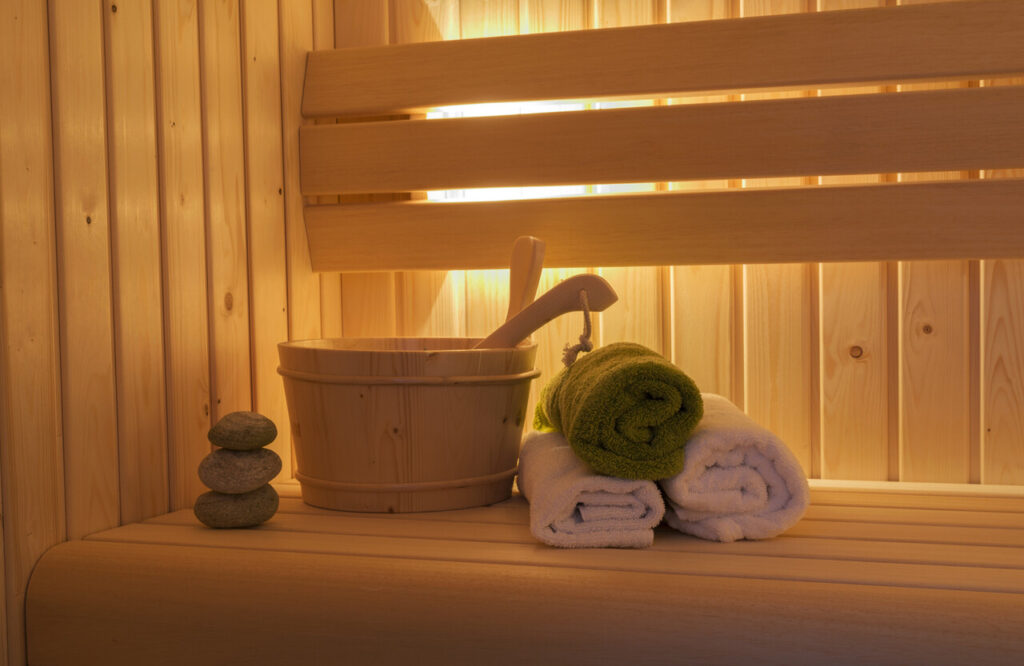
Steam units sound ideal if you picture a hotel spa at home, but they are unforgiving in compact, poorly ventilated rooms. A typical steam session runs longer than a normal shower, keeps surfaces wet for extended periods, and pushes humidity close to saturation. Without excellent extraction and proper vapor barriers behind tile, this creates prime conditions for mold in walls, ceilings, and grout joints. Generators consume significant electricity, need space for installation, and require regular descaling in hard water areas. For small bathrooms, the trade-off between spa fantasy and building physics often does not favor steam.
3. Deep Soaking Tubs Or Jetted Baths
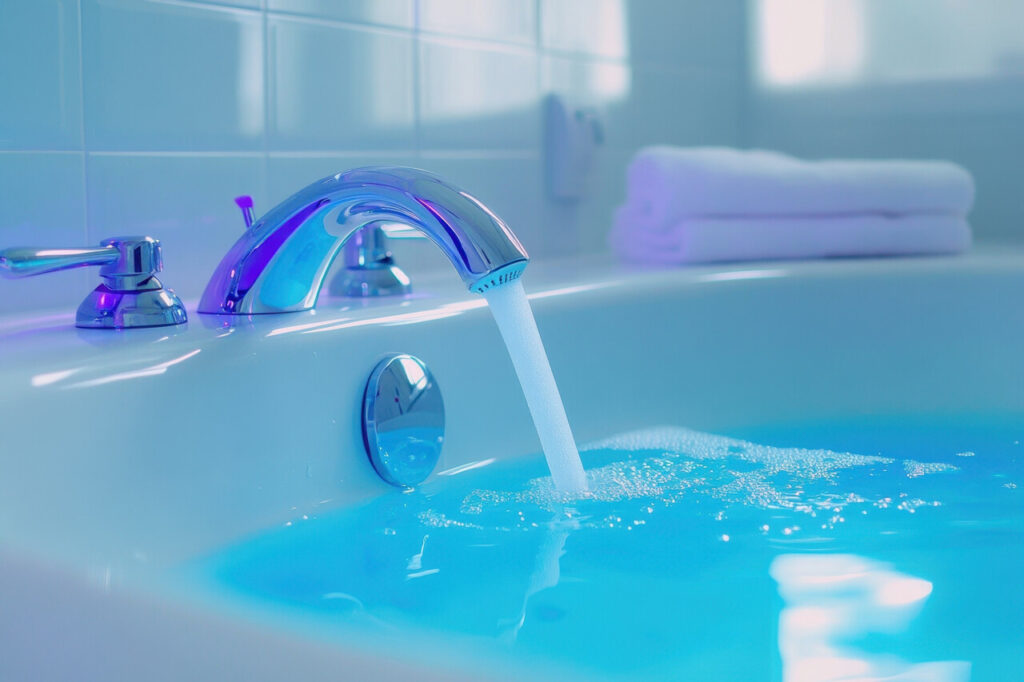
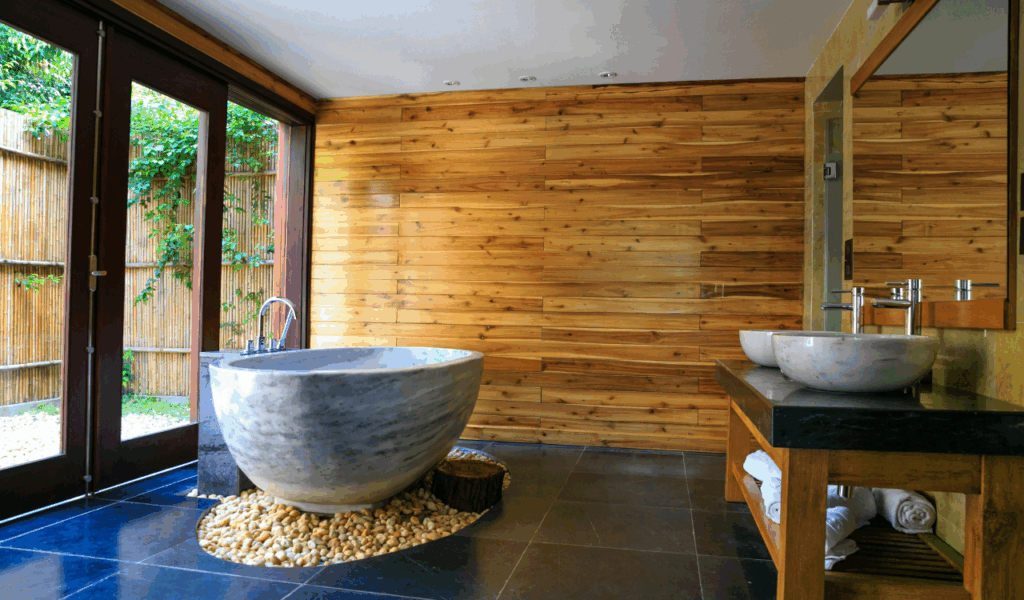
Freestanding soaking tubs and corner whirlpools photograph beautifully, but you pay for that image in water, energy and floor area. A typical deep tub can easily hold more than twice the volume of a standard bath, so each fill uses a large share of a household’s daily hot water capacity. Heating that much water repeatedly adds up on energy bills, especially with electric heaters. Jetted models add pumps and pipework that must be flushed and cleaned to prevent biofilm and residue buildup, which can otherwise discharge into the water when you run the jets. The units are heavy, which sometimes requires structural reinforcement.
4. Wet Rooms With Open Shower And Tub In One Space
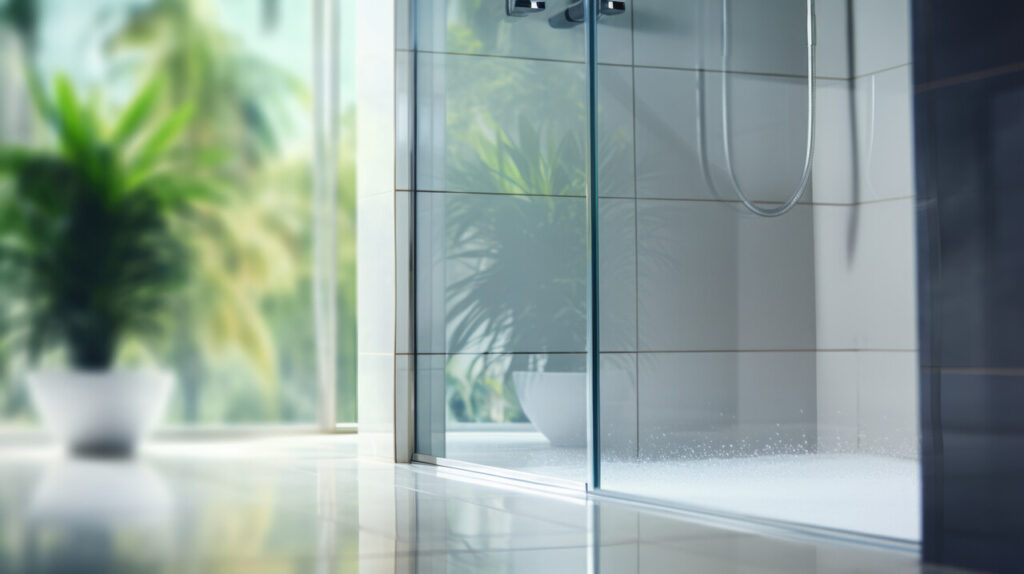
The idea of a fully open wet room promises hotel-like minimalism, yet execution is tricky in real homes. Without precisely sloped floors, well-placed drains, and full waterproofing up walls, water travels farther than planned, soaking storage, matting, and sometimes adjacent rooms. Using a high-flow rain head or hand shower in this setup spreads water across more surface area, which increases evaporation time and keeps humidity high for longer. That raises the load on fans and can cause finishes to age faster. In climates with limited natural ventilation, floors may remain damp for much of the day, which is uncomfortable and increases slip risk.
5. Heated Floors In Every Bathroom
Radiant floor heating solves the cold tile problem, but rolling it out in every bathroom can be an energy-intensive way to chase comfort. Electric mats run on resistance heating, which is one of the more expensive ways to use power, especially if left on for long periods. Hydronic systems tied to boilers or heat pumps are more efficient but require complex installation, manifolds and controls. In smaller rooms, the thermal mass of the floor can hold residual warmth for a while after a shower, meaning a simple rug or timed towel rail might achieve similar comfort for far less cost. Once installed, floor heating can also limit future changes to tile or layout, since lifting it risks damaging the system.
6. Multiple Soap Dispensers, Aromatherapy Jets, Mood Lighting And Extras Everywhere
Turning a bathroom into a multisensory zone with built-in aromatherapy, colored LEDs, waterfall spouts, and multiple product dispensers sounds appealing in theory. In practice, each component adds another point of failure and another item to clean or refill. Scent can residue on fittings, oils can clog jets, and diffusers and speakers still draw power even when used sparingly. LED systems with color-changing programs rely on drivers and controllers that eventually fail, often before the core bathroom fixtures do. Many households settle into simple routines with one or two favorite products and a standard light level, while the specialized jets, shelves, and lighting modes go unused.
7. Dual Vanities, Double Sinks And Oversized Countertops In Compact Bathrooms
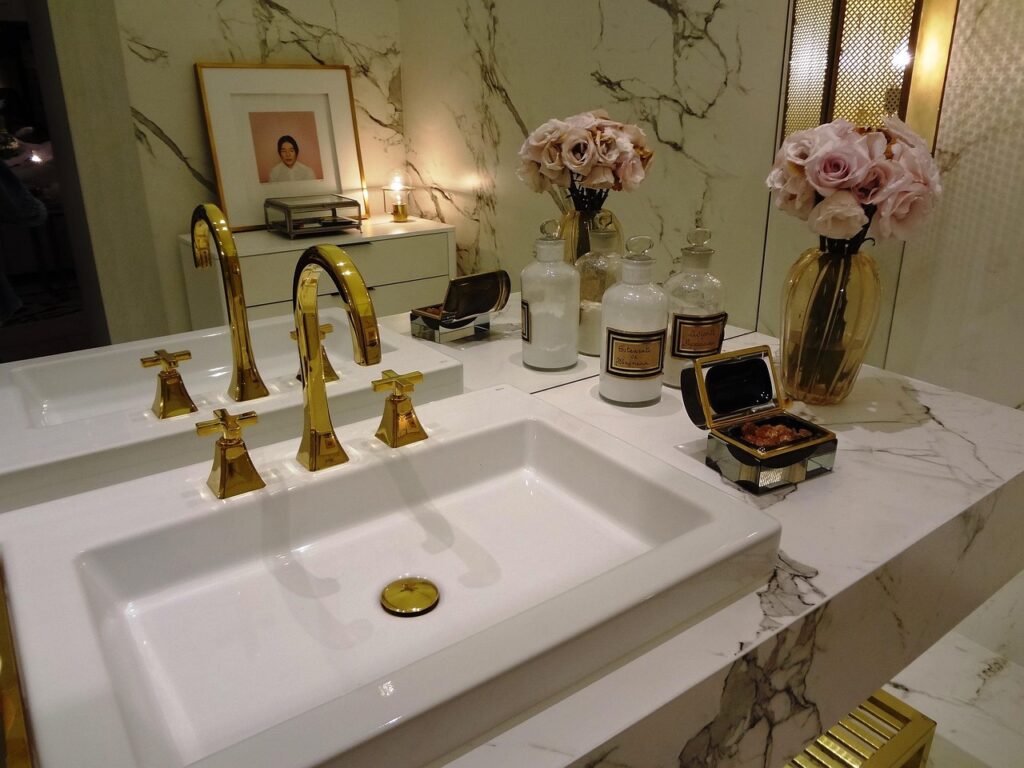
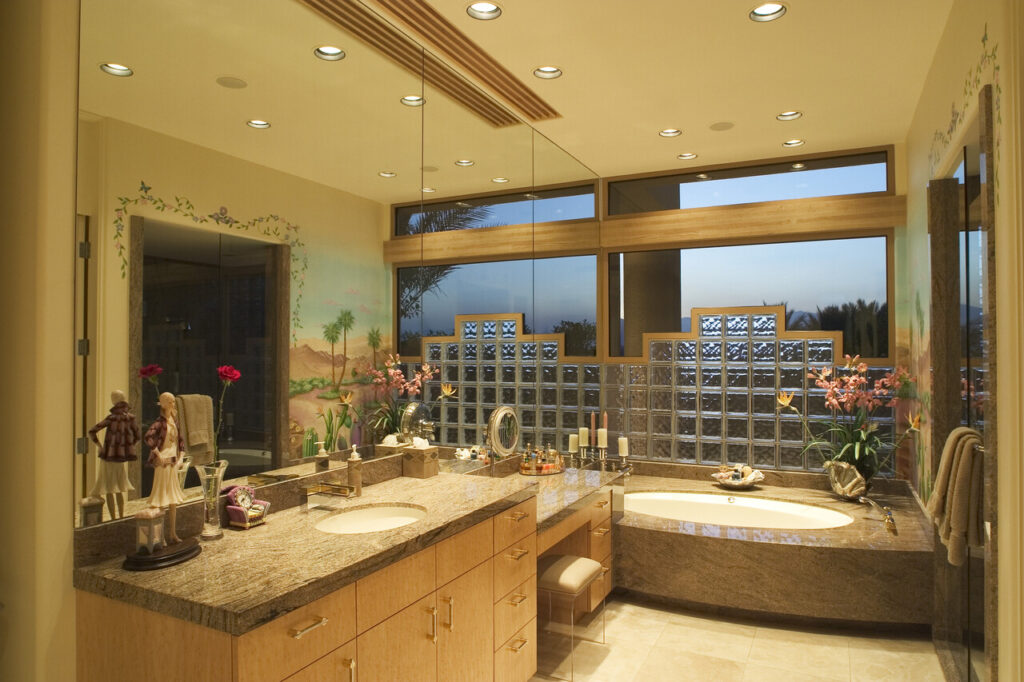
Two sinks are often sold as the answer to shared morning routines, but in modest-sized bathrooms, they can create more problems than they solve. Each basin needs its own plumbing rough-in, trap and supply lines, which raises installation cost and slightly increases water use during daily washing. The counter stretches to accommodate both, leaving less wall space for storage cabinets or mirrors of useful size. Drawers and cupboards must dodge plumbing, so usable storage can actually drop compared with a single, well-planned vanity. In narrow rooms, expanding a vanity also shrinks circulation space, making it harder for two people to move around at once.
8. Steam Generators, Hydrotherapy Jets And High Maintenance Water Systems
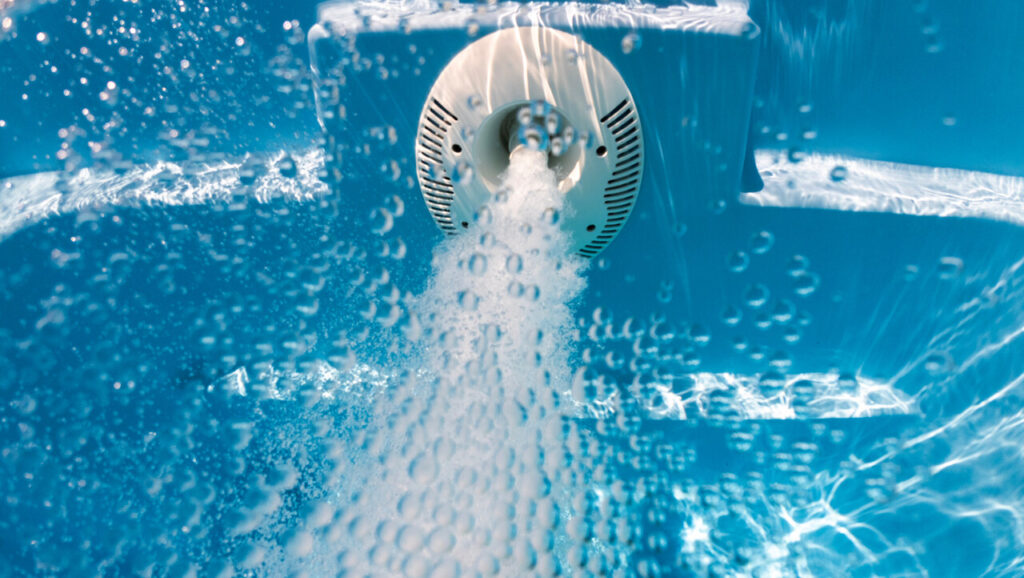
Complex water-based systems, such as hydrotherapy tubs with multiple jets, integrated chromotherapy lights, and separate steam generators, are marketed as medical-grade wellness features. Each relies on pumps, valves, and piping that sit wet between uses. Without strict cleaning routines and manufacturer-recommended flush cycles, these internals can harbor scale, soap residue, and microorganisms. That is why many manuals specify regular use of cleaning solutions or professional servicing. The equipment also places continuous demands on electrical circuits and may require dedicated breakers due to high load. Older homes with limited service capacity may need panel upgrades to handle them safely.