4 Trend-Driven Restaurants That Burned Out in a Year
It is possible for restaurants that are driven by trends to become massively popular on social media, sell out for a few weeks, and then vanish almost as quickly. These establishments typically rely on a single overarching concept, such as a photogenic theme, a culinary item that goes viral, or a limited-time “experience,” and they may spend a significant amount of money on marketing, staffing, and decor in order to maintain their visibility. Whenever the tendency continues, the expenses remain high, but the demand decreases. Here are four prominent trend-chasing restaurants that usually start hot and fail within a year, along with warning signs that diners might spot before the enthusiasm slows down.
1. Single-item viral dessert and drink spots

These restaurants center their entire menu around a single item that stands out to the customer, such as towering desserts, drinks that are too big for their glasses, or cuisine that changes color. Despite the fact that the product pictures well, it is typically expensive and slow to produce, which results in long lines, stressed employees, and quality that is inconsistent. After users share their photographs, the concept struggles to draw daily traffic, reducing repeat visits. If the trademark item uses pricey garnishes or delicate packaging, sales may suffer if ingredient costs or waste rise.
2. Selfie-set theme cafés with “photo-first” décor
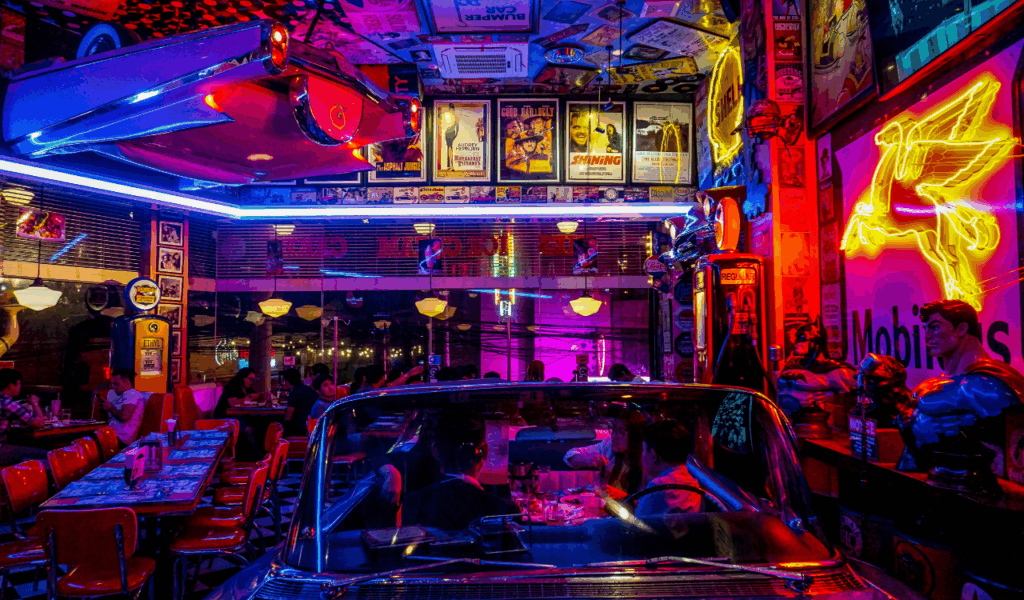
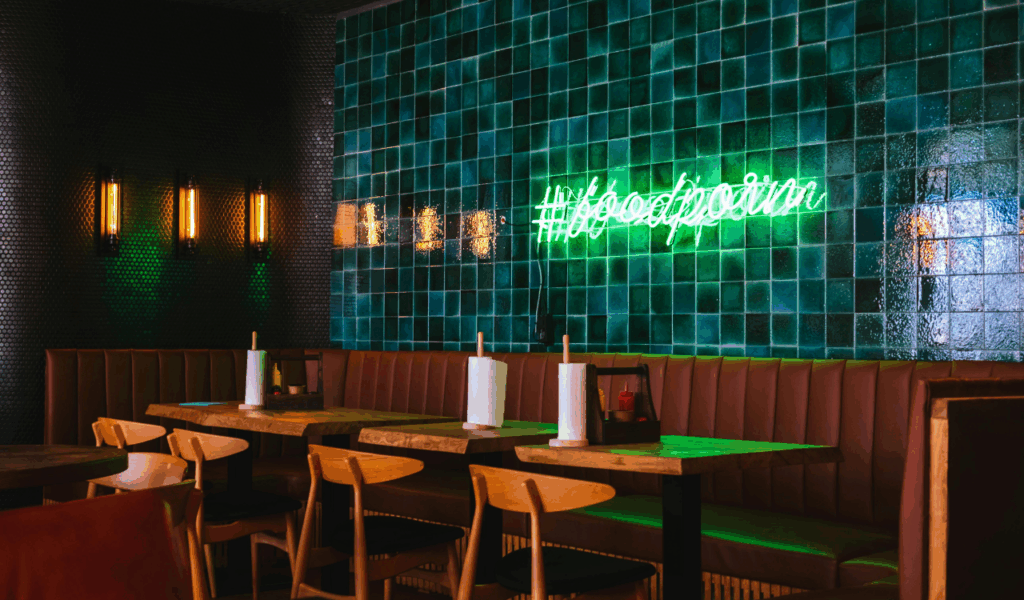
Themed restaurants have selfie-friendly dining rooms with neon slogans, dramatic lighting, and selfie props. In addition to food being an afterthought, build-outs, rent for trendy locations, and maintenance are pricey. As soon as a location that appears to be quite similar opens up in the vicinity, The audience goes on when the encounter becomes routine. When you include in lighting electricity and staff attrition from rushed rushes, the costs build up. These restaurants can only survive if their food and service can keep consumers coming back without the camera since the concept was created for snapping photos.
3. Influencer pop-ups and collaboration kitchens
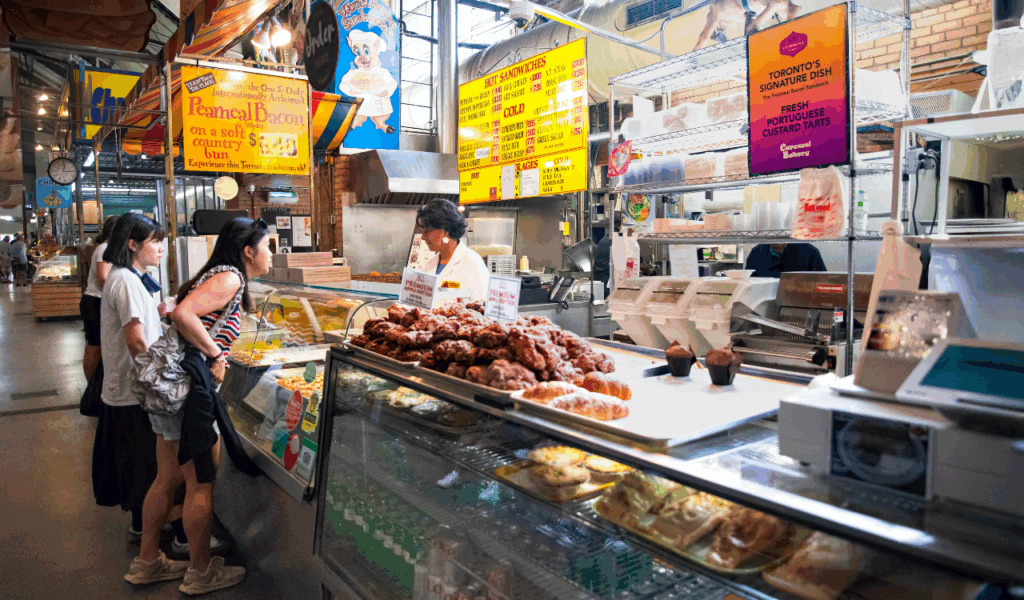
There is typically a great deal of excitement surrounding the introduction of influencer-led pop-ups and partnership restaurants; nevertheless, the business model is fragile. Due to factors such as short leases, temporary kitchens, and rapid hiring, food safety processes may not be constant, training may be variable, and supply issues may arise. There is a surge in attendance during the first month, but it begins to decrease after the “I was there” moment has passed. Relying on a personality or regular drops makes the endeavor burdensome. Without a core menu and recurring consumers, the pop-up may fail before finding its groove.
4. Diet-craze “wellness” eateries built on a single fad
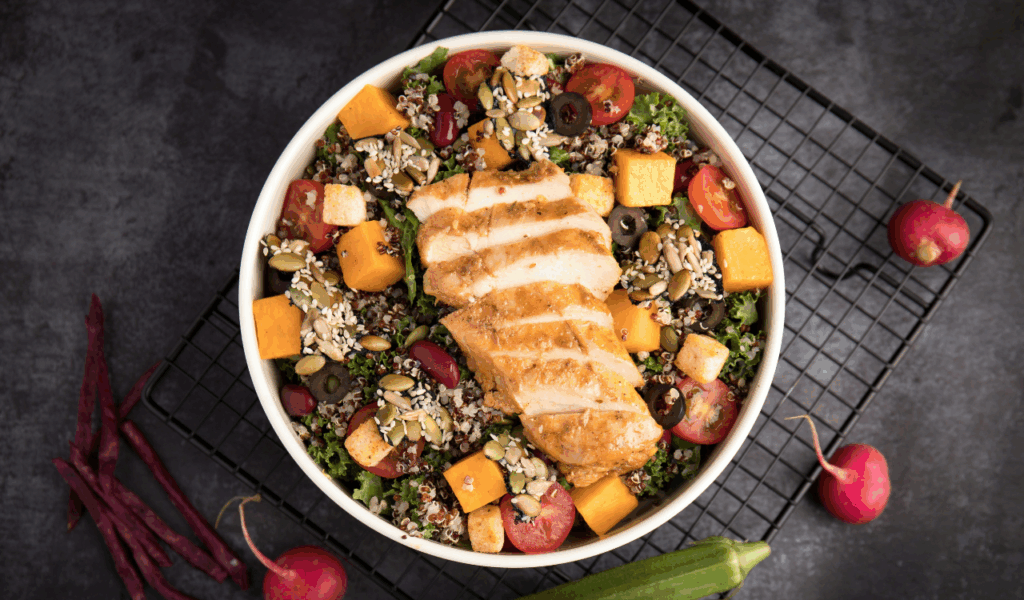
The popularity of restaurants that are centered around a single diet craze or “wellness” trend, such as severe cleansing menus or gimmicky functional add-ins, tends to fizzle out very fast. First and foremost, the food must have a pleasant flavor; if the menu appears to be a temporary obstacle, the majority of customers will not return. A prominent ingredient with safety or accuracy issues is activated charcoal, which reduces medicine absorption. Making unnecessary detox promises is another. Due to scrutiny, these restaurants must adjust their recipes, message, and sourcing, which is expensive. A notion usually dies within a year if it’s not practical.