9 Suppers Where Everyone Eats Separately, Even When They’re Together

When you share a meal, you don’t always have to eat the same food, at the same time, or in the same way. A lot of modern families eat together at one table, although each member has their own interests, routines, or demands. These dinners nevertheless bring people together, even if the plates appear very different. These ideas respect each person’s uniqueness while keeping the communal experience intact. They range from build-your-own setups to meals that may be eaten at any time. They make the cook less stressed, cut down on food waste, and make everyone feel like they matter. Eating separately doesn’t have to mean eating alone; it can just mean eating better together.
1. Build-Your-Own Grain Bowls
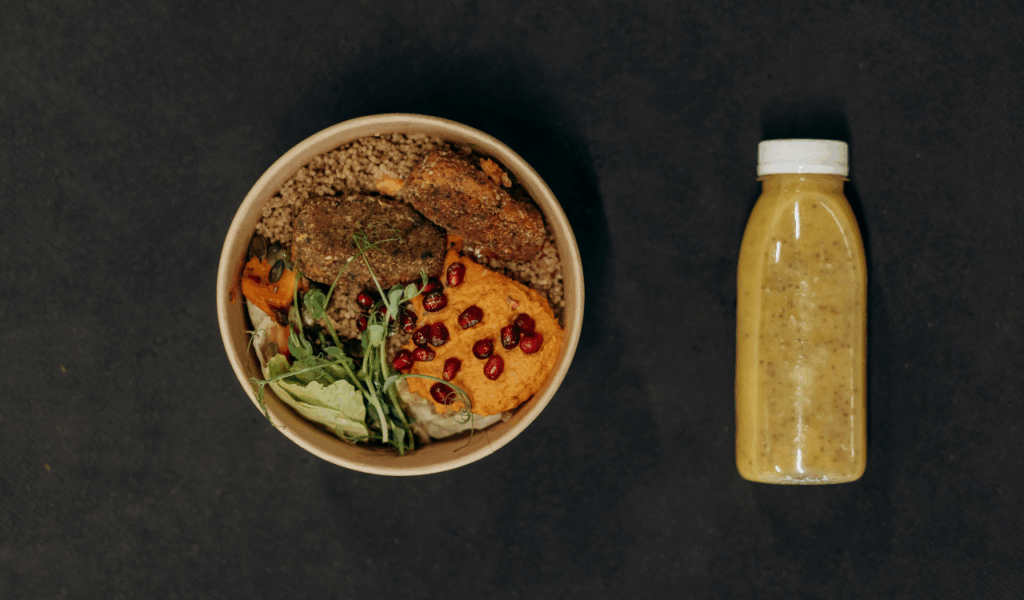
Grain bowls are great for when everyone wants something different but still wants to dine together. You can put a lot of different toppings in individual bowls on top of a neutral foundation like cooked rice or quinoa. You can eat vegetables raw or roasted, proteins can come from plants or animals, and sauces can be light or strong. Everyone puts together their bowl precisely how they want it, choosing the taste, texture, and amount of food. This system also helps with balanced nutrition because people can change the amount of veggies, protein, and grains they eat. It’s also easy to clean up because parts are made once and used in many ways.
2. Personalized Flatbreads or Pizzas
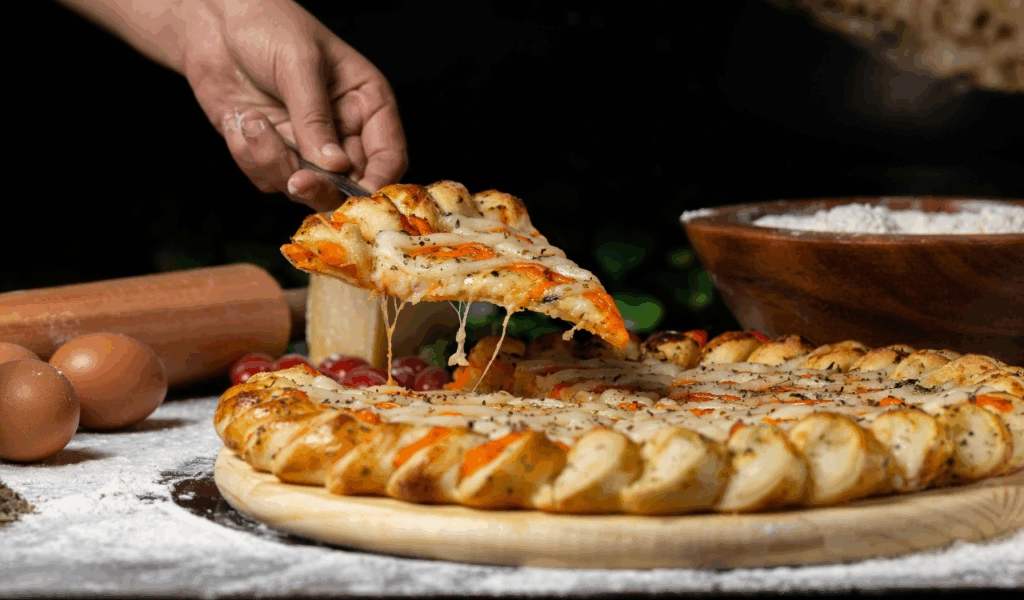
Everyone can make their own flatbreads or tiny pizzas without having to make a lot of different dishes from scratch. You can put different sauces, vegetables, cheeses, or proteins on top of a shared basis like dough or flatbread. Even though the flavors are different, cooking them together maintains the timing right. This method works best when tastes are really different, such when someone wants meat instead of plants or mild instead of spicy. It’s easy to regulate portions because everyone takes their own flatbread. It also gets people talking and being creative, since people typically talk about or discuss topping ideas while they wait for them to bake.
3. Soup Night with Custom Add-Ins
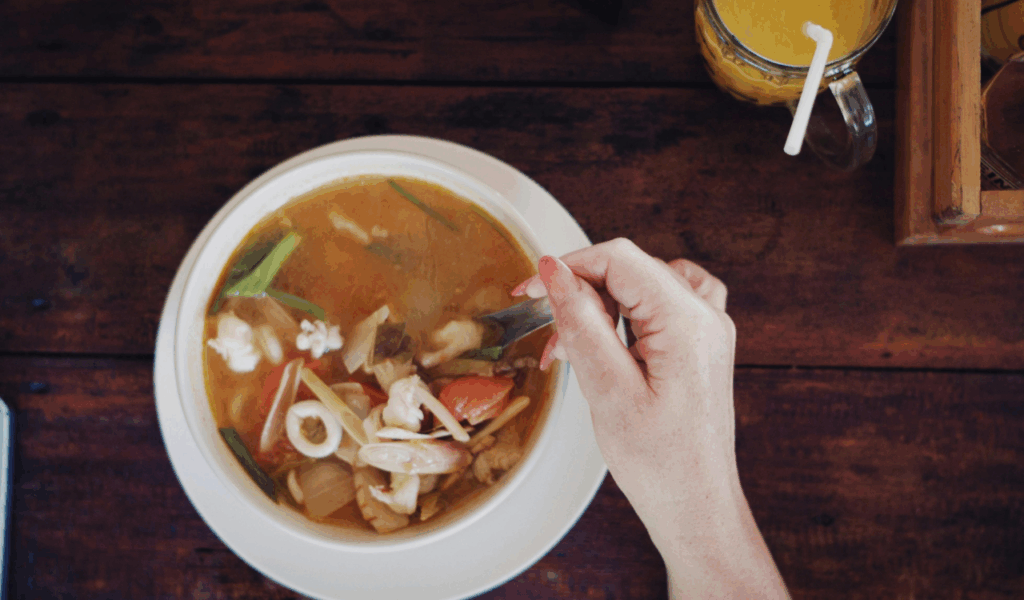
Soup nights can still work even if people have different tastes provided the broth is simple and there are extras on the side. A clear chicken or vegetable broth is a good place to start. After that, diners can add the noodles, cooked grains, veggies, herbs, or proteins they choose. This way of preparing keeps things quick and lets each bowl feel unique. Due to the fact that the broth is kept warm and the add-ins can be heated up quickly, it is also suitable for individuals who consume their meals at different times. People are free to dine together if they so like, but they are not required to limit themselves to a single flavor or texture.
4. Leftover Remix Suppers
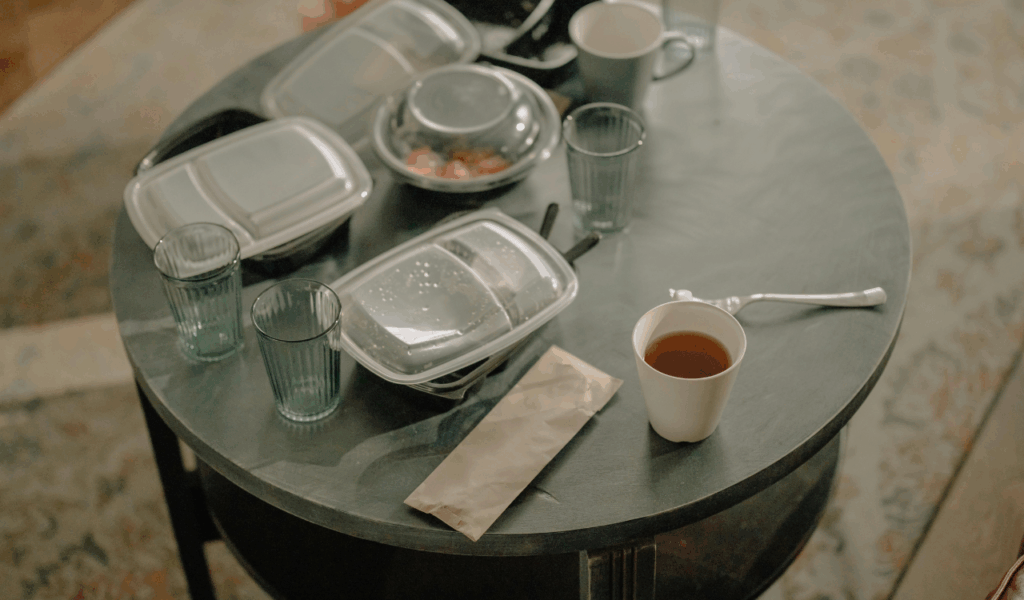
Remix suppers with leftovers are flexible, cut down on waste, and make everyone happy. Instead than making everyone eat the same leftover dish, leftovers are turned into new dishes. You may make wraps out of roasted veggies, salads out of grains, and bowls or sandwiches out of proteins. That night, everyone picks the combo that sounds good to them. This method takes into account changing tastes and keeps things interesting. It is also more efficient because the majority of the components have already been prepared. Despite the fact that the dishes may appear to be different, the supper is kept together by the common goal of clearing up the leftover dinner.
5. Breakfast-for-Dinner Mix
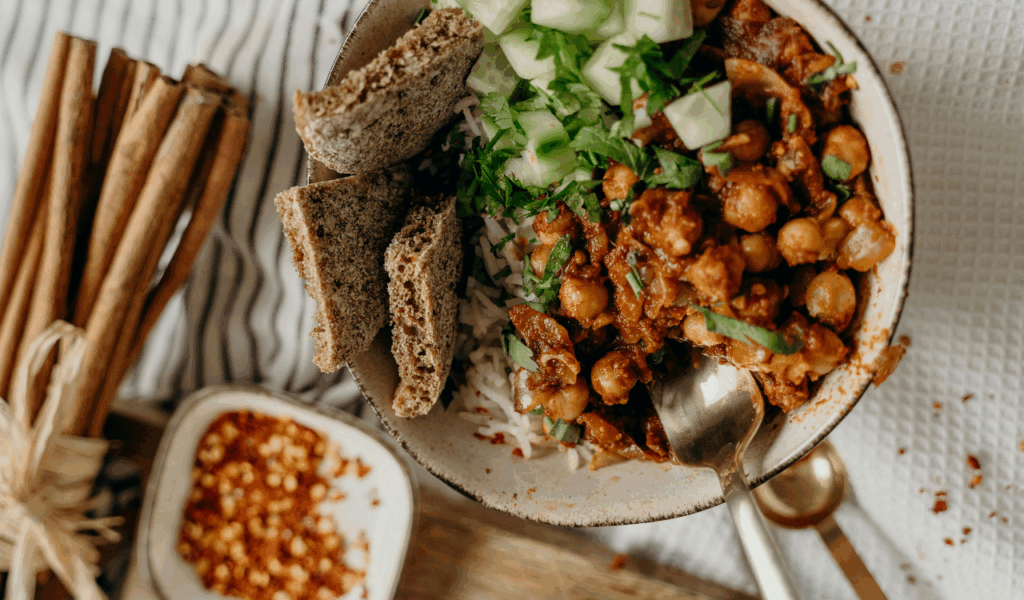
When schedules and cravings do not coincide, the breakfast-for-dinner strategy is an effective solution. Some people might desire eggs, while others might go for yogurt, and still others might go for toast or fruit. Anything can be prepared in a short amount of time and consumed either warm or cold. This flexibility makes it possible for individuals to still participate even if they arrive at various times. Generally speaking, breakfast meals are straightforward and well-known, which makes them reassuring without necessitating the use of similar plates. Protein, fiber, and healthy fats can balance nutrition among several options. The laid-back theme unites the lunch, even though everyone eats what they want.
6. Salad Base with Protein Choices
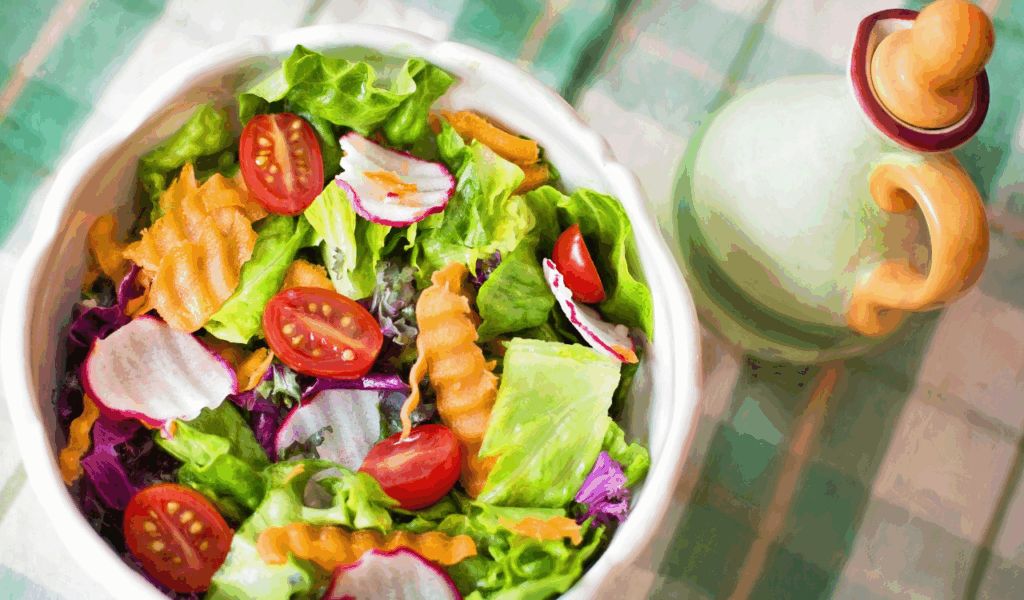
Everyone can eat what they want or need by having a shared salad foundation and distinct protein alternatives. A big dish holds the greens, vegetables, and grains, and the proteins are served on their own. Everyone makes their own dish with the kind and amount of protein they want. This configuration lets you meet diverse nutritional needs and cravings without having to cook more. You may also choose to serve dressings on the side in order to cater to your preferences. Ultimately, the outcome is a lunch in which everyone eats together, but each individual is able to control the flavor, texture, and balance in their own unique way.
7. Snack-Style Supper Spread
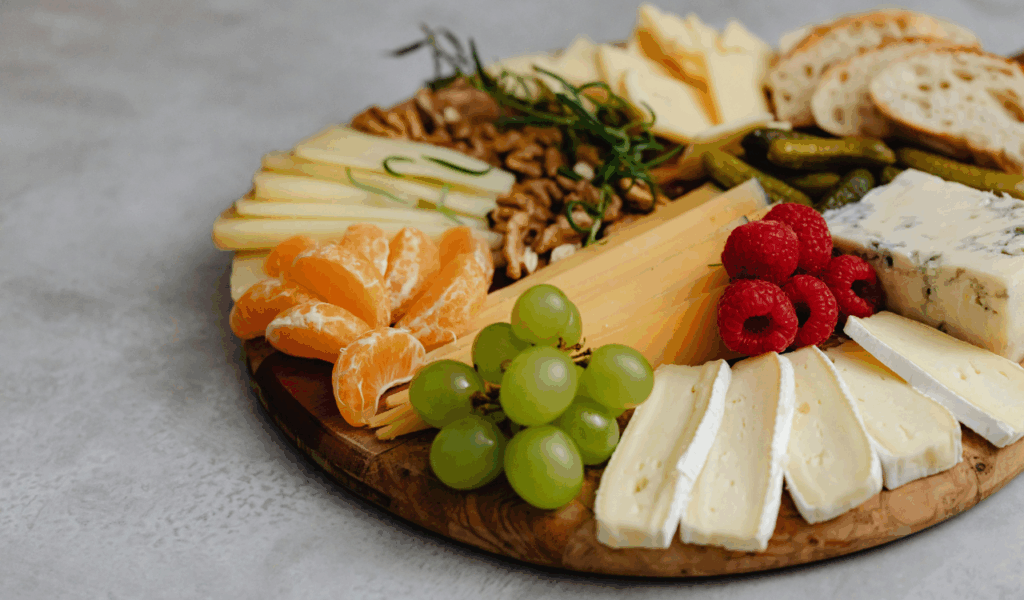
Instead of a single dish, snack-style dinners are a casual buffet. Vegetables, dips, cheeses, breads, fruits, or little pieces of protein may be on the plates. Everyone chooses what they want and how much they want. This works effectively when people are hungry at different times or when they like to eat small amounts of food instead of big meals. It also makes people talk and share because things are shared around the table. In spite of the fact that no two dishes appear to be identical, the shared spread gives people the impression that they are collectively there without requiring them to consume the same things.
8. Heat-and-Eat Freezer Meals
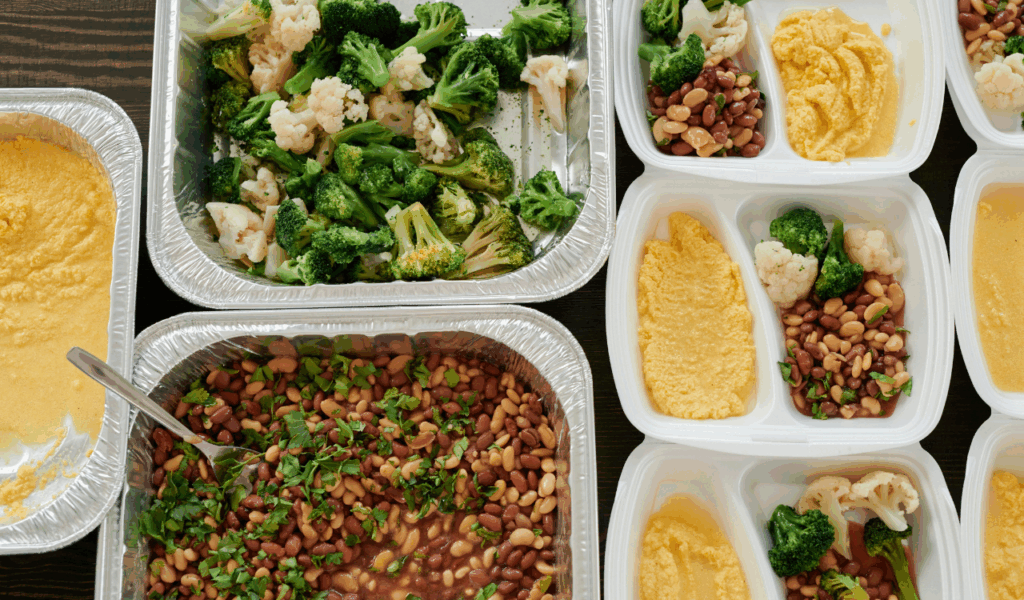
Freezer dinners that can be heated and eaten enable families with diverse schedules or tastes stay connected at dinner time. Everyone cooks up their dinner and then sits down together when they can. This takes the stress off of trying to make one dish that everyone will like. It is quite helpful on busy nights when making dinner from scratch isn’t possible. Despite this, you may still make nutrition a priority by consuming meals that are well-balanced and consist of vegetables, protein, and grains that are whole. The act of pausing to dine together is what maintains the ritual of supper alive throughout the years, despite the fact that the meals are different.
9. Sandwich or Wrap Stations
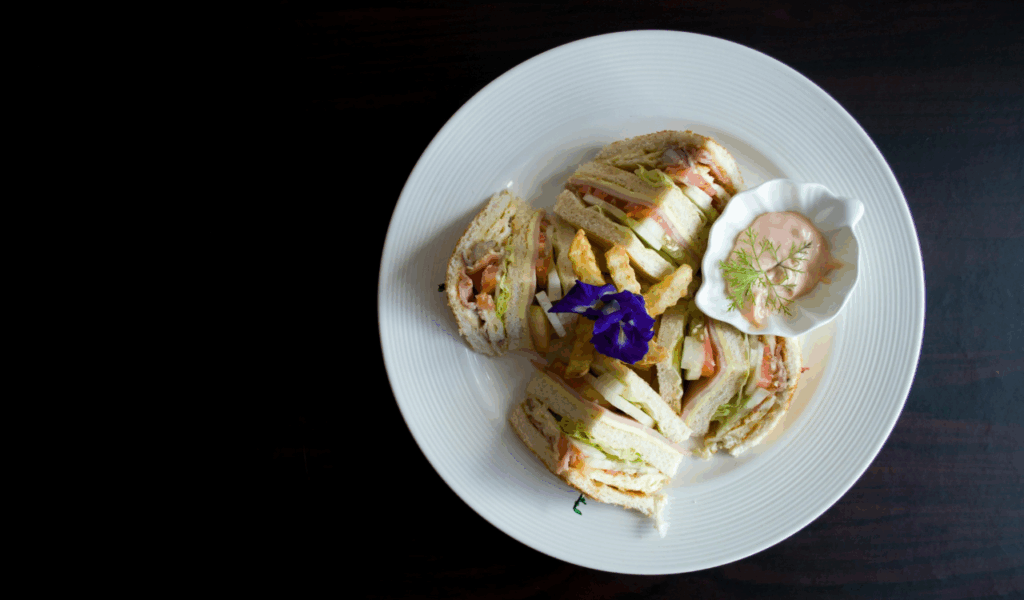
Sandwich or wrap stations give you structure without making everyone the same. There are many kinds of breads or wraps to choose from, and the fillings are spread out separately. People can choose the veggies, spreads, and proteins that they like or that they want to eat. This configuration is easy to change to fit different dietary needs and portion sizes. It also makes it easy to put together quickly, which is great for weeknights. Despite the fact that each sandwich is unique, the experience of dining together remains the primary focus. At the same time that it allows individuals to choose what they wish to eat, the shared station maintains the meal’s structure.