4 Chain Restaurants That Feel Like Corporate Experiments
Some chain restaurants no longer feel like places built for people. Instead, they feel like testing grounds for new layouts, ordering systems, and operating models. Dining rooms shrink, screens replace staff, and familiar rituals disappear in favor of efficiency metrics. While experimentation keeps brands competitive, it can leave customers feeling like unpaid participants in a corporate trial. These restaurants reveal what happens when optimization starts to outweigh hospitality, turning a meal into an experience that feels engineered rather than welcoming.
1. Chick-fil-A
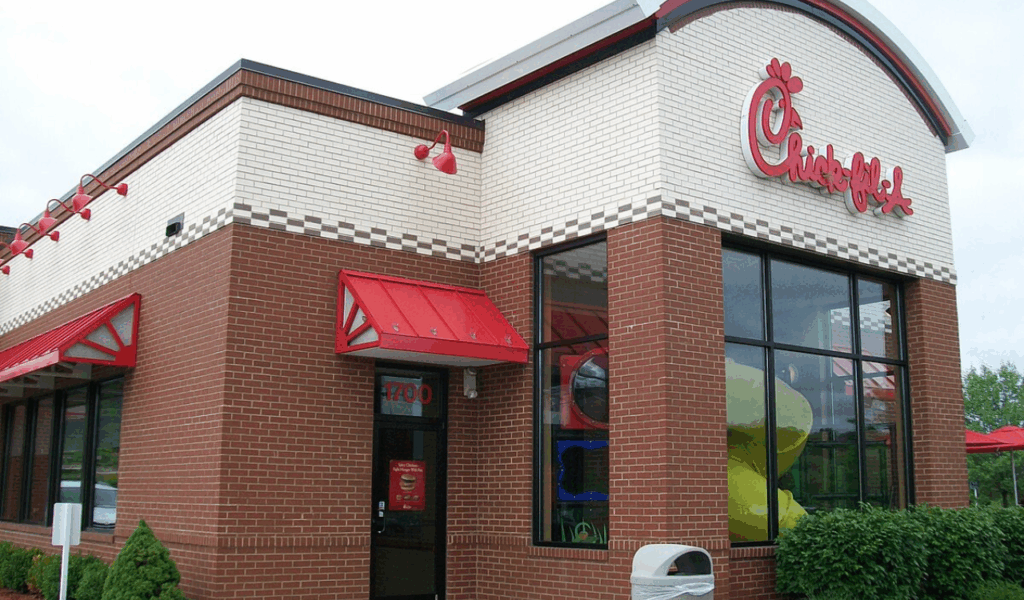
Chick-fil-A has built its reputation on consistency, hospitality, and familiar rituals, which makes its newer formats feel especially experimental. In dense urban markets, the brand has quietly shifted toward pickup-only and delivery-heavy locations that eliminate dining rooms. These spaces are engineered for throughput, not lingering. Multiple pickup lanes, stacked kitchens, and staff roles optimized for app orders signal a brand testing how far it can push efficiency without breaking customer trust. For diners, the experience feels less personal. You are interacting with systems more than people.
2. &pizza
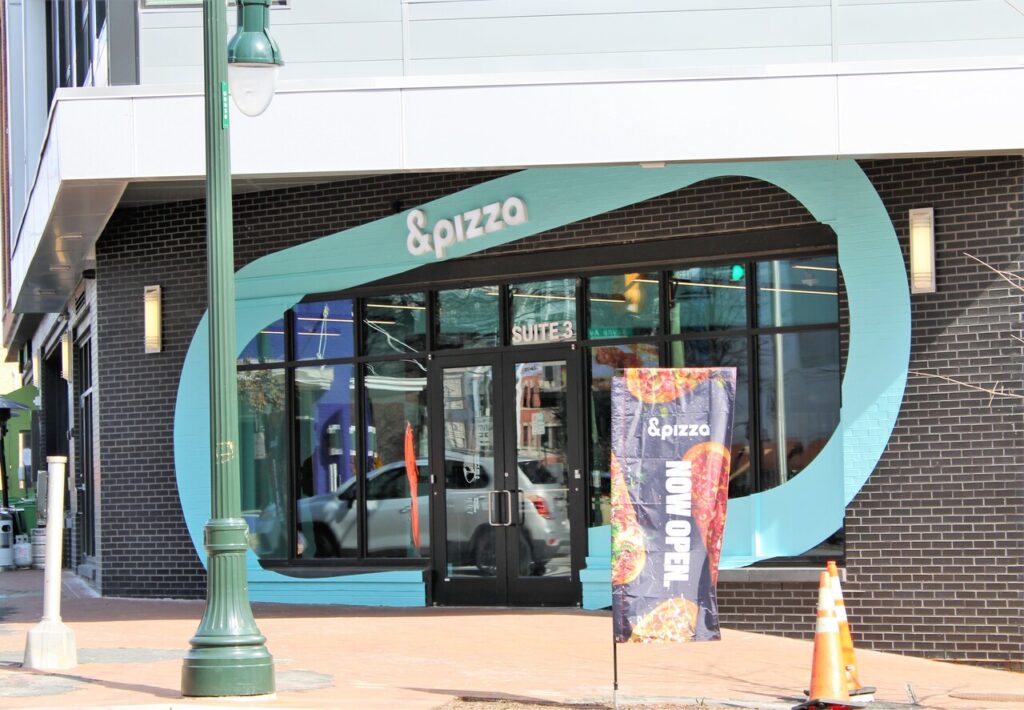
&pizza has always leaned into disruption, but its constant format changes amplify the feeling of experimentation. From food trucks and pop-ups to unconventional storefronts, the chain often feels like it is testing ideas in real time rather than settling into a stable identity. These mobile and short-term setups allow the company to collect valuable data on traffic patterns, menu performance, and brand visibility with minimal long-term risk. For customers, that can translate into inconsistency. One location may feel polished and social, while another feels temporary and stripped down. The pizza may be familiar, but the experience shifts depending on which experiment you happen to walk into.
3. Buffalo Wild Wings
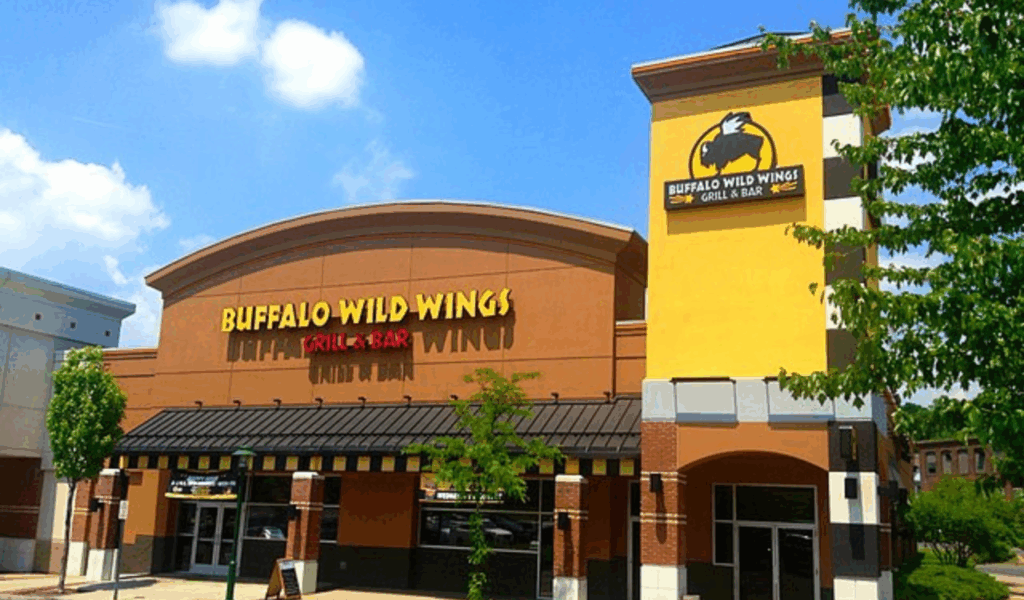
Buffalo Wild Wings built its name on loud dining rooms, wall-to-wall TVs, and the social energy of watching sports together. Recent moves toward takeout-focused and delivery-first formats feel like a sharp departure from that identity. These newer concepts reduce seating, shrink bar areas, and prioritize order volume over atmosphere. The shift makes sense financially as delivery demand grows, but it also strips away the very elements that once justified choosing the brand over simpler wing options. When a Buffalo Wild Wings feels quiet, transactional, and screen-driven, diners notice the disconnect.
4. Applebee’s and IHOP Dual-Brand Locations
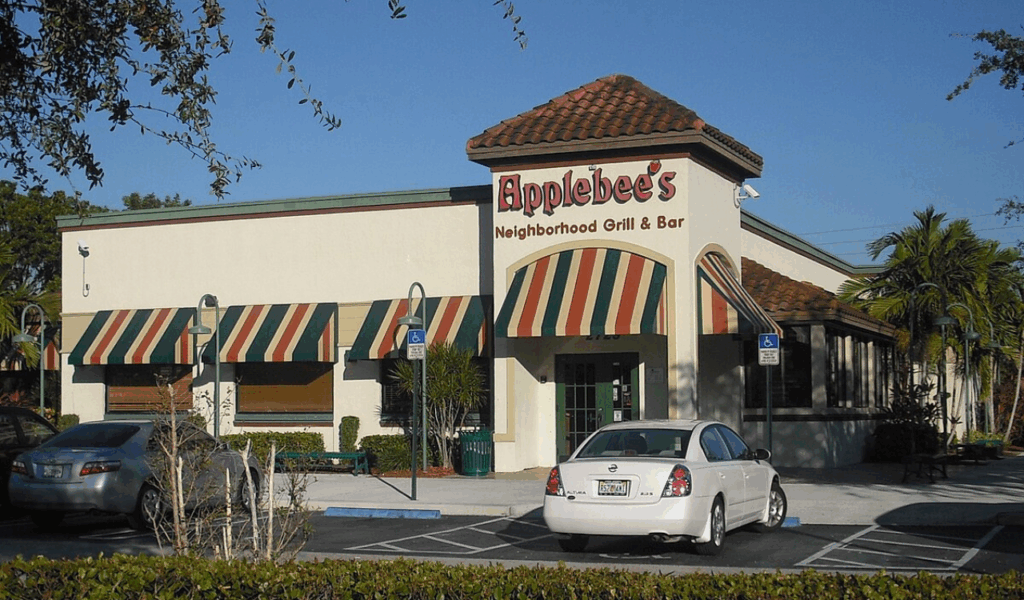
The combined Applebee’s and IHOP locations are perhaps the clearest example of a corporate experiment made visible to customers. These dual-brand restaurants are designed to maximize space, staffing, and kitchen efficiency by serving two menus under one roof. On paper, it’s smart. In practice, the experience can feel oddly segmented and impersonal. Diners may sense that the environment is optimized for operational metrics rather than comfort or identity. The blending of brands often dilutes what made each distinct, replacing character with convenience.