10 “Artisanal” Pickles That Taste Worse Than Dill Pickle Chips
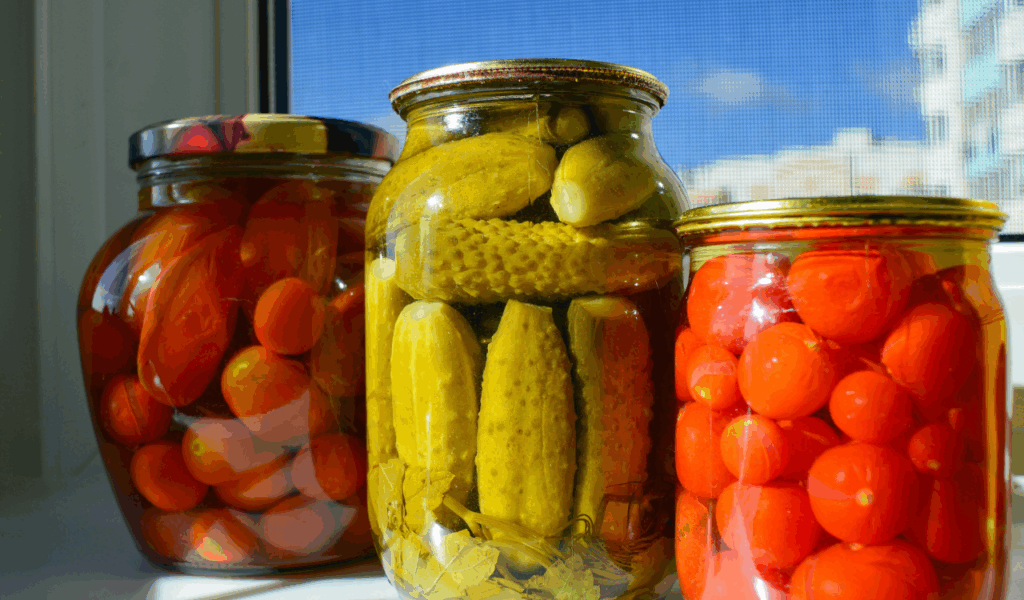
The “artisanal” food trend has reached a fever pitch. Small-batch picklers are showing up at every local farmers’ market, promising a revolutionary crunch. It sounds nice to have a hand-made, farm-to-table cucumber, but a lot of these boutique jars don’t always deliver on the basic satisfaction of a classic snack.
Many hosts and small-scale manufacturers make the brining process too complicated in their effort to be different. This makes a product that doesn’t have the nostalgia punch of a regular supermarket dill. Food critics say that the need to be “different” often leads to a jar of soggy, over-spiced vegetables that can’t compete with a five-dollar bag of mass-produced pickle chips.
Experts claim that the right combination of acidity, saltiness, and temperature control is needed to make the perfect pickle, and many amateur picklers haven’t quite figured it out yet. Food scientists say that the industrial constancy of big brands is essentially an engineering accomplishment that makes sure the food always has a “snapping” texture.
If a host gives you a fancy pickle that feels mushy or tastes like a science experiment gone awry, they are putting the artisanal label ahead of the real meal. After just one mouthful, these expensive jars typically lay at the back of the fridge, a reminder that “handmade” doesn’t always mean “better” when it comes to pickles.
1. The Overly Floral “Botany” Jar

To make their brine stand out, many artisanal picklers add strange scents like lavender, hibiscus, or too many rose petals. This makes for a gorgeous jar that looks great on Instagram, but experts say that these flowery overtones typically clash with the vinegar and salt.
Professional chefs say that a pickle should taste good and fresh, not like a bottle of costly perfume or a potpourri sachet. If the floral profile is too strong, it hides the cucumber’s natural flavor and leaves the guest with a flowery-heavy aftertaste that doesn’t belong on a sandwich.
People who make luxury gift baskets often use these floral jars because they look nice, but people who organize food claim they can make people “palate fatigue.” Sensory specialists say that the human tongue has a hard time processing strong acidity and heavy floral oils at the same time, which can make the mouth feel soapy.
When a host offers these at a party, people frequently take one polite nibble and then stay away from the dish for the rest of the night. Experts say that to minimize this under-delivery, you should adhere to typical aromatics that go well with the brine instead of trying to transform a vegetable into a garden fragrance.
2. The Sugary “Bread and Butter” Failure
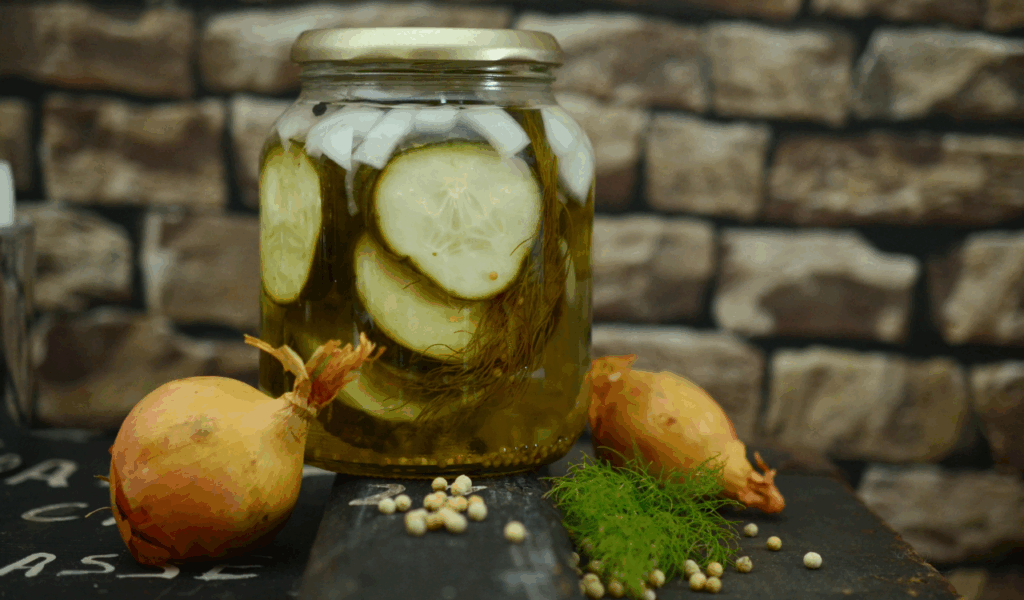
The classic bread and butter pickle is supposed to be a delicate mix of sweet and sour, but a lot of artisanal versions have way too much sugar. Experts argue that a lot of small-batch producers use too much honey or cane sugar to cover up the fact that their spice blend isn’t very nuanced.
Professional food experts say that this makes a “cloying” pickle that tastes more like a dessert than a savory condiment. This much sugar takes away the cool taste of the cucumber and makes the person feel like they ate a piece of candied vegetable.
Nutritionists and food scientists say that the high sugar content also changes the structure of the cucumber over time. The sugar takes too much moisture out of the vegetable cells, which makes them limp and shriveled and doesn’t give them the “crunch” that comes with mass-produced chips.
If you can’t taste the vinegar through the sweetness, culinary experts say that the artisanal maker has not kept the right balance. If you were looking for a crisp, balanced snack, these syrupy jars will let you down. The plain, balanced sweetness of a store-bought brand will seem like a gourmet feat.
3. The “Cinnamon and Clove” Overload
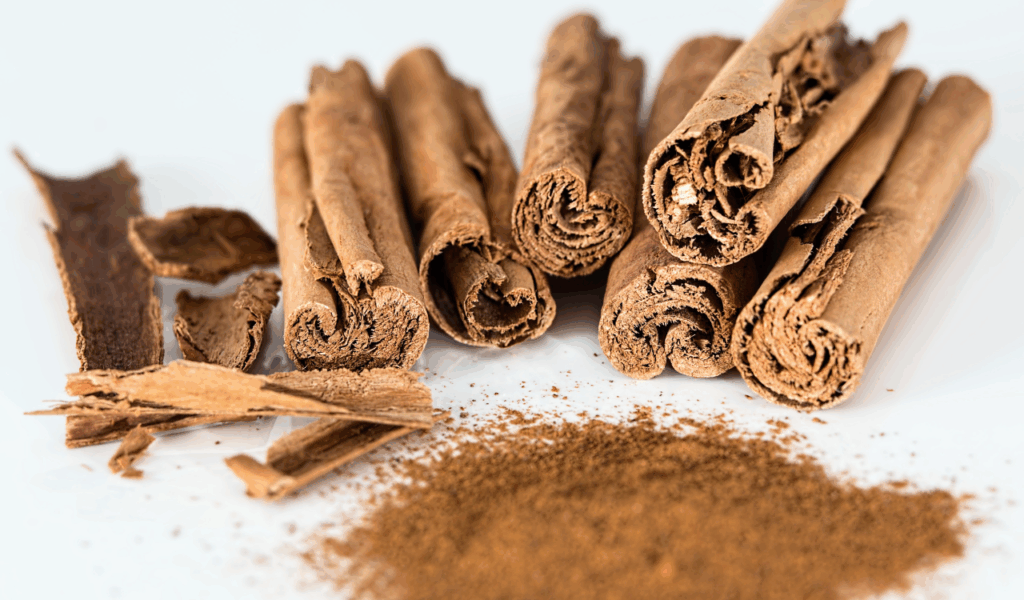
Some artisanal brands go too far with warm baking spices like cinnamon, cloves, and allspice in an effort to give their products a “vintage” or “heritage” flavor. Experts suggest that these spices can work well in some pickled fruit recipes, but they usually ruin regular cucumbers.
When mixed with strong acetic acid, these spices can taste like medicine, according to expert chefs. Instead of a nuanced, warming spice profile, the guest gets a harsh taste that reminds them of a holiday candle instead of a snack.
Professional food flippers and restaurant consultants say that these “winterized” pickles are one of the hardest things to sell because they don’t go well with savory dishes. You can’t put a pickle with a lot of cinnamon on a burger without spoiling the taste of the meat.
Experts say that artisanal producers often employ these strong spices to hide the fact that they are using cucumbers that are older and not as fresh. When a host promises a “sophisticated” flavor but gives you a clove bomb, the guest is left wanting the clear, simple acidity of a basic dill chip that doesn’t attempt to be something it’s not.
4. The “Soft and Spongy” Fermented Flop
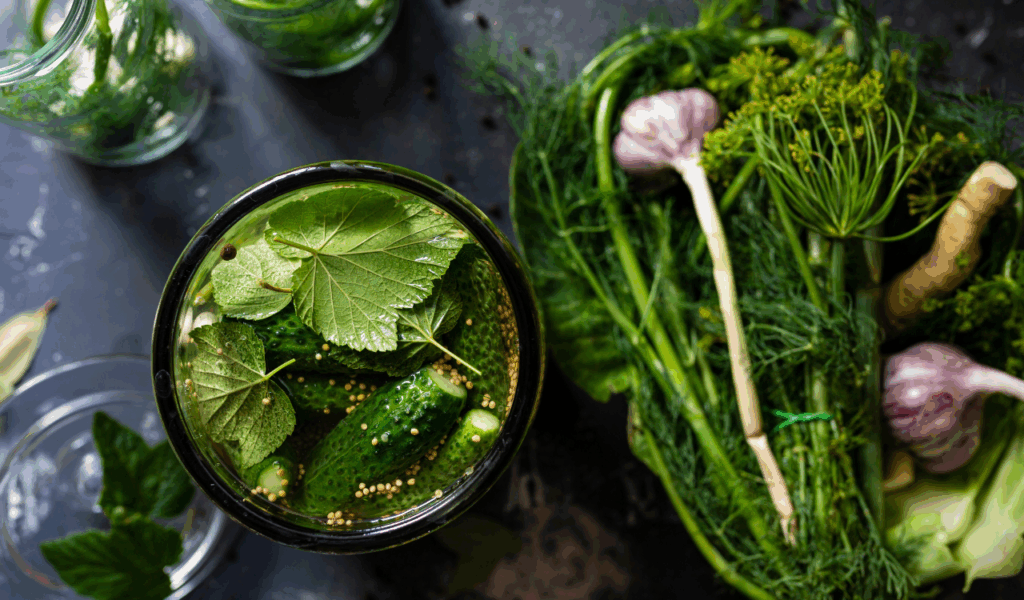
Real fermentation is an art that needs careful salt levels and temperature control, but many “raw” pickles made by hand are ruined by bad technique. Experts say that if the fermentation goes too fast or at a temperature that is too high, the cucumber’s pectins would break down totally. This makes the pickle mushy, spongy, or even hollow in the middle. Professional food safety inspectors say that a soft pickle is not only unattractive, but it might also mean that the “good” bacteria didn’t win out over the “bad” ones during the brining process.
Culinary teachers say that the “snap” of a pickle is its most essential sensory quality. It doesn’t matter how organic or local the ingredients were if an artisanal jar doesn’t deliver on texture. People who throw fancy parties often pay a lot for these jars because they think the “live culture” label makes the mushy texture okay.
However, people who create charcuterie boards say that a mushy pickle can damage the look of a dish by leaking liquid and not being strong enough to hold up fatty meats and cheeses. If the pickle doesn’t “crack” when you bite it, it’s a failure of craft that no amount of advertising can remedy.
5. The Bitter “Too Much Turmeric” Tint
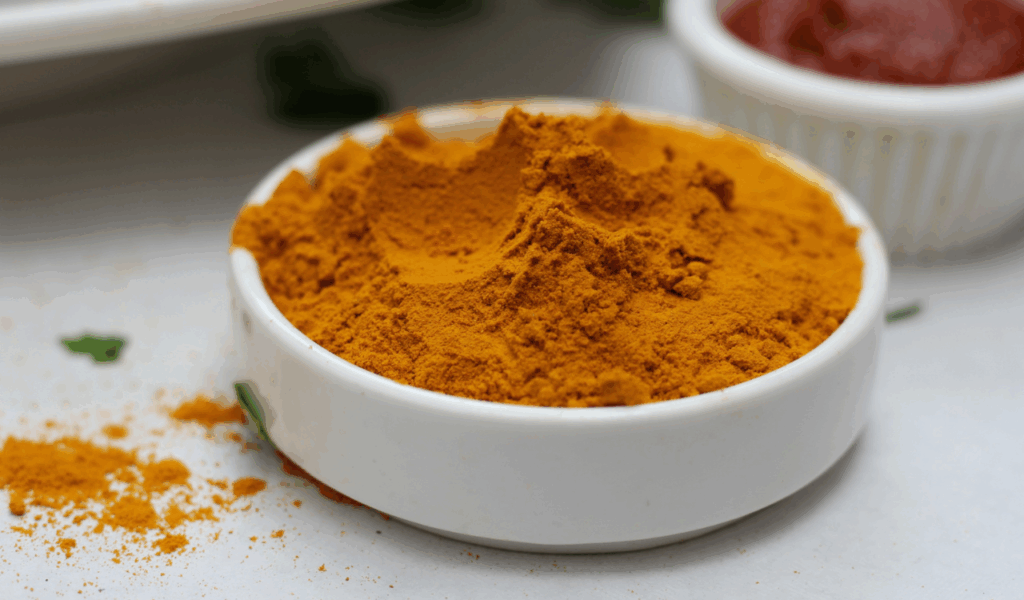
Many artisanal pickle makers use a lot of turmeric to give their pickles a bright yellow hue and a hint of earthiness. Experts claim that a little turmeric is good for looks, but too much of it makes the texture gritty and leaves a bitter flavor that lasts.
Some artisanal jars have a “neon yellow” hue that expert food stylists say can turn off visitors who want a more natural look. It’s hard to enjoy the pickle when the spice’s harshness overpowers the vinegar’s brightness.
Food bloggers and professional organizers say that too much turmeric can also leave yellow stains that are hard to get rid of. It quickly stains fingers, napkins, and wooden serving boards. If a producer uses turmeric to cover up the drab color of a badly processed cucumber, culinary experts say they are not doing the consumer a favor.
A good pickle should have its own natural color. If you choose a jar that is “bitter and yellow” over a clear, crisp dill chip, you’re giving up flavor and convenience for a trendy ingredient that wasn’t handled with care.
6. The “Scoville Stunt” Heat
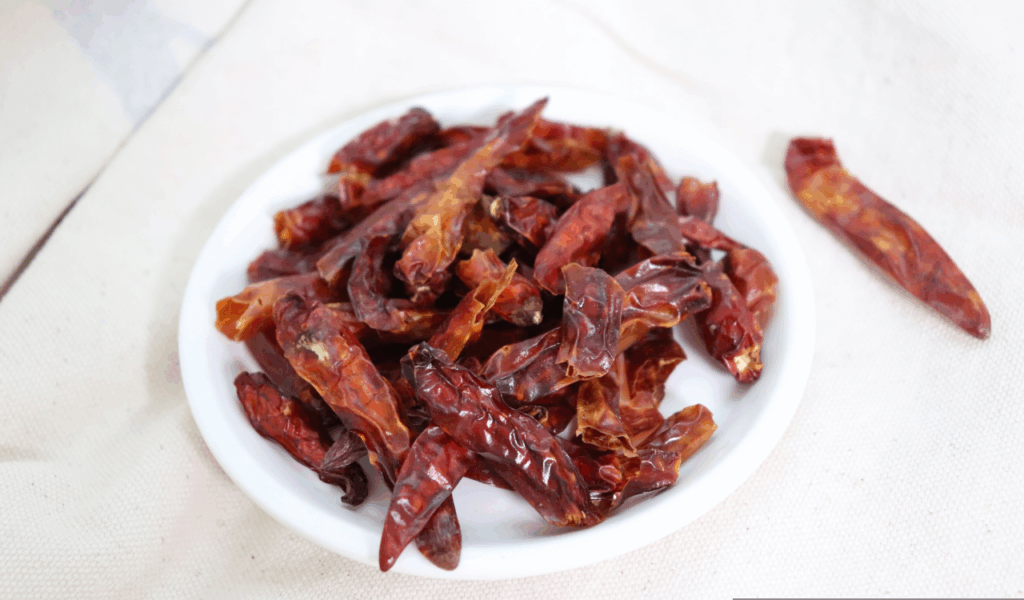
People love spicy pickles, but the artisanal market has recently moved toward “stunt” heat levels that focus on discomfort over flavor. Professional chefs say that employing Carolina Reapers or ghost peppers in a pickle brine typically makes a product that is so hot that it makes your taste buds go numb right away.
Experts suggest that a good spicy pickle should have a “slow burn” that lets the garlic and dill shine through. When an artisanal jar is merely a way to get capsaicin extract, it stops being food and becomes a dare.
Hospitality experts say that serving “stunt” pickles during a party is a bad idea because it often makes people sick instead of happy. Food scientists say that really high temperatures can make the brine taste like metal or chemicals.
If a host promises a “bold” experience but only gives “blistering” heat, they have not given a balanced snack. Most people would rather have a mass-produced “hot” chip that is only mildly spicy and can be finished than a single artisanal slice that needs a glass of milk to survive.
7. The Vinegar-Heavy “Acid Wash”
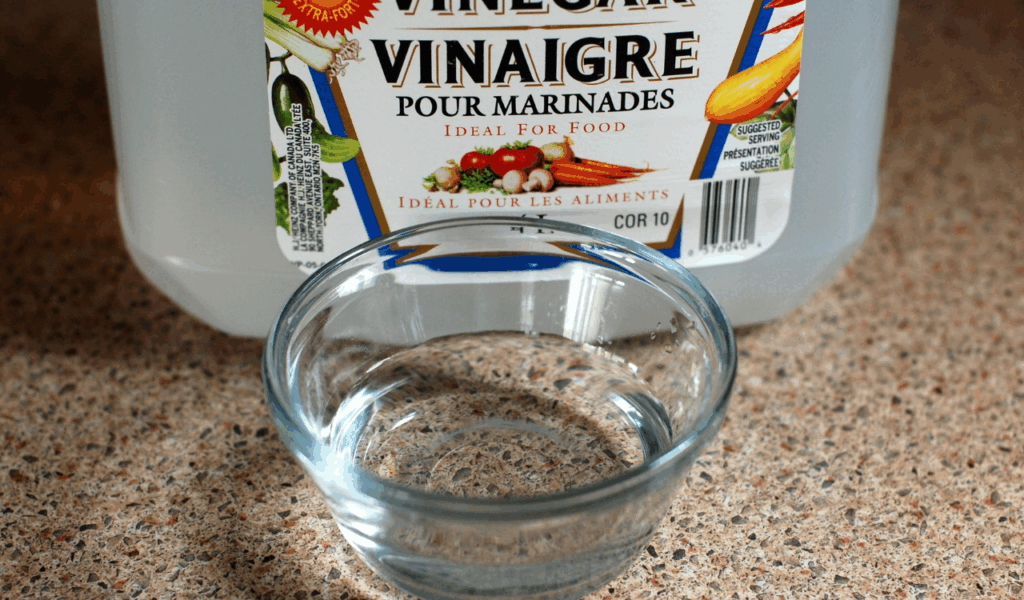
Some artisanal producers think that more vinegar necessarily means greater flavor, but balance is key in a brine. Experts say that too much acid in a pickle might “cook” the cucumber, making it harsh and rubbery. Professional food reviewers say that a brine that is overly strong might make your body “shudder,” which makes it hard to taste the nuanced flavors of the garden herbs in the jar. This “acid wash” look is often a clue that the person who made it didn’t use enough water or salt to balance out the vinegar’s acetic acid.
Culinary experts say that the greatest pickles have an acidity that is “round” and makes you want to eat more instead of hurting your throat. Artisanal jars that don’t get this balance right typically leave a scorching feeling in the back of the mouth, which means the recipe wasn’t made well.
High-end food designers say that a pickle should clean your taste, not ruin it. When you put these sharp, uneven jars next to a standard grocery store dill, which has a smooth, dependable flavor, the artisanal version often seems harsh and unrefined, like it wasn’t ready for the shelf.
8. The “Mustard Seed” Minefield
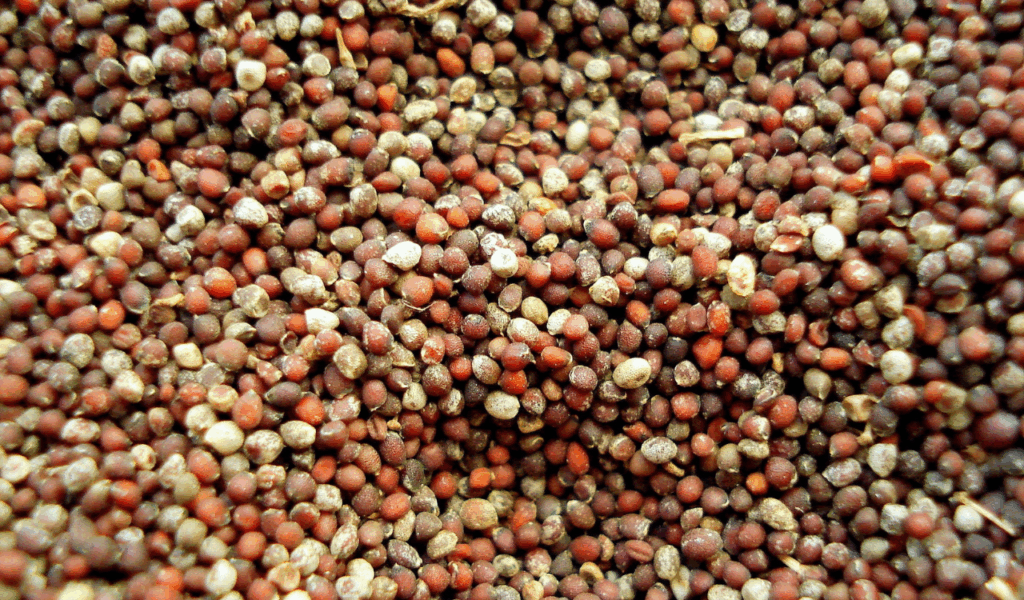
People have used mustard seeds as a pickling spice for a long time, but artisanal manufacturers often put so many in their jars that every bite is hard to chew. Experts say that while the taste of mustard is important, the presence of hundreds of tiny, hard seeds can be distracting and unpleasant.
Professional food critics say that jars that are “seed-heavy” typically feel like they haven’t been properly strained or balanced. The “artisanal” attraction rapidly wears off for the guest when they have to spend a few minutes cleaning seeds out of their teeth after just one snack.
Professional caterers and organizers say that these seeds sometimes fall off the pickle and end up all over the serving tray, making the presentation sloppy. Experts say that using crushed seeds or a spice bag during the boiling process is a superior way to add flavor without the mess.
If a host gives you a jar that is more “seed” than “pickle,” they are not keeping their promise of a clean, easy-to-eat snack. For people who desire flavor without the “minefield” of an amateur artisanal jar, a regular dill chip is often a lot more gratifying.
9. The “Giant Garlic” Breath Bomb
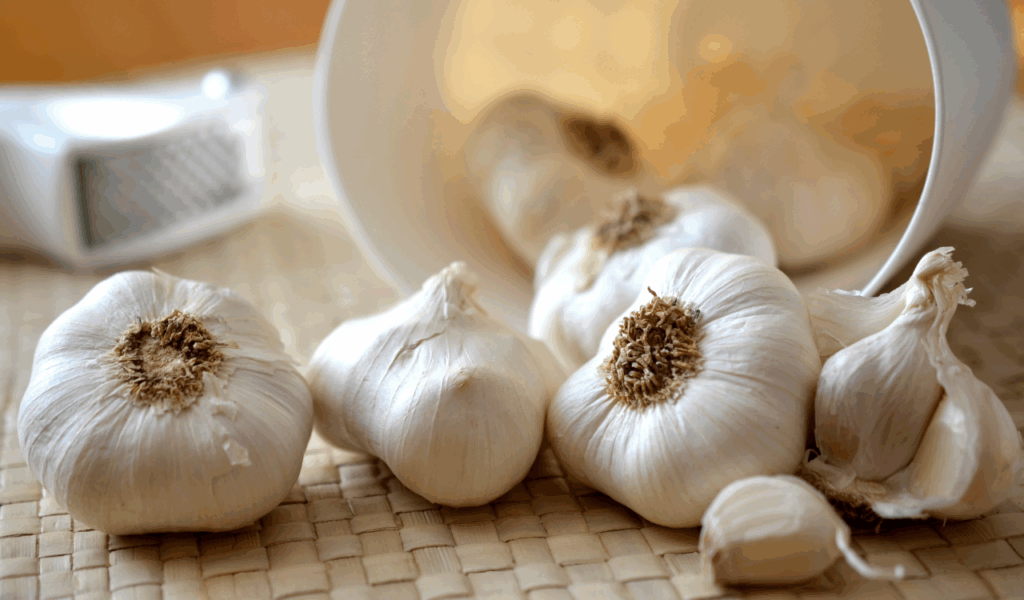
Garlic is the most important part of a good dill pickle, but artisanal jars often have whole cloves—sometimes five or six—that have become blue or gray in the brine. Experts warn that even though this appears “rustic,” the garlic flavor can be so strong that it’s all you can taste for hours after eating.
Professional chefs say that “garlic-forward” shouldn’t equal “garlic-exclusive.” When a host serves these “breath bombs,” they are unknowingly making sure that their visitors will have a strong, unpleasant aftertaste that might impair the taste of wine or other delicate appetizers.
Professional food scientists say that the blue color that commonly appears in artisanal garlic is a natural reaction to the acidity of the vinegar. However, guests who don’t know about chemistry may not like it. Culinary organizers say that the greatest artisanal manufacturers utilize sliced or lightly smashed garlic to control how quickly the flavor comes out.
When a jar is full with whole, raw cloves, the taste is typically too strong and uneven. These “artisanal” bombs don’t have the steady, moderate garlic overtones that you get in a package of good dill chips. Instead, they taste like an unpolished and imbalanced version of a classic flavor profile.
10. The “Cloudy Brine” Mystery
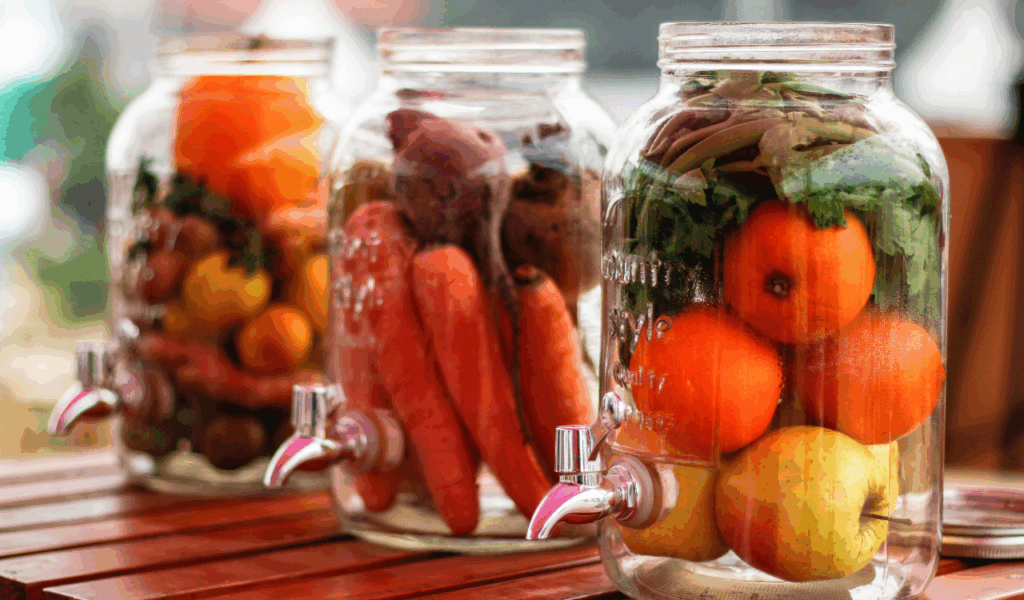
A cloudy brine in a handmade jar could mean that it is naturally fermenting, but it could also mean that it is going bad or that the filter is not working well. Experts say that a lot of small-batch makers don’t clear their brines, which makes them look “murky” and unappetizing on a dinner table.
Professional food safety experts say that if the cloudiness comes with a bad smell or a lid that is bulging, the “artisanal” pickle is truly dangerous to your health. Even if it’s safe to eat, guests may not want to sample the product if they see a foggy jar.
Interior designers and event planners say that how food looks is just as important as how it tastes. A clear, sparkling brine shows that the work was done well and is clean. When a host gives you a “mysterious” foggy jar, they are not meeting the high requirements of high-end entertaining.
When they want to make a local company look more professional, food business flippers say that “clarity” is one of the first things they change. In the end, most consumers would prefer choose a clear jar of store-bought chips than take a chance on a cloudy artisanal jar that looks like it has been languishing in a basement for too long.