14 Decorations That Didn’t Age Past December
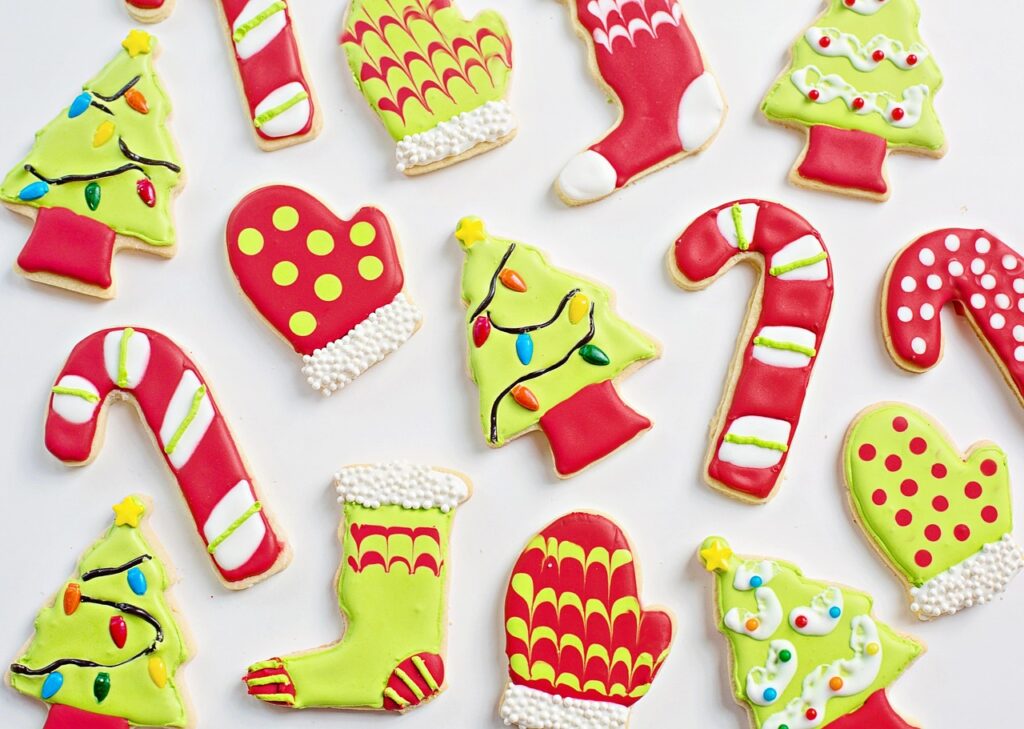
Christmas decorations are designed to shine during a very specific moment. In December, bold colors, sparkle, and novelty feel right at home. Once the calendar turns, those same pieces can suddenly feel loud, dated, or out of place. The difference is not quality but context. Décor that relies heavily on holiday symbolism struggles to transition into winter living. By January, many decorations that felt festive only weeks earlier start to look like leftovers from a party that already ended. These are the Christmas decorations that rarely make it past December without feeling off.
1. Tinsel-Heavy Garlands That Locked the Room in December
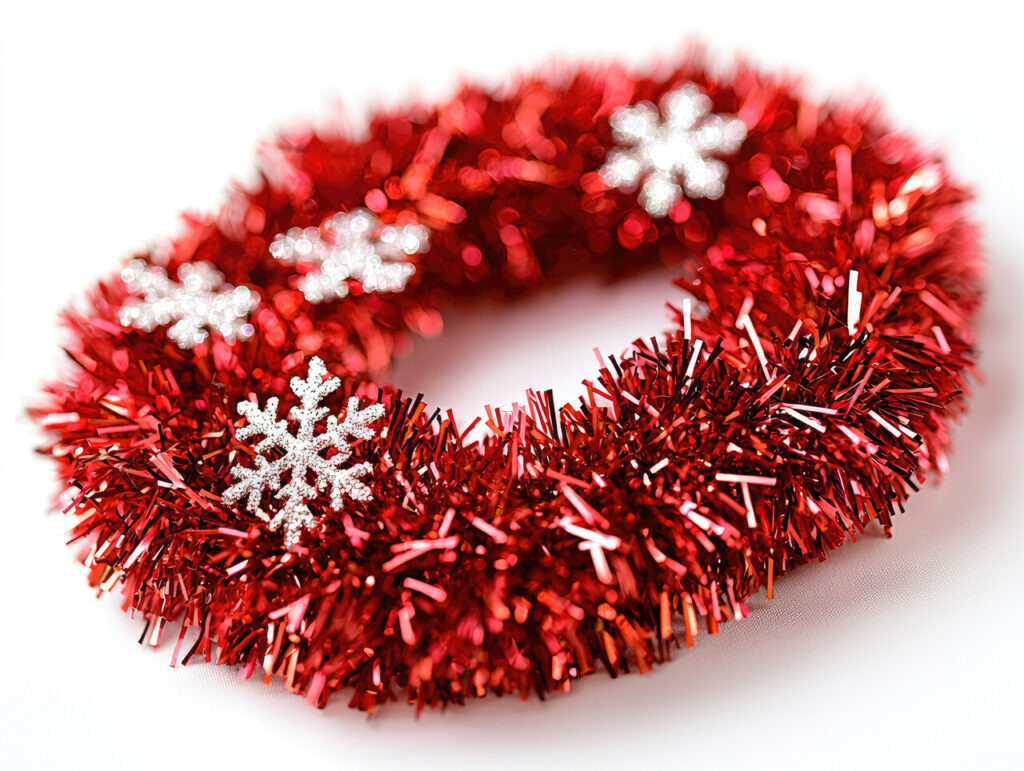
Tinsel garlands are designed to sparkle under holiday lights, and that shine is exactly why they stop working once December ends. The metallic finish reflects light in a way that feels festive but artificial in everyday settings. By January, the shimmer reads more like decoration than décor. Tinsel also shows wear quickly. Strands kink, flatten, and shed, making them look tired fast. Because the color palette is usually silver, gold, or bright red, it clashes with neutral winter interiors. Unlike greenery or fabric garlands, tinsel has no off-season identity. It signals Christmas immediately, which is why it rarely survives past the holidays without feeling out of place.
2. Aluminum Christmas Trees That Stayed Stuck in One Era
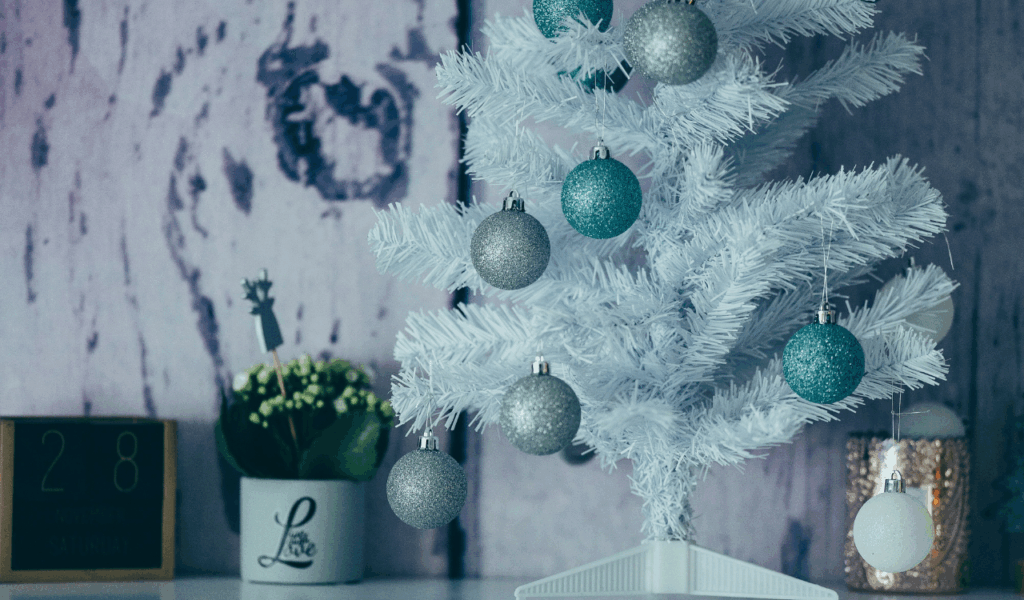
Aluminum trees have a strong visual identity tied to mid-century novelty. Their reflective branches and metallic sheen were designed to catch rotating color wheels, not blend into a modern living space. While they are nostalgic and visually striking in December, they feel theatrical once the holiday context disappears. The material lacks warmth, which makes the room feel colder rather than seasonal. Aluminum trees also dominate attention, leaving little room for subtle winter décor. Once ornaments come down, the tree itself still reads as a holiday statement. That makes it difficult to justify keeping it up past December without the space feeling frozen in time.
3. Multicolored Christmas Lights Indoors

Multicolored string lights bring instant cheer, but their appeal is tightly tied to the holiday calendar. The bright reds, greens, blues, and yellows create visual noise once Christmas passes. In January, that same energy feels chaotic rather than cozy. These lights are designed to flash, twinkle, or alternate, which pulls focus in everyday living spaces. They also clash with natural light and neutral interiors. Warm white lights can transition into winter ambiance, but multicolored strands have no such flexibility. Once the holiday glow fades, they feel decorative rather than atmospheric, making their presence hard to justify beyond December.
4. Inflatable Yard Decorations That Aged Overnight
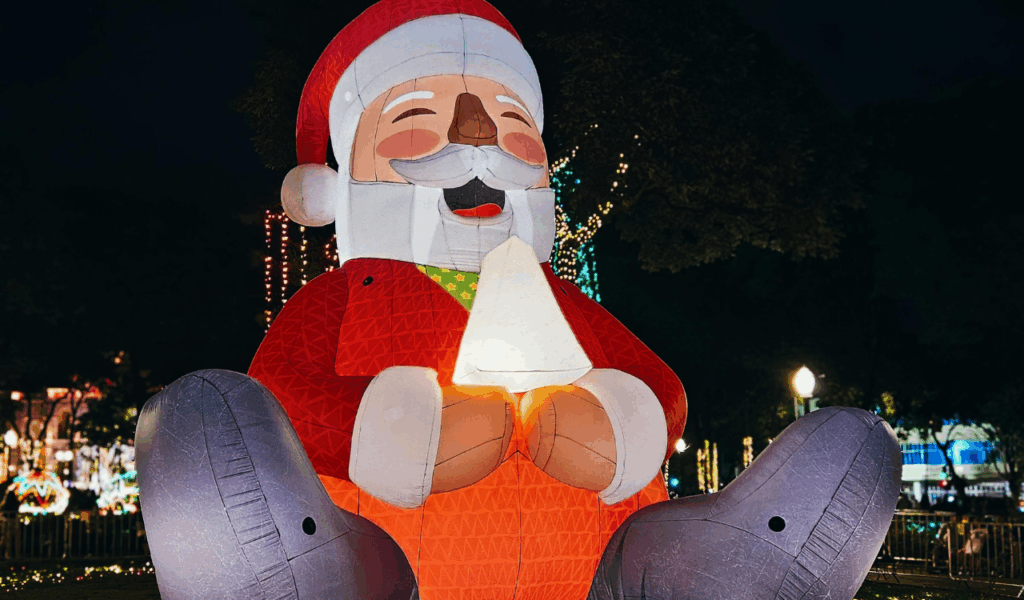
Inflatable decorations are built for spectacle, not longevity. They rely on novelty and scale, which works during the height of the holiday season. Once Christmas is over, their cartoonish forms feel abrupt and out of context. Materials fade, seams wrinkle, and constant inflation leaves them looking worn fast. In daylight, without lights or snow, inflatables lose much of their charm. They also dominate outdoor space, making the transition into winter landscaping awkward. Unlike wreaths or subtle lighting, inflatables do not evolve with the season. They announce Christmas loudly and then feel instantly outdated.
5. Cheap Plastic Wreaths That Never Became Winter Decor
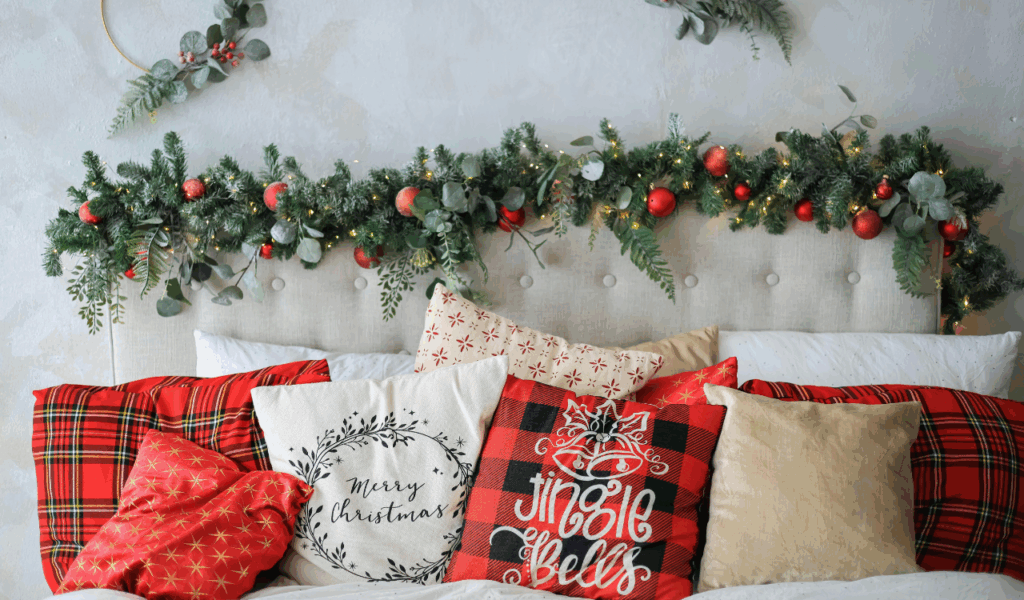
Plastic wreaths often rely on bright colors, glitter, and obvious holiday symbols to make an impact. These features make them festive in December but impossible to carry forward. The materials age poorly, with bent branches and fading finishes that become obvious once holiday excitement fades. Because they lack texture and natural variation, they feel flat and artificial in neutral winter settings. Natural or fabric wreaths can transition with minimal adjustment, but plastic versions rarely do. By January, they feel like leftovers rather than seasonal décor, prompting removal rather than reinvention.
6. Bright Red and Green Ornament Themes

Red and green are timeless for Christmas, but they are not versatile beyond it. When an entire tree or room is built around these colors, the décor becomes locked into a specific moment. Once ornaments come down, the surrounding textiles and accents often feel mismatched. Bright red especially dominates visual space, making rooms feel heavy after the holidays. Subtle metallics or neutral tones can stretch into winter, but strong holiday palettes do not. This is why red-and-green themes feel complete in December and abrupt the moment the calendar turns.
7. Novelty Holiday Figurines That Lost Their Place
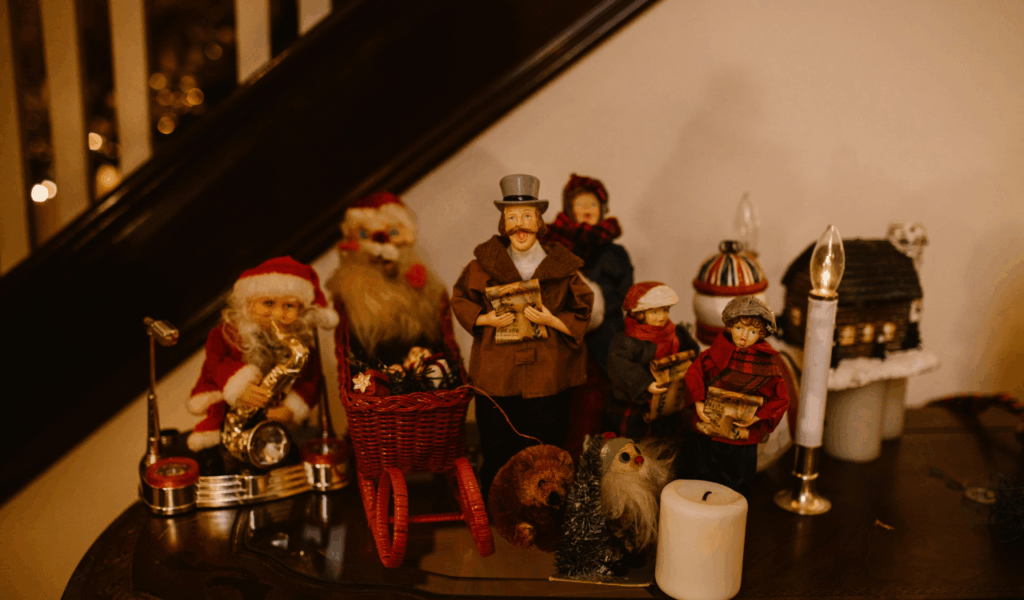
Santa statues, snowmen, and cartoon reindeer are designed for storytelling, not long-term display. They rely on holiday context to make sense. Once that context is gone, they feel decorative without purpose. These figurines often feature exaggerated expressions, bright colors, and themed accessories that do not blend into everyday interiors. They also take up shelf and surface space that feels more noticeable once seasonal clutter is removed. By January, novelty figurines stop feeling charming and start feeling forgotten, which is why they are usually packed away quickly.
8. Foil Icicle Decorations That Felt Costume-Like
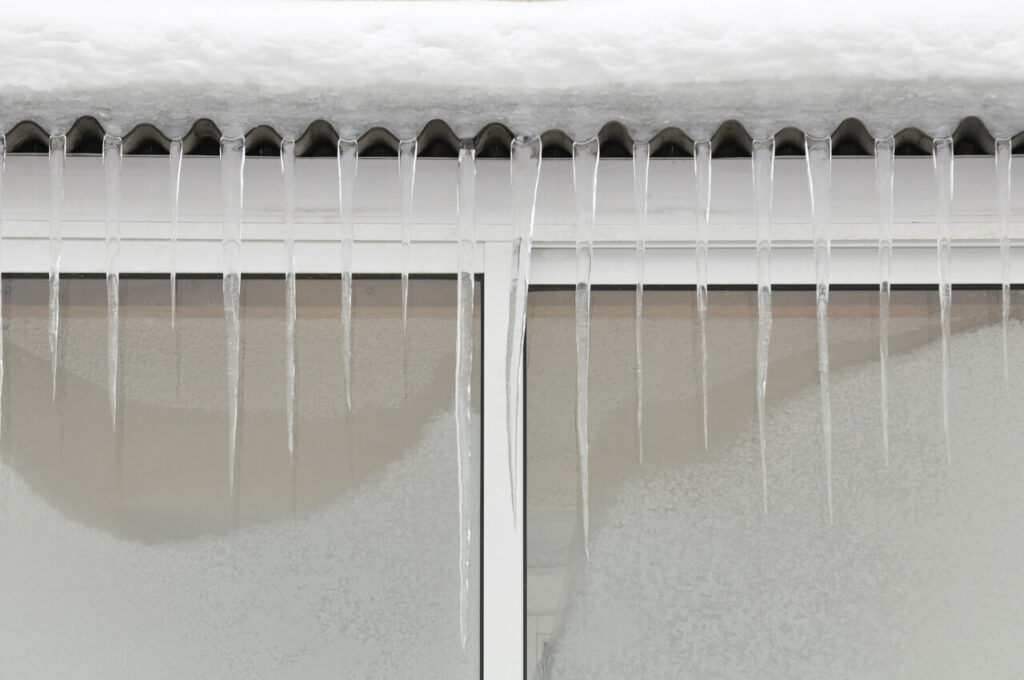
Foil icicles are dramatic but literal. They mimic winter elements in a way that feels theatrical rather than natural. The reflective surface works under holiday lighting but looks harsh in daylight. Once the tree and lights come down, foil icicles feel like costume jewelry for the home. They crease easily and lose shape, which makes them look worn fast. Unlike glass or subtle metallic ornaments, foil decorations lack depth and texture. Their visual impact is short-lived, making them difficult to integrate into post-holiday winter décor.
9. Christmas Stockings Left Hanging Too Long
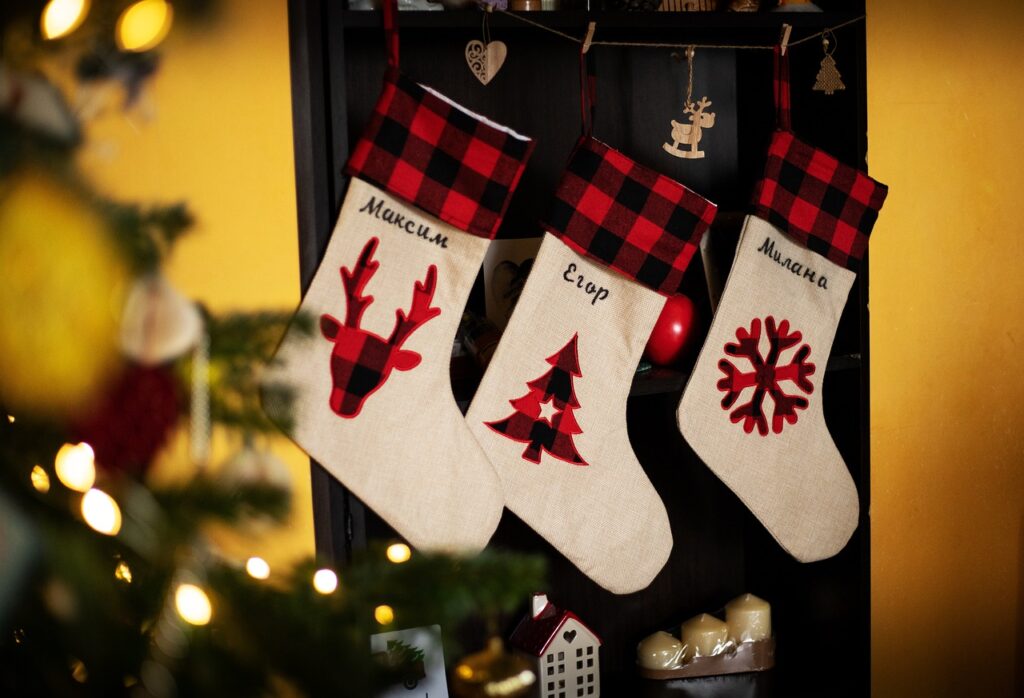
Stockings are functional and symbolic during December, but once gifts are gone, their purpose disappears. The names, characters, or patterns that feel personal at Christmas feel oddly exposed afterward. Fabric stockings also introduce strong holiday colors and motifs that clash with winter décor. Leaving them up into January often makes the space feel unfinished rather than cozy. Unlike neutral throws or pillows, stockings do not adapt. They tell a very specific seasonal story, which is why they feel out of place once that story ends.
10. Candy Cane Patterns That Had No Second Act
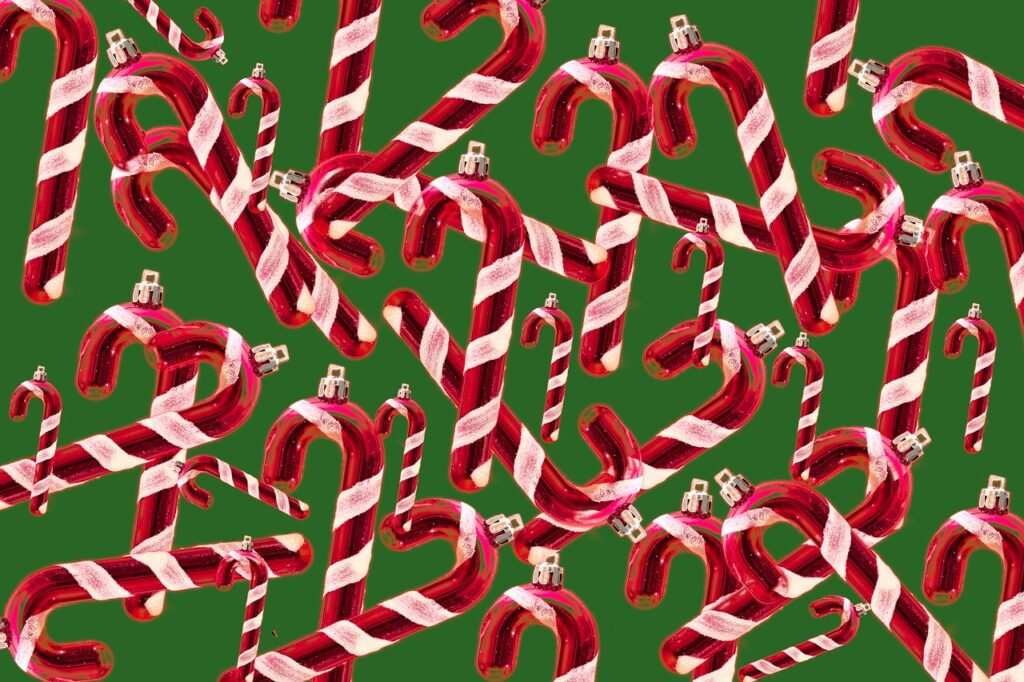
Candy cane stripes are playful and unmistakably festive. That clarity is exactly why they do not age well. Red-and-white striping dominates visually and leaves little room for reinterpretation. Once Christmas passes, the pattern feels juvenile rather than seasonal. It also clashes with softer winter palettes like cream, gray, or natural wood tones. Whether on pillows, rugs, or table linens, candy cane designs feel locked to December. There is no subtle version to transition with, which is why they disappear as soon as the holidays do.
11. Seasonal Fabric Tree Skirts That Could Not Transition
Tree skirts often feature snowflakes, script lettering, or bold holiday colors. While they frame the tree beautifully in December, they serve no purpose afterward. The fabric styles are usually too thematic to repurpose as rugs or throws. Once the tree is gone, the skirt feels like an artifact rather than décor. Storage becomes the only option. Unlike baskets or planters that can be reused, tree skirts are single-use by design. Their inability to adapt makes them one of the first items packed away after the holidays.
12. Novelty Character Ornaments That Felt Dated Fast
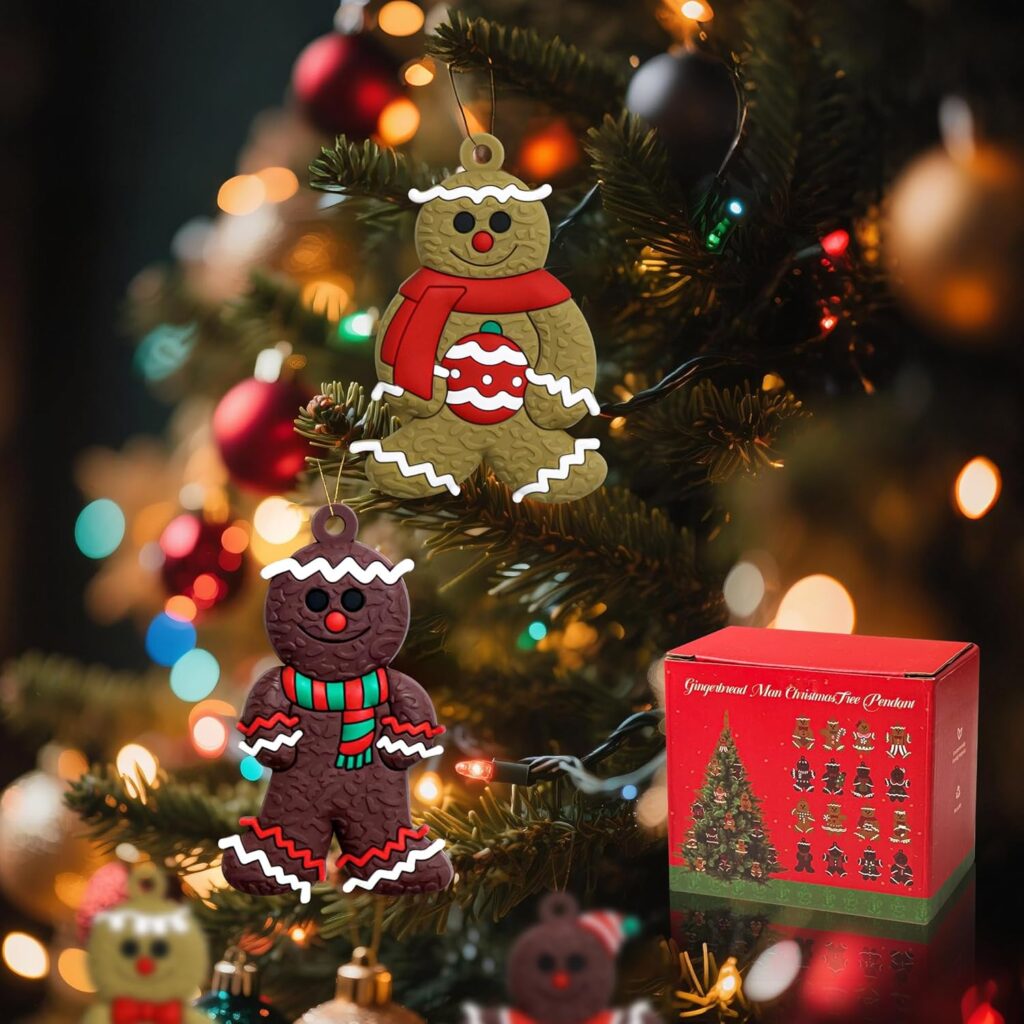
Character ornaments capture a specific moment in time. Santa heads, elves, and themed figures often reflect trends or styles that age quickly. While they feel fun during the season, they rarely hold long-term visual appeal. Once removed from the tree, they lack decorative value on their own. Over time, collections grow uneven, making the tree feel cluttered rather than curated. By January, these ornaments feel more nostalgic than stylish, which limits their relevance beyond December.
13. Overly Coordinated Decoration Sets
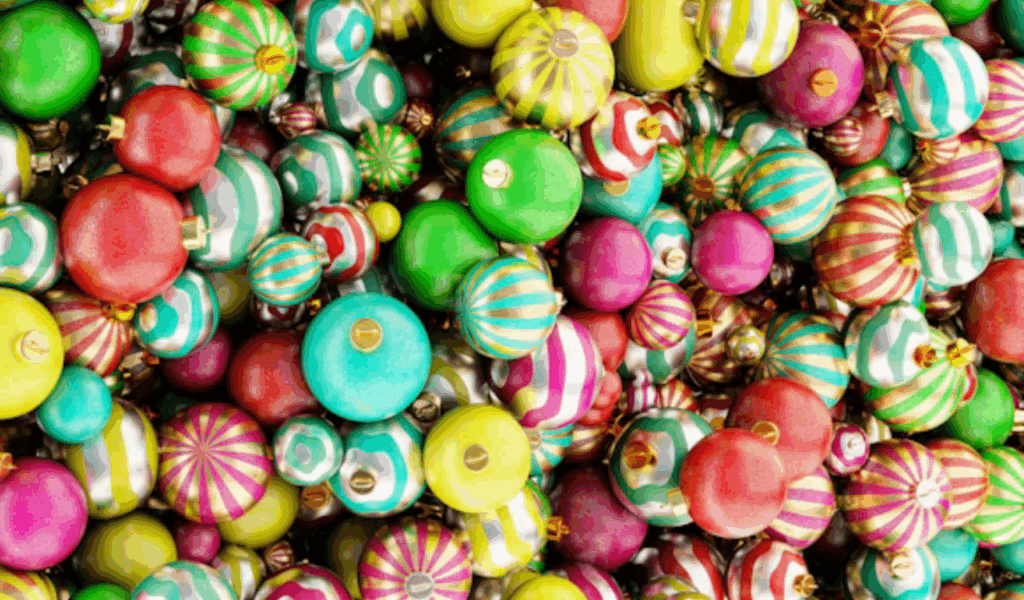
Matching décor kits create instant cohesion, but they also strip away individuality. When every ornament, ribbon, and accent matches perfectly, the space looks staged rather than lived in. This effect works for a short season but feels hollow afterward. Once the holidays end, there are no pieces worth keeping out individually. Everything belongs to the set or nowhere at all. The lack of versatility makes these decorations feel disposable rather than lasting, which is why they age so quickly.
14. Excessive Outdoor Light Displays
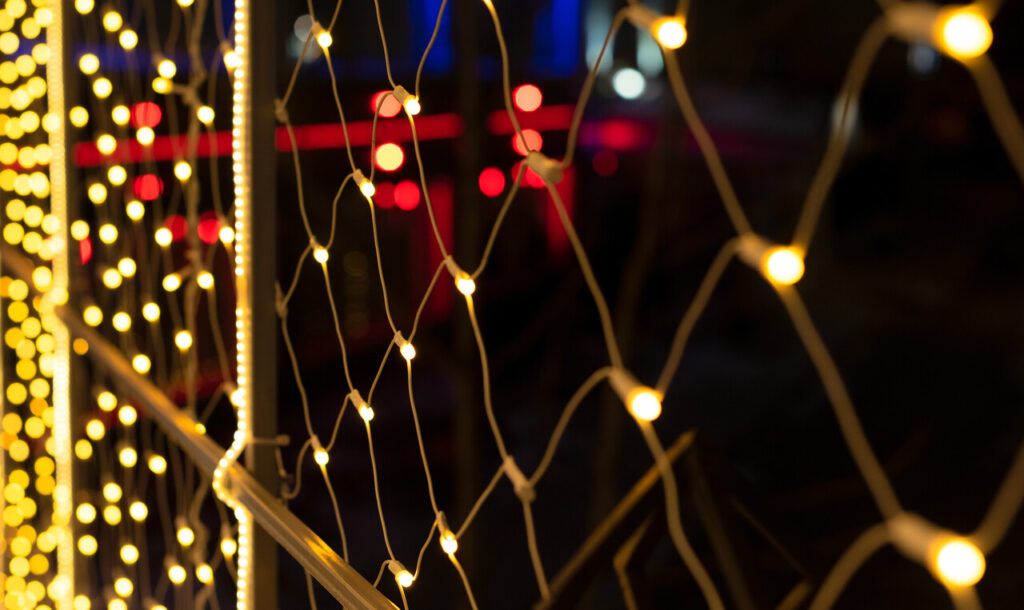
Large outdoor light displays are designed for peak holiday impact. Animated figures, flashing sequences, and dense roofline lighting feel celebratory in December. Afterward, they feel excessive. Maintenance issues also surface fast, with burned-out bulbs and tangled cords. Once neighboring displays come down, leftover lights stand out awkwardly. Subtle exterior lighting can transition into winter ambiance, but elaborate displays cannot scale back gracefully. Their intensity is seasonal by nature, which is why they rarely make sense beyond December.