7 Decorative Mirrors That Add Glare Instead of Light
Decorative mirrors brighten, expand, and open rooms, especially those with little natural light. Mirrors may soften and spread light in a room if used appropriately. However, not all mirror designs produce this appearance in real life. Some styles reflect light excessively strongly, exaggerate harsh highlights, or generate jarring visual effects instead of warmth and balance. Mirror behavior depends on placement, size, shape, surface polish, and light sources. Mirrors without these factors can produce glare, eye strain, and uneven brightness. This article outlines seven ornamental mirrors that glare and why they can compete with homeowners’ comfort.
1. Oversized Mirrors Facing Direct Sunlight
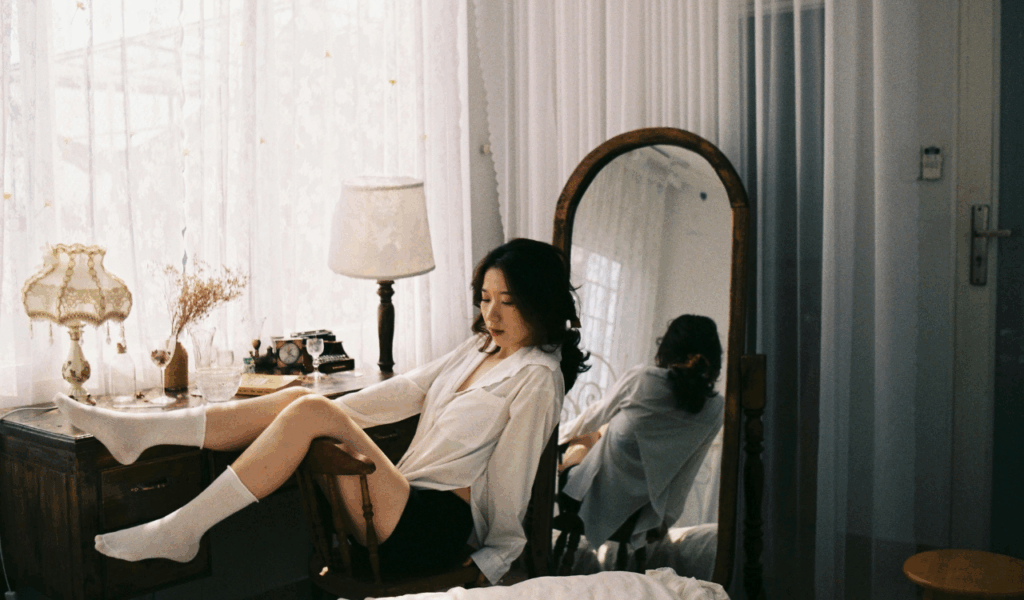
When placed directly across from windows, large mirrors often cause glare instead of soft light. When powerful sunlight hits a big reflecting surface, it bounces around the room with a lot of force, making bright spots and sharp reflections. You may see this effect best in the morning or late afternoon, when the sun is lower in the sky. The mirror doesn’t spread light; instead, it focuses it, which makes the room feel harsh and makes your eyes tired. Glare can make TVs, desks, and chairs uncomfortable. Reflections can be so distracting that individuals may not want to enter specific rooms.
2. Highly Polished Frameless Mirrors
Frameless mirrors that are highly polished reflect light in a very straight and harsh fashion, with minimal softness in the image. Light meets the mirror surface and bounces back cleanly and strongly since there is no frame to break up the edges or absorb some of the reflection. This typically leads to glare hotspots, especially in areas with overhead lighting, recessed fixtures, or other shiny surfaces that already reflect light. Modern homes favor frameless, yet it can make rooms appear excessively light and empty. These mirrors improve light but also highlight bright and dark areas, which can strain your eyes and make the room less pleasant over time.
3. Clustered Mirror Arrangements
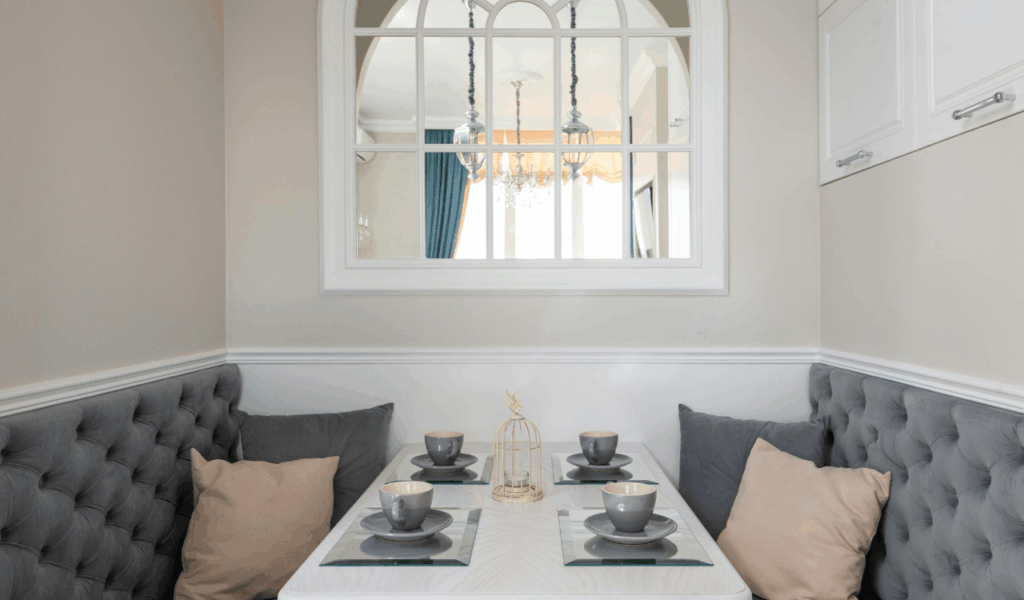
Putting several mirrors on the same wall can make glare much worse since each mirror reflects light from a different angle. Instead of adding depth or harmony to a room, mirrors that are grouped together often scatter reflections in strange ways. Light sources bounce off of mirrors, making some areas brighter and others darker or unchanged. This unequal distribution creates visual cacophony instead of balance. In smaller settings, the effect can feel too much and chaotic, attracting your attention to reflections that are always changing. Artistic or dynamic elements can make a room feel crowded, restless, and hard to relax in.
4. Mirrors With Metallic or Glossy Frames
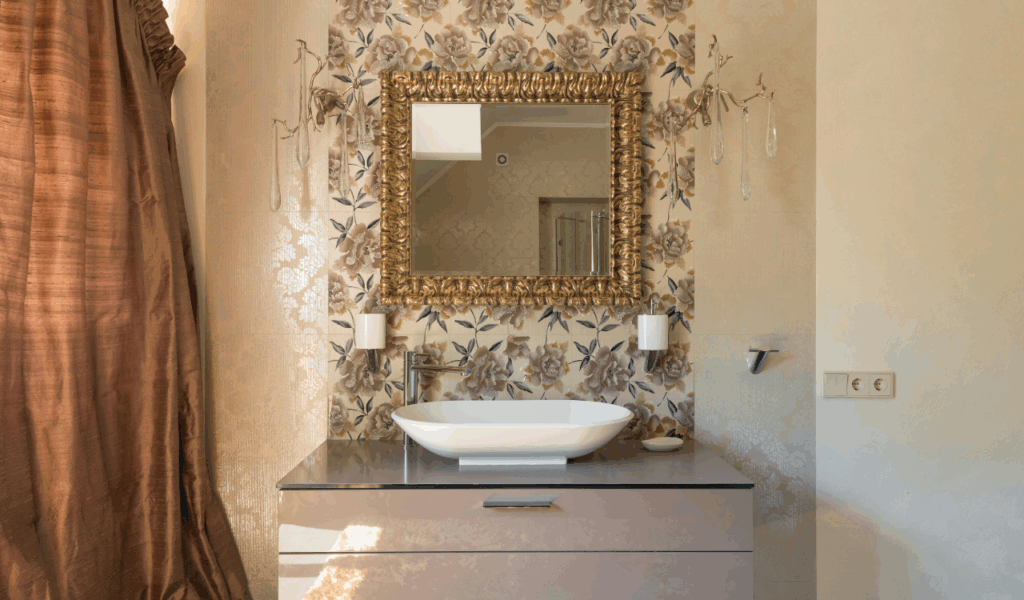
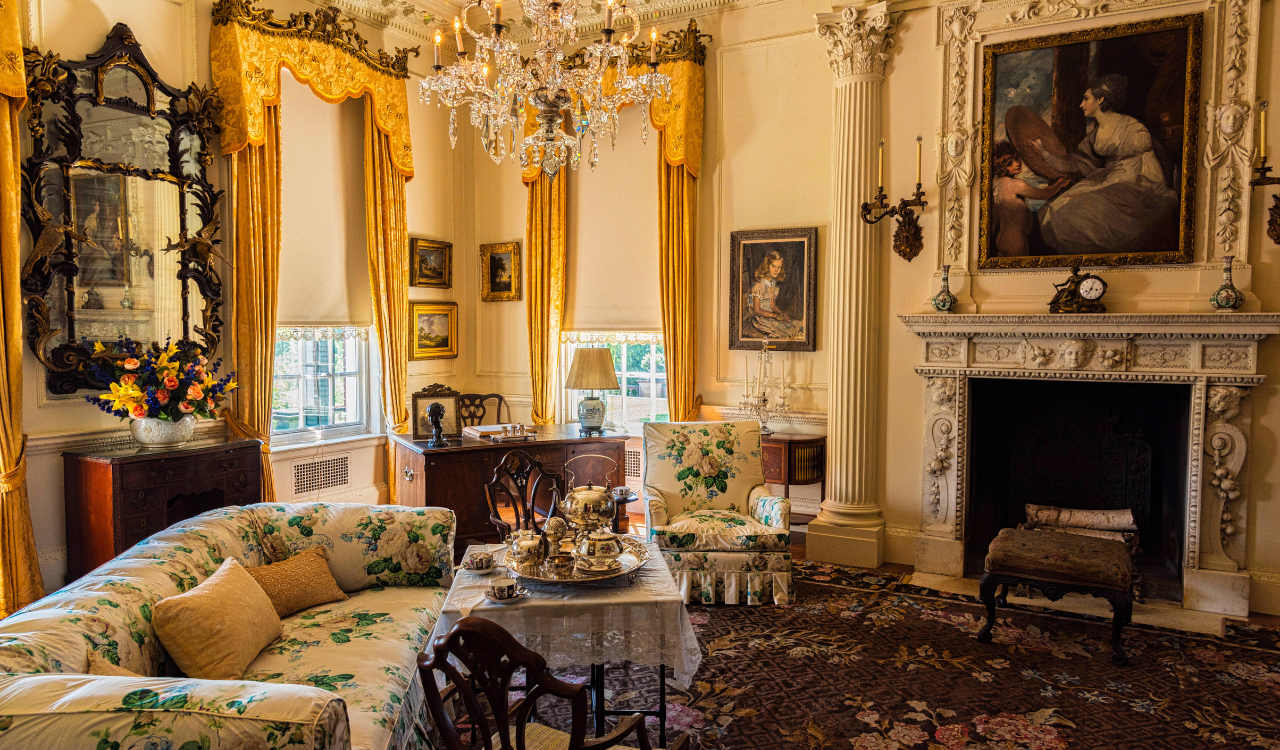
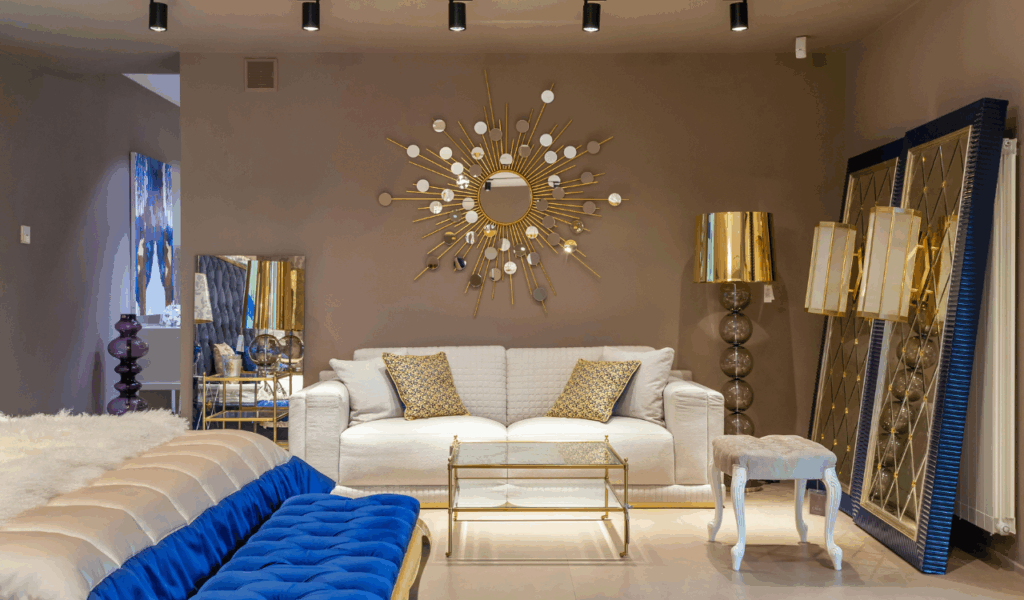
Mirrors with bright metal or high-gloss frames often reflect almost as much light as the mirror itself. Polished frames send light out in all directions, which makes more glare points along the edges. When these frames are used with strong overhead or accent lighting, they can make dazzling flashes and sharp highlights that draw the attention over and over again. Instead of subtly edging the mirror, the frame highlights it and brightens it. In bedrooms, living rooms, and dining rooms, where softer, more controlled lighting is preferable, this enhanced reflectance can make places appear colder and harsher.
5. Narrow Vertical Mirrors Near Light Fixtures
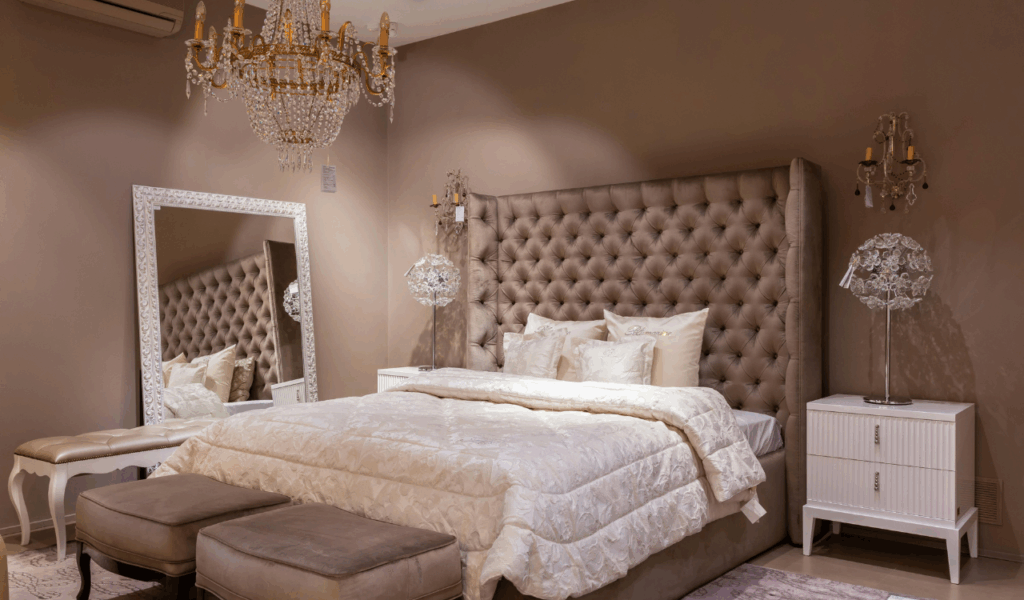
When you put narrow vertical mirrors close to wall sconces or ceiling fixtures, they tend to reflect beams of light directly back into the space. They work more like reflective strips than light diffusers since they are tall and thin. The light that is reflected becomes strong and focused, causing glare instead of ambient brightness. This configuration often leads to uneven lighting, where some sections are too bright and others are too dark. The imbalance messes with the flow of the area and can make the lighting feel harsh instead of smooth, which makes the space less comfortable and useful overall.
6. Mirrors With Distressed or Textured Surfaces
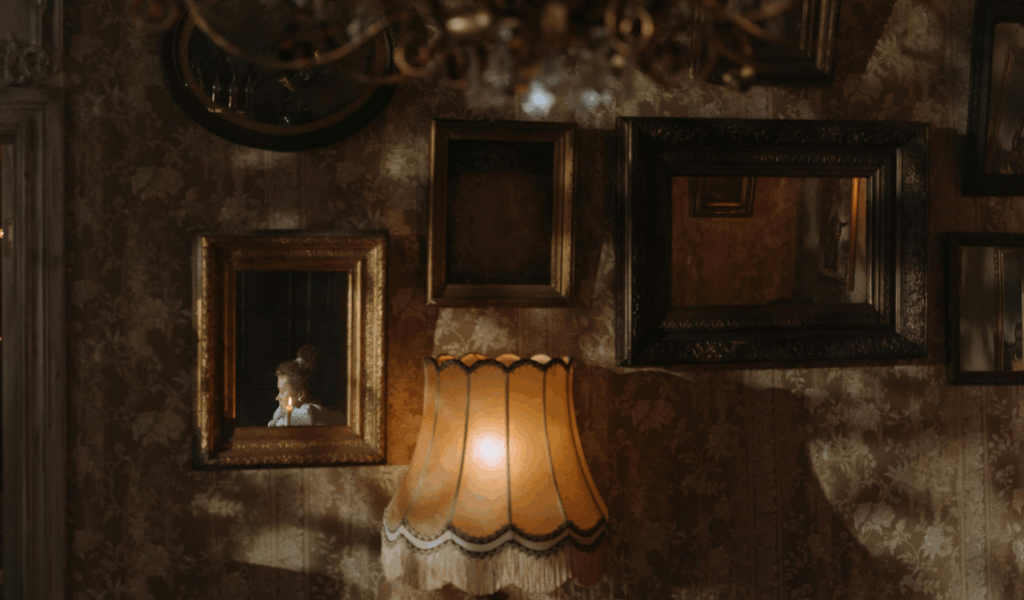
Mirrors with worn, old-fashioned, or rough surfaces don’t reflect light uniformly over their surface. These mirrors don’t reflect light evenly; instead, they break it up into pieces, which makes the glare look like it is shimmering or flickering. The texture may look pretty or attractive up close, but it typically makes the brightness uneven, which draws attention for the wrong reasons. These mirrors can look unsteady in areas with bright or changeable light since the reflections change throughout the day. They can make a room feel restless and visually busy instead of adding warmth or charm.
7. Multiple Small Mirrors on One Wall
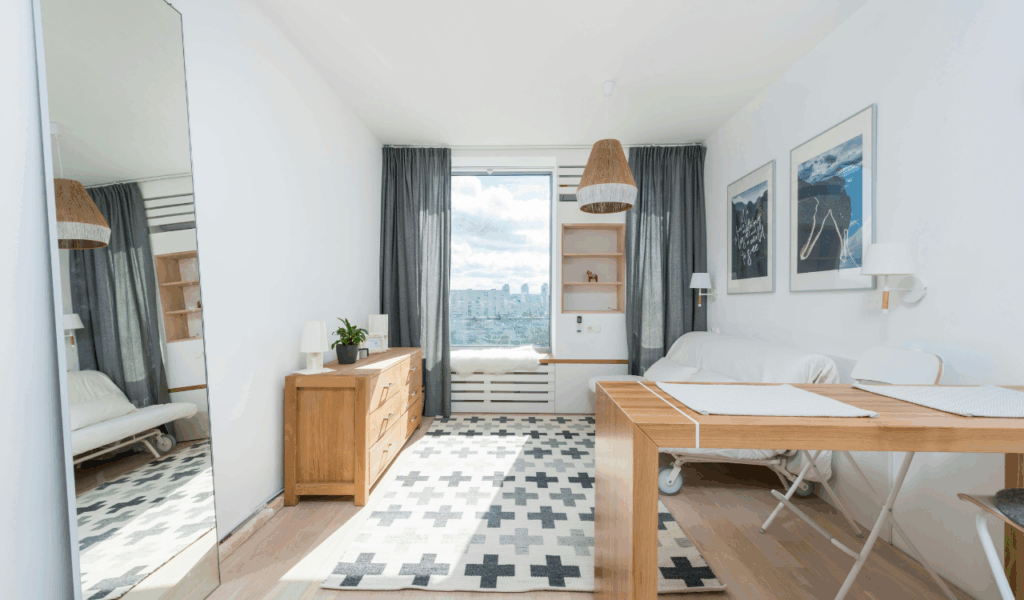
Putting a lot of little mirrors on one wall makes a room have a lot more reflected points. Each mirror collects and reflects light in a slightly different way, which makes glare worse instead of spreading light equally. This can make walls look cluttered and too bright in some places, especially at night when there are lights on. The combined reflections don’t make natural light better; instead, they make the space look cluttered and conflict with other design features. The frequent fluctuations in brightness and reflection can be exhausting and distracting over time, which makes the environment less soothing and more visually demanding.