9 “House Cured” Bacon Butchers Smoke in Bulk Batches
When you see “house cured” bacon on a butcher counter or restaurant menu, it sounds artisanal. You picture small hooks, gentle smoke, and someone carefully tending each slab. In reality, many respected butchers rely on batch-based methods to keep flavor consistent and meet demand. That does not mean the bacon is low quality.
It simply means the process can look more industrial than shoppers expect. Meat curers and pitmasters say cold smoking, long cures, and scheduled batches are standard practice, even in shops proud of working in house, especially when supplying busy counters and restaurants.
1. Apple & Cherrywood Bacon Uses Extended Multi-Day Smoking Cycles
This style of bacon sounds ultra bespoke, and in many ways it is. After an 11 day cure, the pork undergoes a 40 hour cold smoke over apple wood, followed by 20 hours over cherry wood. That schedule targets a 12 to 15 percent weight loss, which professionals use as a benchmark for flavor and moisture control.
What surprises many shoppers is that this process is often done in grouped batches rather than one slab at a time. Butchers load multiple bellies into temperature-controlled smokehouses to maintain even airflow and consistent smoke. From an expert perspective, batching is not about shortcuts. It is about control.
2. Kevin’s Smokin’ Meat Relies on a Structured Multi-Stage Batch Process
Kevin’s Smokin’ Meat highlights how methodical house curing often becomes once demand grows. The bacon starts with a nine day dry cure, followed by two days resting in refrigeration to stabilize moisture and salt penetration. It is then hot smoked to an internal temperature of 120 degrees Fahrenheit before an additional four to five hours of cold smoke.
A final two day rest allows flavors to settle. While that sounds hands-on, pitmasters explain these steps are usually applied to multiple slabs at once. Batch processing ensures every slab hits the same internal benchmarks, which is critical for food safety and flavor consistency.
3. Chloe’s Thick-Cut Bacon Is Cold-Smoked In House but Still Batched
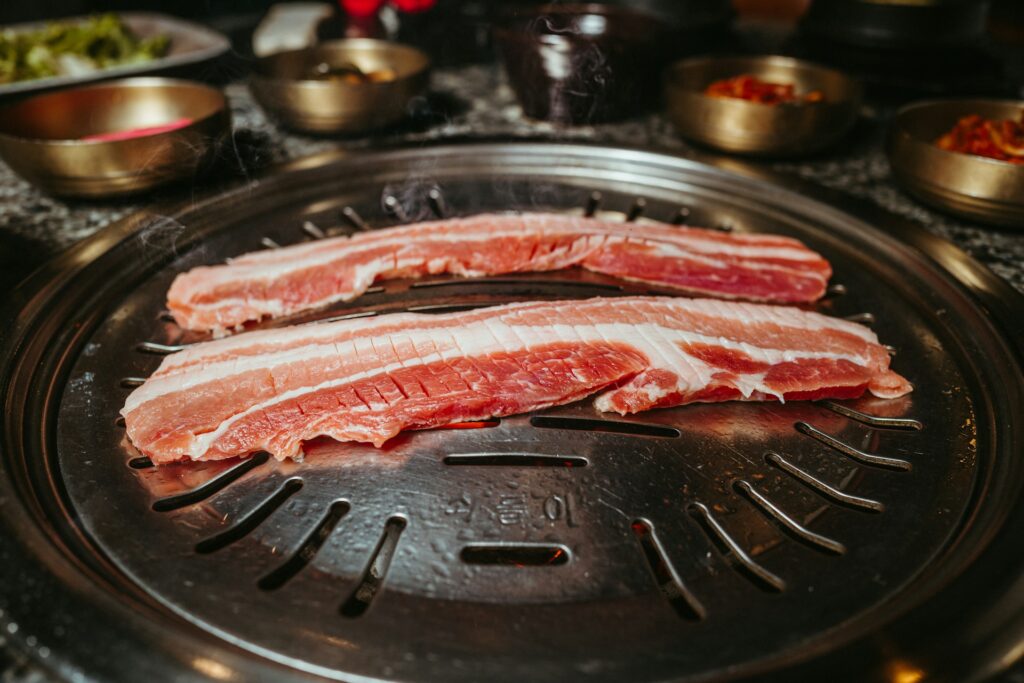
Chloe’s locally produced thick-cut bacon emphasizes in-house curing and cold smoking, appealing to shoppers seeking authenticity. Cold smoking almost always requires batching. Maintaining low temperatures while delivering steady smoke is far more stable when multiple cuts are smoked together.
Meat experts note smokehouses perform best when fully loaded, as airflow and humidity stay balanced. Chloe’s bacon may be cured and smoked on site, but that does not mean each slab gets its own session. Instead, the shop focuses on repeatable results across a batch. You still get thick slices, deep smoke flavor, and local production.
4. Smoked Honey-Cured Hickory Bacon Is Produced in Scheduled Batches
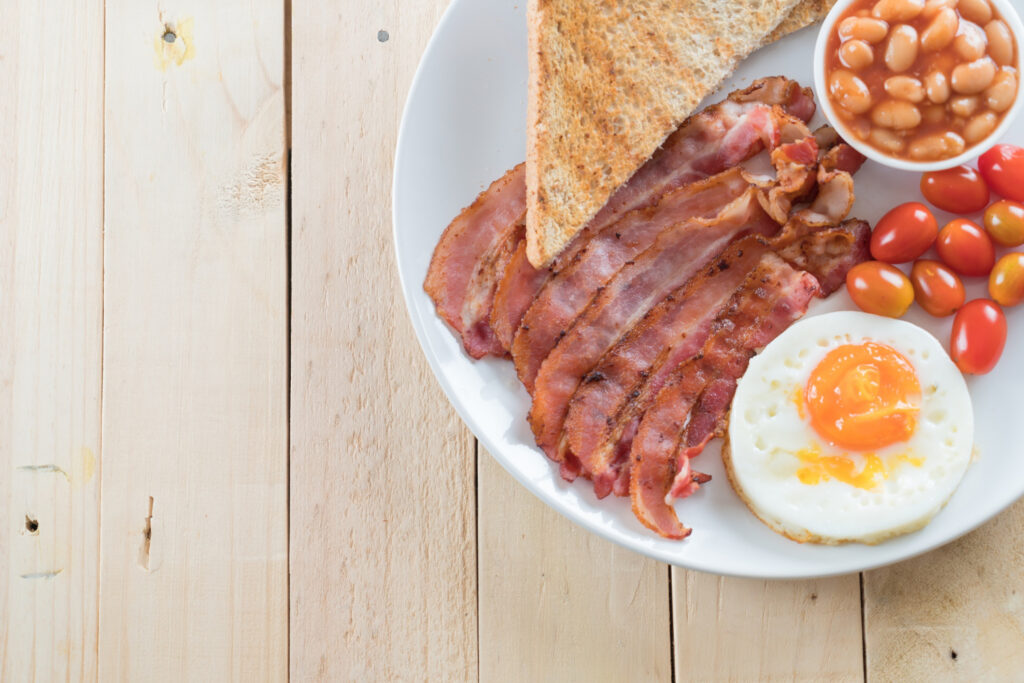
Honey-cured hickory bacon is often marketed as a specialty, and in most cases, it truly is. The sweetness adds rich complexity and requires careful curing to avoid scorching during smoking. Even so, butchers typically prepare this bacon in scheduled batches rather than on demand to ensure quality and consistency.
Experts explain that sugar-forward cures behave more predictably when processed in volume, since humidity and timing can be tightly controlled. Smoking multiple slabs together reduces the risk of uneven caramelization and flavor loss. When you see this bacon appear periodically, not continuously.
5. Cochon Butcher Produces “Sliced Butcher Bacon” Through Controlled Bulk Smoking
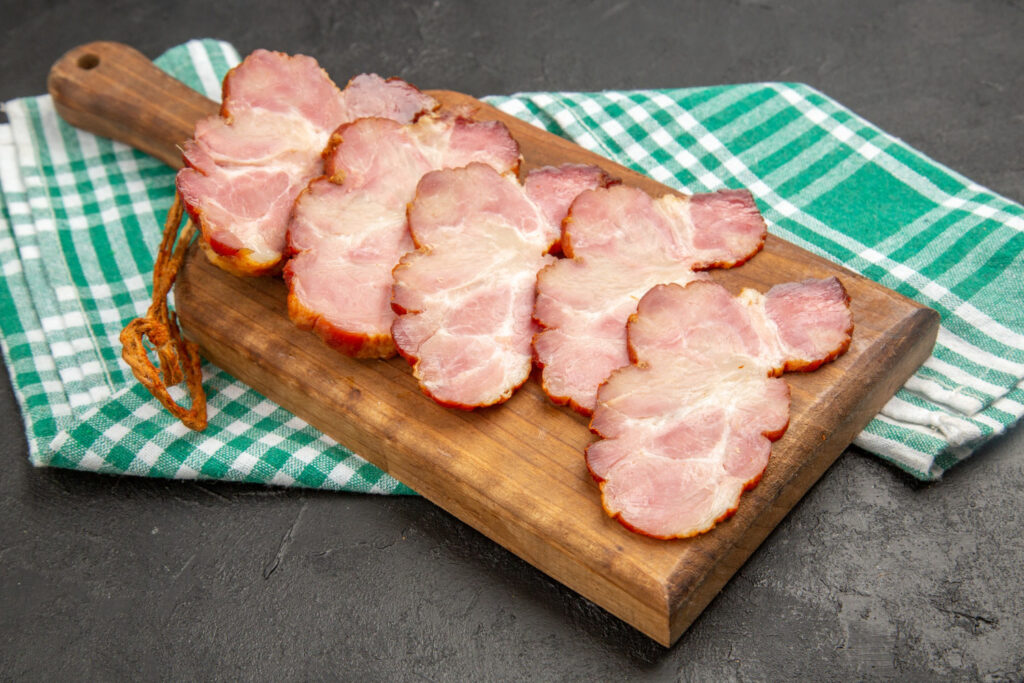
Cochon Butcher is well known for its in-house curing program, yet even here, bulk smoking plays a major role. Their “Sliced Butcher Bacon” reflects professional charcuterie practices rather than small backyard methods. Meat curers point out that restaurants with high turnover need reliability.
Smoking bacon in larger runs allows chefs to predict yield, manage inventory, and deliver the same flavor profile every day. The curing may happen in house, but the smoking environment resembles a scaled operation designed for consistency. For diners, this means the bacon you love today will taste the same next month.
6. HacksMeats Smokes On Site but Uses Batch Efficiency
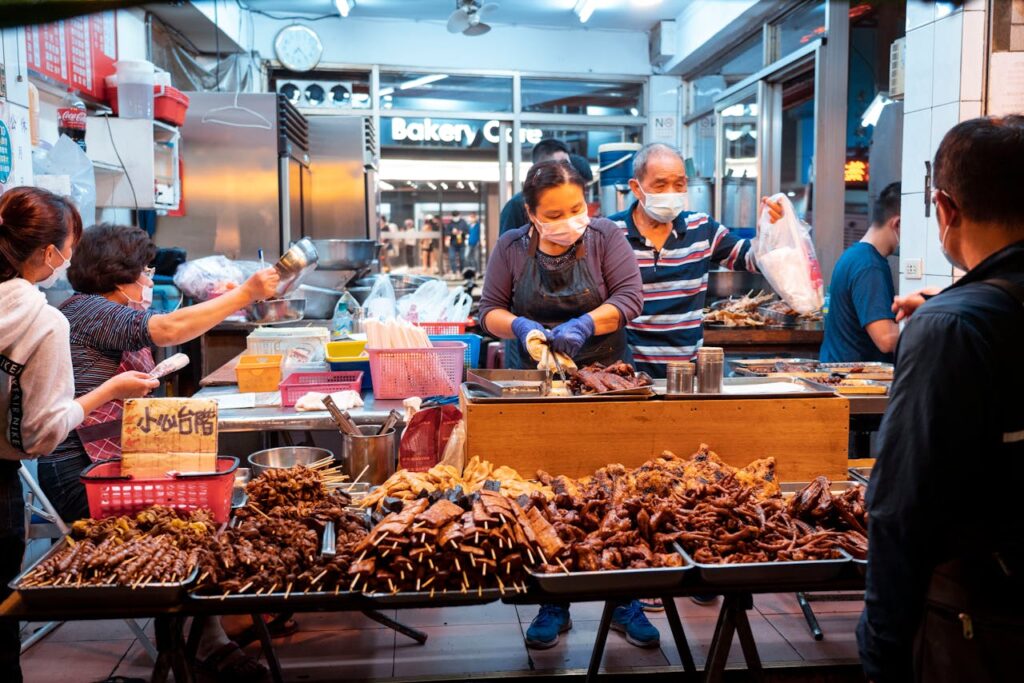
HacksMeats markets its bacon as house cured and on-site smoked, which is accurate. What often goes unmentioned is how much coordination goes into that process. Local meat markets typically smoke bacon in full loads to make the most of time, fuel, and labor. Industry professionals note that running a smoker half full creates uneven results and higher costs.
By batching slabs together, HacksMeats ensures steady temperatures and uniform smoke penetration. The result is bacon that tastes handmade but benefits from professional efficiency. For shoppers, this is a good example of how local does not always mean small quantity.
7. Cajun Heat Canadian Bacon Requires Large-Batch Precision
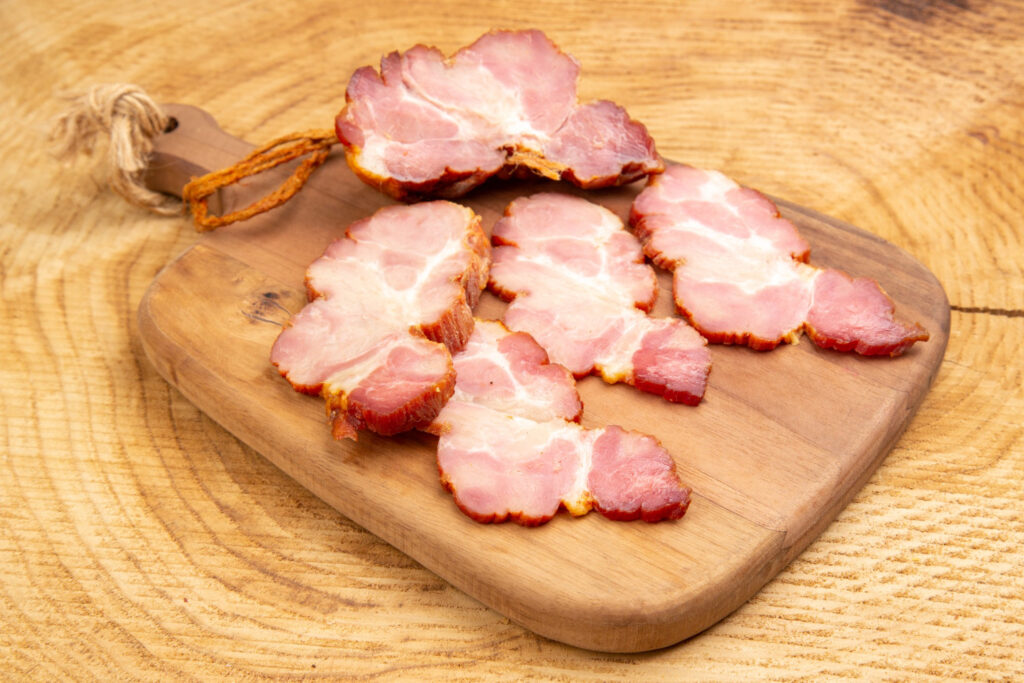
Canadian bacon introduces another layer of complexity. A 12 pound loin is cured for seven days, then cold smoked for eight hours and hot smoked for five hours, gradually rising from 120 to 175 degrees Fahrenheit. That temperature ramp is difficult to manage for a single cut.
Experts say it is far easier to execute when multiple loins are smoked together, as the smoker stabilizes more quickly. The Cajun heat seasoning also needs even distribution, which batching supports. While this bacon is still carefully crafted, it reflects how technical requirements often push butchers toward bulk processing for accuracy and safety.
8. Goat Chevon Bacon Is the Exception, Not the Rule
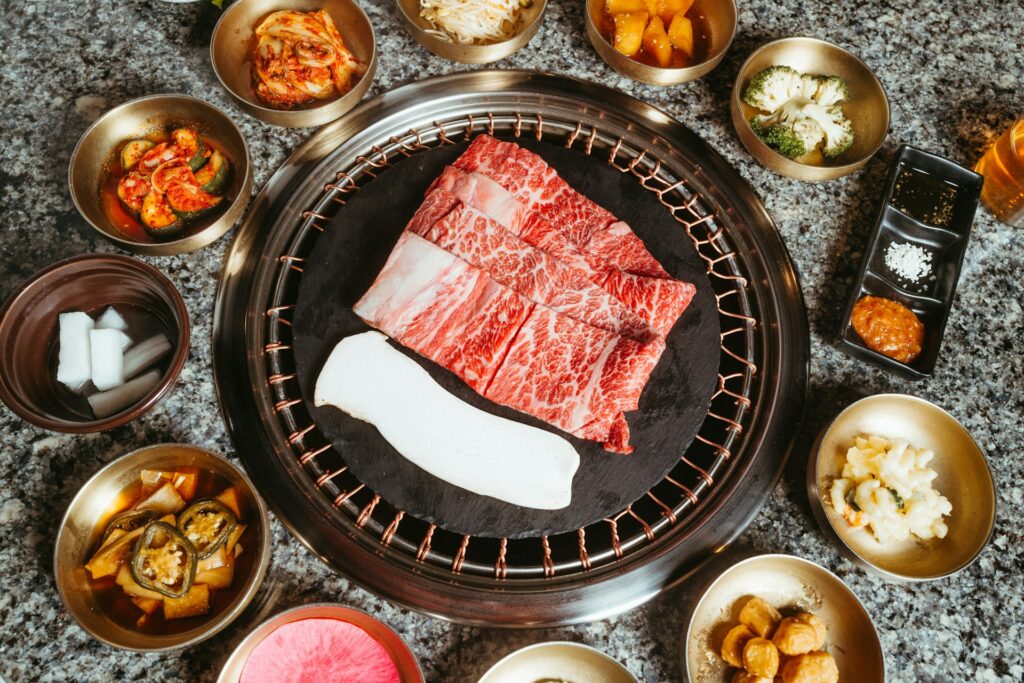
Goat bacon made from chevon is genuinely rare, and this is where small-batch claims usually hold up. Produced in very limited quantities, this specialty bacon is cured and smoked in much smaller runs because demand is niche and raw material is harder to source. Even so, experts caution that “small batch” here still means multiple pieces processed together.
True one-off smoking is inefficient and risky. What sets chevon bacon apart is scale of output, not necessarily the method. When you see it offered, you are paying for rarity, labor, and craftsmanship, not a fundamentally different smoking approach.
9. Fielding’s Wood Grill Treats House-Cured Bacon as a Menu Staple
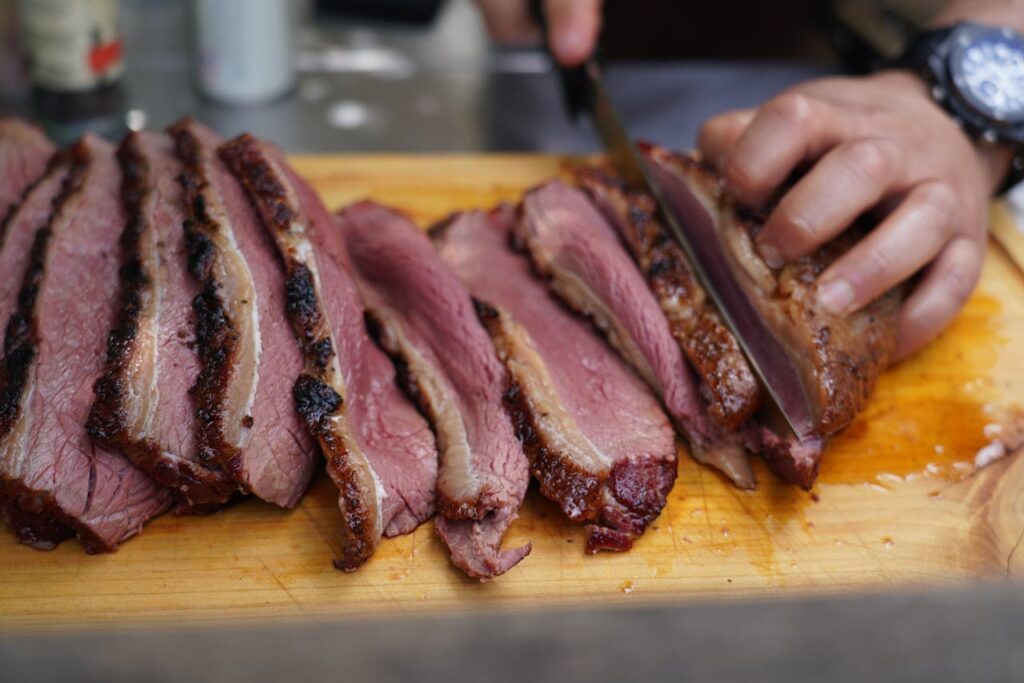
At Fielding’s Wood Grill, house-cured bacon appears as a regular menu item, not a limited release. To make that possible, the kitchen relies on planned curing and smoking schedules that mirror butcher shop batch methods. Culinary professionals explain that restaurants cannot afford unpredictable yields. Bacon must be ready when service demands it.
That reality means curing and smoking multiple slabs in advance. The end result still qualifies as house cured, but it reflects operational needs as much as artisanal intent. For diners, understanding this helps separate romance from reality while still appreciating the craft involved.