10 “Handmade” Ravioli From Grocery Stores That Are Actually Junk
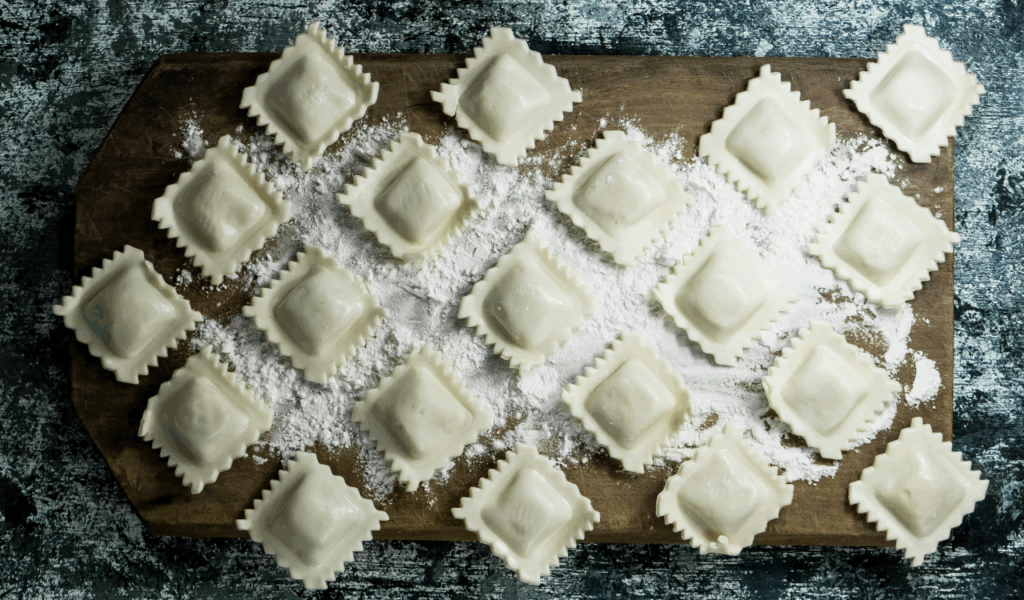
When you stroll into the gourmet department of a fancy grocery store, it’s easy to get drawn in by the rustic packaging and big boasts of “handmade” quality. But expert chefs and pasta makers say that these labels are frequently just creative ways to mask items that are made in large quantities and packed by machines.
A real ravioli should have a thin, slightly uneven pasta shell with a filling that is rich and textured. On the other hand, many store-bought kinds use industrial injectors to push a smooth, paste-like filling into thick, doughy squares that don’t have any flavor or structural integrity.
Italian food experts say that in a business setting, the term “handmade” sometimes only means that a person pushes a button on a multi-million dollar extrusion line. Professional flippers and food critics say that these items are typically filled with “fillers” like potato starch and too many breadcrumbs to keep costs down.
We have found the exact grocery brands and styles that experts believe are nothing more than machine-made rubbish pretending to be artisanal treasures. This can help you avoid getting fooled when you go down the pasta aisle. These mass-market solutions can’t match the traditional ways that make true quality.
1. Whole Foods 365 Organic Four Cheese
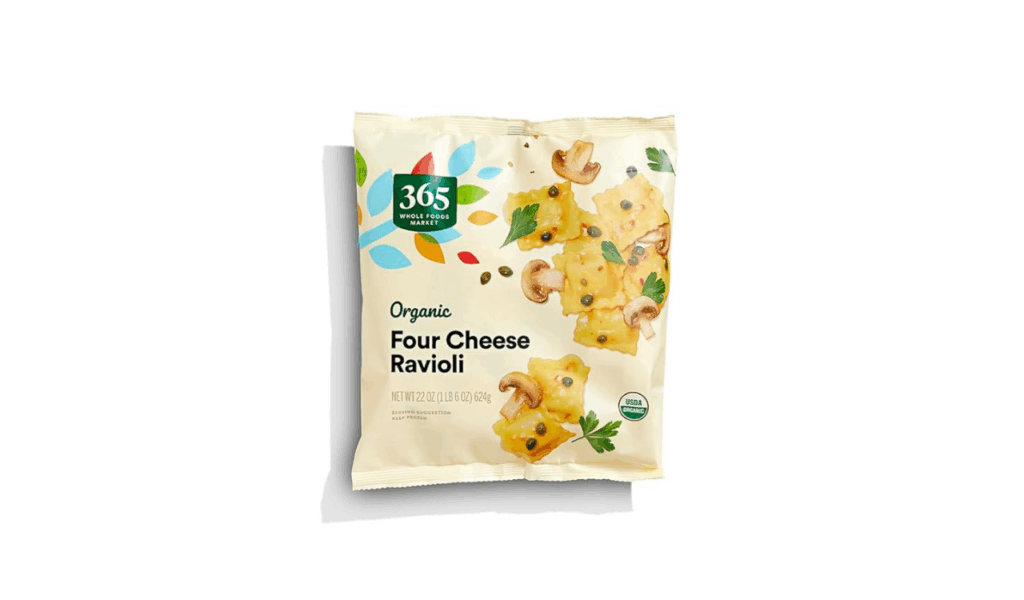
Food critics say that Whole Foods’ 365 brand ravioli is a great illustration of industrial manufacture, even though the store is proud of its organic standards. The “handmade” look is only on the package; the actual pasta pockets are generally regarded as small and without any cheese feel. Professional tasters say that the filling is a blended combination that feels more like a salty paste than a high-quality ricotta mixture. Experts believe that the pasta itself is often overly tough, so it doesn’t have that soft “bite” that comes with fresh dough.
Chefs, who are like landscapers for food, say that this product has a big problem with consistency. A lot of people who shop have said they found “empty” ravioli shells in their bags, which is a clear evidence of a broken machine injector instead of a meticulous hand. Designers of fine dining menus say that at this price, you’re paying more for the “organic” label than for the actual workmanship. These squares are still a boring and unsatisfying choice for any genuine pasta lover or home cook without a filling that is textured and of good quality.
Professional organizers of gourmet pantries say that if you look closely at the ingredients, you will discover that there are not enough high-quality aged cheeses. Instead, the recipe uses cheap dairy solids to make the flavor. Experts suggest that the idea that something is “handmade” is mostly a marketing ghost. When you boil these, they typically stay together in clumps, which shows that the surface treatment is meant for an industrial conveyor belt and not for a floured wooden board in a traditional Italian kitchen.
2. Devour Double Chicken Creamy Alfredo
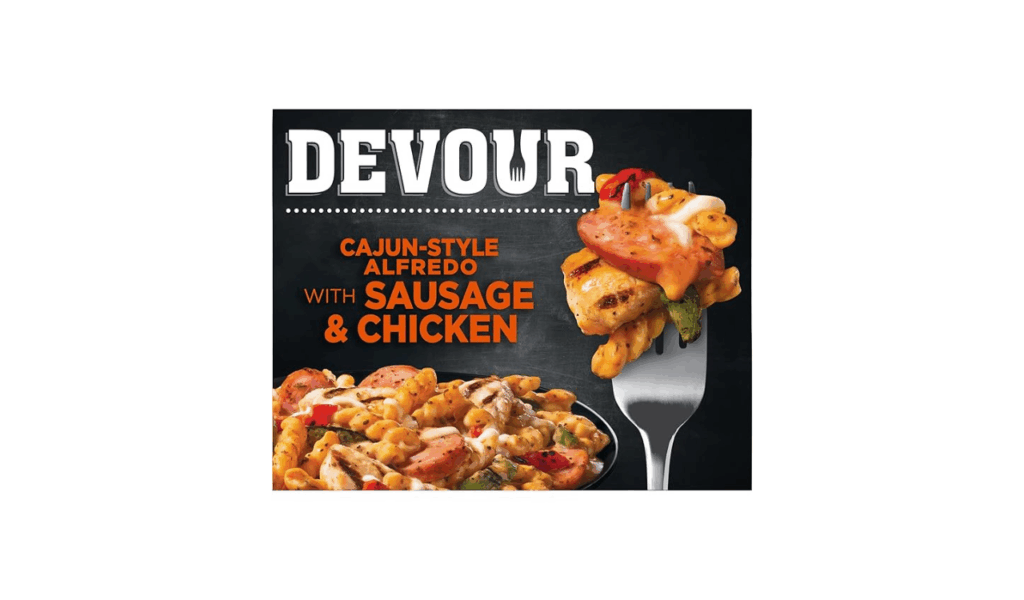
Devour touts itself as a high-end “man-sized” lunch, but Italian food lovers say their ravioli is the definition of junk food filled by a machine. People say that the pasta is quite thick and doughy, and sometimes it gets so thick that it’s hard to cut with a fork. People who flip frozen items for a living say that the “double chicken” claim often leads to sad, rubbery pieces of meat that seem completely fake. Experts claim that the high-tech processing needed to manufacture these shelf-stable foods removes any hint of real texture.
Chefs say that the sauce often doesn’t stick to the pasta because the ravioli surfaces are excessively smooth. This is a sign of high-pressure machine molding. The surface of traditional handmade pasta is a little bit porous so that the sauce can “grab” it. Organizers say that salt and artificial thickeners make up most of the flavor characteristics. People who make real recipes say that these meals are made for convenience and to look good in ads, not for their taste or health benefits.
Also, the filling of these ravioli is often “liquefied” so that it may fit through industrial nozzles. This makes the mouthfeel one-dimensional, unlike the varied texture of hand-chopped items. Experts say that the difference between the shiny ads and the dismal reality of the tray is one of the biggest in the frozen food business. This machine-made platter is not a good choice if you want a meal that honors the tradition of stuffed pasta.
3. Kite Hill Mushroom Almond Milk Ricotta
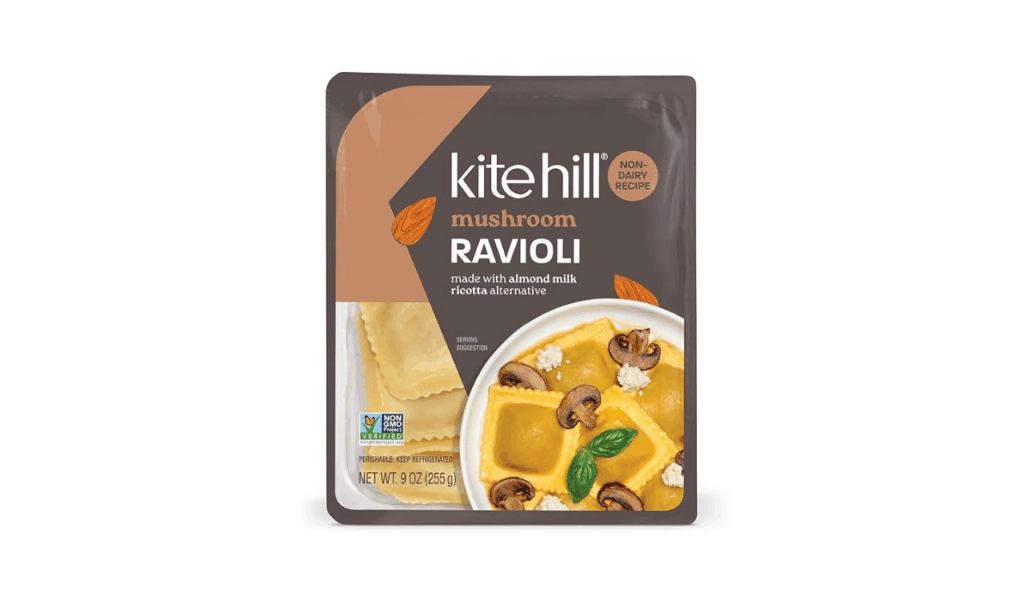
People typically praise Kite Hill for its plant-based inventions, but pasta experts claim their ravioli doesn’t live up to the “handmade” promise. People often say that the texture is “doughy” instead of “al dente,” no matter how long you boil it. Professional chefs say that the almond milk ricotta replacement doesn’t have the same protein structure as regular dairy, which might make the filling feel watery or thin. Experts argue that the stuffing procedure in the machine makes the plant-based filler much denser and less appetizing.
Food critics say that the “mushroom” flavor often tastes more like a lab-made essence than real sautéed mushrooms. The ingredients must be ground into a fine slurry since the machines need a certain viscosity to pump the filler. This takes away the “rustic” look that people love about handmade ravioli. Designers of vegan menus say that the packaging is nice, but the food inside often tastes like “wet dough,” which doesn’t give you the same gratification as a well-made pasta dish.
Organizers say that this brand is a classic example of “specialty tax,” when people pay more for a product that meets their dietary needs but is of inferior quality. Experts warn that the ravioli sometimes come apart in the pot because the plant-based “glue” used to seal the edges isn’t as robust as the egg wash that is usually employed. If you want to eat vegan pasta that tastes good, many experts say you should make your own instead of using these almond-based, machine-extruded copies.
4. Trader Joe’s Ricotta and Lemon Zest
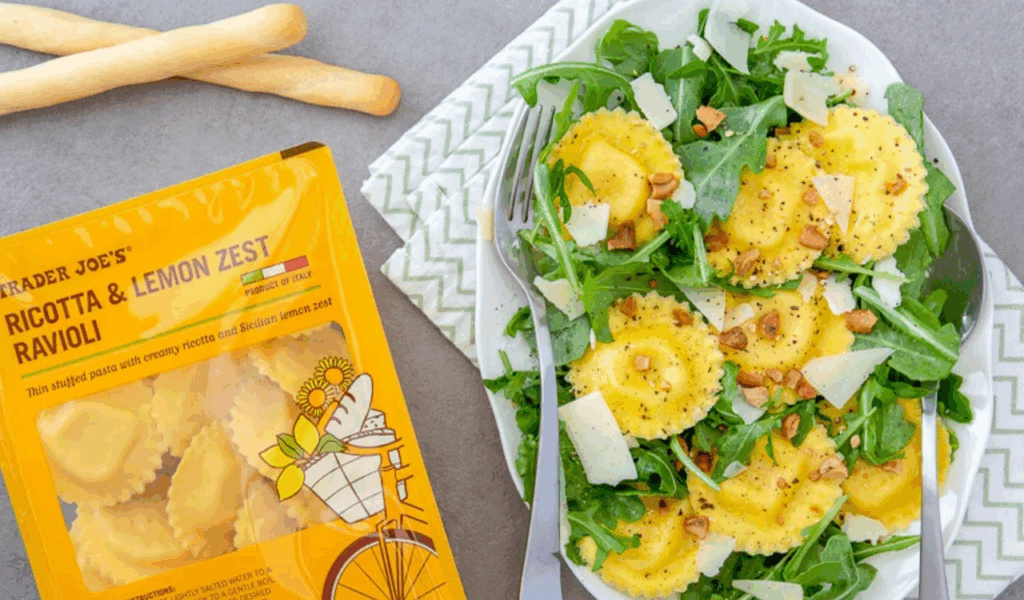
Italian chefs say that Trader Joe’s “fresh” ravioli area is hit or miss, even though the store is known for its unusual flavors. People commonly say that the Ricotta with Lemon Zest flavor has a “pasty” inside that shows it was created by a machine. Food trend experts say that the lemon flavor is often so strong that it hides the fact that the ricotta is not very good. Experts argue that in real handmade ravioli, the lemon should be a light note, not a strong chemical taste.
Traditional pasta makers say that the spaghetti sheets Trader Joe’s uses are often too thick to work with the fast machines. This makes a “gummy” edge where the two sheets are crimped together. Experts believe that the seam on a handmade ravioli is so thin that you can barely feel it. On the other hand, the edge on these machine-pressed ravioli is hard and “waxy.” cuisine stylists, who are like landscapers for the dinner plate, say that once served, these sometimes seem more like plastic toys than real artisanal cuisine.
Professional organizers say that adjusted atmospheric packing can make these products last longer, but it can also change the taste of the delicate zest. Experts say that when the filling is a homogenized emulsion, the “handmade” sense is completely lost. If you want to taste real lemon ricotta ravioli, chefs say you should go to a local pasta store where the filling is made in small batches and the lemon is hand-grated for a bright, authentic finish.
5. Rana 5 Cheese Industrial Packs
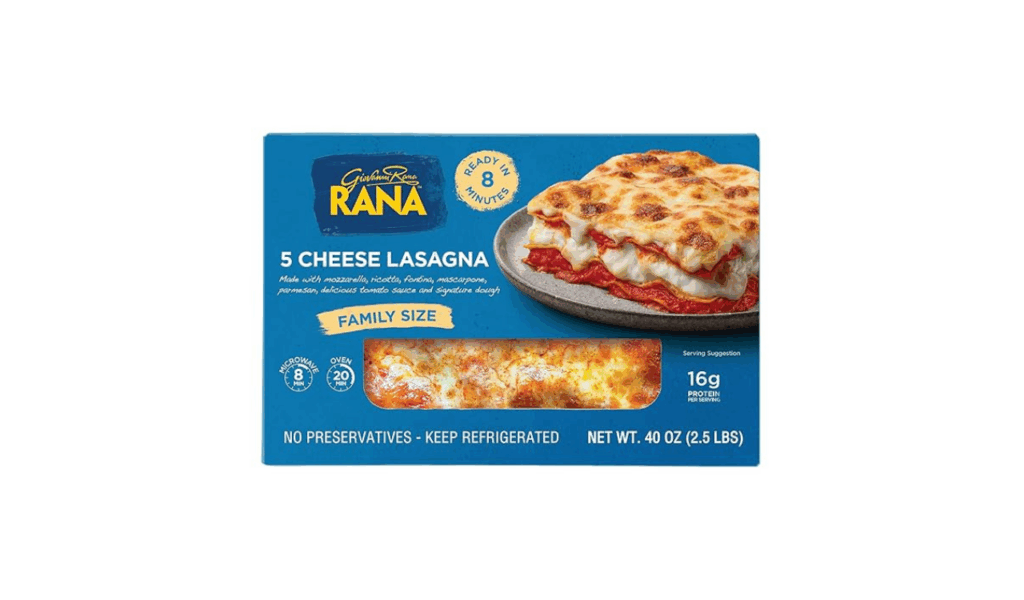
Everyone knows Giovanni Rana, but food experts say that the huge “5 Cheese” packs you can find at warehouse clubs are not artisanal at all. The company began as a little business, but it has grown into a huge industrial force around the world. Professional chefs say that the filling in these big packs is typically “blown” into the pasta with high-pressure air, which makes the texture even and spongy. Experts believe that this procedure is the opposite of the “handmade” designation that is commonly used in their advertising.
Designers of high-end menus say that the “5 Cheese” blend typically uses cheaper fillers like mozzarella and “cheese powder” instead of high-quality Parmigiano-Reggiano. The filling doesn’t have much depth and gets “oily” when it gets hot. Food critics, who are like landscapers for the food industry, say that the pasta is designed to be “foolproof,” which means it can handle being overcooked. This makes the mouthfeel thick and leathery, which is not like the smoothness of actual pasta.
Organizers say that these bags are made to hold a lot of stuff, not to be worth a lot of money. These manufacturers’ machines can make thousands of ravioli every minute, but there isn’t enough time to carefully “pinch” them together for a perfect seal. Experts believe that you can often see the “die marks” from the industrial cutters on the borders of the pasta. You won’t find a truly homemade experience in a five-pound bag suited for a suburban freezer.
6. Market Pantry Cheese Rounds
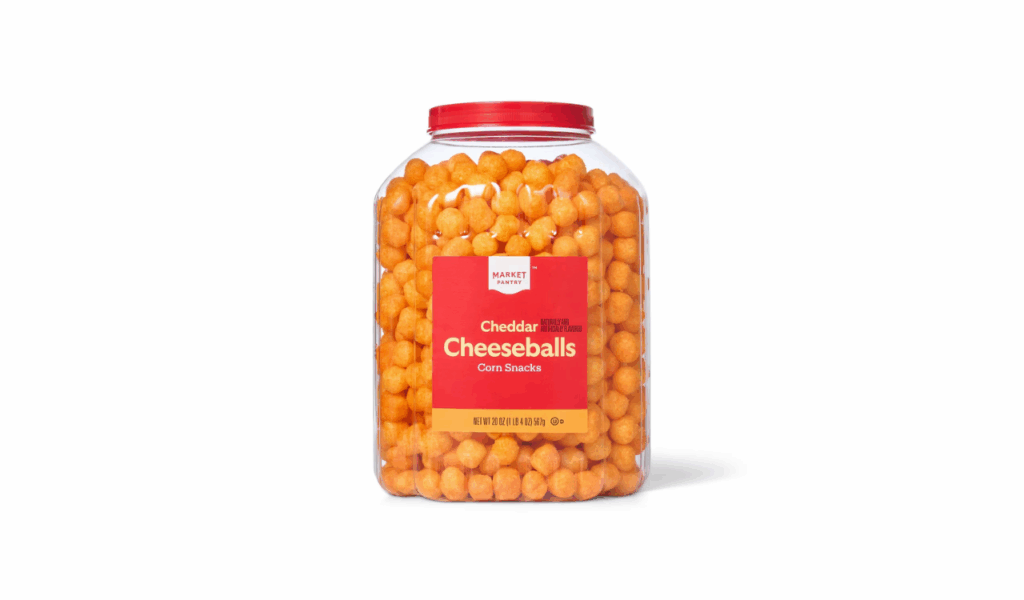
Market Pantry, Target’s store brand, is a cheap alternative, but experts say you get what you pay for: trash crammed by machines. The “rounds” are exactly the same, which is a sure sign of a high-speed rotary die cutter. Professional flippers say that the filling is typically “gritty” since the ricotta isn’t drained well or is blended with stabilizers that aren’t as good. Experts believe that there is no “handmade” promise here, although the packaging typically tries to make you feel like it’s “kitchen fresh.”
Designers of cheap meals say that the ratio of pasta to filling is typically very skewed toward the dough. This is a standard way for machine-made pasta to keep the pockets from bursting on the assembly line. Merchandisers, who work in the grocery aisle, say that these are marketed as a “value” play, while chefs say that the lack of flavor makes them a bad investment. Experts argue that the chemicals used to keep the frozen food fresh make the cheese filling taste “metallic.”
Professional organizers say that these ravioli are preferable for kids’ lunches, when texture isn’t as important. But for adults, the “doughy” texture is a big turn-off. Experts believe that the machines that crimp these rounds often leave a “hard” center in the seam that never entirely softens, even after boiling for a long time. It is a fully industrial product made to be as efficient as possible, with no hint of traditional Italian workmanship.
7. Buitoni Four Cheese Family Size
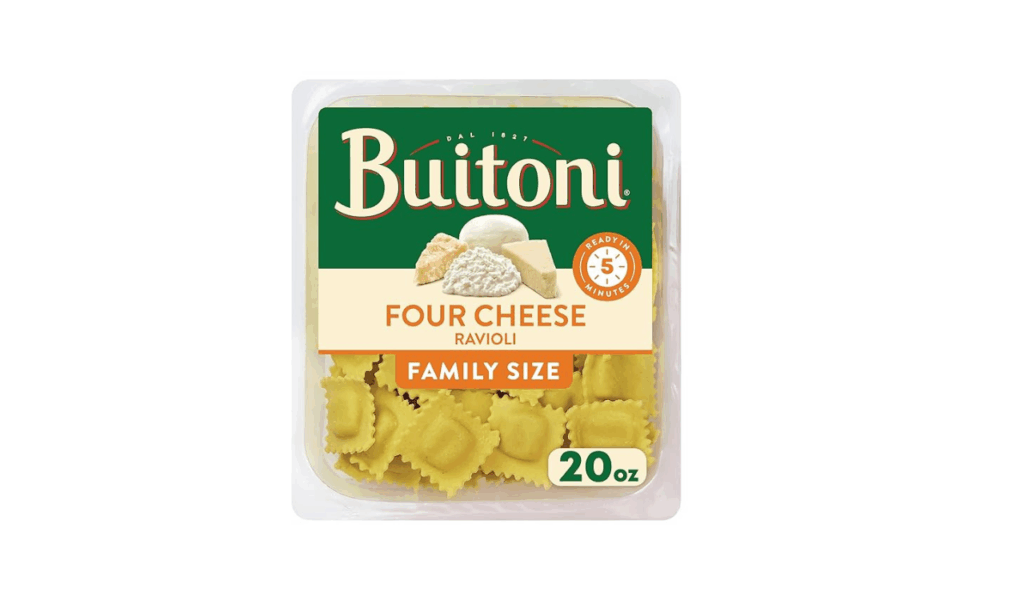
Buitoni is a common brand in the refrigerated aisle, but experts believe it is one of the worst when it comes to “industrialized” pasta. People typically say that the “Four Cheese” kind has a “rubbery” texture that is common in high-speed extrusion. Professional chefs say that the machines push the dough so hard that the gluten is too tough. Experts claim that a handmade ravioli should melt in your mouth, while Buitoni often needs a lot of chewing, which means it was created too much by machines.
People who make real Italian food say that the filling is too “smooth,” which means it has been through a lot of industrial filters to make sure it doesn’t clog the injection nozzles. This means that the “curd” texture that makes ricotta cheese so distinctive is completely gone. Landscapers of the dinner table say that these ravioli typically “weep” water when cut. This means that the filling is kept together by gums and starches instead of the cheese’s natural fat.
Organizers say that the “freshness” of these chilled packets is typically due to artificial preservatives instead of high-quality ingredients. Experts argue that once you’ve had real handmade ravioli from a local trattoria, it’s clear that Buitoni is machine-stuffed. The “family size” boxes are especially prone to quality control problems. Many ravioli come pre-cracked or glued together, which makes them a bad choice for a quick weekday dinner.
8. Great Value Beef Ravioli
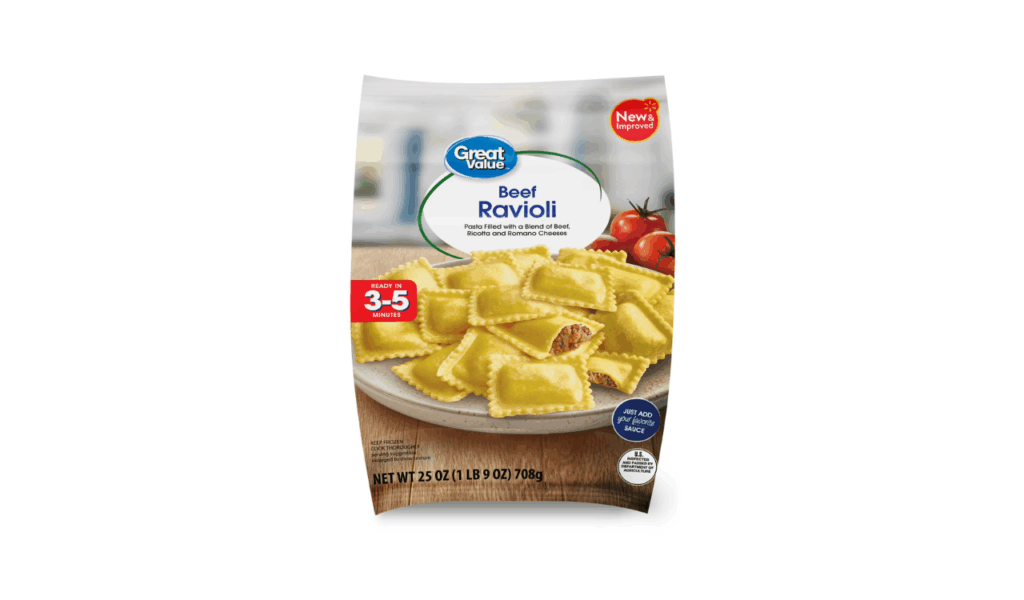
Experts say that Walmart’s Great Value brand is the best at mass production, and its beef ravioli is nothing like anything “handmade.” Professional flippers say that the “meat” inside is typically a finely crushed paste that looks like “pink slime” and doesn’t have any structural fiber. Real handmade meat ravioli should have pieces of braised beef or pig that are easy to see. The inside of this machine-made version is a brown mush that has been generously seasoned to mask how bad it is.
People who make cheap food products say that the “beef” in them is typically padded with soy protein and breadcrumbs. This makes it easier for the machines to pump the filling, but it also makes the filling seem more like a hot dog than a pasta filling. People who work in the frozen food aisle say that these are made for a price, not for taste. Experts believe that the pasta shell is often thick and “grayish,” which means it has a low egg content and a lot of poor flour.
According to professional organizers, these ravioli have a lot of salt in them to make up for how bland the machine-stuffed inside is. Experts say that the “handmade” aspect is gone, and instead there is a uniform square that seems like it came from a printing press. If you love the heritage of Italian meat pasta, this fake version made in a factory will probably let you down and make you want to find a better, more authentic option.
9. Celentano Mini Rounds
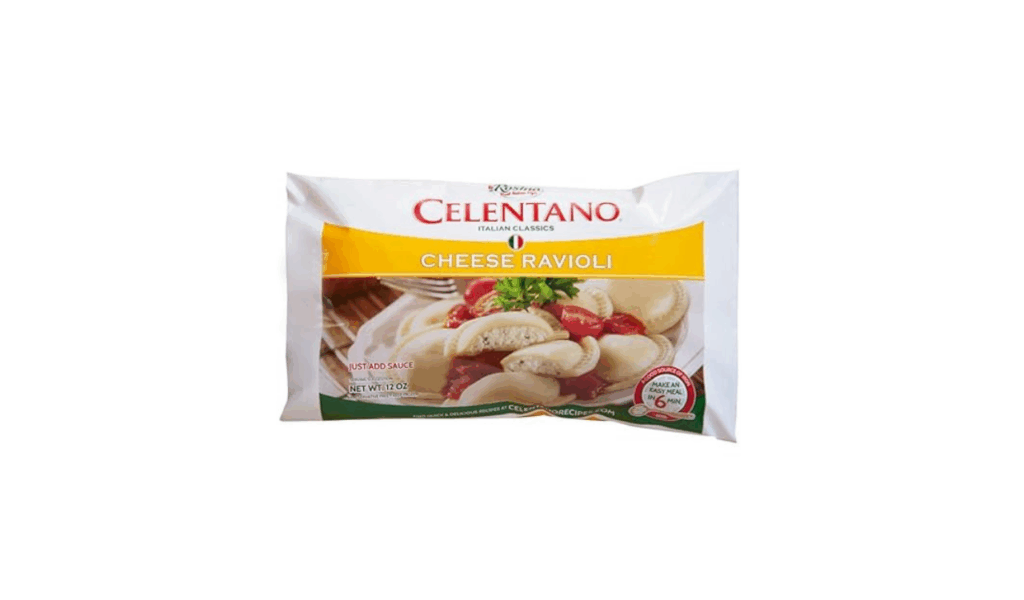
Many people grew up with the famous brand Celentano, but modern chefs say that their “Mini Rounds” are now just for factories. The “mini” size is actually a smart tactic to mask the fact that each piece has very little filling. Professional tasters say that the pasta to filling ratio is around 70% dough. Experts claim that handmade ravioli should be 50/50, but these machine-pressed minis are supposed to be “sturdy” enough for industrial flash freezing and bag shaking.
Designers of frozen appetizers say that the “rounds” are stamped out with such power that the edges become squeezed into a hard, plastic-like rim. Landscapers of the dinner plate, or chefs, say that the filling is often “chalky,” which means it has little moisture and a lot of stabilizer. Experts argue that it’s hard to get the “handmade” feel at this size. When cooked, the tiny rounds often stay “hard” in the middle while the edges get mushy. This is a classic symptom of inconsistent machine thickness.
The people in charge say that these are more typically used as “filler” in soups than as a pasta dish on their own. Experts believe that one of the worst things about it is that it doesn’t taste like cheese. There is a small “air pocket” where the filling should be in the cross section of a Celentano mini. This is a typical problem with high-speed injection machines. Experts say that to really enjoy ravioli, you should stay away from the “mini” versions and stick to the full-sized, hand-made ones.
10. Signature Select 5 Cheese Ravioli.
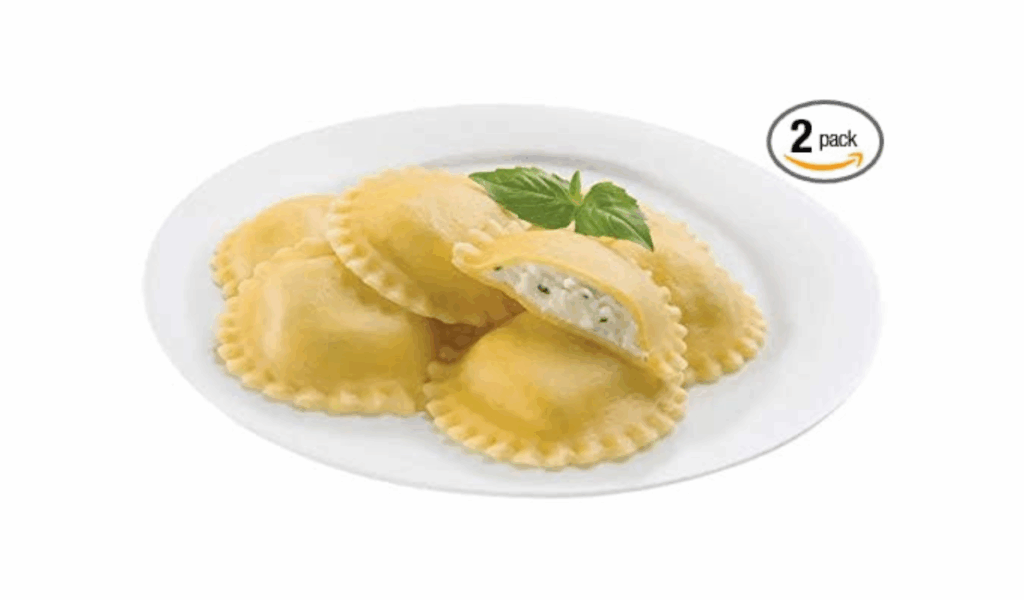
Experts sometimes call Signature Select, the house brand of many big supermarket stores, “machine stuffed junk” at its best. People typically say that the “5 Cheese” blend tastes “generic” because no one cheese stands out. Professional chefs say that the filling is “gummy” because it uses food starch to keep its shape while being stuffed under high pressure. Experts argue that truly handmade ravioli doesn’t need these extras since the cheese is so good that it keeps its shape on its own.
Designers of private label products say that these raviolis are often made by third-party companies that care more about speed than quality. The “handmade” label on the shelf tags is often a remnant of an old business identification. Store managers, who are like landscapers for the grocery store, said that these often get returned since they “burst” in the pot. Experts claim this happens because the machine seal is often “cold” or not lined up correctly, which causes the structure to fracture as soon as the pasta reaches boiling water.
Professional organizers say that the thick, doughy shells are a means to mask the fact that there isn’t a lot of good filling. Experts say that the whole experience is more like eating “flavored flour” than a delicate Italian pasta. The 5 cheese combination often has “enzyme modified cheese,” which is a chemical way to add flavor without having to age the cheese. Experts say that if you want a ravioli that appreciates the culinary arts, you should forgo this house brand and go with a company that cherishes traditional hand filling.