12 Foods Other Countries Ban That Still Show Up on American Tables
While some foods are beloved in the United States, they have been banned in other countries for various reasons. From health concerns to ethical standards, these food restrictions highlight fascinating global differences. Discover twelve such controversial foods that remain staples on American tables despite being prohibited elsewhere.
Farmed Salmon
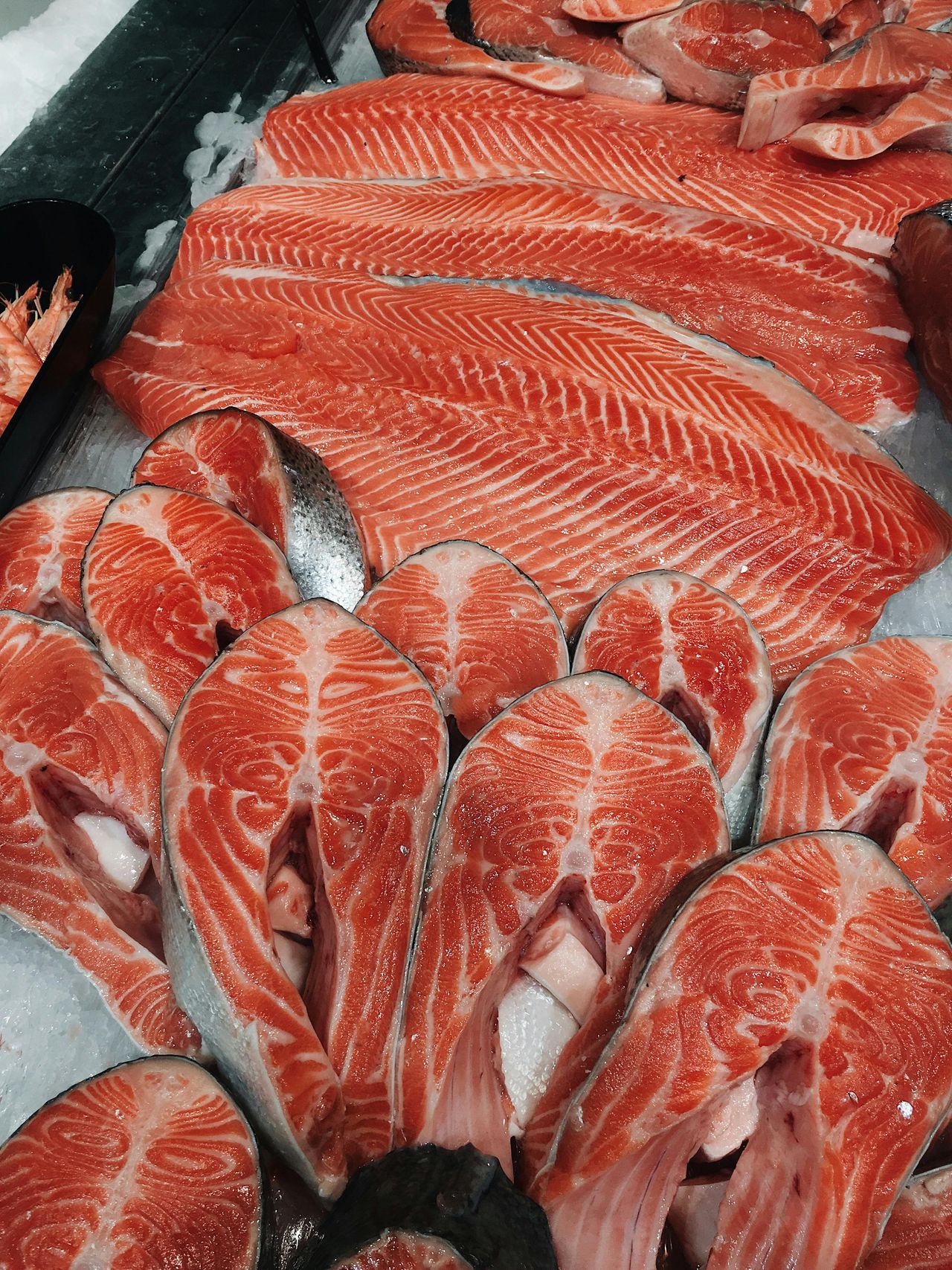
Farmed salmon is prized for filling the gap between salmon consumption and limited wild fish supply. However, it’s banned in countries like Australia and New Zealand due to the artificial coloring used in feed to give the fish its pink hue.
This coloring, while deemed safe in the U.S., raises health and environmental concerns overseas. Critics argue that these dyes may affect human health and that fish farms contribute to ecological imbalances.
For many Americans, farmed salmon remains a cost-effective alternative to wild-caught fish. It’s a prime example of differing regulatory thresholds across nations.
Kinder Surprise Eggs
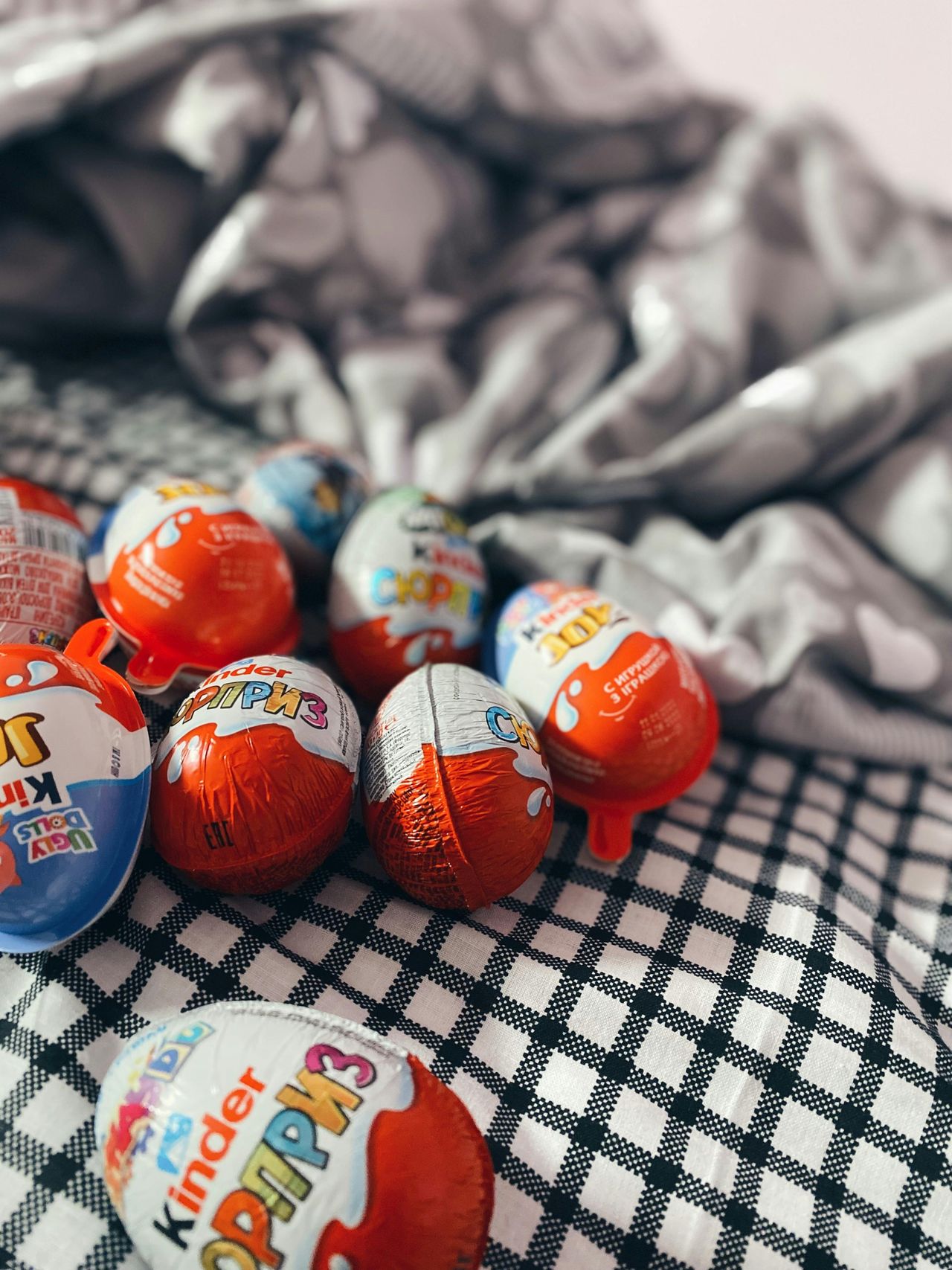
Kinder Surprise Eggs delight children worldwide with their toys hidden inside chocolate shells. Yet, they’re banned in the U.S. because of laws prohibiting non-nutritive objects embedded in food, aimed at protecting children from choking hazards.
Instead, a different version, the Kinder Joy, is sold stateside, where toys are sealed separately from chocolate. The cheerful reception of Kinder products in other countries contrasts sharply with the U.S.’s safety-oriented approach.
This case highlights a distinct cultural concern prioritizing child safety in American food laws, even when it comes at the cost of global confectionary classics.
Foie Gras
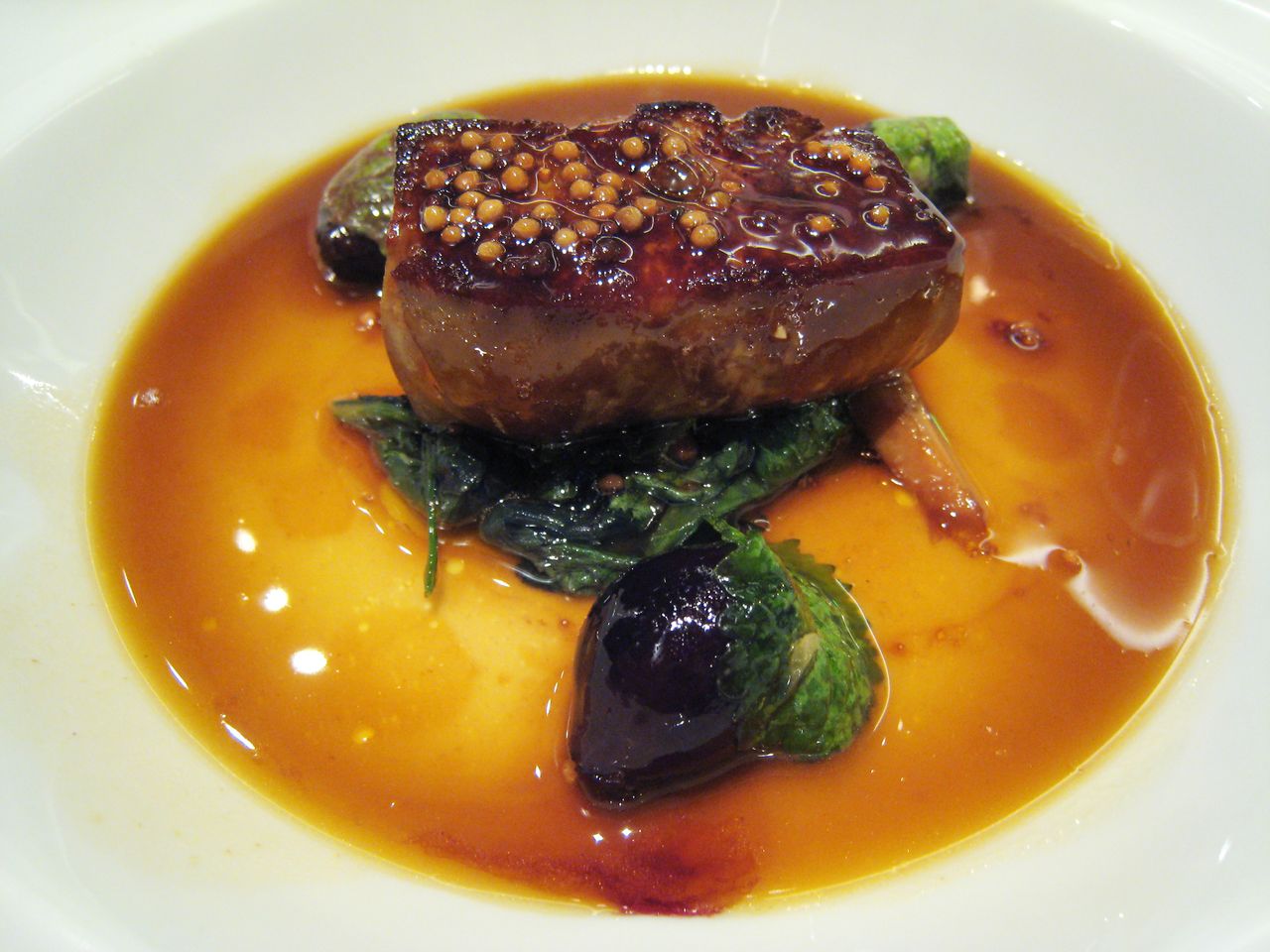
Renowned for its rich flavor, foie gras is made from the liver of a duck or goose that’s been specially fattened. This French delicacy is banned in several countries due to animal rights concerns over how it is produced.
In the U.S., its availability varies by state, with some enforcing their own bans. For those who enjoy it, foie gras represents luxury and culinary excellence that outweigh the ethical debates.
As foie gras sparks discussions on animal welfare, it continues to coexist with America’s diverse culinary preferences, where consumer choice and ethical sourcing often clash.
Ractopamine Pork
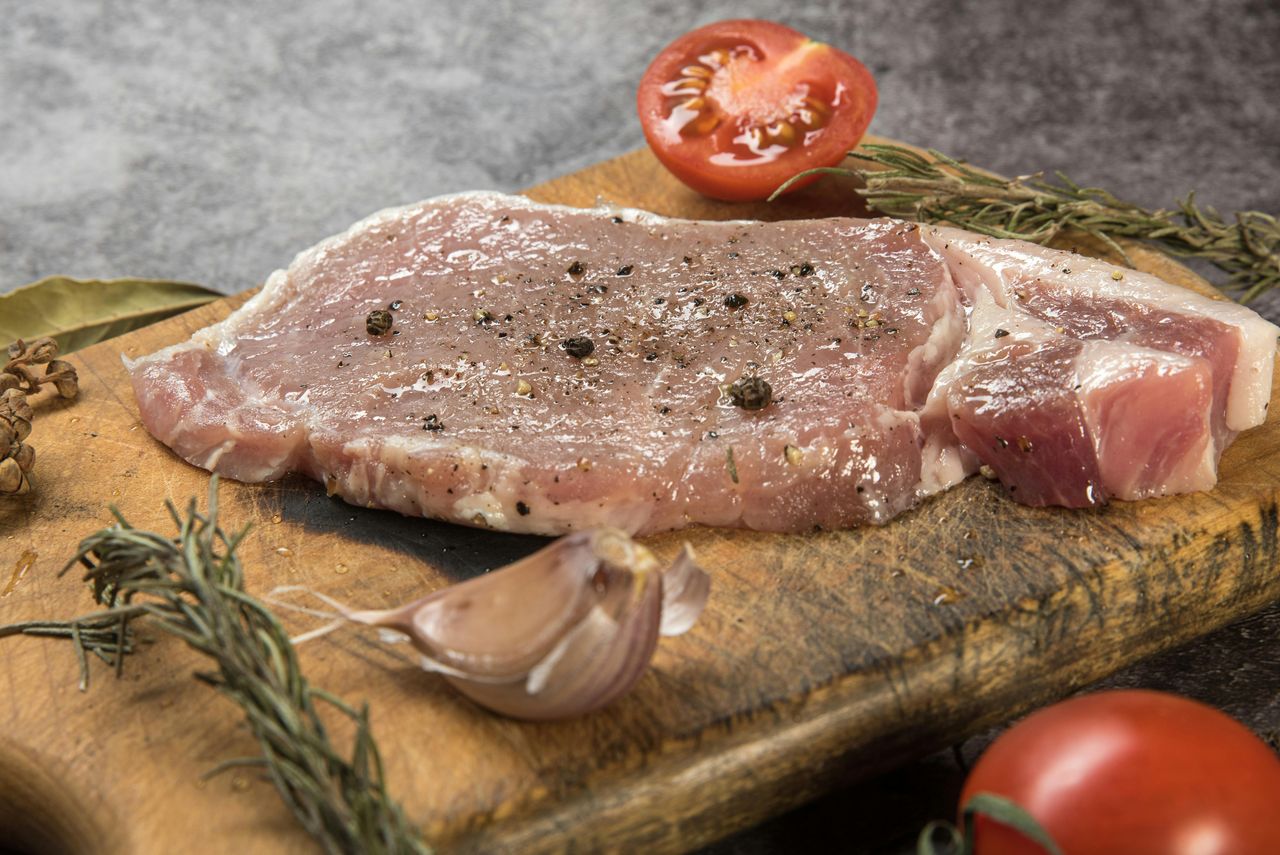
The U.S. approves ractopamine, a leanness-enhancing drug, in pork production. Meanwhile, it’s banned in over 160 countries, including Europe, Russia, and China, due to concerns about its effects on human health and animal welfare.
In America, pork producers assert that, backed by scientific studies, ractopamine poses no risk when used correctly. Consumers often remain unaware of this drug presence in their delicious bacon and chops.
This contrast reveals a complex intersection between commercial agriculture and regulatory tolerance, illustrating differences in what countries prioritize as acceptable food risks.
Brominated Vegetable Oil (BVO)
BVO, commonly used to stabilize citrus-flavored drinks, has faced bans in Europe and Japan over health concerns about its bromine content. It’s still permitted in the U.S., although the FDA set limits on its use.
Critics argue BVO could impair growth and nervous system function. Some major U.S. manufacturers voluntarily removed it from products in response to consumer pressure.
American beverages containing BVO showcase a regulatory balance between consumer demand and the authorities’ safety guidelines, underscoring how market forces can influence ingredient acceptability.
Genetically Modified Papaya
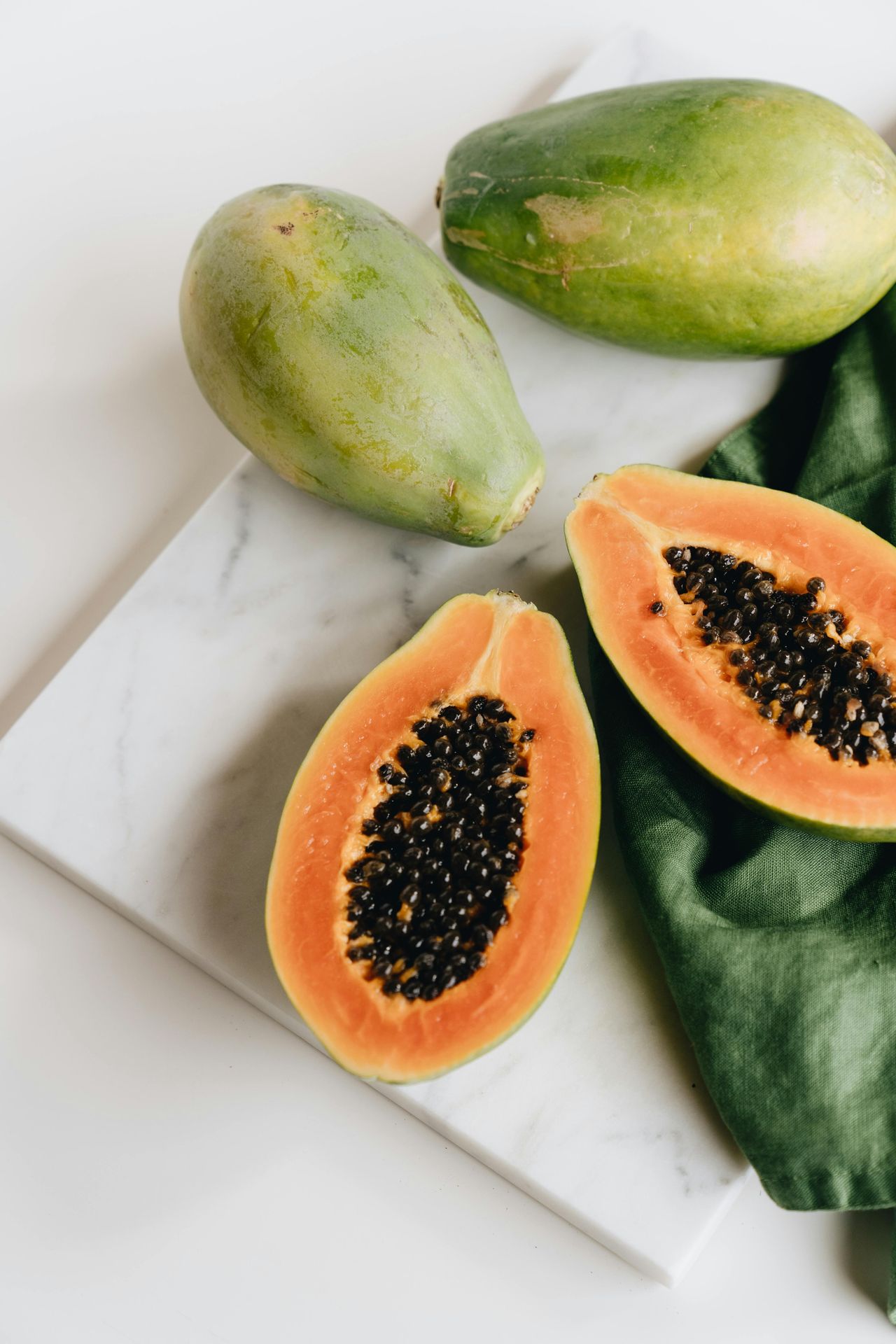
Hawaii’s genetically modified papayas are cultivated to resist the ringspot virus, crucial for maintaining local production. Despite its advantages, many European countries ban GMOs, including these papayas, out of precautionary principle concerns.
In contrast, the U.S. embraces such innovations to enhance food security and agricultural profitability. Critics worry about potential environmental impacts and the unpredictability of genetic modifications.
American shoppers enjoy sweeter, more robust papayas without considering the debates over genetic engineering, reflecting how technological advancements navigate public and regulatory landscapes differently worldwide.
Mountain Dew
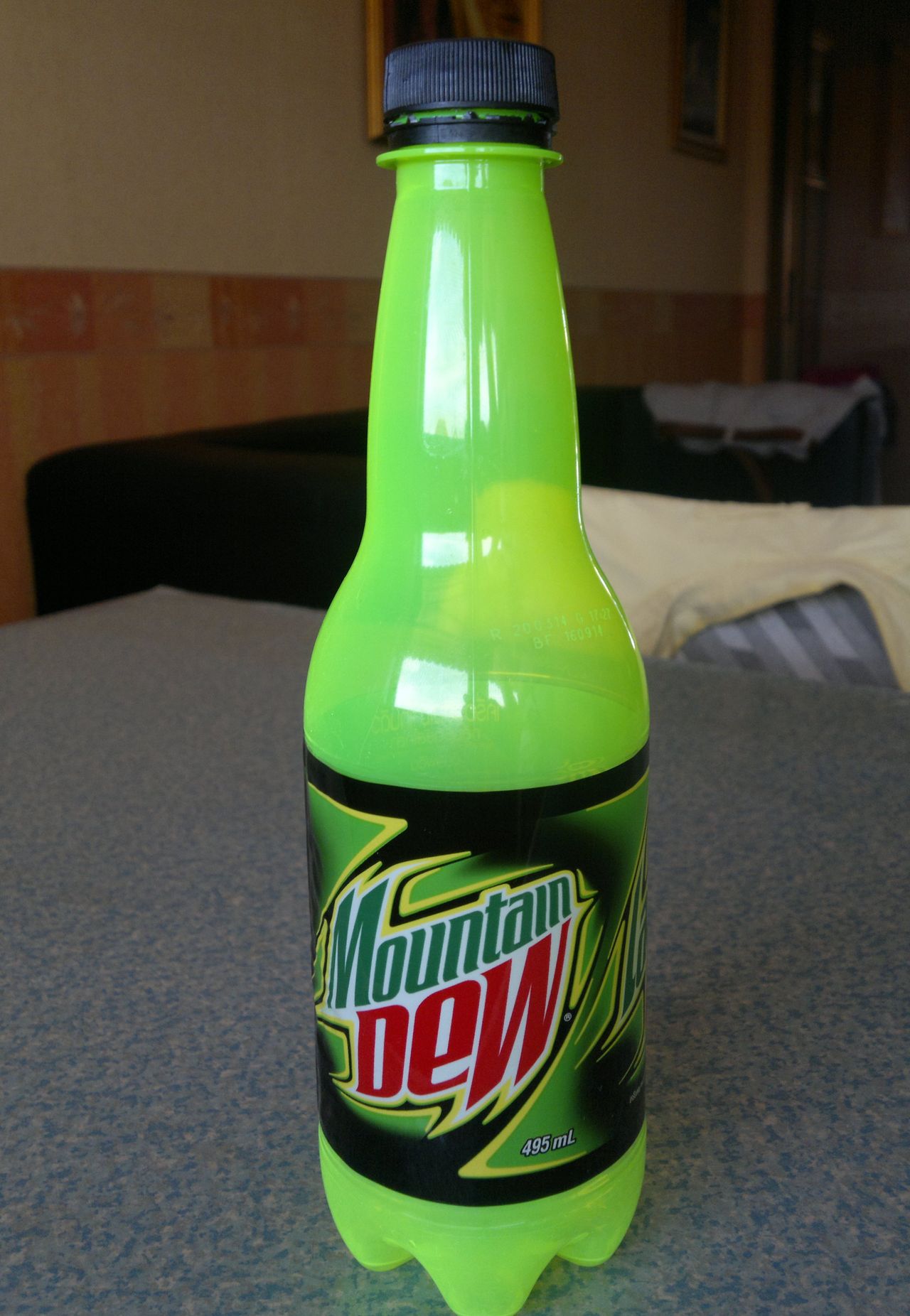
Mountain Dew and other citrus-flavored sodas include a controversial ingredient: brominated vegetable oil (BVO). Outside the U.S., such additives face restrictions due to potential health impacts.
The yellow hue and unique taste come from BVO, which some argue could cause long-term health effects. Yet, its loyal American fanbase keeps the soda flowing.
Despite the bans, Mountain Dew continues to symbolize American pop culture and its indulgence in bold flavors, showcasing the market’s pivotal role in ingredient decisions.
Haggis
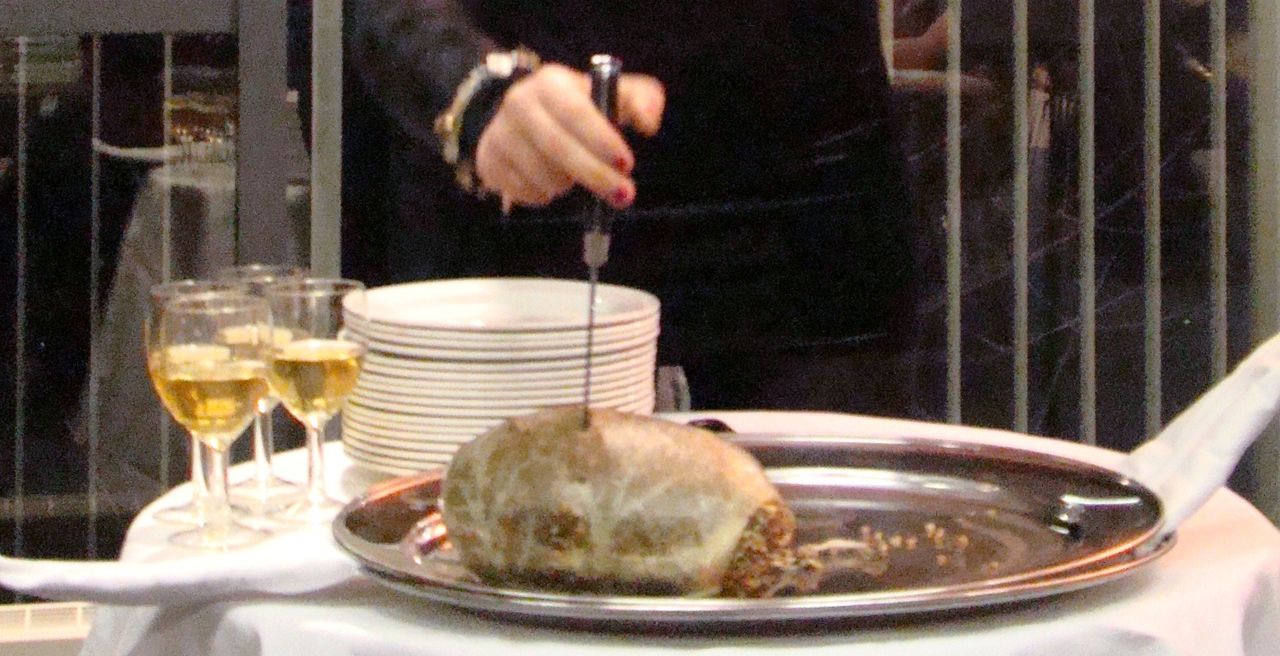
Traditional Scottish haggis, made from sheep’s innards, has been banned in the U.S. since the 1970s. This is due to a specific ban on sheep lung consumption, put in place by the USDA.
Haggis enthusiasts in America often resort to alternative recipes without lungs. For scots abroad, this culinary icon sometimes becomes a nostalgic whisper of home.
Despite restrictions, haggis remains a celebrated dish in Scottish culture and showcases how tightly linked food is with local customs and international regulations.
Unpasteurized (Raw) Milk
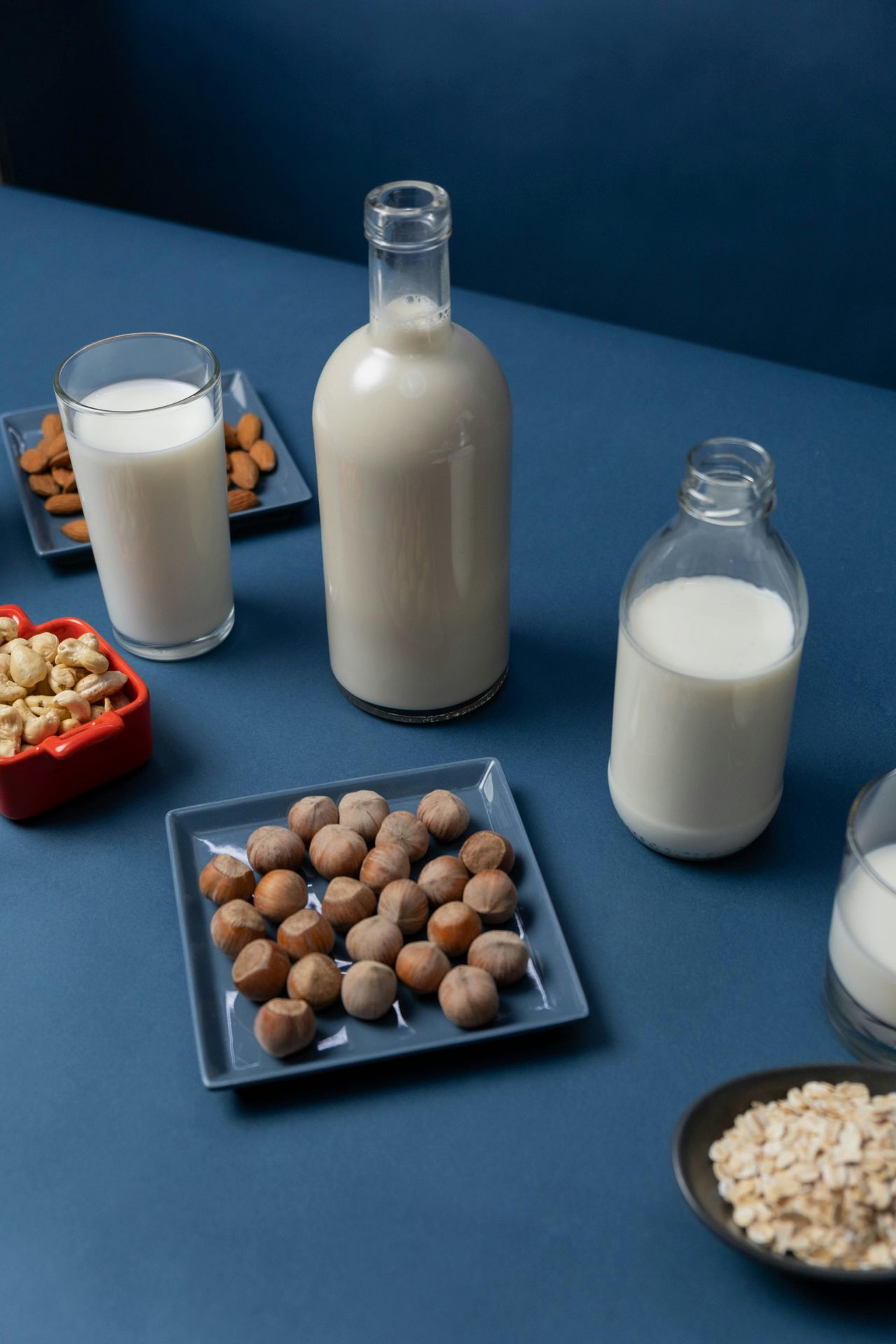
Raw milk is banned in many countries due to its potential to carry harmful bacteria. In the U.S., advocates praise its nutritional benefits, valuing its creamy, distinct taste.
However, raw milk sales are restricted and rigorously regulated across many American states, with debates about safety showing no signs of slowing down. Proponents argue pasteurization reduces essential nutrients.
The popularity of raw milk in the U.S. spotlights choices consumers make between natural flavors and health risks, often highlighting a cultural valorization of traditional, natural ingredients.
Sassafras Oil
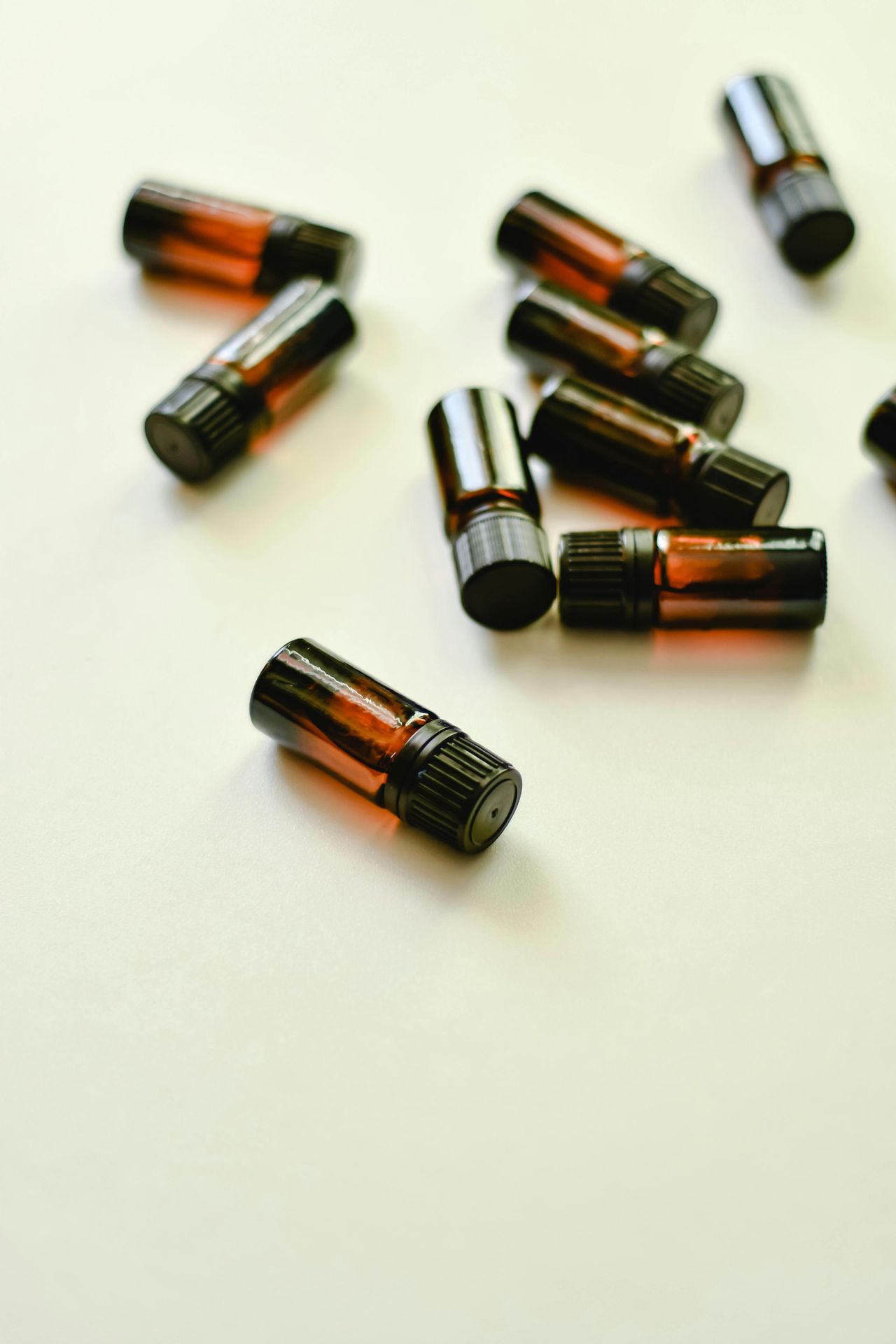
Naturally derived sassafras oil, once a cornerstone of root beer recipes, is banned due to safrole content, a possible carcinogen. The U.S. allows its modified forms as food additives.
Despite its essential root beer legacy, natural sassafras tea is hard to find. This ban illustrates a complex balance between preserving traditional flavors and protecting public health.
Sassafras oil’s storied past reminds us of the nostalgia for older recipes, even as they clash with evolving scientific understanding and safety standards.
Chlorine-Washed Chicken

U.S. poultry often undergoes chlorine washing to prevent bacterial contamination, a practice banned in the EU due to health and environmental concerns.
American producers claim it’s an essential safety measure, ensuring consumer health. Europeans argue it masks poor hygiene standards, favoring stringent process control instead.
Chlorine-washed chicken epitomizes broader transatlantic food standard debates, where differing philosophies about food safety and quality create trade and cultural rifts.
Rodent Hairs and Insect Parts
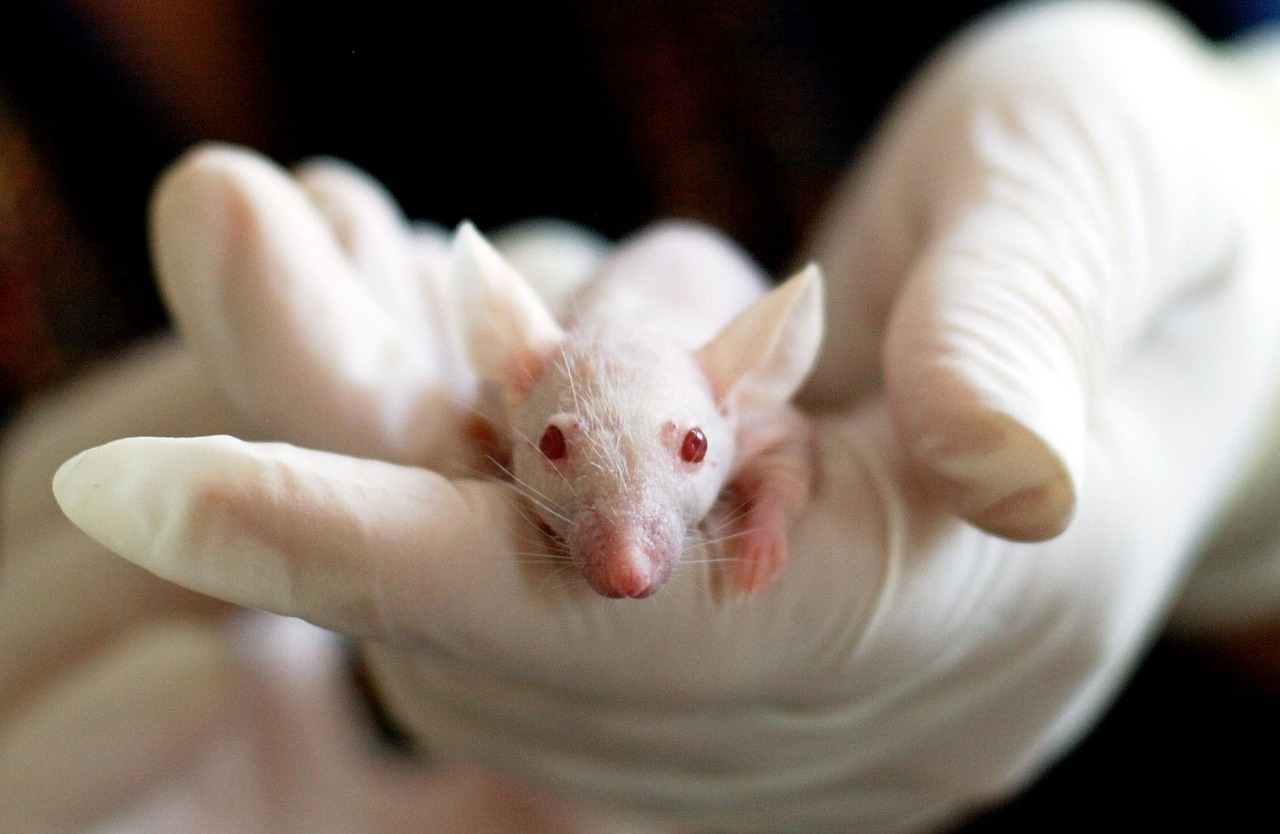
The FDA allows certain levels of contaminants in food, like rodent hairs and insect parts, deemed unavoidable and safe within limits. Many countries strictly reduce such levels or refine food safety protocols differently.
Americans usually remain oblivious to these tiny, permissible ‘extras’, trusting regulatory bodies to ensure overall food safety.
This fact of everyday consumption might shock but ultimately demonstrates practical challenges in mass food production and differing public health perspectives on purity versus safety.