9 Farmhouse Décor Trends Homeowners Are Completely Over
Farmhouse décor once felt comforting and familiar, blending rustic charm with everyday practicality. But after years of heavy exposure, many of its most recognizable elements now feel tired rather than timeless. Homeowners who embraced the trend are realizing that what once felt warm can quickly tip into repetitive and impractical. As tastes evolve, people want homes that feel personal, flexible, and reflective of real life, not locked into a single aesthetic moment. These once-beloved farmhouse choices are being phased out as homeowners look for designs that age better and adapt more easily to changing styles.
1. Overused Shiplap Everywhere
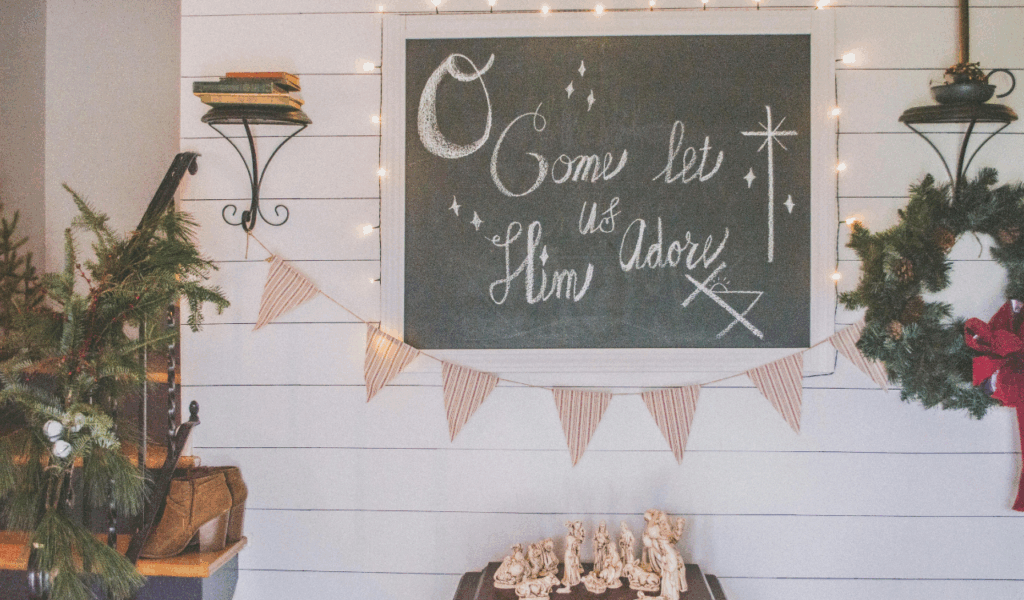
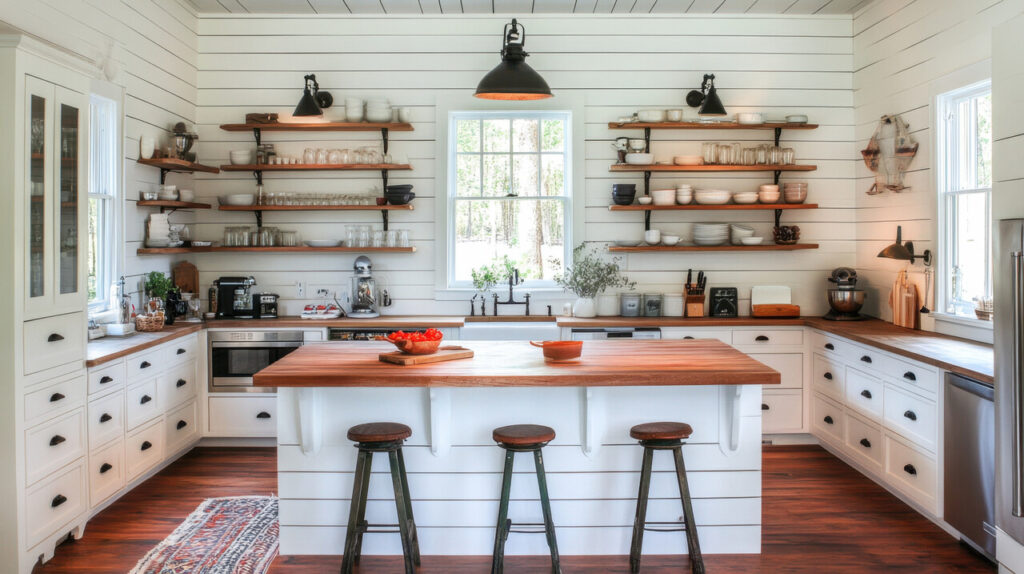
Shiplap once felt like a clever way to add texture and warmth, but its overuse has turned it into visual noise. When every wall, ceiling, and hallway is wrapped in horizontal planks, homes lose distinction and character. What began as an architectural detail meant to highlight specific areas became a default backdrop applied without restraint. Homeowners now report that shiplap-heavy interiors feel dated because they lock the house into a very specific trend era. It also limits flexibility. Painting over it rarely solves the issue, and removing it can be costly. As design preferences shift toward subtler textures and more timeless wall treatments, shiplap is increasingly seen as a shortcut rather than a thoughtful design choice.
2. All-White Kitchens and Monochrome Palettes
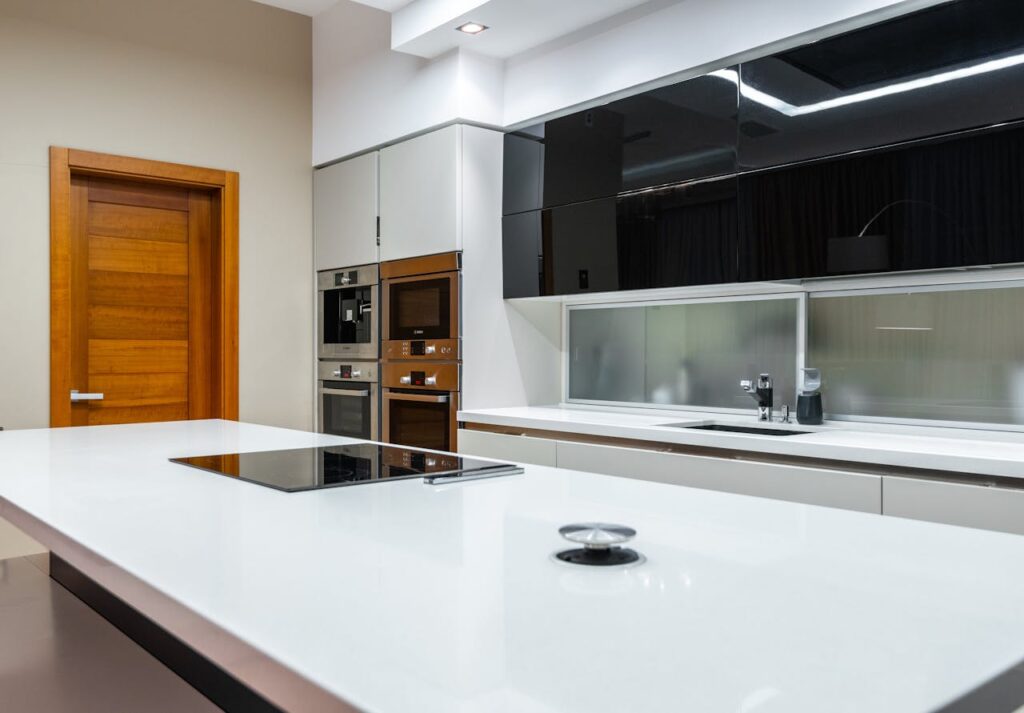
All-white kitchens once symbolized cleanliness and sophistication, but many homeowners have grown tired of their impracticality. White cabinets, counters, and backsplashes show every fingerprint, spill, and scuff, turning daily living into constant maintenance. Over time, these spaces can feel sterile rather than welcoming. Buyers now associate all-white kitchens with quick flips instead of personalized homes. Monochrome palettes also limit warmth, making rooms feel flat and emotionally distant. Designers are seeing renewed interest in layered neutrals, soft color, and natural materials that bring depth without chaos. Homes that rely entirely on white increasingly feel frozen in a trend rather than adaptable to real life.
3. Whitewashed Floors and Bleached Wood
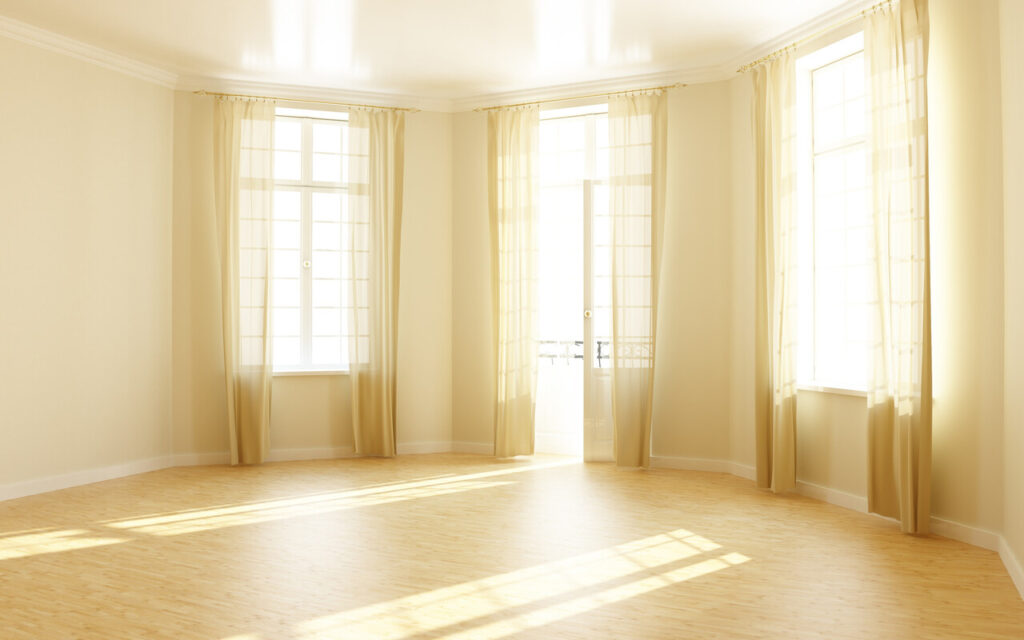
Whitewashed floors promised a light, airy feel, but many homeowners regret how unforgiving they are. Dirt, wear, and uneven aging show quickly, especially in high-traffic homes. These finishes often strip wood of its natural warmth, leaving floors that feel cold underfoot and visually thin. Over time, bleached wood can look tired rather than intentional. As tastes evolve, buyers are gravitating back toward natural wood tones that tell a story through grain and patina. Warm finishes age gracefully and pair better with a range of styles. Whitewashed floors now signal a narrow design moment rather than long-term appeal.
4. Open Shelves That Show Every Dish
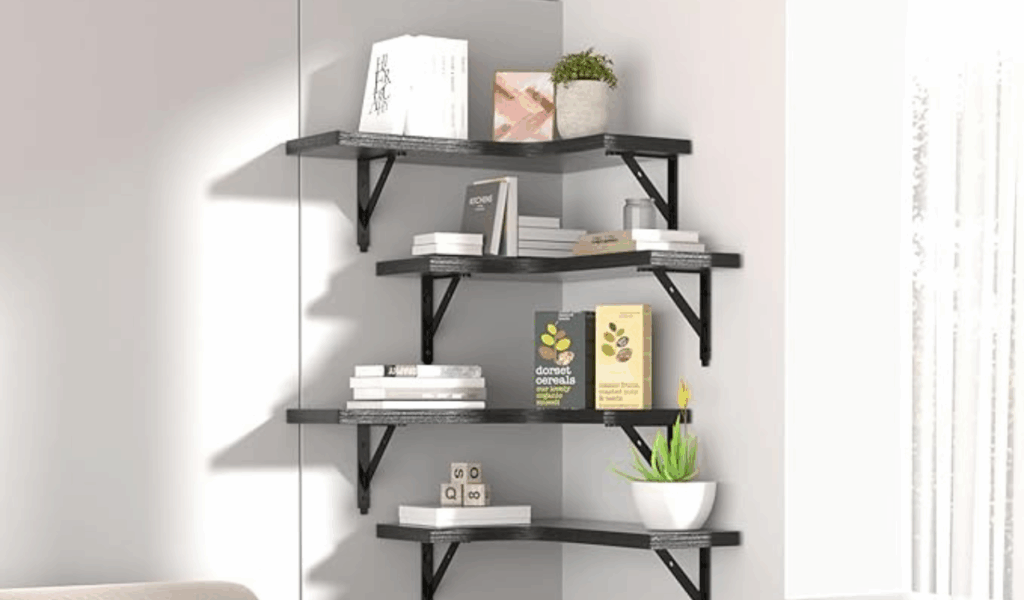
Open shelving was meant to feel casual and charming, but living with it has proven exhausting for many homeowners. Every day dishes must stay perfectly arranged, or kitchens instantly look cluttered. Dust, grease, and cooking residue collect faster than expected, turning shelves into a cleaning burden. What looks stylish in photos often feels stressful in daily use. Open shelves also reduce actual storage, forcing people to stash less attractive items elsewhere. As kitchens return to prioritizing function, homeowners are choosing closed cabinetry that hides mess and supports real routines. Open shelving is increasingly reserved for small accents rather than entire walls.
5. Shaker Cabinets in Every Room
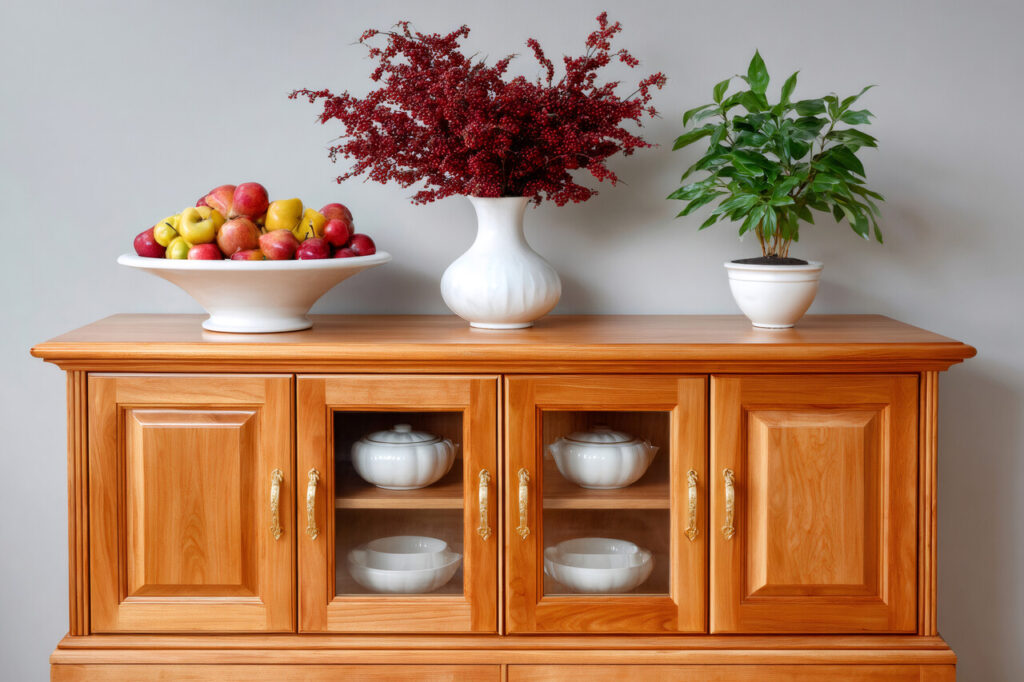
Shaker cabinets earned popularity for their simplicity, but their overuse has diluted their charm. When the same cabinet style appears in kitchens, bathrooms, laundry rooms, and beyond, homes can feel repetitive and uninspired. While Shaker doors are versatile, relying on them exclusively limits design expression. Homeowners now want variation through profile, finish, or material to create visual interest. Without contrast, Shaker cabinetry reads as default rather than intentional. As design trends move toward personalization, mixing cabinet styles or introducing subtle detailing feels more current than sticking rigidly to one safe option everywhere.
6. Matte Black Fixtures on Repeat
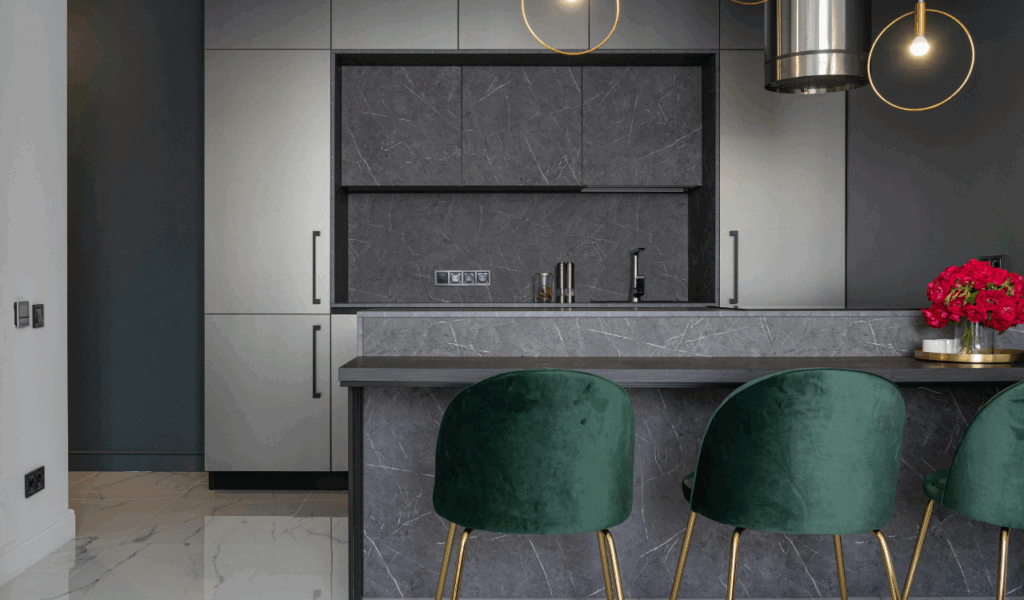
Matte black fixtures once felt bold and modern, but saturation has taken away their impact. When every faucet, handle, light fixture, and hinge is black, spaces lose depth and nuance. These finishes also show water spots and wear more than expected, which frustrates homeowners over time. Designers now favor softer metals, mixed finishes, and warmer tones that age better and feel more inviting. Matte black still works as an accent, but when used excessively, it can feel harsh and trend-driven. Homes with balanced metal choices tend to feel more thoughtful and less locked into a specific era.
7. Rustic Barn Doors Indoors
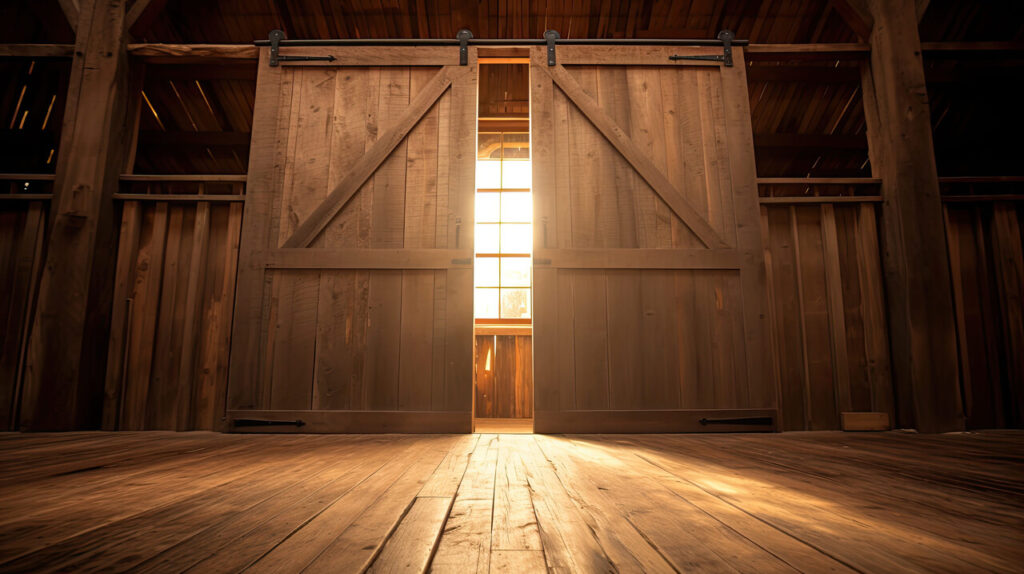
Barn doors brought farmhouse character into modern homes, but many homeowners now see them as impractical. They offer little sound privacy, don’t seal rooms properly, and require wall space that limits furniture placement. In smaller homes, they often feel bulky rather than charming. What once felt rustic and clever now reads as forced, especially in spaces like bathrooms and bedrooms where privacy matters most. Buyers increasingly prefer pocket doors or traditional hinged doors that function better without sacrificing style. Barn doors are becoming visual relics of a trend that prioritized look over livability.
8. Overly Distressed or “Shabby” Furniture

Distressed furniture was meant to add history and soul, but too much of it can feel artificial. Mass-produced pieces designed to look worn often lack authenticity and durability. Homeowners now recognize that fake distressing ages poorly because it doesn’t evolve naturally over time. Scratches and chips that were added intentionally can clash with real wear, creating visual confusion. As tastes shift, people are choosing well-made furniture that develops character naturally. Genuine patina feels richer than manufactured wear. Shabby finishes increasingly feel like a costume rather than a lived-in story.
9. Faux Distressed and Mass-Produced Folk Art Signs
Word signs and faux-vintage art once added personality, but their ubiquity has stripped them of meaning. When every home displays the same scripted phrases, individuality disappears. These pieces often dominate walls without adding depth or function. Homeowners now view them as filler decor that dates a space instantly. As design moves toward personal collections, meaningful art, and tactile materials, mass-produced signs feel hollow. Buyers want homes that reflect real stories, not generic slogans. Removing these items is often one of the first steps homeowners take when updating farmhouse interiors.