5 Restaurants Locals Warn Tourists to Avoid
When you travel, choosing where to eat can shape your entire experience. Yet in almost every major city, certain restaurants survive almost entirely on visitor traffic rather than local loyalty. These spots are usually easy to find, heavily advertised, and perfectly positioned near landmarks. Locals know them well, but mostly as places to avoid. High prices, rushed service, and forgettable food are common complaints. Understanding why residents steer clear of these restaurants helps travelers spot the difference between convenience dining and places that genuinely reflect a city’s food culture.
1. Angus Steakhouse, London

The appeal of Angus Steakhouse lies almost entirely in its visibility. Located near major attractions and transit hubs, it catches tired tourists at exactly the moment they want something familiar and fast. Locals, however, rarely eat here and often cite it as a symbol of how location can substitute for quality. The menu is broad but uninspired, relying on generic steaks and pub-style dishes that prioritize consistency over care. Prices are noticeably higher than comparable neighborhood restaurants, yet the ingredients and execution rarely justify the cost. What frustrates locals most is that visitors leave thinking they experienced London dining when they barely scratched the surface.
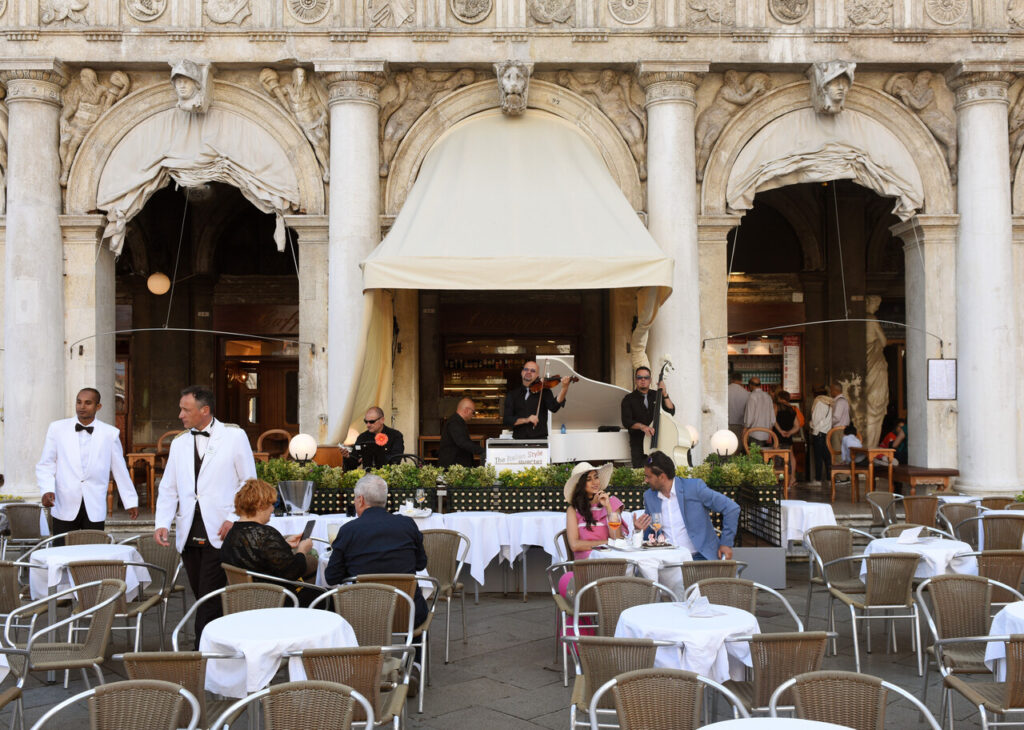
2. Restaurants Near St. Mark’s Square, Venice
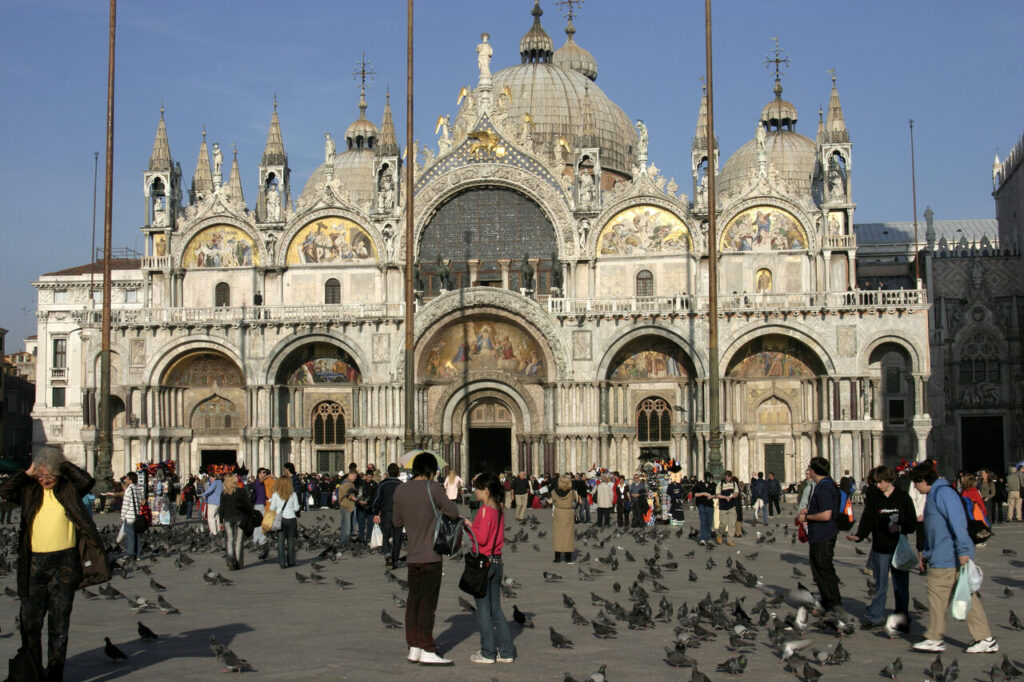
Eating steps away from St. Mark’s Square feels romantic until the bill arrives and the food disappoints. Locals consistently warn that restaurants in this area trade on scenery rather than substance. Menus are often long, multilingual, and filled with dishes designed to please everyone instead of honoring Venetian tradition. Freshness suffers, prices climb, and service can feel rushed because tables turn quickly. Many Venetians rarely eat in this zone, choosing instead to cross a few bridges into quieter neighborhoods where seafood is fresher and recipes are more faithful to local cooking. The issue isn’t that these restaurants are outright terrible, but that they offer poor value compared to what the city actually does best.
3. Temple Bar Restaurants, Dublin
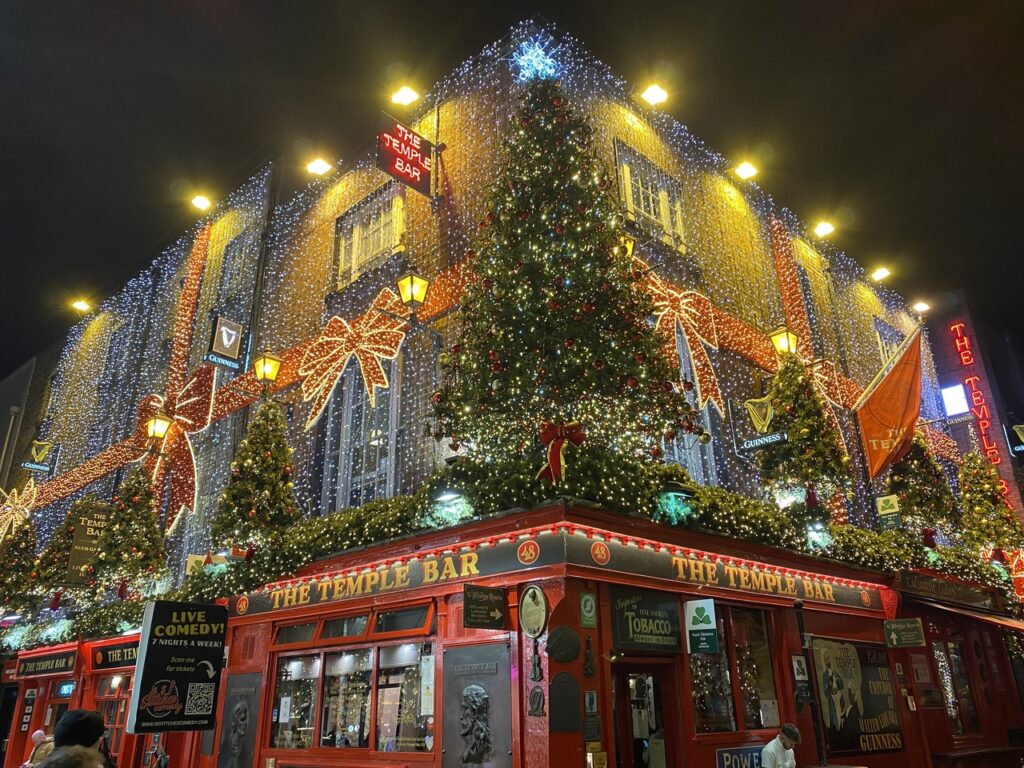
Temple Bar is lively, colorful, and loud, which is exactly why locals tend to avoid eating there. The neighborhood is designed for visitors looking for atmosphere, not for residents seeking good value or thoughtful cooking. Restaurants here often serve simplified versions of Irish classics at inflated prices, banking on foot traffic rather than repeat customers. Crowds can make service uneven, and kitchens focus on speed over refinement. Locals point out that just outside Temple Bar, pubs and small restaurants offer better food, lower prices, and a more genuine sense of Irish hospitality.
4. Tourist Corridor Restaurants in Paris

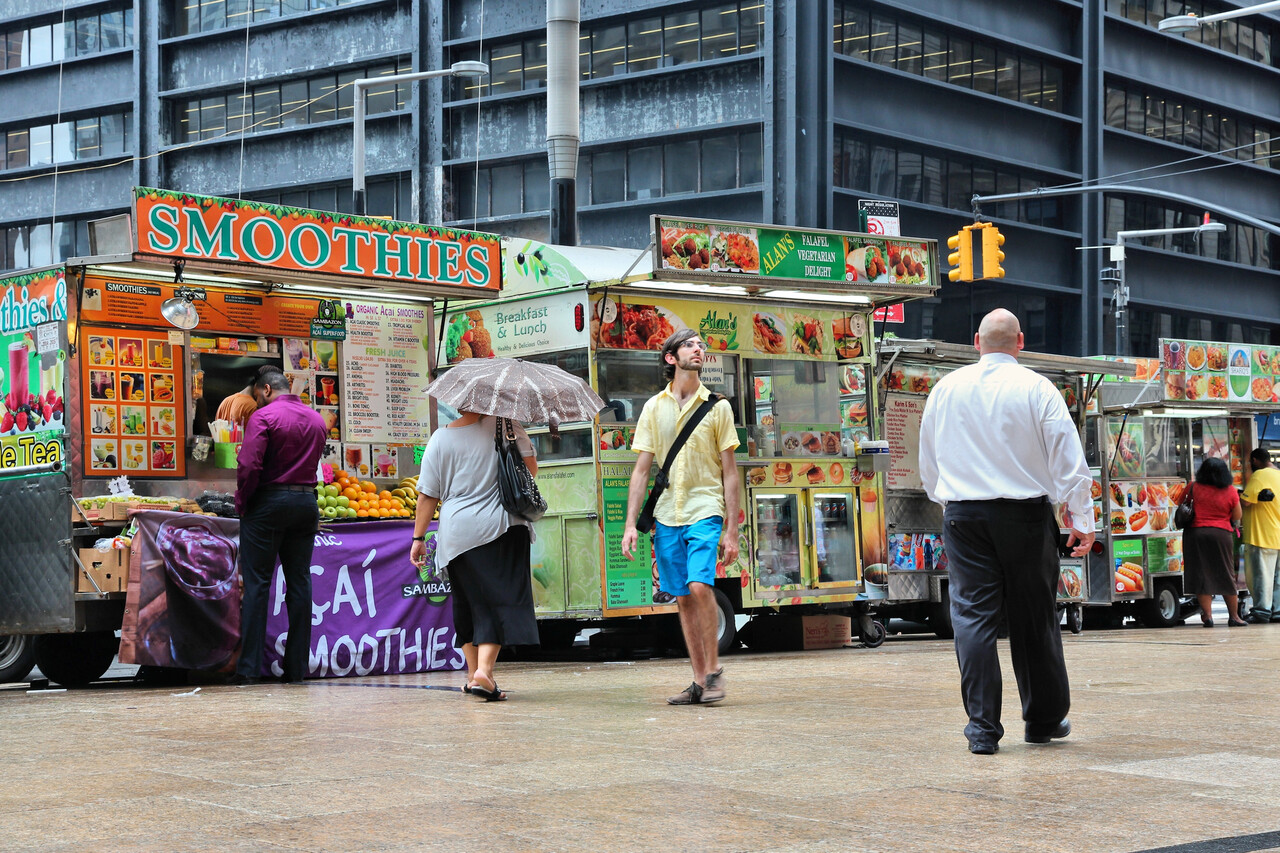
Restaurants clustered around major Paris landmarks often follow the same pattern. Bright signage, photo-heavy menus, and staff calling out to passersby signal that the target audience is tourists, not locals. Residents warn that these spots frequently rely on frozen ingredients, rushed preparation, and inflated pricing tied to location rather than skill. French dining culture values simplicity, seasonality, and balance, qualities that get lost when restaurants try to serve everyone at once. Tourists who eat exclusively near monuments often leave puzzled by the city’s reputation for food, unaware they missed the places Parisians actually love.
5. Harborfront Restaurants Near Cruise Ports
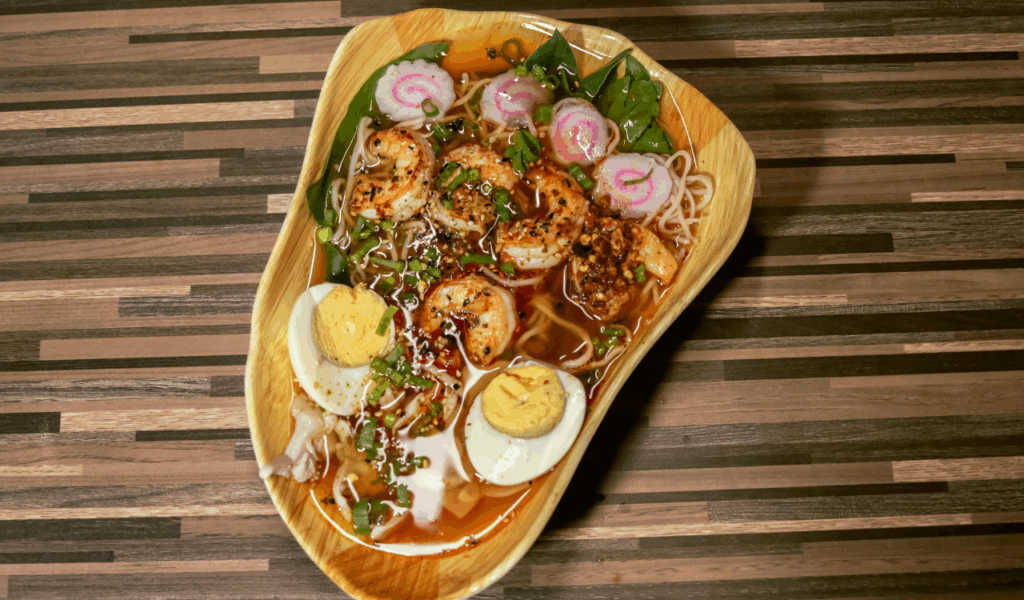
In many coastal cities, restaurants closest to cruise terminals are designed to capture passengers during short port stops. Locals often warn that these places prioritize speed, large portions, and familiar flavors over freshness and regional character. Seafood may be advertised heavily, yet it’s often imported or prepared in ways that mask quality. Prices tend to reflect convenience rather than craftsmanship, and menus rarely change because turnover is constant. Residents usually eat further inland, where fishermen supply local kitchens directly and chefs cook for a community that returns week after week.