14 Comfort Foods That Stop Feeling Comforting After Too Many Times
Comfort foods are meant to feel soothing, familiar, and emotionally satisfying, especially during stressful or busy stretches of life. But when the same cozy meals appear over and over, their effect starts to change. What once felt like a treat slowly becomes part of the routine, and routine rarely feels comforting. Repetition dulls flavor, weakens emotional connections, and can even create a sense of boredom around meals that used to feel special. These foods are not bad choices, but they remind us that comfort comes from contrast as much as familiarity, and even the coziest dishes need a break now and then.
1. Mac and Cheese That Stops Feeling Like a Treat
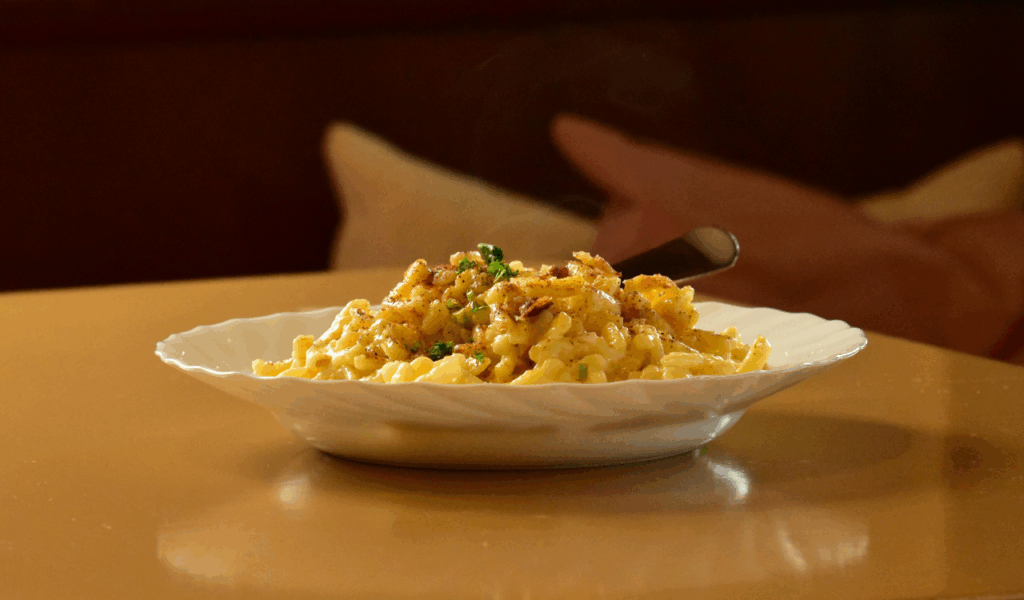
Mac and cheese earns its comfort food status because it is creamy, warm, and deeply familiar. The first few times it shows up, it feels indulgent and soothing, especially when stress is high or the weather turns cold. But when it becomes a regular part of the weekly meal plan, that comfort starts to fade. The flavors are rich but simple, and after repeated servings, they stop surprising your taste buds. Even baked versions with crunchy toppings eventually blur together. Nutrition also becomes part of the mental conversation, since the dish is heavy on refined carbs and fat, which can leave people feeling sluggish rather than comforted. What once felt like a cozy escape turns into a predictable plate that fills you up but does not lift your mood the way it once did.
2. Pizza That Feels More Convenient Than Comforting

Pizza works as comfort food because it combines salty cheese, soft crust, and familiar toppings that satisfy quickly. It also solves the problem of feeding multiple people with different preferences. Over time, though, that convenience becomes the main reason it appears, not the emotional comfort. Repetition makes the flavors feel flat, especially when it is the same delivery order or frozen brand each time. The heaviness of the meal can also start to register, leaving people full but not refreshed. Instead of feeling like a reward after a long day, pizza night becomes a sign that no one had the energy to plan anything else. Comfort shifts into routine, and routine rarely feels special.
3. Freshly Baked Cookies That Lose Their Emotional Boost

Few things feel as instantly comforting as warm cookies and the smell of sugar and butter filling the kitchen. At first, baking feels like an act of care, whether for yourself or for others. But when cookies become a frequent stress response, their emotional effect weakens. The sweetness that once felt soothing can start to feel overwhelming, and the treat begins to blur into everyday snacking. People may still enjoy the taste, but it no longer feels like something that changes the mood. There is also the physical effect of frequent sugar intake, which can lead to energy crashes rather than comfort. What started as a small joy becomes just another habit that does not deliver the same emotional payoff.
4. Mashed Potatoes That Turn Into Plain Starch
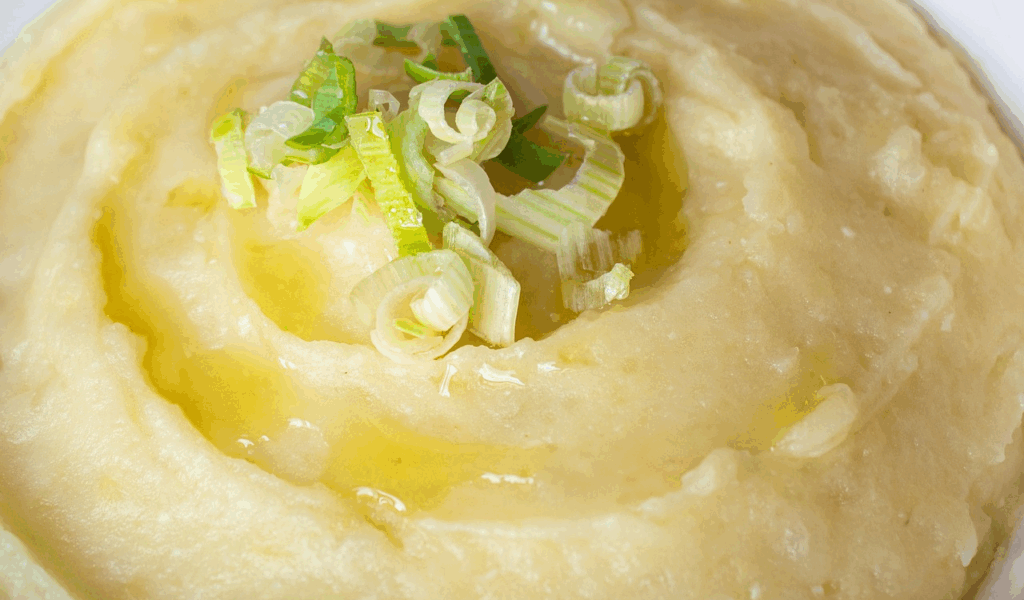
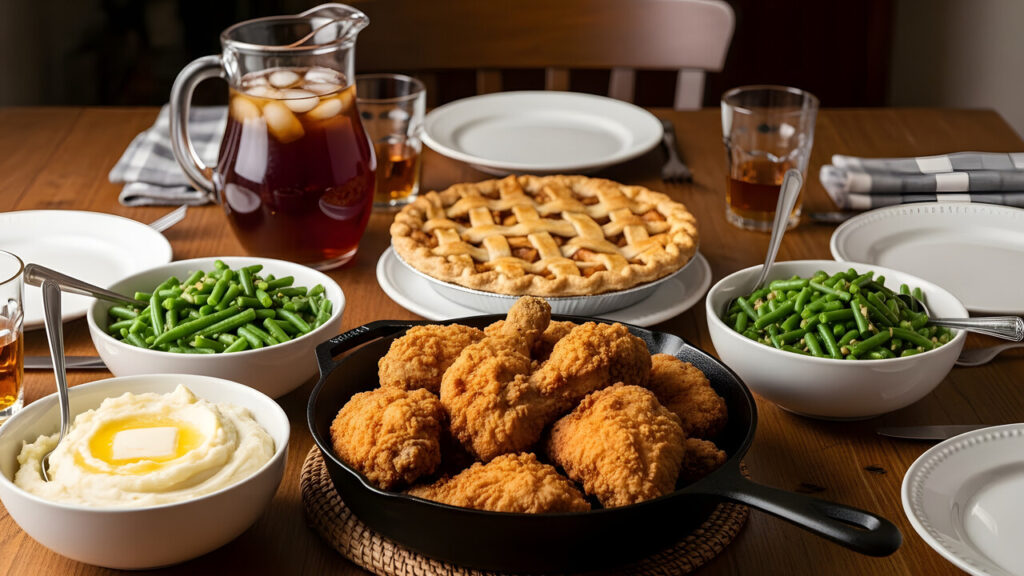
Mashed potatoes are linked to holiday tables and slow family meals, which is why they feel comforting at first. The soft texture and buttery flavor are easy to love. But when they show up too often, especially as a side for quick dinners, they start to feel like filler rather than a highlight. The uniform texture becomes repetitive, and the lack of contrast can make the whole meal feel bland. Even adding gravy or herbs only goes so far when the base experience stays the same. Over time, the dish becomes associated with routine meals instead of special moments, which drains much of its emotional comfort.
5. Cheese Quesadillas That Stop Feeling Fun

Quesadillas are comforting because they are simple, warm, and quick to make. They often appear on nights when no one wants a long cooking process, and they usually keep kids happy. The problem is that cheese and tortilla can only feel exciting for so long. Once the novelty fades, the meal starts to feel one-dimensional. Even when fillings are added, the overall experience stays similar, soft tortilla and melted cheese. After repeated meals, people begin craving more texture and stronger flavors. What once felt cozy and satisfying starts to feel like a placeholder dinner chosen out of convenience rather than desire.
6. Creamy Potato Soup That Blends Into Every Other Bowl
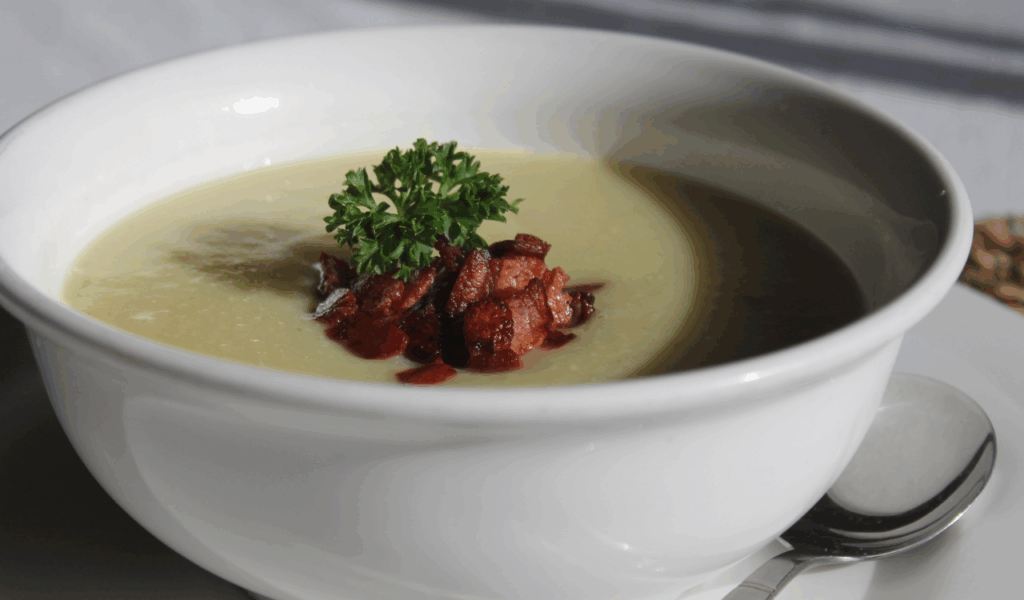
Potato soup offers warmth and fullness, which is why it feels comforting during cold or stressful periods. Its thick texture and mild flavor make it easy to eat and soothing at first. But when large batches are reheated for multiple meals, the sameness becomes noticeable. Each bowl tastes almost identical, and there is little contrast in texture or seasoning to keep things interesting. Cream-based soups can also start to feel heavy, leaving people less energized after eating. What began as a comforting meal slowly turns into something people eat because it is there, not because they are looking forward to it.
7. Baked Pasta Dishes That Feel Too Heavy to Repeat
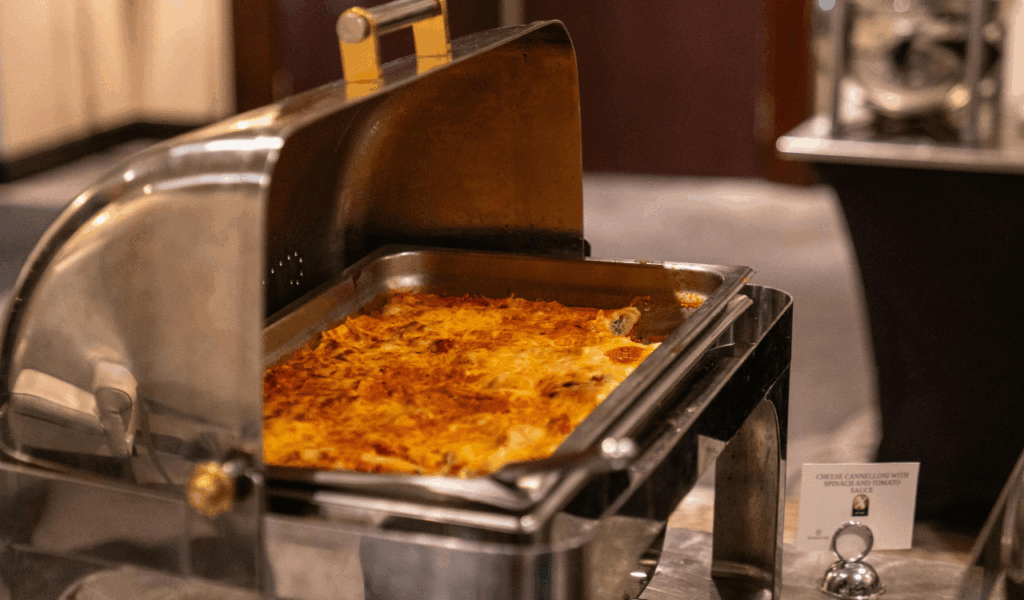
Lasagna and other baked pasta dishes are rich, filling, and layered with familiar flavors that feel indulgent. They work well for feeding groups and for leftovers, which makes them practical. The problem is that their richness becomes tiring when eaten often. The combination of cheese, sauce, and pasta can feel dense and slow you down. After a few rounds, people may crave lighter meals with more fresh elements. Even small variations in sauce or fillings do not fully change the experience. What once felt like a warm hug of a meal starts to feel like something that sits too heavy to remain comforting.
8. Chili and Stews That Lose Their Appeal by Day Three
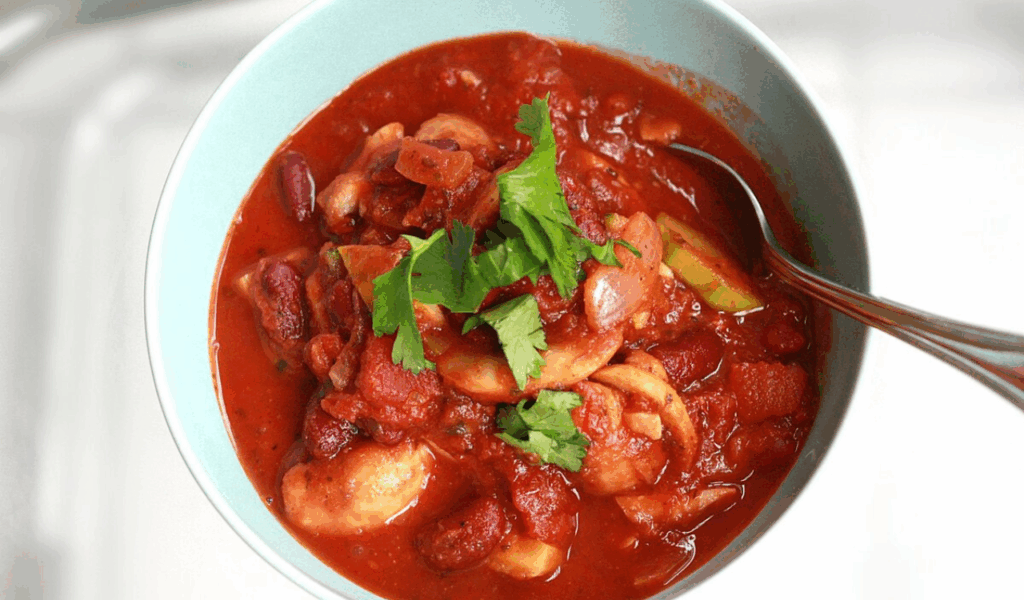
Chili and hearty stews are comforting because they are warm, filling, and packed with familiar spices. They also improve in flavor after resting, which encourages cooking large batches. But when those batches stretch across several meals, enthusiasm fades. The thick textures and similar spice profiles can start to feel repetitive. Leftovers that once felt convenient begin to feel unavoidable. People may eat them because they do not want to waste food, not because they truly want another bowl. Comfort turns into obligation, which removes much of the emotional satisfaction that made the dish appealing in the first place.
9. Chicken Noodle Soup That Becomes Just Another Lunch
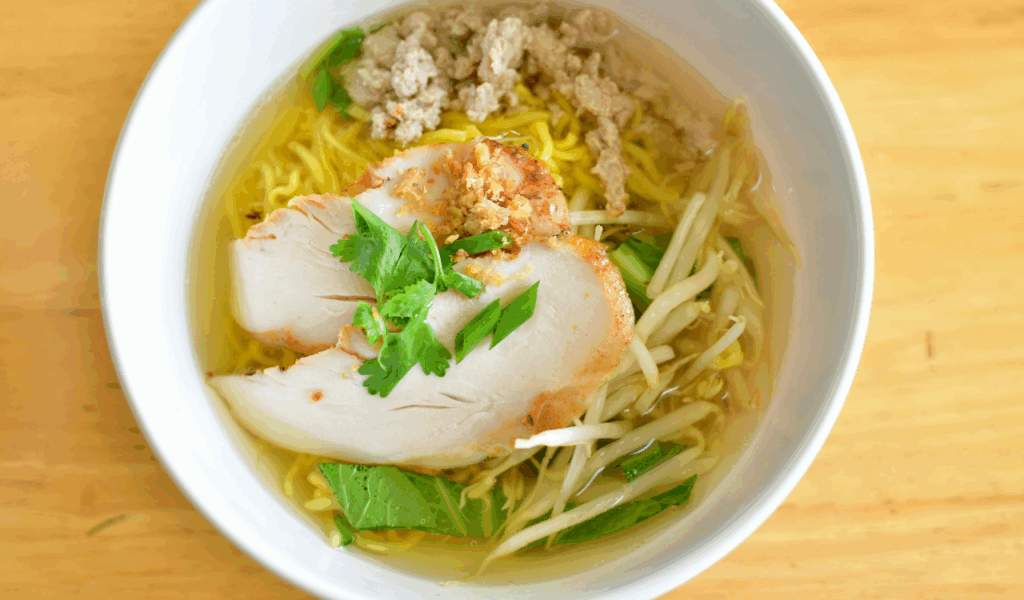
Chicken noodle soup is closely tied to care and recovery, especially when someone is sick. Its mild broth and soft noodles make it easy to eat and soothing at first. But when it appears outside those moments, especially as a regular meal, it loses that emotional context. The flavors are gentle and predictable, which can feel boring when repeated. Without the association of comfort and care, it starts to feel like a basic lunch option rather than something special. The emotional link fades, and the dish becomes just another item in the rotation.
10. Grilled Cheese That Stops Feeling Cozy
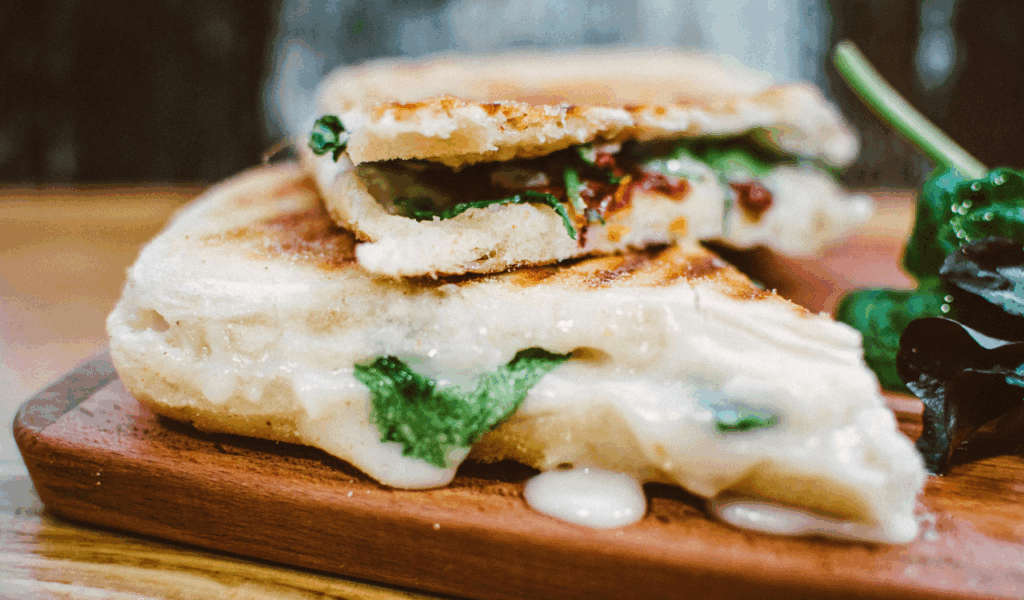
Grilled cheese is comforting because it is warm, crispy, and simple. It reminds many people of childhood meals and rainy afternoons. But simplicity is also what makes it lose impact over time. When it becomes a frequent dinner solution, it stops feeling nostalgic and starts feeling basic. The texture and flavor stay the same unless extra ingredients are added, which requires more effort. Eventually, people eat it because it is fast, not because it brings comfort. The emotional reward that once came with that melty sandwich slowly disappears.
11. Casseroles That Start to Feel Like Background Food
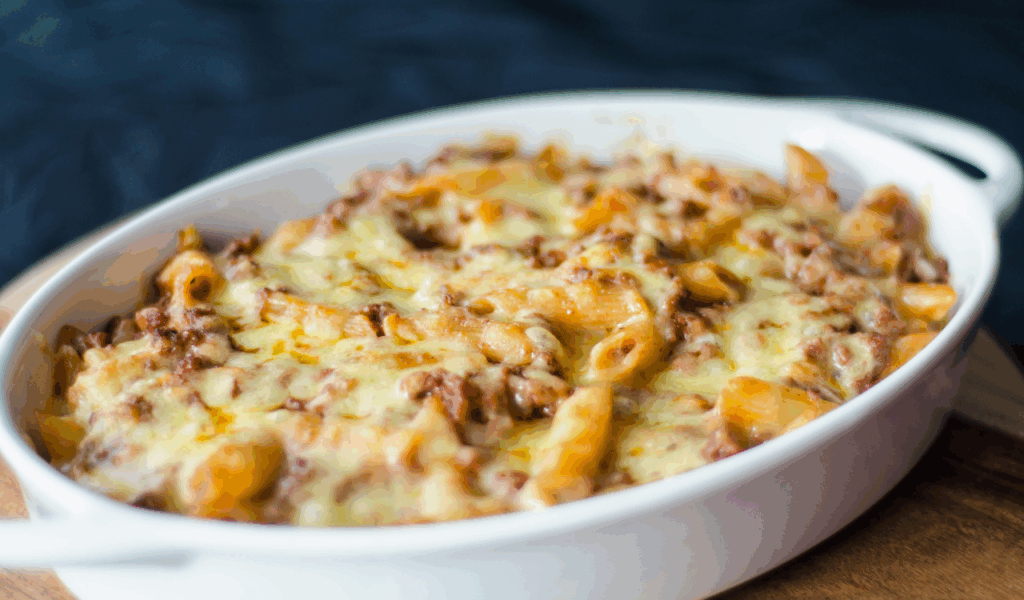
Casseroles are built around being filling and easy to serve, which makes them popular for busy families. They combine protein, starch, and sauce into one dish that feeds many people at once. At first, they feel comforting because they are hearty and warm. Over time, the uniform texture and repeated flavor combinations can feel dull. Each bite feels similar to the last, and meals begin to blur together. What once felt like home cooking starts to feel like the same meal in different forms, which reduces the sense of comfort and satisfaction.
12. Cream-Based Pastas That Become Too Rich
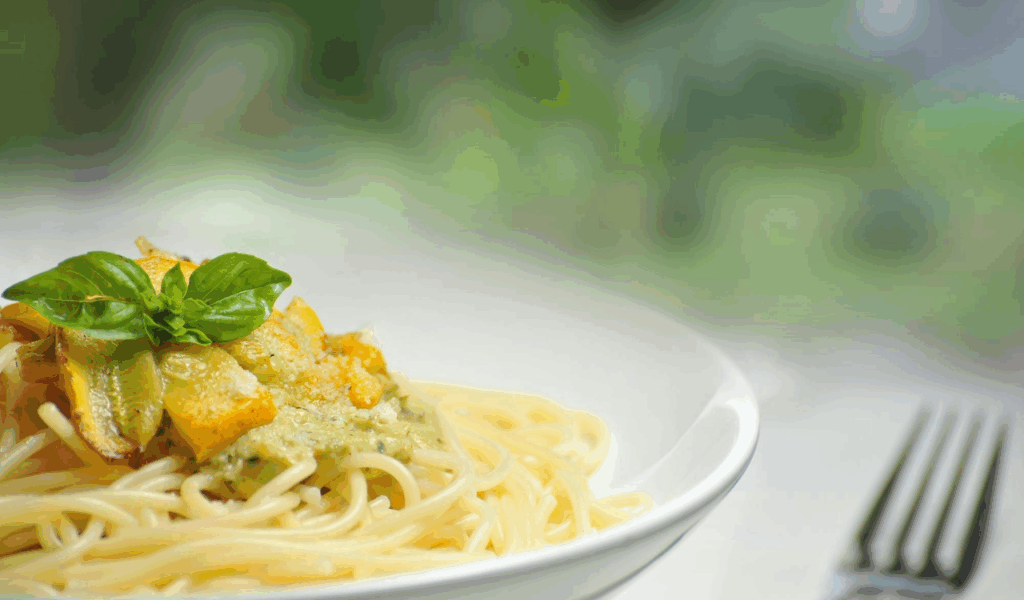
Creamy pasta dishes offer smooth textures and rich flavors that feel indulgent when eaten occasionally. They are satisfying and filling, which makes them appealing during stressful weeks. The problem is that repeated exposure to heavy sauces can make meals feel overwhelming. People may start craving acidity, crunch, and freshness that cream sauces do not provide. After several meals, the richness stops feeling comforting and starts feeling excessive. Even though the dish still tastes good, it no longer provides that emotional lift associated with comfort food.
13. One Pot Chicken and Rice That Feels Predictable

One-pot chicken and rice is comforting because it is simple, warm, and easy to prepare. It feels like practical home cooking that gets everyone fed without much fuss. But the same simplicity makes it easy to tire of. The texture and flavor stay largely the same each time, and without significant changes, meals start to feel repetitive. People may appreciate the convenience, but they stop looking forward to it. Comfort food should offer emotional relief, and when a dish becomes too predictable, that relief fades into routine.
14. Familiar Soups That All Start to Taste the Same

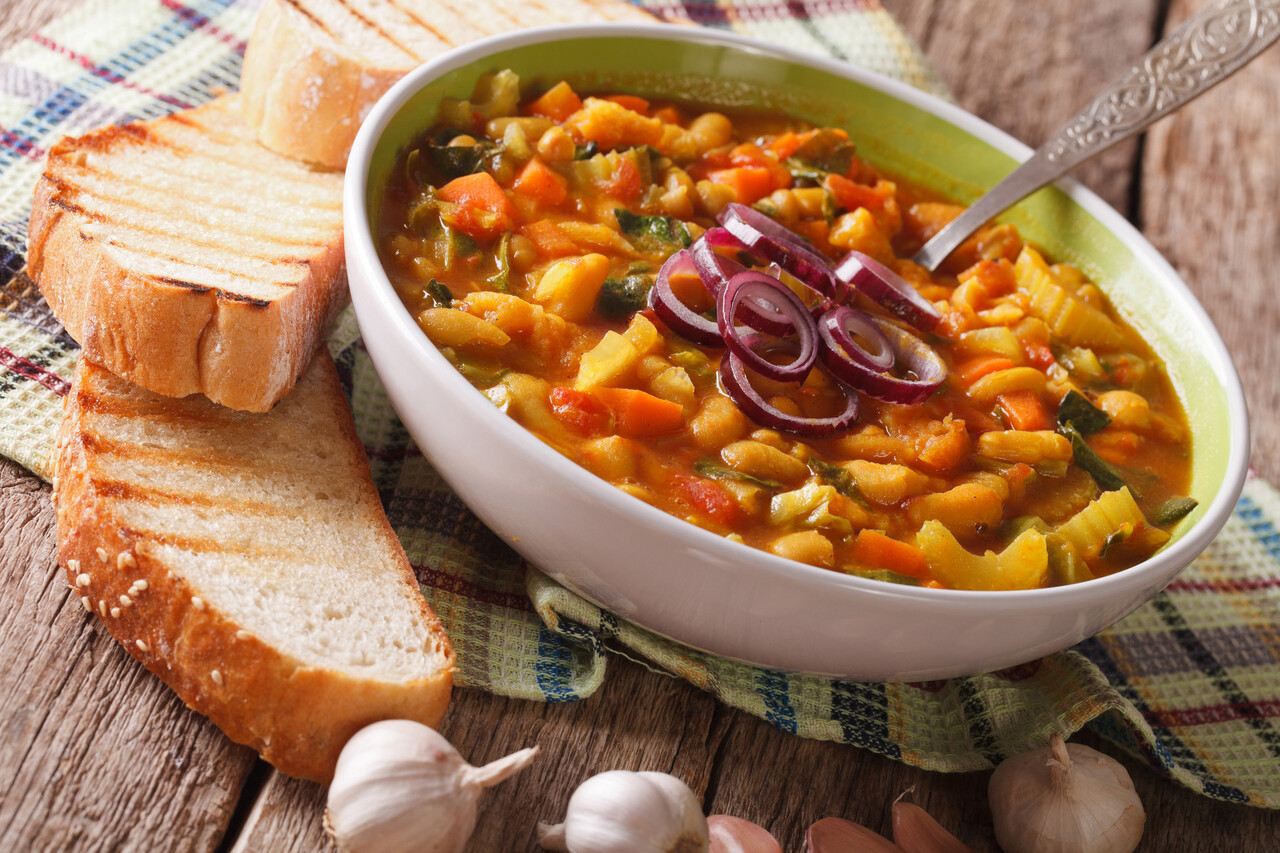
Minestrone, vegetable soup, and similar classics feel comforting because they are warm and associated with care and nourishment. At first, rotating different soups feels like variety. Over time, though, brothy meals with similar vegetables and seasonings start to blur together. The bowls look different but taste familiar in a way that feels repetitive rather than soothing. When every dinner feels like another version of soup, people begin to crave something with more contrast and texture. The comfort once provided by these meals fades as they become part of an unchanging routine rather than a source of genuine enjoyment.