9 Diner “All-Day Breakfast” Plates Cooks Hate Prepping
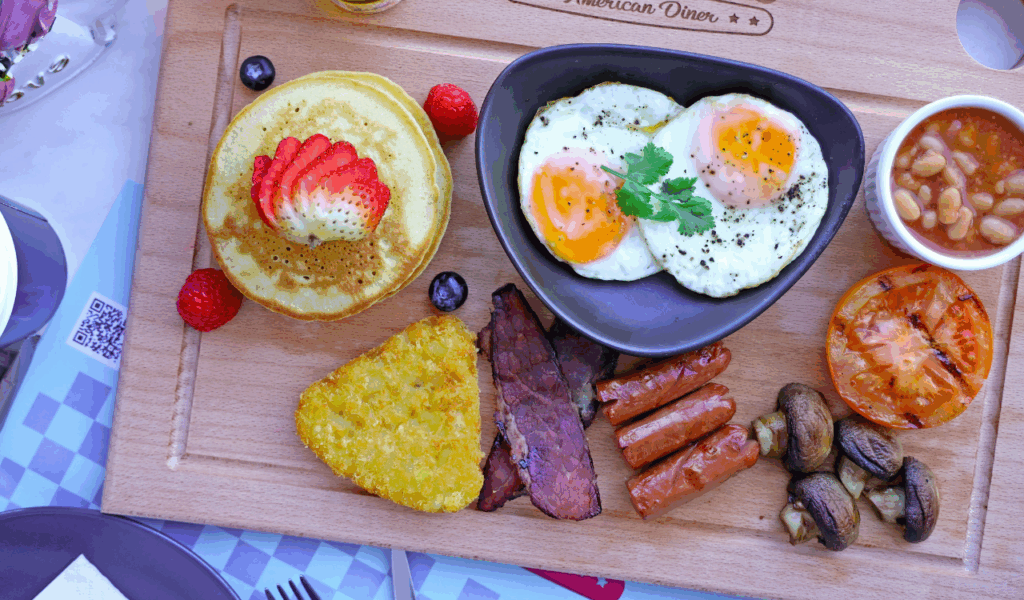
The “all-day breakfast” menu is a key part of the American diner experience. It lets you enjoy a comfortable piece of morning happiness at any time of day or night. But professional short-order cooks typically see these changeable menus with a mix of tiredness and frustration behind the swinging kitchen doors. Making morning foods in the middle of a busy evening rush involves a full mental and physical adjustment. The delicate techniques used for eggs and pancakes don’t work well with the strong heat needed to sear steaks or burgers. A complicated breakfast order might throw the whole line into disarray if the kitchen is already full. This means lengthier wait times and stressed out workers.
Experienced chefs and restaurant experts say that people don’t hate certain breakfast dishes because they’re lazy; they hate them because of the “real estate” on the griddle. Professional cooks say that one complicated breakfast order can take up more room than four regular burgers, which means that other orders have to sit under heat lamps.
Experts argue that it’s almost impossible to keep the level of accuracy needed for cooking eggs at low temperatures when the flat-top is turned on for dinner service. A “ghetto” appearing meal with charred edges or rubbery textures is often the result of a cook trying to speed a delicate process when things aren’t right.
1. The Triple-Stack “Everything” Pancake Platter
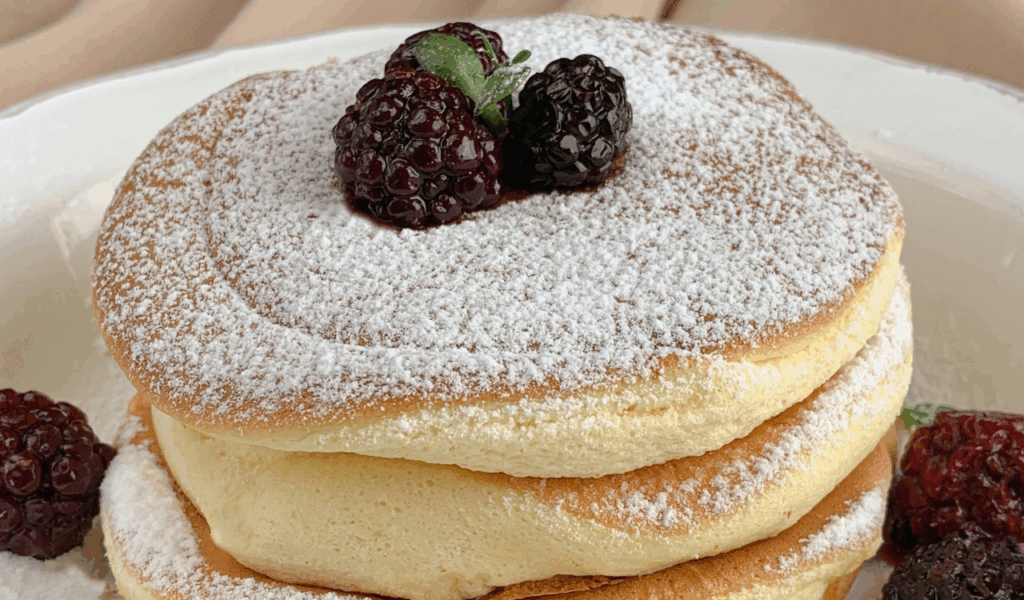
Pancakes may look easy to make, but skilled chefs say they are one of the most difficult things to make outside of the morning rush. A cook must set aside a significant portion of the flat-top for only one order of pancake batter because it needs a clean, cooler part of the griddle to cook evenly without burning.
Experts claim that if the griddle is covered in burger oil or steak char, the pancakes will taste like such things, which is a big quality fail. Chefs say that the “everything” version, which is full of berries, chocolate chips, and almonds, is even worse because the extras typically burn and adhere to the metal.
Restaurant consultants say that in a busy kitchen, it takes forever for a thick stack of pancakes to bubble and flip. Kitchen workflow designers say that pancakes can’t be “prepped” ahead of time; they have to be prepared to order to keep their fluffy texture. Professional cooks say that the fastest way to get a plate turned back is to burn or make a pancake mushy. This adds even more tension to the line. Experts say that if you want good pancakes, you should order them during regular breakfast hours, when the kitchen is set up for that, instead of during the 8 PM supper rush.
2. Poached Eggs on “California” Style Avocado Toast
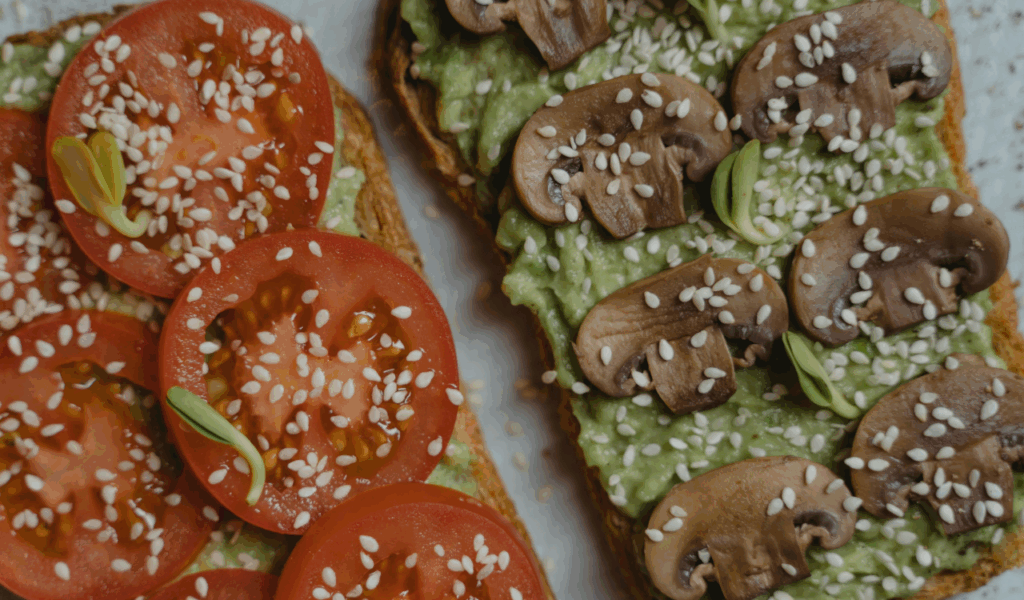
When a short-order cook is busy, poached eggs are the worst since they need a pot of simmering water that isn’t always ready. Professional chefs say that most breakfast foods are prepared on the griddle, but poached eggs need a “wet station” that makes the work area messy.
Experts argue that getting the proper “teardrop” shape takes full attention, something a cook can’t give when they have to deal with six other orders at the same time. Kitchen managers say that the “California” approach takes more work since it requires chopping fresh avocados, which turn brown quickly and need to be rotated all the time.
Culinary experts say that if the yolk breaks in the poaching water, the whole batch is ruined and the cook has to start over while the rest of the table’s meal grows cold. To avoid this “bottleneck” item, several menu designers suggest taking poached eggs off the menu after 11 AM.
Professional organizers say that the specialized tools, such slotted spoons, vinegar, and prep bowls, take up important counter space in a diner kitchen that is already too small. Experts say that when a kitchen is busy, poached eggs are often “cheated” by being slightly overcooked so they don’t break. This makes a rubbery and unpleasant “ghetto” version of the original.
3. The “Crispy” Corned Beef Hash and Eggs
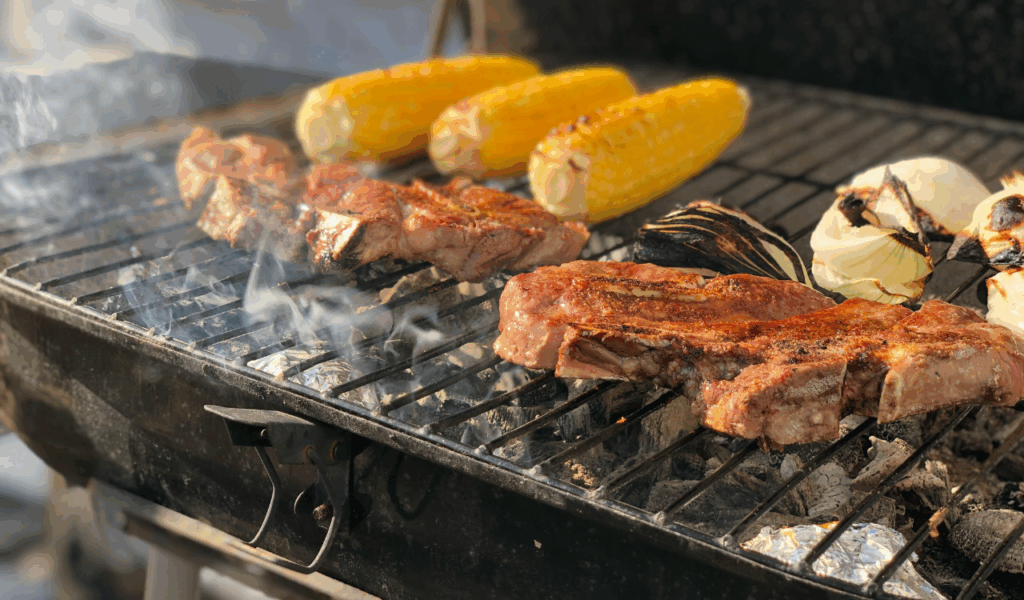
Corned beef hash is a classic diner dish, but cooks hate the task of making it “crispy” without scorching the eggs. Professional chefs say that canned or pre-made hash has a lot of moisture in it, so it needs to remain on the griddle for a long period to get a crust. Experts claim that this “low and slow” method blocks off a perfect place on the flat-top that could be used for things that move faster. Chefs say that consumers who send hash back because it isn’t “crunchy enough” are the main reason this meal causes problems in the kitchen.
Restaurant experts say that the smell of sizzling corned beef is so powerful that it can get into other delicate items like omelets and French toast. Designers of kitchen ventilation systems say that frying hash makes a lot of grease splatter, which means that the area around it needs to be cleaned all the time. Professional food flippers say that hash is so dense that it is hard to heat all the way through without burning the bottom. If you want a true, crispy hash, experts say you need be ready to wait at least fifteen minutes. If you rush this dish, it will inevitably turn into a mushy, unpleasant mess.
4. Multi-Ingredient “Build Your Own” Omelets
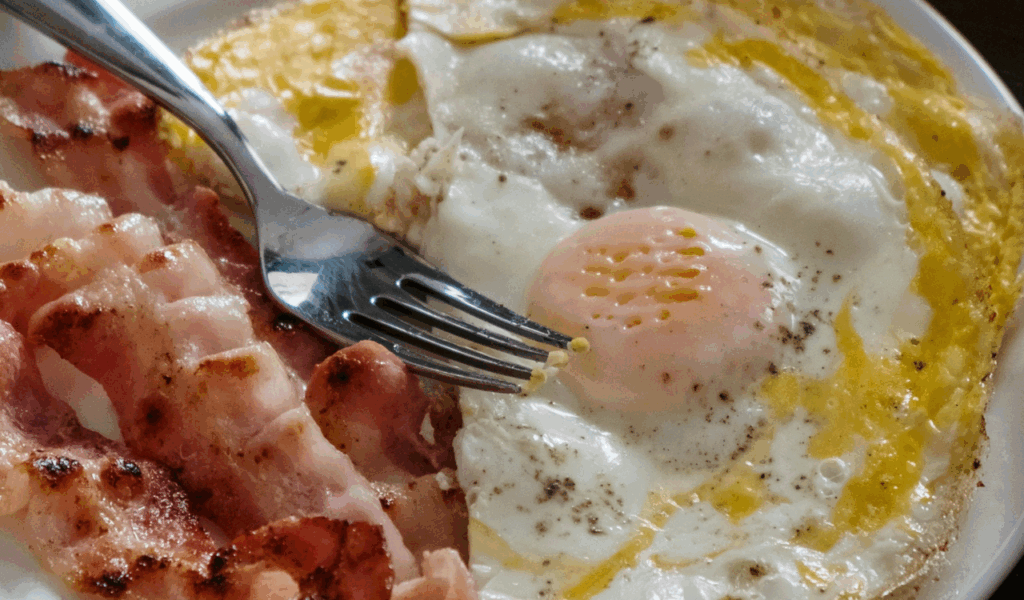
The “build your own” omelet is a nightmare for a cook who wants to keep the “ticket time” short. Professional chefs say that for every extra ingredient—onions, peppers, mushrooms, and three types of cheese—the cook has to get a different prep container and chop or sauté the items separately.
Experts argue that it’s very impossible to fold a “signature” omelet with 10 ingredients the right way, which often leaves a platter that looks “ghetto” instead of gourmet. Kitchen workers say that the wide range of combinations makes it easy to forget an ingredient when things are busy.
Professional organizers say that the “omelet station” is the most messy portion of the kitchen since people are often reaching for things and refilling. To make things faster and more consistent, designers of condensed menus suggest limiting omelet options to four or five “house favorites.”
Experts say that a “loaded” omelet also takes a lot longer to set, which means it takes up twice as much room on a burner or griddle as a regular scrambled egg order. Professional flippers say that clients are typically quite picky about how “done” their omelets are, which leads to a lot of “re-fires” that can slow down a kitchen’s output for the whole hour.
5. Slow-Cooked Steel Cut Oats with Fresh Fruit
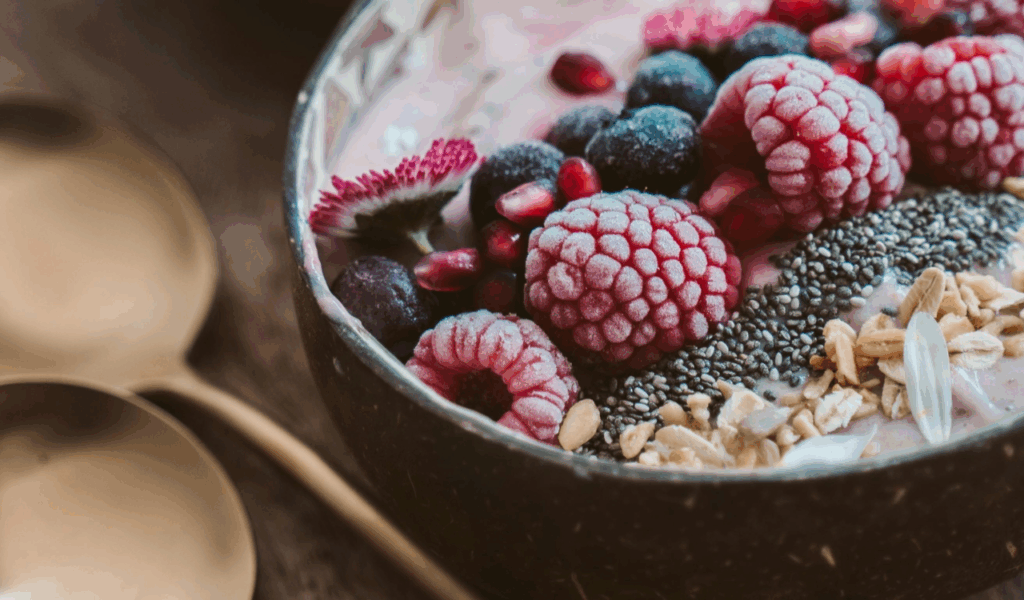
You might think that oatmeal is the easiest thing on the menu, but for a diner cook, it is a high-maintenance “slow” cuisine in a “fast” environment. Professional chefs say that you can’t rush steel-cut oats; you have to keep stirring and watching them so the bottom of the pot doesn’t burn.
Experts claim that during the dinner rush, people often forget about a pot of oatmeal on the back burner. This makes it thick and sticky, which is objectively bad. Cooks say that the “fresh fruit” topping often makes them stop and wash and slice berries, which messes up their rhythm.
Restaurant consultants say that oatmeal has a very low “plate value” compared to the work that goes into making it right. Designers of efficient kitchens say that a lot of people use instant or “quick” oats to save time, but these don’t have the texture that customers expect from a “signature” breakfast list. Professional organizers say that the sticky residue left behind by dried oatmeal is well known for being hard to remove off pots and bowls, which makes the dishwashing job much harder. If you want good oats, experts say you should go to an establishment that specializes in porridge instead of a regular diner where the “all-day” version is probably an afterthought.
6. The “Grand Slam” Country Fried Steak and Gravy
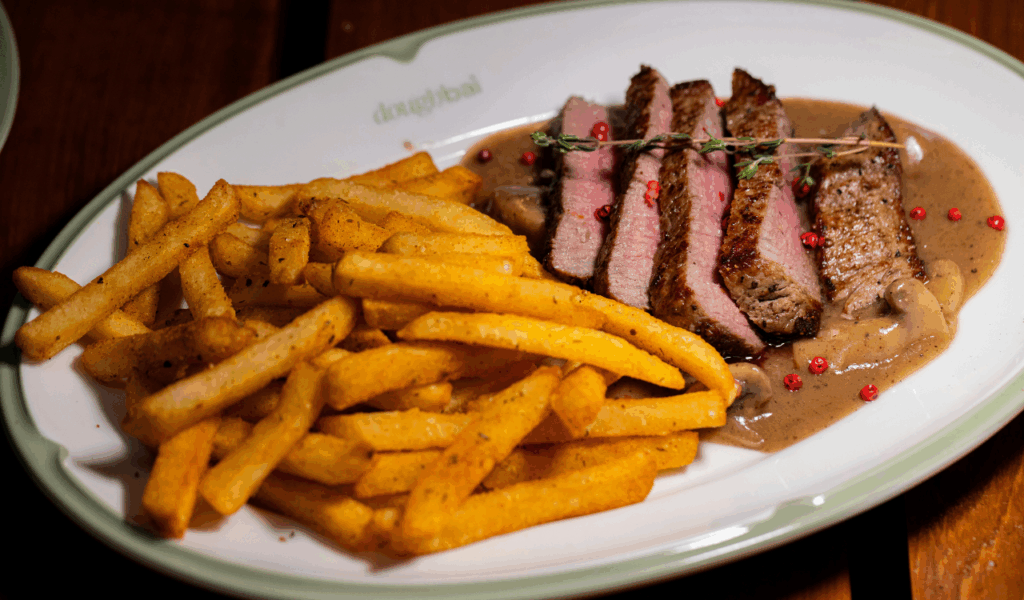
You need both a deep fryer and a griddle to make country fried steak, and you also need a separate station for the gravy. Professional chefs say that “hand-breading” a steak to order is dirty and takes a long time, which is why many people choose pre-frozen patties that taste like cardboard.
Experts claim that the white pepper gravy needs to be kept at a certain temperature to stop a “skin” from forming. This means that it needs to be whisked all the time. Chefs say that fried beef, rich cream sauce, and eggs make a “heart attack on a plate” that is surprisingly hard to dish correctly.
Flippers say that the steak takes up a lot of space in the fryer, which might cause other tables to have to wait longer for their orders of french fries or onion rings. Designers of kitchen layouts say that the “breading station” is a place where cross-contamination might happen if you don’t take extra care.
Because this is such a big dinner, experts say that people who eat alone generally order it and stay for a long time, which means the restaurant has fewer “table turnover” and makes less money. When the kitchen is short-staffed, professional organizers say this is the most “ghetto” food to prepare because it’s the first plate to look dirty and unappetizing under pressure.
7. Thick-Cut Brioche French Toast with Compote
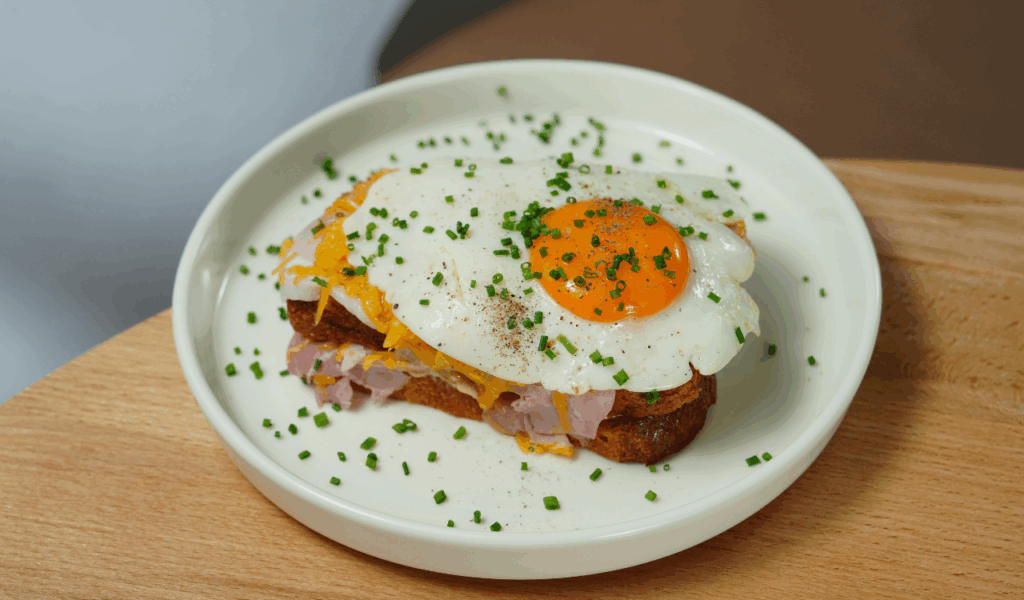
French toast cooked with thick brioche is a “signature” dish, although it takes a long time to cook and is very hot. Professional pastry chefs say that brioche is so light that it can easily turn “custardy” or raw in the middle if the griddle is too hot. Experts argue that to make sure the center of French toast is done, a cook must “slow-cook” it, which is the antithesis of how they are taught to handle a busy dinner rush. Kitchen managers say that the “berry compote” or “syrup reduction” often catches fire or smokes when it drips onto the heated flat-top, which makes the kitchen smell bad.
Restaurant consultants say that the price of brioche has gone through the roof, making it a low-profit item that requires a lot of valuable time to make. Modern diner designers say that French toast is typically “pre-soaked,” which can make it mushy if the orders don’t come in fast enough. Professional food flippers say that the sugar in the egg wash caramelizes very away, making it very easy to serve “blackened” toast that looks burnt but is chilly inside. If the menu doesn’t say “thick-cut,” experts say you’re probably getting regular white bread that was quickly made in the kitchen without any care.
8. Soft-Scrambled Eggs with Smoked Salmon
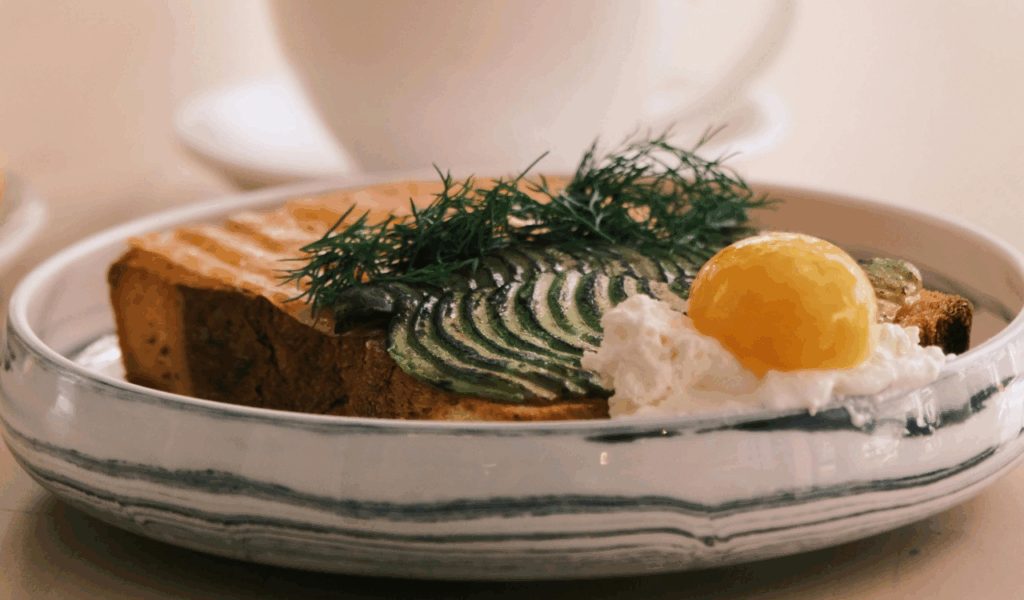
Soft-scrambled eggs and smoked salmon is a “high-end” diner dish that is well-known for being simple to mess up in a hectic setting. Professional chefs say that “soft-scrambled” implies taking the eggs off the burner while they still seem “wet,” but a lot of cooks overcook them because they’re afraid of getting in trouble with the health authorities.
Experts believe that the smoked salmon should never be cooked, but rather folded in at the last second. This is a small detail that is sometimes missed during a busy shift. Cooks say that the salty salmon can make the eggs “weep” liquid if they sit under a heat lamp for as little as sixty seconds.
Professional organizers say that smoked salmon is a pricey food that doesn’t last long and needs its own “cold prep” area. Menu designers say that this plate has a high “shrinkage” rate because staff members often munch on the salmon or it goes bad before it can be sold.
Experts say that the “ghetto” version of this meal uses “salmon scraps” instead of high-quality slices, which makes it taste salty and fishy. Flippers who know what they’re talking about say that this is the riskiest “all-day” meal to order late at night because the salmon has probably been sitting in the prep drawer for fourteen hours.
9. Breakfast Burritos with “Crispy” Potatoes Inside
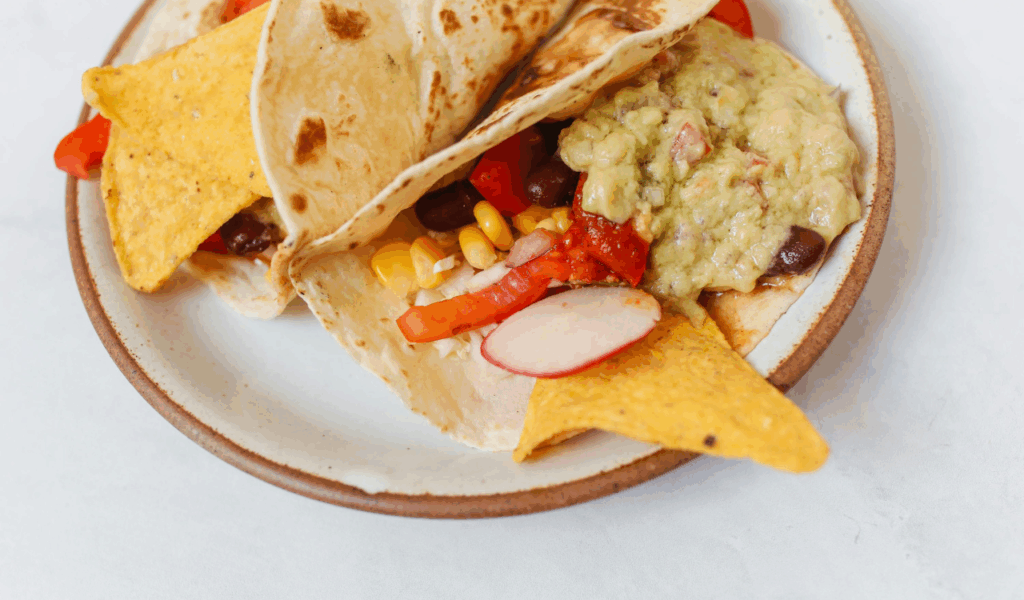
Customers love the breakfast burrito, but it’s a “multi-stage” prep nightmare for the cook on the line. Before the rolling process starts, professional cooks say they have to scramble eggs, fry bacon, and make sure the potatoes are “crispy.” If the potatoes are too wet, the whole burrito will turn into a mushy mess that falls apart in the customer’s hands, according to experts. Kitchen supervisors say that it takes three times as long to put together a burrito as it does to put together a normal plate of eggs and toast. This slows down the kitchen’s “speed of service.”
Professional organizers say that the many fillings for a burrito take up a lot of “real estate” in the reach-in fridge, so they need to be restocked all the time. Designers of kitchen workflows say that the tortilla needs to be heated or grilled to keep it from breaking, which adds another step to the process.
Experts say that a lot of people “cheat” by purchasing frozen tater tots or pre-cooked potatoes that don’t have the “signature” crunch that locals love. Professional chefs say that the number one reason guests complain about a burrito is that it leaks. This makes it a high-stress, low-reward job for the guy behind the griddle.