9 “Console” Tables That Wobble and Scratch Your Floors
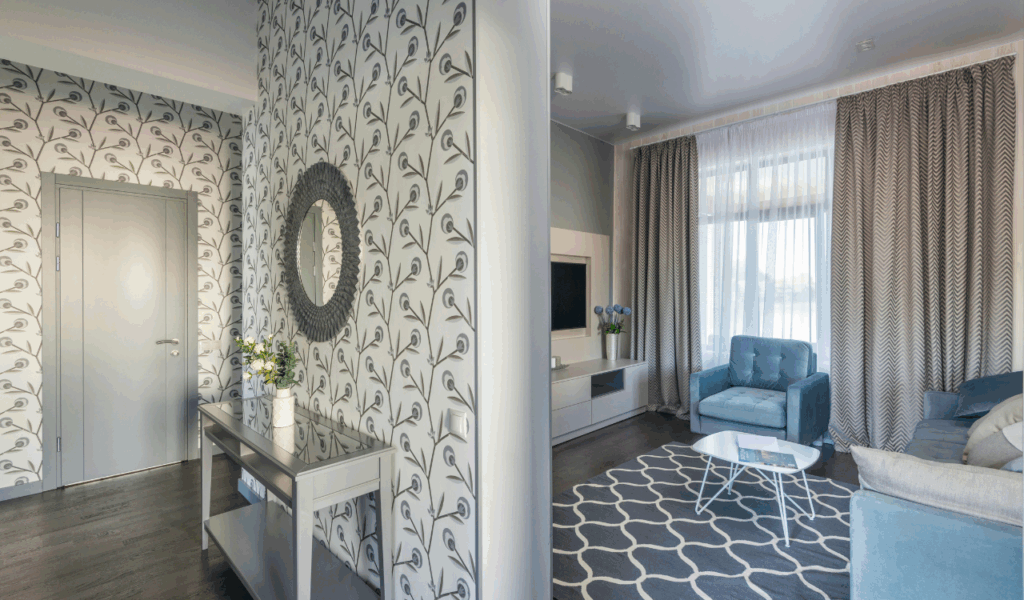
Console tables are the unsung heroes of the foyer. They give keys, mail, and decorative accessories a fashionable place to settle. Interior designers and expert flooring builders, on the other hand, say that a lot of these thin, lanky pieces are not built to last from the moment they leave the manufacturer. Console tables are usually narrow and top-heavy, so they need accurate joinery and a balanced weight distribution to stay sturdy. If the design puts a “minimalist” look ahead of engineering, the piece will wobble with the slightest touch. This may eventually harm your hardwood or tile flooring permanently as the legs shift and grind against the surface.
Furniture restorers and professional flippers say that the “wobble” is often a symptom of cheap materials, such low-grade particle board or thin hollow metal tubes. Experts believe that the protecting pads on the feet of these tables wear out or break off quickly when the tables shake or tilt. This exposes rough wood, sharp plastic slides, or raw metal that act like sandpaper on your floor coatings. Designers say that homeowners should examine the “racking” of a table by gently shaking it from side to side. If the frame bends a lot, it could mean that your valuable flooring is always at risk of getting deep, ugly scratches.
1. Ultra-Slim Hairpin Leg Console Tables
Hairpin legs are a common feature of mid-century modern design, but experienced furniture designers say they are very unstable when used on tall, narrow console tables. The legs are comprised of thin steel rods, which give them a natural “spring” that makes the table bounce and sway. Experts suggest that this continual micro-movement makes the feet scrape against the floor every time someone walks by or closes a door. Experts say that even if you use felt pads, the hairpin design might put lateral tension on the pads, which can make them fall off and leave the metal to scratch your floors.
Contractors say not to use these in busy entryways where bags or coats are likely to bump into them. Professional flippers say that the spots where the legs hit the tabletop are generally the first to break, which makes the lean even worse. Experts say that if you like how it looks, you should tie the table directly to the wall studs to keep it from wobbling and damaging the floor. These tables are nevertheless a high-risk investment that may turn a lovely hallway into a maze of scratches and unsteady decor if they don’t have a solid wall attachment.
2. Unbalanced C-Frame Over-Sofa Tables
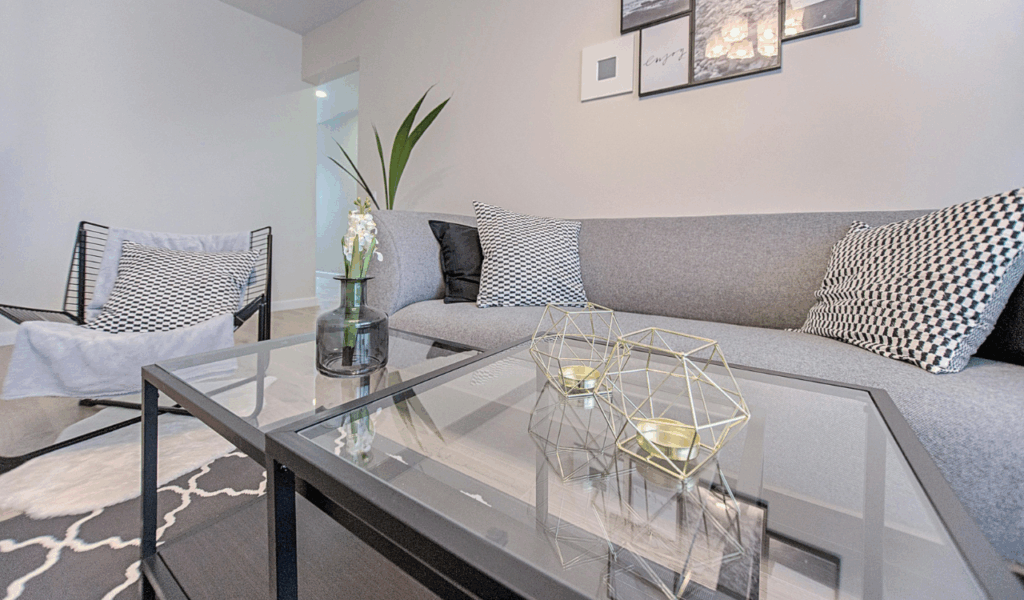
The C-frame console is made to slip its base beneath a chair or sofa, however experienced organizers say that this design is naturally unstable and likely to tumble over. Because the weight is on one side, the base will move or lift if you put something heavy on the far edge of the table. Experts argue that this “see-saw” motion makes the metal base scrape the floor every time the table is utilized. Interior designers say that these tables are virtually never exactly level on anything except a flat floor because they don’t have a four-point basis.
Furniture experts say that the bottom plates of these tables are commonly covered with cheap, hard plastic caps that are meant for carpets but are bad for hardwood. Designers say that these tables are generally “top-heavy” by nature, which makes them dangerous in families with kids or pets. Professional flippers say that the joints on C-frame tables tend to loosen with time because of the constant leverage pressure, which makes the wobbling worse. If you want to put anything heavier than a remote control on the surface, experts say you should use a traditional four-legged console to keep your floors clean.
3. Lightweight Hollow-Core “Faux Wood” Consoles
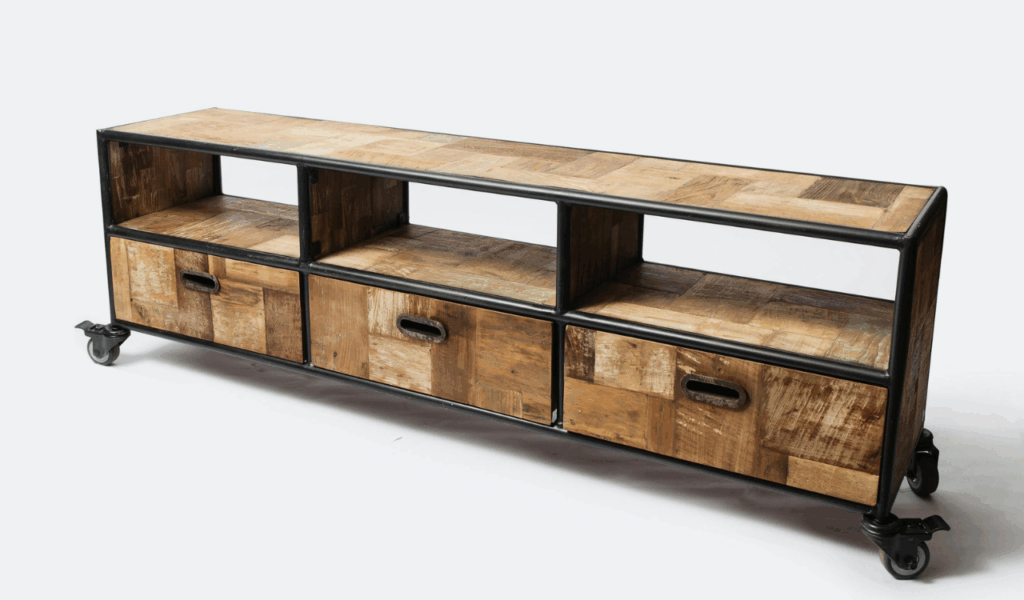
A lot of cheap console tables are made from “hollow-core” board, which is just paper honeycomb placed between thin layers of wood. Professional furniture makers say that these tables are easy to move since they don’t have much weight, which causes constant friction on the floor. Experts believe that you can tell right away that these tables have a “ghetto” feel since they don’t have the “set” of solid wood. Flooring contractors say that the piece is so light that it “skates” over the floor instead of sitting solidly on its protective feet.
Realtors often say that these light pieces feel cheap to people who are interested in buying them and can even vibrate as someone walks by, making everything on top rattle. Designers say that you should seek for tables that are a little heavy, since weight is frequently a clue of how strong the table is. Professional organizers say that hollow-core legs are especially hard to level since they don’t grip screw-in floor glides securely. The sharp edge of the hollow leg is visible when a glide slips out. This can cut through vinyl or linoleum floors in seconds. Experts say that the initial savings on these tables are quickly eaten up by the cost of fixing a scratched entryway.
4. Top-Heavy Marble-Topped Trestle Tables
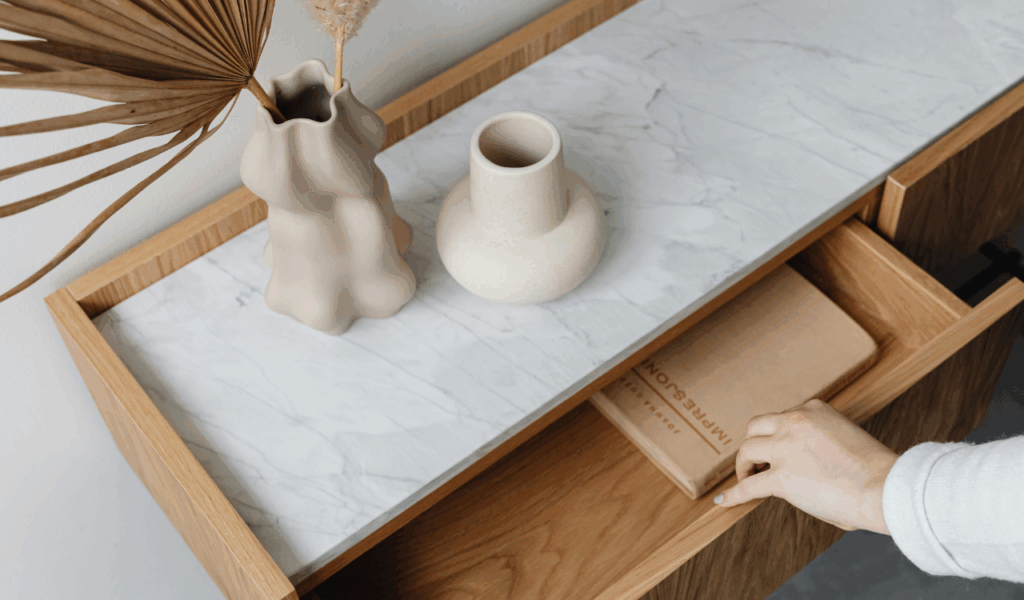
Marble tops make things look more expensive right away, but when they are on a narrow trestle basis, they make the center of gravity more unstable. Professional interior designers say that a lot of companies employ thin wooden trestles that weren’t made to hold the thirty or forty pounds of a stone slab. Experts suggest that this weight makes the legs “splay” out over time, which puts a lot of stress on the places where the floor touches the legs. Stone masons say that if the floor is even a little bit uneven, the heavy top will make the table rock violently, which could break the marble or the floor underneath it.
People who restore furniture say that a heavy table shaking does more damage than a light one. The weight of the marble hits the floor like a hammer every time the table resets itself after being tilted. Designers say that if you really want a stone top, the base should be as wide as the top itself so that the weight is spread out evenly. Professional flippers say that a lot of “bargain” marble consoles utilize cheap glue to hold the top and base together. If the table wobbles too much, the glue can break, which can cause a huge and costly mess.
5. Acrylic or “Ghost” Style Console Tables
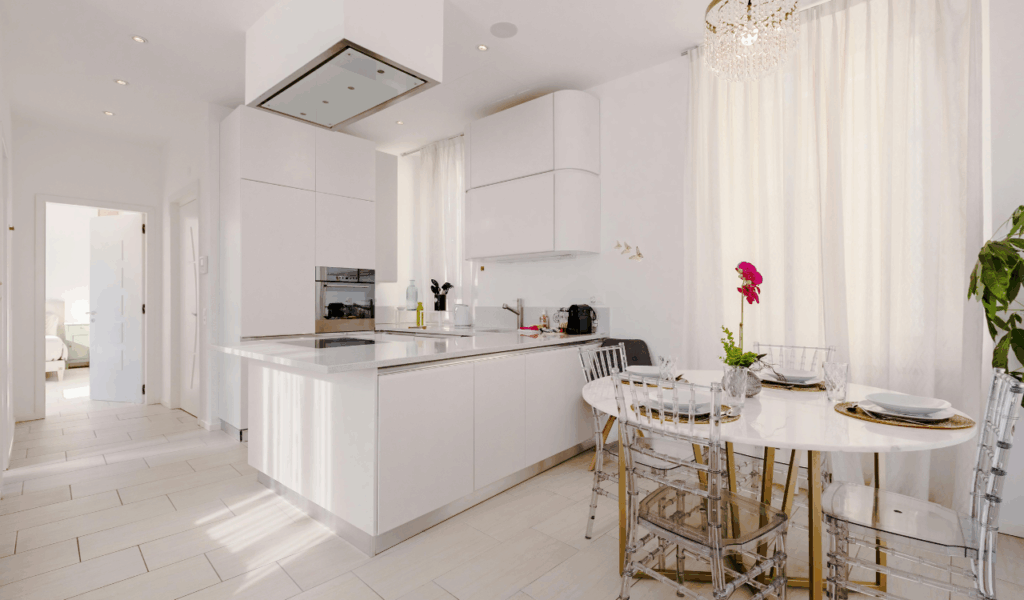
Acrylic tables seem great in small areas because they are “invisible,” but experienced designers say they are some of the most flexible and unsteady options out there. The plastic in acrylic makes it somewhat flexible, which makes the whole table “bow” and “shimmer” when you touch it. Experts suggest that this suppleness makes the legs move against the floor in tiny steps all the time. According to flooring experts, acrylic can also gather up microscopic bits of grit on the bottom of the legs, which then rub against your floor finish and wear it down.
Professional organizers say that these tables generally don’t have any kind of foot protection to keep their “clear” look, which means that the hard plastic is in direct touch with your floor. Experts warn that this friction will make the bottoms of the acrylic legs hazy and damaged over time, spoiling the “ghost” illusion. To reduce the movement, designers suggest putting a clear rug cushion or special clear silicone discs under the legs. But even with protection, the natural “sway” of a tall acrylic console can make it feel unstable and cheap, especially when it’s full of heavy glass vases or books.
6. Industrial Pipe-Frame Consoles with Flange Feet
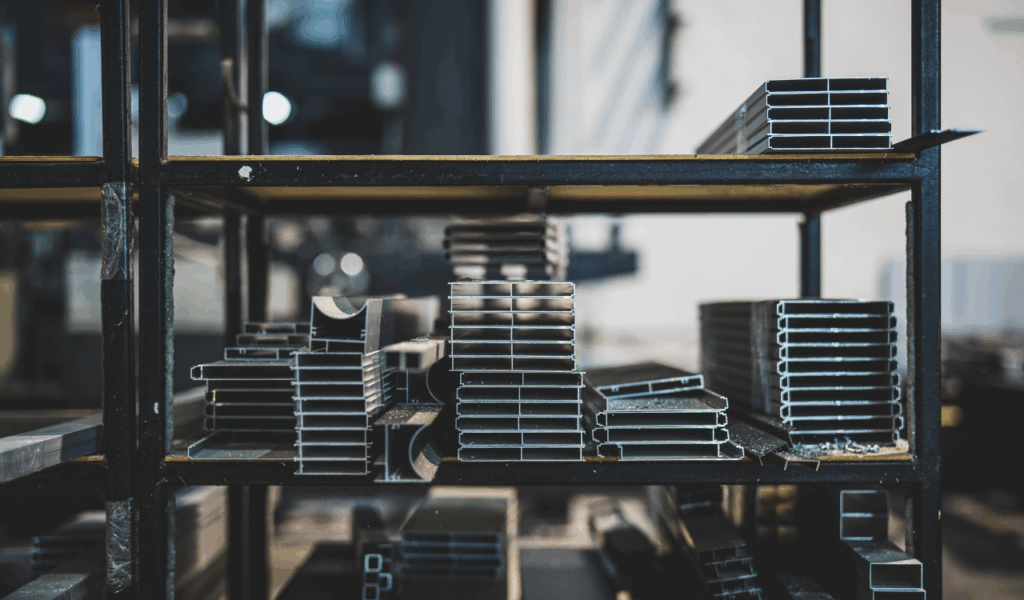
The “flange” feet employed in these designs are floor killers, say experienced flooring builders. The industrial pipe style is popular for DIY and rustic interiors. The flanges are made of rough-cast iron, which sometimes has sharp burrs and uneven surfaces because of how they were created. Experts claim that even if you think the table is stable, the heavy iron pipes will force deep “rings” into your wood or tile if the table wobbles. Interior designers say that these tables are nearly tough to get completely level because the pipe threads are rarely the same.
Professional flippers say that the “ghetto” DIY versions of these tables often don’t clean and seal the iron properly, which can leave rust stains on carpets or light-colored floors. Experts claim that the flange’s round form makes it hard to use regular felt pads, which typically come off because the metal is rough. To avoid lasting damage to industrial furniture, designers say to use special rubber “boots” or leather pads that are tailored to fit. If you don’t take these steps, the pipe frame’s hefty, unyielding nature will treat your floor like a piece of scrap metal, leaving behind gouges that need to be professionally sanded to restore.
7. Mirrored Consoles with Mitered Glass Legs
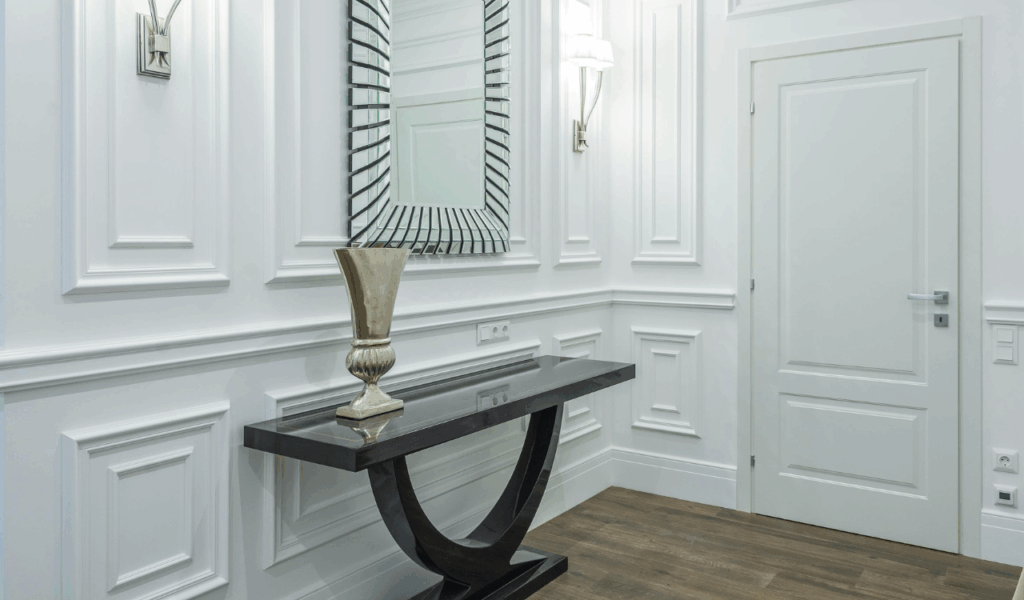
Mirrored furniture is very Hollywood Regency glam, but when the legs are built of mitered glass panels, the structure is sometimes not strong enough. Professional furniture restorers say that the timber structure inside these tables is frequently very thin to make room for the glass cladding. This makes the tables shake in a “hollow” way. Experts claim that when the table moves, the glass panels can rub against each other, which can cause small chips or “flea bites” along the mitered edges. Flooring experts say that the harsh, pointed corners of a glass-clad leg are terrible on any type of floor.
Interior designers say that these tables are also very hard to move safely; if you slide them even an inch, the legs can “torque” and break. Professional organizers say that the glass is deceptively hefty because of its weight. When it does wobble, the effect is enormous. Experts say that the “stick-on” glides that come with these tables aren’t strong enough to hold the weight and often flatten out in a few months. Real estate agents typically say that a cracked or unstable mirrored console makes a room look “dated” and cheap right away, which takes away from the otherwise high-end appeal of an entryway.
8. “Mixed Material” Consoles with Unsecured Cross-Bracing
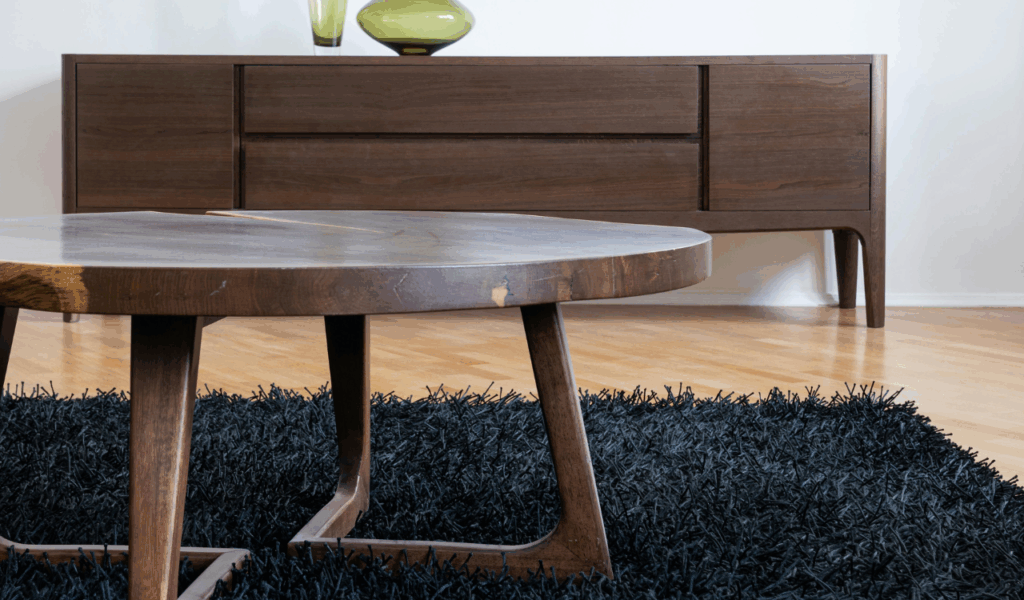
A lot of modern consoles have a “factory” look with wood tops and thin metal X-frames, although experts say that the cross-bracing is often only for show. Experts who build furniture say that if the X-brace isn’t tight enough, it won’t stop “racking,” or swinging from side to side. Experts suggest that this instability makes the legs “walk” around the floor over time, which causes a succession of small, repeated scratches. Flooring experts say that the metal feet on these frames are often merely tubes with sharp edges and a thin plastic infill that breaks easily when pressure is put on it.
Professional flippers say that these cheap “mixed material” pieces are the most typical cause of complaints about floor damage in rental homes. Designers say that to make sure cross-bracing genuinely supports the structure, you should check for it to be bolted or welded at the center point. Experts believe that the table will wobble if you can move the X-brace with your hand. Home experts say that a table that leans to one side looks “ghetto,” which is a big aesthetic fail. You can avoid this by picking a table with a solid back panel or stronger leg-to-apron construction.
9. Geometric “Pedestal” Consoles with Narrow Bases
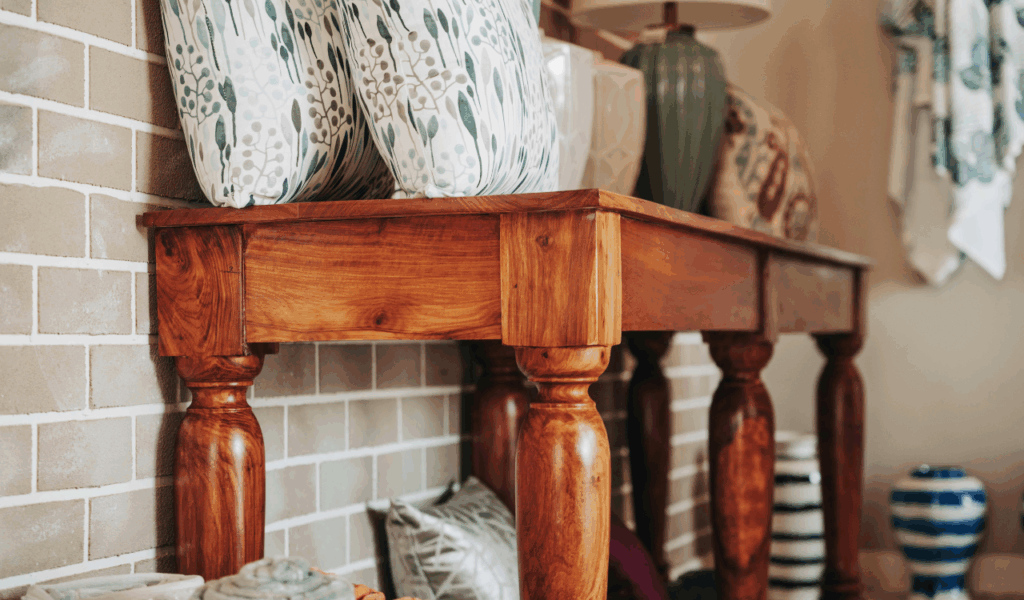
Geometric pedestal consoles are works of art on their own, but their “sculptural” bases are typically too small to hold up a long, rectangular top. Professional interior designers say that the “footprint” of the pedestal is often less than half the width of the table, which makes a huge “overhang” on both sides. Experts believe that if a guest leans on one end of the table, the whole thing can behave like a lever, raising the other end of the base and then crashing it back down. Flooring professionals say that this repeated “impact” is what makes tiles break or wood dent.
Furniture experts say that these pedestals are generally made of hollow MDF or resin, which doesn’t provide the table enough “ballast” to keep it stable. Designers say that these tables should only be used in places where they are unlikely to be touched, which is not often the case in a practical doorway. Professional organizers say that leveling one pedestal is significantly tougher than leveling four legs since any shim used will be very easy to see. Experts say that the “minimalist” base looks nice, but it’s a risky decision for anyone who wants their floors to last and their home decor to be stable.