
8 “Craft” Beers Breweries Reuse the Same Recipe For

Craft beer culture celebrates originality, limited releases, and constant rotation, but behind that variety sits a quieter reality most experienced drinkers understand. Many breweries rely on a stable base recipe as a starting point, then introduce variation through hops, timing, or flavor additions. This approach is neither misleading nor uncommon. It allows breweries to manage consistency, control quality, and release new beers without reinventing their entire process each time.
For regular drinkers, these shared foundations become recognizable over time. A similar body, mouthfeel, or fermentation character shows up across different labels, even when names and artwork change. Transparency around this practice varies, but within the craft community, it is generally accepted as a practical way to balance creativity with reliability. What keeps fans engaged is not total reinvention, but how thoughtfully each variation is executed.
1. Mikkeller
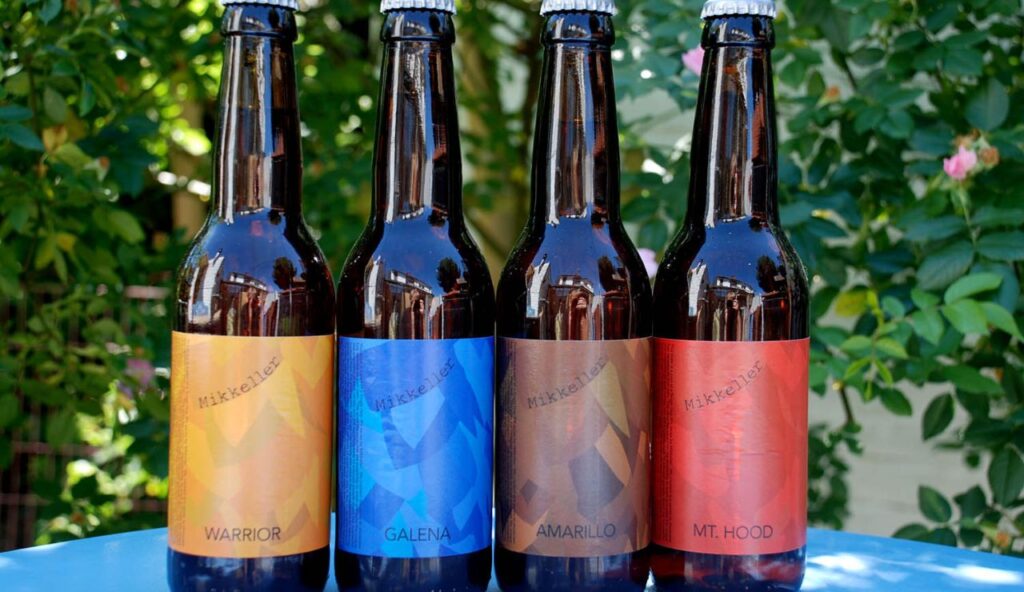
Mikkeller is widely associated with a flexible, experimental brewing philosophy that builds from familiar foundations. Many drinkers notice that across its wide range of IPAs and limited releases, there is a recurring structure in body and fermentation profile. Even when hop combinations or concepts change, the beers often feel related, suggesting a consistent base that supports frequent variation rather than starting from zero each time.
That consistency is part of what allows Mikkeller to release so many small-batch beers without sacrificing balance. Instead of hiding the approach, the brewery leans into experimentation as a brand identity. Fans tend to evaluate releases based on how each variation performs within that familiar framework, treating the base recipe as a platform for creativity rather than a limitation.
2. BrewDog
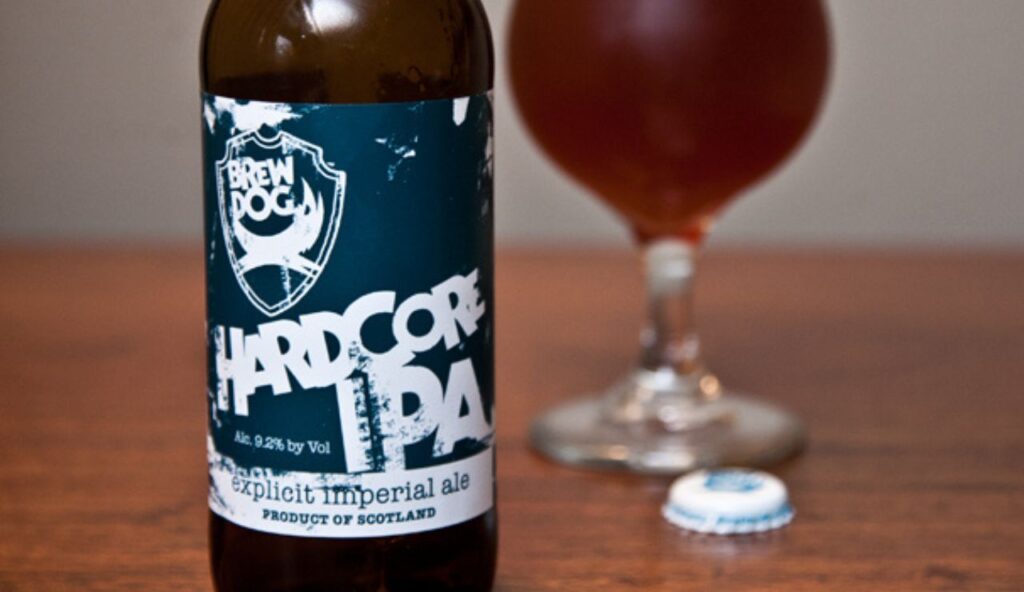
BrewDog’s lineup is often anchored by the influence of its flagship IPA, which many drinkers recognize as a reference point across the brand’s variations. Special editions and limited releases frequently share a similar malt profile and fermentation character, with changes driven by hop selection, intensity, or timing. For regular customers, this creates a sense of continuity across beers that might otherwise feel unrelated.
Rather than diminishing interest, this familiarity helps manage expectations. Drinkers know roughly what style and balance they will get, even when the label promises something new. That predictability supports frequent releases without alienating core fans. In practice, the base recipe functions as a foundation that lets the brewery innovate while maintaining a recognizable house character.
3. Stone Brewing
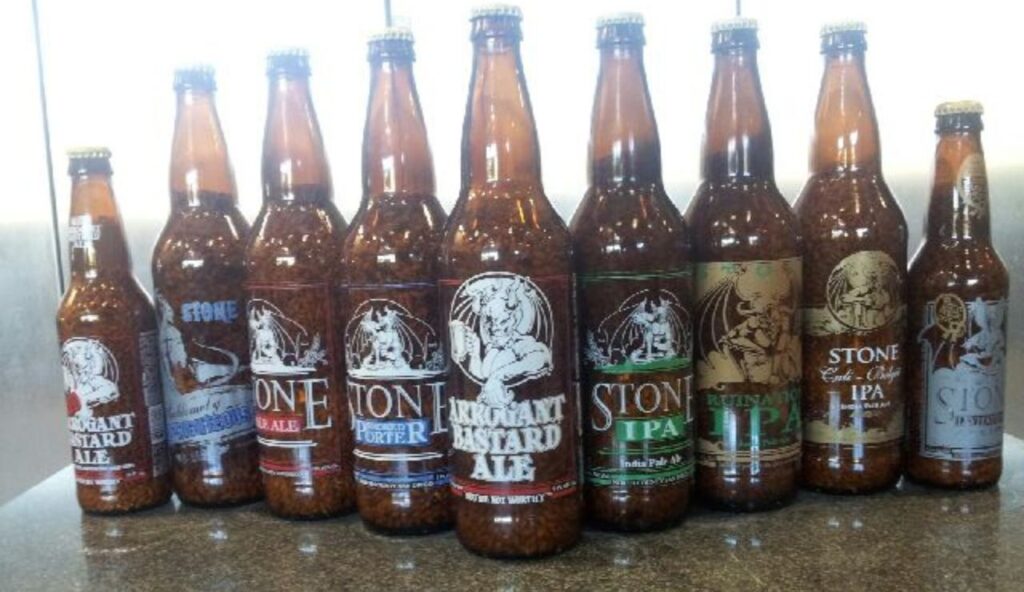
Stone Brewing is closely tied to a bold West Coast IPA identity, and many of its beers reflect that through a shared structural backbone. Across seasonal releases and collaborations, drinkers often recognize similar bitterness levels, dryness, and malt balance. Even when hops change or alcohol levels shift slightly, the beers still read as distinctly Stone.
This consistency reinforces brand trust among longtime fans. Instead of chasing entirely new profiles with every release, Stone refines variations within a known framework. For many drinkers, reliability matters more than novelty. The base structure allows experimentation to feel intentional, not random, keeping each beer connected to the brewery’s established identity.
4. Evil Twin Brewing
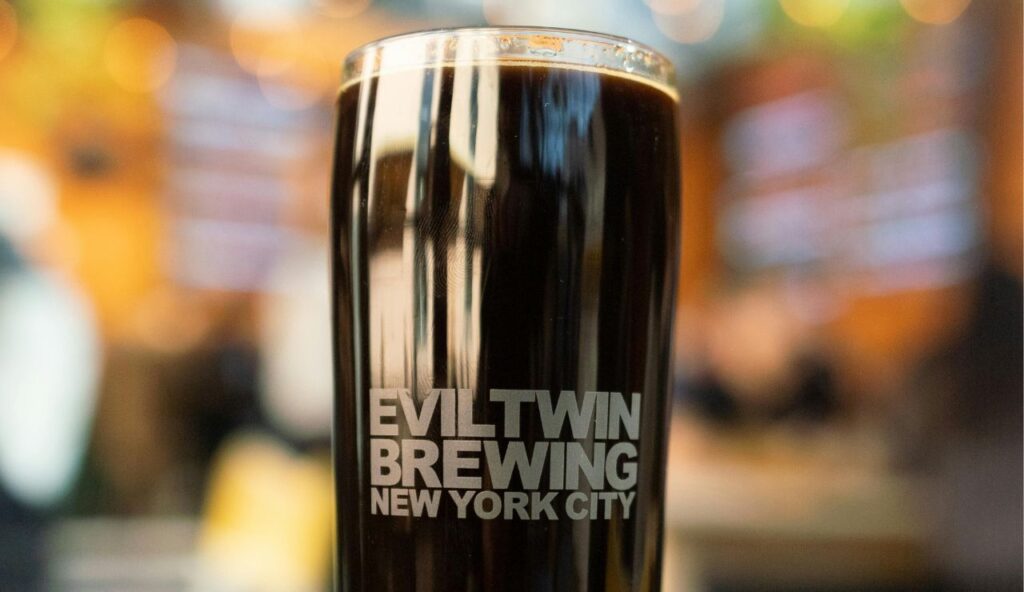
Evil Twin Brewing is known for its expansive catalog and playful naming, which often sparks discussion among fans about how closely certain beers resemble one another. Many drinkers notice recurring elements in body, sweetness, or fermentation across releases, even when labels and concepts differ dramatically. That familiarity suggests a small number of dependable bases supporting a wide range of expressions.
Rather than avoiding that perception, Evil Twin often embraces it as part of the conversation. The brand’s appeal lies in how ideas are layered onto familiar structures, not in claiming each beer is entirely unrelated to the last. For its audience, the enjoyment comes from recognizing those shared foundations and judging how creatively each variation builds upon them.
5. Omnipollo
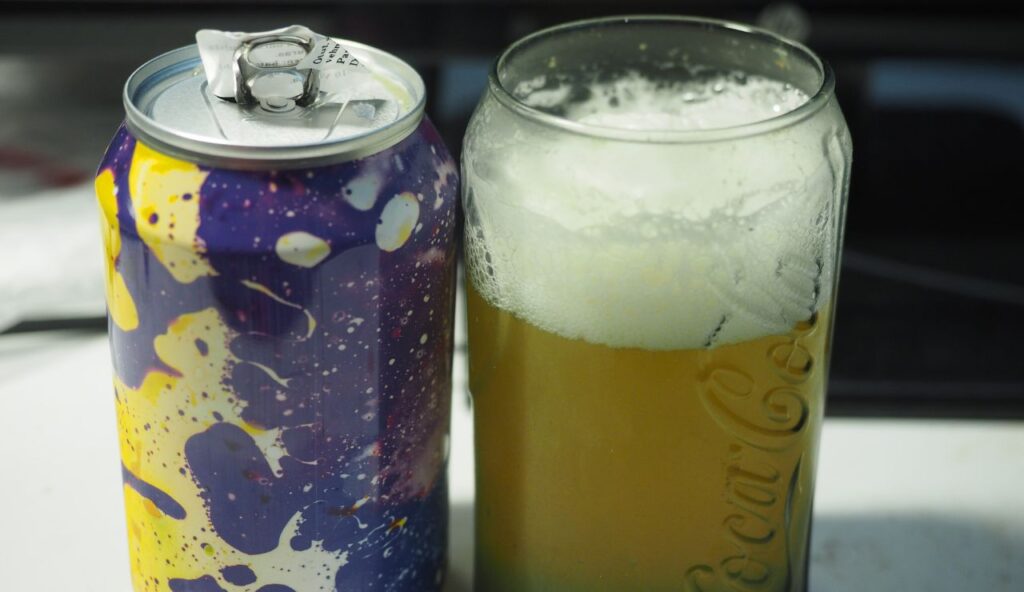
Omnipollo’s beers are often recognized for their dramatic flavors, especially in dessert-style stouts and heavily layered IPAs. Despite the wide range of names and concepts, regular drinkers frequently point out similarities in body, sweetness, and fermentation character across releases. The beers tend to share a familiar mouthfeel that remains consistent even as flavor additions shift from one batch to the next.
Rather than relying on constant reinvention, Omnipollo’s approach emphasizes variation built on a stable framework. The base structure allows intense ingredients to shine without destabilizing the beer. Fans who follow the brewery closely tend to evaluate releases by how successfully each flavor idea integrates into that familiar foundation, viewing the shared base as a strength rather than a shortcut.
6. Goose Island Beer Co.
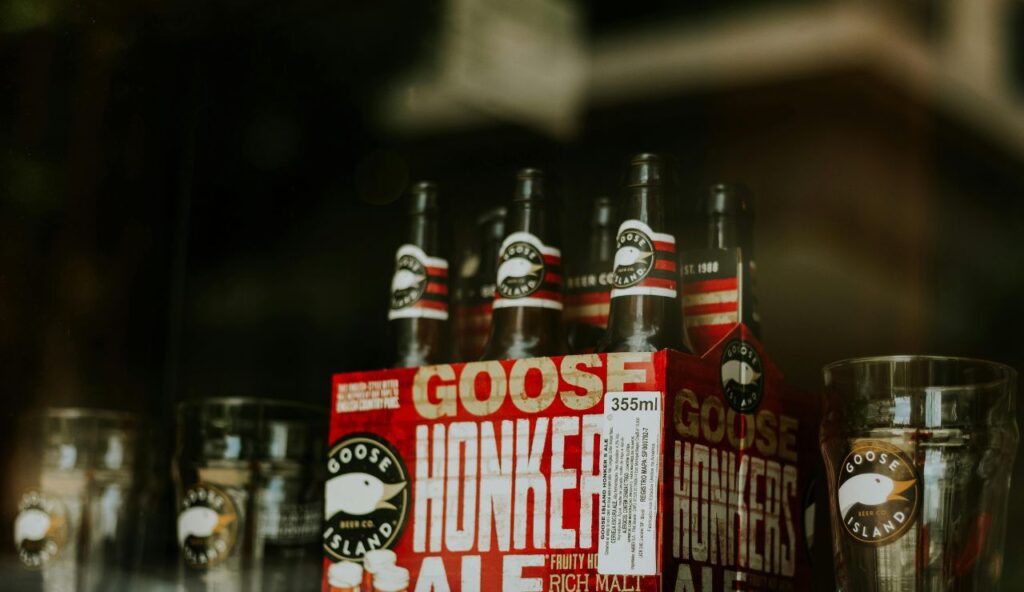
As Goose Island expanded its production and distribution, longtime drinkers began noticing recurring structural elements across its IPA and stout offerings. Seasonal releases and limited variations often feel closely related to existing beers, sharing similar malt balance and fermentation profiles. This consistency helps the brewery maintain reliability across a much larger scale.
For many consumers, that predictability builds trust. Rather than expecting radical departures, drinkers approach new releases as refinements or extensions of a known style. Within the craft conversation, Goose Island is often cited as an example of how breweries adapt core recipes to meet demand while still delivering recognizable flavor and quality across batches.
7. Cloudwater Brew Co.
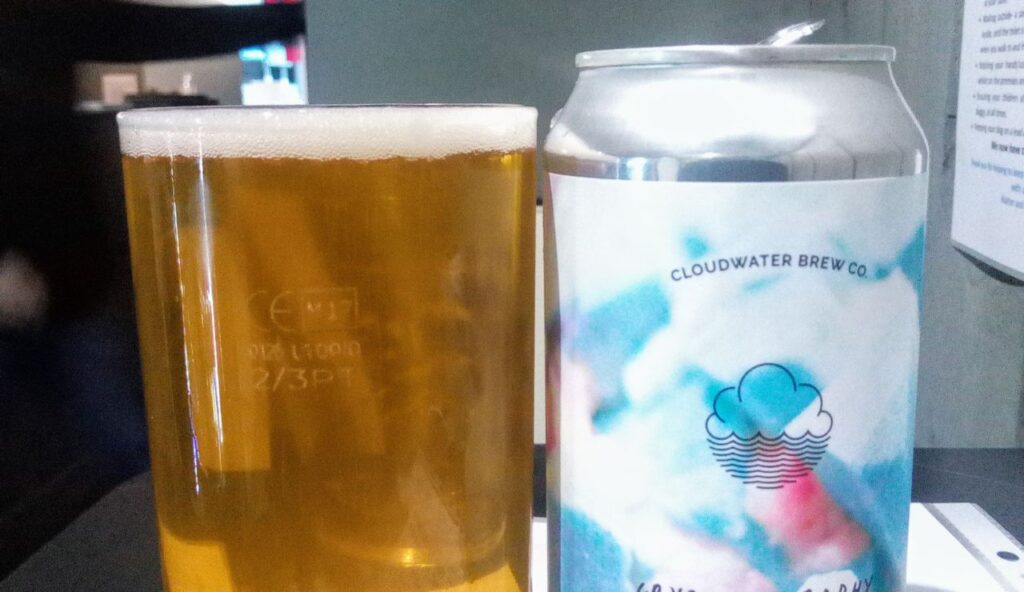
Cloudwater has earned attention for its straightforward, transparent approach to brewing modern IPAs. Fans frequently recognize a shared foundation across its rotating DIPA series, where yeast character, mouthfeel, and malt structure remain familiar from release to release. The primary differences come from hop selection, timing, and balance rather than complete structural change.
This clarity has helped Cloudwater build credibility with drinkers who appreciate honesty in presentation. By clearly numbering batches and highlighting hop variations, the brewery invites consumers to focus on nuance rather than novelty. For many fans, the recognizable base provides a useful reference point for comparing how different hops perform within the same framework.
8. Other Half Brewing
Other Half Brewing’s hazy IPAs are known for both variety and consistency. Regular customers often identify a familiar base profile that appears across dozens of releases, characterized by softness, juiciness, and a steady fermentation character. While hop combinations rotate frequently, the underlying structure remains stable enough to be immediately recognizable.
Rather than viewing this as repetition, fans treat it as part of the brewery’s appeal. The consistent base acts as a neutral canvas, making it easier to compare hop expressions side by side. For many drinkers, that predictability supports demand, allowing new releases to feel exciting without sacrificing reliability or balance.