8 Regional “Craft Soda” Brands Locals Overhype Blindly
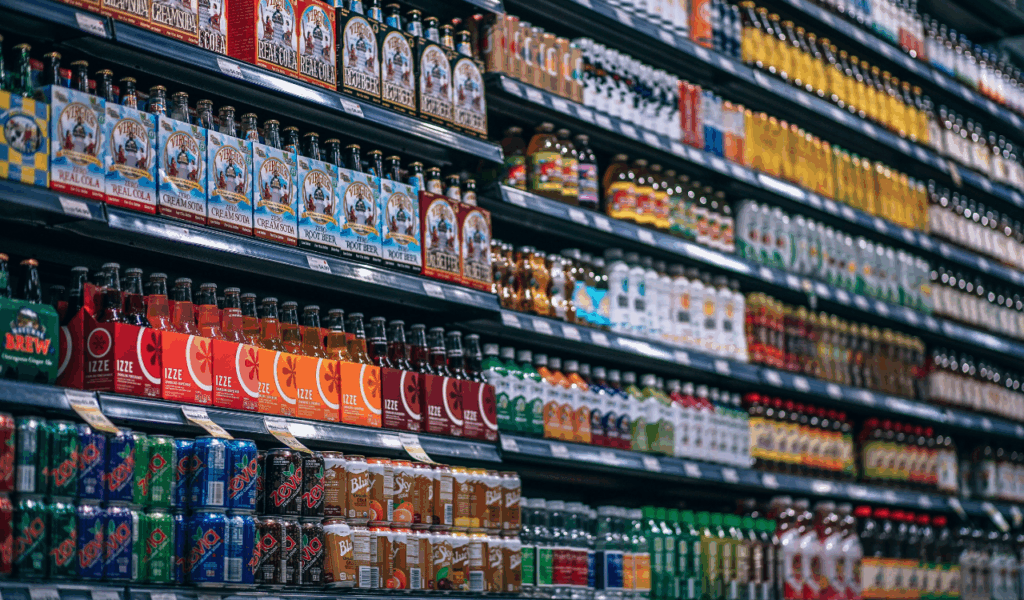
People who live in areas where craft sodas are made frequently see them as more than just a drink; they see them as a part of their culture that they protect with almost religious zeal. People say that these homemade bubbles are better than any national brand, and they typically include a “secret” family formula or a certain local mineral water as their base.
But professional drink consultants and culinary reviewers say that nostalgia can make it hard to see things clearly, which can make people disregard obvious balance problems or too much artificiality. When a drink becomes a cultural symbol, it often can’t be criticized, even if the flavor is one-dimensional or the ingredients list is disappointingly boring.
Experts in cooking and flavor chemistry say that the “overhype” is generally due to a lack of availability and allegiance to the community, not because the food is really good. Professional organizers and hospitality experts say that even while these products brag about being “craft,” many of them have discreetly switched to the same high-fructose corn syrup and synthetic coloring that the big brands they say they compete with employ.
Experts claim that people sometimes confuse the “ghetto” image of a dusty, faded label with “vintage charm.” This hides the fact that the company hasn’t spent money on current quality control. For someone who isn’t from the area, drinking these overhyped bottles can be puzzling because it’s clear that the praise from locals doesn’t match the drink in the glass.
1. The Super-Saccharine “Original” Cream Soda
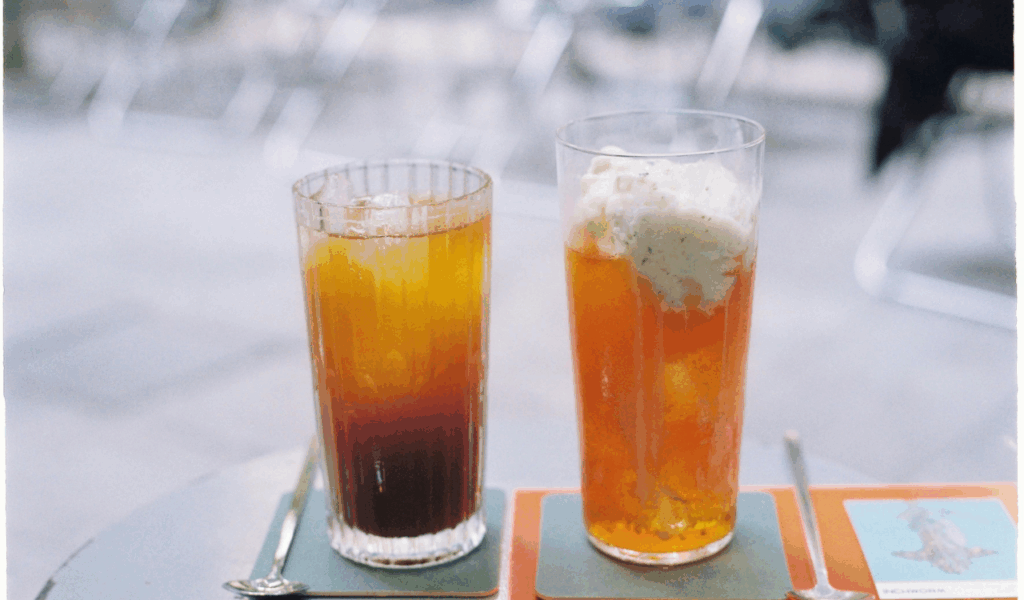
In some parts of the Midwest, the local cream soda is seen as a culinary delicacy. However, skilled pastry chefs sometimes say that these drinks are little more than liquid sweets. People often talk a lot about how “smooth” these regional favorites are, but experts believe that this feeling is really just the product of too much artificial vanillin and a sugar level that is higher than the national norm.
Flavor scientists say that when a beverage is this sweet, it coats your tongue so much that you can’t taste any tiny nuances of actual vanilla or oak. People who live there would term it “rich,” but to someone with a more refined taste, it can taste too sweet and one-note.
Beverage experts say that people like these cream sodas more because they remind them of ice cream floats from when they were kids than because of how good the sodas are on their own. Designers and planners say that the branding often relies too much on a “general store” look that seems fake and forced.
Experts say that if you take away the classic bottle, you’re left with a syrup that doesn’t have the acidity or carbonation “bite” that makes it refreshing. Professional food flippers say that these brands frequently have the largest profit margins because their ingredients are the easiest to find, which means that the local “pride” is a big victory for producers that aren’t really coming up with new ideas.
2. The Overly Medicinal “Secret Herb” Root Beer
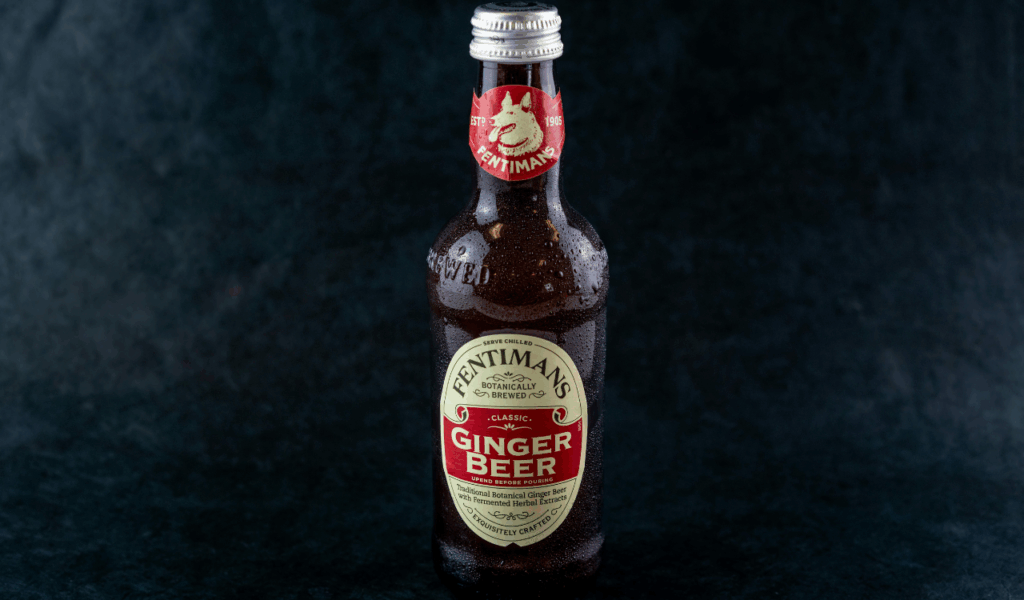
Root beer is probably the most specific type of soda, yet a lot of regional varieties get accolades for its “complex” medicinal flavor, which is actually very divisive. Professional chefs say that traditional root beer used sassafras and wintergreen, but a lot of overhyped local versions today incorporate a lot of anise or licorice root to make them stand out. Experts argue that this leaves a “cough syrup” aftertaste that people in the area have learned to live with over the years. Food experts say that just because a root beer is “bold” doesn’t imply it is well-balanced or tastes good to someone who didn’t grow up drinking it.
Professional brewers say that the “secret” to a lot of these overhyped root beers is really just a higher-than-normal amount of foam-enhancing chemicals. This makes a thick, creamy head that looks wonderful in pictures but doesn’t add anything to the drink’s taste.
Designers like these because they seem “artisanal,” but organizers say that the heavy sediment in certain “unfiltered” versions is often just sugar or stabilizers that haven’t been fully dissolved. Experts say that a really good root beer should have a clean finish, but a lot of regional favorites leave a “ghetto” film on the teeth that shows they used too many artificial thickeners and low-quality sugars.
3. The Neon-Colored “Mountain Water” Citrus Blast
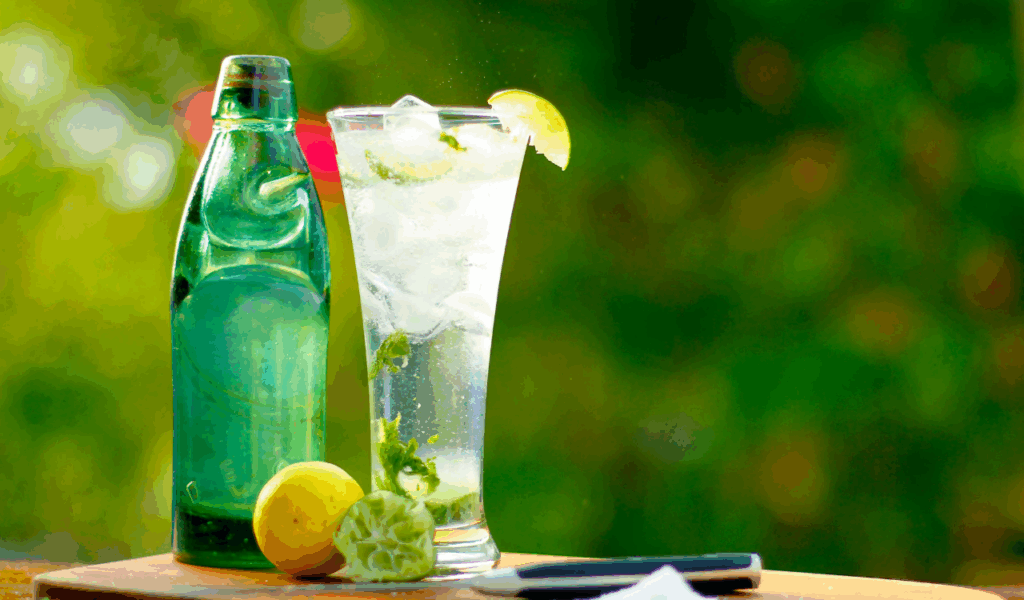
People in hilly areas often say that the local citrus soda is “crisper” since it is bottled with water from the area. However, experienced beverage chemists say that the high amounts of carbonation and citric acid actually cancel out whatever subtle mineral properties the water might have had.
Experts claim that these beverages are typically overhyped for their “natural” vitality, even though they are full of caffeine and yellow colors that have been banned in other nations. Nutritionists say that the “mountain fresh” marketing is a smart way to divert people from the fact that the formula is quite similar to neon drinks that are sold in large quantities.
Professional organizers and hospitality experts say that people often stick with these brands because of their local sports culture or outdoor activities. The drink is a sign of belonging. Designers say that the brilliant, fake colors of these sodas are nothing like “natural,” but locals will defend the neon glow as part of the brand’s particular character.
Experts say that when these businesses are bought by bigger companies, the “local water” is typically replaced with municipal tap water, but the local hype stays the same. This mindless habit keeps a drink that is subpar and full of chemicals as a regional favorite long after its quality has gone down.
4. The Aggressively Spicy “Traditional” Ginger Ale
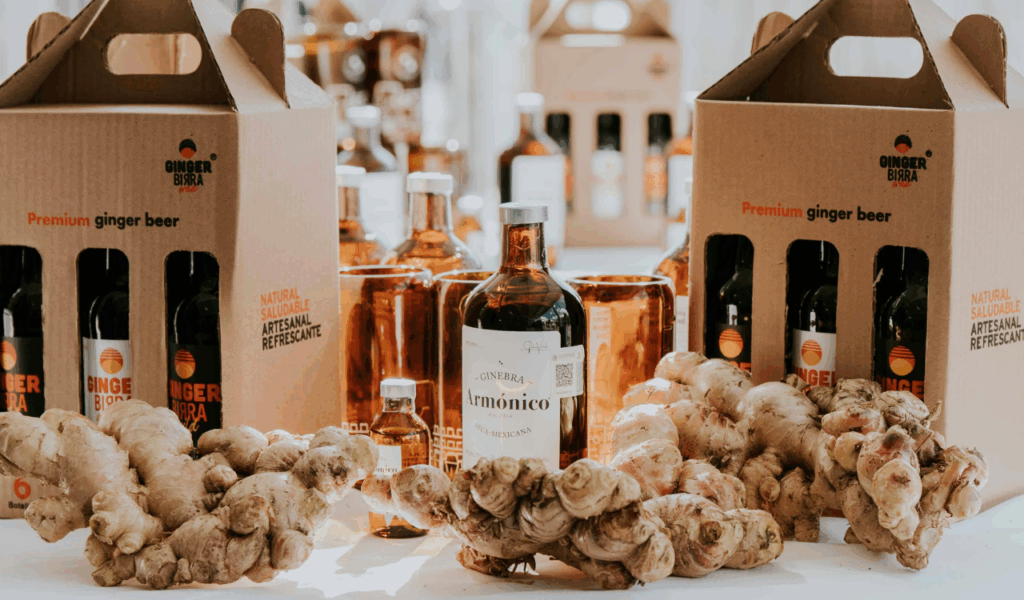
There are some parts of the East Coast where people are crazy about a “spicy” ginger ale that is so strong it makes the throat feel like it’s burning. Locals say this means “real ginger,” although experienced mixologists and chefs say that the heat is typically boosted with capsicum or chili extracts.
Experts argue that a little kick is good, but these overhyped products generally don’t have the citrus brightness or sweetness to balance the fire. Beverage experts say that drinking them straight can be more of a challenge of endurance than a pleasure, but locals are proud of their ability to finish a bottle.
People who work in restaurants say that these drinks are sometimes marketed as “premium mixers,” but their strong spice can actually mask the subtleties of high-end spirits. Designers like the old-fashioned, apothecary-style bottles, but experts say that the contents don’t always match the fancy appearance.
Flavor scientists say that the word “spicy” is often employed to mask the fact that there isn’t any real ginger juice in the product. This is because ginger juice is far more expensive than extracts that make things hot. When people in the area foolishly call these the “gold standard” of ginger ale, they are usually just celebrating a gimmick instead of a well-made herbal drink.
5. The Artificial “Fruit Orchard” Berry Sodas
There are many “craft” soda brands in areas known for their fruit production that say they embody the spirit of the local harvest. Professional chefs and farmers point out the irony that these sodas sometimes don’t have any real fruit juice in them at all; instead, they rely on “natural flavors” that are made in a lab.
Experts claim that people in the area naively hype these sodas to support their farming heritage, even though they taste like a melted purple popsicle. Food experts say that the bright hues are a sign that the brand is putting shelf-stability and cosmetic appeal ahead of real fruit flavor.
Professional organizers say that these products do well in local gift stores and tourist traps, where you can buy “local flavor” as a souvenir. Designers say that the labels typically show beautiful pictures of orchards that have little to do with the industrial bottling operations where the soda is actually created.
Experts say that when you compare them to real fruit sparkling water, the “craft” soda feels heavy, syrupy, and “ghetto” in how it is made. People are so loyal to these brands that new fruit-based drink companies can’t have a foothold in the area. The sentimental favorite already fills the “local fruit” niche in the consumer’s imagination.
6. The Low-Carbonation “Southern Style” Sweet Peach
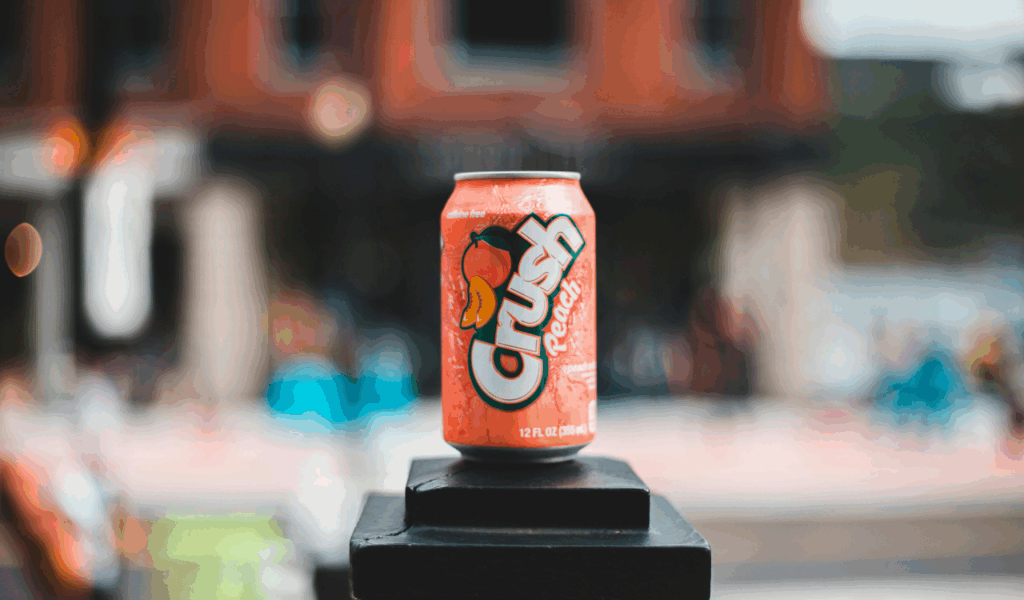
Peach soda is a big part of Southern culture, but a lot of regional brands are overhyped even though they have the same amount of carbonation as a drink left out in the sun. Professional beverage directors say that one of the most important things about these sodas is that they have a viscous, thick texture that locals call “smooth.” Experts argue that the peach flavor gets too sweet and fake without a sharp carbonation “bite.” It doesn’t taste like a real ripe peach. According to flavor chemists, the “Southern style” often involves a higher pH level, which makes the drink feel flatter and sweeter than its Northern counterparts.
Professional organizers and home improvement experts say that these beverages are commonly offered at family reunions and BBQ pits, putting them in the “comfort food” category where taste doesn’t matter. Designers say that the branding often uses “homestyle” fonts and pictures to create a sense of heritage that isn’t always supported by the ingredients list.
Experts say that these firms often employ the cheapest peach flavorings, which smell like candy and are nothing like a fresh orchard. To someone from outside the area, the blind adoration for a flat, sugary peach drink can be one of the most confusing food trends in the area.
7. The “Salt-Tinged” Coastal Mineral Sodas
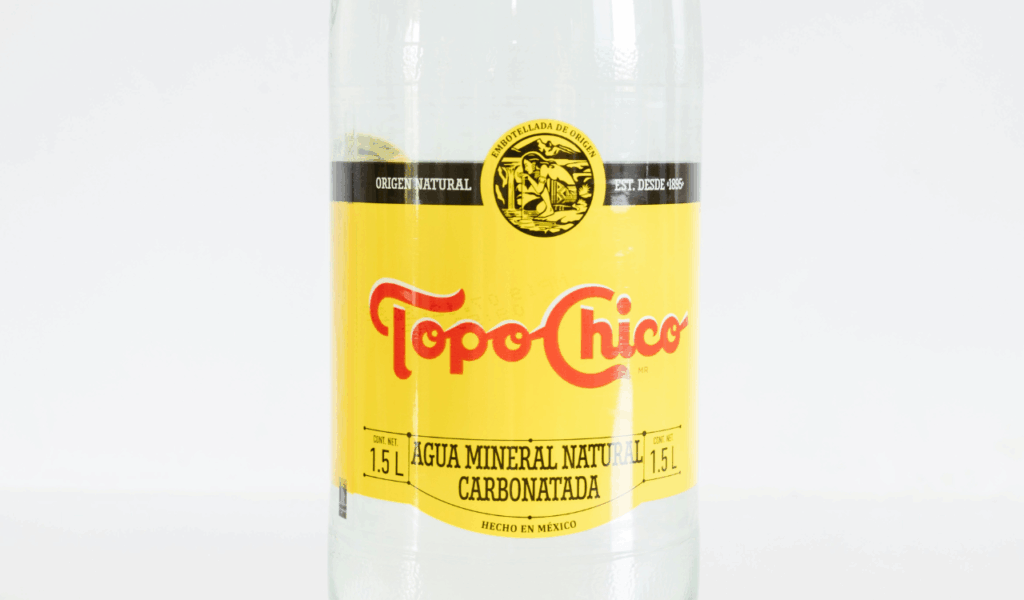
People who live near the shore often brag about a local soda that is said to have a “hint of sea salt” or comes from mineral-rich coastal springs. Professional geologists and drink specialists say that the “salty” taste is typically just a side effect of using a lot of sodium bicarbonate to control acidity.
Experts claim that locals erroneously praise this “briny” quality as a reflection of their maritime surroundings, but it can often make the soda feel less refreshing and more thirst-inducing. These brands are experts at “place-based” marketing, even if the minerals don’t really make the flavor better, according to hospitality experts.
Professional flippers say that these brands often charge twice as much for their craft sodas because of their “unique” mineral narrative. Designers enjoy the simple bottles that look like sea glass, but organizers say that the “mineral” sediment may sometimes make the soda feel gritty and unrefined.
Experts say that the “oceanic” link is mostly in people’s heads; in blind tasting tests, these sodas are generally rated worse than regular purified water versions. Because of all the buzz in the area, these brands are still available in chic coastal boutiques, even though many people would think the flavor was “ghetto” or metallic if it came from somewhere else.
8. The “Ancient Recipe” Kola with Too Much Clove
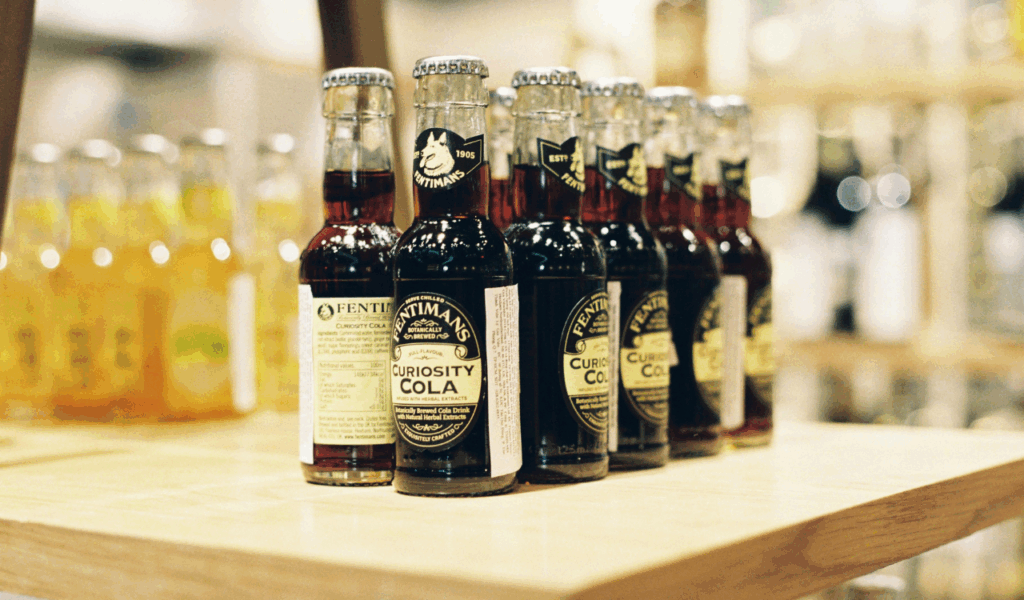
Many regional “Kolas” say they are based on recipes from before the war that use “real” botanicals, but a lot of them are overhyped because they just taste like one spice: clove. Professional chefs and mixologists say that clove is a common feature of the kola nut profile, but in some regions, “craft” versions utilize so much of it that it numbs the tongue.
Experts argue that people in the area naively defend this “spiced” profile as a sign of authenticity, not realizing that a balanced kola should have a mix of citrus, cinnamon, and caramel. Flavor scientists say that using too much clove is frequently a quick way to get a “vintage” taste without spending a lot of money on essential oils.
Beverage experts say that locals typically ignore how these “ancient” recipes are updated, as by adding caramel color and phosphoric acid. Designers say that the “heritage” branding is a strong technique that makes people feel like they are tasting history, even if the history is a little unclear.
Professional organizers say that these drinks are typically too divisive to be utilized as universal mixers, yet they are nonetheless a “must-try” in every local trip book. A really good kola should be refreshing, but these overhyped regional variants sometimes taste “heavy” and medicinal, making the blind acclaim from locals feel like a victory of nostalgia over taste.