8 Supermarkets With Wine & Cheese Sections That Don’t Match the Hype
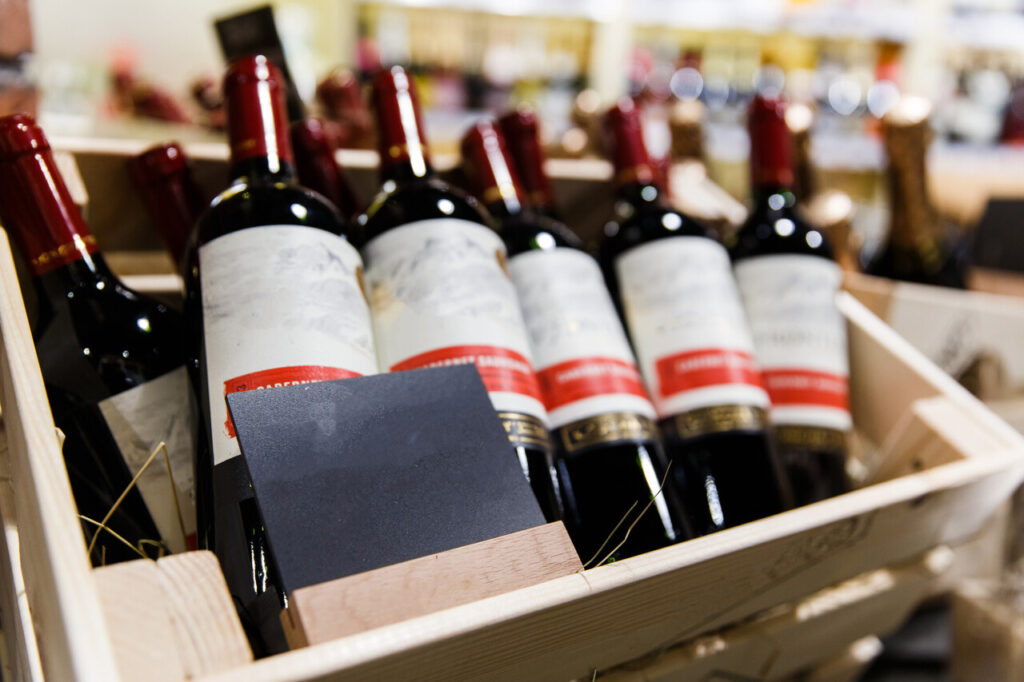
Wine and cheese sections have become a major selling point for modern supermarkets, often promoted as proof of culinary credibility and upscale taste. The displays look polished, the signage sounds confident, and the hype suggests discovery and expertise. But once shoppers slow down and browse closely, many of these sections fall short of expectations. Limited rotation, safe selections, inconsistent staff knowledge, and inflated pricing can turn what looks like a specialty experience into a dressed-up convenience aisle. These supermarkets are not bad, but the promise often exceeds the payoff, especially for shoppers hoping to explore beyond the basics.
1. Whole Foods Market
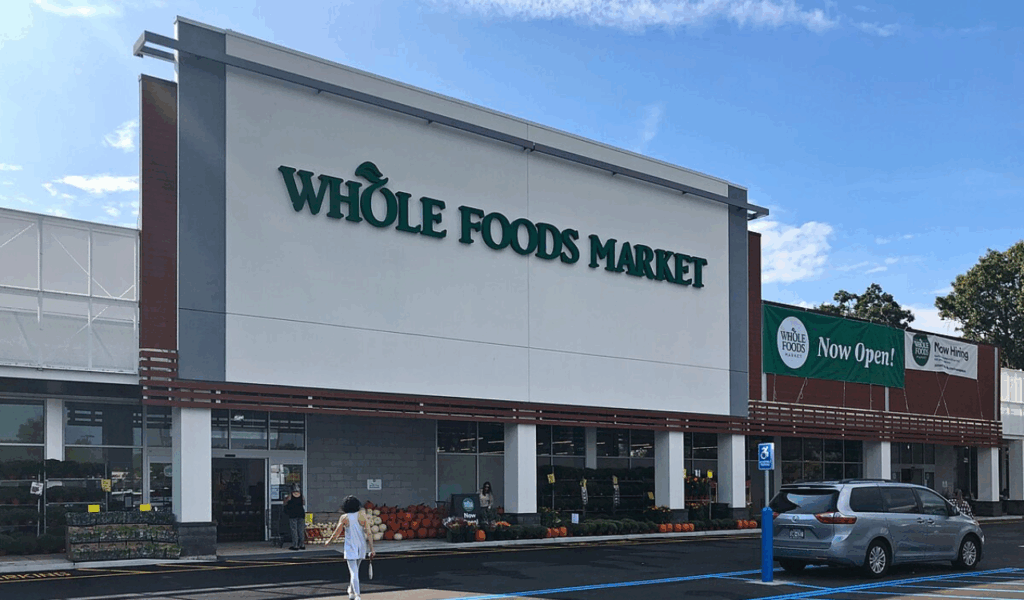
Whole Foods Market built its reputation on quality and specialization, which makes its wine and cheese section especially vulnerable to disappointment. The selection is often curated to look impressive at first glance, but once you dig in, the range can feel narrower than expected for the price point. Many locations lean heavily on familiar international cheeses and crowd favorites rather than showcasing smaller producers or rotating regional finds. On the wine side, shelves are packed with bottles that follow current trends instead of offering true depth across regions or price tiers.
2. Trader Joe’s
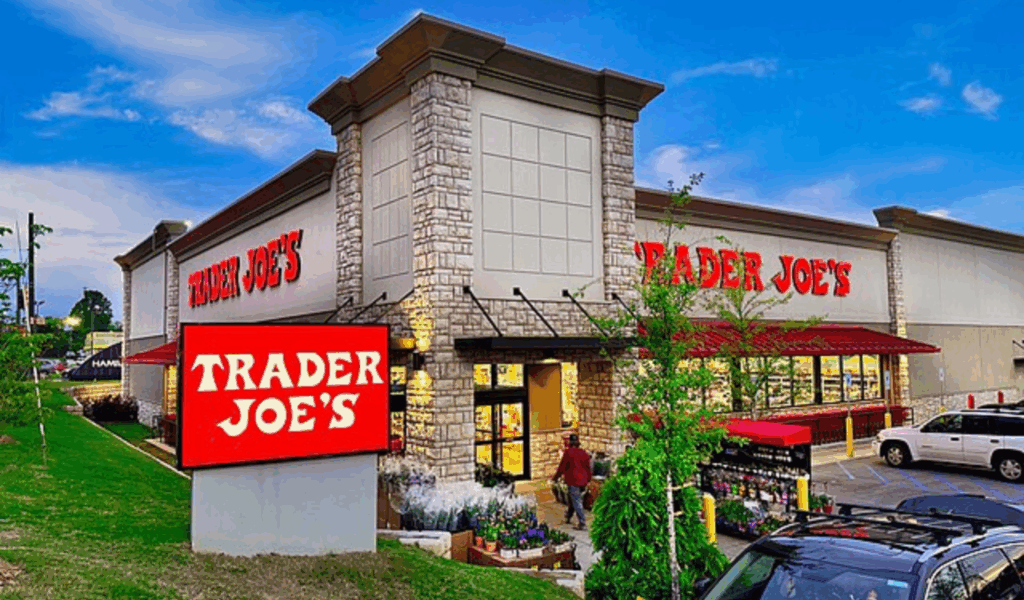
Trader Joe’s wine and cheese area is beloved for its affordability, yet that reputation can inflate expectations. The cheese selection is streamlined, not expansive, which works for quick shopping but limits variety. Seasonal rotations mean favorites disappear without warning, and many cheeses are private-label versions that lack clear sourcing details. Wine shelves follow a similar pattern. While prices are appealing, the assortment skews toward crowd-pleasing styles rather than serious exploration. You will not find deep vintages, niche regions, or consistent availability. Pairings are easy but repetitive.
3. Wegmans
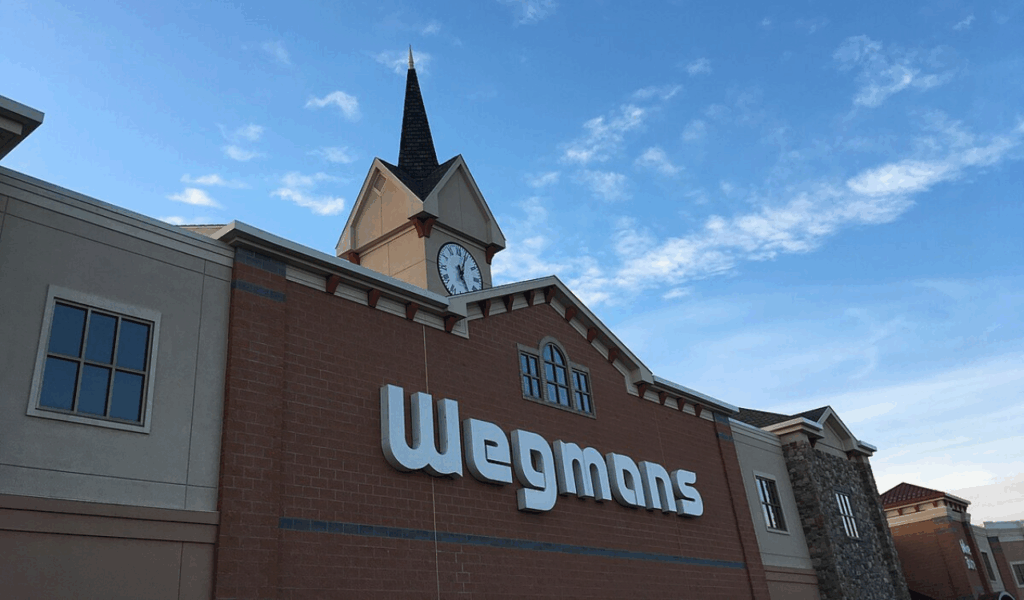
Wegmans is often praised for its overall food experience, yet its wine and cheese section can fall short of the excitement surrounding it. The displays are large and visually impressive, but selection depth depends heavily on location. Some stores offer strong regional cheeses and knowledgeable staff, while others rely on standard imports and familiar brands. Wine aisles tend to prioritize volume over variety, with many labels repeating across price points. Shoppers expecting a specialty-store feel may find the experience closer to a well-stocked supermarket than a destination.
4. Costco
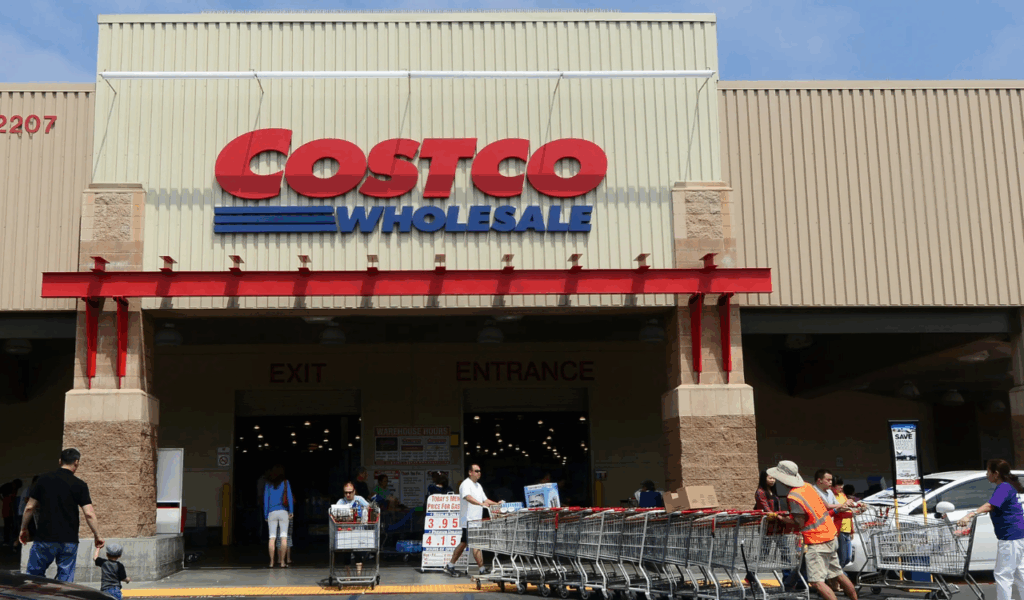
Costco’s wine and cheese offerings benefit from scale, not specialization. The cheeses are often high quality, but the selection is limited and rotates unpredictably. When something good appears, it rarely stays long. Wine follows the same pattern. You can find excellent value bottles, yet the range is intentionally narrow. There is little opportunity to explore smaller producers or lesser-known regions. Pairing options are more about bulk appeal than thoughtful curation. For shoppers who hear glowing praise, the reality can feel restrictive. Costco delivers strong value per unit, but it is not designed for browsing or discovery. The hype tends to overlook those limitations.
5. Safeway
Safeway positions its wine and cheese section as approachable, but that accessibility comes at the cost of depth. Cheese cases often feature popular varieties with limited rotation, making repeat visits feel predictable. Wine selections focus on recognizable labels and promotions rather than diversity. Staff assistance is minimal, which makes pairing less intuitive for shoppers seeking guidance. The section works well for convenience, but the presentation sometimes oversells the experience. When expectations are shaped by lists praising selection, the reality can feel modest. Safeway delivers consistency, not excitement, which can be disappointing if you are hoping for more.
6. Publix
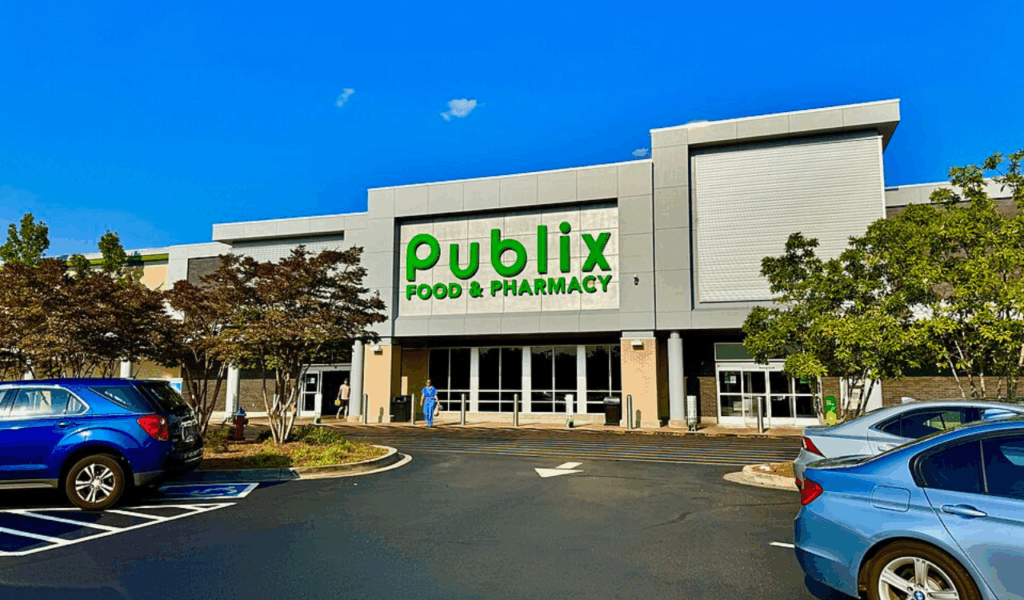
Publix is known for service and cleanliness, yet its wine and cheese area often reflects caution rather than ambition. The cheese selection is dependable but conservative, leaning toward widely known varieties. Specialty or regional options appear occasionally but are not a consistent focus. Wine shelves mirror this approach, emphasizing familiar brands and easy-drinking styles. While the section is well organized, it rarely surprises. Pairing ideas is basic, and staff expertise varies. For shoppers drawn in by praise, the experience can feel flat. Publix excels at reliability, but the hype suggests a level of exploration that is not always present.
7. Kroger
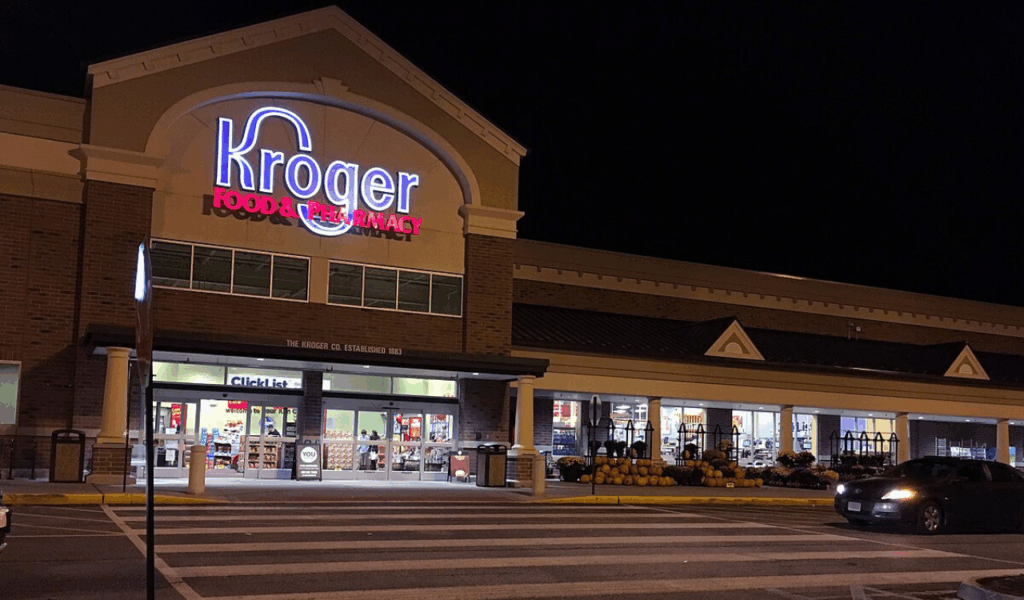
Kroger’s wine and cheese section depends heavily on store size and market. In many locations, the cheese case is compact and dominated by mass-market options. Wine selections prioritize promotions and private labels, which limits variety. Shoppers expecting a standout experience may find the section functional but uninspired. The emphasis is on accessibility and price rather than curation. While Kroger can meet everyday needs, the hype surrounding its selection can create expectations it does not consistently meet. It is practical, not premium.
8. Albertsons
Albertsons presents its wine and cheese area as elevated, but execution often falls short. Cheese offerings are usually limited to familiar imports and domestic staples, with little rotation. Wine shelves emphasize popular brands and discounts rather than exploration. The section can look impressive from a distance, yet closer inspection reveals repetition. Staff guidance is limited, which makes pairing feel guesswork-based. For shoppers influenced by praise, the experience can feel more promotional than passionate. Albertsons delivers convenience, but the hype suggests a depth that is rarely realized.