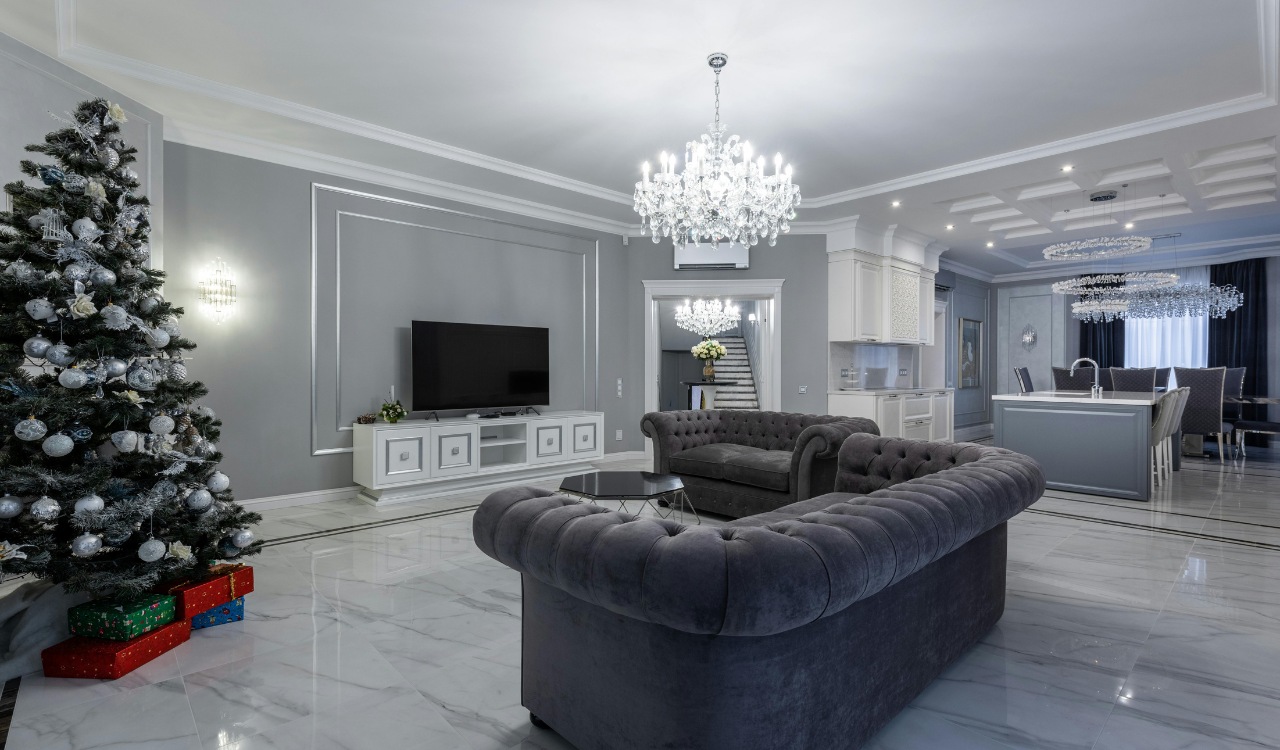
12 Homes That Seem “Fine” Until You Realize You’re Always Tired Inside Them
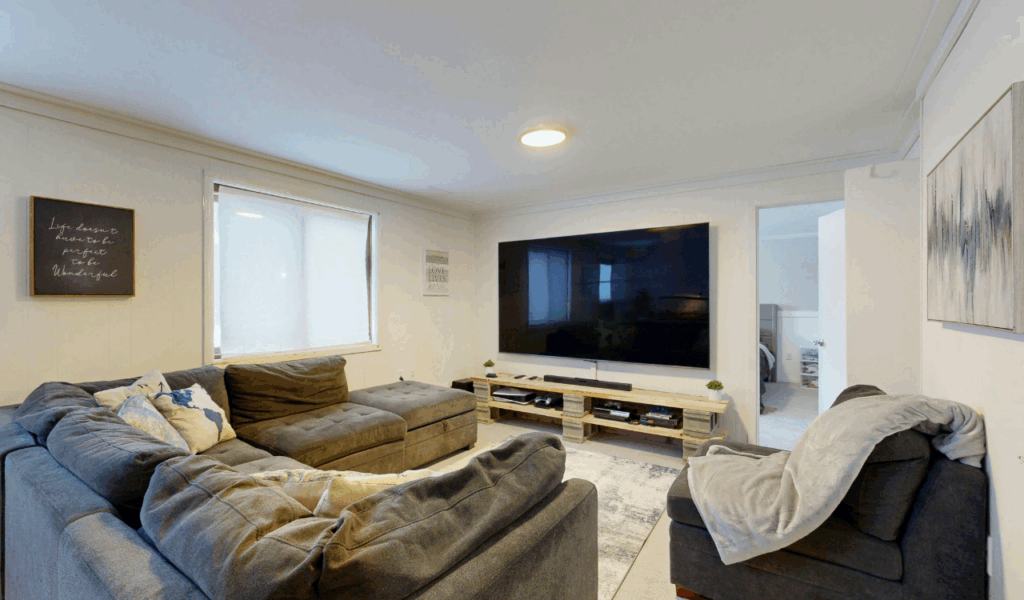
Some homes look totally regular, clean, and even elegant, yet when you spend time inside them, you feel strangely tired. People typically blame stress or lack of sleep for their continual tiredness, but the home environment itself is often a bigger factor than people think. The way the room is set up, the lighting, the air quality, the music, and even the colors you choose can all have an effect on your energy levels during the day. When small issues add up, they can distract you, affect your mood, and make you uncomfortable without notice. Knowing how certain areas of your home might quietly drain you may help you determine what needs to change so your space helps you rest, think clearly, and have energy every day.
1. Homes With Poor Natural Light
When you rely on artificial light a lot, your home can feel drab and tiring, even throughout the day. Natural light helps you sleep better by keeping your circadian rhythms in check. These rhythms affect your energy, focus, and mood. When windows are small, barred, or not in the right spot, the body may not get enough light cues from the outside, which can make you feel sluggish and foggy. Dark rooms can also hurt your eyes and make you tired and give you headaches over time. Bright, balanced sunshine makes rooms feel open and energizing. When there isn’t much, though, rooms can feel heavy and exhausting, even if everything else in the house looks nice and comfortable.
2. Homes With Stale or Poor Air Circulation
The quality of the air within has a big effect on how awake or fatigued you feel. Carbon dioxide, dust, smells, and moisture can all become stuck in homes that don’t have enough ventilation. This makes breathing feel a little harder since it cuts down on the flow of oxygen. This can make you tired, give you headaches, and make it hard to focus. If windows are closed or ventilation is limited, even clean-looking rooms might have stale air. Indoor spaces can stuffy and uncomfortable, especially in the summer, when there isn’t enough fresh air. Good circulation keeps the air fresh, helps the brain work better, and makes the body feel more awake and balanced.
3. Homes That Are Always Too Warm
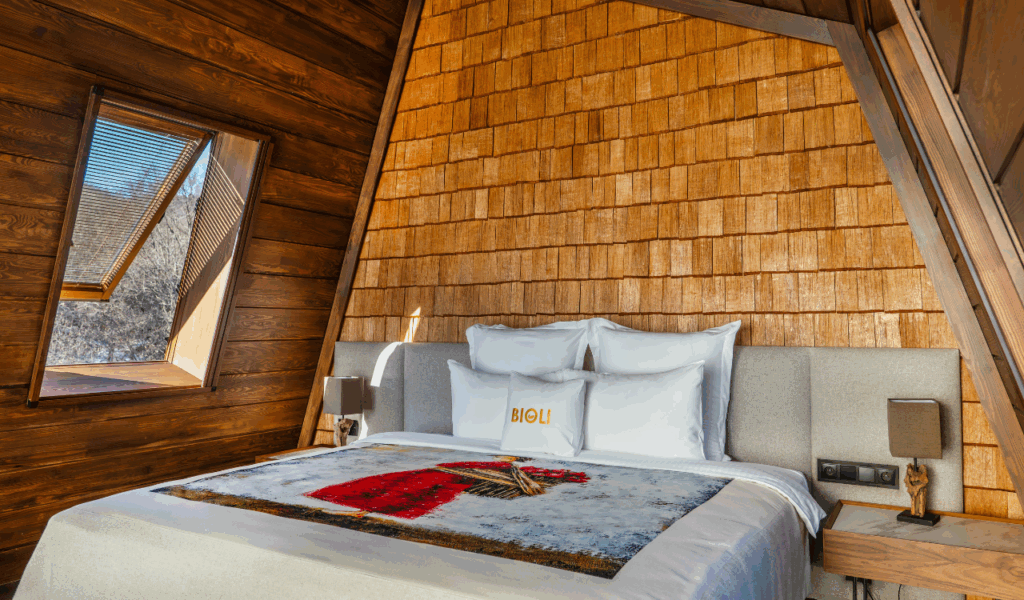
Too much heat inside may seem nice at first, but it might make you fatigued all the time. When it’s warmer outside, it can make you feel sleepy and less aware, especially during the day. When rooms don’t have enough cooling or airflow, the body has to work harder to keep the temperature steady, which slowly drains energy. Too hot rooms can also make it hard to sleep well, which can make mornings feel heavier than they should. It may seem nice to have a home that is always warm, but it frequently makes it hard to relax and get a good night’s sleep.
4. Homes With Constant Background Noise
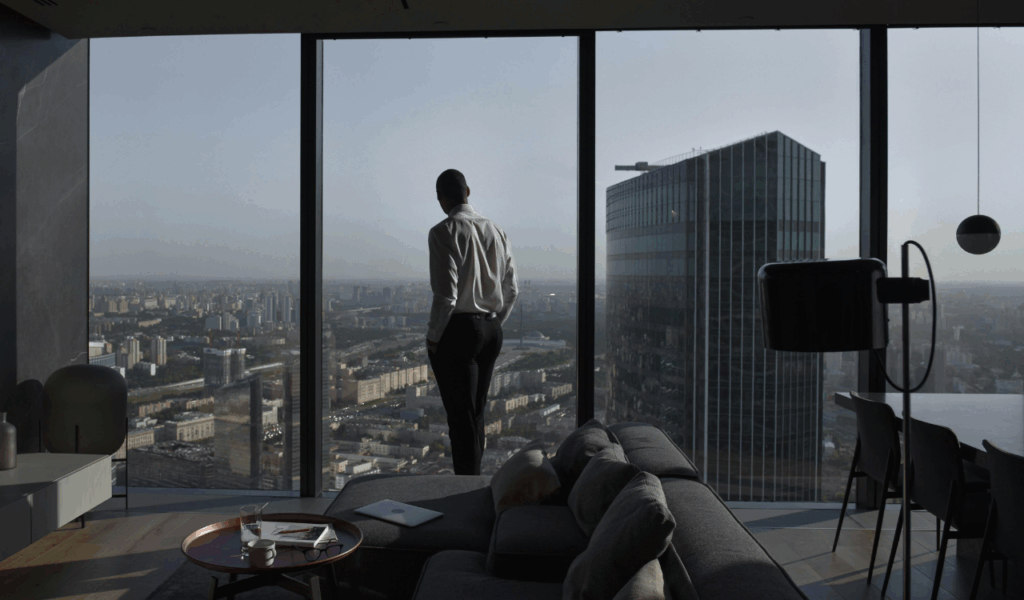
Even if the noise is small or familiar, it can be mentally draining to have it going on all the time. Sounds from traffic, appliances, buzzing devices, or nearby rooms maintain the brain in a low-level state of attention. This keeps your mind from really resting and raises stress hormones all day long. Constant noise over time makes people irritable, tired, and hard to focus. Quiet places help the nervous system relax, whereas homes that are too loud silently demand your attention and energy. It is possible that even low levels of noise pollution could cause you to feel exhausted without you being aware of the reason.
5. Homes With Cluttered Layouts

Clutter doesn’t just take up room; it also makes your head feel full. When there is a lot of visible clutter in a home, the brain has to keep track of incomplete jobs, scattered things, and messy regions. This mental burden makes you more stressed and less focused, which might make you tired both mentally and physically. Even if you don’t like the mess, it quietly drains your energy by making you feel anxious and out of control. Having a well-organized and well-planned layout helps the mind relax and remain clear, but having a disorderly environment keeps the mind in a state of low-grade anxiety.
6. Homes With Harsh or Unbalanced Lighting
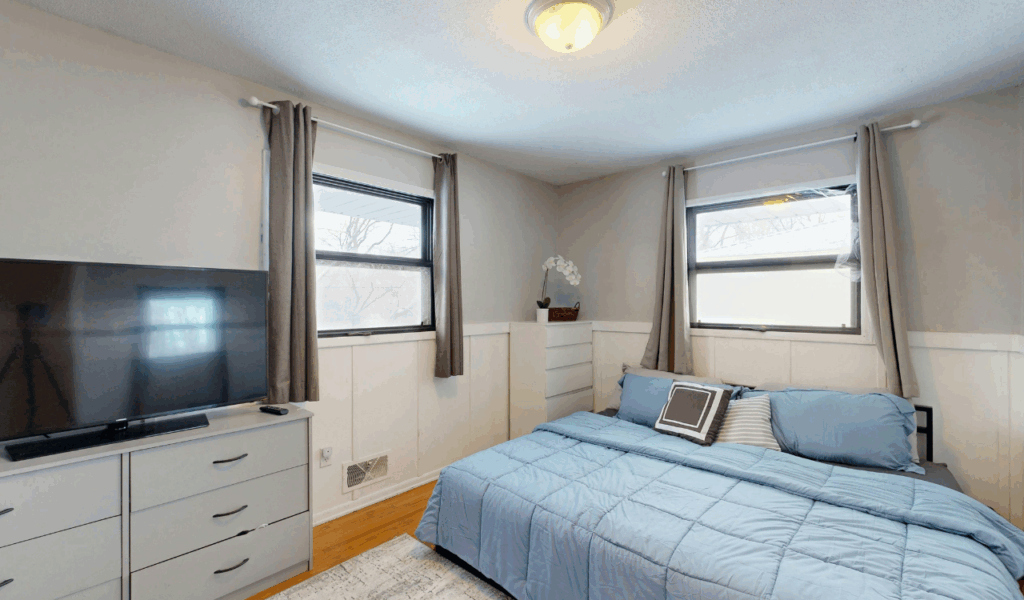
It can be unexpectedly tiring to have lighting that is too bright, too dark, or not even. Harsh overhead lights make it hard to see and cause glare, and regions that aren’t well lighted make it tougher for the eyes to adjust. Lighting that is too blue late in the day can also mess with natural sleep signals, making it hard to sleep at night and making you tired throughout the day. Lighting that changes throughout the day and is balanced helps you feel comfortable and full of energy. Headaches, eye strain, and a persistent feeling of weariness are all symptoms that can be brought on by lighting that does not feel appropriate, even if you are unaware of this fact.
7. Homes With Heavy, Dark Color Schemes
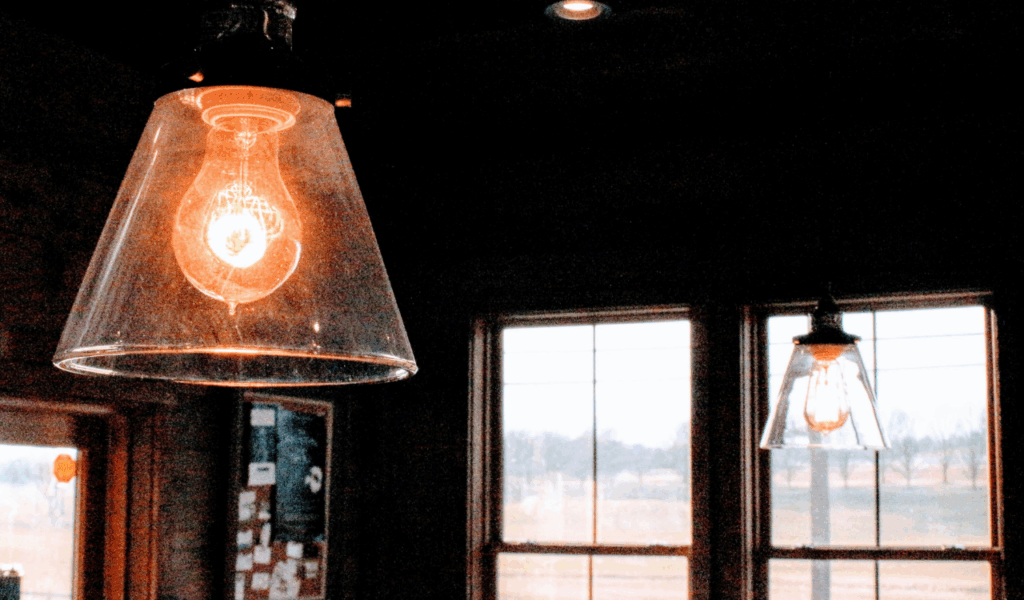
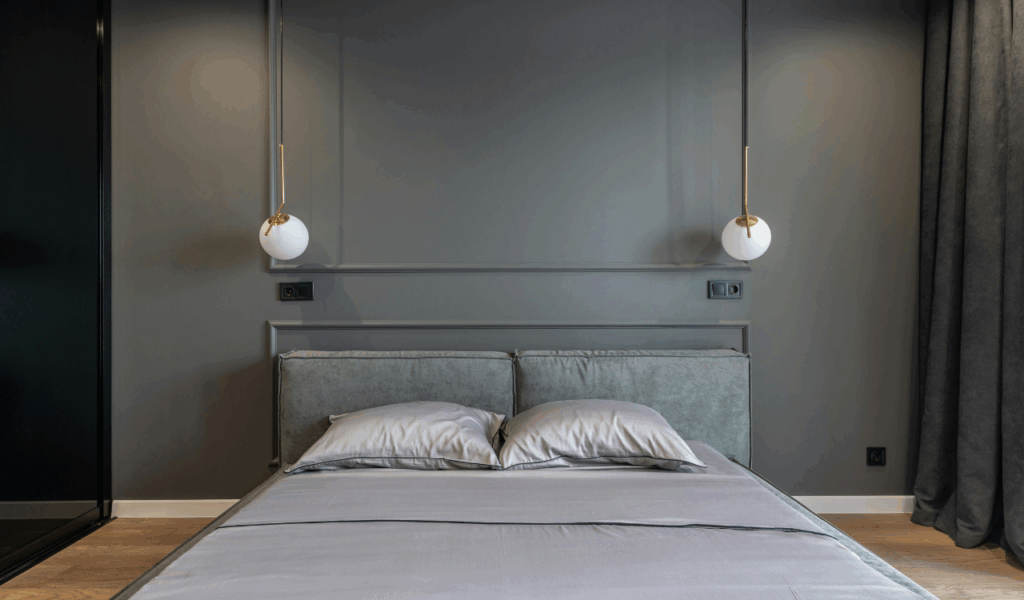
Dark hues can be classy and warm, but if you use them too much, they can soak up light and make rooms feel small. Rooms with deep tones often feel heavier and less stimulating, especially when there isn’t a lot of natural light. Dark places can make you feel less happy and motivated, which makes it difficult to feel better. Light is able to reflect off of lighter and more balanced colors, which in turn creates the illusion that the room is larger than it actually is. Rather of making people feel better, a home that is excessively gloomy and lacks any contrast may silently make people feel exhausted.
8. Homes With Poor Sleep Environments

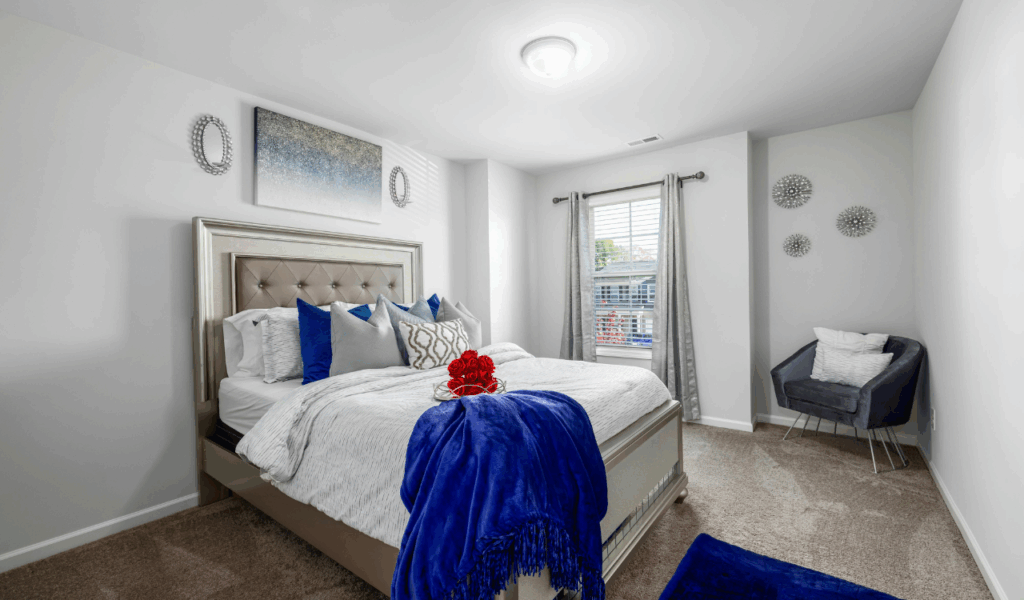
Bedrooms that seem nice but don’t help you get good sleep can make you feel exhausted all the time. Even if you stay in bed long enough, things like too much light, noise, uncomfortable temperatures, or a bad mattress can keep you from sleeping well. Not getting enough sleep makes you less energetic, less focused, and less emotionally stable all day. A bedroom ought to be more than just a place to sleep; it ought to be a location that assists you in getting a good night’s rest. If you are unable to get a good night’s sleep night after night, the entire house may feel exhausted, even if other rooms appear to be in good condition.
9. Homes With Too Many Screens
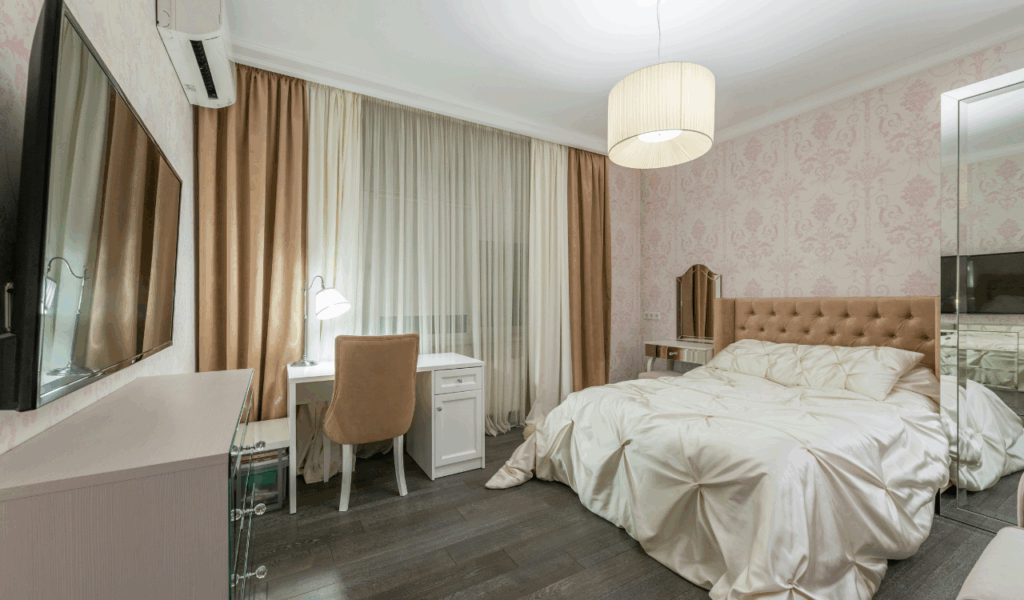
Having screens on all the time in the house might slowly wear down the brain. When you use TVs, iPads, and other luminous screens without taking breaks, they can make you more tired mentally and physically. Blue light can also mess up sleep patterns, making it harder to get a good night’s sleep. In most cases, homes that have a large number of active screens do not provide a rest for the eyes, which might cause the mind to become overly busy. Creating spaces that are free of displays allows the brain to relax, but being constantly connected to the internet causes your energy levels to drop and your concentration to become scattered.
10. Homes That Lack Personal Comfort Zones

Homes that don’t have specific areas for comfort might be emotionally taxing. The body stays in a semi-alert state when there isn’t a distinct spot to relax, unwind, or feel anchored. Personal touches, quiet areas, and comfortable chairs all help people feel protected and at ease. Even well-designed homes might feel unwelcoming or stressful without them. It is difficult to truly rest when you do not have any designated comfort zones, which results in you feeling exhausted all the time. To keep your mental and physical energies at a high level, it is necessary for you to feel at ease in the environment you are in.
11. Homes With Inconsistent Organization
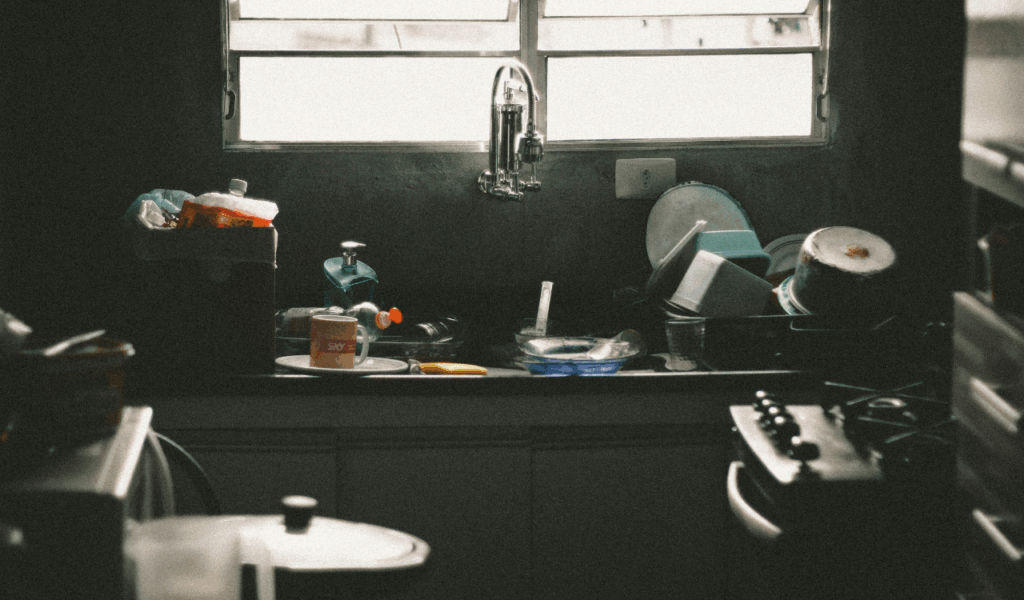
Disorganized work makes things harder every day and slowly drains your energy. Routine chores become more stressful when you have to look for things, deal with messy storage, or deal with layouts that don’t work well. These little annoyances build up and make you feel tired by the end of the day. Homes that are structured and flow logically make things easier and more efficient, whereas environments that are messy make it harder for your brain to work. Your ability to concentrate, be creative, and get some rest is diminished when you are always being forced to find solutions to problems within your environment.
12. Homes That Feel Emotionally Heavy

Some homes have emotional baggage because of tension that hasn’t been dealt with, bad memories, or a lack of warmth. These settings might feel depleting even when there aren’t any evident problems because they don’t make you feel better emotionally. Emotional health is intimately linked to energy levels, and places that feel tight or impersonal might make you feel more tired. Altering the atmosphere can be accomplished by incorporating elements of warmth, such as intelligent design, meaningful decor, and controlled lighting. A house should not leave you feeling exhausted for no apparent reason; rather, it should make you feel better.