10 Kitchen Habits from the 60s That Are Now Considered Unsafe
Kitchens in the 1960s were built around habit, tradition, and convenience, not modern food safety science. Many practices that felt normal at the time were passed down through families without question, reinforced by limited refrigeration, looser regulations, and less understanding of bacteria, toxins, and long-term exposure risks. As science evolved, researchers began connecting everyday kitchen habits to foodborne illness, chronic health problems, and environmental hazards. Looking back at these habits reveals just how much our understanding of food safety has changed and why many old-school routines no longer belong in a modern kitchen.
1. Using Lead-Based Cookware and Dishware
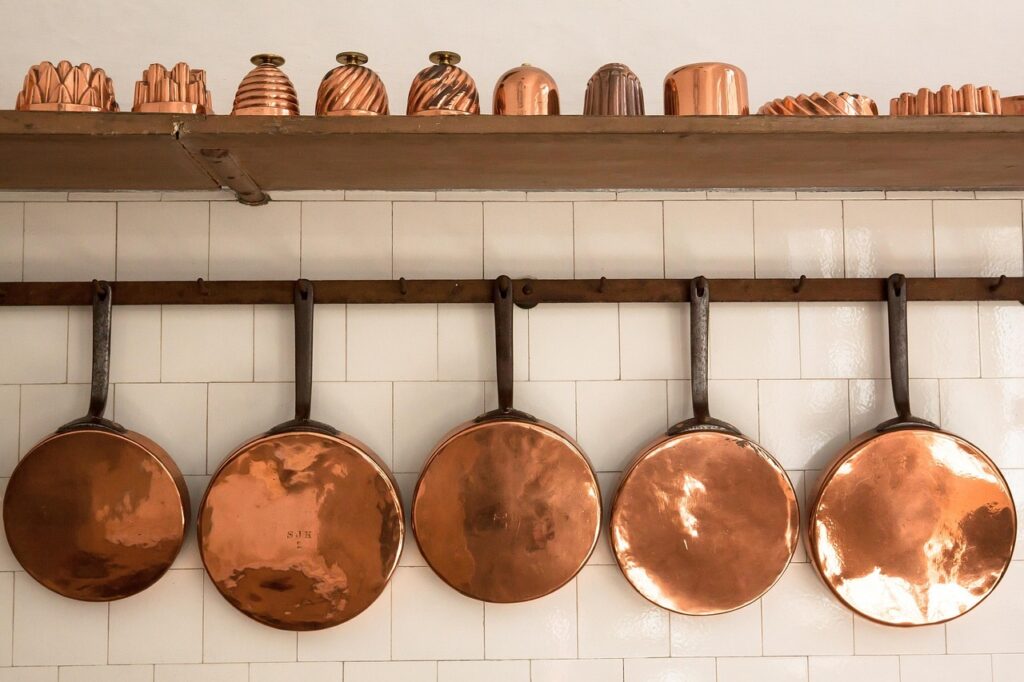
What once looked sturdy and timeless in mid-century kitchens is now known to be quietly dangerous. Lead-based cookware, ceramic glazes, and dishware were common in the 1950s and 60s because they were cheap, durable, and glossy. The problem is that lead can leach into food, especially when exposed to heat, acidic ingredients, or long storage times. Over time, repeated exposure increases the risk of neurological damage, kidney issues, and developmental problems in children. Back then, the health risks were poorly understood, and regulation was minimal. Today, even trace amounts of lead are considered unsafe, which is why these products have largely been banned or tightly regulated.
2. Storing Food in Open Containers at Room Temperature
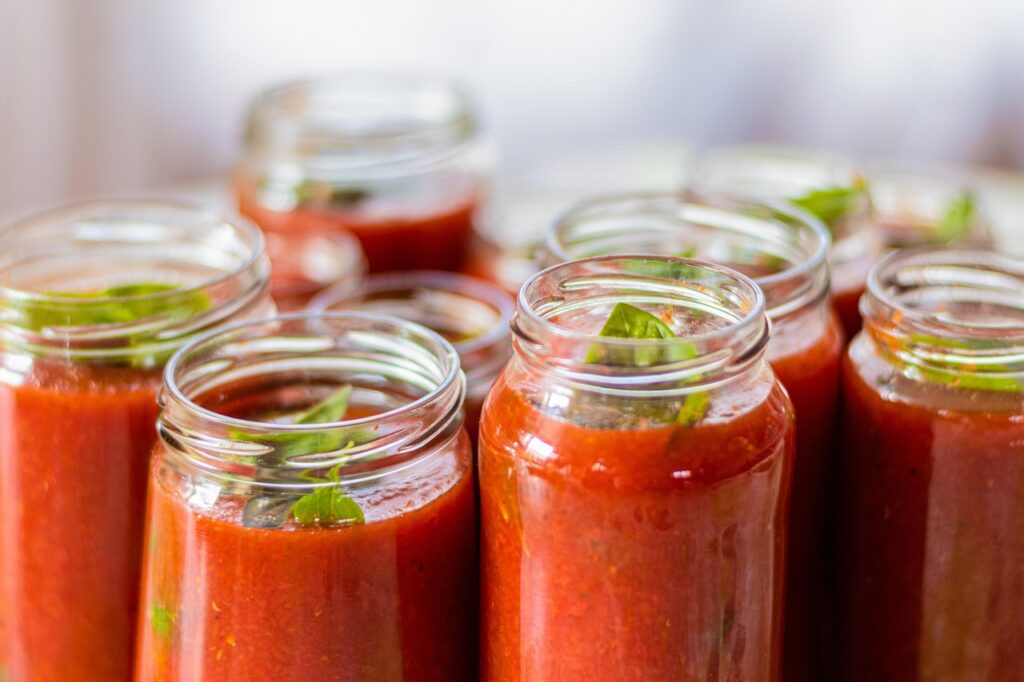
Leaving cooked food out on the counter was once standard practice, especially in homes without modern refrigeration capacity. In the 1960s, many families believed that covering food loosely or leaving it exposed was fine as long as it looked and smelled normal. We now know that bacteria can multiply rapidly at room temperature, even when food appears safe. Pathogens like Salmonella and Listeria thrive in the temperature danger zone and can cause illness without obvious warning signs. Modern food safety guidelines emphasize rapid cooling and airtight storage to prevent contamination.
3. Reusing Moldy or Spoiled Food After Cutting Off Bad Parts
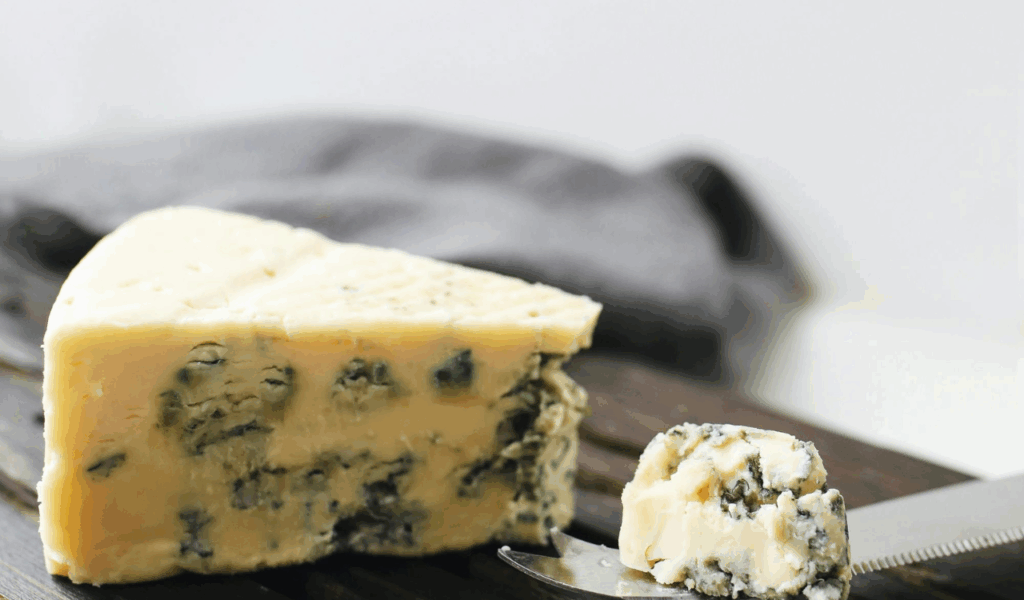
A common kitchen habit in the past was salvaging food by cutting away visible mold and using the rest. This practice came from a time when waste was discouraged and refrigeration was limited. However, modern science shows that mold often spreads invisibly beyond what you can see. Cutting off the surface does not remove the toxins that may have already penetrated deeper into the food. Some molds produce mycotoxins, which can cause serious health issues if consumed repeatedly. While this habit may have saved money in earlier decades, it is now considered unsafe for most foods.
4. Using the Same Cutting Board for Raw Meat and Produce
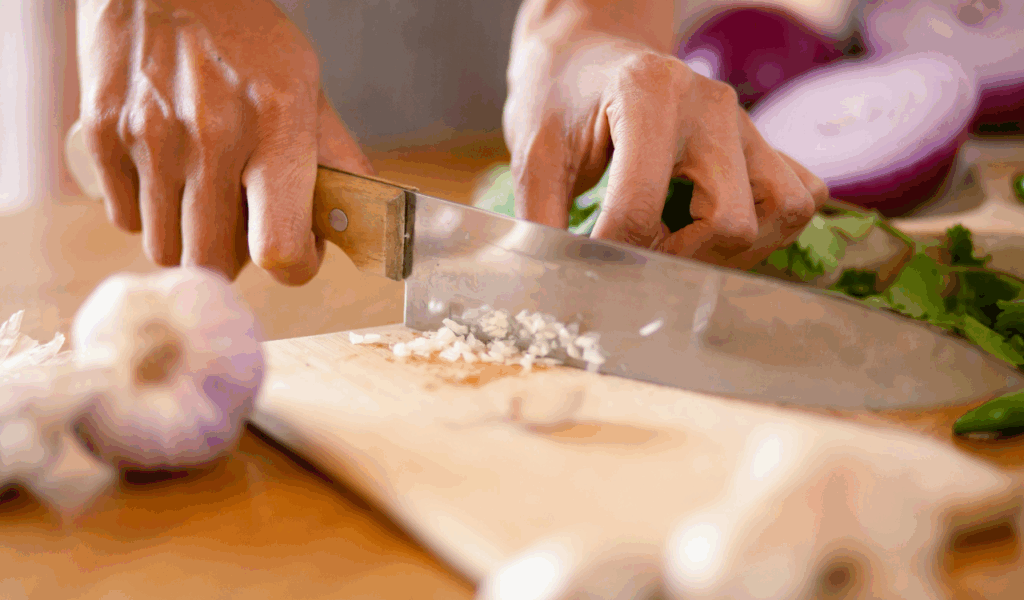
Cross-contamination was not widely understood in the 1960s, and many kitchens relied on a single cutting board for everything. Raw meat, vegetables, bread, and fruit were often prepped on the same surface without thorough cleaning in between. We now know that bacteria from raw meat can transfer easily to foods that are eaten uncooked, leading to illness. Modern guidelines stress the importance of separate cutting boards or proper sanitation between uses. This shift reflects a deeper understanding of how pathogens spread in the kitchen. What once seemed efficient is now recognized as one of the most common causes of foodborne illness at home.
5. Washing Raw Meat Before Cooking

Rinsing raw chicken, beef, or pork under the tap was once thought to clean away germs. In reality, this practice increases the risk of spreading bacteria around the kitchen. Water splashes can carry pathogens from the meat onto sinks, countertops, utensils, and nearby foods. Cooking meat thoroughly is what kills harmful bacteria, not washing it. This habit persisted for decades because it felt intuitive and was passed down through generations. Today, food safety experts actively warn against washing raw meat, marking a clear departure from older kitchen customs that are now known to do more harm than good.
6. Cooling Hot Food on the Counter for Hours
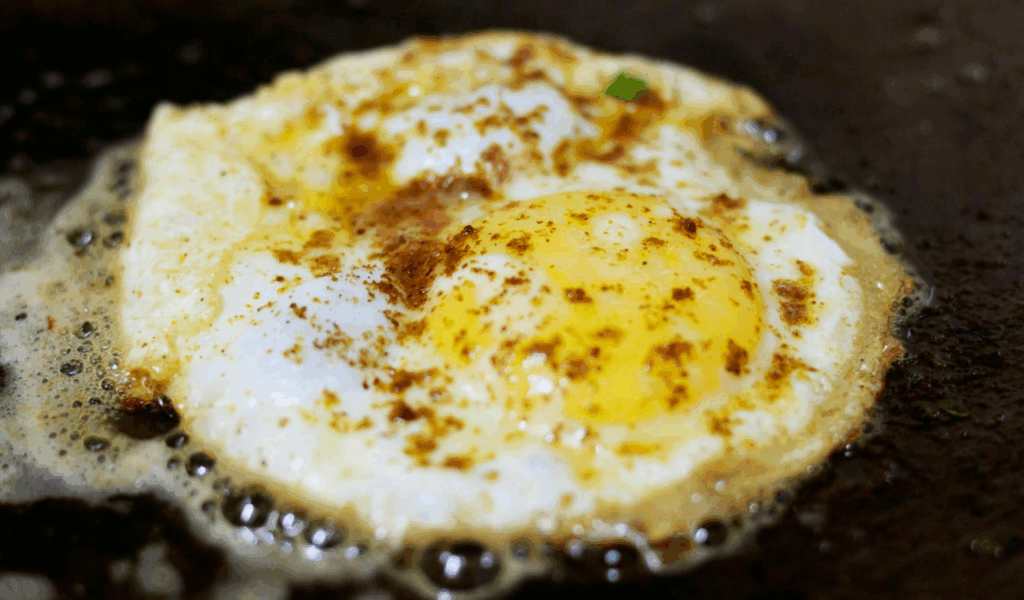
Letting soups, stews, or casseroles cool naturally on the counter was common practice before modern refrigeration guidance. The belief was that putting hot food in the fridge could damage appliances or spoil the food. We now know that slow cooling creates ideal conditions for bacterial growth. Modern recommendations stress cooling food quickly and storing it properly to reduce risk. This change reflects advances in refrigeration technology and a better understanding of microbial behavior. What once seemed sensible is now considered unsafe, especially for large portions that retain heat for extended periods.
7. Cooking with Asbestos or Poorly Ventilated Appliances
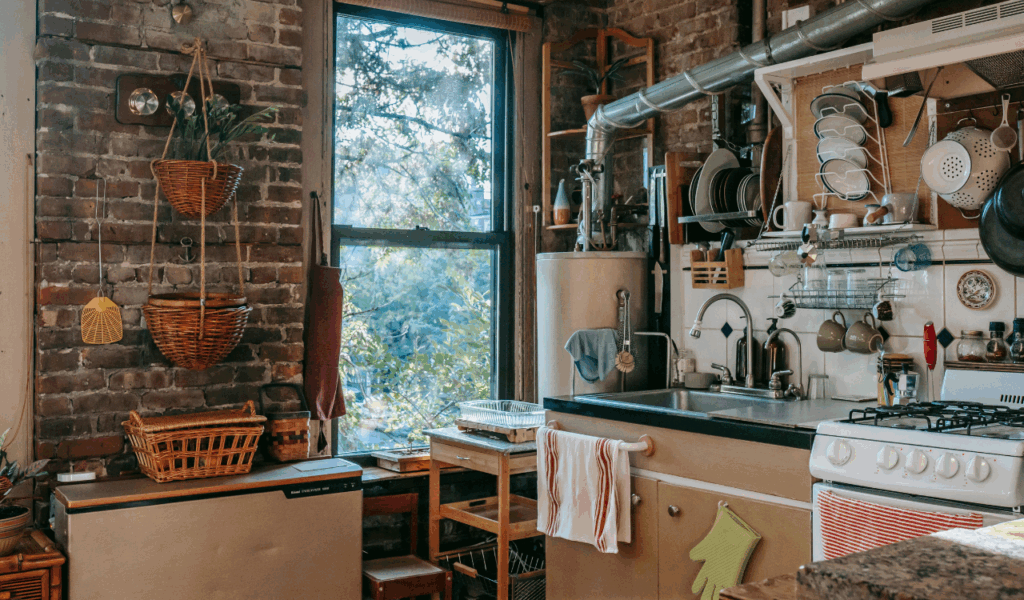
Many kitchens in the 1960s included appliances or insulation materials containing asbestos. At the time, asbestos was valued for its heat resistance and durability. The long-term health risks were not fully understood. Today, asbestos exposure is linked to serious respiratory diseases, including cancer. Poor ventilation compounded the problem by trapping fumes and particles indoors. Modern kitchens prioritize airflow, safe materials, and proper exhaust systems. This shift highlights how dramatically safety standards have evolved. What was once built into everyday kitchen design is now strictly avoided due to proven health risks.
8. Using Improper Home Canning Methods
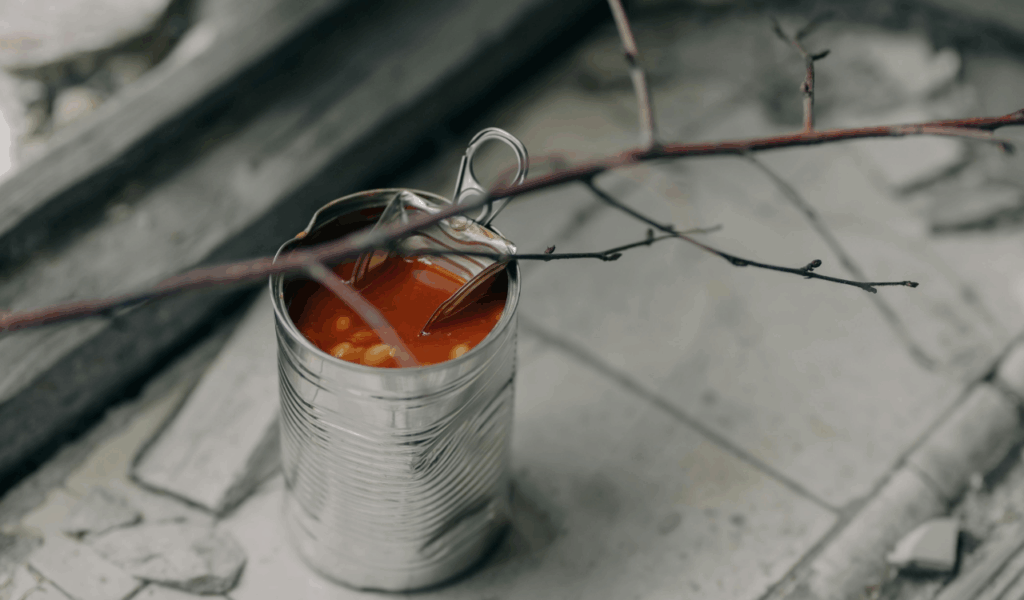
Home canning was widespread in the mid-20th century, often relying on informal methods passed down through families. Pressure canners were not always used correctly, and safety standards varied widely. Improper canning can lead to botulism, a rare but potentially fatal illness caused by toxins produced in sealed, low-oxygen environments. Modern guidelines emphasize precise temperatures, timing, and equipment to ensure safety. The casual approach common in the 60s is no longer considered acceptable. Advances in food science have made it clear that preservation requires strict controls to prevent serious harm.
9. Ignoring Expiration Dates and Food Safety Labels
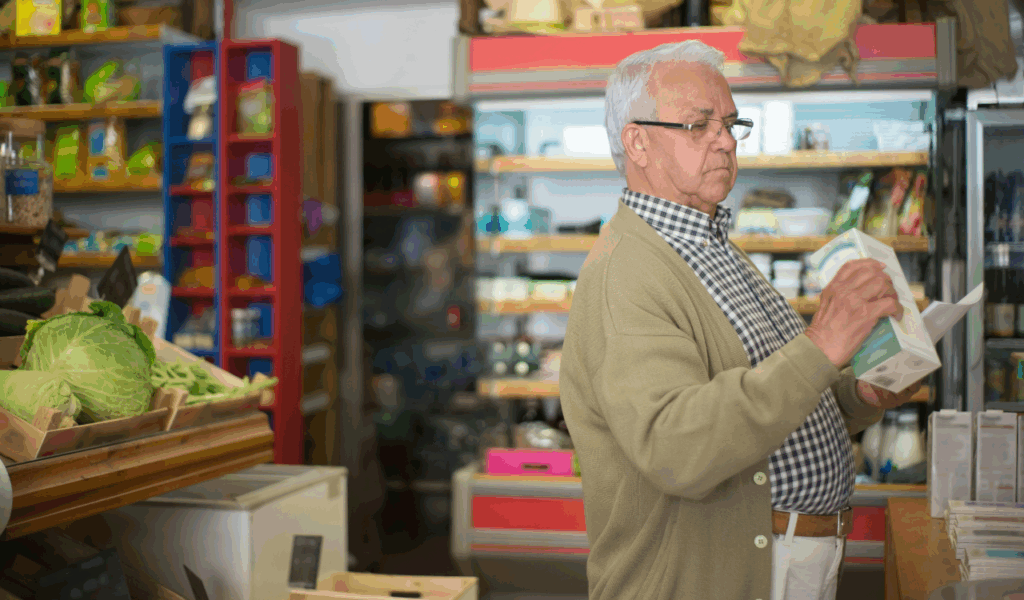
Expiration dates were not standardized or widely trusted decades ago. Many households relied on smell, taste, or appearance to judge food safety. While experience can be useful, it does not detect all harmful bacteria. Modern labeling provides guidance based on testing and shelf-life data. Ignoring these labels increases the risk of consuming unsafe food. This shift reflects a broader move toward evidence-based food safety rather than intuition alone. What was once common sense is now supplemented by clear, science-backed standards.
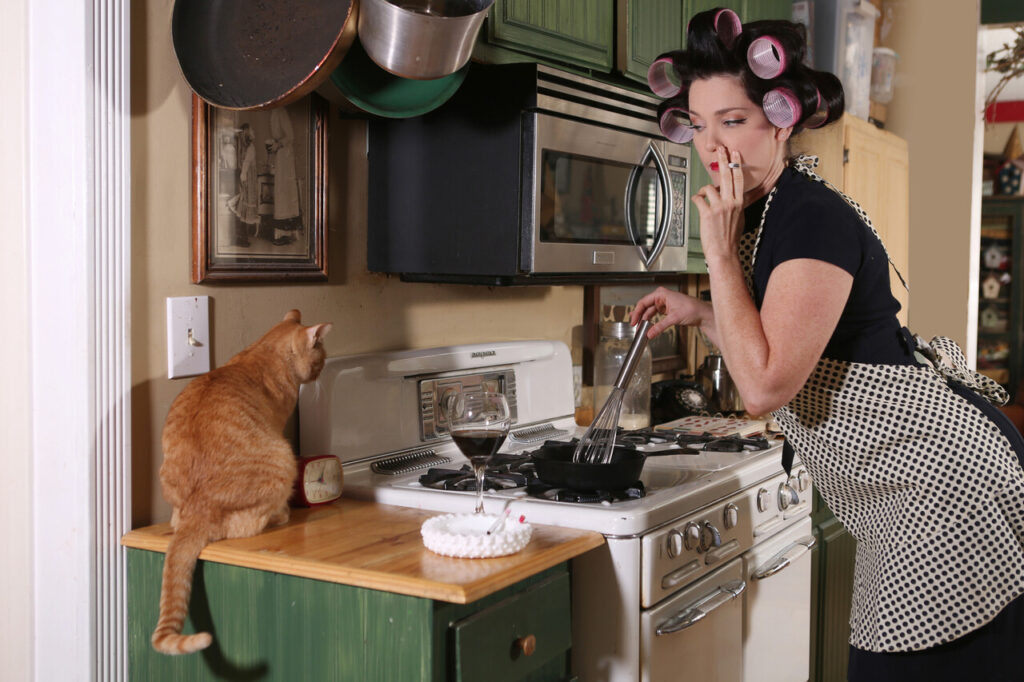
10. Allowing Pets on Kitchen Counters During Food Prep

Pets were often treated as part of the family and allowed free access to kitchen surfaces in the past. The health risks associated with animal hair, paws, and bacteria were not widely discussed. Today, we know that pets can carry pathogens that contaminate food preparation areas. Modern hygiene standards emphasize keeping animals away from cooking surfaces to reduce risk. This change reflects greater awareness of cross-contamination and the importance of maintaining clean food prep environments. What once felt harmless is now recognized as a preventable source of contamination.