11 Breakfast Foods Everyone Ate Before Cereal Became King
Before boxed cereal reshaped mornings, breakfast looked very different across households and cultures. Meals were built around practicality, availability, and physical demands, not convenience marketing. People ate what sustained long hours of labor, used leftovers efficiently, and relied on staples they could grow, preserve, or prepare at home. Grains were simmered, bread was sliced thick, and protein came from eggs, meat, beans, or dairy rather than brightly colored boxes. These breakfasts were filling, savory, and rooted in daily survival. Understanding what came before cereal offers a clearer picture of how modern breakfast habits evolved and how dramatically expectations have changed.
1. Porridge and Gruel
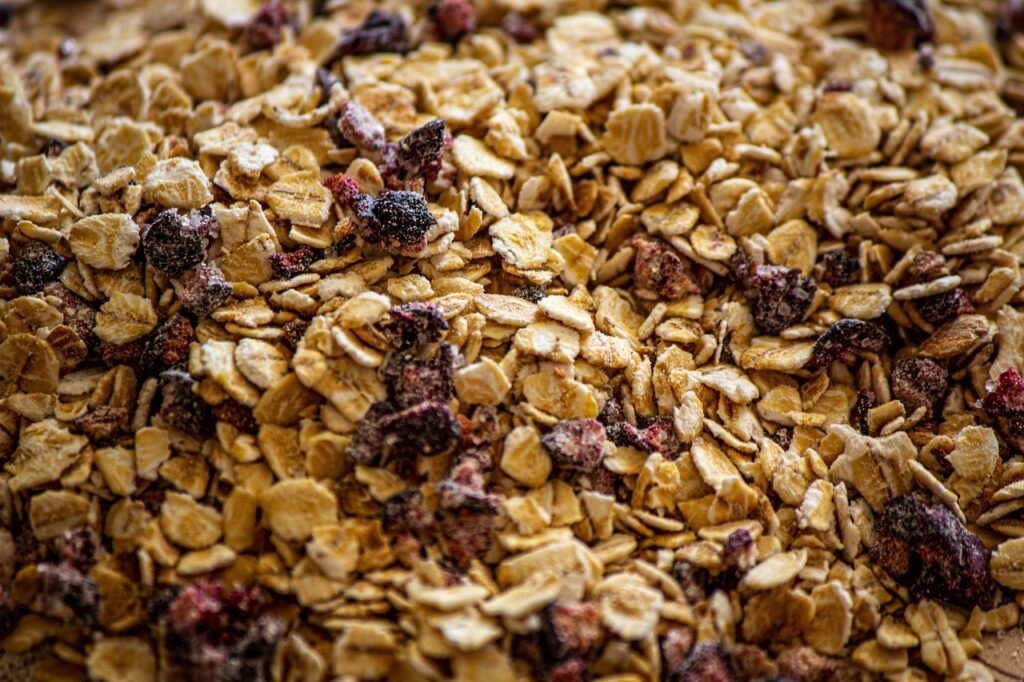
Before boxed cereal existed, breakfast was built around survival and stamina, and nothing fit that role better than porridge and gruel. These hot grain dishes were made from oats, barley, rye, or cornmeal, simmered slowly in water or milk. They were inexpensive, filling, and easy to prepare in large batches, which made them ideal for farming households and industrial workers alike. Porridge delivered slow-burning energy that could last through hours of physical labor, especially in cold climates where a hot meal mattered. Gruel, thinner and more basic, was common among poorer households and institutions, yet it still served a nutritional purpose.
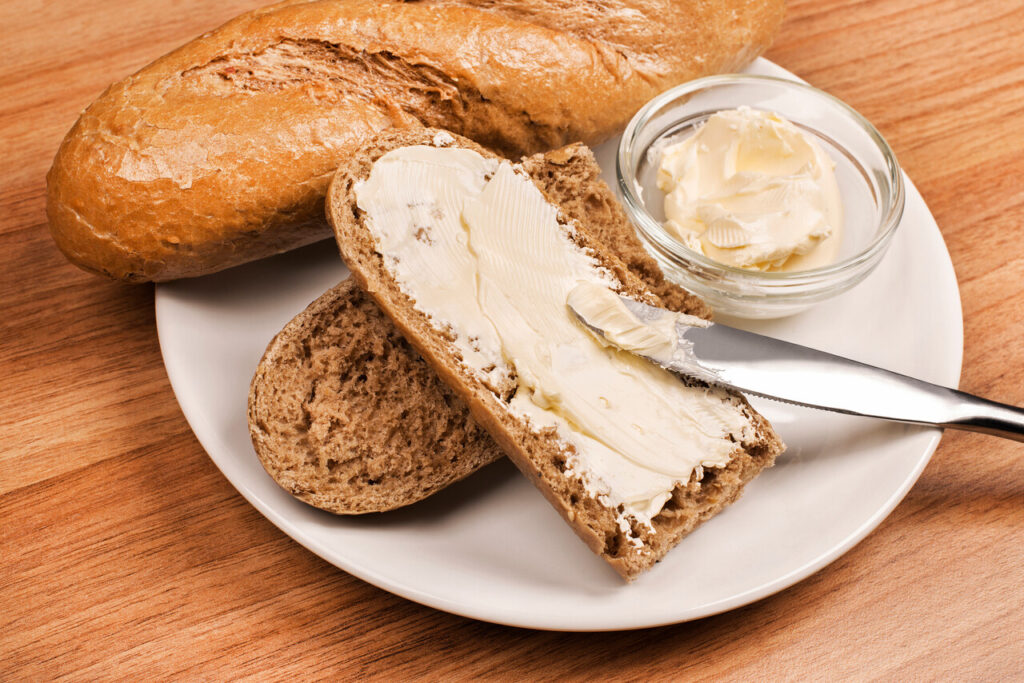
2. Bread with Butter or Drippings
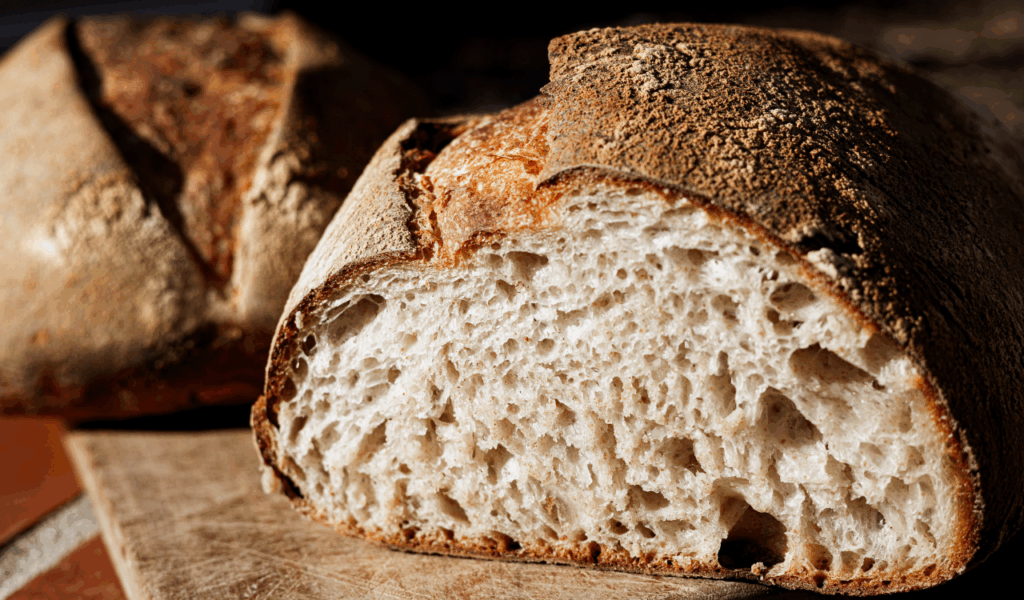
Long before toast became a cereal companion, bread itself was the breakfast. Fresh or day-old loaves were sliced thick and eaten with butter, lard, or meat drippings saved from the night before. Nothing went to waste in traditional kitchens, and fat was valued for both flavor and calories. Bread provided carbohydrates, while butter or drippings added richness and energy that kept people full. In many homes, bread was baked weekly, making it a reliable staple. Breakfast didn’t require cooking beyond reheating or simply slicing. This was especially common in working-class households where mornings were busy and practical.
3. Eggs
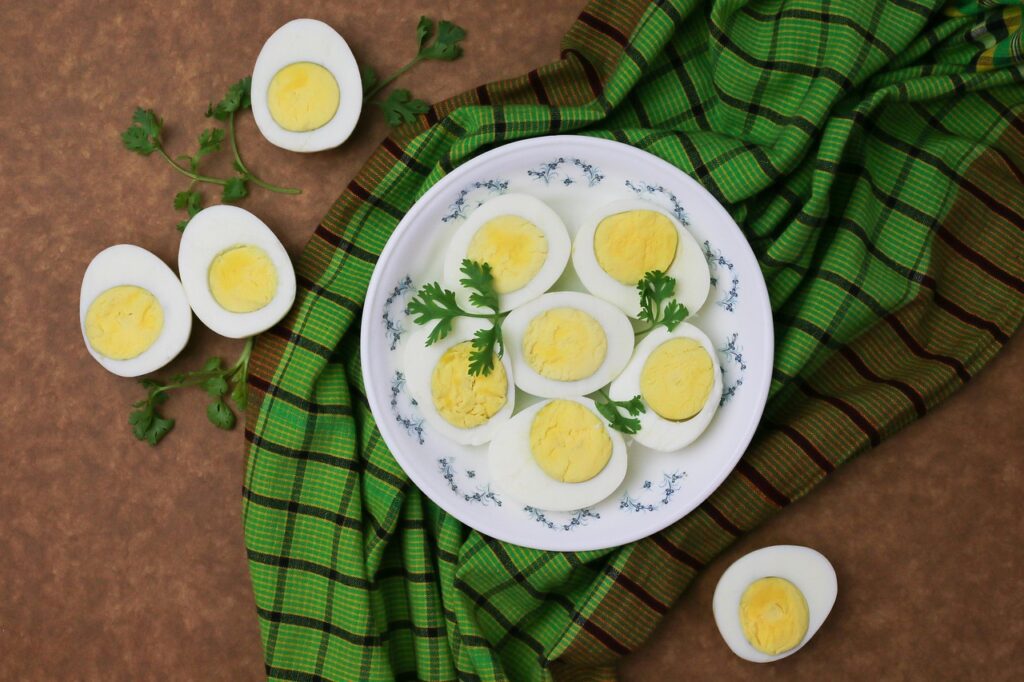
Eggs earned their place at the breakfast table long before diners and brunch menus existed. They were easy to collect, quick to cook, and packed with protein, making them ideal for early mornings. Chickens were common even in modest households, which meant eggs were often fresher and cheaper than store-bought foods. Breakfast eggs were typically boiled, fried in fat, or scrambled simply with salt. There was no expectation of elaborate preparation. Eggs paired naturally with bread, leftovers, or vegetables and could stretch to feed multiple people. Their versatility made them one of the most reliable morning foods before cereal entered the picture.
4. Bacon or Salted Pork
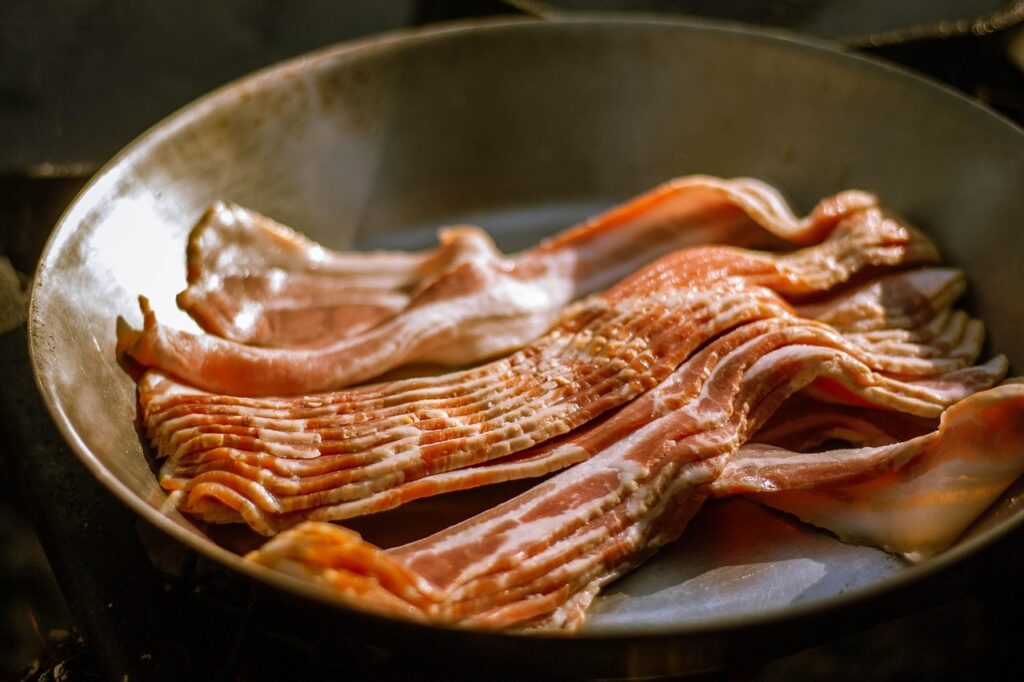
Meat at breakfast was once normal, not indulgent. Bacon and salted pork were preserved meats designed to last without refrigeration, making them practical staples. These cuts were cured, smoked, or salted to extend shelf life, and breakfast was a natural time to eat them. Fatty pork provided energy and warmth, especially in colder regions. Small portions were often enough to flavor an entire meal when combined with eggs, bread, or grains. Bacon wasn’t the crispy strips we imagine today. The presence of meat in the morning reflected a time when meals weren’t divided by modern health rules or calorie counts.
5. Leftover Dinner Meats
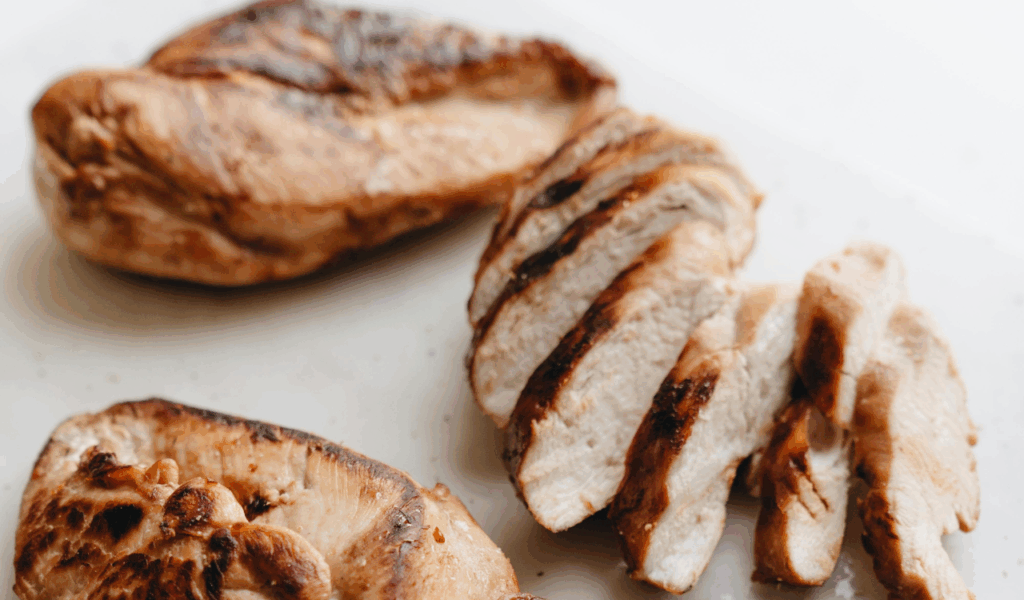
The idea that breakfast foods must be different from dinner foods is surprisingly modern. For generations, leftovers were fair game in the morning. Roasted meats from the previous night were sliced and eaten cold or reheated, sometimes alongside bread or vegetables. This approach reduced waste and saved time. Refrigeration didn’t exist, so food needed to be consumed promptly. Eating leftovers at breakfast made sense. It also provided protein and calories without additional cooking. This habit was especially common in households where meals were planned around availability rather than preference.
6. Fish
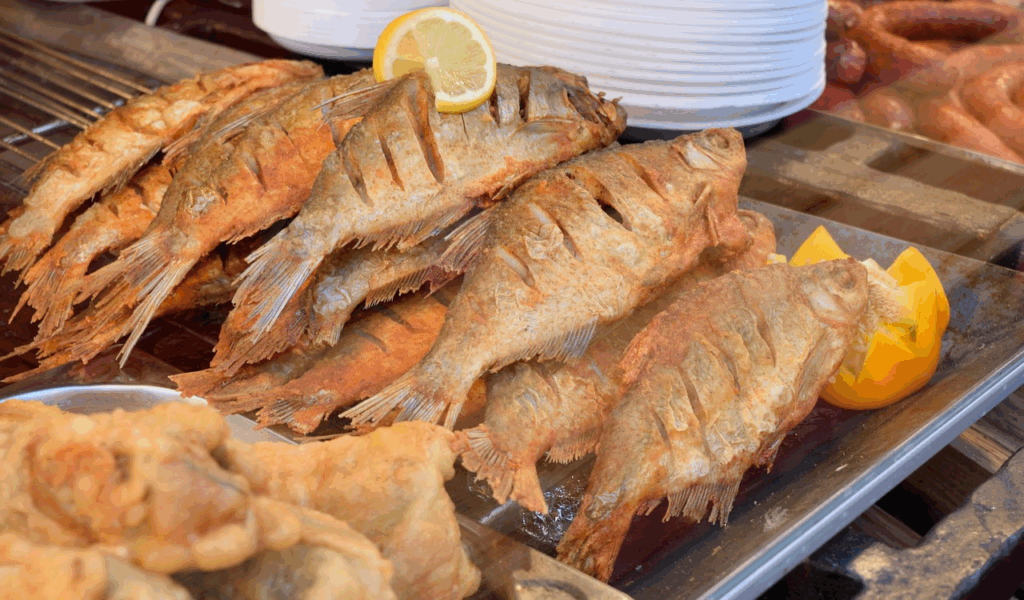
In coastal regions and river communities, fish was a regular breakfast food. Smoked, salted, or fried fish appeared on morning tables because they preserved well and offered protein. Fish breakfasts were especially common in Northern Europe and early American settlements. Smoked fish required no cooking, making it efficient for busy mornings. Fried fish used leftover fat and could be eaten with bread or potatoes. Religious traditions also played a role, as meatless days made fish a default option. Eating fish in the morning may feel unusual today, but it reflects geography and availability rather than preference.
7. Cheese and Dairy
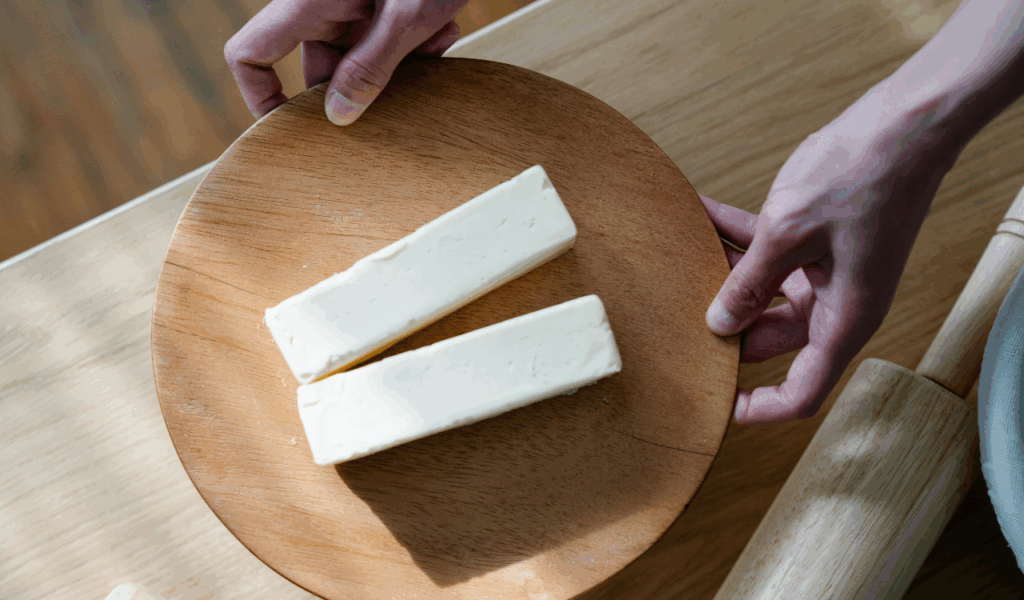
Cheese, milk, and other dairy products were central to early breakfasts, particularly in farming communities. Fresh milk was available daily, and cheese offered a way to preserve excess milk for longer periods. Breakfast cheese was eaten with bread or fruit and provided fat and protein. Hard cheeses traveled well and didn’t spoil quickly, making them practical. Dairy foods required little preparation, which mattered in early mornings. Yogurt-like fermented dairy also appeared in some regions. These foods weren’t marketed as breakfast items. They were simply part of everyday eating. Dairy helped round out meals when meat was scarce and added nutritional value without complexity.
8. Stews or Broths
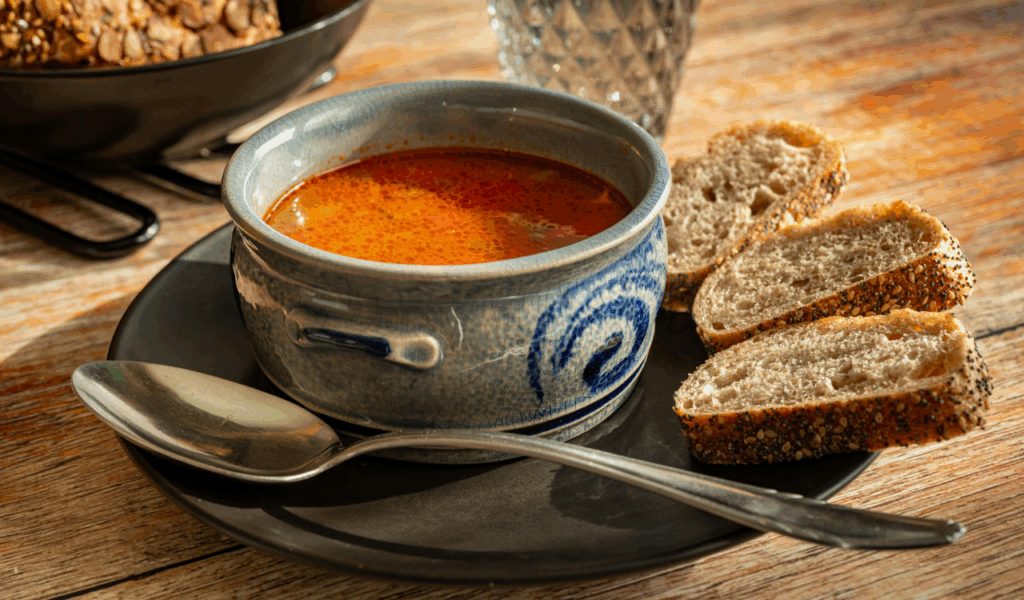
Hot stews and broths were often reheated and eaten for breakfast, especially in colder climates. These dishes were slow-cooked the day before and designed to feed families over multiple meals. Broth offered warmth and hydration, while stews provided vegetables, grains, and meat in one bowl. Eating them in the morning wasn’t considered heavy. It was practical. A warm, savory meal helped people start physically demanding days. This tradition shows how different historical eating patterns were. Breakfast wasn’t light or sweet. It was functional and often identical to other meals.
9. Pancakes or Griddle Cakes
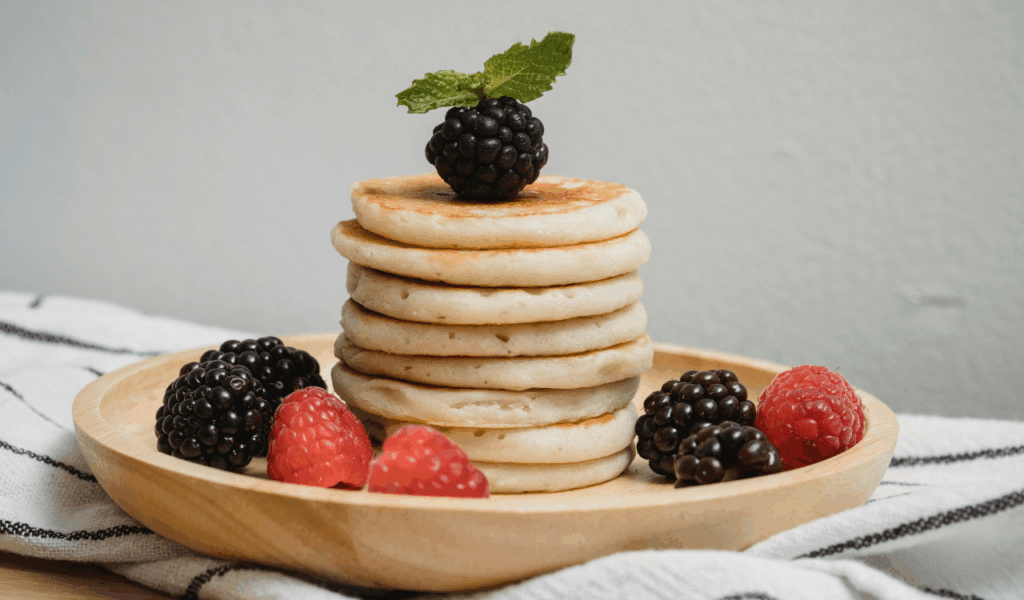
Before boxed mixes, pancakes were simple combinations of flour, liquid, and fat cooked on hot griddles. These griddle cakes appeared at breakfast because they were quick to make and used basic pantry ingredients. They weren’t drenched in syrup. Often they were eaten with butter, drippings, or preserves. Pancakes were filling and adaptable, making them ideal when ingredients were limited. Cornmeal versions were especially common in early America. These dishes bridged the gap between bread and porridge, offering variety without excess.
10. Fruit and Preserves
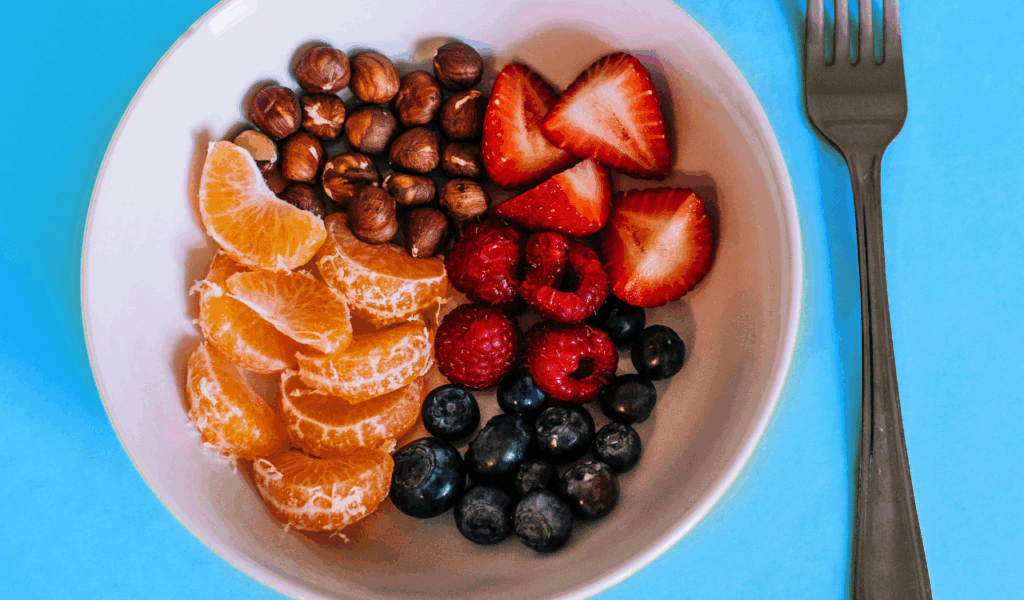
Fresh fruit, dried fruit, and preserves played a supporting role in pre-cereal breakfasts. Fruit added sweetness when sugar was scarce and seasonal freshness when available. Preserves extend fruit into colder months and pair well with bread or cheese. Breakfast fruit wasn’t about vitamins or trends. It was about using what grew locally and didn’t spoil quickly. Apples, berries, and stone fruits were common, depending on the region. This approach connected breakfast directly to agriculture and seasons rather than marketing.
11. Beans and Savory Legumes
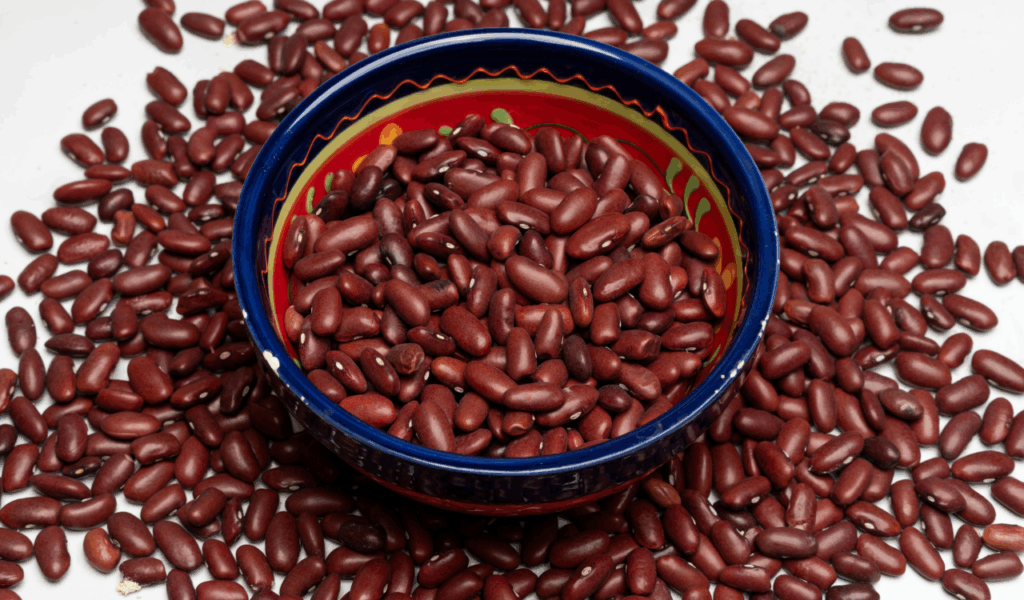
Beans may feel out of place at breakfast today, but historically, they were common. Legumes provided protein and fiber and stored well when dried. Beans were often cooked in large pots and eaten over several meals, including breakfast. Savory bean dishes offered lasting energy and required little extra work in the morning. This tradition still survives in some cultures today. The presence of beans at breakfast highlights how earlier meals focused on nourishment and efficiency, not strict categories. Food was food, no matter the time of day.