
Small Home Details Stagers Say Can Hurt First Impressions
When selling a home, first impressions are paramount. Buyers often form an opinion within the first seven seconds of entering a property. Overlooking minor details can significantly impact their perception, potentially hindering a sale. Professional home stagers emphasize the importance of addressing these small yet crucial elements to create a positive and lasting impression.
Curb Appeal: The Exterior Sets the Tone

The journey to a favorable first impression begins before buyers step inside. A neglected exterior can raise doubts about the property’s overall maintenance.
-
Unkempt Landscaping: Overgrown lawns, untrimmed bushes, and wilted plants suggest neglect. Regular mowing, pruning, and adding fresh mulch can rejuvenate the yard’s appearance.
-
Peeling Paint and Dirty Siding: Faded or chipped paint and grime on siding can be off-putting. A fresh coat of paint and power washing the exterior can make a significant difference.
-
Cluttered Driveways and Walkways: Personal items like bicycles, toys, or excessive decorations can clutter the view. Clearing these areas ensures a clean and inviting path to the entrance.
Entryway: The First Interior Impression
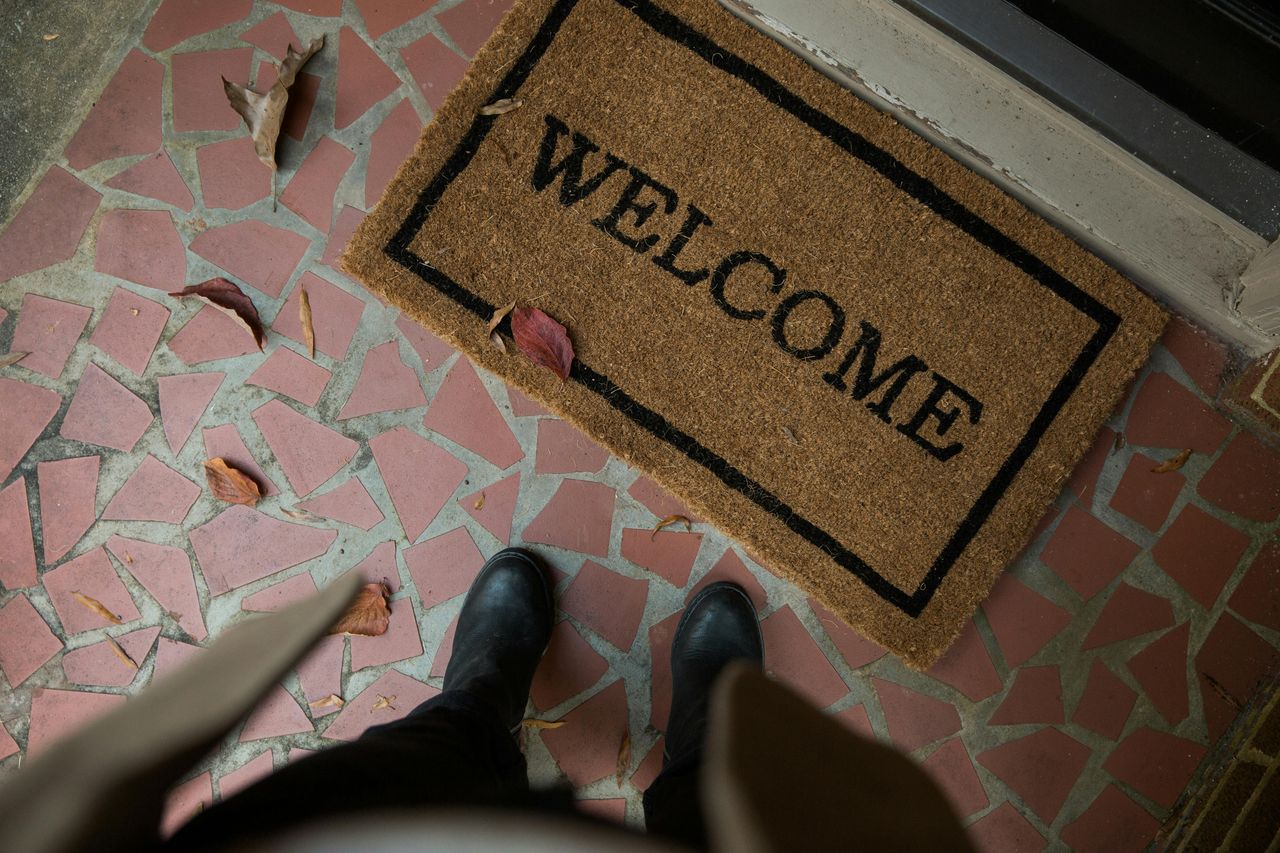
The entryway serves as the initial interior touchpoint, setting expectations for the rest of the home.
-
Worn Welcome Mats and Dirty Floors: A tattered mat or dirty flooring can be unwelcoming. Replacing the mat and ensuring floors are spotless can enhance the entry’s appeal.
-
Dim Lighting: A poorly lit entryway can feel uninviting. Installing brighter bulbs or adding a stylish lamp can create a warm ambiance.
-
Cluttered Space: Coats, shoes, and bags strewn about can make the area feel cramped. Implementing storage solutions like hooks or a small bench with storage can keep the space organized.
Living Areas: Creating a Welcoming Atmosphere
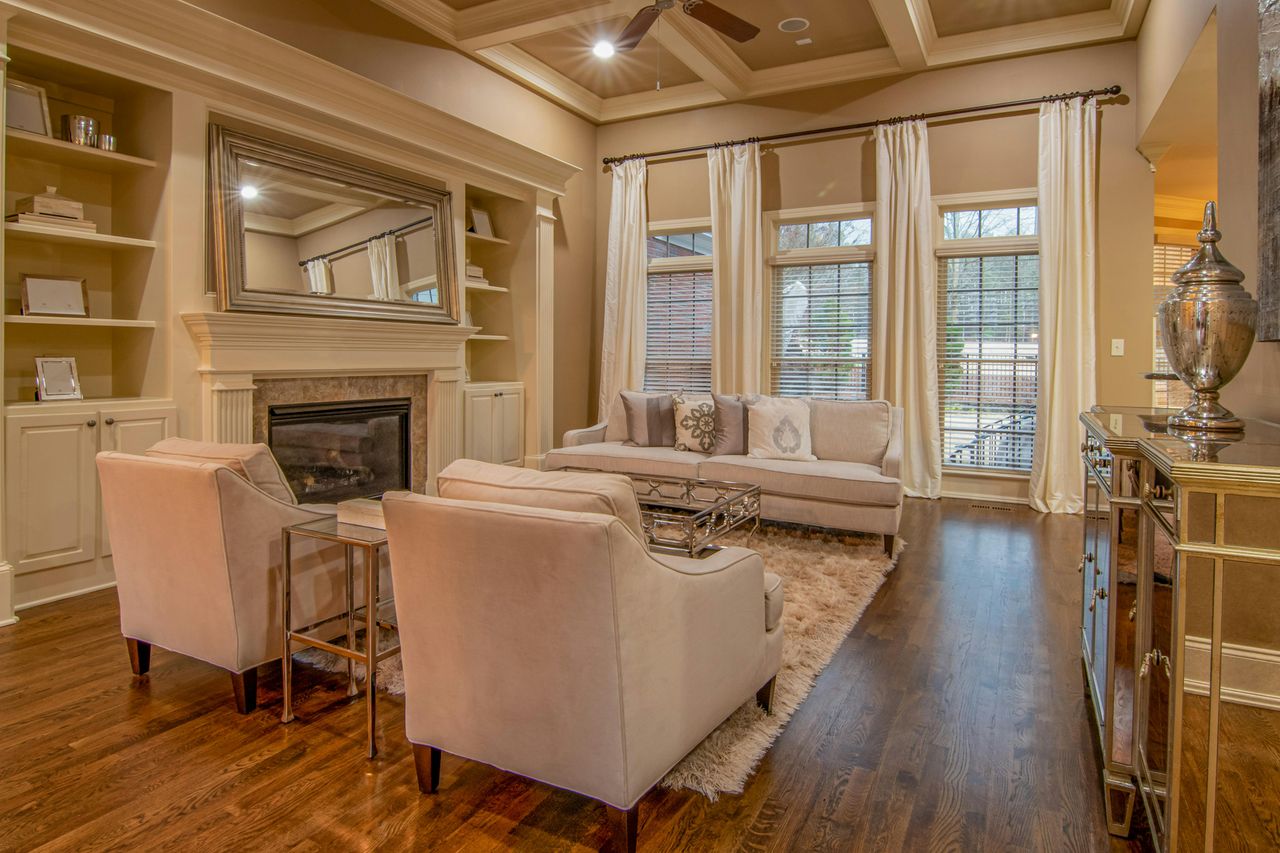
Living rooms and common areas are where buyers envision daily life; thus, their presentation is crucial.
-
Overly Personalized Décor: Family photos, unique art pieces, and personalized items can make it hard for buyers to envision themselves in the space. Neutralizing décor helps create a blank canvas.
-
Worn or Mismatched Furniture: Furniture that appears outdated or doesn’t complement the room can be distracting. Rearranging, reupholstering, or renting contemporary pieces can modernize the space.
-
Clutter and Overcrowding: Too much furniture or décor can make rooms feel smaller. Removing unnecessary items and adopting a minimalist approach can enhance the sense of space.
Kitchen: The Heart of the Home
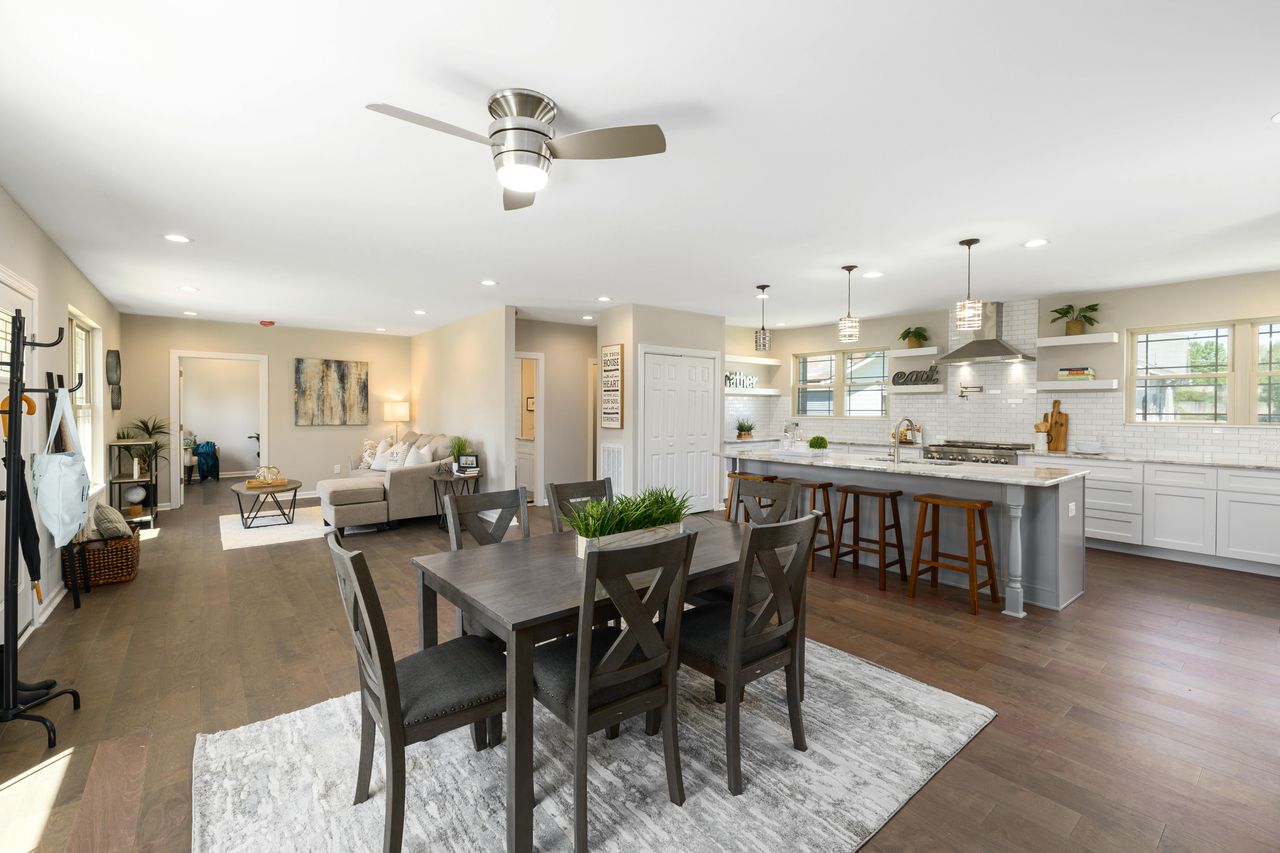
Kitchens often play a pivotal role in a buyer’s decision-making process.
-
Dirty Appliances and Countertops: Stains, crumbs, and fingerprints can be off-putting. Deep cleaning all surfaces and appliances is essential.
-
Cluttered Countertops: An array of small appliances and utensils can make the space feel cramped. Storing items away and leaving only essential pieces can create a more spacious feel.
-
Outdated Fixtures: Old cabinet handles, faucets, and lighting can date the kitchen. Replacing them with modern alternatives can provide an instant facelift.
Bathrooms: Cleanliness and Freshness Are Key
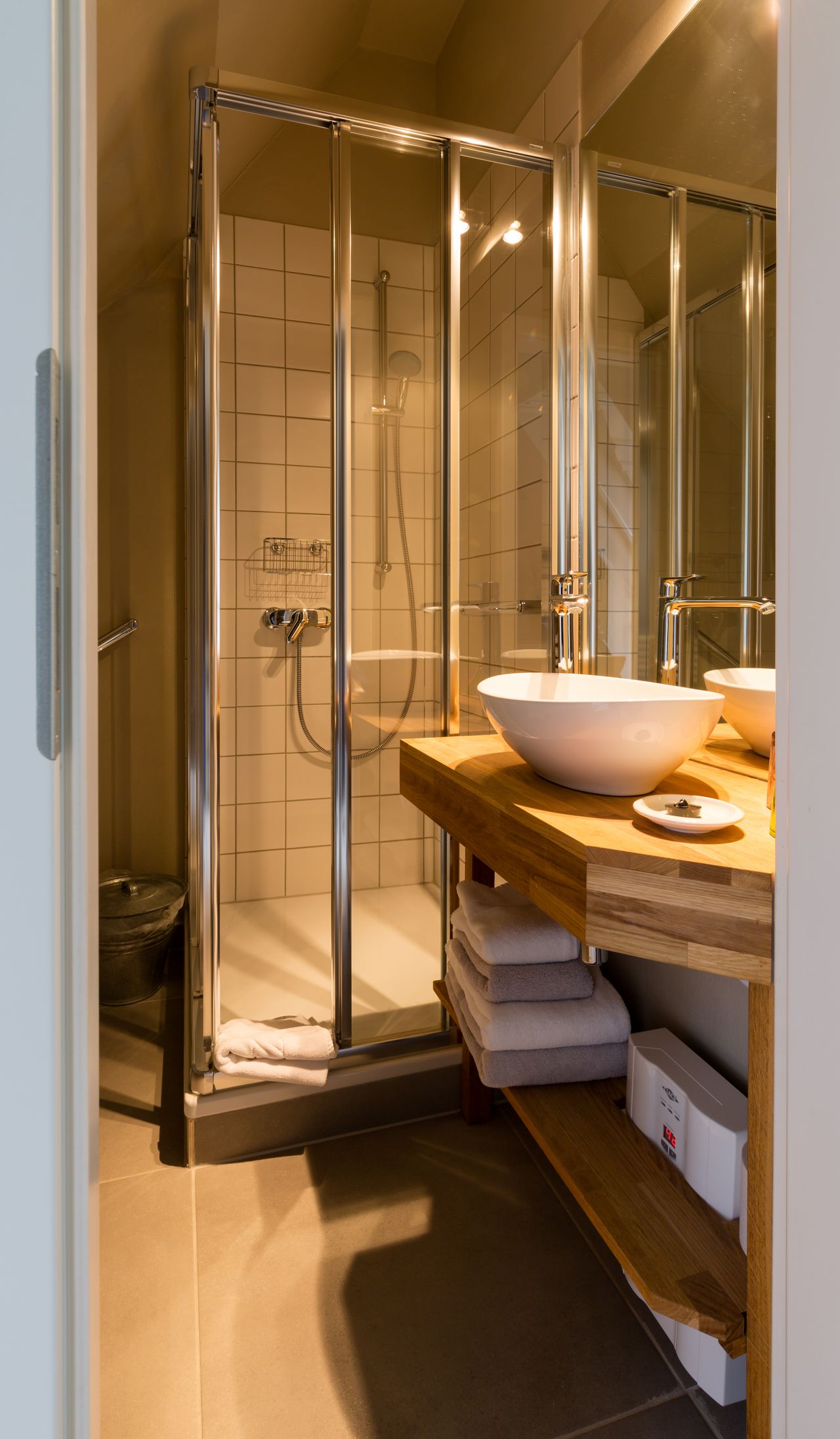
Bathrooms are intimate spaces where cleanliness is non-negotiable.
-
Mold and Mildew: Signs of mold can be alarming. Addressing any moisture issues and thoroughly cleaning affected areas is crucial.
-
Worn Towels and Mats: Frayed or stained linens can detract from the bathroom’s appeal. Displaying fresh, neutral-colored towels and mats can enhance the space.
-
Personal Items on Display: Toiletries and personal products can clutter the space. Storing them out of sight maintains a clean and neutral environment.
Bedrooms: Crafting a Serene Retreat

Bedrooms should evoke a sense of relaxation and comfort.
-
Unmade or Messy Beds: A disheveled bed can make the room feel unkempt. Ensuring beds are neatly made with neutral bedding sets a positive tone.
-
Overfilled Closets: Packed closets can suggest insufficient storage. Decluttering and organizing closets to showcase ample space is beneficial.
-
Bold Wall Colors: Vibrant or unconventional colors may not appeal to all buyers. Painting walls in neutral tones can broaden the room’s appeal.
Lighting: Illuminating the Home’s Best Features
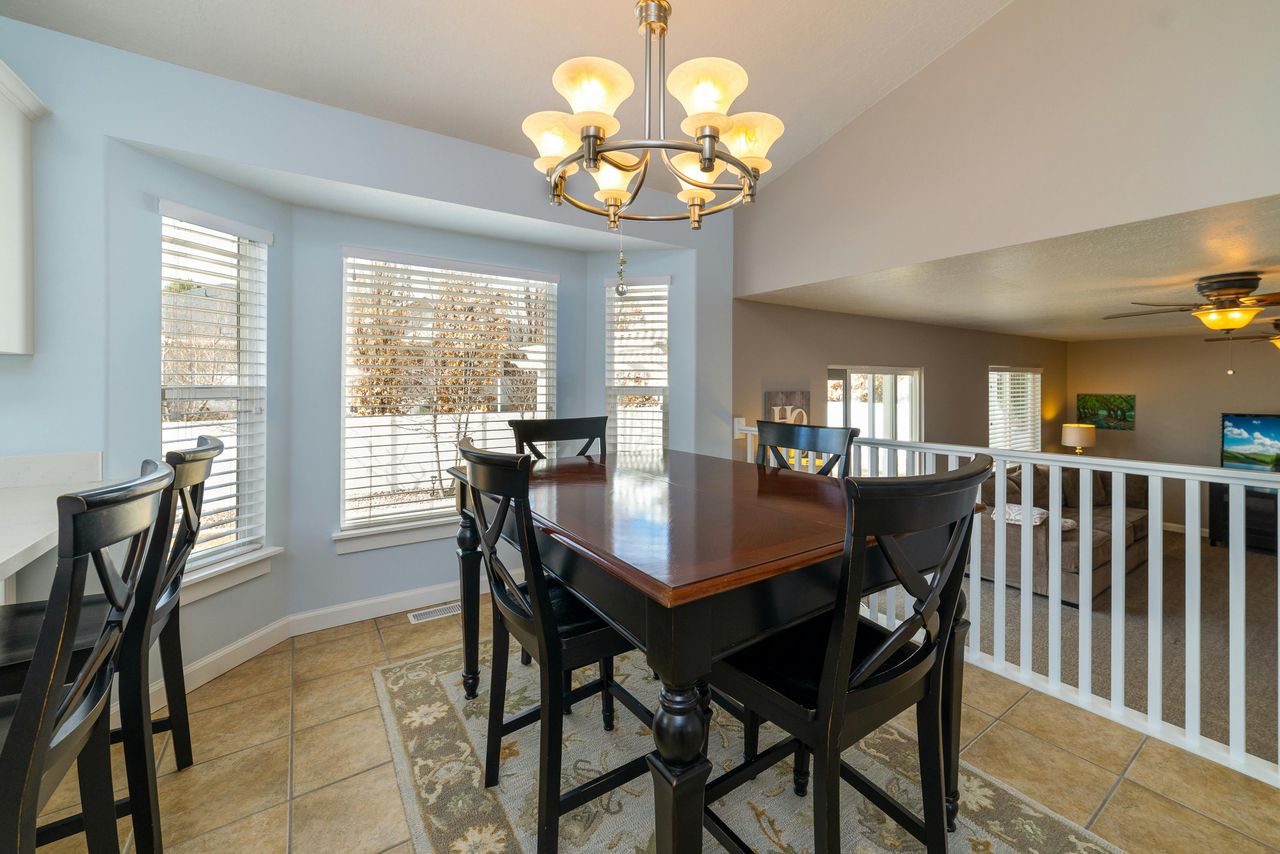
Proper lighting can transform the ambiance of a home.
-
Burnt-Out Bulbs: Non-functional lights can suggest neglect. Replacing all bulbs ensures consistent illumination.
-
Heavy Drapes Blocking Natural Light: Dark or heavy curtains can make rooms feel smaller. Opting for lighter window treatments allows more natural light to enhance the space.
-
Inconsistent Lighting Fixtures: Mismatched or outdated fixtures can disrupt the home’s flow. Coordinating fixtures throughout the home can create a cohesive look.
Odors: The Invisible Deal-Breaker
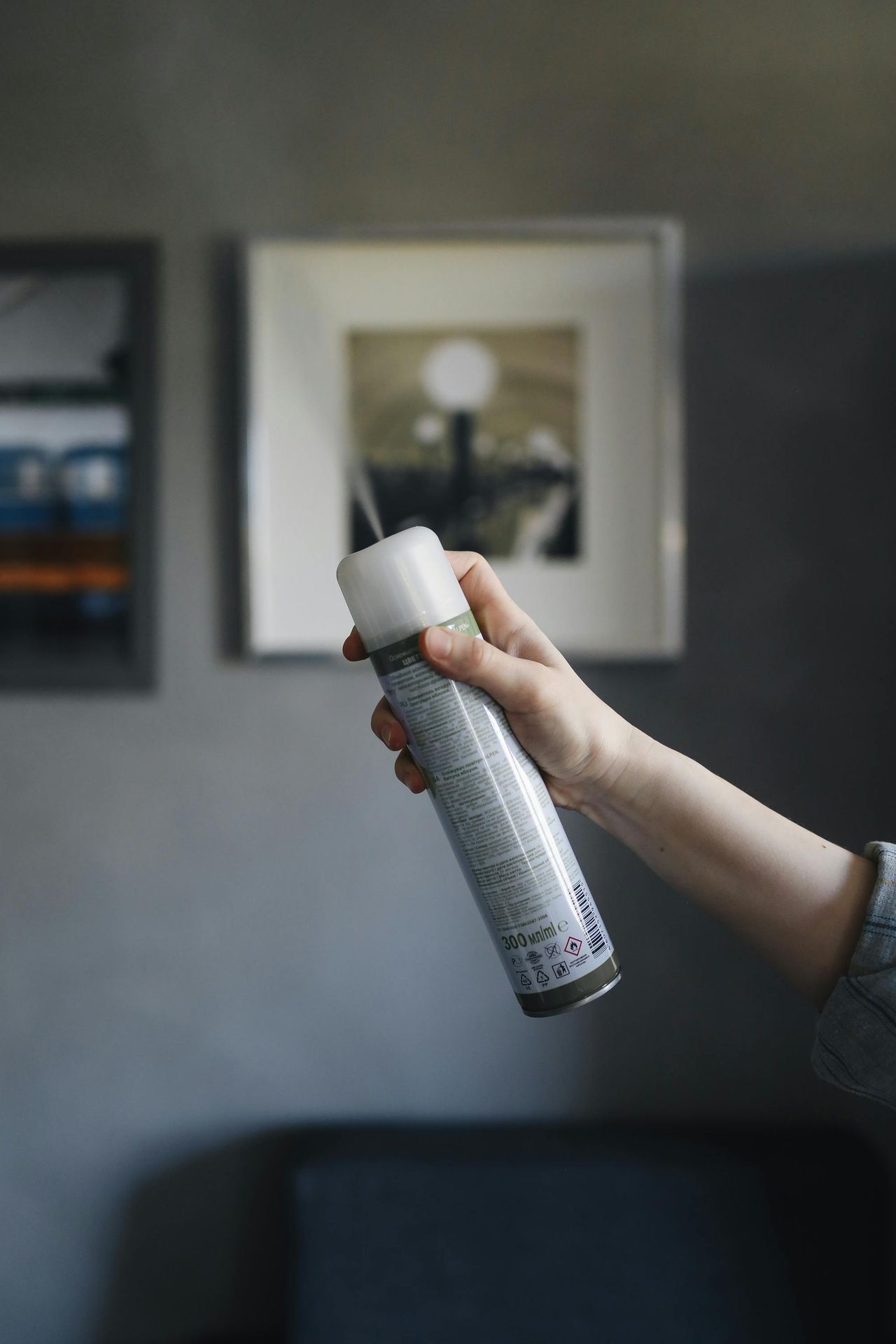
Unpleasant smells can be a significant deterrent for buyers.
-
Pet Odors: Lingering pet smells can be off-putting. Deep cleaning carpets, furniture, and using air purifiers can help eliminate these odors.
-
Cooking Smells: Strong food odors can linger. Ensuring proper ventilation and avoiding cooking pungent foods before showings is advisable.
-
Mustiness: A damp or musty smell can indicate moisture issues. Addressing any leaks and using dehumidifiers can mitigate this problem.
Flooring: The Foundation of First Impressions
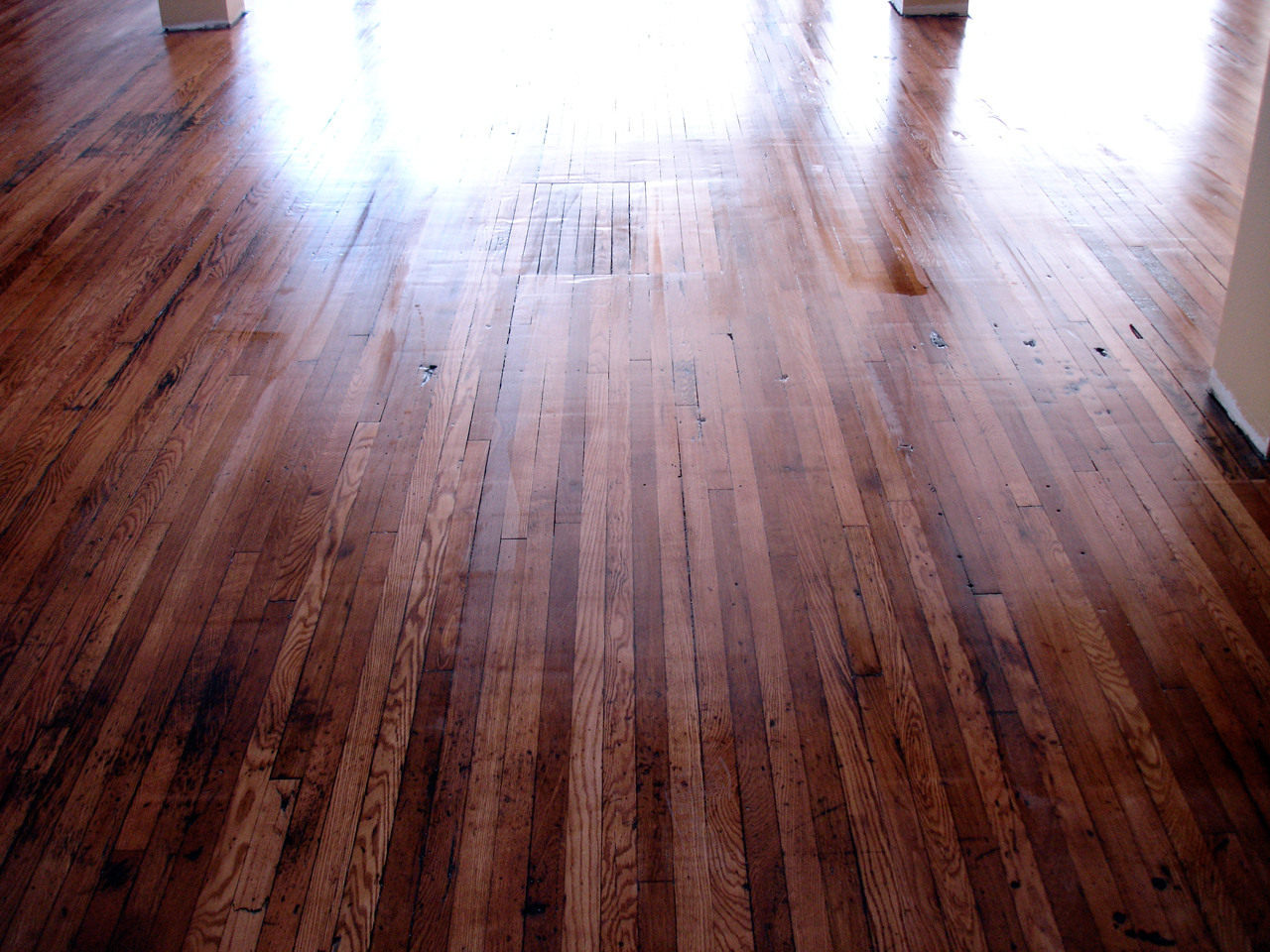
Floors are one of the first things buyers notice upon entering a home.
-
Stained Carpets: Visible stains can suggest poor maintenance. Professional cleaning or replacing carpets can rejuvenate the space.
-
Scratched Hardwood: Noticeable scratches can detract from the floor’s beauty. Refinishing or using area rugs can conceal imperfections.
-
Cracked Tiles: Damaged tiles can be a red flag. Replacing or repairing them ensures a polished look.
Walls and Ceilings: The Canvas of the Home
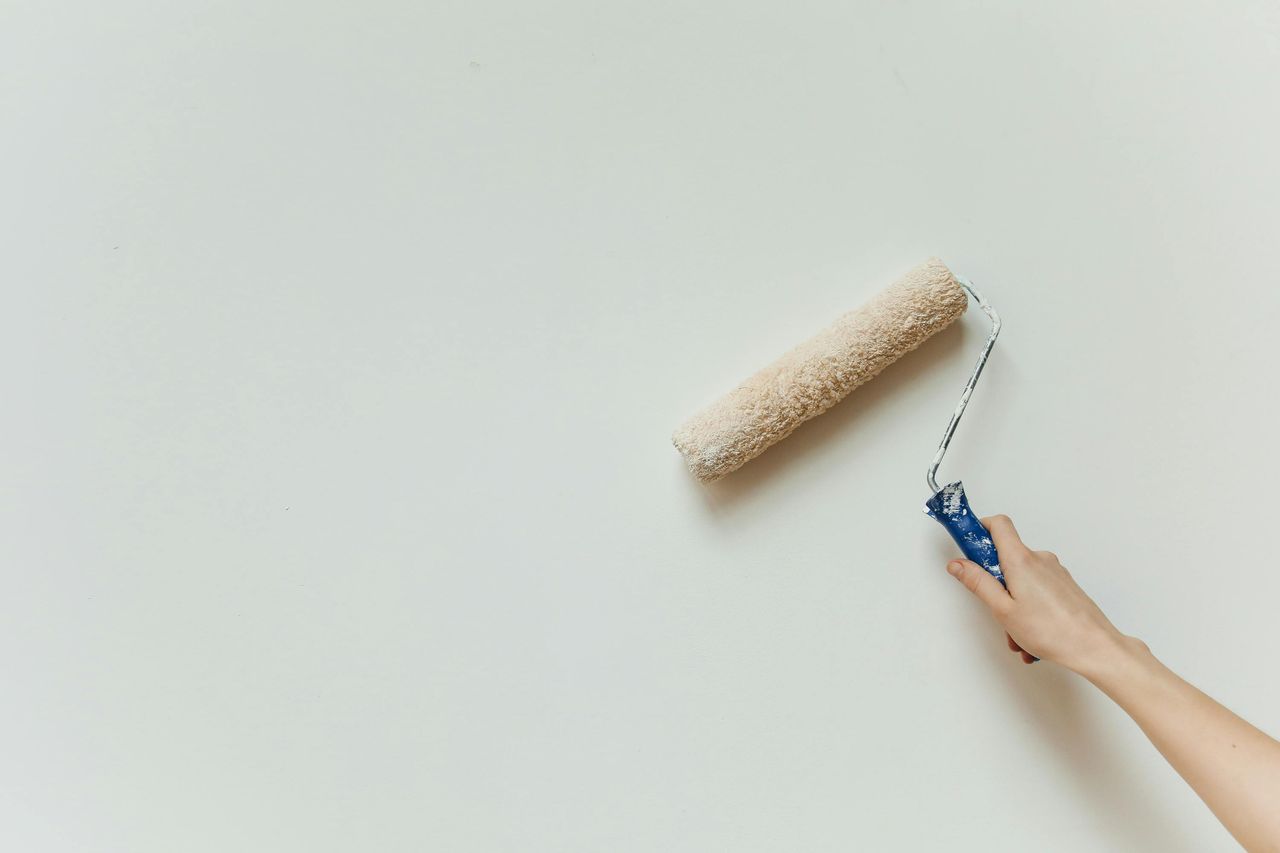
Walls and ceilings frame the home’s interior and should be in pristine condition.
-
Scuff Marks and Dirt: Visible marks can make spaces feel neglected. Cleaning or repainting walls can refresh the appearance.
-
Popcorn Ceilings: Outdated textures can date a home. Smoothing ceilings can modernize the space.
-
Cracks or Water Stains: These can indicate structural issues. Addressing the root cause and repairing the damage is essential.
Windows: Framing the View
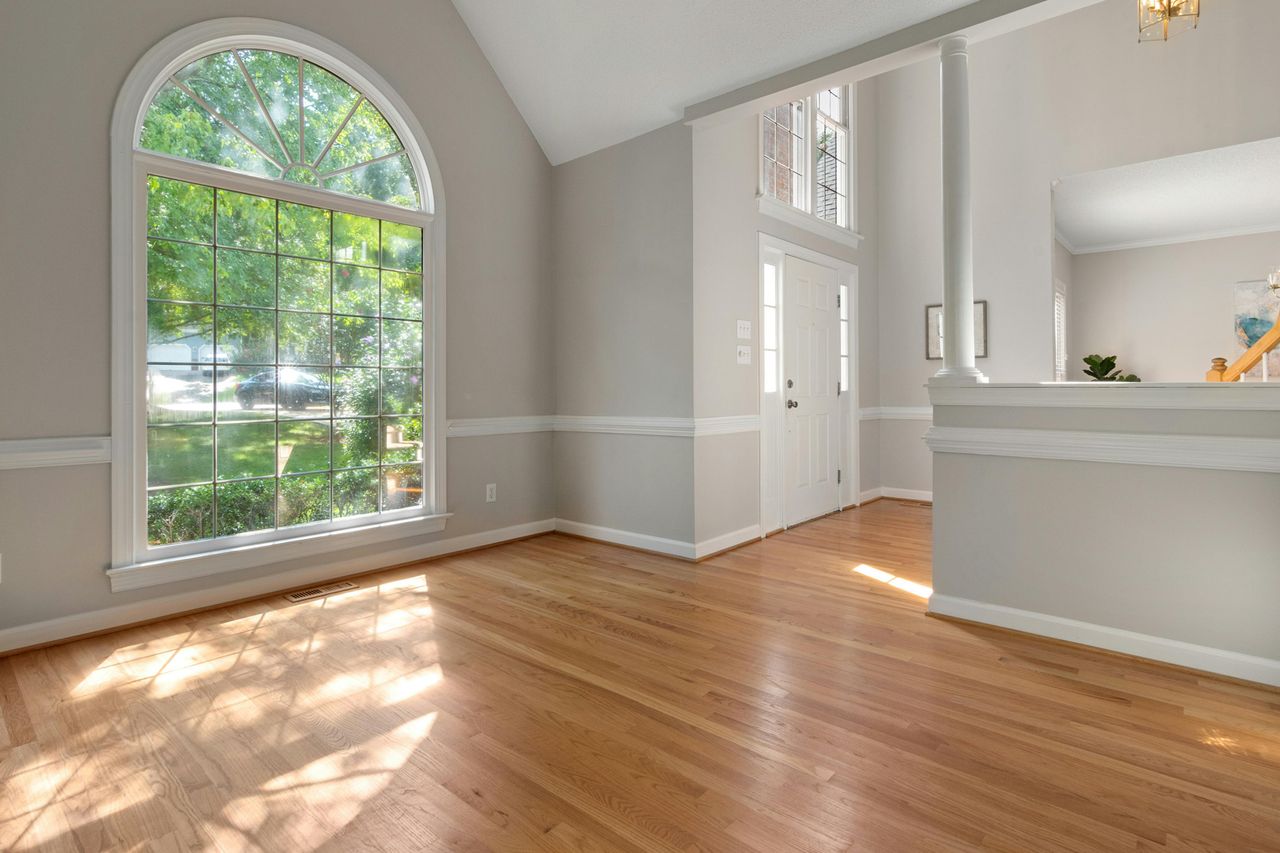
Windows not only provide light but also frame the home’s views.
-
Dirty Glass: Smudges and dirt can obstruct views. Regular cleaning ensures clarity.
-
Broken Blinds or Shades: Damaged window treatments can be unsightly. Repairing or replacing them enhances the room’s aesthetics.
-
Obstructed Views: Furniture blocking windows can limit natural light. Rearranging layouts to keep windows clear can brighten rooms.
Personal Touches: Striking the Right Balance
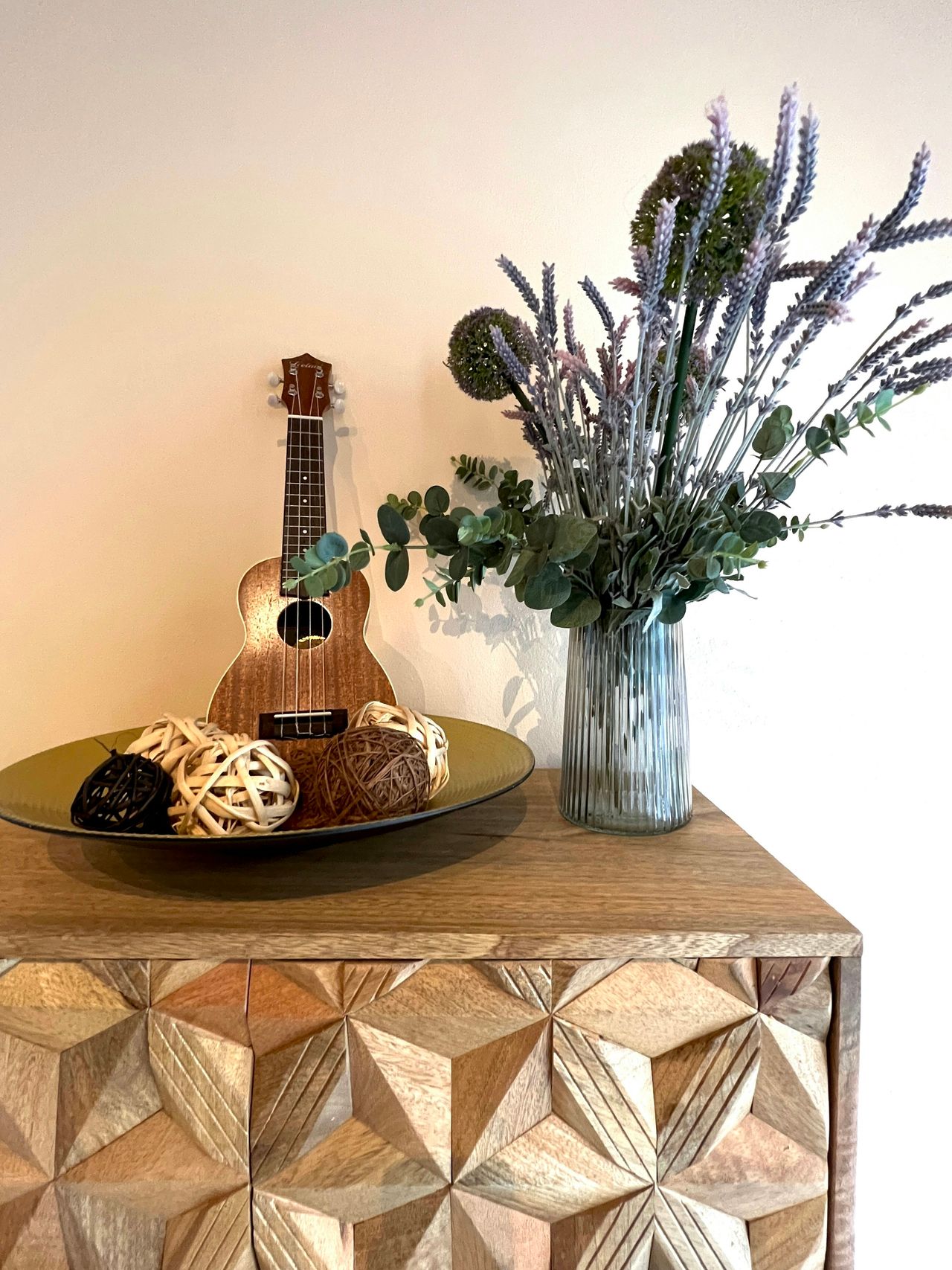
While personal items make a house a home, they can hinder a buyer’s ability to envision themselves in the space.
-
Family Photos: Personal images can be distracting. Replacing them with neutral art pieces can depersonalize the space.
-
Unique Collections: Niche collections may not appeal to all. Storing them away during showings is advisable.
-
Religious or Political Items: Such items can be polarizing. Removing them ensures neutrality.
Temperature and Ventilation: Ensuring Comfort

A comfortable environment can positively influence a buyer’s experience.
-
Too Hot or Cold: Extreme temperatures can be uncomfortable. Setting a moderate temperature during showings is ideal.
-
Stuffy Air: Lack of ventilation can make spaces feel stale. Opening windows or using air purifiers can improve air quality.
-
Noisy HVAC Systems: Loud systems can be distracting. Ensuring they are serviced and functioning quietly is important.
Final Touches: The Subtle Details
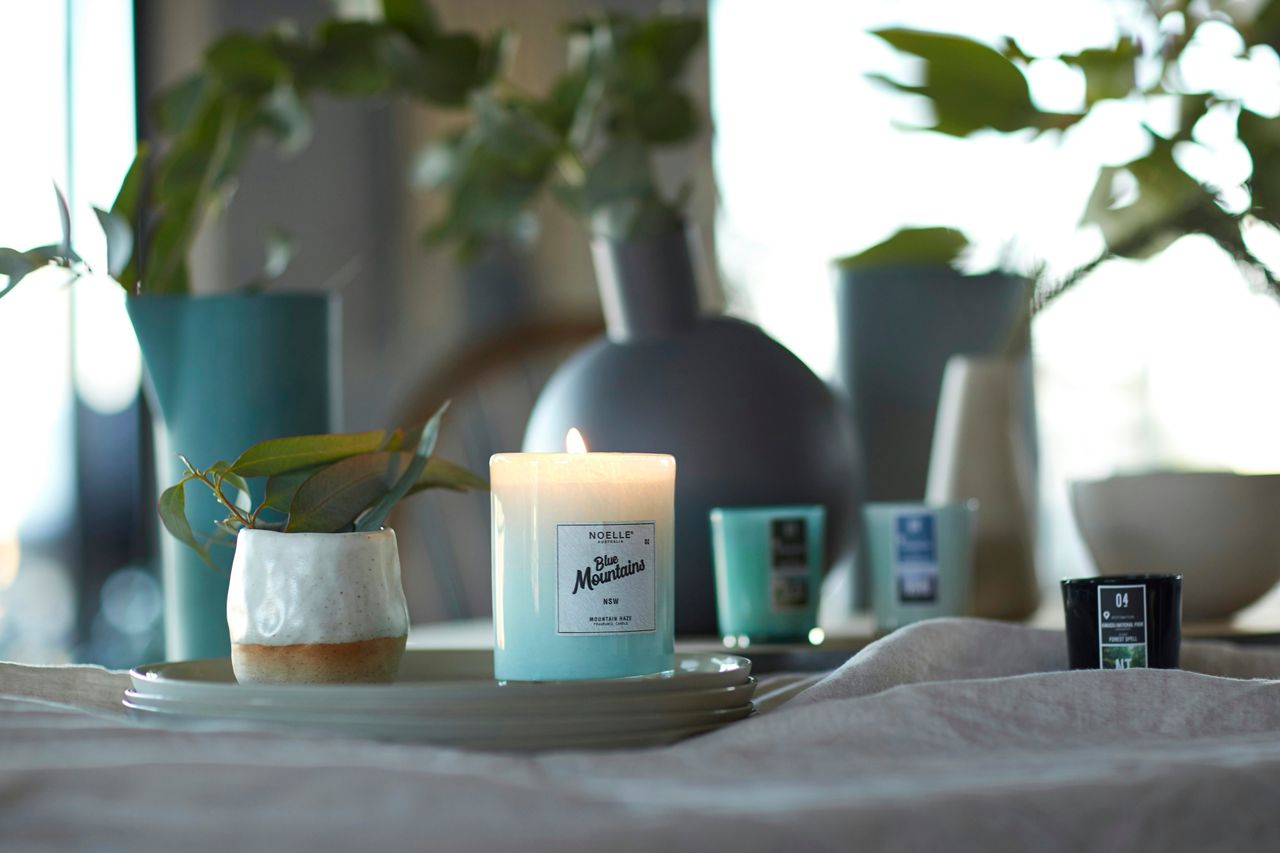
Small finishing touches can leave a lasting impression.
-
Fresh Flowers or Plants: They add life and color to spaces.
-
Soft Background Music: Creates a pleasant ambiance.
-
Pleasant Scents: Subtle fragrances can enhance the experience.
By meticulously addressing these small details, sellers can significantly enhance their home’s appeal, ensuring a positive first impression that resonates with potential buyers.