
10 “Limited Edition” Fast-Food Sauces Fans Hoard for Nothing
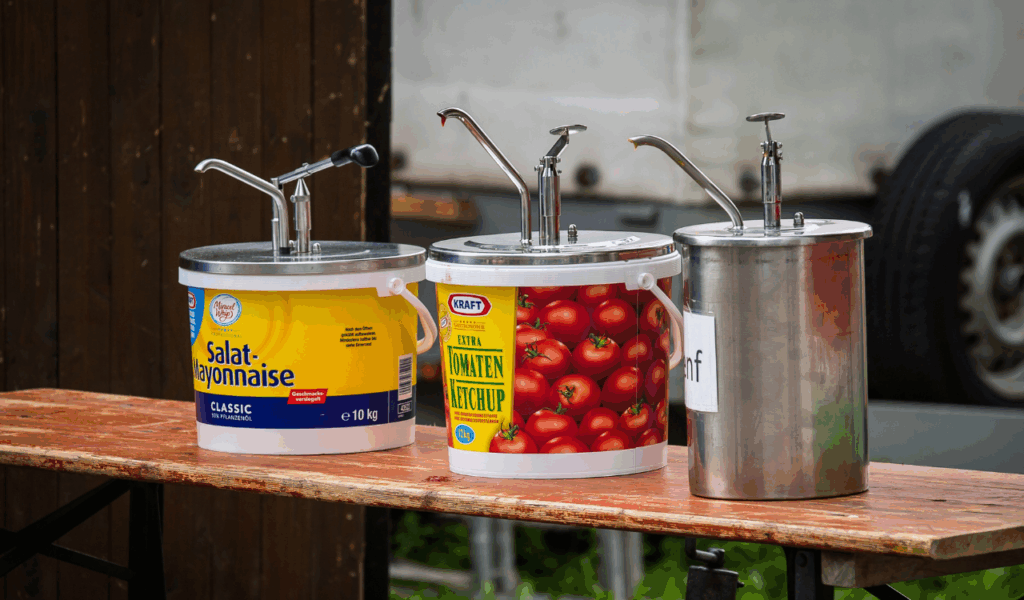
Fake scarcity is mastered in the “limited edition” fast-food sauce, which fans go crazy over. The minute these plastic packets hit the store, they become valuable collectibles. They can be used in viral collaborations with pop artists or to revive beloved cult classics. However, experienced chefs and food experts say storing these sauces is usually pointless. We don’t recommend storing these condiments in a kitchen trash drawer for years because they don’t last long. Many fans end up with a sticky, old mess that has lost its flavor once the excitement dies down.
Expert chefs and restaurant consultants say the “secret” recipes for these limited runs are usually simple sugar or food coloring additions to house sauces. Market analysts and skilled flippers say a rare sauce may sell for a lot on auction sites in the first week, but the price declines quickly when the next trend arrives. The “ghetto” appearance of a bulging, years-old sauce package indicates chemical separation or oxidation, according to experts. After the marketing smoke clears, a dedicated hoarder may struggle to accept that their “rare” purchase is a grocery store bottle.
1. The Viral “Purple” Animated Movie Sauce
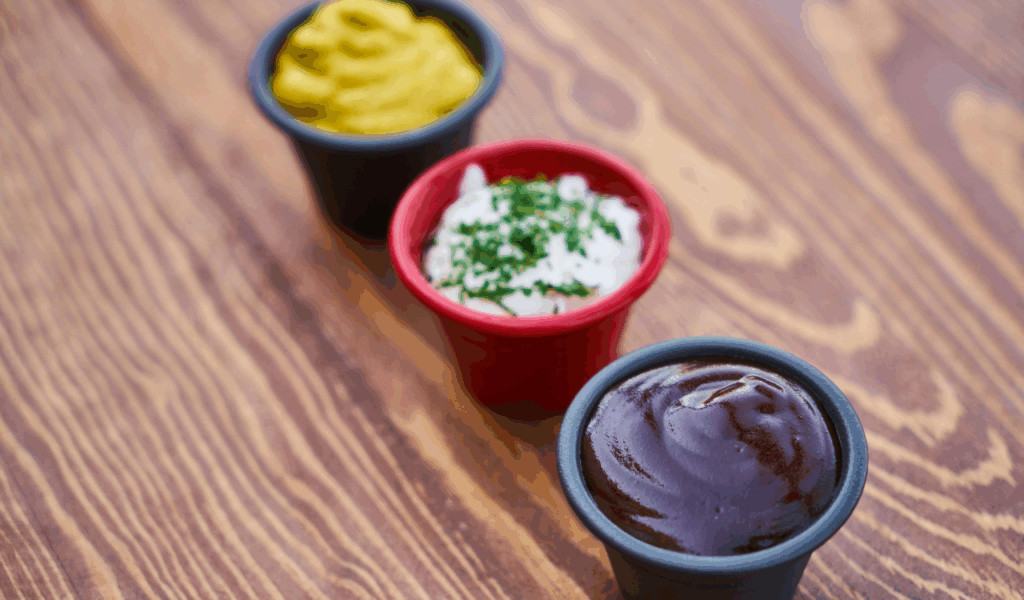
Fast-food chains create a purple or neon-green sauce that fans rush to acquire after a blockbuster animated film opens. Professional flavor chemists say these sauces are usually a “sweet and sour” foundation with a lot of artificial coloring to get the movie hue. These pigments stain and affect the sauce’s flavor when they mix with the acidic vinegar base, according to experts. Food experts say the fixation with hoarding these colorful packages is centered on the packaging art, not the food inside.
Bright colors designed to attract youngsters and collectors are generally the least stable portion of food packaging, say designers. The “purple” can turn gray or brown as the sauce sits in the light or changes temperature, ruining the initial buzz. Artificial flavorings designed to replicate “alien” or “superhero” tastes are volatile and evaporate within weeks of creation, according to experts. Organizers say these packets often leak in drawers, leaving a brilliantly colored mark as a reminder of a squandered purchase.
2. The “Ghost Pepper” Extreme Heat Challenge Cups
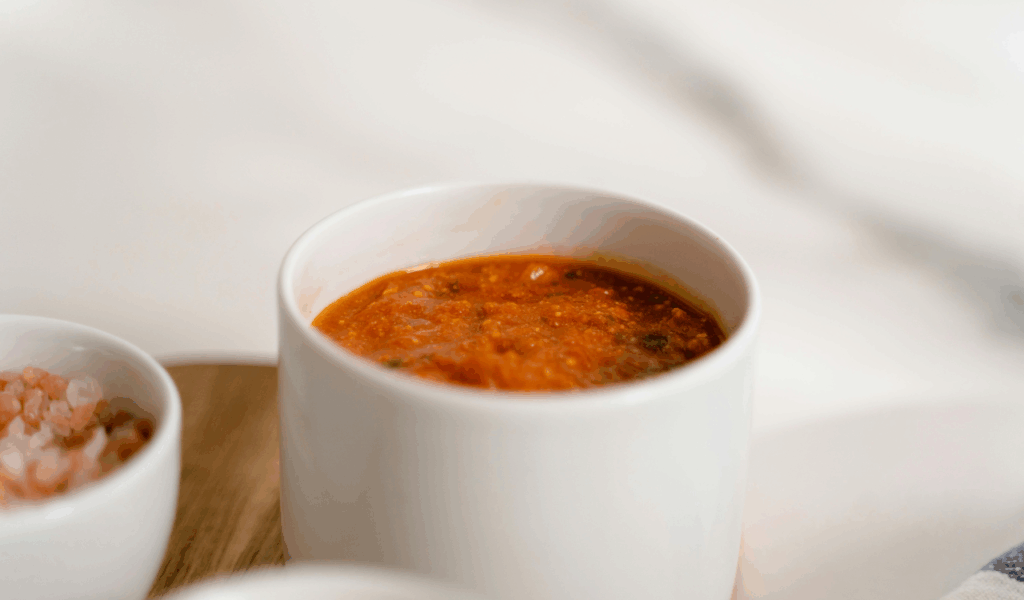
Fast-food marketing uses extreme heat sauces, although chefs say “limited edition” ghost pepper sauces are often reduced for public appeal. These sauces use oleoresin capsicum, a potent pepper extract that can become unpleasant and metallic in a plastic cup, according to experts. Restaurant advisors warn fans who save them for “future challenges” that the heat level diminishes after six months. Food packaging designers warn that these cups’ thin foil covers are not suited for long-term storage, causing leaks that can damage other items in your collection.
Food scientists warn that the chemical ingredients that give spicy sauces their “kick” are fragile when exposed to plastic containers’ tiny oxygen levels. The pepper extract’s vivid red or orange color photo-oxidizes, making the sauce a dismal, muddy brown that tastes more like vinegar than fresh peppers. Experts claim the “ghost pepper” label is typically misleading because the ratio of high-heat peppers is usually minimal compared to thickeners and corn syrup. This turns the hoarder’s “lethal” challenge cup into a syrupy, lukewarm slop with no street cred.
3. The “90s Nostalgia” Szechuan Revival Packets
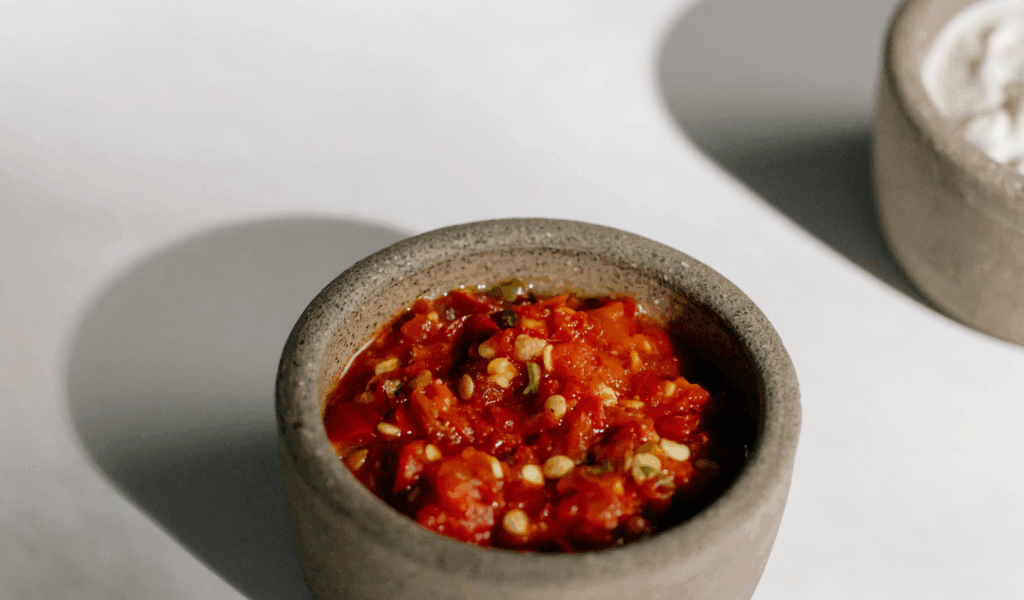
Fans hoarded thousands of packets of 1990s-era Szechuan sauce during its brief comeback, the most famous example of sauce mania. Professional culinary historians disclose that the original “secret” recipe was a simple teriyaki-style glaze that amateur cooks could imitate within days of its re-release. The sauce’s “limited” aspect was a psychological trigger that made people cherish it beyond its taste, say experts. Food scientists say the high sugar level in these packets crystallizes with time, converting the “legendary” sauce into a gritty, unpleasant sludge.
The strong umami flavors of fresh Szechuan sauce come from amino acids that break down when the packet is sealed, according to flavor chemists. As the sauce ages, the exquisite mix of ginger, garlic, and soy becomes a flat, metallic saltiness without the “zing” aficionados recall from childhood. Experts say high demand for these packets leads to rushed production runs, making seals more likely to fail than ordinary menu items. Professional flippers say the market for these “revival” packets fell almost immediately, leaving hoarders with cartons of sticky, crystallized soy syrup no one wants to eat.
4. The “K-Pop” Sweet Chili Collaboration Cups
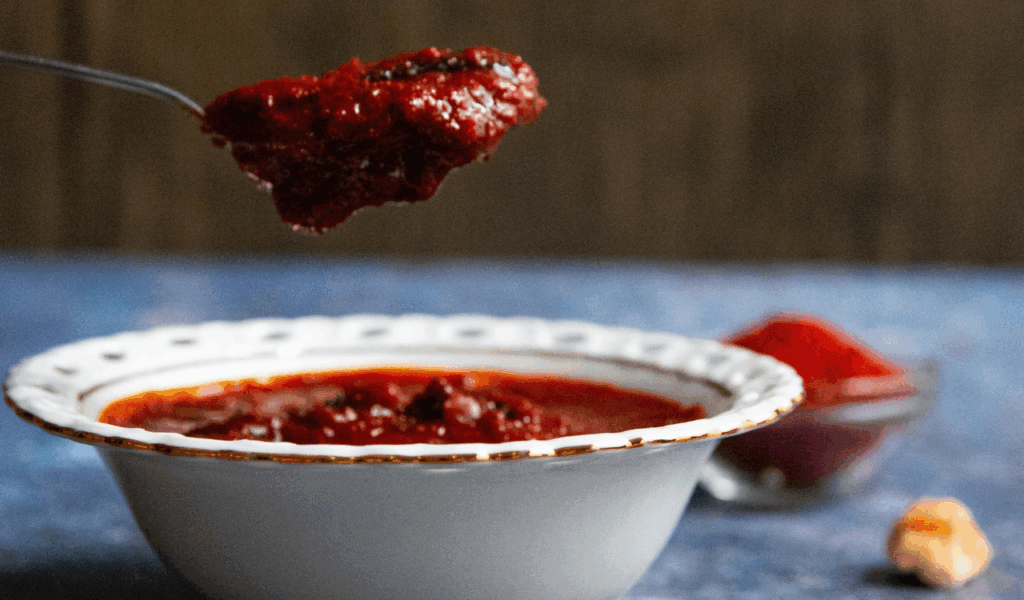
When global music icons combine with fast-food restaurants, their sweet chili sauces become “must-haves” for fans. Professional designers and flippers say the value is in the branded lid, but fans rarely open or use the sauce. The Maillard process between sugars and amino acids leads to “browning” in sweet chili sauce even at room temperature, according to experts. Hospitality experts say a two-year-old tomato sauce sometimes looks dark and muddy, losing its bright crimson sheen, leaving the trove worthless except for the plastic.
Beyond visual browning, modified food starches lose structural integrity over time, determining sweet chili sauce’s consistency. The sauce can undergo “syneresis,” where the liquid separates from the solids and leaves a watery, translucent film on the cup, as these starches break down. Once fully suspended in the crimson gel, the chili flakes will settle into a dense, gritty layer at the bottom that is tough to reintegrate, say experts. Organizers say these collaboration cups are sometimes displayed as prizes on shelves, where light increases the rancidity of the minimal amount of oil used in the recipe.
5. The “Smoky Bourbon” Artisan Style Glaze
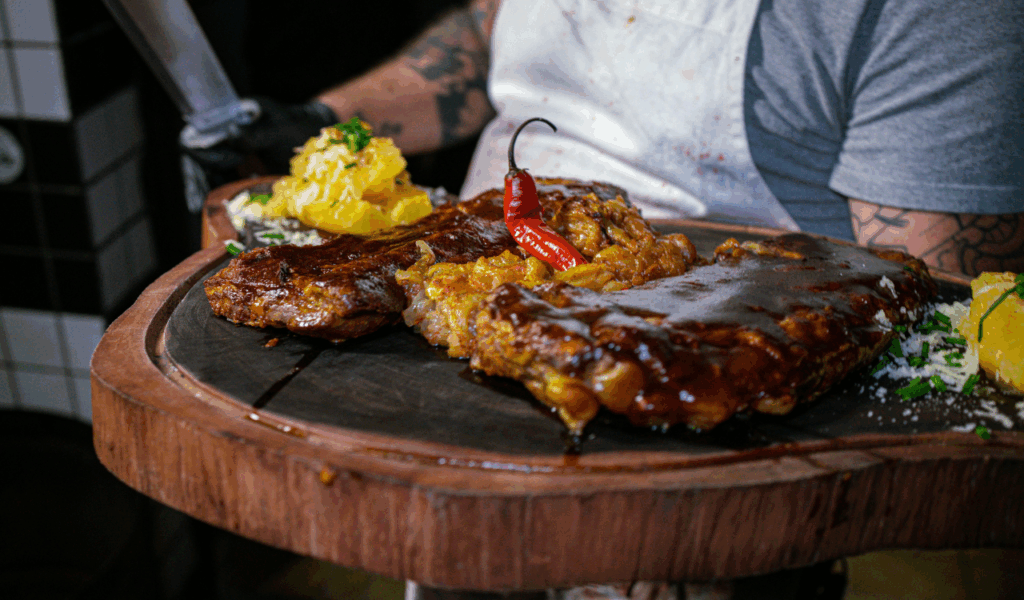
Bourbon or wood-smoke-flavored “artisan” sauces from fast-food franchises compete with high-end gastropubs. Professional chefs say liquid smoke gives “smoke flavor” but can become overbearing and “chemical” if the sauce sits too long. The rich “bourbon” notes frequently evaporate first, leaving a generic, salty brown liquid, according to experts. Realtors and lifestyle experts say having these “fancy” packets in your cupboard adds “ghetto” clutter and is pointless because any $5 bottle of specialty BBQ sauce tastes better.
Food scientists discover that these mass-produced glazes’ “bourbon” flavor is frequently a synthetic ester sensitive to home kitchen temperature changes. The fragrant sweetness that mimics aged spirits fades after months, leaving a sauce that tastes strongly of artificial smoke and salt. Experts believe the high vinegar level needed for shelf stability reacts with wood-smoke concentrates to create a sour, “ashy” aftertaste that is not artisan. Professional organizers say these “premium” sauces are most likely to be forgotten at the bottom of a bin and found as a dark, tar-like substance that has permanently discolored the package.
6. The “Garlic Butter” Pizza Chain Exclusives

Pizza enthusiasts stockpile garlic butter, especially “special reserve” or “extra garlic” varieties. Professional food scientists say these are shelf-stable soybean oil and flavoring emulsions, not butter. Experts believe the emulsion breaks down, the oil separates, and the garlic flavor can go rancid, leaving an unpleasant stench even if the seal is intact. According to restaurant consultants, these cups are meant to be consumed hot. After months at room temperature, the texture becomes thick and waxy, making them unpleasant to eat.
The chemical stabilizers employed to keep these “butter” cups liquid at room temperature were not designed for long-term use. The heavier garlic particles sink forming a concentrated, bitter sludge that can taste chemically shocking as the emulsion breaks. These dipping cups contain thinner plastic than typical sauce packets, which increases oxygen transfer and soybean oil rancidity, according to experts. Leaked garlic butter cups are one of the hardest scents to remove from kitchen cabinets because synthetic garlic oil permeates porous surfaces like wood and laminate rapidly, according to professional cleaners.
7. The “Holiday Cranberry” Festive Dipping Sauce
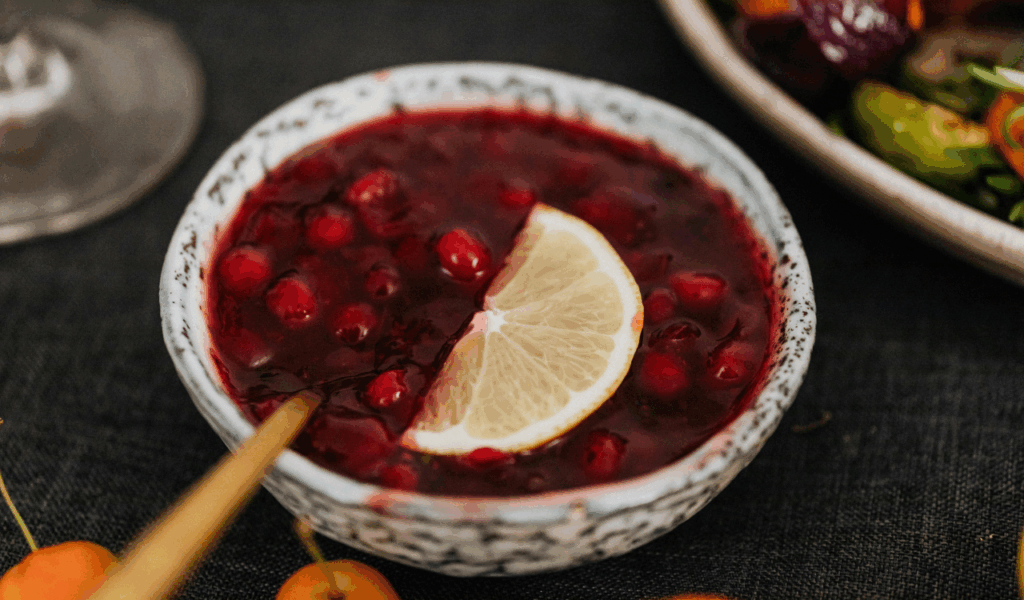
Cranberry and spiced pumpkin sauces are released to bring Christmas happiness, but they are the most unstable to hoard. Pectin in fruit-based sauces can break down, converting a thick, jam-like sauce into a watery mess, say pastry experts. According to experts, “festive” spices like cinnamon and clove are volatile and lose effectiveness within months of packaging. Because natural sugars feed bacteria, these seasonal hoards typically wind up in the back of the fridge and become spoiled or moldy a year later, organizers say.
Even a minor seal breach makes these festive dips ripe for unintentional fermentation due to their high natural fruit sugar content. The sauce’s fresh, acidic cranberry aromas fade to a bland, soured tang that tastes more like bad cider than holiday meal. The “spiced” portion frequently uses essential oils that can leak through the plastic container, leaving the hoarder with a craft store-smelling drawer and a bland sauce, according to experts. Due to internal pressure from sugar breakdown, fruit-based limited editions have the highest danger of “leaking” according to food safety experts.
8. The “Truffle Infused” Luxury Fast-Food Mayo
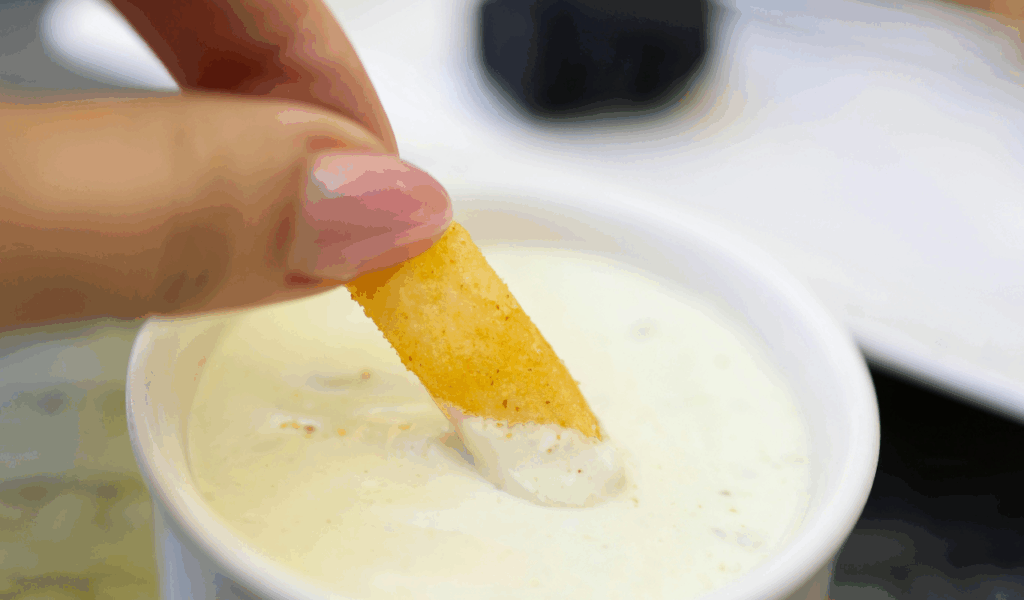
Truffle-flavored mayo is the ultimate “pseudo-luxury” fast food, but chefs caution that “truffle aroma” is a volatile synthetic substance. The truffle fragrance fades quickly, leaving the sauce tasting like oxidized mayonnaise, according to experts. Due to their high fat content, mayo-based sauces are the most harmful to hoard, according to food chemists. Even tiny temperature variations can turn them rancid. Professional flippers say there is almost no secondary market for vintage mayo packets because foodborne disease is too risky for collectors.
Mayonnaise is an oil-in-water emulsion, therefore home kitchen “freeze-thaw” cycles can cause it to “break” into a yellow, oily liquid and a white, curdled solid. Experts say the synthetic 2,4-dithiapentane, which gives truffles their flavor, is delicate and can change mayo into an unpleasant “sulfury” or “garlicky” smell when it oxidizes. Realtors say an old stockpile of “luxury” mayo in a cupboard is a big turn-off since it shows a lack of food safety. Long-term storage in a thin, room-temperature plastic container destroys truffles’ “limited edition” appeal.
9. The “Habanero Ranch” Limited Heat Drops

Spicy ranch is a crowd favorite, but dairy scientists say the “dairy” in shelf-stable sauces is extensively processed to survive outside the fridge. The habanero heat can denature animal proteins, giving them a “chunky” or divided appearance that is visually unpleasant, according to experts. Officials say customers who stockpile these for their “perfect balance” may be disappointed when the heat overpowers the muted ranch flavor as the sauce ages. Industry sources say the “limited edition” label is used to test a flavor too unstable for the permanent menu.
The “ranch” aspect of these sauces contains lactic acid and buttermilk solids, which can produce a “cheesy” or sour odor after a few months. Habanero oil can rise to the surface as the emulsion degrades, creating a deceptively hot layer separate from the grainy dairy foundation. As the fats oxidize, the ranch loses its “cooling” effect, leaving the sauce greasy and harsh, according to experts. Expert flippers say “limited heat” drops are often re-released under new names within a year, making stockpiling them “for nothing” as new versions appear.
10. The “Gold Dust” Honey Mustard Anniversary Sauce
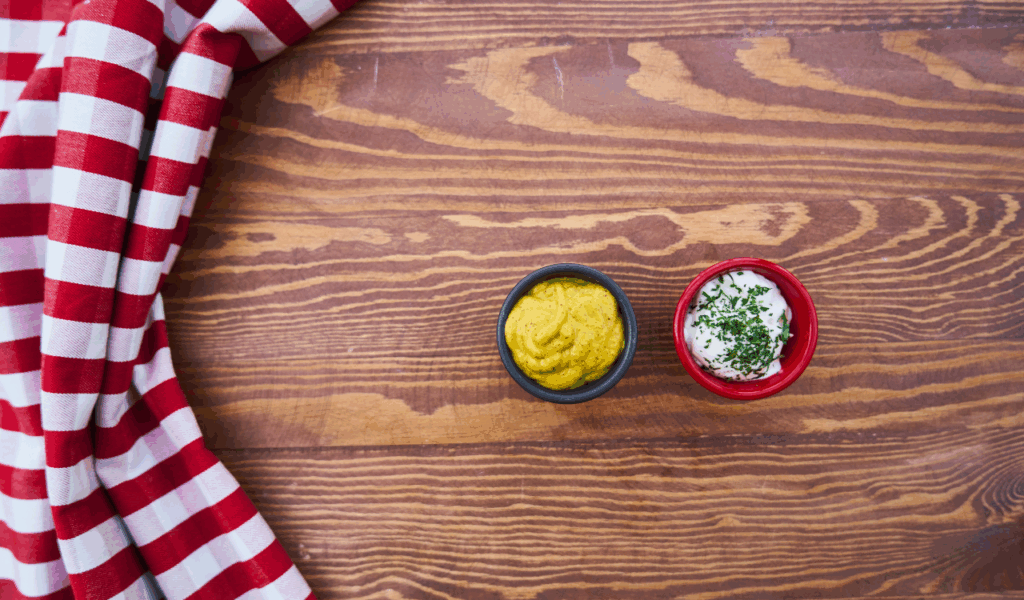
Some businesses release “gold” honey mustards with “premium” honey or a dazzling look for milestone anniversaries. Honey is a natural preservative, but mixing it with mustard flour and stabilizers might cause “syneresis” or liquid leakage, say cooks. Experts claim the “shimmer” is usually edible mica, which has no flavor and can settle at the bottom of the package in a gritty layer. Market observers say anniversary sauces are never genuinely “rare,” leaving hoarders with a generic condiment that will never rise in value.
These honey mustards’ “gold” appearance is a momentary illusion created by suspending mineral pigments in thick sugar syrup. Gravity eventually wins, and the “gold dust” settles into a dense, metallic-looking silt at the packet’s bottom that cannot be stirred. Mustard seeds in the recipe contain natural oils that go rancid when exposed to the microscopic air inside the packet, changing the sweet “anniversary” flavor into a bitter, soapy letdown, say experts. Organizers call these jubilant hoards “sentimental clutter” that takes up valuable room while the product silently goes brown and separates.