9 Kids’ Room Decor Themes That Feel Outdated in 2025
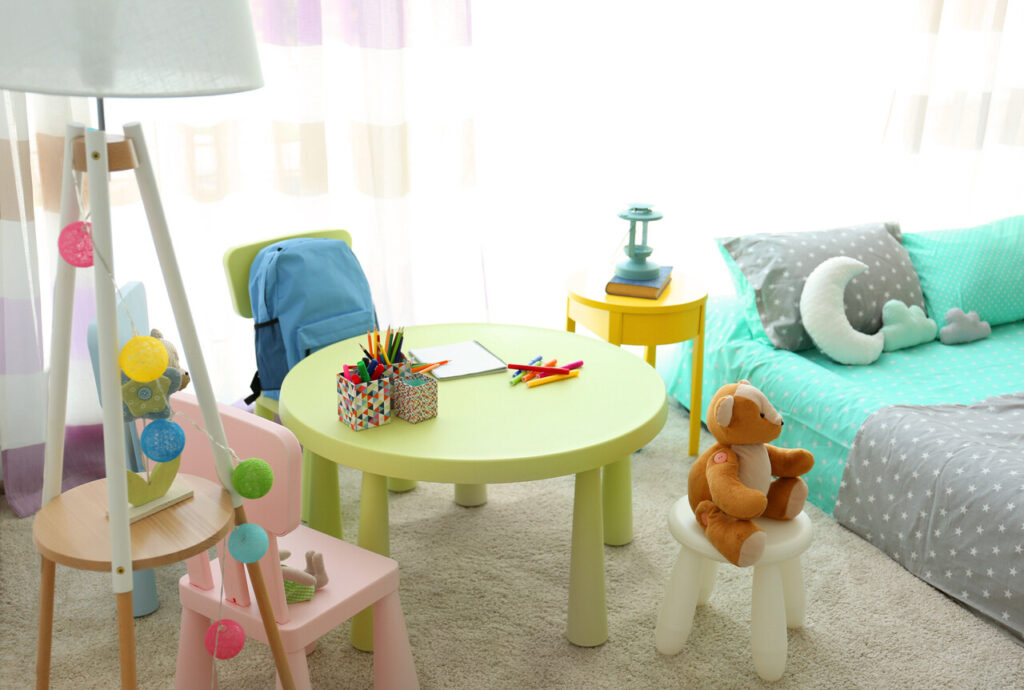
Decorating a kids’ room feels exciting until you realize just how quickly children outgrow the themes we carefully pick for them. What once seemed adorable or imaginative can start to feel outdated when tastes shift, interests evolve and design trends move toward calmer, more flexible spaces. The goal now isn’t to lock a room into one idea but to build something that can grow with the child. Looking at which themes no longer hold up in 2025 helps parents avoid expensive do overs and create rooms that feel fresh, functional and easy to adapt.
1. Candy Colored Primary Palettes That Never Seem To Grow Up
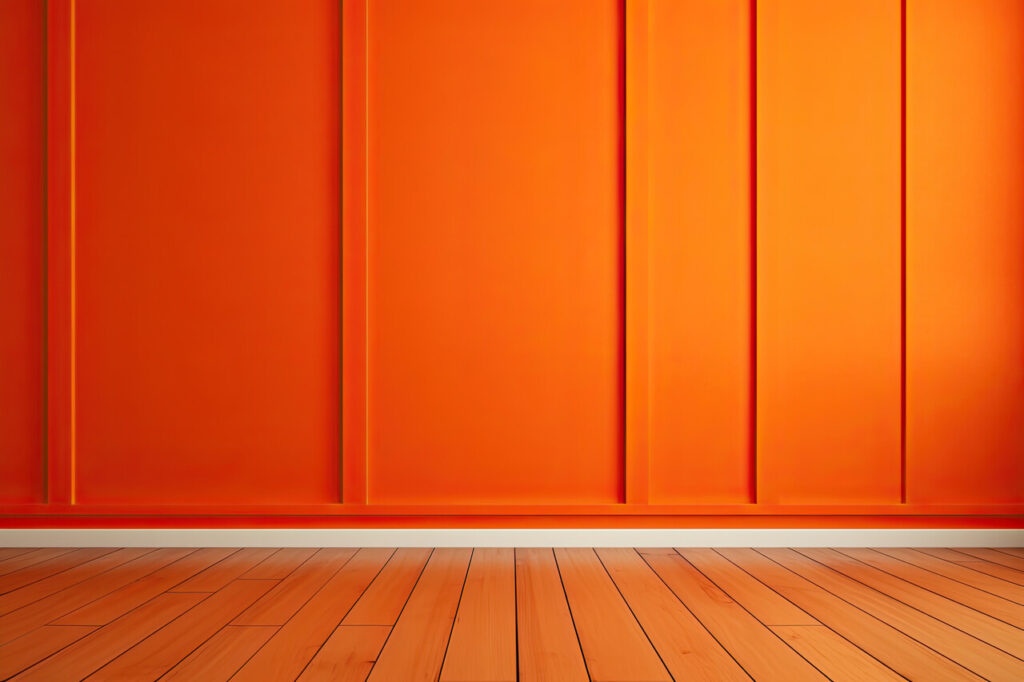
Rooms drenched in strong primary colors feel playful at first, but they lock a space into a very early stage. Big blocks of pillar box red, bright cobalt blue, and sunshine yellow keep the eye constantly stimulated, which can make it harder for kids to wind down for sleep or homework. These saturated shades also clash easily with changing tastes. When your child moves from blocks and cartoons to books, art, or sports, the room still screams preschool. From a practical angle, primary brights can highlight scuffs, uneven paint, and patch jobs, so maintenance becomes more obvious. They are also a headache to repaint, often needing several coats to cover cleanly.
2. Cartoon And Character-Heavy Bedrooms That Date Overnight
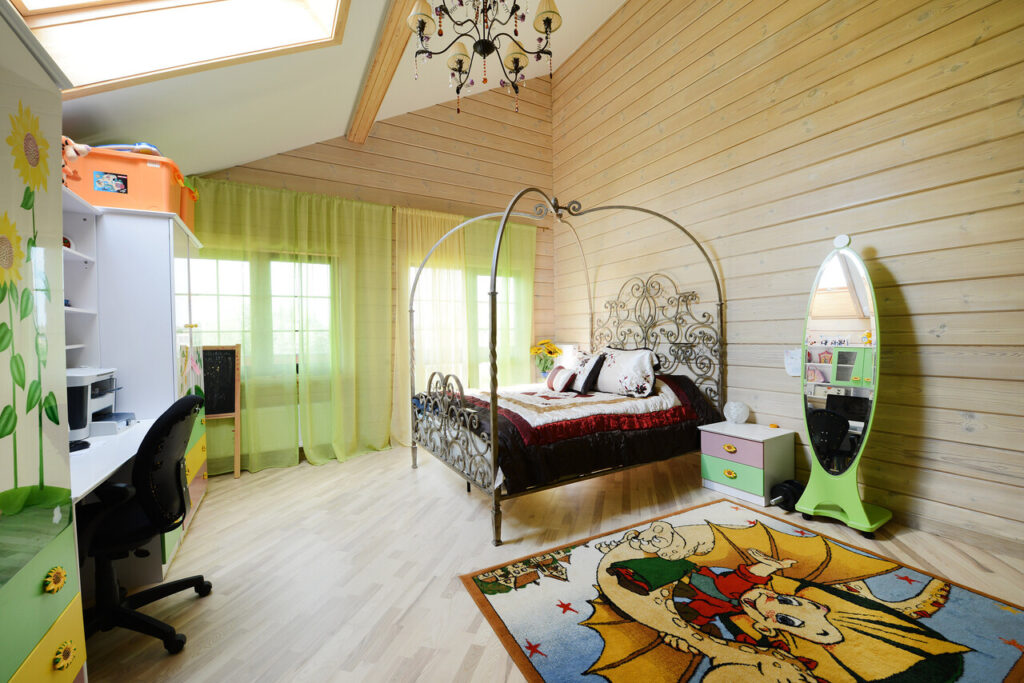
Rooms built around one movie, show, or franchise feel like a guaranteed hit when your child is obsessed with that world. The problem is that kids change favorites quickly. Full wall decals, branded bedding, lamps, curtains, and rugs all covered in the same characters’ age as soon as the next series or game takes over. Visually, these spaces can feel busy and commercial, more like a themed hotel room than a personal retreat. They are also hard to integrate with the wider house, especially if the rest of your decor is calmer or more neutral. When it is time to refresh, you are not just swapping a poster; you are replacing multiple elements at once.
3. Over The Top Fantasy Rooms That Feel Like Stage Sets
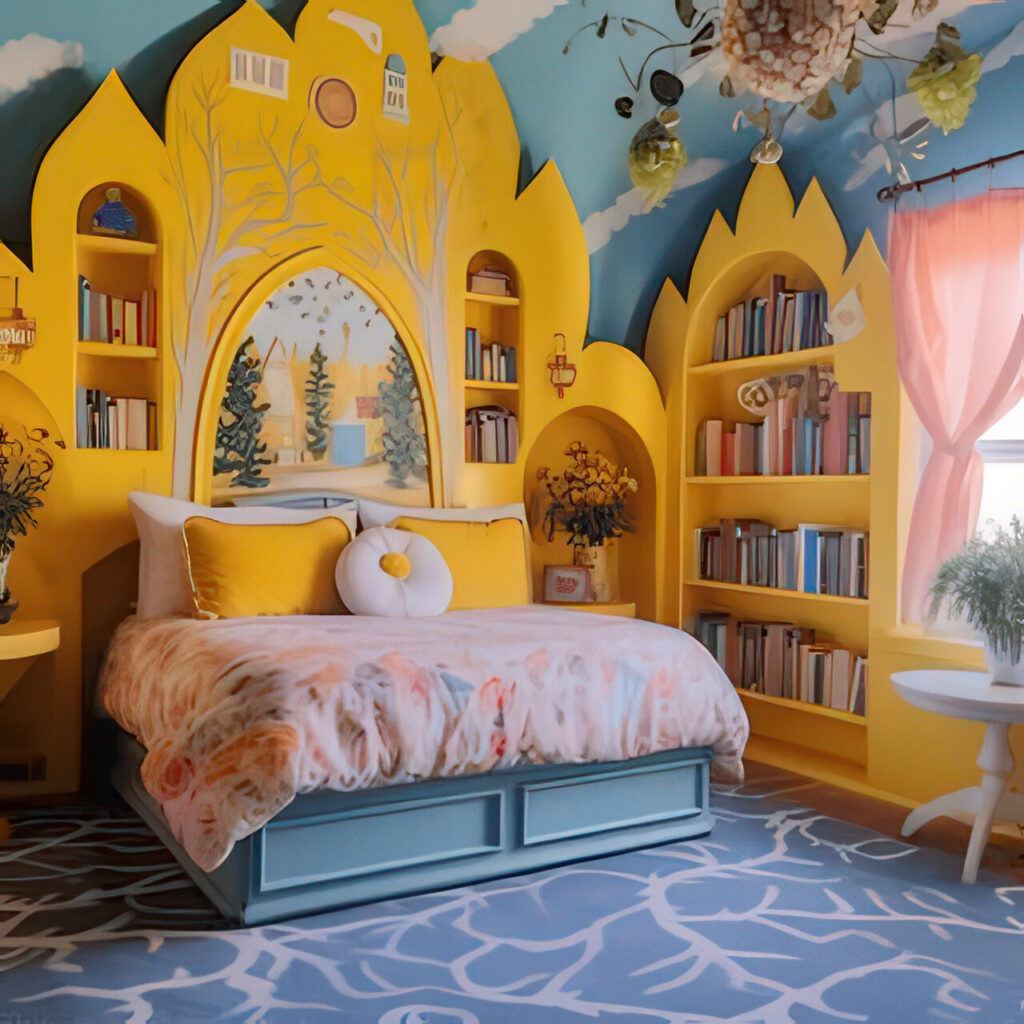
Castle beds, pirate ship frames, full-wall undersea murals, and ceilings painted as galaxies look magical on social media, but daily life exposes their limits. These immersive themes leave little room for anything else. A child who once loved knights might later gravitate to music or science and feel boxed in by a bed shaped like a turret. Built-in fantasy structures often eat floor space and make furniture rearrangement nearly impossible. They also complicate resale if you plan to move before your child is grown, because potential buyers see removal costs, not charm. Cleaning around complex shapes, fabric canopies, and built elements is also more work.
4. Heavy Shabby Chic And Cottage Pastel Rooms That Feel Too Fussy
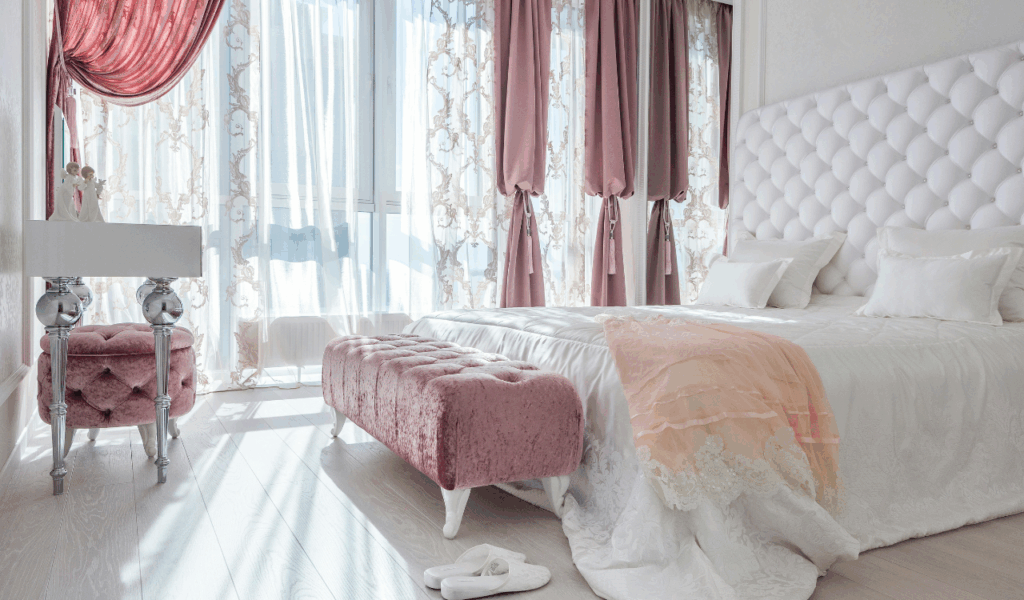
The shabby chic look once dominated nurseries and little girls’ rooms: distressed white furniture, floral fabrics, ruffles, lace, and pastel everything. Today, that aesthetic often reads as fragile and high maintenance in a room meant for real play. Chippy paint is not ideal when kids chew, climb, or bang toys into surfaces. Pale fabrics stain quickly with markers, snacks, and spills. An abundance of decorative pillows and frills also makes it harder for kids to make their own beds or tidy up, because there are simply too many elements to manage. As children grow, that very sweet, romantic style can clash with their developing sense of self, especially if they want something more streamlined or gender neutral.
5. Wall To Wall Murals, Decals And Heavy Theme Wallpapers
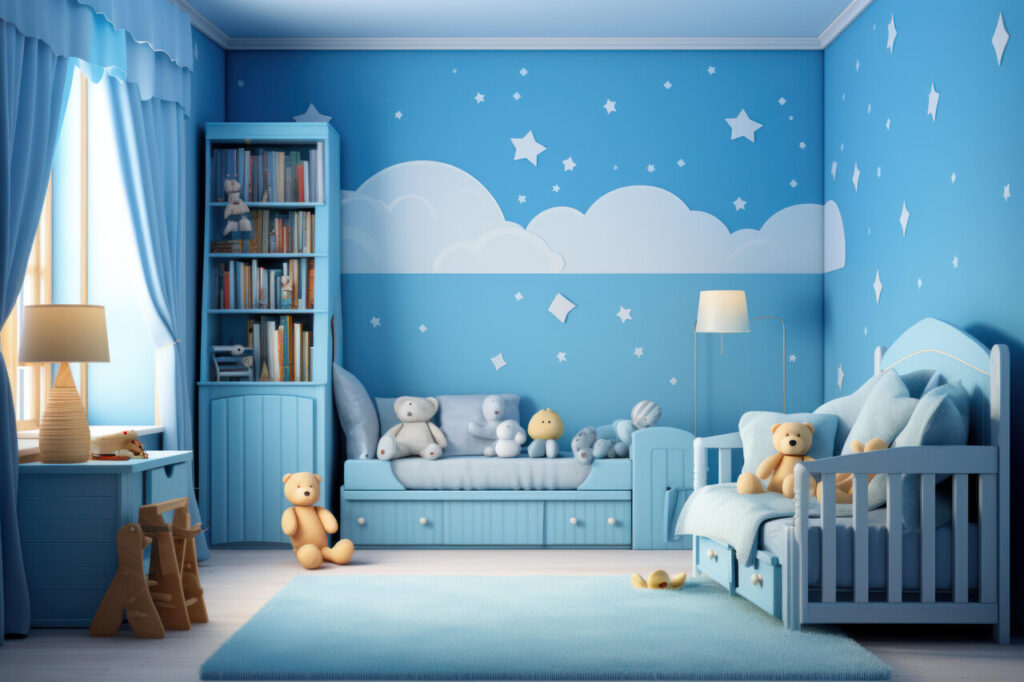
Large murals and fully themed wallpaper can transform a room in a weekend, but they demand long-term commitment. A wall covered edge to edge with jungle animals, race cars or unicorns is hard to balance with new interests later without stripping everything and starting again. Some wallpapers are difficult to remove cleanly, especially in older homes where the underlying plaster or drywall is delicate. Decals seem easier, yet big collections of them can leave ghosting or damage paint when pulled off. These treatments also limit where you can place shelves, hooks, and taller furniture, since anything added risks cutting through the scene.
6. Strongly Gendered Pink Or Blue Concepts That Feel One-Note
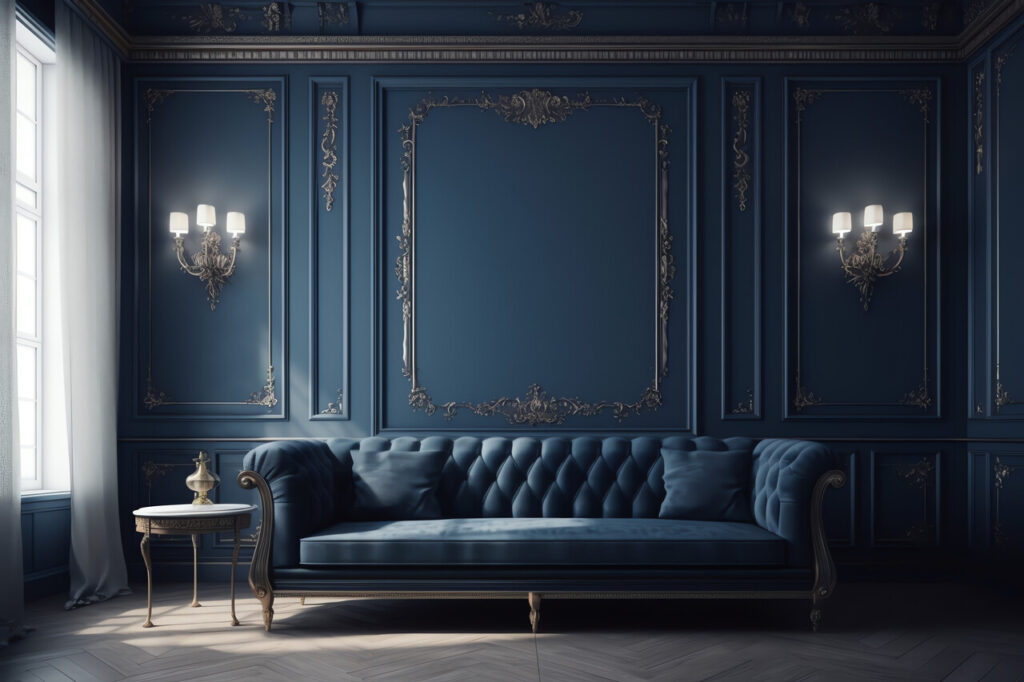
Rooms defined almost entirely by baby pink for girls or bright blue for boys feel increasingly out of step with how many families think about childhood. A single color ruling the entire space can flatten personality and reinforce old stereotypes about what kids should like. It also becomes awkward when siblings share a room or when preferences change. A child who once loved pastel pink may later lean toward bold colors or darker schemes and feel that the room no longer fits them. Repainting everything and replacing textiles can then feel like an all-or-nothing project. From a design standpoint, heavily gendered palettes can also make it harder to reuse the room for a different purpose later, such as a guest room or office.
7. Matching Furniture Sets That Lock The Room Into One Era
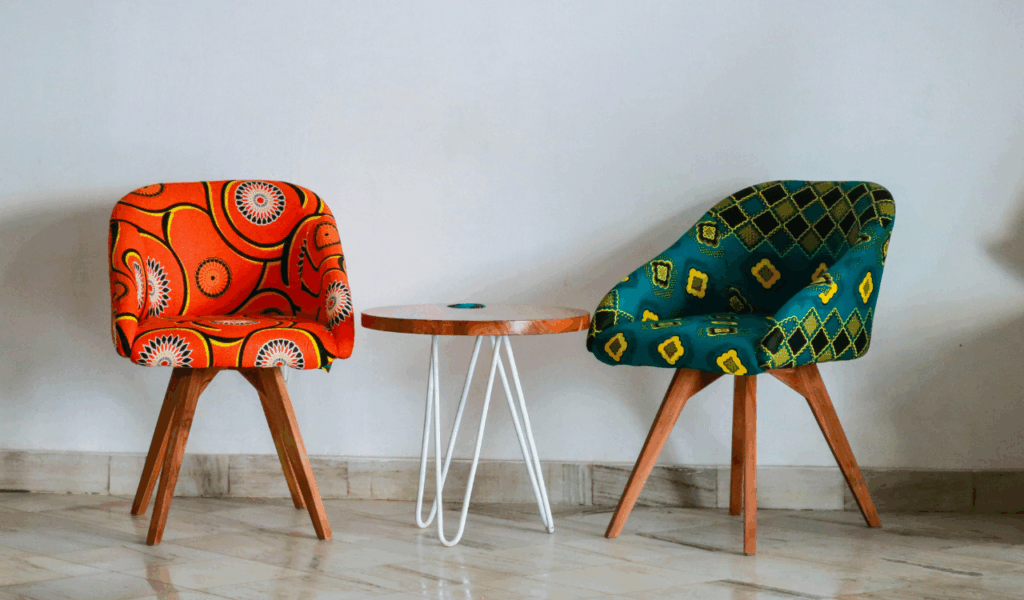
Buying a complete kids’ furniture suite is convenient: bed, nightstand, dresser, desk, and bookcase all in one style and finish. Over time, though, that coordination can become a trap. As children grow, they may need a bigger bed, more storage, or a different desk setup for serious study. With a full set, changing one piece can make the rest look off, encouraging a more expensive all-at-once replacement. Matching sets also reduce the sense of individuality in a room, since everything comes as a package rather than being assembled gradually around the child’s needs and tastes. If the chosen style is very juvenile or trend-driven, the entire room can look dated in a few years.
8. Trend Heavy Neon And High Saturation Color Schemes
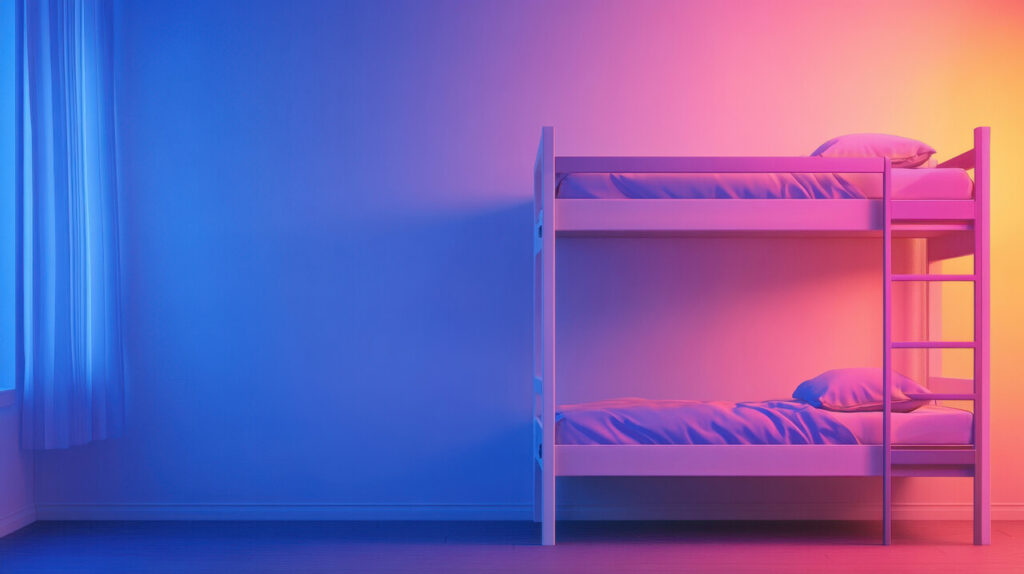
Neon greens, intense purples, and electric teals cycle in and out of fashion, often tied to specific decades or pop culture moments. Using them as the main palette for a kids’ room gives an instant sense of cool, but that edge fades quickly. These colors dominate small spaces and can interfere with rest, especially when used on large wall areas. They also make coordinating bedding, rugs, and art more difficult, because many pieces will either fight or be drowned out by the background. When tastes shift, covering very bright colors can require multiple coats of paint and careful priming.
9. Highly Themed Bedding And Decor That Age Faster Than Kids Do
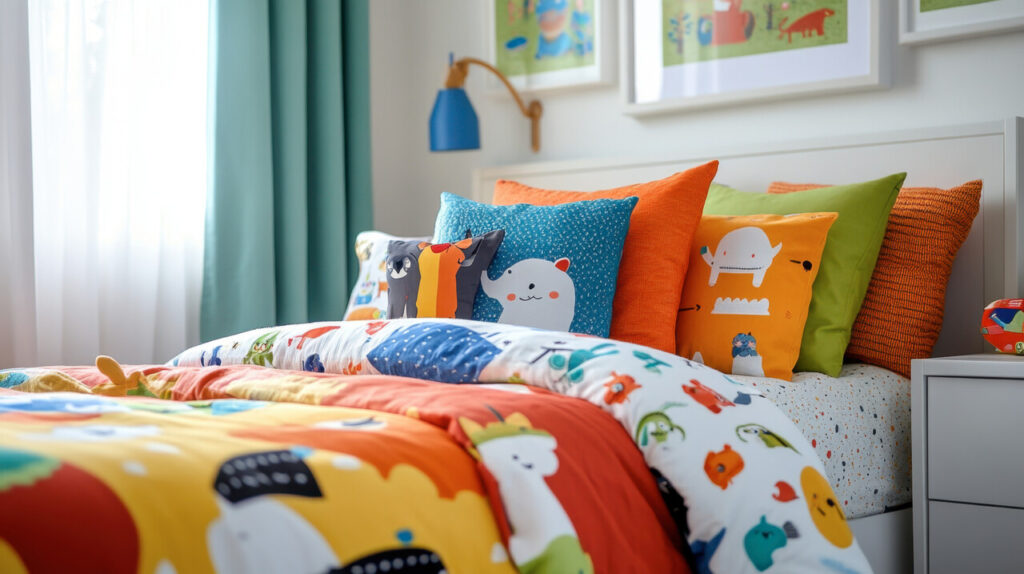
Bedding, cushions, rugs and lamps are the easiest elements to swap in a kids’ room, yet they can still feel outdated if they are too tightly tied to one trend. Unicorns, specific video game graphics, internet slogans or one movie franchise may feel essential at the time, but kids move on. When every soft surface and accessory repeats the same motif, the room becomes visually locked to that moment. This can be particularly noticeable when friends visit or when photos linger long after the phase has passed. Parents may hesitate to replace everything at once, so the room gets stuck between stages: a growing child surrounded by decor that reflects who they were several years ago.