8 “Rustic” Barn Doors That Jam and Block Emergency Exits
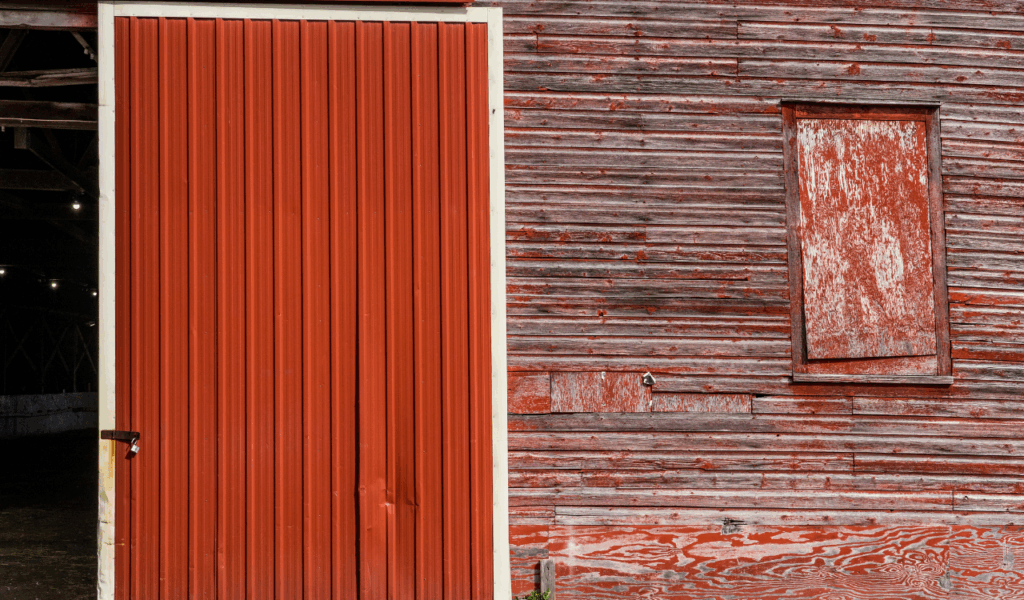
The farmhouse look has been popular in home design for almost ten years, but safety experts say the “rustic” barn door fad is in big trouble. These sliding slabs of reclaimed wood are really pretty to look at, but when amateurs install them, they can be very dangerous to use. Interior designers often say that homeowners care more about how a hefty moving wall looks on Pinterest than how it works. This disconnect makes doors that appear great but don’t work properly when you need them to open and close quickly.
Fire marshals and safety inspectors say that the main threat is the bypass and track systems, which can easily become out of alignment. If a door jumps off its track or a floor guide gets loose, the whole device can become a real barrier, keeping people within a room. Professional builders say that “barn door panic” is becoming more common in modern home renovations when looks are more important than building requirements. It’s important to remember that a door isn’t simply a pretty thing; it’s a highly important piece of safety equipment that needs to work perfectly every time.
1. The Heavy Reclaimed Oak Slab
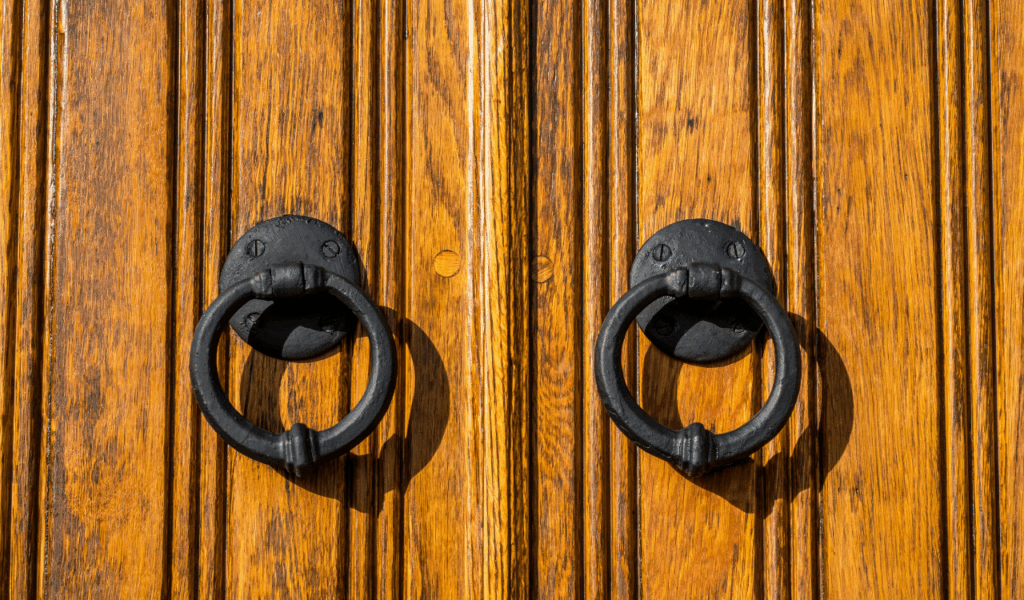
Professional flippers love reclaimed oak because of its deep grain and historical look, but its weight makes it challenging for conventional residential gear to handle. Experts note that a solid oak barn door can weigh more than 200 pounds, which puts a lot of stress on the mounting header and the rollers. Over time, the whole system can sag if the wall doesn’t have a structural backing plate to support it.
This can make the bottom of the door drag and finally stop working. Because of this friction, it’s almost impossible for a child or an old person to open the door in an emergency. Designers say that if you have to use heavy oak, you should get industrial-grade stainless steel tracks that are rated for twice the weight of the oak. Organizers say that the “rustic” look often hides the reality that the wood is still changing size with the seasons.
This movement can bend the slab just enough to get it stuck in the floor guides’ tight tolerances. Contractors say that a blocked oak door often needs a crowbar to get it open, which is the last thing you want to deal with during a fire or a medical emergency.
2. The Unanchored Top-Mount Track
Home inspectors say that the most typical mistake made during installation is not anchoring the track to strong wood studs or a dedicated header board. Amateurs often use drywall anchors, which aren’t made to handle the sliding door’s dynamic shear strain. Experts believe that after a few hundred usage, these anchors start to slide away from the wall, making the track tilted and keeping the door from staying open. This makes the door “ghost slide” close, which could block an exit without the person inside even knowing it.
Professional flippers say that a track that isn’t absolutely level is a risk that could cause the door to come off the rollers completely. Designers suggest utilizing a “ledger board” that is painted to match the wall to give the hardware a stable, continuous place to mount. People who plan events say that a loose track is the most common cause of barn door mishaps in homes with kids or dogs who are always on the move. When the hardware breaks, the door doesn’t just become stuck; it can topple all the way over, blocking the way you need to get out.
3. The Decorative Wrought Iron Bypass System
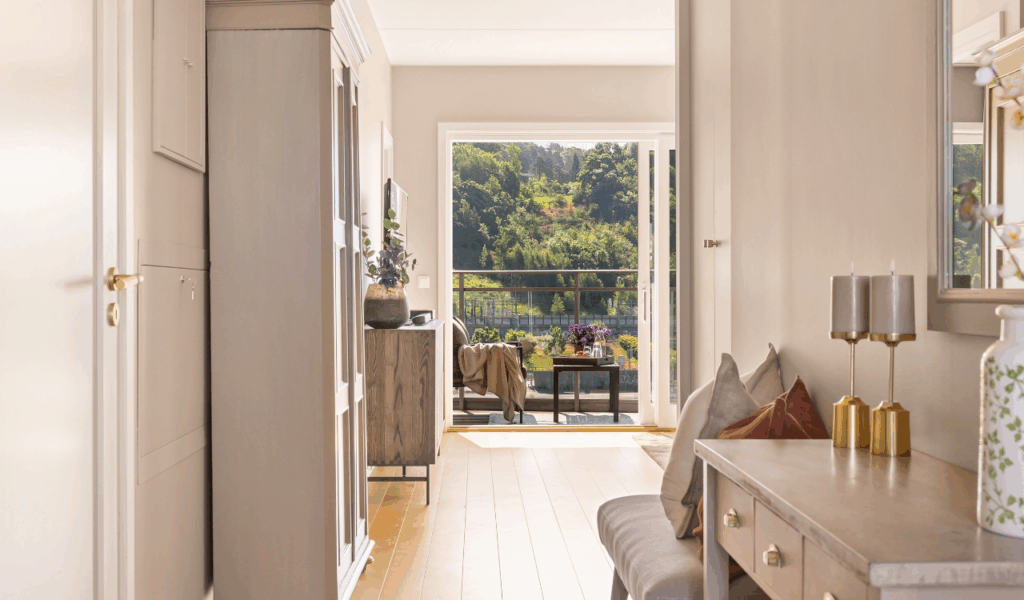
People typically use bypass barn doors to conceal broad openings or closets, but the complicated overlapping tracks make them likely to break down. Designers say that these systems need twice as much maintenance as a single track to keep the rollers from colliding or getting tangled up. Experts say that the “rustic” wrought iron hardware that is popular in these kits is frequently more brittle than modern steel.
This means that wheels can break or brackets can crack when they are used a lot. If one door gets stuck, it commonly blocks the second door behind it, making the blockage twice as bad.
Realtors say that badly maintained bypass systems are a red flag during home inspections since they generally don’t meet “egress” regulations.
Safety experts say that a door that needs two hands and a lot of force to open is a safety risk. This is why organizers say that bypass doors should never be used as main exits, including in bedrooms or bathrooms. The design’s overlapping parts make a “pinch point” where trash or even a loose rug can become stuck in the mechanism and keep the doors closed.
4. The Distressed Pine “X-Brace” Door
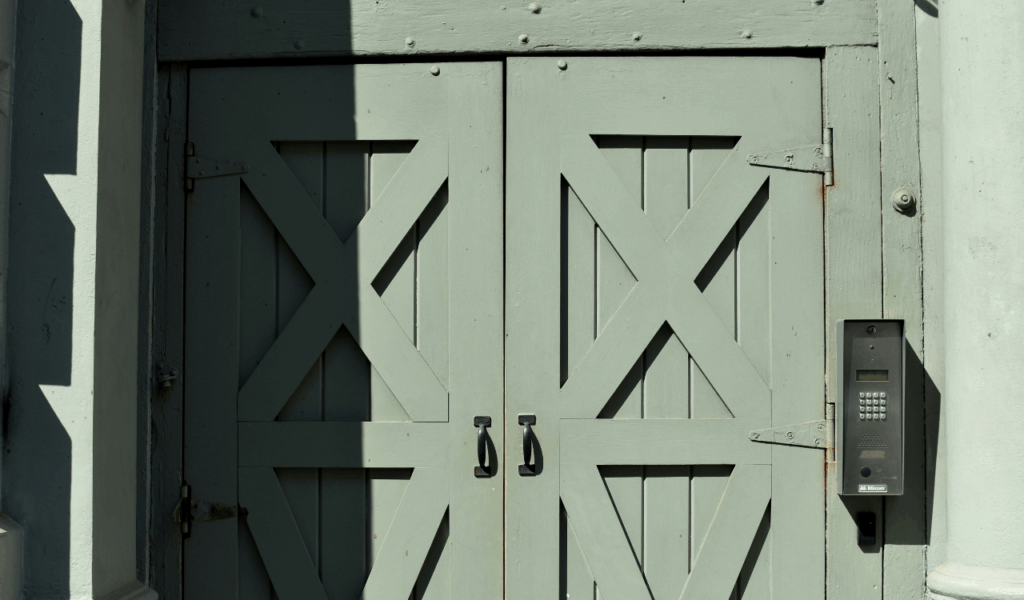
Pine is a soft wood that may be readily weathered to look old, but it is also very flexible, so it can warp a lot. Designers say the famous “X-Brace” pattern is meant to keep things from sagging, but in a bathroom where it’s humid, the pine may twist like a pretzel. When the door warps, it doesn’t lay flat against the wall anymore, which makes it catch on the trim or the floor guide. Experts believe this “warpage jam” is especially dangerous since it builds up over time until the door won’t move at all.
Contractors commonly see that these doors are put in with not enough space between the slab and the wall casing. Professional organizers say that many barn doors are even tougher to open if they start to stay since they don’t have a good grip on the “back” side. When the pine door twists toward the wall, it makes a wedge effect that makes it harder to move. Experts say that using engineered wood cores with a pine veneer will keep the door looking good and make sure it stays absolutely flat and functional for its whole life.
5. The Hardware-Heavy “Industrial” Slider
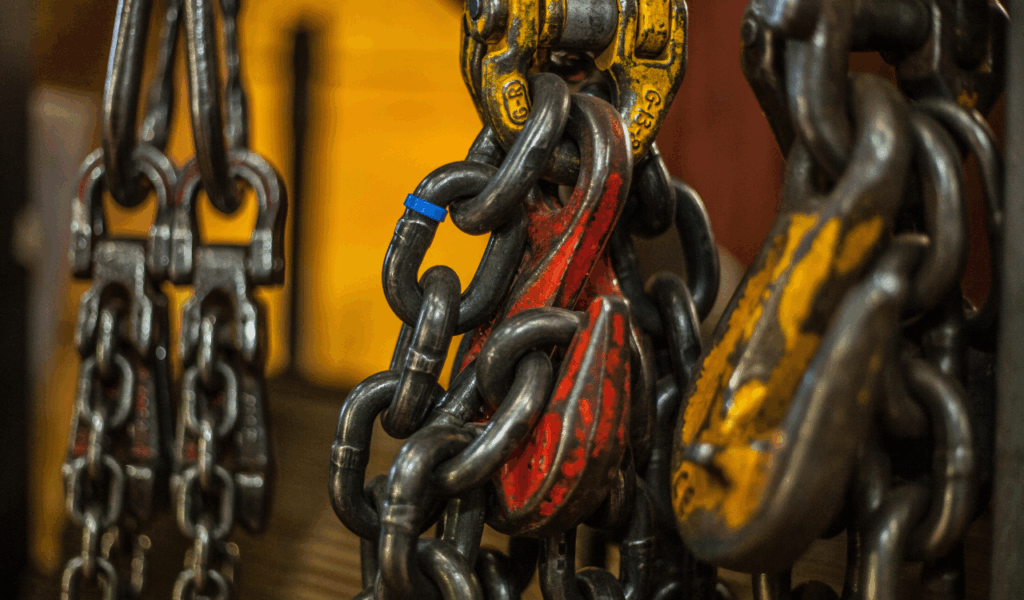
The “Industrial” appearance often includes big pulleys, thick chains, and huge bolts that don’t do anything useful but make things heavier. Designers say that although though this machinery seems tough, it doesn’t always have the same level of precision as sleek, modern rollers. Experts claim that the more moving parts a “rustic” system has, the more likely it is that one small element will break and lock up the whole thing.
Dust and hair can also build up on large, exposed wheels, which can make the bearings stick and stop the door from moving. Safety inspectors say that the “cool” look of heavy chains or gears can be very dangerous if they get caught on clothes or fingers when someone is in a hurry to leave. Professional flippers say that these heavy-duty kits don’t often include the “soft-close” mechanisms that keep a door from crashing against the end-stop and rebounding back.
This bounce-back can make the door stay half-closed, which is a big tripping hazard. Experts argue that safety is better when things are simple, and industrial items that are too complicated can be more bother than they’re worth in a home.
6. The Repurposed Vintage Gate

The best way to follow the rustic theme is to use an old gate or a stable door that you found and fixed up, but these things were never meant to be used in interior track systems. Designers say that these pieces are generally “out of square,” which means they aren’t completely rectangular. This makes the weight unevenly distributed on the rollers. Experts explain that the outdated hardware or rough edges of a salvaged gate can become caught on the mounting bolts of the track.
This causes the movement to “stutter,” which might cause the door to get stuck at the worst possible time. Realtors say that gates that have been repurposed often have things sticking out of them, like old hinges or lock fragments, that can become stuck on the wall or door frame.
Contractors say that the wood in these old parts is frequently quite dry and brittle, which makes it likely to crack when the new hangers are screwed on. If the wood splits at the attachment point, the door will drop a few inches and get stuck against the floor. If you choose a vintage item, the organizers say it must be thoroughly planed and squared so that it can move around the track without any problems.
7. The Mirror-Inlaid Barn Door
Putting a big glass mirror on top of a hefty wood frame makes an already bad storage option even more fragile. Designers say that the weight of the glass and wood together make these doors almost impossible to stop once they start moving. Experts explain that if the door strikes the track stop too hard, the vibration might break the glass or throw the frame out of alignment. A door that is stuck and has broken glass on it is another threat that makes it even more dangerous to clear the escape.
Safety experts say that these doors are often put in narrow hallways where there isn’t much room to move around if the door becomes stuck. Professional organizers say that the mirror’s weight often makes the door lean away from the wall, which puts greater stress on the bottom floor guide. If that guide breaks, the door can swing out like a pendulum and completely block the corridor. Experts say that doors with mirrors should always have heavy-duty anti-jump pins to keep the rollers from coming off the track when the door is moved suddenly or with force.
8. The DIY Plywood “Barn” Kit
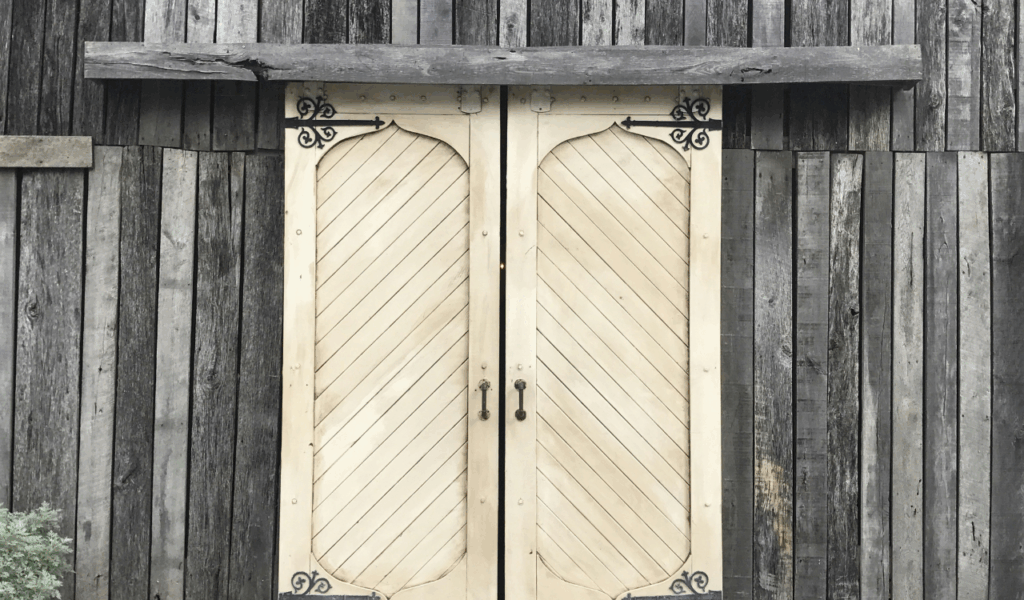
Cheap DIY kits generally utilize thin plywood or MDF that isn’t sturdy enough to hold its own weight over a big area. Designers note that these doors are known for “bowing” in the middle, which makes them scrape against the wall and the baseboards. Experts claim that the inexpensive plastic rollers that come with these kits are likely to develop flat spots, which makes the door feel like it’s “hopping” as it moves.
This uneven movement eventually causes the hardware to come free and the door to get stuck because of mechanical fatigue.Contractors say that the most dangerous thing about these kits is that they don’t come with suitable floor guides, which DIYers sometimes bypass to avoid drilling into their floors. Professional organizers say that a door without a floor guide can swing freely, which can cause it to get out of alignment and get stuck against the wall. Safety inspectors said that these lightweight doors often feel “flimsy,” yet they can still hurt a lot if they collapse. Experts say that if you don’t have a lot of money, it’s preferable to stick with a regular hinged door than to acquire a sliding barn door system that isn’t as safe or high-quality.