
9 New Year Storage Trends That Looked Good but Failed

New Year storage trends often promise quick results and visible order, which is why they feel so appealing in January. Fresh motivation makes big cleanouts and stylish storage solutions seem like the perfect reset. The problem is that many of these trends rely on short bursts of energy or surface-level fixes rather than habits that fit into everyday routines. When systems do not support how people actually move, store, and retrieve items, clutter quietly returns. A lasting organization depends more on consistent behavior than on dramatic changes made once a year. These are the storage trends that looked effective at first but could not survive daily life.
1. Decluttering Marathons That Burned Out Fast

January often brings ambitious, all-day decluttering sessions meant to reset entire homes at once. The problem is that large-scale cleanouts rely heavily on short-term motivation, which naturally fades. When people empty multiple rooms in one weekend, the sorting decisions become exhausting, and progress slows. Piles sit waiting to be dealt with, which adds stress instead of relief. Once regular work and family schedules return, there is little energy left to finish organizing what was pulled out. Without ongoing maintenance routines, clutter slowly returns to the same spaces. Sustainable storage improves through steady habits, not through exhausting bursts that are hard to repeat.
2. Decorative Storage Bins That Became Hidden Mess Zones
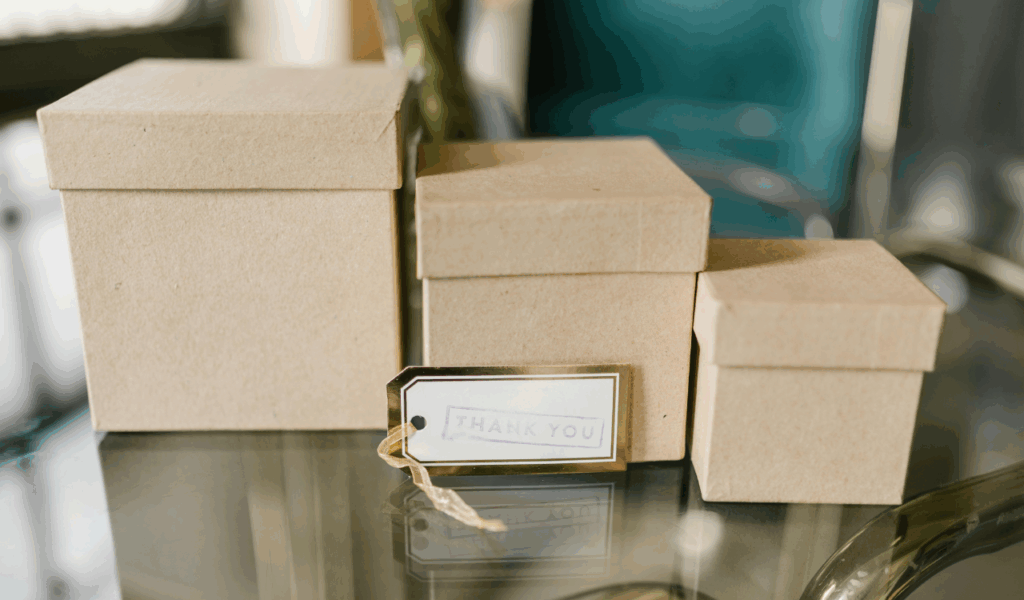
Pretty baskets and matching bins look organized on shelves, but appearance does not equal function. Without clear categories and limits, bins quickly fill with random items. Because the contents are hidden, clutter is easier to ignore until overflow becomes unavoidable. Kids and adults alike treat open bins as dumping spots when they are unsure where something belongs. Over time, retrieving specific items becomes harder, and bins require full emptying to locate things. What started as a visual order quietly turns into concealed chaos. Storage that works long term needs a clear purpose, not just coordinated design.
3. Extreme Minimalism That Did Not Match Daily Life

Stripping closets and cabinets down to bare essentials can feel refreshing at first, but daily routines often require more flexibility. Families need backups, seasonal items, and supplies for changing schedules. When minimalism removes useful items, people end up rebuying or borrowing what they previously owned. This creates frustration and extra expense. Overly sparse storage also forces items to pile up on counters and chairs because there is nowhere dedicated to put them. Instead of reducing clutter, extreme minimalism can shift clutter into visible spaces. Storage systems must reflect how people actually live, not idealized versions of simplicity.
4. Seasonal Storage Rotations That Were Forgotten

Rotating clothing, decor, and equipment by season is a smart idea in theory. In reality, it requires consistent follow-through. Once January passes, many people forget to update storage as the weather and activities change. Winter items stay accessible too long, while spring gear remains buried. This leads to overcrowded closets and missed use of stored items. The system only works if there are set reminders and designated swap days. Without that structure, seasonal rotation becomes another abandoned plan. Storage must account for human forgetfulness and busy schedules to remain effective.
5. Modular Storage Systems That Shifted Out of Order
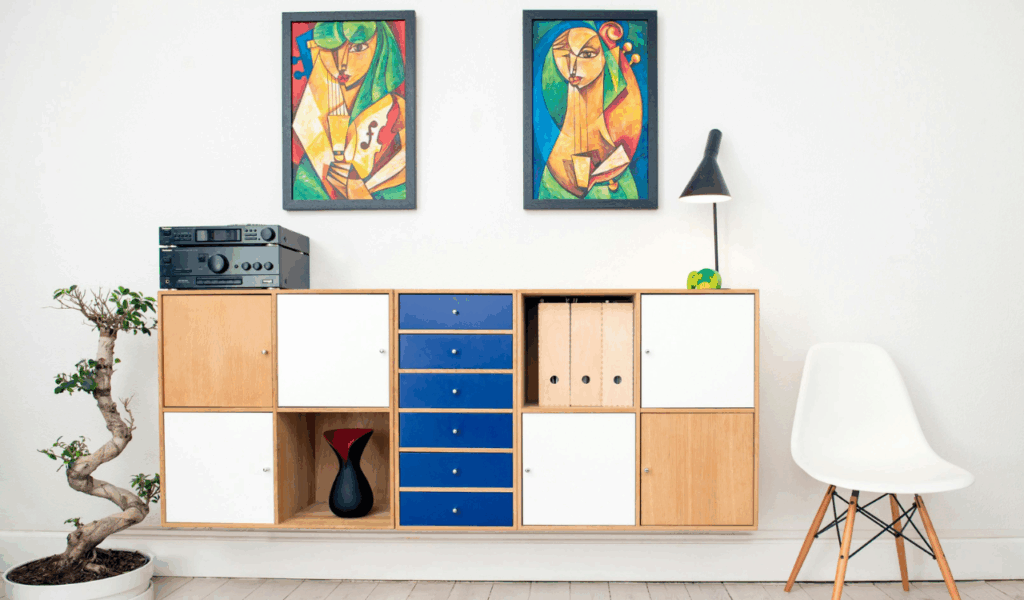
Stackable cubes and adjustable shelving offer flexibility, but that flexibility can become instability. When pieces are moved frequently or overloaded, they shift out of alignment. Drawers slide unevenly, bins get misplaced, and the original layout no longer makes sense. People stop adjusting the system once it feels inconvenient, leaving it half-functional. Modular storage works best when layouts are finalized and limits are respected. Without a consistent structure, the system loses its original logic and becomes just another cluttered shelf unit.
6. Cabinet Clean Slate Resets That Did Not Hold
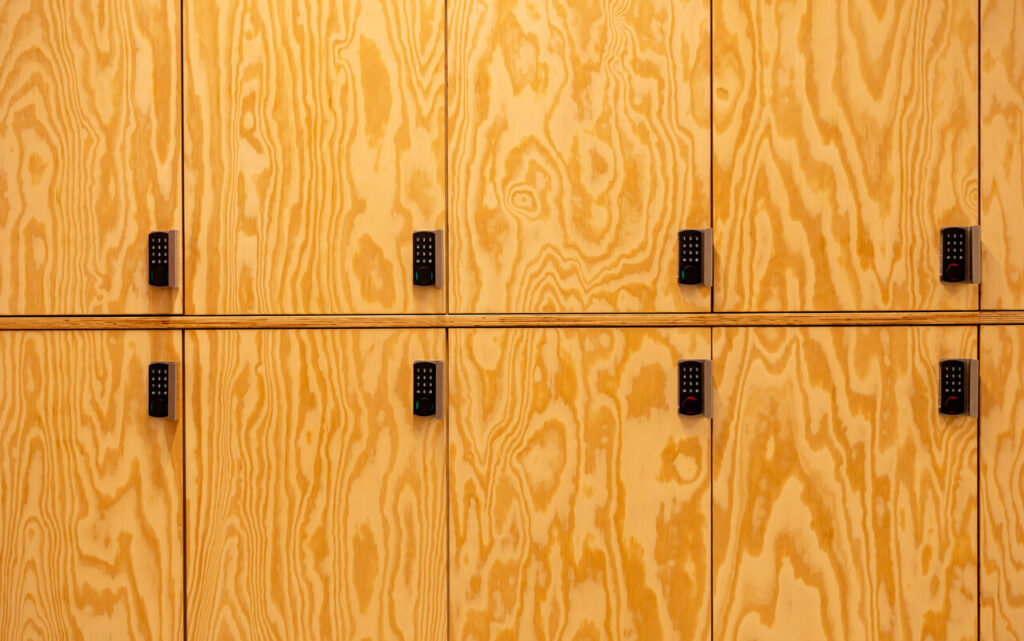
Emptying cabinets and starting fresh feels powerful, especially after the holidays. But once items go back in without clear organization plans, clutter rebuilds quickly. People tend to put things where they fit rather than where they make sense. Without drawer dividers or shelf categories, similar items scatter across cabinets. Daily use habits take over, and the reset loses its effect. Clean slate resets work only when paired with systems that support long-term behavior. Otherwise, they offer temporary satisfaction without lasting improvement.
7. Quick Fix Decluttering Hacks That Avoid Root Causes

Many viral organizing tricks focus on hiding clutter rather than reducing it. Sliding bins under beds or stacking items vertically may improve appearance, but they do not address why clutter accumulates. Without limits on what enters the home, storage fills faster than it is cleared. Over time, even clever hiding spots overflow. People then need to reorganize again instead of enjoying lasting order. Sustainable storage starts with reducing volume and defining ownership of space. Hacks that skip those steps rarely stick.
8. One-Time Garage Cleanups That Were Quickly Undone

Garages are often targeted during New Year resets because they hold so much unused stuff. Clearing them out in one big push feels productive, but garages also attract new clutter year-round. Without assigned zones and regular check-ins, tools, boxes, and seasonal items drift back into random piles. Cars get pushed out again, and walkways disappear. The space returns to chaos because the original organization was not supported by daily habits. Long-term garage storage requires routines, not just big cleanout days.
9. Temporary Catch-All Baskets That Became Permanent

Catch all baskets are meant to collect items that need to be sorted later. The problem is that it rarely comes. Baskets fill with mail, accessories, toys, and random objects, becoming portable junk drawers. Because they are meant to be temporary, no one feels responsible for maintaining them. Over time, they spread across rooms, adding more storage problems instead of solving them. Without scheduled emptying, catch-all baskets simply delay clutter decisions rather than resolving them. Storage that sticks requires clear ownership and regular clearing, not indefinite holding zones.