8 “Brass” Finishes That Tarnish and Look Ghetto Quick
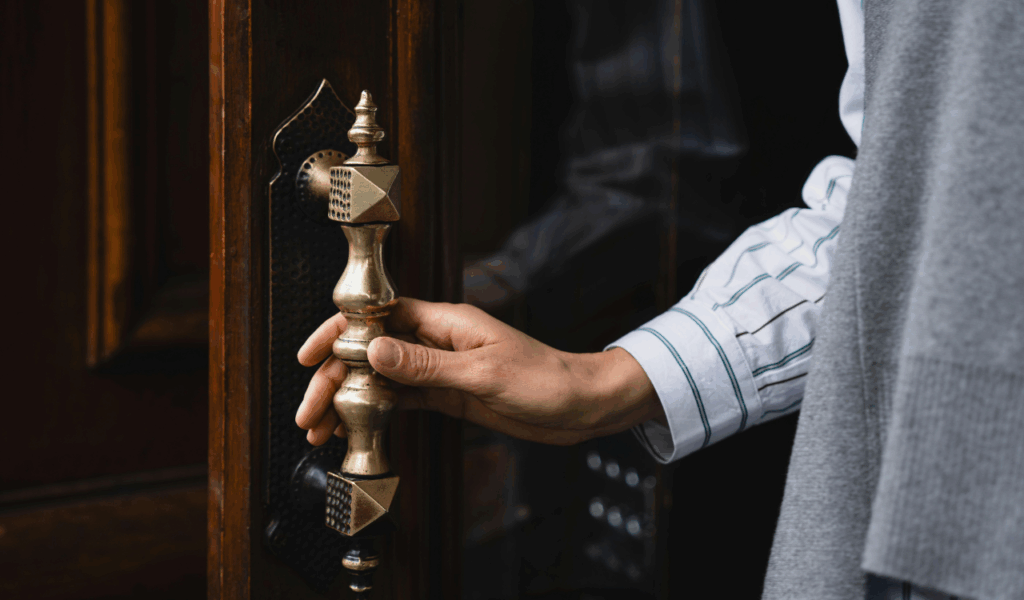
Currently, brass accents are popular in home design. The cold, industrial colors of the last decade are warmed by them. Interior designers warn that the improper brass finish may make a property look ancient or cluttered in months. Low-quality brass finishes lose sheen and appear cheap or “ghetto.” when they corrode or flake. Due to unattractive green or brown spots under the metal covering. Chemicals in the finish determine how it responds with hand oils and house humidity. Because of this, some fixtures last for years and others break down quickly.
According to architectural hardware experts, many consumer-grade goods are made of “pot metal” or zinc with a thin brass covering. Before buying a fixture, designers recommend weighing it. Light and hollow means it lacks a robust brass base to last. Professional flippers claim that if a thin brass finish tarnishes unevenly, it’s very impossible to restore without refinishing the piece. To avoid a high-maintenance disaster, experts recommend distinguishing between cheap lacquered finishes, which are engineered to fail and harm your home, and living finishes, which age.
1. High Gloss Electroplated Gold Brass
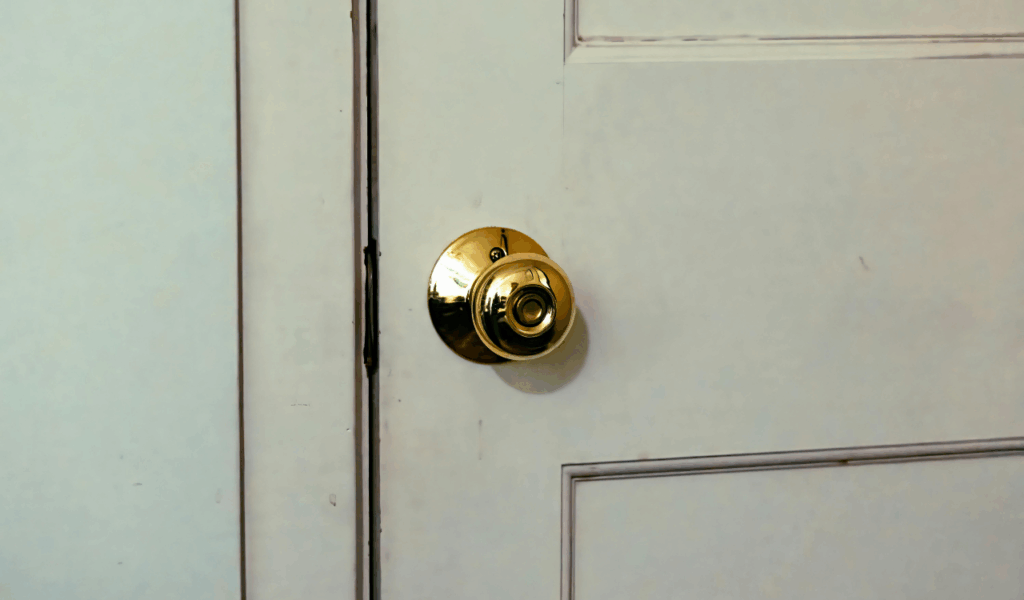
The “gold” layer on high-gloss electroplated finishes is generally only a few microns thick, which makes them look worn out quickly. Professional contractors say that this finish is very susceptible to conventional household cleansers, which can eat through the plating with only one wipe. When the plating is broken, the dull, gray metal underneath shows through, making the surface look cheap and splotchy that can’t be cleaned away. Experts claim that this finish is a favorite among budget manufacturers because it looks great in the showroom, but it doesn’t hold up well enough for regular usage in kitchens or bathrooms.
Designers advise against “fake gold” finishes for frequently used items like cabinet pulls and door handles. Home renovation experts believe finger friction wears down electroplating faster than expected. The finish may wear off completely, leaving black spots. Professionals recommend matte black or brushed nickel for budget-conscious shoppers. A cheap brass finish will reveal its poor cost after weeks of installation. These parts must be replaced fully. Replacing minor hardware is more expensive than buying decent components initially.
2. Thinly Lacquered Polished Brass
In the 1990s, polished brass with a thin layer of lacquer was very popular. It is still a hazardous choice for people who want a style that will stay. Professional restorers say that the lacquer is supposed to keep oxygen out, but if it has even a tiny hole, the brass underneath starts to tarnish. This makes the metal look like it has “trapped” oxidation, with a layer of peeling plastic on top of it. Experts claim that this is the main reason why ancient brass hardware typically looks so dirty and “ghetto.” The peeling lacquer traps dirt and oils that are hard to get rid of.
Interior designers advise living with the mess or using harsh chemicals to remove the lacquer once it breaks down. This procedure requires a lot of labor and can damage cabinet paint or wood. Professional organizers recommend unlacquered brass and frequent cleaning for excellent luster. Realtors warn that cheap lacquered shortcuts might make your home look decades old. These poor finishes might lower a property’s value.
3. “Antique” Rubbed Paint Finishes
A lot of low-cost stores sell hardware that says it’s “antique brass,” but it’s really just a base metal with a brownish, metallic paint on top. Professional flippers say that this paint chips easily, especially at the edges and corners where the hardware is most often grasped. These painted versions don’t have the rich, real patina that real old brass does. Instead, they look flat and fake. Experts argue that once the paint chips, there is no way to “heal” the surface. This makes the item look old and cheap instead of vintage or classy.
Professional painters and decorators say that the “rubbed” look is often applied unevenly across different batches, which makes it hard to find matching replacements if one piece breaks. If you want a weathered effect, designers say to search for “living finishes”. These will change without paint. Experts believe cheap, painted brass is one of the fastest ways to make a new renovation appear terrible. The initial “savings” aren’t worth replacing all chipped kitchen hardware, which can cost hundreds of dollars.
4. Low Quality PVD Coated Brass
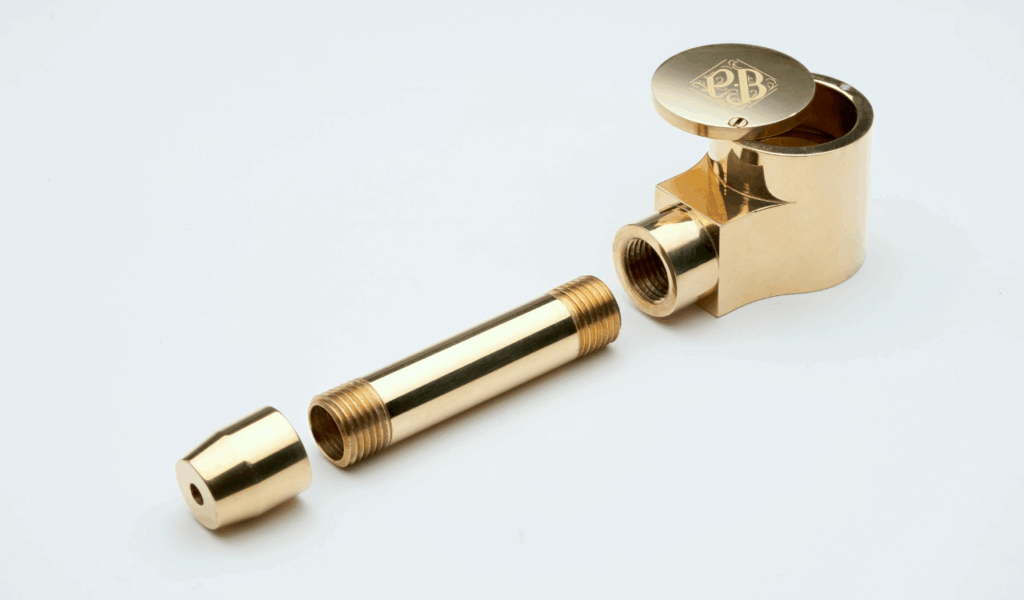
PVD (Physical Vapor Deposition) is often sold as a finish that lasts for life, however low-quality versions of this technology can still fail in a big way. Professional plumbers say that the PVD covering on inferior faucets can actually come off or “bubble” if the metal underneath wasn’t cleaned well enough at the manufacturer. When this happens, the brass finish literally chips off in sharp, metallic scales. Experts say that high-end PVD is almost impossible to break, but the “bargain” versions you can find at large box retailers typically skip important bonding procedures to keep prices low for the average person.
Contractors believe a bubbling PVD finish indicates structural failure and cannot be repair with a cleaning kit. Designers recommend using well-known brands with lifetime PVD finish warranties to avoid the “ghetto” look of peeling faucets. Professional flippers warn that a bathroom with a peeling brass finish indicates that other portions of the building were poorly done. PVD requires special tools, therefore you can’t fix these things. You need a new fixture and professional installation.
5. Tinted “Brass” Clear Coats on Zinc
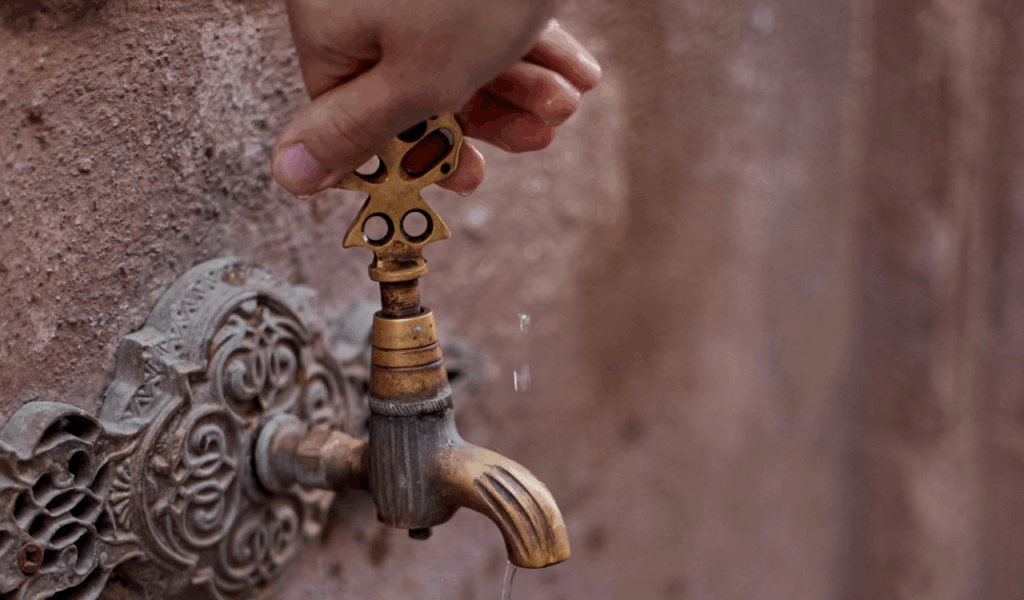
One of the sneakiest ways that companies cut costs is by putting a yellow-tinted clear lacquer over cheap zinc or aluminum fittings. Professional organizers and designers say that this finish is meant to seem like brass without utilizing any real copper or zinc alloy. The difficulty is that these colored coats are very soft and can be scratched by rings or nails. Experts claim that when the clear lacquer gets scratched, the silver metal underneath shines through. This makes a cheap, distracting contrast that undermines the warm look you were going for.
Experts in hardware say that these tinted coatings don’t always react well to UV light, which can make the “brass” color fade or change to a bizarre neon orange color over time. If you encounter a finish that seems excessively “yellow” or “plastic,” designers say it is probably a tinted coat that won’t last long. Realtors say these finishes are prevalent in “builder grade” homes and the first thing homeowners want to change. Upgrades to this technology will be expensive, thus picking a stronger material from the start may have saved money.
6. Powder Coated Matte “Brass”
Matte brass is really popular right now, but powder-coated versions don’t always have the same depth and durability as real metal finishes. Professional flippers say that powder coating is basically a baked-on plastic powder that can break if it gets struck by a vacuum cleaner or a heavy pot. The powder coating can break or shatter, letting moisture seep underneath and corrode the base metal. Metal, on the other hand, can only dent. Experts say this makes the edges of the hardware look “crusty,” which is hard to clean.
Interior designers say that the roughness of matte powder coating also attracts fingerprints and grease, which can be unexpectedly hard to get rid of without wiping off the surface. Professional cleaners say that the rough pads needed to clean the matte surface often leave glossy “burnished” places, which makes the finish look unclean and uneven. Experts recommend “satin” or “brushed” brass, which is mechanically rubbed rather than coated. This preserves the color over time despite frequent scraping and cleaning.
7. Chemically Aged “Distressed” Brass
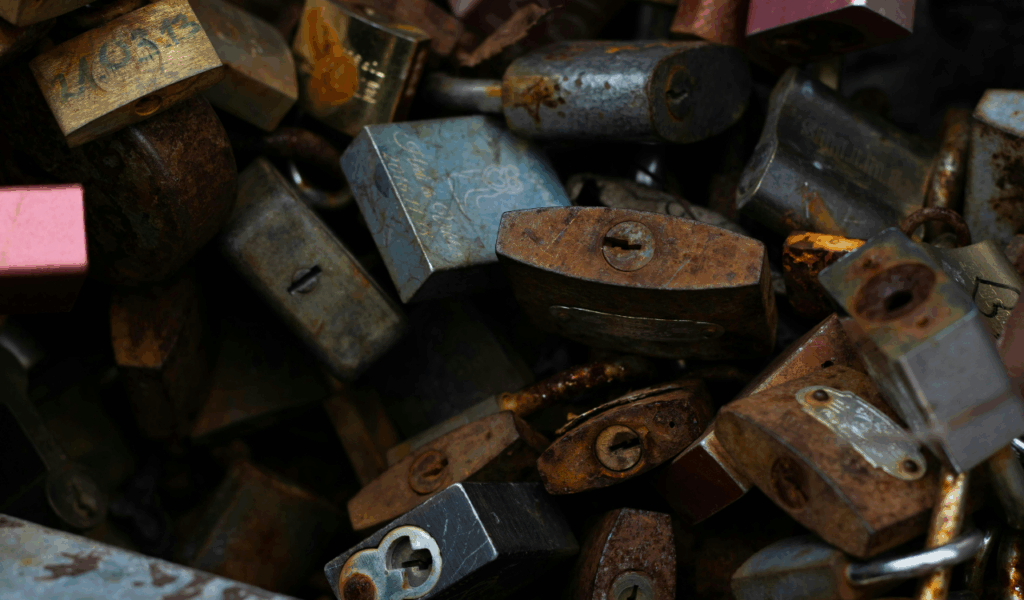
Chemically distressed brass is meant to look like it has been in an old building for 100 years, but cheap versions employ strong acids that keep eating the metal long after you buy it. Professional restorers say that if you omit or speed the neutralizing procedure, the “distressing” will keep going until the brass has deep, black pits. Experts believe that these pits are not only unattractive, but they can also get sharp and grab on clothes or skin. This “pitted” effect is common in inexpensive imports and may make even an expensive room look dirty.
The chemicals used in this method can react with air moisture to form a white, powdery residue termed “zinc rot” if the brass alloy is low-quality, say designers. This residue looks ugly and can be harmful on kitchen food. Contractors recommend buying brass without lacquer and letting it age naturally. Fixing chemical-damaged hardware often costs more than the device itself. This generates an expensive, environmentally harmful “throwaway” society.
8. Simulated “Champagne” Brass Sprays
Champagne brass is a lovely, soft color, but when it is made with a “simulated” finish, it is known to be quite fragile. Professional designers say that these sprays are often merely a more advanced type of spray paint that doesn’t have the molecular bond of a real metal finish.
Experts note that these things are often advertised as “decorative” instead of “functional,” which means they aren’t meant to be used in a busy kitchen. If you spray a high-traffic object with imitation brass, the finish will probably start to wear off in a few months, exposing the primer underneath.
Even professional painters claim it’s difficult to “touch up” a false champagne finish since the metallic flakes never lay down the same way. This makes your cabinets look uneven and “do-it-yourself” and less valuable immediately. Realty experts say purchasers perceive “specialty” finishes that don’t match or are worn out as a job right away and are turned off. If you want the champagne look to last and appreciate your investment, experts recommend a physical vapor deposition or solid alloy.