12 Trendy Home Features That Experts Predict Will Be Outdated by 2026
Home design trends move faster than most renovations, which is why some features that feel fresh today are already on borrowed time. What designers and buyers are responding to now is not novelty, but longevity. Spaces that once photographed well or signaled luxury are increasingly criticized for poor practicality, high maintenance, or a lack of warmth. As 2026 approaches, experts are paying closer attention to how homes actually function day to day and how easily they can adapt as tastes shift. Understanding which popular upgrades are likely to feel dated soon can help homeowners make smarter, more future-proof decisions.
1. All-White Kitchens
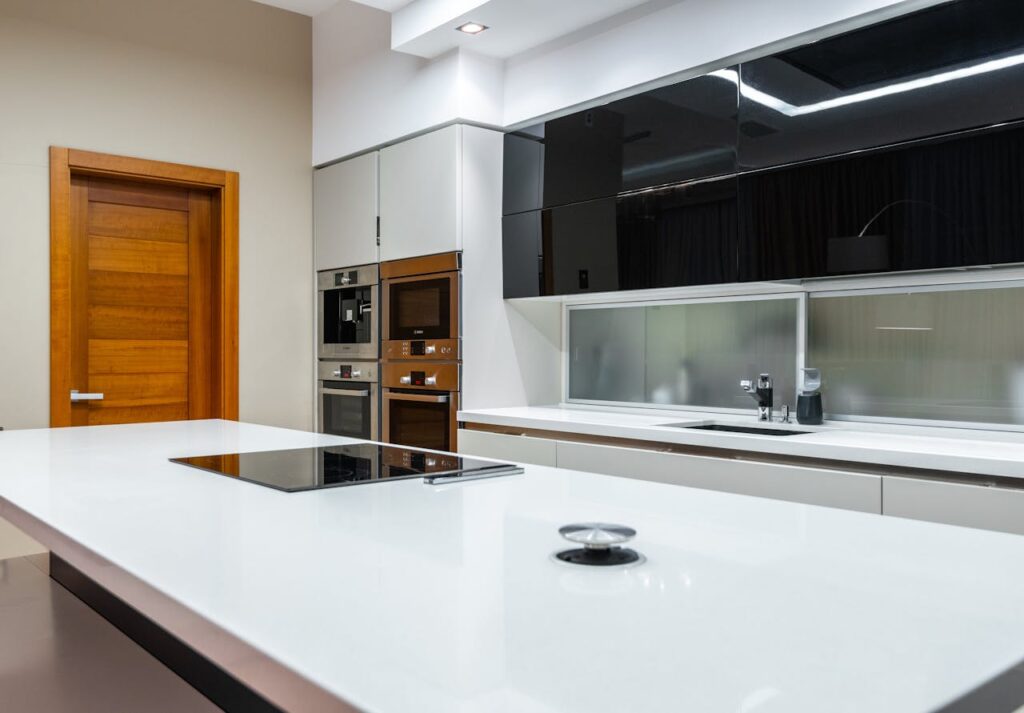
What once felt crisp and timeless is now starting to feel flat and unforgiving. All-white kitchens surged in popularity because they photographed beautifully and suggested cleanliness and luxury. Over time, however, homeowners discovered the downsides. White cabinets show fingerprints, scuffs, and wear far more easily than warmer tones. Constant maintenance becomes part of daily life, especially in busy households. Design experts also note that all-white kitchens can feel sterile rather than welcoming, particularly when paired with hard surfaces and minimal texture. As buyers lean toward spaces that feel lived-in and comfortable, kitchens with layered colors, wood tones, and subtle contrast are gaining ground.
2. Match-Everything Furniture and Decor Sets
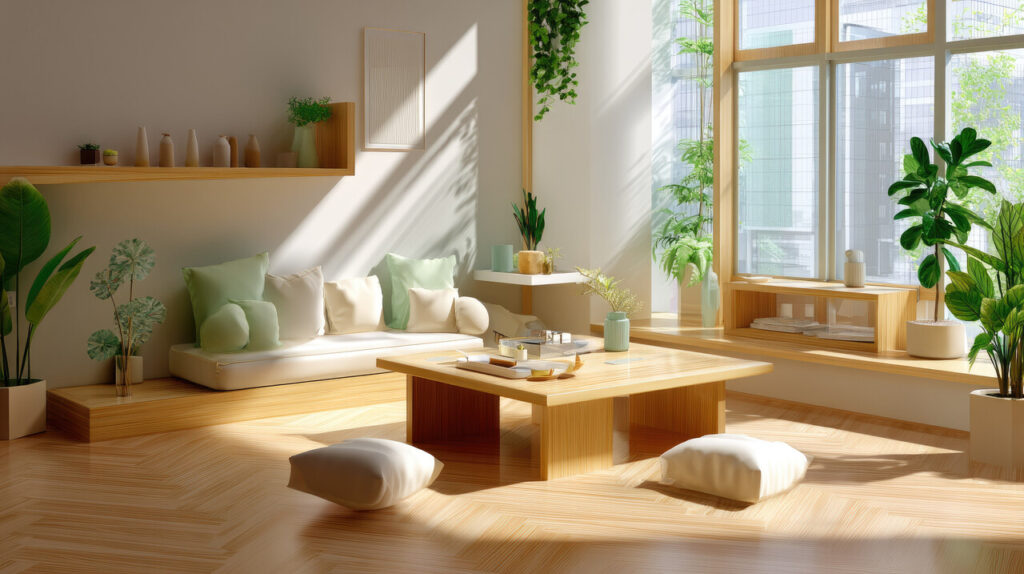
Perfectly coordinated rooms once symbolized polished design, but that uniformity is losing appeal. Matching sofas, chairs, rugs, and accessories can make a home feel more like a showroom than a place where real people live. Designers increasingly point out that these spaces lack personality and flexibility. Buyers now prefer rooms that look collected over time, with pieces that tell a story rather than follow a catalog. Matching sets also limit adaptability as trends shift, making updates feel all-or-nothing instead of gradual. By 2026, this approach is expected to feel dated because it prioritizes symmetry over authenticity.
3. Open Kitchen Shelving
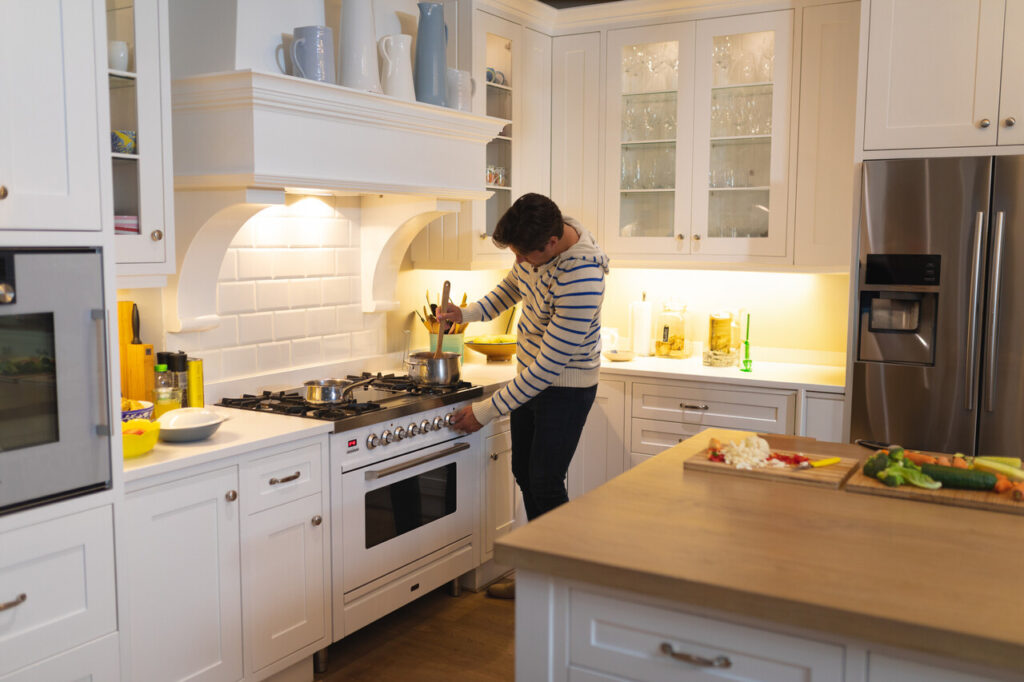
Open shelving gained popularity as a way to make kitchens feel airy and casual, but the practicality issues have caught up. Dust, grease, and everyday clutter quickly turn open shelves into visual noise. Homeowners often find themselves constantly styling and restyling shelves just to keep the kitchen presentable. What looked charming in photos becomes stressful in daily use. Designers now observe a return to closed cabinetry, which hides mess and offers better storage efficiency. By 2026, open shelving is expected to feel more like a short-lived aesthetic choice than a functional solution, especially for households that actually cook.
4. Overly Minimal, Sterile Interiors
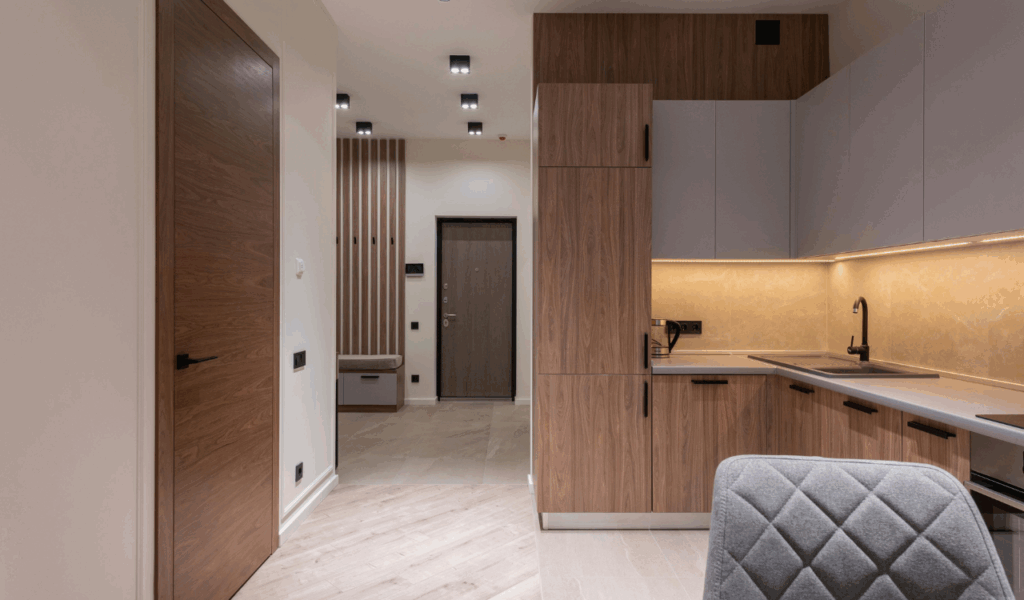
Extreme minimalism promised calm and simplicity, but many homeowners now experience it as cold and restrictive. Bare walls, limited furniture, and monochromatic palettes can feel uninviting over time. Design experts emphasize that humans naturally crave texture, variation, and warmth in their environments. Spaces that remove too much personality often end up feeling unfinished rather than intentional. As lifestyles shift toward comfort and emotional connection at home, interiors that feel overly controlled are falling out of favor. By 2026, experts expect warmer minimalism, layered neutrals, and tactile materials to replace the stark, gallery-like interiors that once dominated trend lists.
5. Edison Bulbs and Exposed Filament Lighting
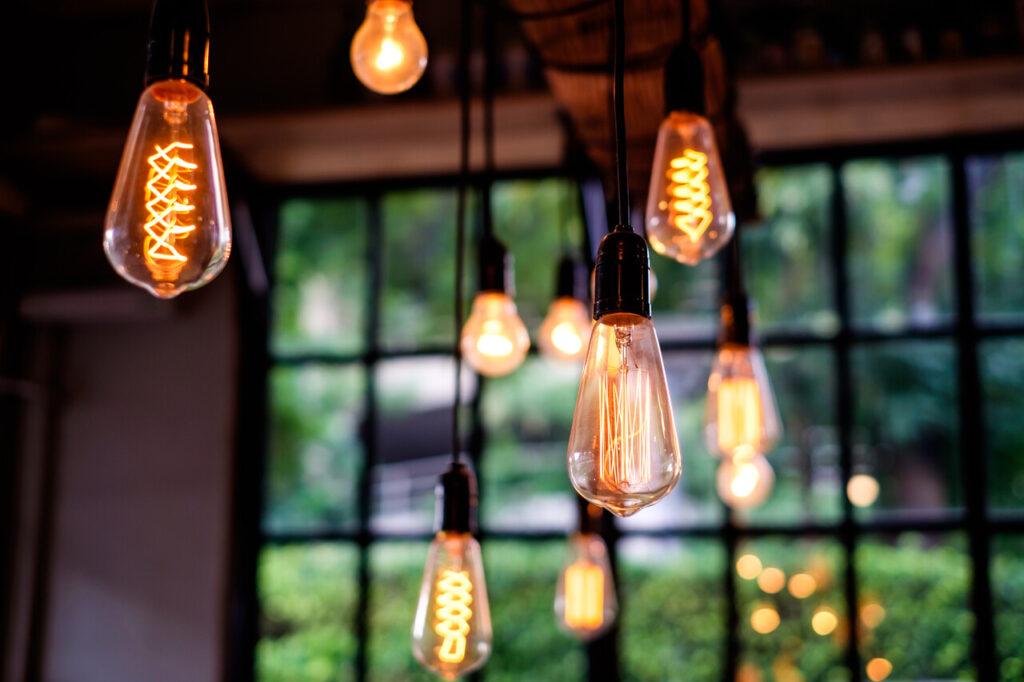
Exposed bulbs once symbolized industrial cool and modern edge, but their overuse has dulled the effect. Beyond aesthetics, Edison bulbs often provide harsh or insufficient lighting for everyday tasks. Many homeowners discover that what looked stylish at night feels impractical during daily routines. Designers now favor fixtures that balance beauty with function, offering softer diffusion and better illumination. As lighting becomes more sculptural and intentional, bare filament bulbs are expected to feel dated. By 2026, lighting trends will likely emphasize comfort, warmth, and visual interest over nostalgia.
6. Mid-Century Sputnik and Ring LED Pendants
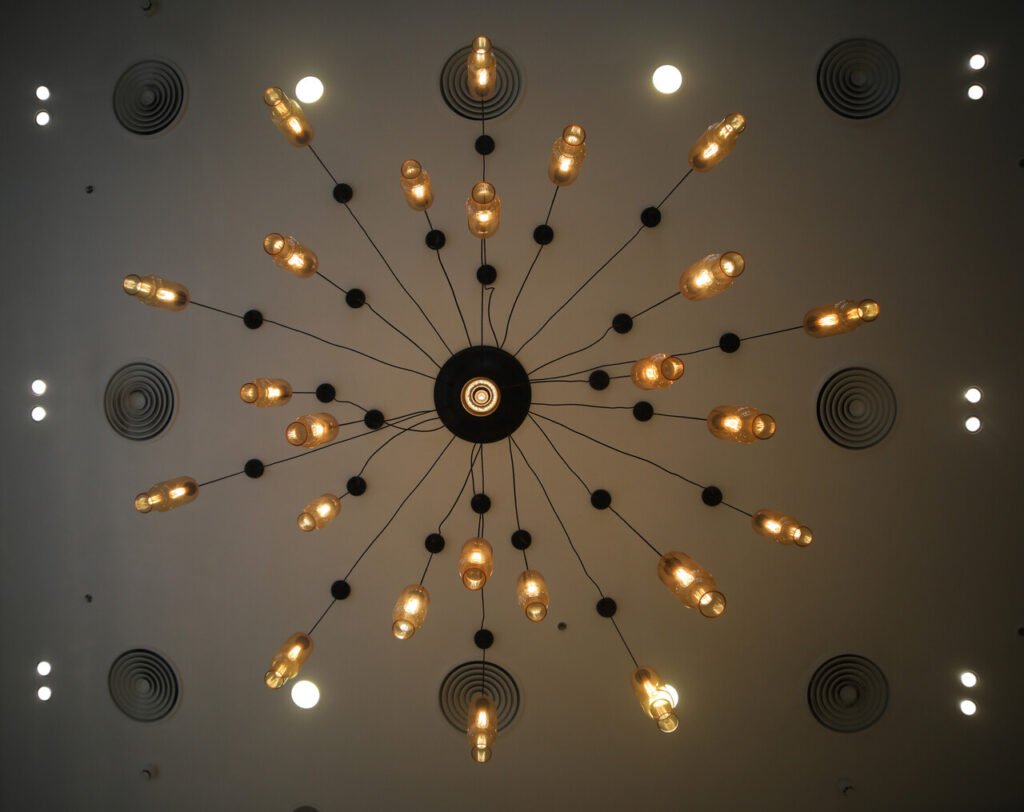
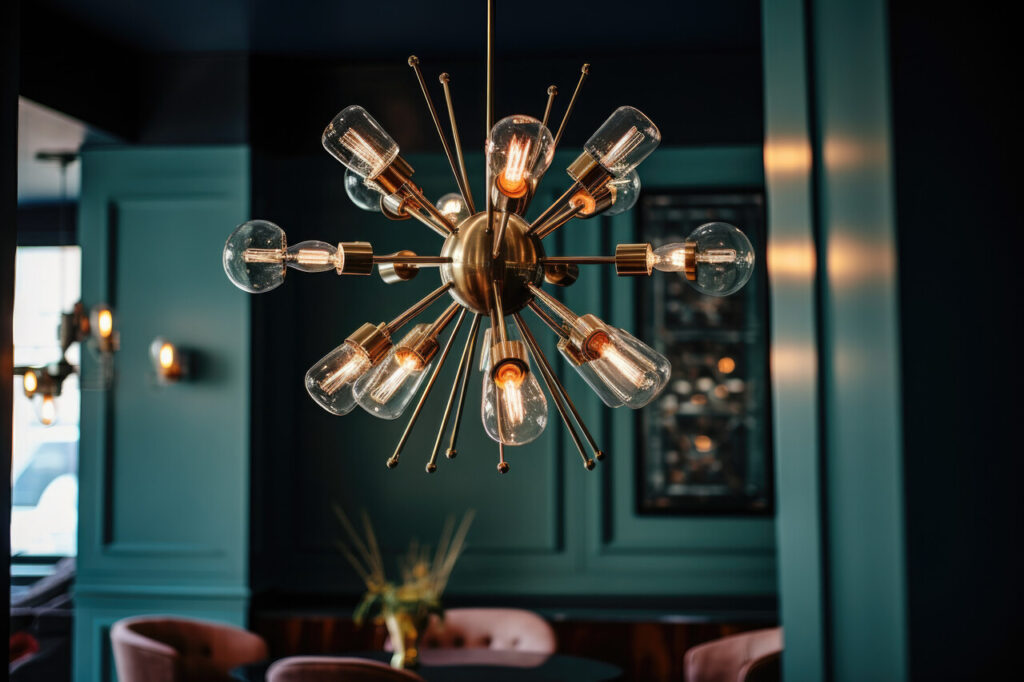
Statement lighting can elevate a room, but oversaturation has consequences. Sputnik chandeliers and thin LED ring pendants became ubiquitous in new builds and renovations, stripping them of originality. What once felt bold now often feels predictable. Designers warn that mass-produced statement pieces age faster because they tie a home to a very specific design moment. Buyers increasingly seek lighting that complements a space rather than dominates it. By 2026, these fixtures are expected to signal a bygone trend rather than timeless taste, especially when paired with otherwise neutral interiors.
7. Harsh Industrial Fixtures

Industrial lighting leaned heavily on raw metals, exposed wiring, and utilitarian shapes. While striking at first, many homeowners find these fixtures uncomfortable over time. They can cast unflattering light and clash with softer furnishings. As homes increasingly double as work, rest, and social spaces, lighting that feels too severe loses appeal. Designers predict a shift toward handcrafted, organic, and gently contoured fixtures that soften rooms rather than sharpen them. By 2026, harsh industrial lighting is expected to feel mismatched with how people want their homes to function emotionally.
8. Brass-Heavy Fixtures Everywhere
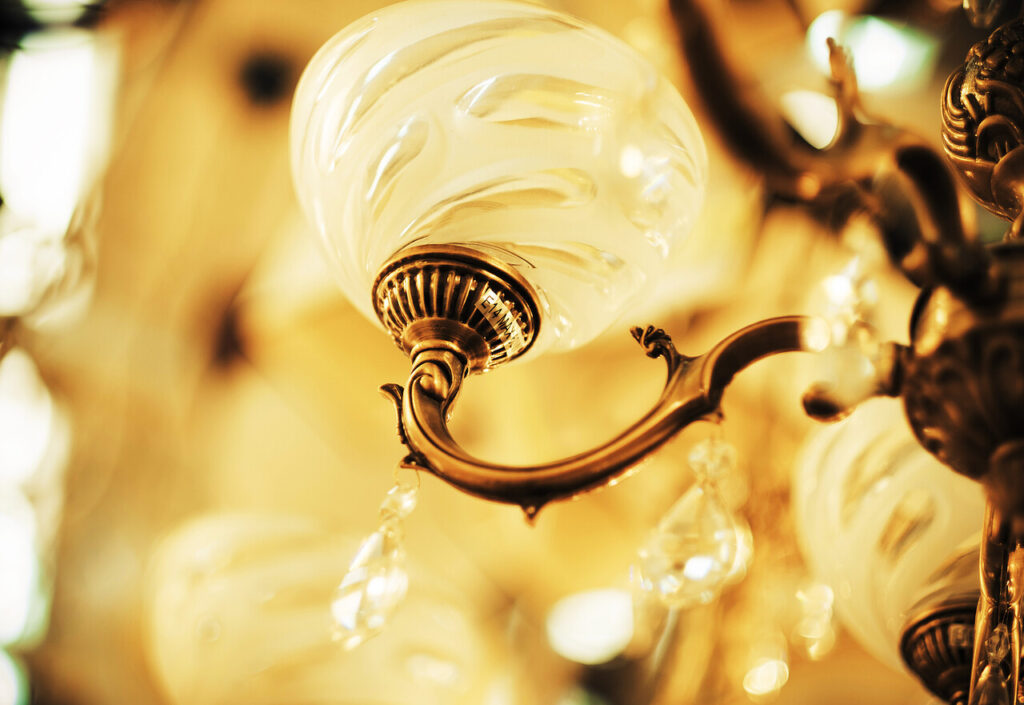
Warm metals still hold strong appeal, but the heavy reliance on bright brass has started to tip from stylish to overwhelming. When every faucet, cabinet pull, mirror frame, and light fixture shines with the same golden finish, rooms can feel flat instead of layered. Designers point out that contrast is what gives interiors character, and uniform brass removes that sense of visual rhythm. There is also a practical downside. Highly polished brass shows fingerprints, water spots, and small scratches quickly, which can make newer spaces look worn sooner than expected. By 2026, brass is expected to work best as a thoughtful accent rather than a dominant design statement.
9. Minimal Ring Pendants Over Dining Areas
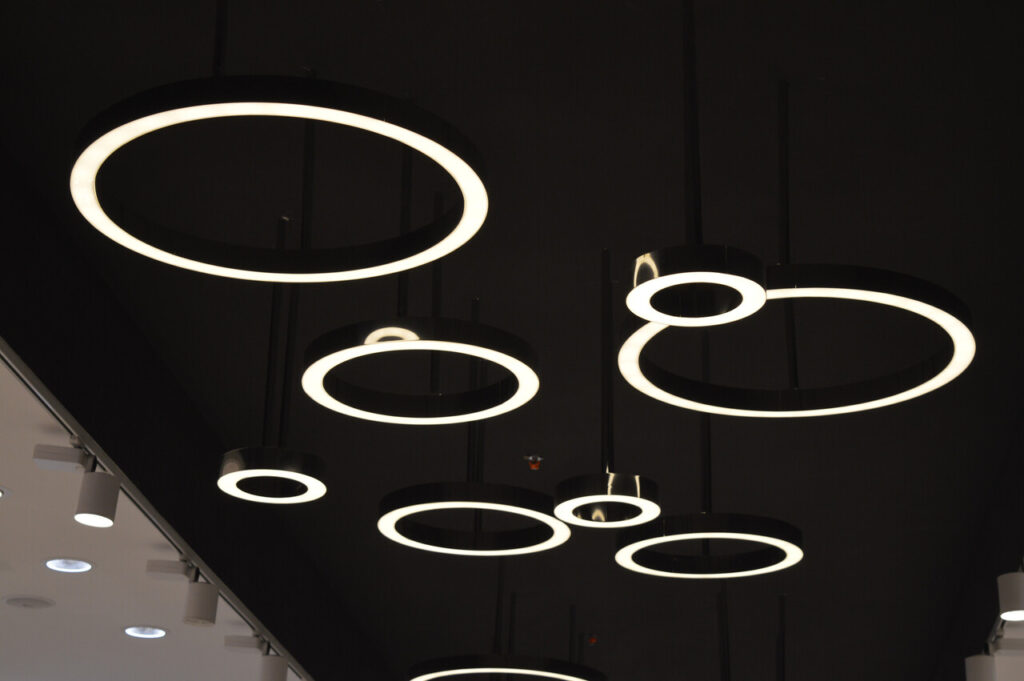
Ring pendants surged in popularity because they looked futuristic and clean, instantly signaling a modern home. As they spread into countless interiors, their impact softened. Many homeowners realize that while the shape photographs well, it often fails in daily use. Light can be harsh in some spots and dim in others, especially over dining tables where balanced illumination matters. The minimalist form also tends to flatten a room, offering little visual depth once the initial novelty wears off. Designers now emphasize layered lighting that blends ambient, task, and accent sources to create warmth and flexibility.
10. Uniform Grey Flooring
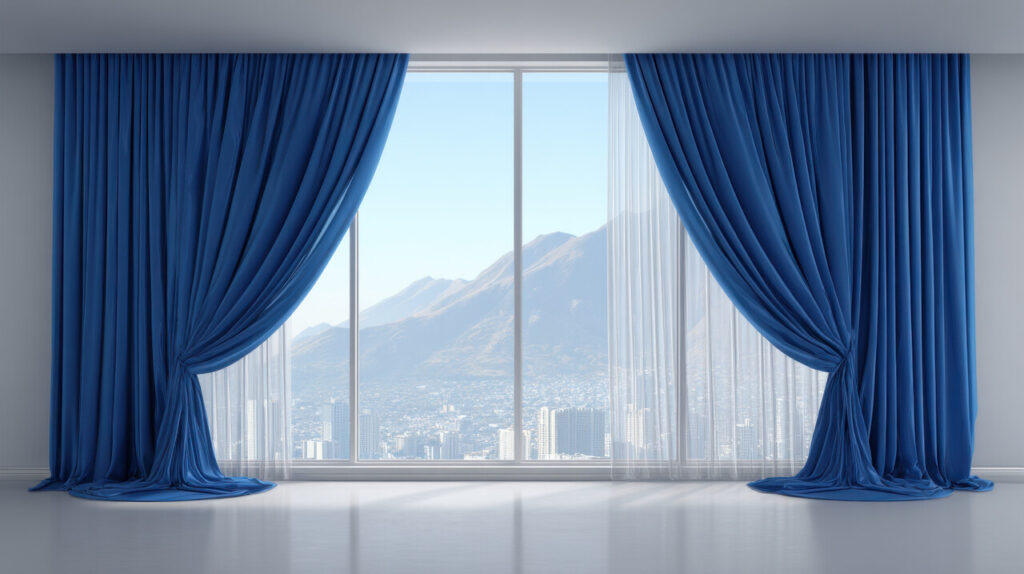
Grey flooring rose to popularity because it promised a clean, modern look that worked across many styles. Over time, that neutrality has started to feel flat rather than flexible. Many homeowners now notice how grey floors drain warmth from a space, making rooms feel colder and less welcoming. Buyers also increasingly associate them with fast renovations meant to sell quickly, not homes designed for long-term living. Grey tones can fight against natural light, clash with wood furniture, and restrict color choices elsewhere. Designers note that spaces feel more balanced when floors add warmth instead of removing it.
11. Mass-Produced Curved Sofas That Sacrifice Comfort
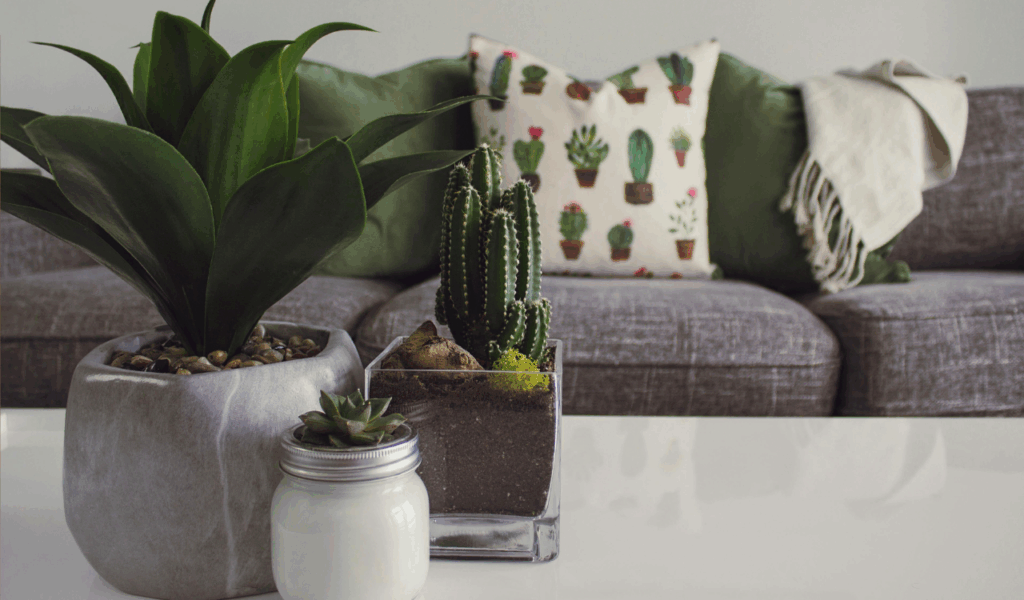
Curved sofas made a strong visual statement, instantly signaling modern taste and design awareness. The problem shows up after the novelty wears off. Many of these pieces sacrifice depth, back support, and usable seating space in favor of dramatic lines. Homeowners often find they look better in photos than they feel during long evenings, casual gatherings, or everyday lounging. Designers consistently point out that furniture earns its place through comfort first, not silhouette. When a sofa discourages relaxation, it becomes decorative clutter rather than functional seating. By 2026, expectations are shifting back toward designs that balance visual interest with proper ergonomics.
12. Showroom-Style Pristine Interiors
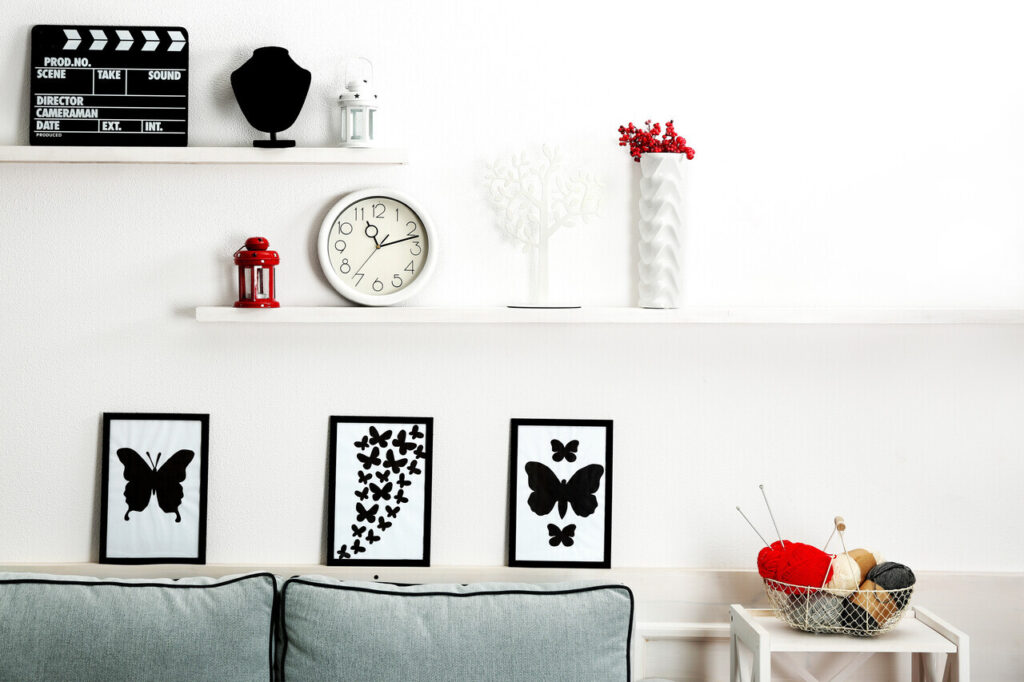
Homes designed to look permanently untouched may impress at first glance, but they often fall short once real life sets in. Perfectly styled rooms can make people hesitant to sit, move furniture, or truly settle in. Instead of comfort, they create pressure to preserve an image. Buyers are increasingly wary of spaces that feel fragile or overly curated, reading them as high maintenance rather than high quality. As lifestyles grow more flexible, homes that allow mess, movement, and personal expression feel more valuable. By 2026, designers expect warmth, adaptability, and visible personality to matter far more than flawless staging.