
8 Plant-Based Protein Items Under Fire for Overprocessing or Misleading Health Claims

Not all plant-based protein products deliver on the beneficial claims made about them. Rather of being complete plant sources, some products resemble processed foods due to their lengthy ingredient lists, excessive processing, or artificial flavors. Still some disguise oils’ salt, sugar, or saturated fat content under seemingly healthful labels. By being aware of these factors, consumers can choose plant proteins that promote health in the long run.
1. Highly Processed Plant-Based Burgers

Despite claims to the contrary, some plant-based burgers approximate the texture and flavor of beef by adding refined oils, stabilizers, and flavor enhancers. Although they can be a part of a meal every now and then, eating them frequently could lead to an increase in sodium consumption and a decrease in nutrients from whole foods. They may be overestimated for their health benefits due to their processed makeup. Typically, a better balanced choice is to go for simpler patties that are filled with beans, lentils, or veggies.
2. Sweetened Plant Protein Shakes

Although plant protein shakes are convenient, flavored varieties may have additives that diminish their nutritious value, such as thickeners, sweeteners, or artificial flavors. Some protein shakes have so much added sugar that it makes them taste more like sugary drinks than anything you’d want to drink after a workout. In most cases, it’s best to stick with selections that are either unsweetened or have only a small amount of sugar added. A healthier option is to add entire fruits for taste.
3. Vegan Deli Slices

Although they use gums, starches, and seasonings to keep their texture and flavor, vegan deli slices attempt to substitute conventional lunch meats. Products with these ingredients tend to be highly processed, and a lot of them have a lot of sodium. Compared to whole legumes or tofu, their nutritional density is lower, despite their convenience. While they are OK in moderation, a plant-based diet shouldn’t rely on them for its protein needs.
4. Plant-Based Nuggets

Vegan nuggets aim to satisfy those craving comfort meals they know and love, but they’re still loaded with unhealthy ingredients like processed protein concentrates, breading, and oils. The nutritional value is diminished and the calorie density is increased by these additions. Even more fat is added to some varieties since they are fried before packaging. They aren’t a solid substitute for proteins found in full foods, but they are a tasty snack. For a more nutritious option, try making your own version in the oven with beans or tofu.
5. Protein Bars With Long Ingredient Lists

Despite their seemingly healthy appearance, some plant-based protein bars include ingredients that can impede digestion, such as syrups, sugar alcohols, and processed fibers. Some may be surprised by how many calories are in what they perceive as healthy snacks. Because they are derived from concentrates rather than whole plants, the nutrients in bars with a large list of ingredients don’t always give the nourishment you’d expect. A more nutritious and whole food option for energy and protein bars are those that include nuts, seeds, and dried fruit.
6. Meatless Sausage Alternatives

Meatless sausages use spices and smoke flavoring to imitate the flavor of traditional sausages, but they often use refined oils and salt to make them taste just as rich. Saturated fat, which can be found in some plant oils, might make these items seem less healthy. Consuming them on a regular basis might not support the objectives of a healthy diet, despite their usefulness for occasional meals. The nutritional content of plant proteins is more stable when they are not overly processed.
7. Flavored Tofu Products
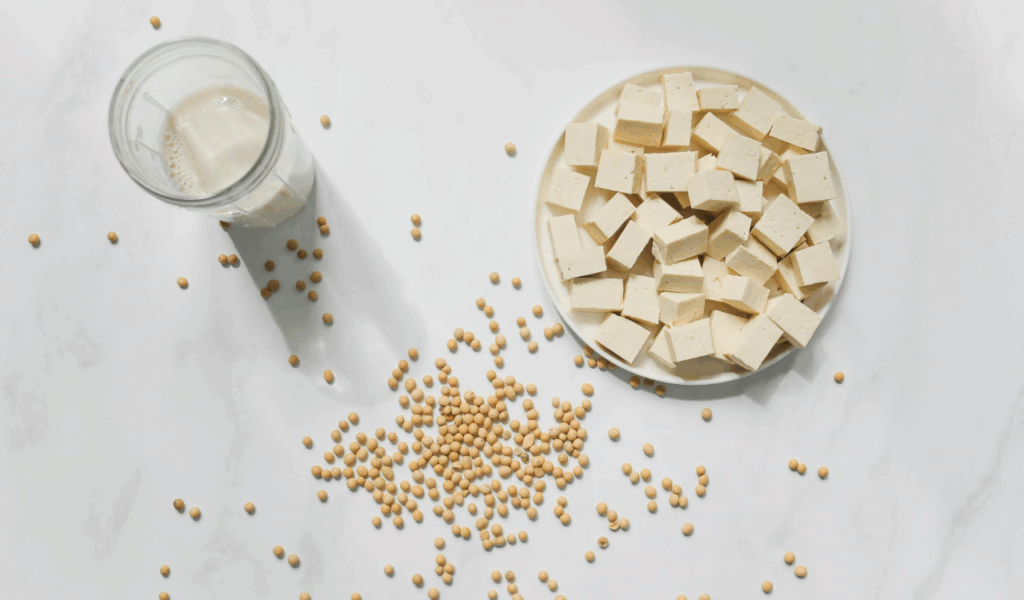
While unflavored tofu is still relatively unprocessed, flavored varieties often include sugar, salt, and preservatives in their marinades. A plain soy product can become a less nutritious fast food option with these additives. Time is money, but they might not help those who are attempting to cut back on salt. If you want greater control over the ingredients and want to be sure your nutrient profile stays balanced, buy plain tofu and season it at home.
8. Plant-Based Yogurts With Additives

Some plant-based yoghurts include stabilizers, added sugars, and flavorings to enhance texture and flavor, though they are still healthful. These ingredients might make the protein amount seem less noticeable and make the snack seem more like dessert. Additionally, some of them don’t have nearly as much protein as alternatives made with dairy or soy. You can enhance the nutrition without resorting to additional processing by opting for unsweetened kinds and using whole fruits or nuts.