5 Chain Restaurants Serving Ribeye Chefs Say You Should Avoid
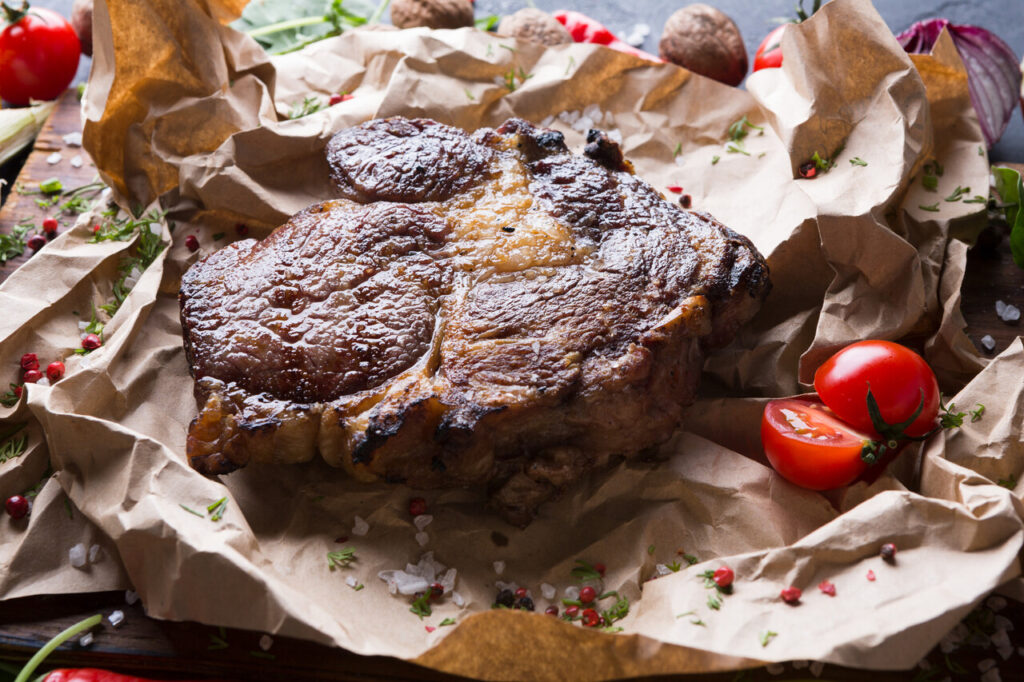
Ribeye is one of those cuts that leaves very little room for shortcuts. Its appeal comes from rich marbling and careful cooking that lets the fat melt into the meat. When either of those steps falls short, the steak quickly loses what makes it special. Chefs tend to be skeptical of ribeye at high-volume chains because speed, standardization, and broad menus don’t always allow the precision the cut demands. What this really means is that where you order ribeye matters just as much as how much you pay for it.
1. Applebee’s
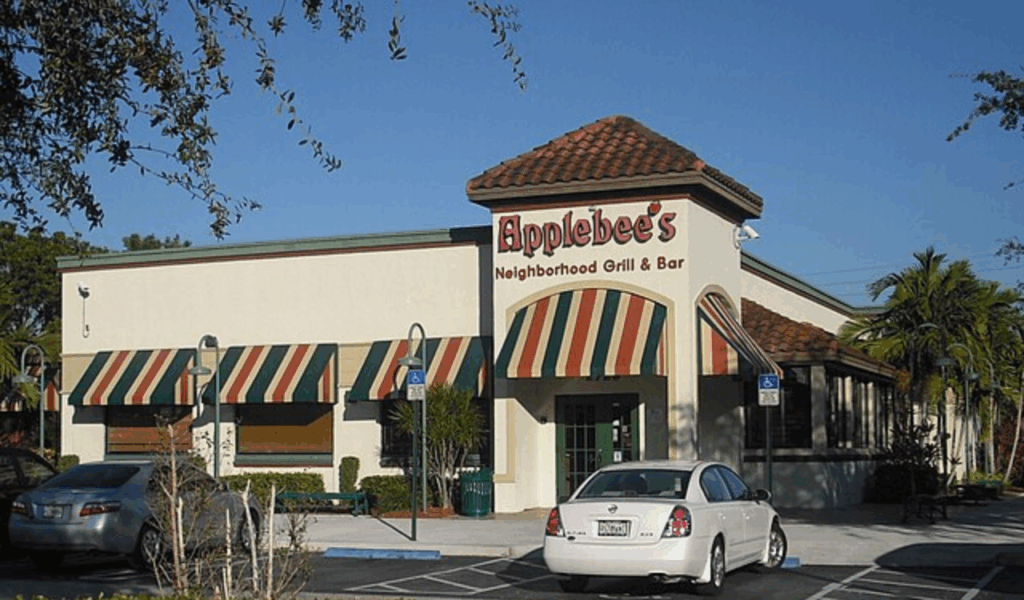
Here’s the core issue chefs point out with ribeye at Applebee’s: the cut is treated like just another menu item instead of a steak that demands respect. Ribeye depends on generous marbling and precise heat to render fat properly, but mass production kitchens aren’t built for that level of control. Chefs frequently note that Applebee’s ribeyes are cut thin, which leaves very little margin for error on the grill. One extra minute and the fat tightens instead of melting, turning what should be juicy into something chewy. Heavy seasoning and compound butter are often added to compensate, which can mask flaws but also bury the beef’s natural flavor.
2. Chili’s Grill & Bar
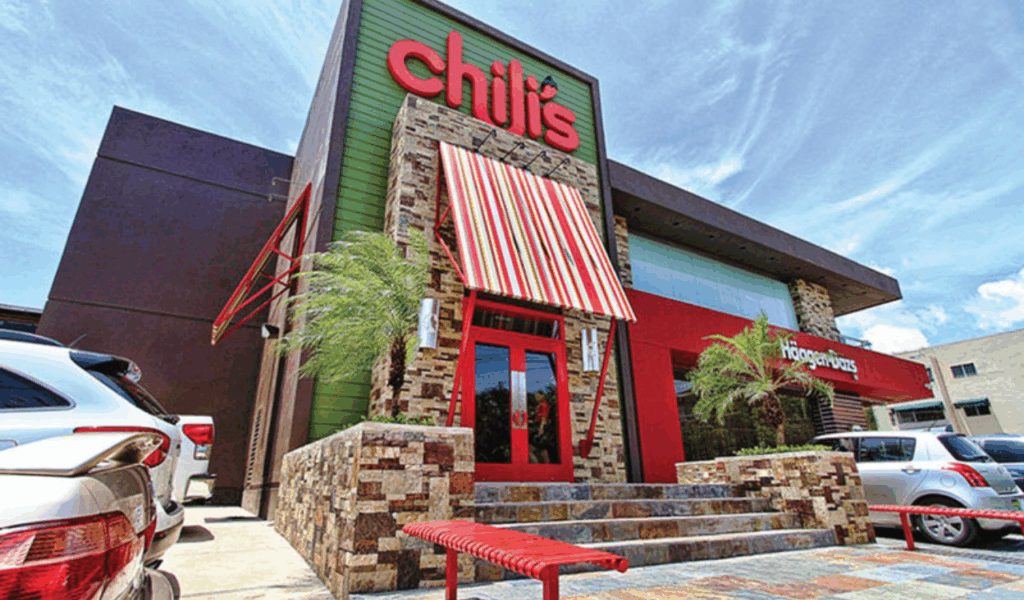
Chili’s runs into trouble with ribeye because its kitchen model prioritizes speed and consistency over nuance. Ribeye is unforgiving when handled like a standardized protein. Chefs argue that Chili’s often relies on marinades or aggressive seasoning blends that clash with the cut’s natural beefiness. The grill setup is optimized for burgers and fajitas, not for rendering intramuscular fat evenly. This can lead to hot spots, uneven doneness, and fat that never fully softens. Chefs aren’t saying Chili’s can’t cook steak at all, but rather that ribeye demands a level of attention that doesn’t align well with the chain’s operational reality.
3. TGI Fridays
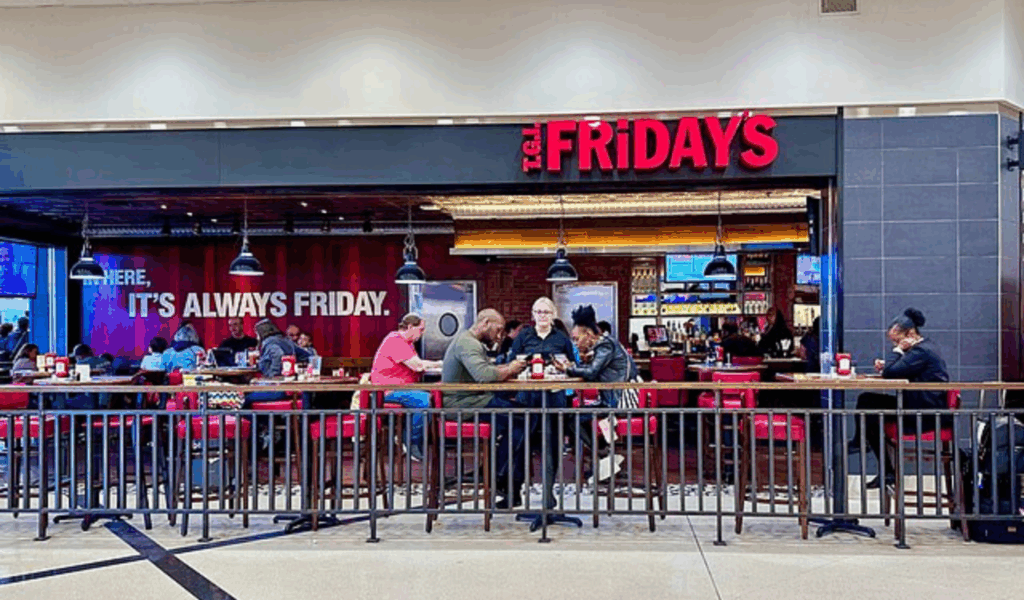
At TGI Fridays, ribeye often suffers from identity confusion. The chain’s menu leans heavily on sauces, glazes, and bold flavors, which work well for many items but undermine the ribeye’s appeal. Chefs point out that ribeye doesn’t need heavy toppings to shine. When it’s drowned in sauces or paired with overly sweet or salty accompaniments, the fat that should carry flavor gets lost. There’s also the issue of freezing and reheating protocols, which can compromise texture. Ribeye thrives on fresh handling and quick service from grill to plate. Any delay lets the fat congeal, and the meat toughen.
4. Sizzler

Sizzler’s name suggests steak expertise, but chefs argue that ribeye is not where the chain shines anymore. Modern ribeye expectations have changed, with diners looking for thicker cuts, pronounced marbling, and careful temperature control. Sizzler’s ribeyes are often thinner and cooked using methods designed for throughput rather than finesse. Chefs also flag inconsistent sourcing, which affects marbling and tenderness from one visit to the next. Ribeye is a cut where quality differences are immediately obvious. When the beef itself isn’t up to par, no amount of grill marks can fix it. For chefs, this inconsistency makes Sizzler a risky place to order ribeye if you’re chasing that rich, buttery experience the cut is known for.
5. IHOP
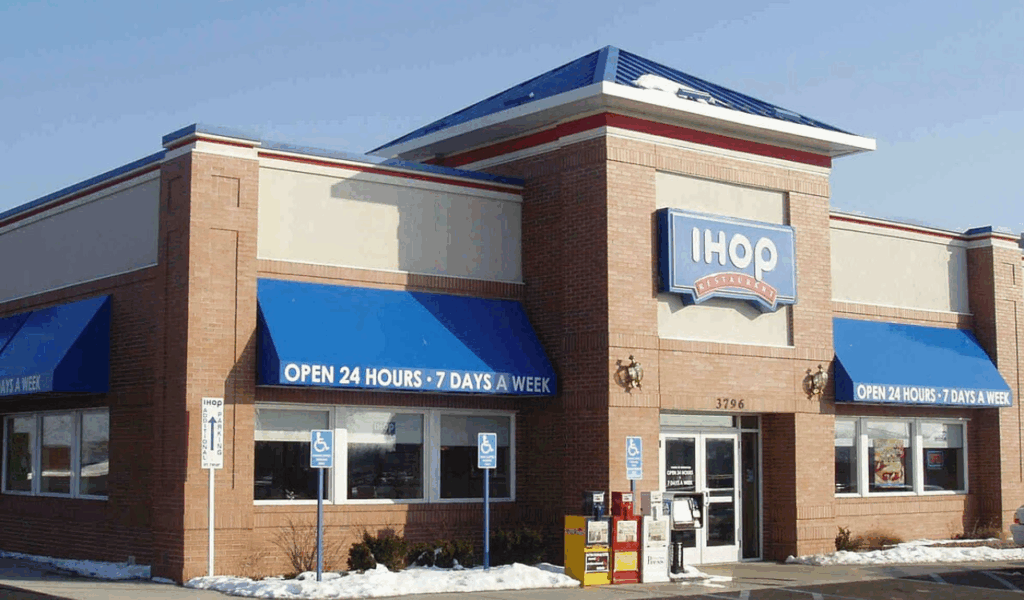
IHOP makes this list for a simple reason: ribeye doesn’t belong outside a kitchen built to handle it. Chefs are blunt about this one. IHOP excels at breakfast and griddle-based cooking, not premium steak preparation. Ribeye requires high, even heat and careful timing, but IHOP’s equipment and workflow are geared toward pancakes, eggs, and burgers. The beef itself is typically lower grade, and the cooking methods don’t allow fat to render properly. The result is a steak that lacks both tenderness and flavor. For chefs, ordering ribeye at IHOP is less about the brand failing and more about mismatch. It’s asking a kitchen to do something it was never designed to do well.