5 Store-Bought Dinner “Shortcuts” Containing Additives, Preservatives, or Excess Sodium
While ready-made dinners from the store can save the day on busy days, it’s important to be aware that many of these options contain additives, preservatives, or excessive sodium levels, which can have an effect on your health in the long run. While they’re usually harmless when consumed in moderation, depending on them too frequently could lead to an increase in salt consumption or a loss of ingredient control. You may make better judgments while constructing quick meals without sacrificing flavor, nutrition, or general health if you know which products need a deeper inspection.
1. Pre-Seasoned Instant Rice Packets
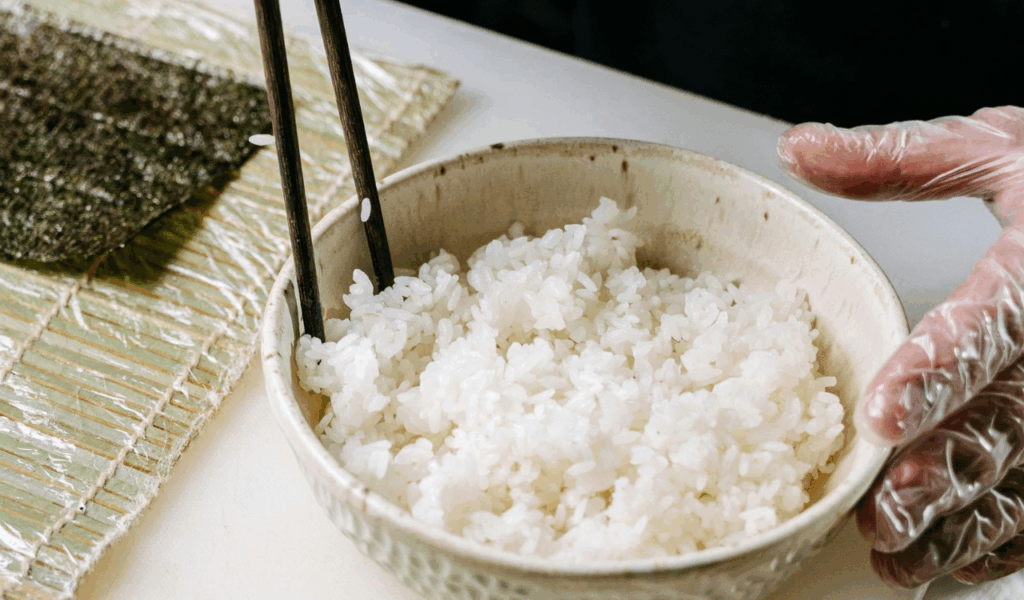
To keep its texture for long-term storage, pre-seasoned instant rice typically has a lot of sodium, artificial flavors, and stabilizers. Despite how fast these packets cook, only one serving provides enough sodium to meet a large amount of the daily recommended intake. The inherent grain flavor could be obscured by the flavor enhancers. You may keep sodium levels acceptable for everyday meals by opting for plain rice or low-sodium varieties. This gives you more control over the ingredients and allows you to add your own seasonings.
2. Frozen Breaded Chicken Products

The crispness and freshness of frozen breaded chicken are preserved by adding chemicals including modified starches, leavening agents, and preservatives. For added flavor and longer storage life in the freezer, several varieties also include higher sodium levels. Although these items are convenient, the nutritional value may not be comparable to that of freshly cooked chicken because of the fillers that are added. When you make your own breaded chicken or buy unbreaded frozen chicken, you can control the seasoning, cut back on sodium, and skip the additives that are in a lot of ready-to-cook options.
3. Canned Pasta Meals
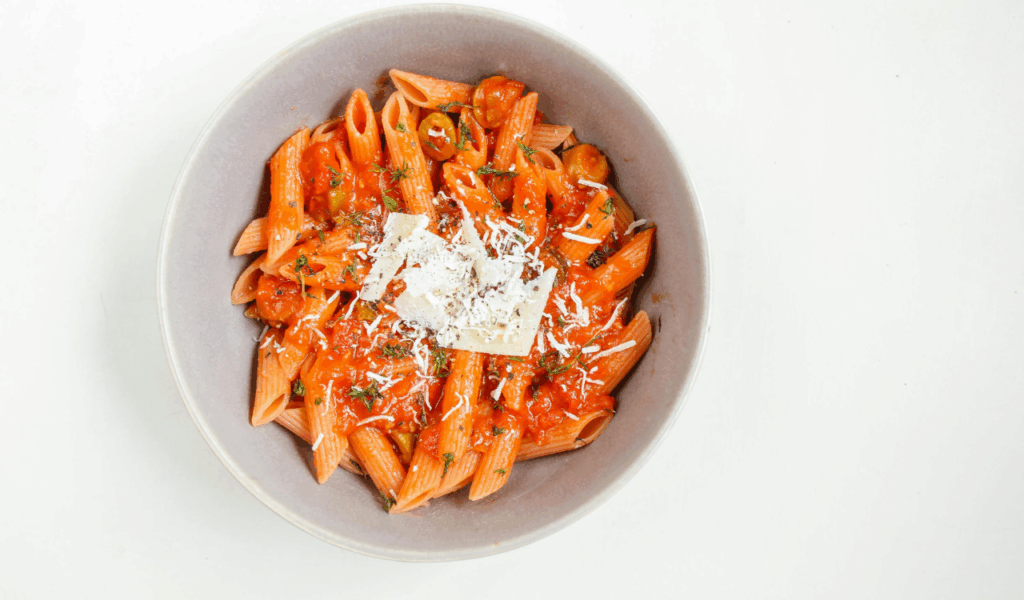
For safe and delicious long-term preservation, manufacturers of shelf-stable tinned pasta dinners use ingredients including high salt, stabilizers, and preservatives. To keep their consistency when heated, the sauces can have additional sugars and thickening agents. Although they are easy to make, the additional ingredients change the nutritional profile compared to homemade pasta. You may cut back on salt without sacrificing convenience by making simple spaghetti at home or by opting for canned foods with minimal sodium.
4. Jarred Cheese Sauces

To maintain their consistency and texture even when left out at room temperature, jarred cheese sauces typically include emulsifiers, preservatives, and a lot of sodium. Although these ingredients keep the sauce from separating and keep its texture, they also give it a more processed taste than when cheese is melted in a pan. In order to make it taste stronger, some versions incorporate flavor enhancers. Their convenience belies the fact that they can add salt to one’s diet. For a healthier alternative, try making your own basic cheese sauce or opting for items with less ingredients.
5. Heat-and-Serve Processed Sausages

To maintain their safety, firmness, and flavor when stored, heat-and-serve sausages frequently include curing agents, preservatives, and a lot of sodium. Although these additives prevent spoiling, they may increase the product’s processing level compared to its fresh counterparts. Binders or stabilizers whose purpose is to retain moisture can also affect the texture. Eating them often may lead to an increase in sodium consumption, despite the fact that they are quick and easy to prepare. When you choose sausages that are either fresh or have had minimal processing, you may cut back on additives without compromising on flavor or food versatility.