7 Fast-Food Vegan Items Facing Backlash Over Cross-Contamination and Processing Levels
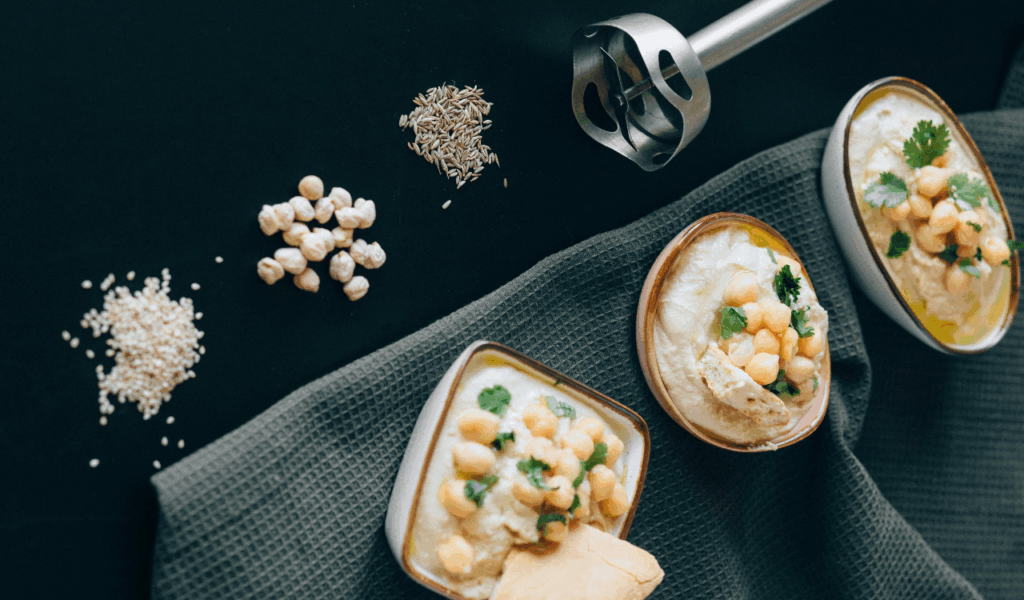
Even though many fast food restaurants now have vegan options, some of those dishes have come under fire for having been heavily processed or having come into contact with animal products. These items are convenient, but many customers would like safer preparation areas, less complicated ingredient lists, and more legible labeling. Consumers may better meet their individual dietary demands and comfort levels by understanding the factors that contribute to these concerns. This is particularly important when negotiating complicated workflows in busy kitchens.
1. Plant-Based Burgers Cooked on Shared Grills
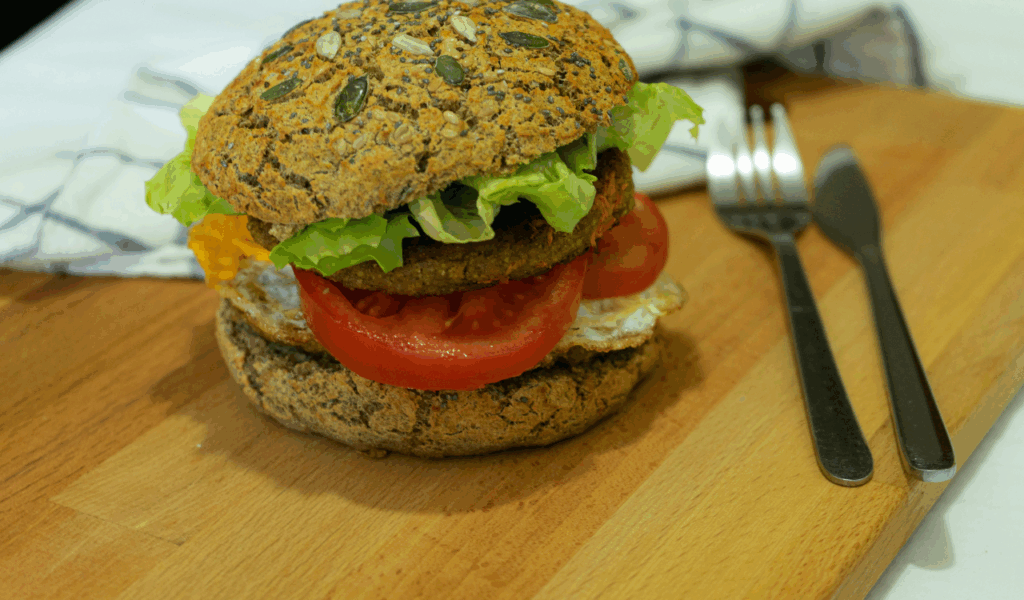
Some fast food companies use the same grills to make vegan patties and animal patties, which makes some people worried about cross-contamination. Patties made entirely of plant-based ingredients nonetheless run the risk of transferring any remaining oils or proteins when cooked. During busy times, not all restaurants can accommodate requests for separate preparation, even if they say they can. Diners who prefer plant-forward options without accidentally consuming animal byproducts would benefit from more transparent labeling, according to critics.
2. Vegan Nuggets With Heavily Processed Ingredients
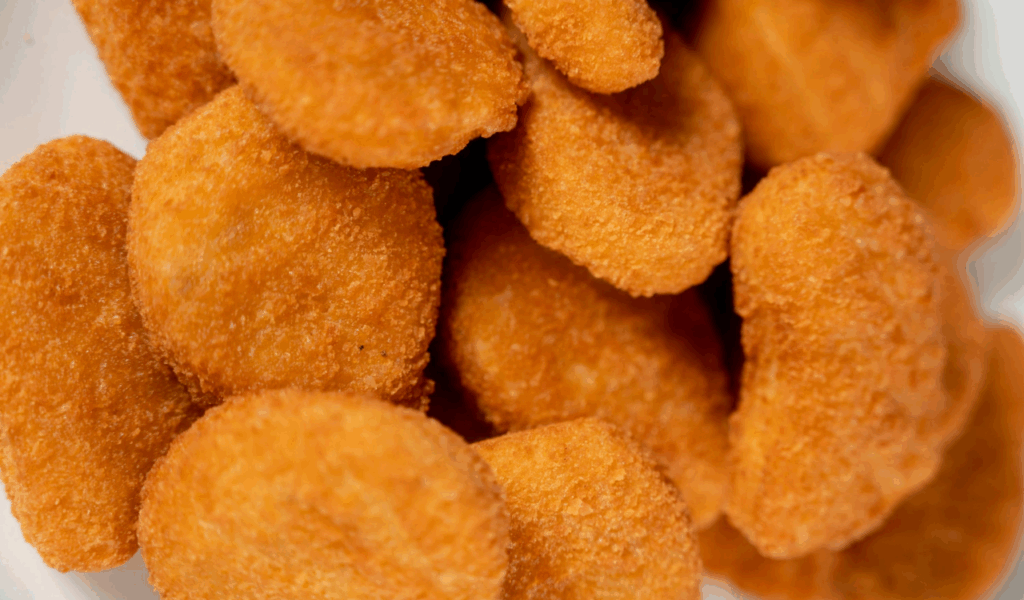
A quick meal Ultra-processed vegan nuggets that mimic chicken flavor often use binders, stabilizers, and additives. Even though these components aren’t known to cause harm, people are demanding less additives and better labels. The question of whether such goods promote long-term healthy eating continues to be debated due to the potential effects of high processing on texture and nutritional balance. Even though it’s moving slowly, brands are starting to look into simpler recipes.
3. Dairy-Free Shakes Using Shared Mixers

Despite claims to the contrary, several businesses use mixers that process dairy ingredients to make dairy-free shakes. Some individuals are concerned that there may be remnants of animal ingredients that persist after washing. Inconsistent cleaning procedures can undermine expectations, even when these products are promoted for customers who are lactose intolerant or vegan. To help customers determine if the product fits within their dietary restrictions, it is helpful to be transparent about the equipment used.
4. Vegan Breakfast Sandwiches With Shared Toasters
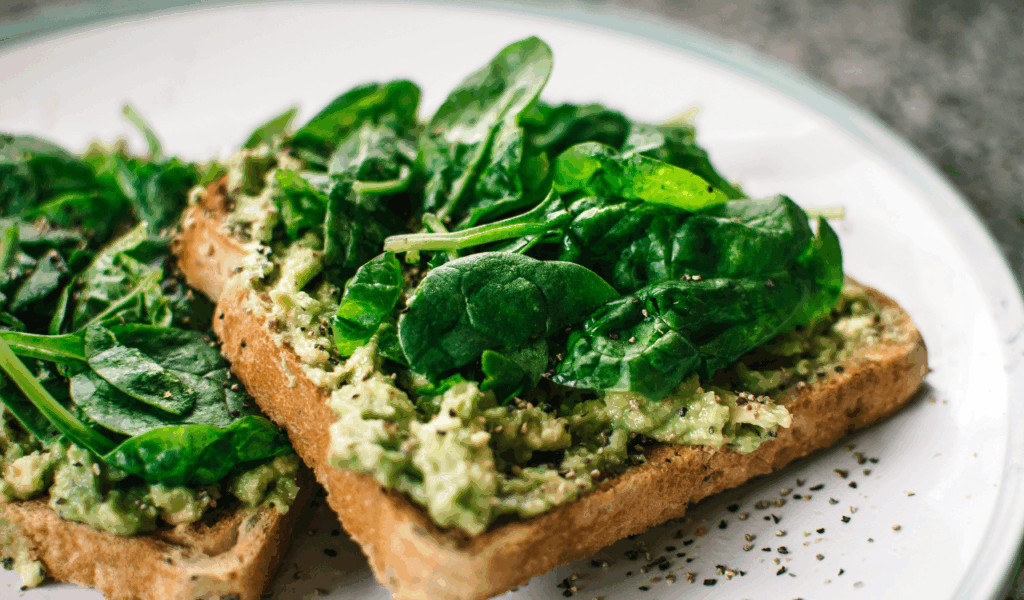
Although vegan breakfast sandwiches frequently use plant-based patties and dairy-free cheese, they frequently share toasters and warming units with other foods that contain eggs or cheese. Particularly in the midst of a hectic morning service, this can lead to cross-contact. Since employees would not have the time to provide personalized preparation procedures, this might be difficult for consumers who value rigorous segregation. While requests for different processing are occasionally granted, it is not always practical from an operational standpoint.
5. Plant-Based Tacos With Cross-Contact From Fillings
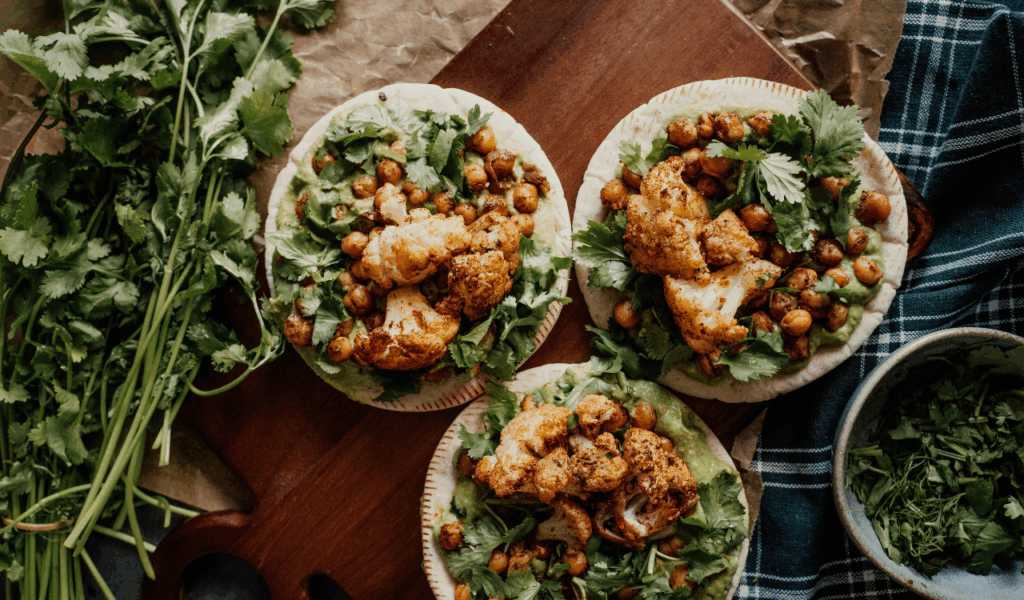
Even fast food tacos that claim to be vegan may use the same assembly processes as tacos filled with meat. Many times, people hold seasoned meats, sauces, and shredded cheese side by side, which increases the risk of spillage and utensil combinations. Although the ingredients used are suitable for vegans, the preparation might be unpredictable when there is a lot going on at once. Adoption varies by location, however some establishments have started putting up conspicuous barriers or having separate scoops to decrease risk.
6. Vegan Wraps Containing Highly Processed Meat Alternatives
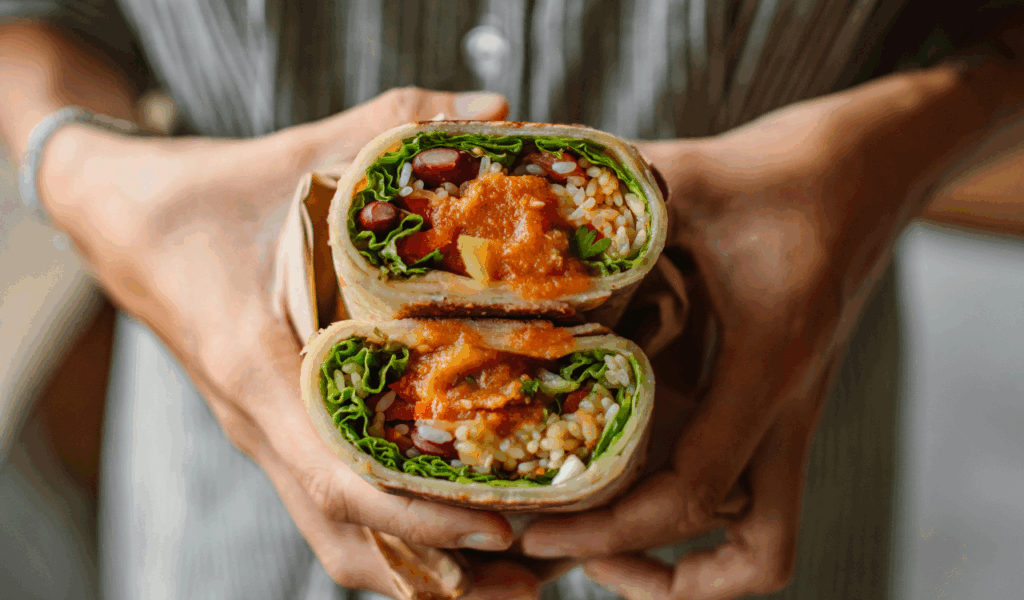
Wraps made for vegans often include plant-based proteins that pass for chicken or beef; nevertheless, these alternatives may be high in processed oils and preservatives. The wrap may be vegan, but its detractors say it hasn’t been lightly processed in any way. It comes as a surprise to health-conscious shoppers when nutritional assessments reveal low fiber content or high salt levels. To assist customers find a balance between convenience and nutritional expectations, ingredients should be described more clearly.
7. Dairy-Free Desserts Stored Near Animal-Based Products
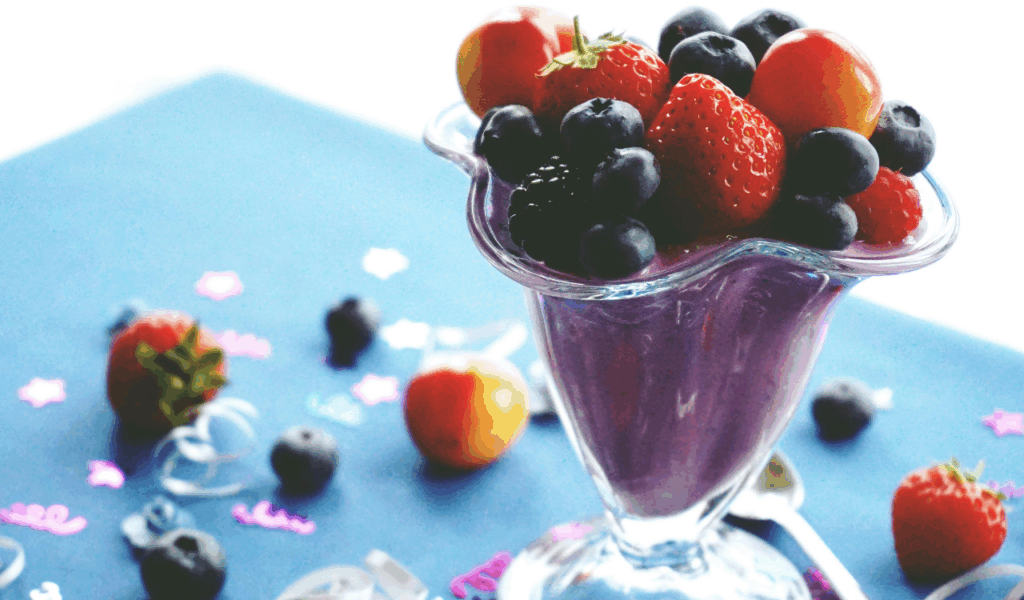
Although there are dairy-free cookie, brownie, and soft-serve options at some chains, they should be stored apart from other desserts that include butter or dairy to prevent unintentional contamination. Crumbs and leftovers can easily spread when people use the same tongs, trays, or packaging stations. While this may not be a problem for the majority of consumers, severe vegans may find it intolerable. To make sure these things live up to customer standards, it would be helpful to store them separately and identify them clearly.