
10 Food Markets Serving Global Flavors—Because Your Usual Grocery Haul Is Basic
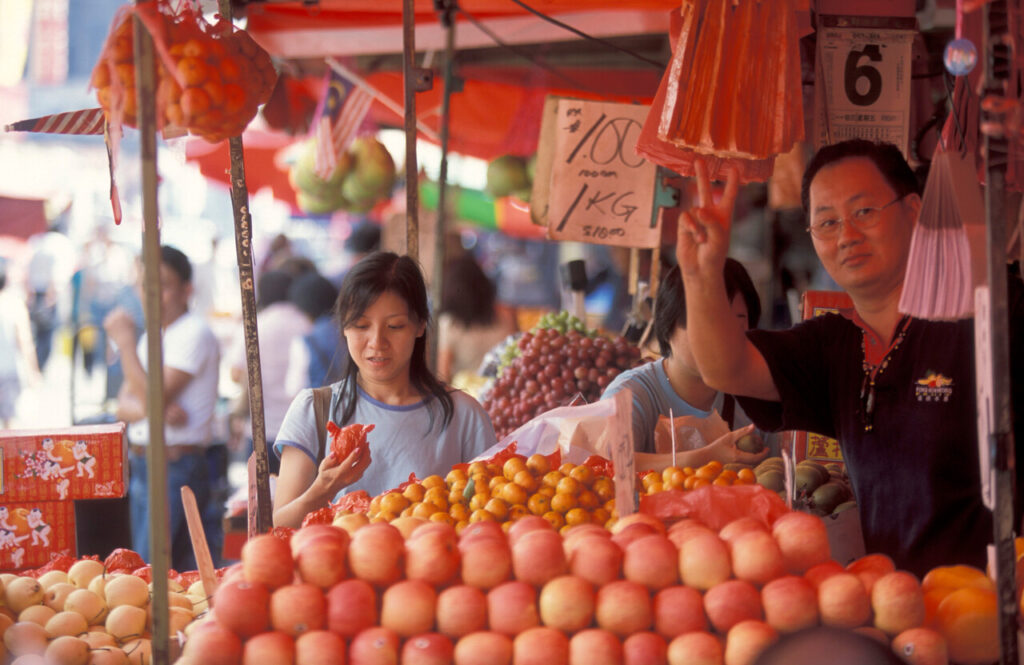
A routine grocery trip can start to feel uninspired when the same shelves and flavors repeat week after week. Around the world, food markets offer a completely different experience. They bring together regional traditions, global influences, and ingredients that rarely make it into standard supermarkets. These markets aren’t just places to eat. They’re where locals shop, cooks learn, and food culture stays alive. Walking through them changes how you think about ingredients, from how they’re grown to how they’re used. Compared to a basic grocery haul, these markets turn shopping into discovery, making everyday cooking feel far more adventurous.
1. Borough Market
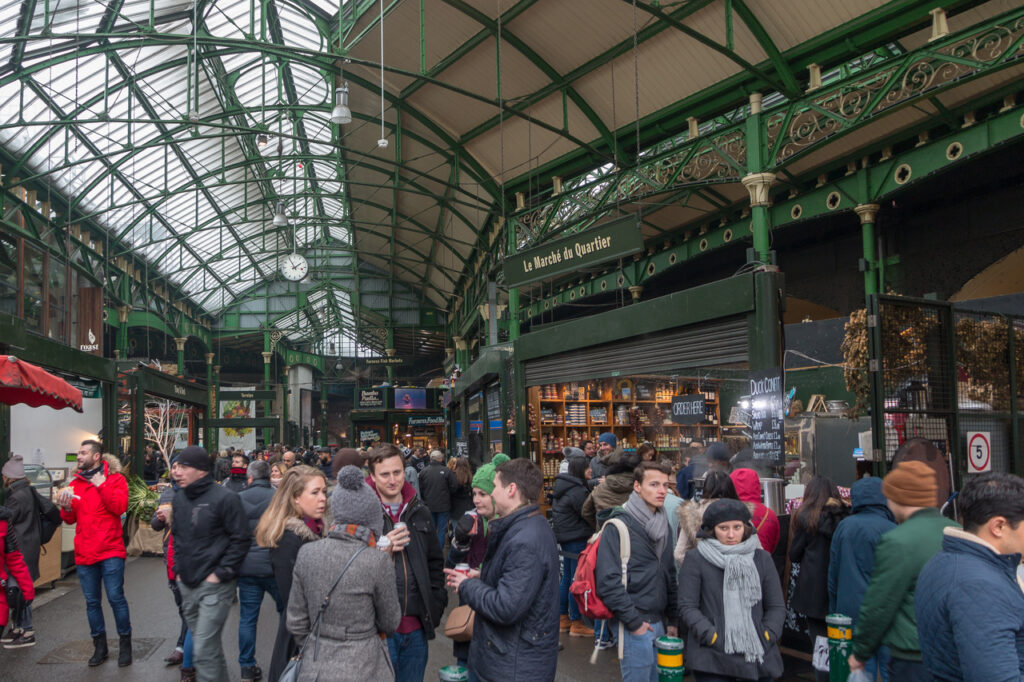
Borough Market proves that a grocery run can feel like a global food tour. What sets it apart is the sheer range of cuisines packed into one historic space. Alongside traditional British baked goods and cheeses, you’ll find Ethiopian stews, Middle Eastern flatbreads, Spanish charcuterie, and South Asian street snacks prepared fresh by vendors who specialize in those traditions. This isn’t a market built around novelty. Many stalls are run by producers who focus on a small number of items and do them exceptionally well. Shoppers come here not just to eat but to understand ingredients, from single-origin spices to regional olive oils.
2. La Boqueria
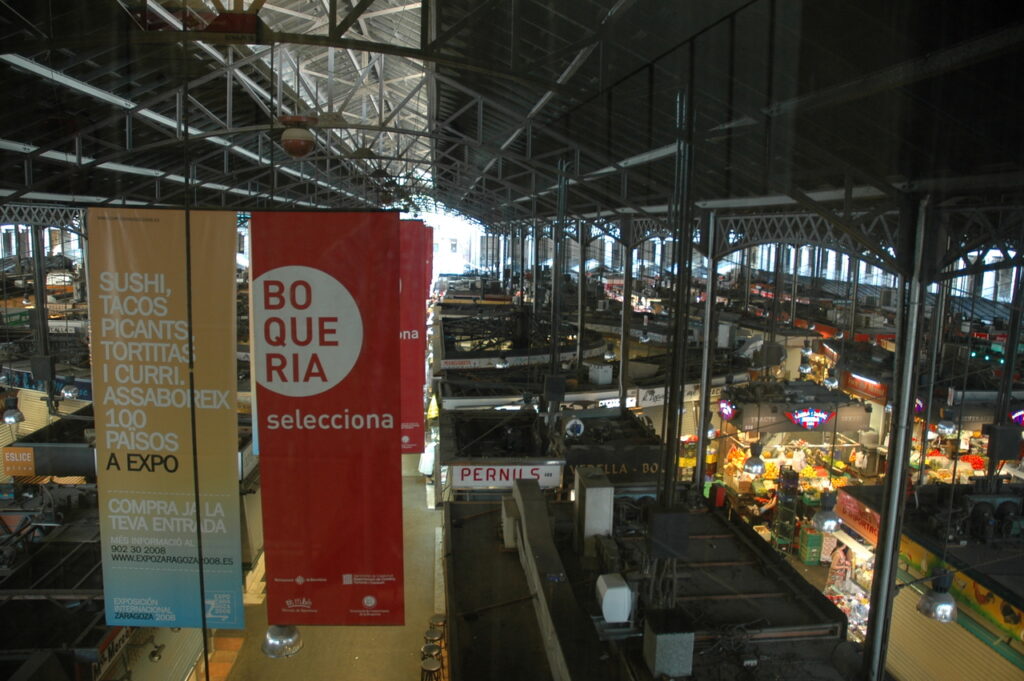
La Boqueria overwhelms in the best possible way. Located just off Las Ramblas, it blends everyday shopping with intense culinary spectacle. Fresh seafood counters display species many travelers have never seen, while fruit stalls stack produce by color and ripeness. What elevates La Boqueria beyond a tourist attraction is its balance of local and global flavors. Catalan staples sit alongside stalls serving empanadas, cured meats from across Spain, and quick plates influenced by North Africa and Latin America. Many locals still shop here daily, which keeps quality high and prices honest.
3. Tsukiji Outer Market
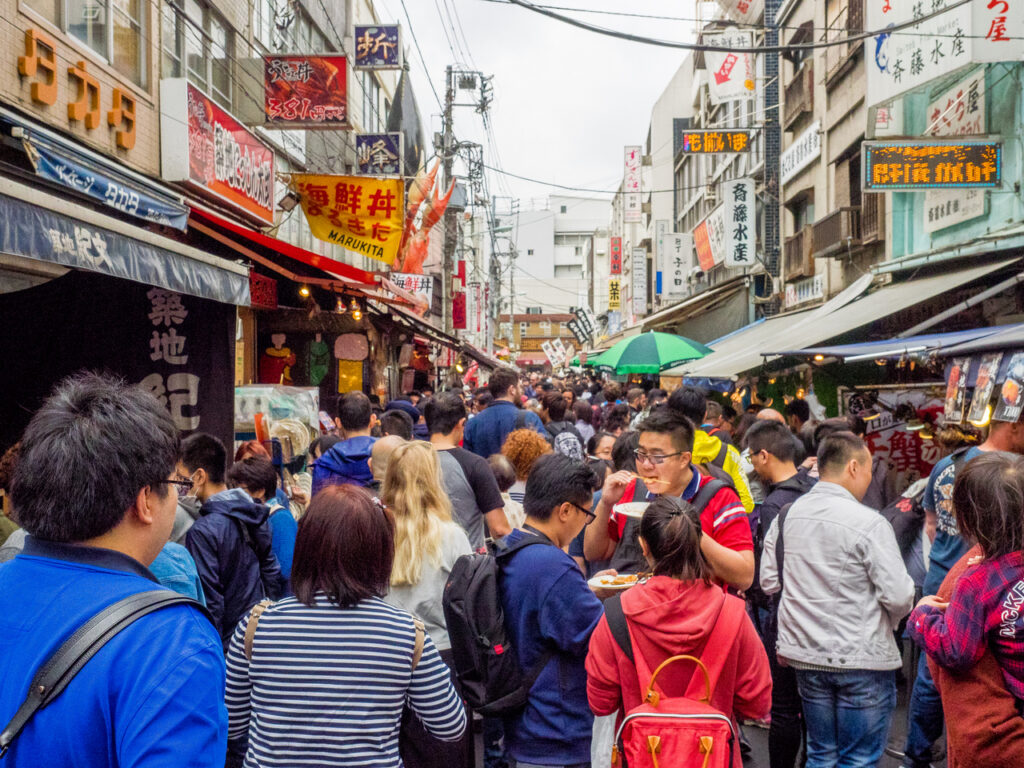
Tsukiji Outer Market offers a level of specialization rarely seen elsewhere. While it’s best known for seafood, the surrounding stalls expand far beyond fish. Vendors sell knives crafted for specific culinary tasks, fermented ingredients essential to Japanese cooking, and snacks influenced by regional traditions across the country. Unlike a supermarket seafood counter, Tsukiji emphasizes seasonality and technique. Shoppers learn why certain fish are prized at specific times of year and how preparation affects flavor. You’ll also encounter global influences, from imported spices to fusion street food designed for busy Tokyo locals.
4. Mercado de San Miguel
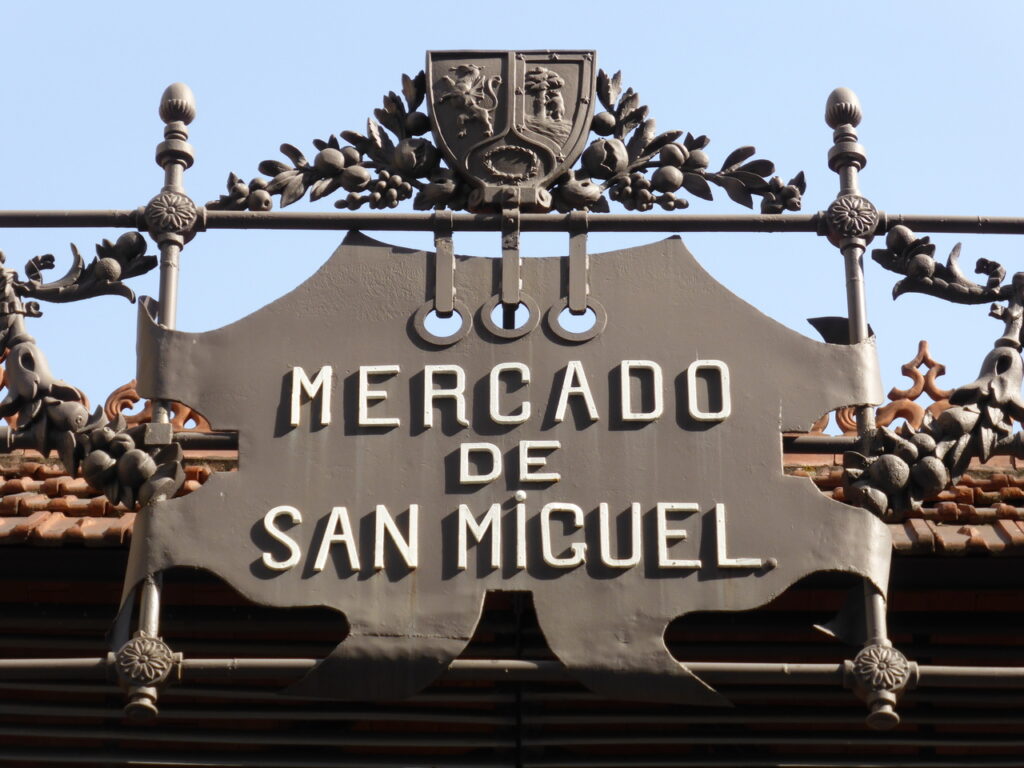
Mercado de San Miguel functions more like a living menu than a traditional market. Set inside a restored iron structure, it brings together small vendors offering Spanish classics alongside international bites. Jamón ibérico, olives, and seafood tapas share space with Asian-inspired dishes and modern interpretations of European staples. The appeal lies in accessibility. Instead of committing to one cuisine, shoppers can sample many in a single visit. While prices skew higher than neighborhood markets, the quality and variety justify the experience. For anyone used to buying prepackaged meals, this market reframes grocery shopping as tasting, learning, and exploring how global flavors intersect in a single city.
5. Union Square Greenmarket
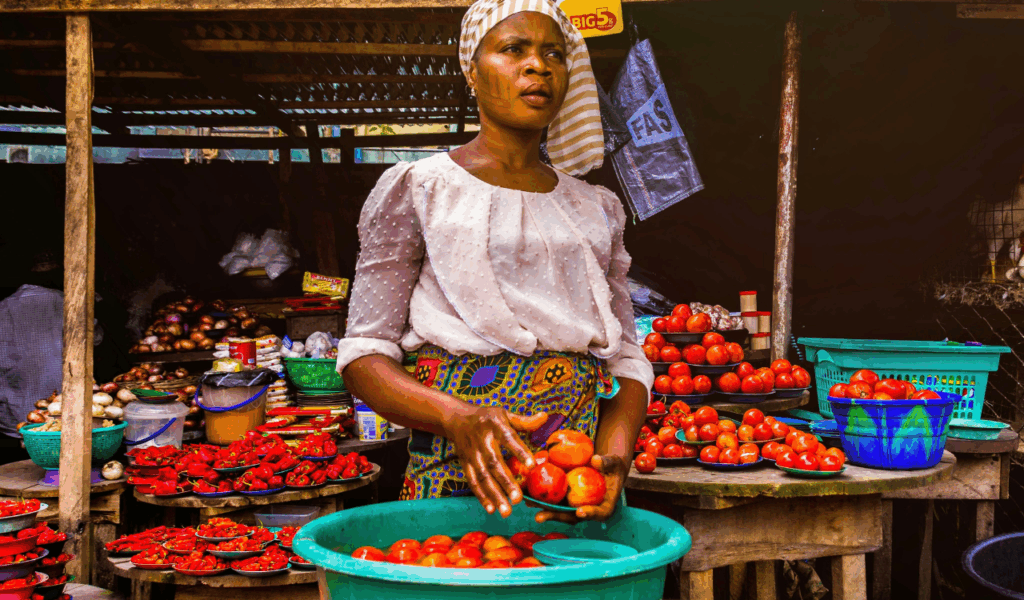
Union Square Greenmarket challenges the idea that global flavor requires imported ingredients. Farmers and producers from across the region bring goods influenced by diverse culinary traditions. You’ll find heirloom vegetables used in Asian and Caribbean cooking, fresh breads inspired by European baking, and cheeses made using old-world methods. What makes this market stand out is its connection between ingredient and culture. Vendors often explain how their products are traditionally used, offering guidance that grocery stores rarely provide. For home cooks, this transforms shopping into a learning experience.
6. Chatuchak Market
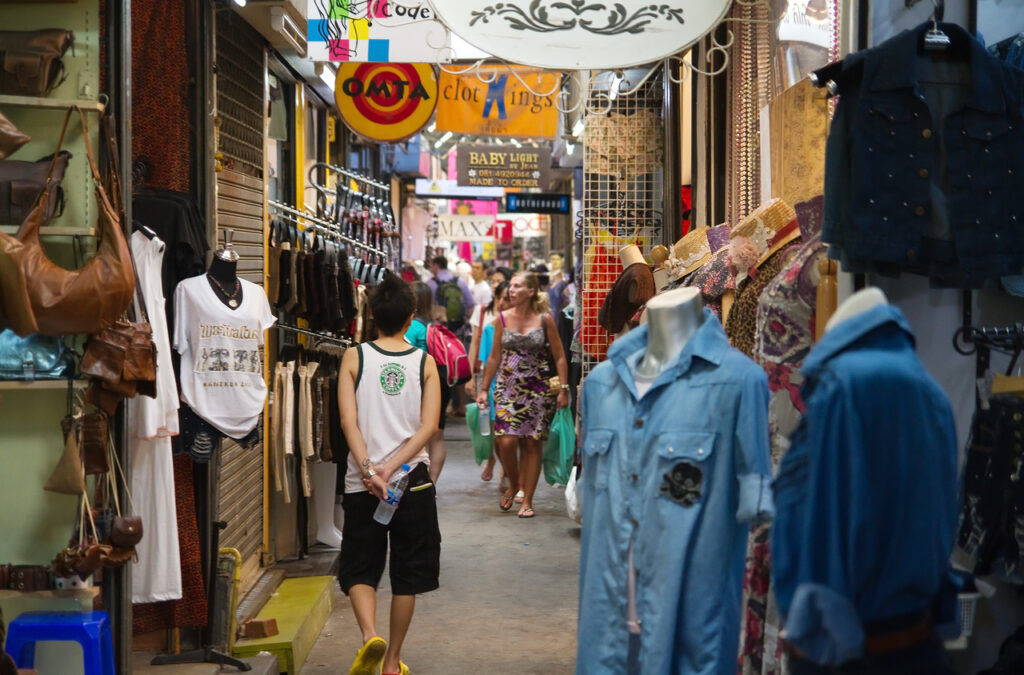
Chatuchak Market is massive, chaotic, and deeply rewarding for food lovers. Amid its thousands of stalls, the food section showcases Thai cuisine in all its regional diversity, along with influences from neighboring countries. You’ll find grilled meats, fresh curries, tropical fruits, and snacks seasoned with flavors unfamiliar to most Western palates. Unlike a grocery store, Chatuchak demands exploration. Shoppers move stall to stall, tasting and observing how ingredients are prepared. It’s not curated or polished, but that’s its strength. The market reflects how people actually eat, offering insights into flavor combinations and ingredients that never appear on standard supermarket shelves.
7. Mercado Central
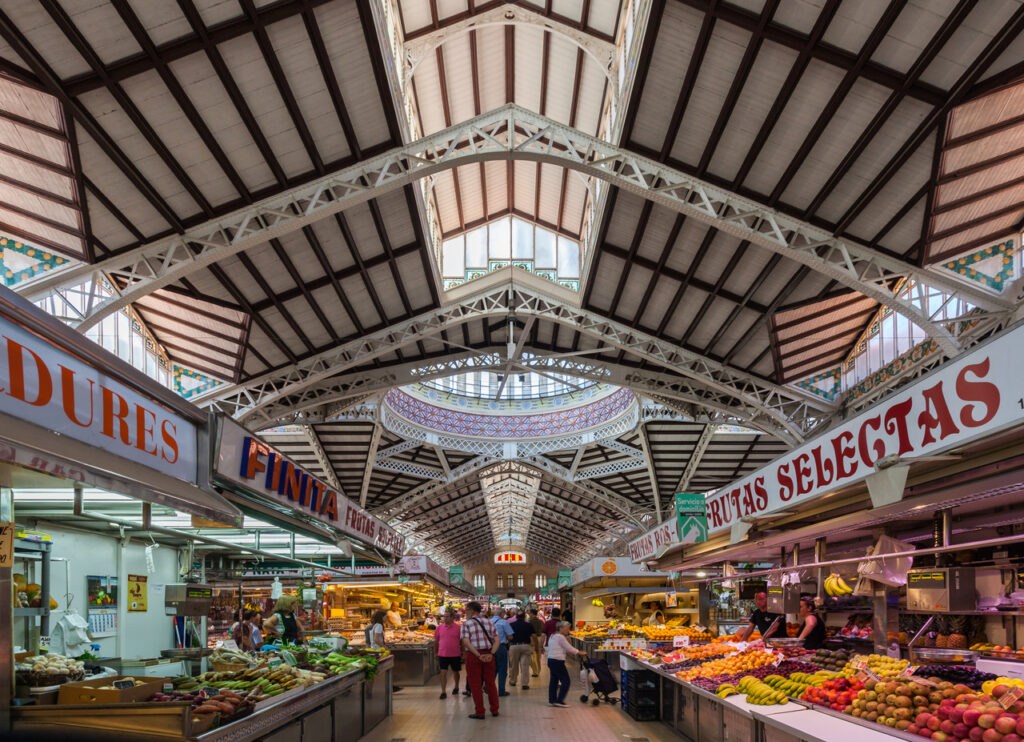
Mercado Central is one of Europe’s oldest markets, and its longevity shows in how deeply it’s woven into daily life. The market specializes in fresh produce, seafood, and spices tied to Valencian cooking, but its reach extends further. Vendors sell rice varieties essential to paella, along with ingredients influenced by centuries of Mediterranean trade. Walking through, you see how global flavors entered Spanish cuisine long before modern globalization. Compared to a grocery store, Mercado Central offers transparency. You see whole fish, fresh herbs, and raw ingredients that invite cooking from scratch rather than assembly from boxes.
8. Or Tor Kor Market
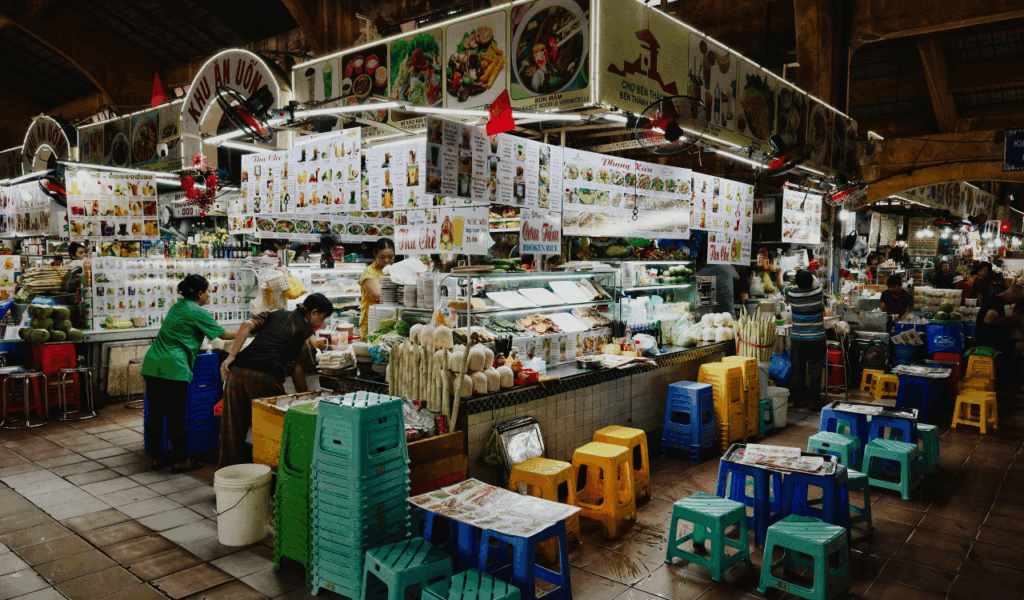
Or Tor Kor Market is often described as Bangkok’s premium market, and the quality supports that reputation. It focuses on pristine produce, carefully prepared foods, and regional Thai specialties rarely found elsewhere. Many vendors highlight ingredients specific to certain provinces, introducing shoppers to flavors beyond familiar Thai dishes. The market also includes international influences, reflecting Thailand’s role as a culinary crossroads. Compared to supermarket produce sections, Or Tor Kor emphasizes freshness and provenance. Shoppers leave with a clearer understanding of how ingredients vary by region and season.
9. Kreuzberg Markthalle Neun
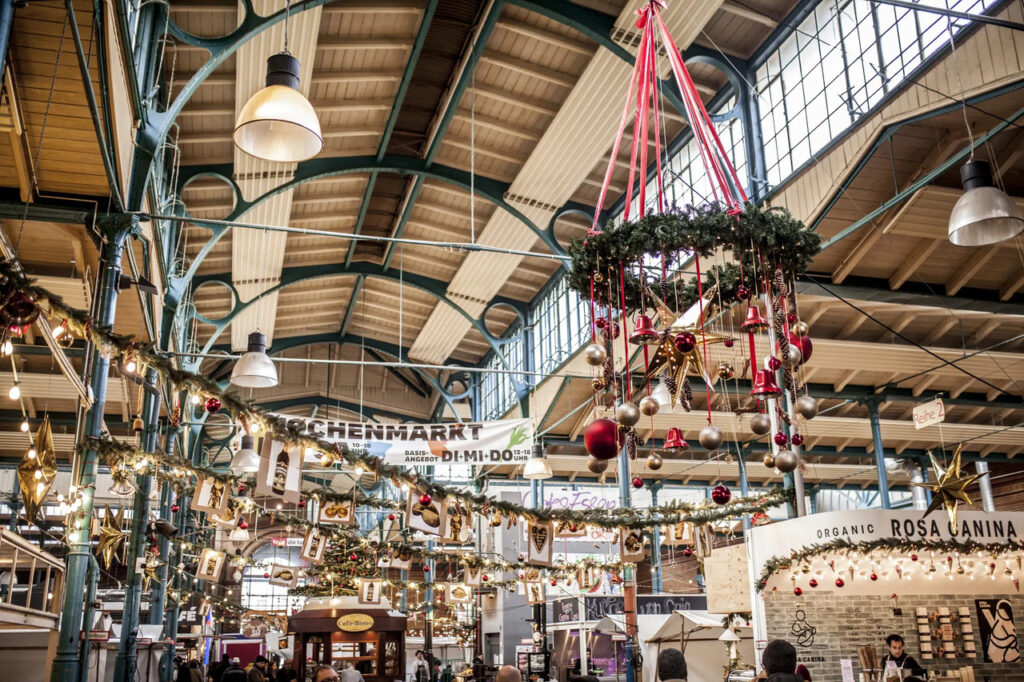
Markthalle Neun reflects Berlin’s multicultural identity. Traditional German foods share space with Turkish, Middle Eastern, and Asian vendors, mirroring the neighborhood’s diversity. What sets it apart is its focus on small producers and sustainability. Many stalls emphasize handmade goods, from bread to fermented foods. The market hosts themed food nights that spotlight global cuisines, turning shopping into a cultural exchange. Compared to a grocery store, Markthalle Neun feels intentional. It encourages people to slow down, taste widely, and understand the stories behind the food.
10. La Merced Market
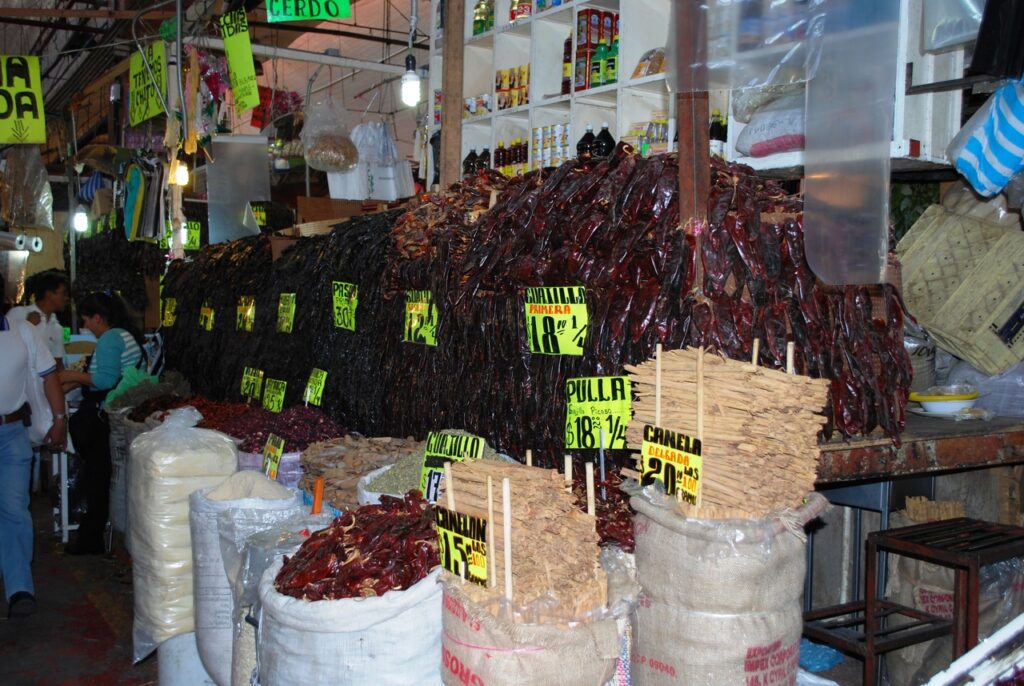
La Merced Market is raw, intense, and deeply authentic. It serves as a backbone of Mexico City’s food supply, offering ingredients used in everyday cooking as well as regional specialties. You’ll find dried chilies, spices, fresh tortillas, and produce varieties unknown outside Mexico. The scale and specialization are unmatched. Vendors focus on specific ingredients, often selling dozens of variations of a single item. For anyone used to limited grocery selections, La Merced is a reminder of how rich and complex food culture can be when it’s driven by tradition rather than convenience.