12 Winter Foods That Make Every Night Feel Identical and Endless

Winter generally makes people want warm, comfortable dinners, but when the same items show up night after night, dinner may seem boring and repetitive. When it’s cold outside, the days are shorter, and we don’t have much energy, we tend to choose convenience and familiarity over originality. This can make meals blend together over time, taking the fun out of something that should be soothing. Some winter mainstays are especially bad at making everything feel the same because they are full, easy, and predictable. These dishes aren’t horrible, but if you eat them too often, your nights can feel long and boring.
1. Plain Cream-Based Soups
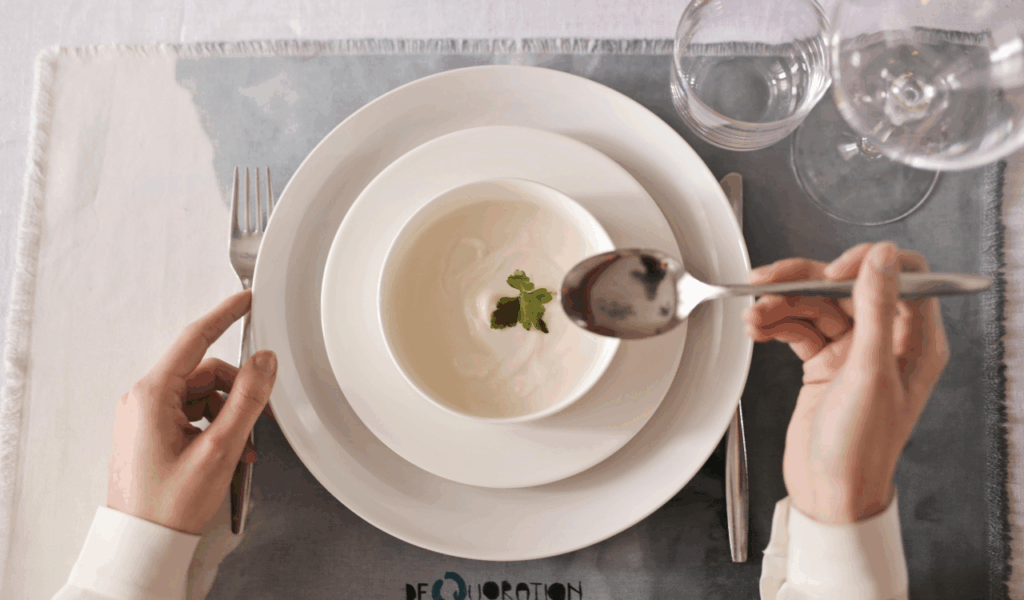
In the winter, people love cream-based soups because they are warm, comforting, and filling. But a lot of them use the same things, including milk, butter, salt, and mild vegetables, which means they taste almost the same every time. They tend to blend together when you eat them a lot, especially if you don’t have any herbs, acids, or textures. Because there is no crunch, spice, or brightness to break up the monotony of the soup, it becomes thick and monotonous. It is possible that, after some time has passed, bowls of thick soup will feel more like a chore than a treat. This will cause dinner nights to feel less like a treat and more like just another routine.
2. Overcooked Stews
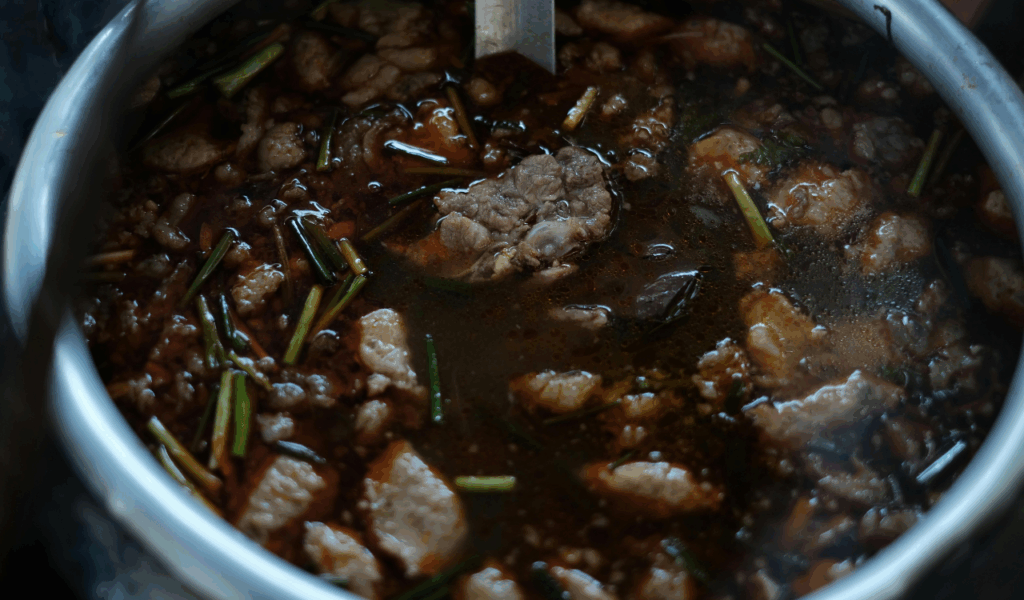
Stews promise rich flavor, but if they are overcooked or not balanced well, they often taste the same every time. If you don’t change the spice toward the end, long simmering can make fresh ingredients taste boring. A lot of winter stews use the same vegetables and starches, which might make it hard to tell them apart. It is when the texture of the food becomes too soft and the flavors get too weak that the food loses its excitement. It’s possible that eating from the same pot for multiple nights would make things feel even more the same, turning evenings into something that is both lengthy and uninteresting rather than comfortable.
3. Basic Mashed Potatoes
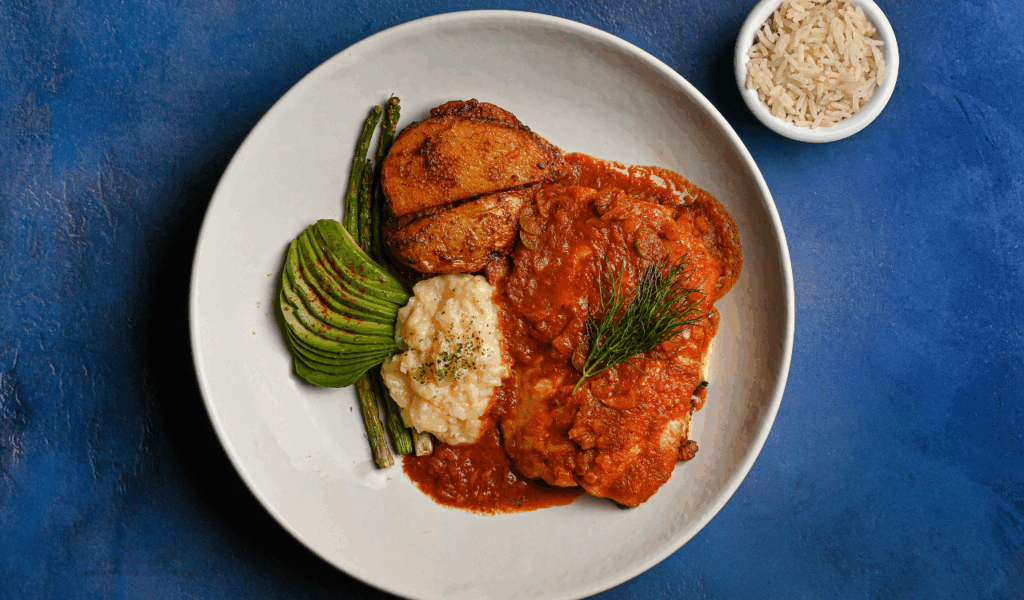
Mashed potatoes are a staple side dish for chilly weather, but basic ones get tiresome quickly when you serve them over and over. When you merely add salt, butter, and liquid to mashed potatoes, they don’t have any contrast or depth. If you don’t add anything like herbs, texture, or acidity, they taste the same every time. Because of their velvety texture, winter meals also have a weighty feel to them. When served with the same proteins night after night, basic mashed potatoes make dinners feel predictable, satisfying, and emotionally dull. This is because they are composed of the same ingredients.
4. Dry Roasted Poultry
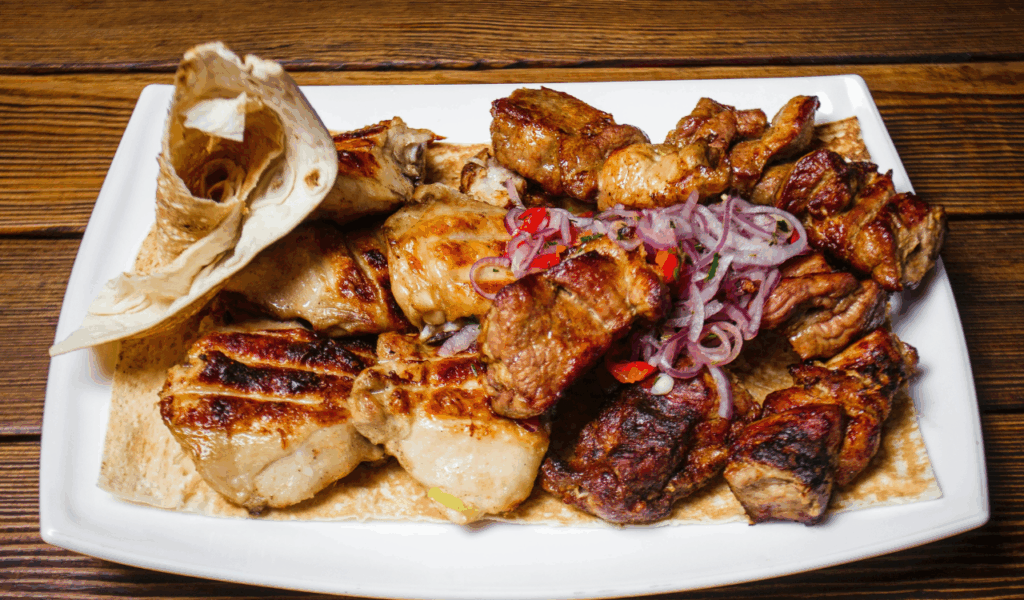
During the winter, roasted turkey is common since it is filling and useful. It gets dry and bland when you prepare it without enough moisture or spice, which makes meals feel like they are the same. A lot of individuals use the same seasoning method every time, which makes things less interesting. Dry meat also doesn’t have any interesting textures, especially when served with mushy sides. If you do it every week, it might make supper feel like a chore instead than something you enjoy. You might find that roasting poultry makes winter evenings feel more similar to one another if you don’t alter the way you cook it or the way it tastes.
5. Plain Pasta With Heavy Sauce
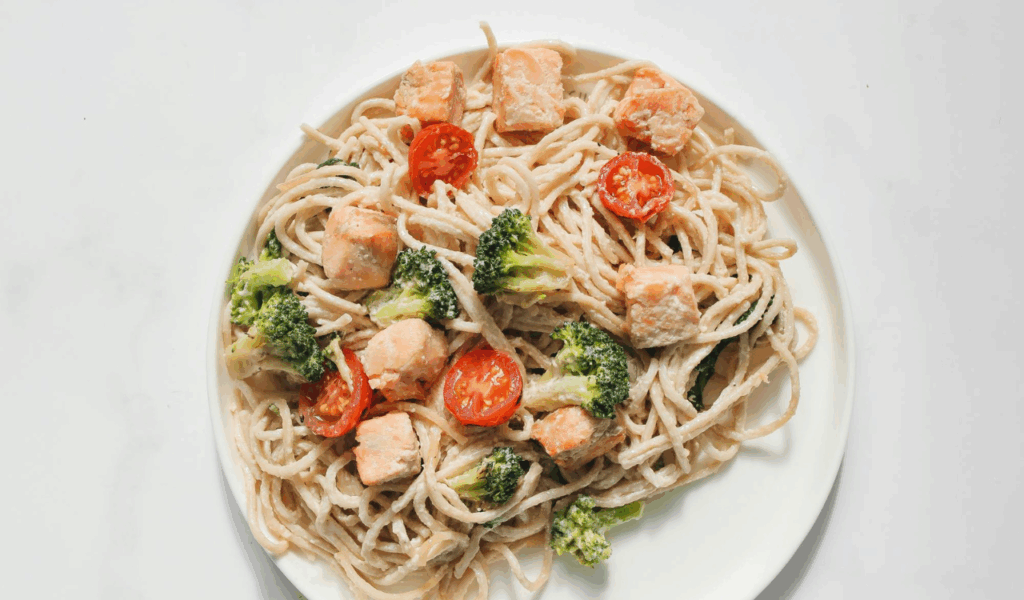
Pasta dishes are popular in the winter, but thick sauces that aren’t balanced can get boring soon. Thick sauces that are mostly made of cream or cheese often drown out more subtle flavors and taste the same from meal to meal. When pasta is served with little texture or freshness, the meal becomes heavy and boring. Getting the same thing over and over again can be tiring instead of fulfilling. Heavy pasta dishes can make nights feel long and the same, even when the recipes look diverse on the surface. This is due to the fact that they do not contain any elements that are in contradiction to one another, such as vegetables, herbs, or acidity.
6. Reheated Leftover Casseroles
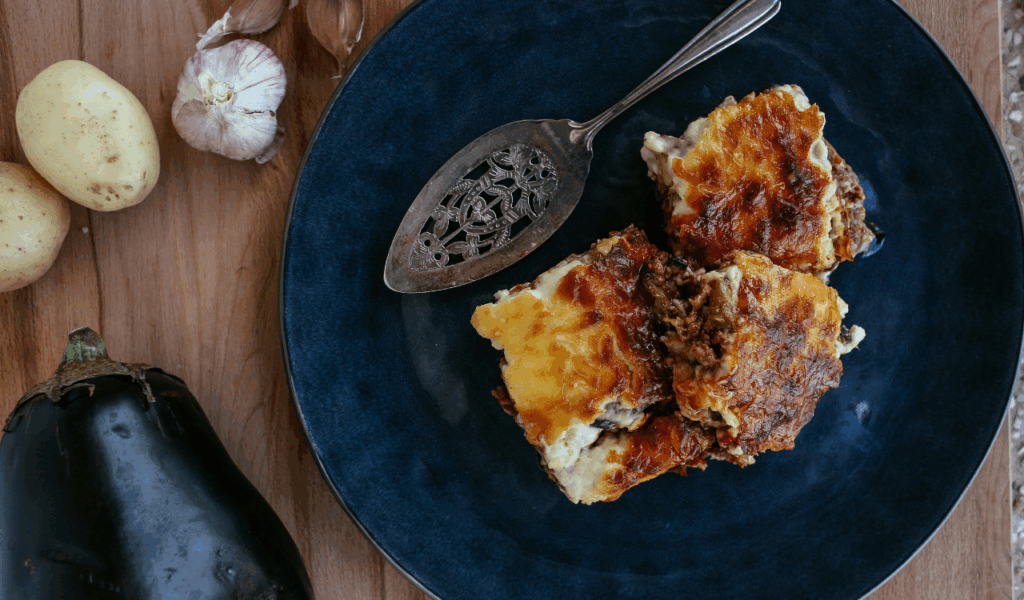
Casseroles are a popular winter dish because they are easy to make and fill you up, but the leftovers frequently taste the same every time you heat them up. The textures get even softer, the flavors mix, and the different ingredients lose their uniqueness. If you eat the same casserole for a few nights in a row, you won’t look forward to supper. Even while it is beneficial to reheat meals multiple times, doing so might occasionally make them feel like an inconvenience. Because of this habit, it seems as though the nights are stuck in a rut, with no obvious variation between one night and the next.
7. Flavorless Rice Dishes
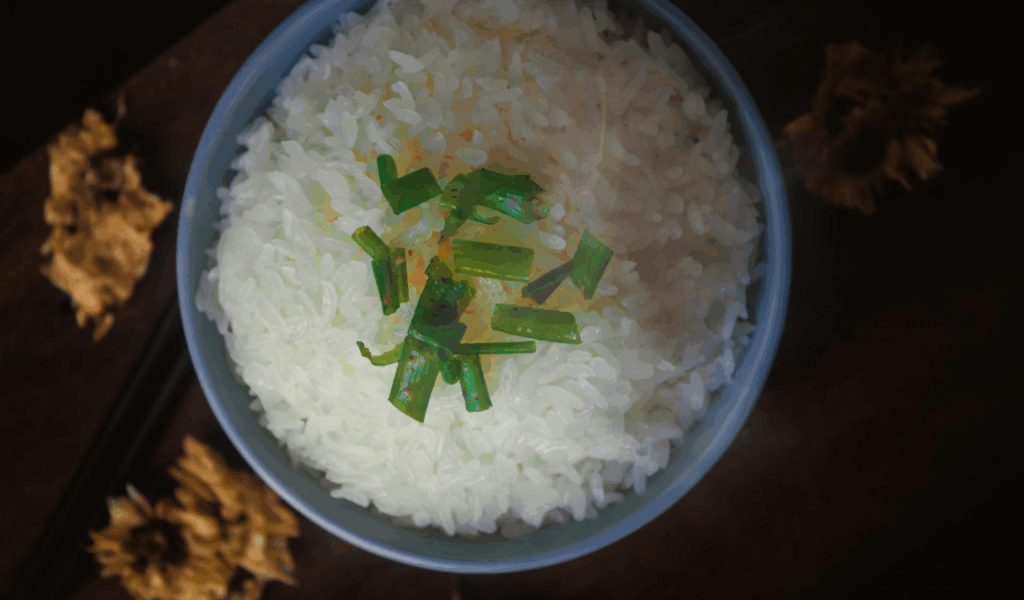
Rice is a warm base for many winter dinners, but plain or under-seasoned rice recipes get boring quickly. If you prepare rice without adding any flavor, spices, or texture, it just fills you up. As a result of using the same method of preparation over and over again, the flavor of the food remains consistent. What makes winter cooking feel even more weighty is the presence of soft textures and subtle flavors. It is possible for dinners focused on rice to leave one feeling emotionally deflated if there is not a great deal of variety or contrast, and nights can become monotonous and lack any particularly memorable moments.
8. Overused Frozen Vegetables
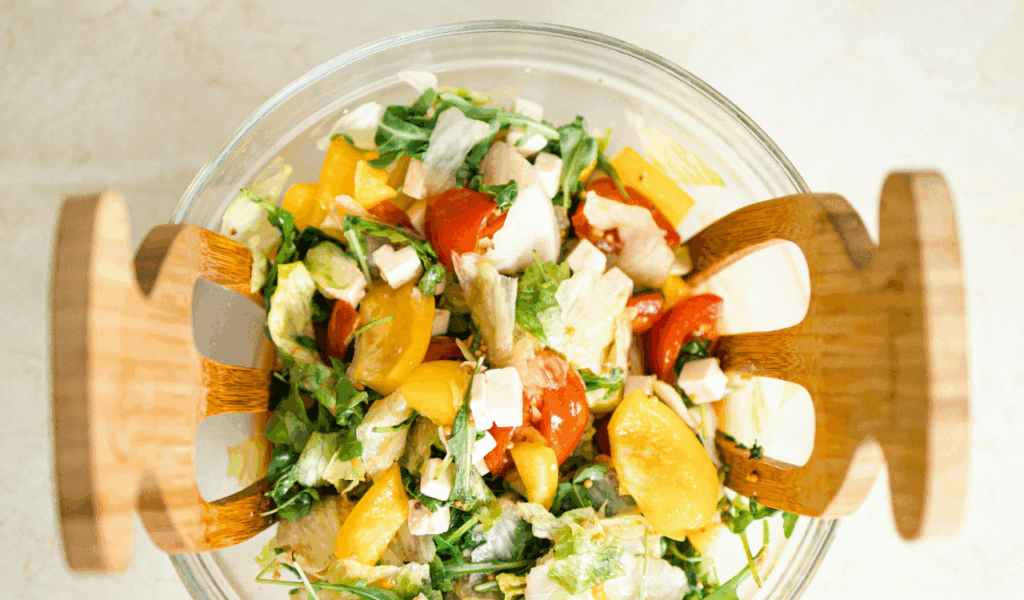
Frozen vegetables are great in the winter, but using the same mixes over and over might make meals less exciting. Their flavors become less strong when they are overdone or just heated up without any seasoning. When you make frozen mixes the same way every time, they taste a lot alike. Because of this repetition, the dishes lose their distinctive quality. Over time, dinners tend to lose their individuality, which results in a monotonous and repetitive atmosphere. It is possible for frozen veggies that have not been cooked properly to make winter nights feel monotonous and repetitive, even when the vegetables are delicious.
9. Dense Bread-Based Meals
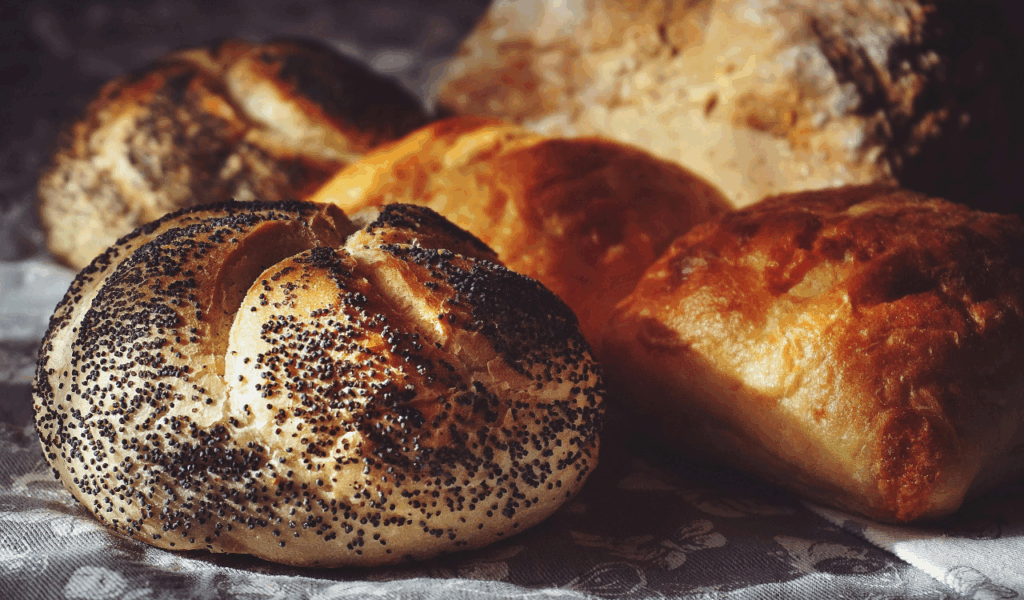
Heavy dinners with a lot of bread are nice when it’s cold outside, but they may get boring quickly. Many sandwiches, toast-based dishes, and bread-centered feasts use the same textures and flavors. They don’t taste different or fresh when you eat them a lot. Eating a lot of carbs might also make you feel sluggish, which can make the night seem longerIn situations where the fillings or the method of preparation remain the same, meals that are centered on bread are not as attractive. Repeating a certain activity over and over again causes it to lose its calming effect and instead become monotonous and predictable.
10. Same-Season Root Vegetables
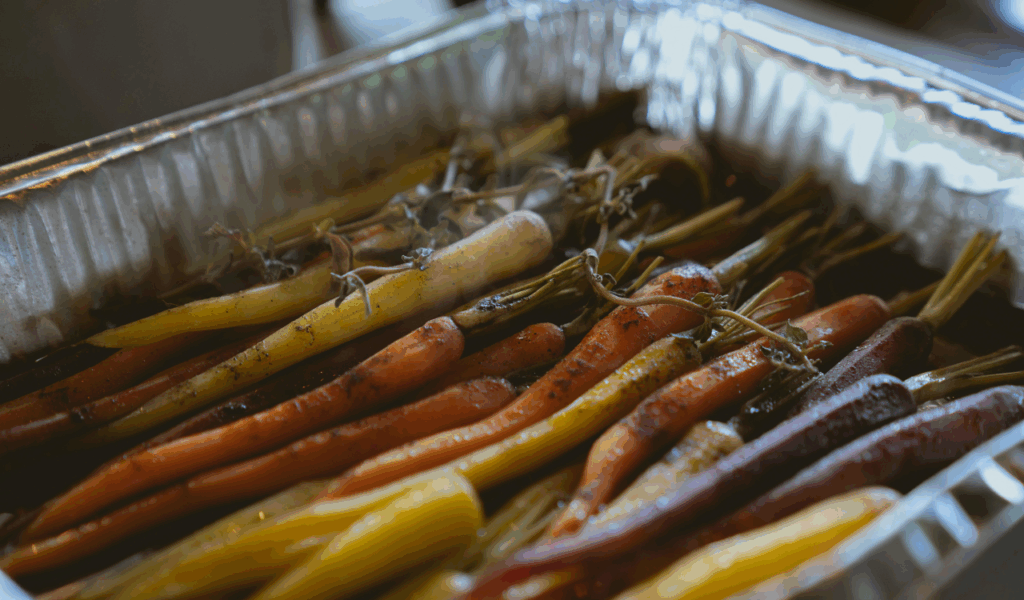
Root vegetables are the most common ingredients in winter cooking, but using the same ones over and over can make them taste boring. They start to taste the same when they are cooked the same method, such roasting or boiling. Their smooth textures and inherent sweetness can make it hard to tell the difference between recipes. Meals feel the same if you don’t use spices, acids, or different cooking methods. If you use the same veggies too often, It may cause you to be less imaginative and give the impression that dinners are something that happens every night, which contributes to the impression that winter nights are always the same.
11. One-Note Slow Cooker Meals
People like to make meals in a slow cooker in the winter because they are easy to make, but a lot of them taste the same. If you don’t stack your seasonings properly, long cooking durations might make flavors flat. A lot of recipes use the same sauces, spices, and textures, which makes them all sound the same. The most prevalent kind of textures are soft, which allows for less contrast to be seen. When you eat all of these meals for a number of consecutive evenings, they start to become routine and predictable. It’s possible that meals prepared in a slow cooker could be helpful, but they also have the potential to make nights feel like they never end, rather than relaxing.
12. Repetitive Sweet Desserts
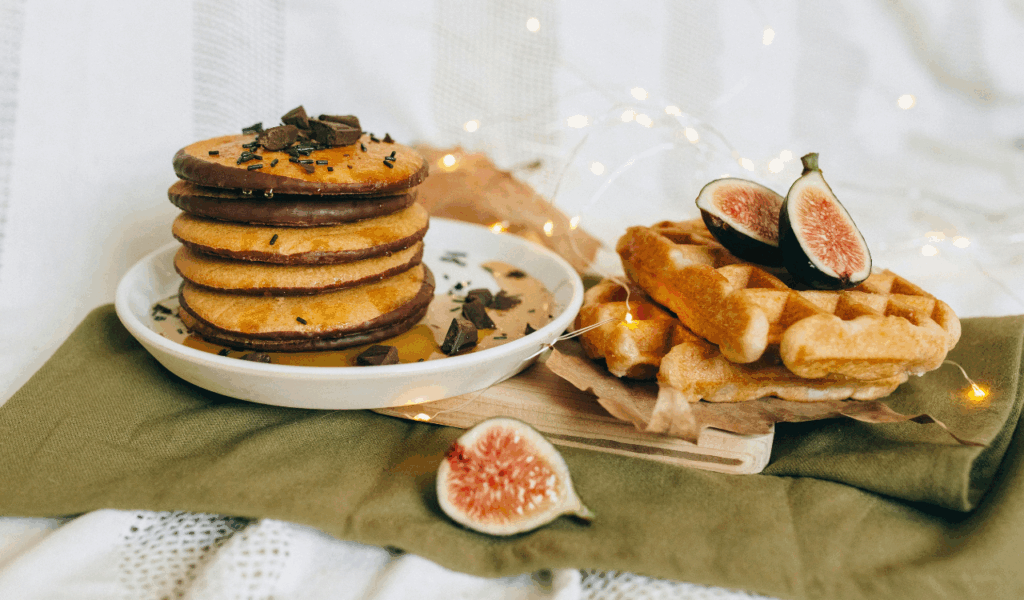
Desserts in the winter frequently have the same warm, sweet flavors, which can get boring. Desserts are boring when they use the same spices and textures. If you consume the same kind of dessert every night, you will no longer have the feeling of being rewarded. After a hefty meal, sweets that are likewise heavy can feel like they are too much to handle. When the same delicacies are consumed each and every night, it gives the impression that the evenings are all the same. Desserts frequently have a tendency to feel more predictable than outstanding due to the lack of variety and balance that they include.