14 Regional Foods That Are Disappearing Due to Chain Restaurants
Before national chains reshaped how and where Americans ate, regional foods thrived because they reflected local tastes, habits, and resources. These dishes weren’t designed for mass production or nationwide appeal. They relied on fresh preparation, regional knowledge, and customers who understood them without explanation. As chain restaurants expanded, menus became standardized, prioritizing speed, consistency, and broad familiarity. In the process, many once-common regional foods quietly disappeared from restaurant tables. What remains are fragments of local food culture, preserved in home kitchens, old diners, and fading memories rather than everyday menus.
1. Chipped Chopped Ham Sandwich
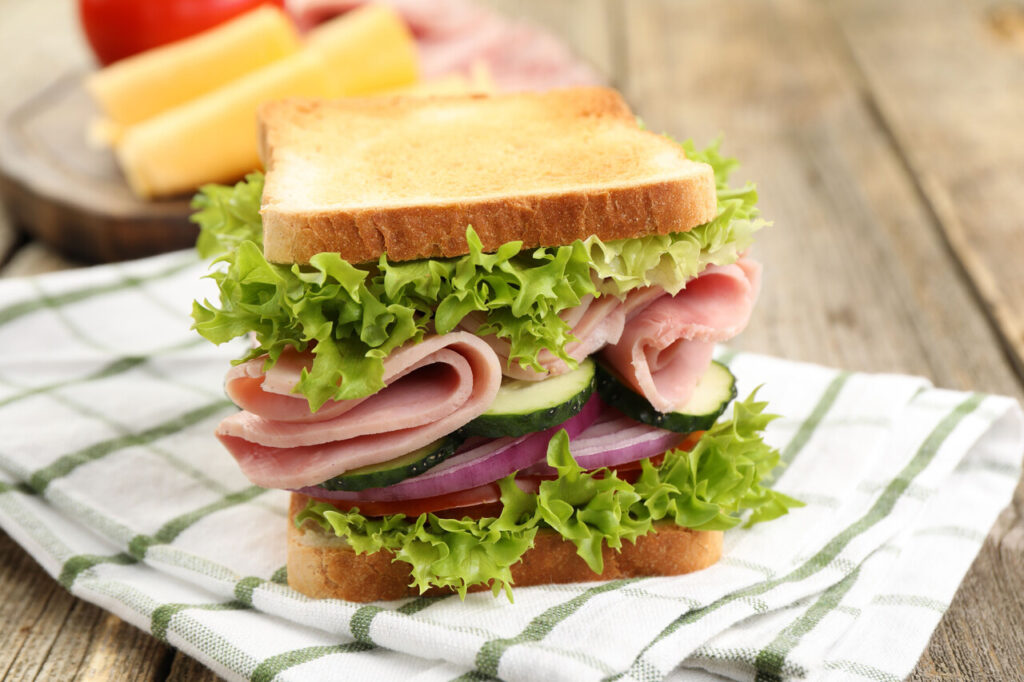
This sandwich once defined working-class lunches in western Pennsylvania and parts of Ohio, where butcher shops and corner delis sliced processed ham paper-thin, then piled it high on soft white bread. The appeal was never about elegance. It was about affordability, familiarity, and a flavor people grew up with. Chopped ham was salty, slightly smoky, and easy to portion, making it ideal for small neighborhood shops that served regulars daily. Chains favored standardized meats that could be shipped nationwide and fit prewritten menus, leaving little room for a product that required local sourcing and a specific slicing technique.
2. Gooey Butter Cake (Original Bakery Style)

Long before it became a packaged novelty or a bakery gimmick, gooey butter cake was a humble St. Louis staple made with simple ingredients and sold fresh from local bakeries. The original version was dense, rich, and unapologetically sweet, often cut into squares and wrapped in wax paper. It wasn’t designed to travel well or sit on shelves for weeks, which is exactly why it struggled as chain bakeries expanded. National dessert menus favored items that could be frozen, shipped, and reheated with minimal loss of quality. The labor and precision needed to produce a proper gooey butter cake did not fit that model.
3. Hot Brown Sandwich
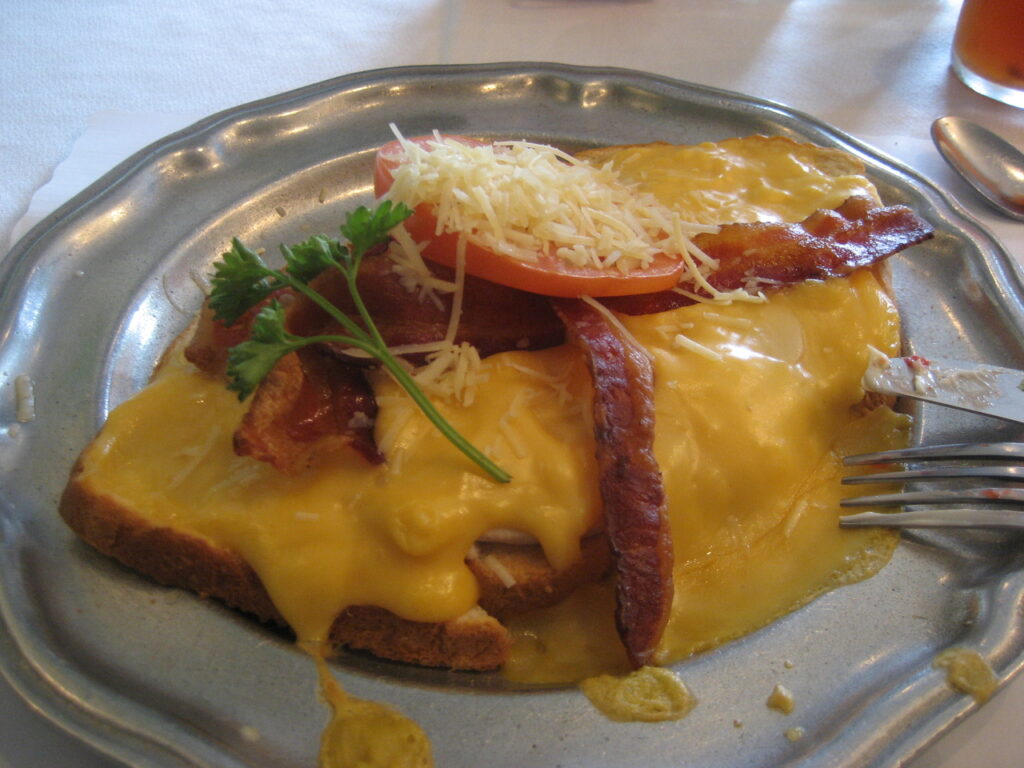
The Hot Brown was never meant to be fast food. Originating in Kentucky, this open-faced sandwich layered turkey, bacon, and Mornay sauce under a broiler until bubbling and browned. It was rich, filling, and designed for leisurely dining rather than quick turnover. As chain restaurants reshaped menus around speed and consistency, the Hot Brown became impractical. Its sauce required careful preparation, its assembly was time-consuming, and its presentation didn’t translate well to standardized kitchens. Casual dining chains trimmed similar dishes in favor of simpler sandwiches that could be assembled quickly.
4. Pork Tenderloin Sandwich (Hand-Pounded Style)
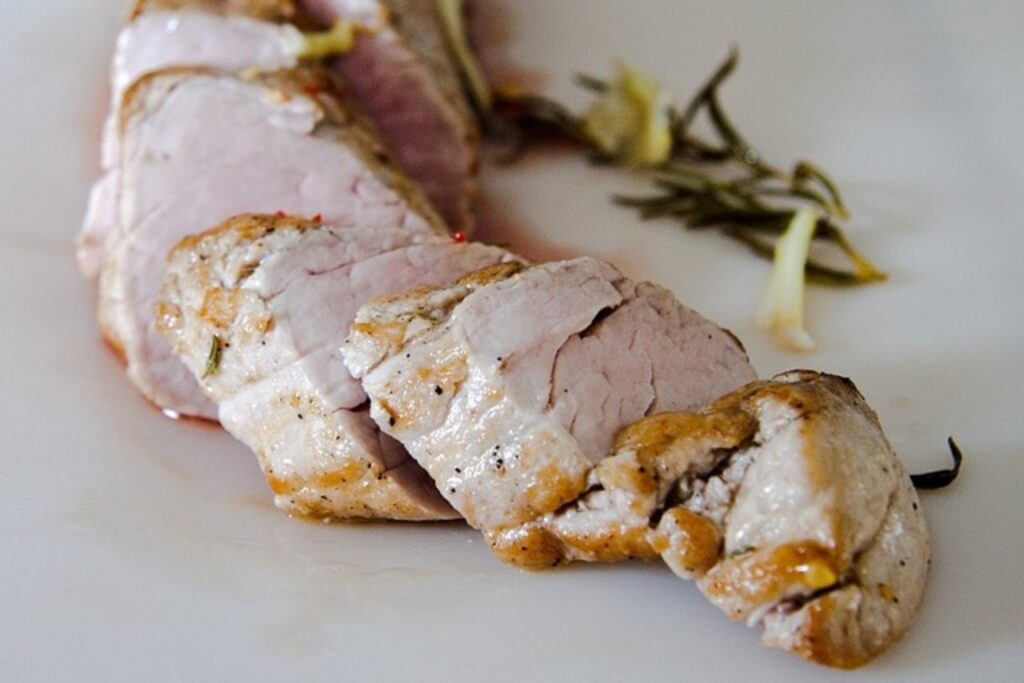
In the Midwest, the pork tenderloin sandwich once symbolized abundance. The meat was hand-pounded until it stretched far beyond the bun, breaded generously, and fried to order. It was messy, oversized, and deeply tied to local diners and fairs. Chain restaurants struggled to replicate this because portion control and labor costs worked against the dish. Hand-pounding meat takes time, and oversized portions clash with standardized pricing models. Over time, the authentic version retreated to county fairs and independent diners, while chain interpretations diluted the tradition until many younger diners never experienced the real thing.
5. New England Chop Suey

Despite its misleading name, New England chop suey was a comforting casserole of elbow macaroni, ground beef, tomatoes, and onions. It thrived in small-town diners where affordability and familiarity mattered more than presentation. As chain restaurants expanded, dishes like this struggled because they didn’t fit neatly into predefined menu categories. It wasn’t Italian enough for pasta sections and wasn’t trendy enough to market as comfort food. Chains favored flashier items with broader appeal, leaving this regional staple behind. Without restaurant exposure, chop suey shifted into home cooking traditions, passed down quietly rather than ordered off menus.
6. Liver and Onions
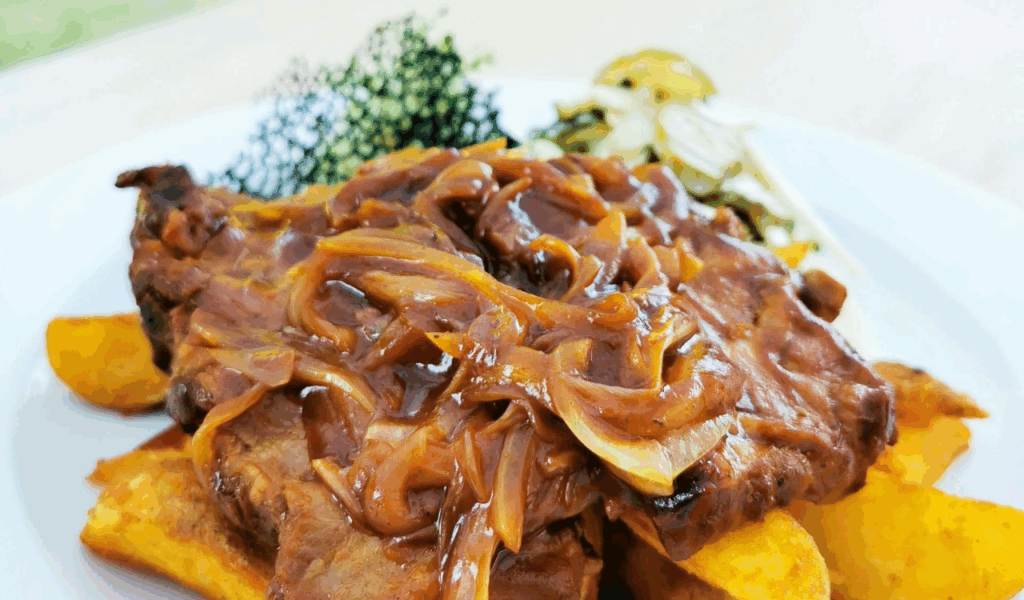
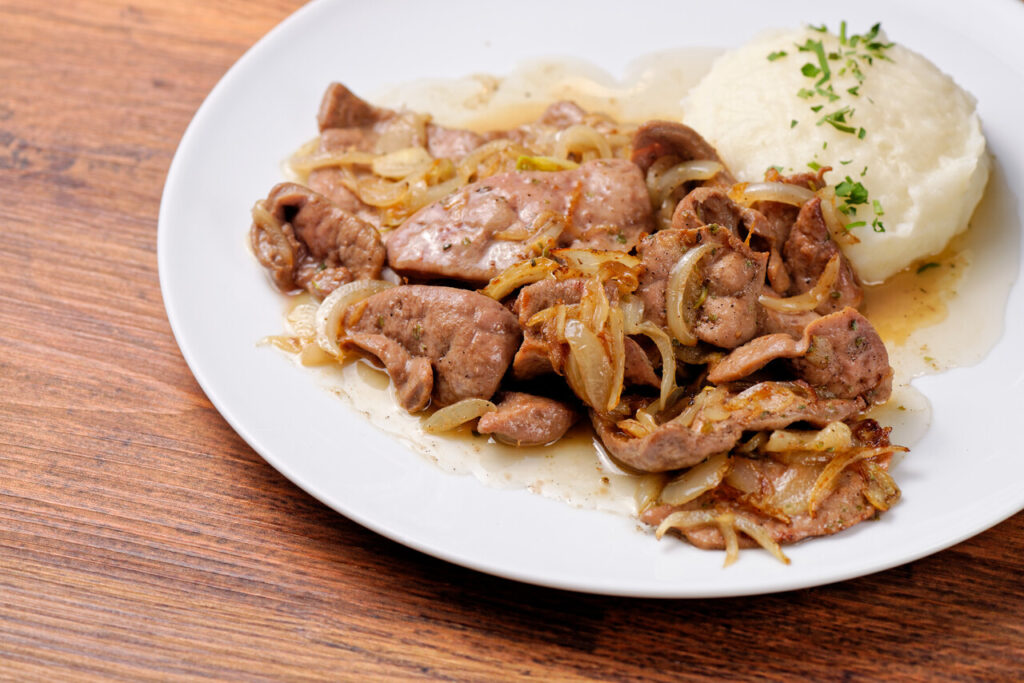
Liver and onions was once a common sight in American diners, valued for its affordability and nutritional density. Over time, changing tastes and the rise of chain dining worked against it. Chains avoided polarizing dishes that might turn away customers, and liver’s strong flavor made it risky. Additionally, sourcing and preparing liver properly requires skill, as overcooking quickly ruins it. As chains streamlined menus to focus on burgers, chicken, and predictable proteins, liver and onions disappeared. Today, it survives mainly in niche diners and older establishments, often ordered by those seeking nostalgia rather than newcomers discovering it for the first time.
7. Welsh Rarebit

Welsh rarebit once occupied a comfortable middle ground between indulgence and simplicity on American menus, especially in the Northeast where taverns and lunchrooms treated it as a proper meal rather than a novelty. The dish depended on a carefully balanced cheese sauce flavored with mustard, ale, and seasoning, poured hot over crisp toast. That balance was its strength and its downfall. Cheese sauces demand close attention, constant temperature control, and fresh preparation to avoid separation or graininess. Chain restaurants, built around speed and consistency, found rarebit difficult to execute at scale.
8. Creamed Chipped Beef on Toast
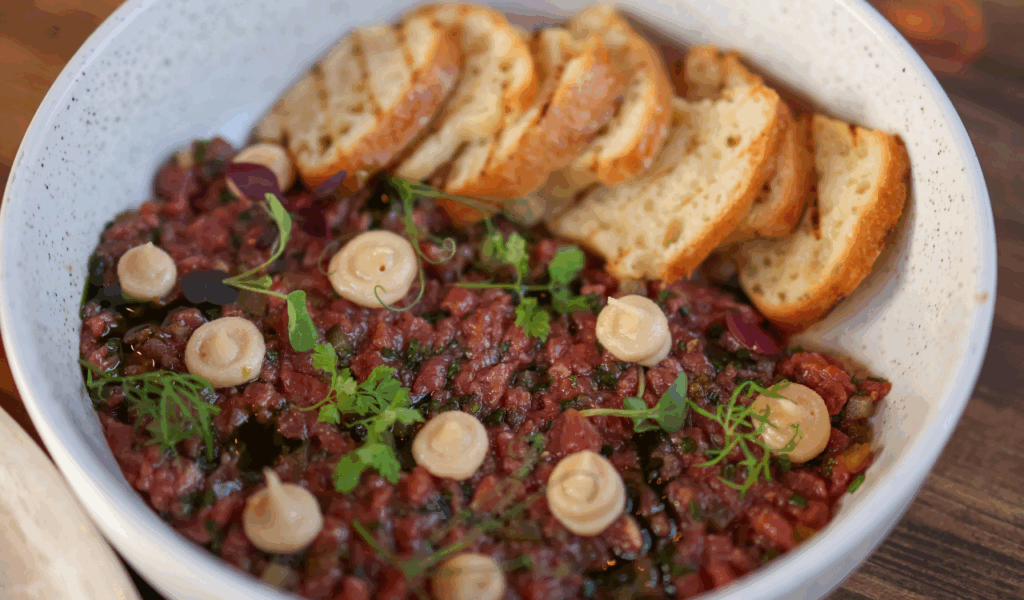
Creamed chipped beef on toast, often called SOS, was never meant to be glamorous. It thrived because it was filling, affordable, and familiar, especially in diners and military mess halls. Thin slices of dried beef were simmered in a simple white sauce and served over toast, creating a hearty meal that stretched inexpensive ingredients. As chain restaurants expanded, this dish worked against modern priorities. It wasn’t visually appealing, didn’t photograph well, and lacked the customization options chains now rely on to attract customers. Branding teams struggled to make it feel contemporary, and its association with older generations made it a risky menu choice.
9. Tomato Aspic

Tomato aspic once symbolized refinement and modernity, particularly in mid-century American dining rooms. Molded into elegant shapes and served chilled, it was often presented as a starter or side that suggested sophistication and care. Behind the scenes, however, aspic was demanding. Gelatin-based dishes are sensitive to temperature, timing, and storage, all of which conflict with the fast-paced rhythm of chain kitchens. As food trends shifted toward fresh, vibrant presentations, aspic began to feel overly processed and dated. Chains quietly removed it from menus, favoring salads and lighter starters that required less precision.
10. Sloppy Joe (Loose Meat Style)
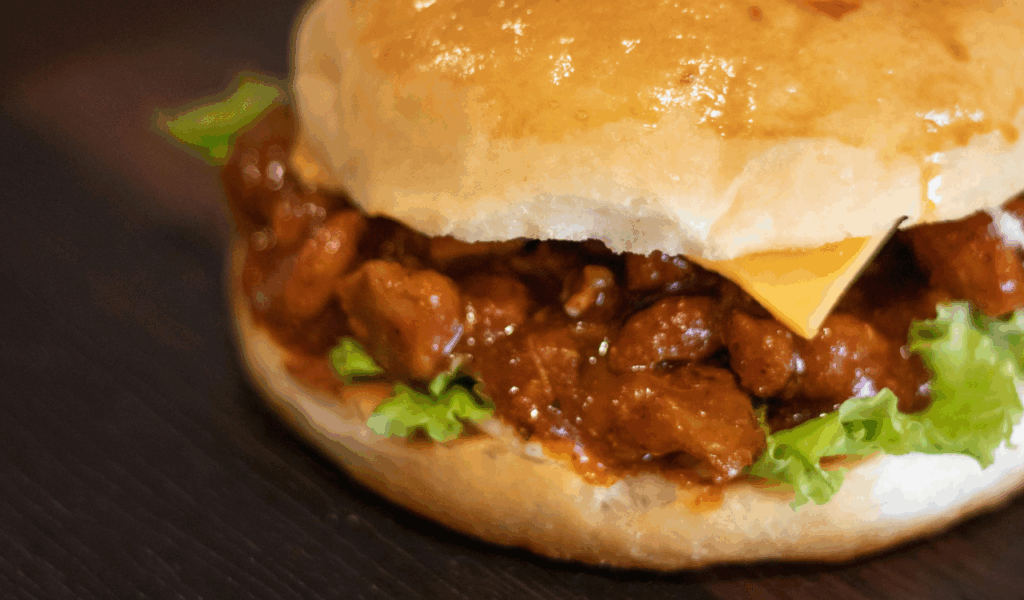
The loose meat sandwich, distinct from the saucy Sloppy Joe most people recognize, was a proud Midwestern staple. It featured seasoned ground beef served hot on a bun without tomato sauce, allowing the texture and flavor of the meat to stand on its own. Its simplicity was central to its appeal but also its vulnerability. Chain restaurants favored the sauced version because it was easier to standardize, brand, and explain to a national audience. Loose meat required careful seasoning and regional context, two things chains tend to avoid. As franchises expanded, they replaced local interpretations with uniform versions that traveled better across markets.
11. Chicken à la King
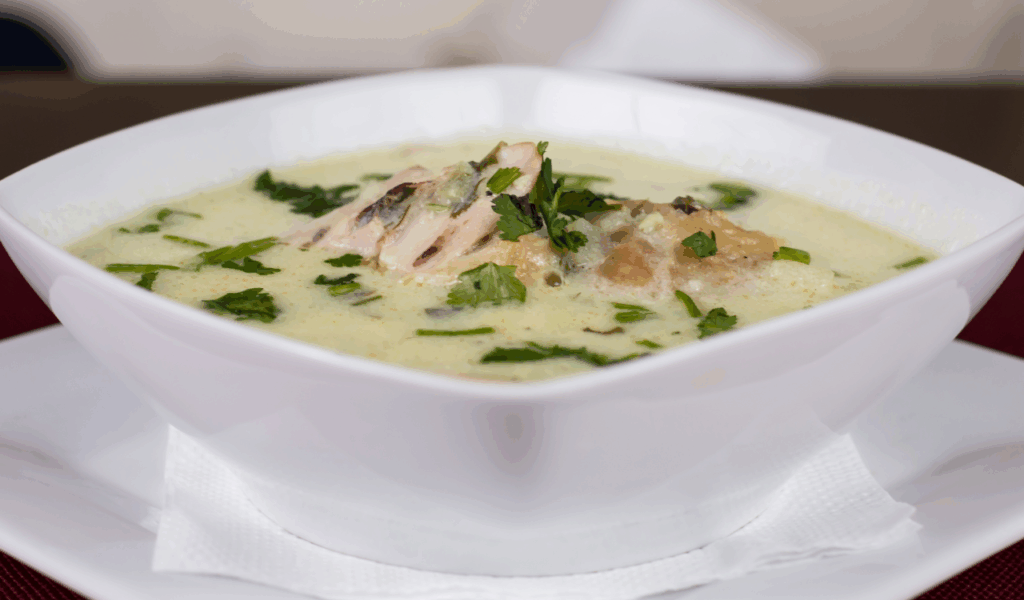
Chicken à la King once represented comfort with a touch of elegance. Combining tender chicken, mushrooms, and peppers in a creamy sauce, it appeared on menus as a reliable, satisfying entrée. Over time, its richness and sauce-heavy profile fell out of step with changing dining preferences. Chain restaurants faced rising ingredient costs and growing pressure to simplify preparation, making dishes like this less attractive. Cream sauces require careful handling and don’t hold well during peak service hours. Without regular exposure in restaurants, it slipped from everyday awareness and became associated with another era of dining, now more likely to be found in old cookbooks than on modern menus.
12. Corn Dodgers
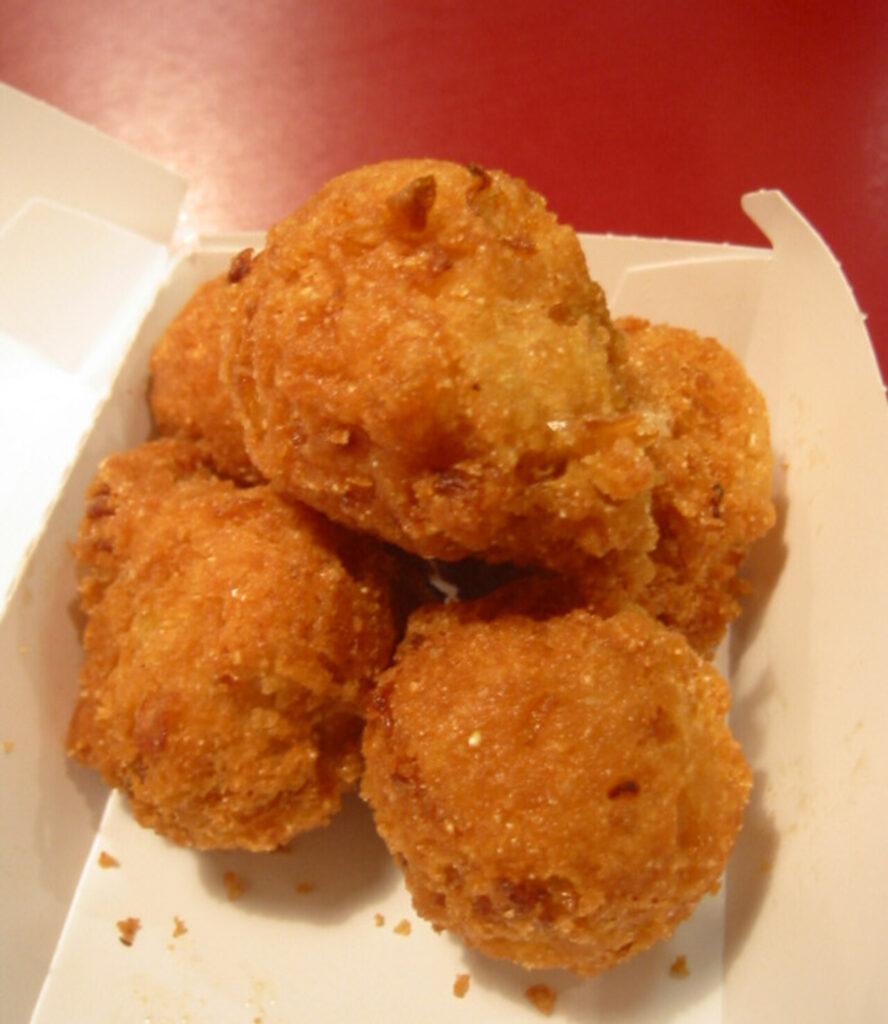
Corn dodgers were once a common Southern food, valued for their simplicity and connection to regional agriculture. Made from cornmeal and shaped into dumplings or small fried breads, they were filling and versatile. The challenge came with consistency. Corn dodgers needed to be made fresh and didn’t store or reheat well, which made them impractical for chain operations. As chains moved into Southern markets, they opted for biscuits and cornbread that could be standardized and produced in large batches. Corn dodgers lacked the flexibility required for modern kitchens and slowly disappeared from menus.
13. Scalloped Oysters
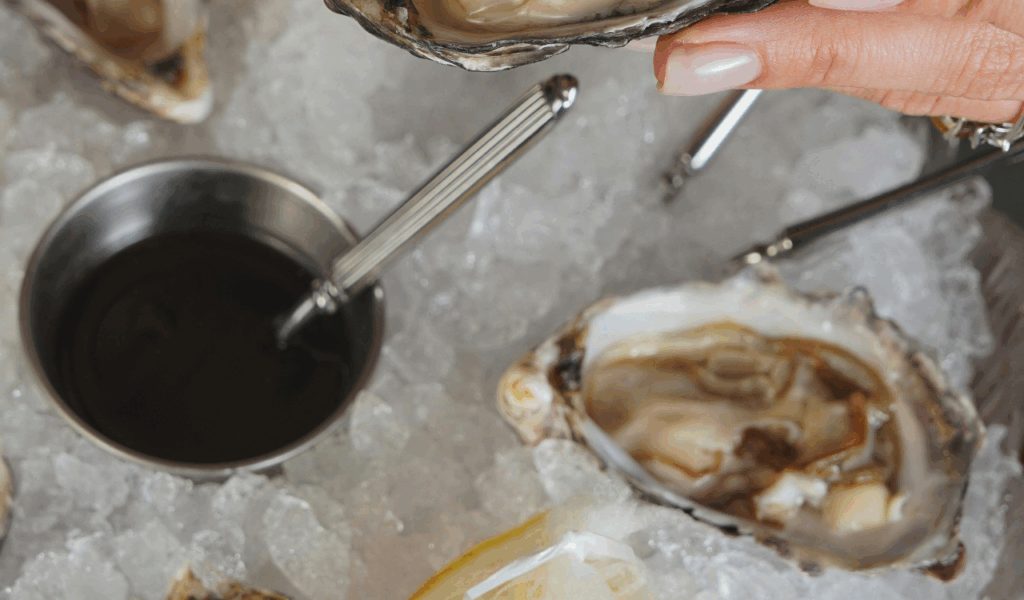
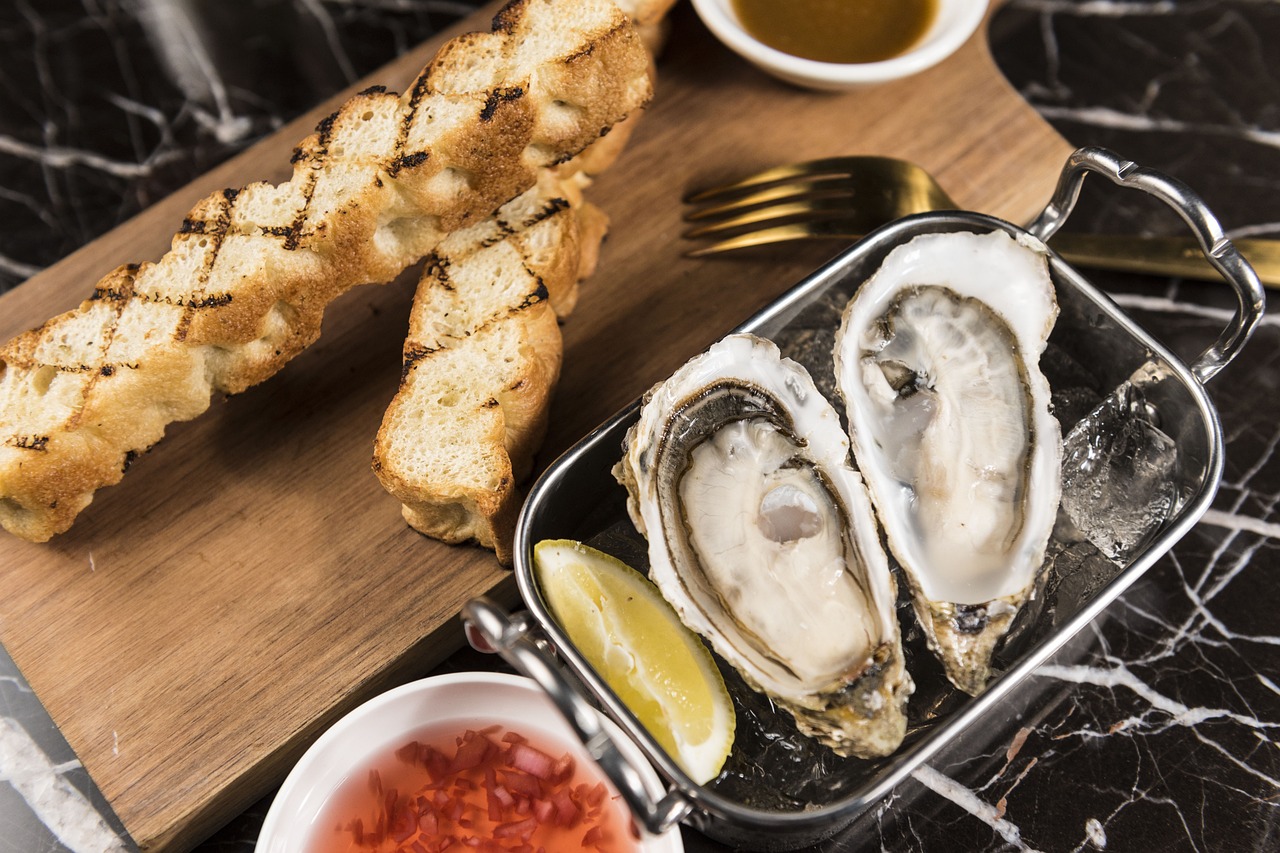
Scalloped oysters were once a celebrated dish along coastal regions, offering a rich combination of oysters, cream, and breadcrumbs baked until golden. The dish relied heavily on fresh seafood, which introduced challenges as chain restaurants expanded. Rising oyster prices, strict food safety regulations, and seasonal variability made scalloped oysters risky and expensive to serve consistently. Chains increasingly reduced seafood offerings to minimize liability and control costs. Without the infrastructure to handle fresh shellfish safely at scale, scalloped oysters were phased out.
14. Brown Betty
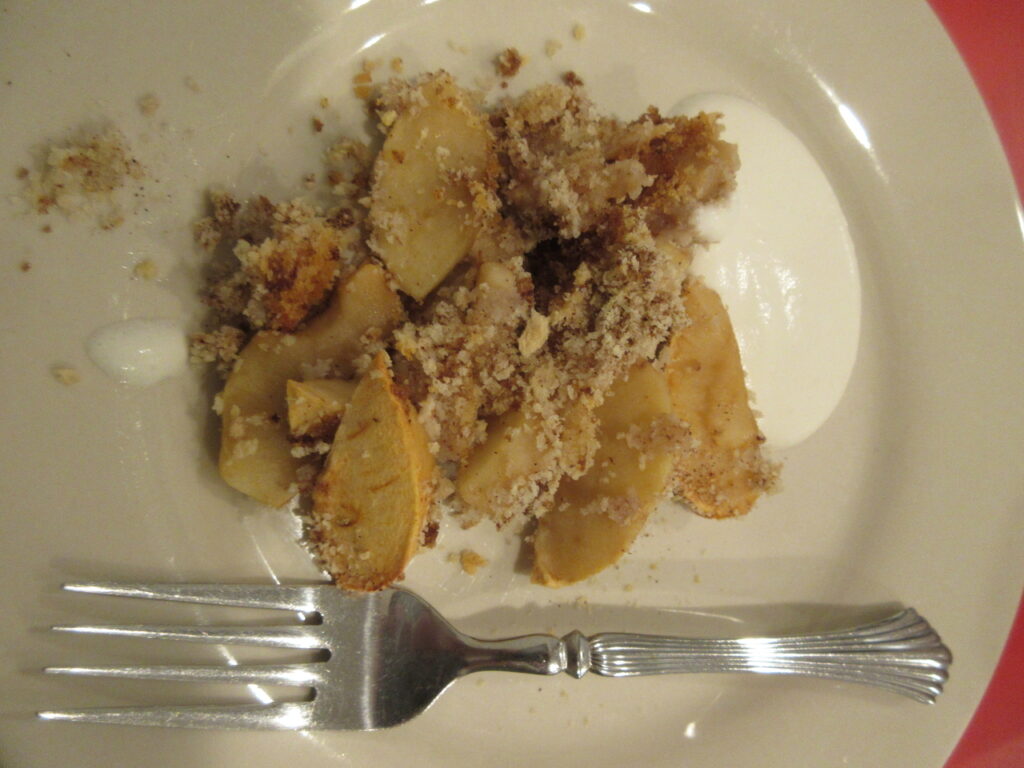
Brown Betty was a practical dessert rooted in thrift and adaptability. Made from baked fruit layered with breadcrumbs, it offered a comforting sweetness without the expense of pastry crusts. In earlier decades, it appeared on restaurant menus as a reliable, economical dessert. Chain restaurants eventually replaced it with cakes, pies, and desserts that were easier to freeze, transport, and present consistently. Brown Betty’s rustic appearance didn’t align with modern expectations for plated desserts. As a result, it disappeared from menus and returned to the realm of home baking. Today it’s remembered fondly but rarely encountered outside family traditions, a quiet casualty of dining’s shift toward visual appeal and uniformity.