8 “Gourmet” Frozen Pizzas Food Critics Roast as Total Fakes
The freezer section has been given a sophisticated new appearance, with “gourmet” containers that include artisanal fonts and make assurances of the superiority of wood-fired cooking. In spite of this, culinary reviewers and seasoned chefs are of the opinion that many of these pricey pizzas are nothing more than ingenious marketing gimmicks designed to conceal ineffective ingredients. Experts in the field of food believe that because the term “gourmet” is not regulated, businesses have the ability to impose a luxury tax on items that have a flavor and aroma that are comparable to those of less expensive alternatives.
The delicate fragrances of pricey toppings such as truffle oil or buffalo mozzarella might be ruined by the chemical stabilizers that prevent pizza from going bad for months, according to experts. The “stone-baked” crusts that are mentioned on the box are frequently par-baked in industrial ovens and coated with “smoke” seasoning, according to professional tasters.
This is done in order to give the customers the impression that the crusts originated from a real pizza restaurant. Some people believe that rather than receiving a meal worthy of five stars, you are frequently served a highly processed cuisine that contains an excessive amount of sugar and salt in order to compensate for the absence of genuine freshness.
1. The “Truffle Oil” Infused White Pie
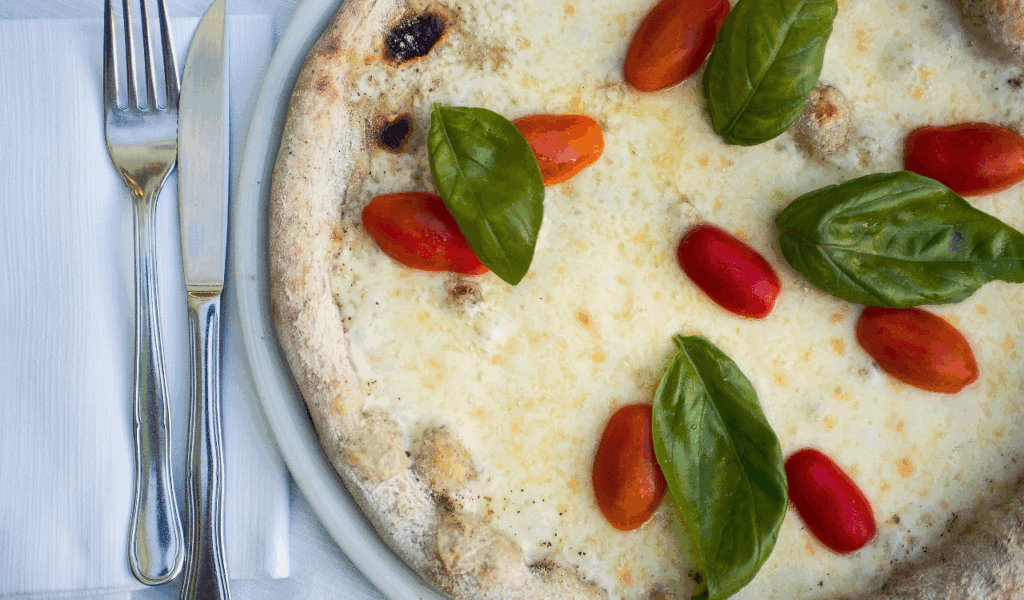
Those who are critical of food, particularly those who work in the frozen food industry, are quite skeptical of truffle oil. 2-Dithiapentane is the name of the synthetic laboratory product that is used to make the majority of the truffle oil that shops sell. Although it has a powerful and chemical odor, it does not have the earthy depth that is characteristic of genuine truffles.
In frozen pizza, the “truffle” flavor is said to have a flavor that is more similar to that of gasoline or stale garlic, which causes the other flavors on the pie to taste terrible. This is according to experts in the field of food.
The intense heat required to cook a frozen pizza, according to critics, frequently results in these artificial oils having an unpleasant and sour flavor instead. According to nutritionists, these pizzas often contain less than 0.1% actual truffle, which means that the claim that they are “gourmet” is entirely untrue.
According to those who are experts in the field of restaurant criticism, this is a perfect example of a “inventory mover,” which is when a few drops of inexpensive chemical scent are used to justify a forty percent price increase over an ordinary cheese pizza.
2. “Authentic” Neapolitan with Rubbery Crust
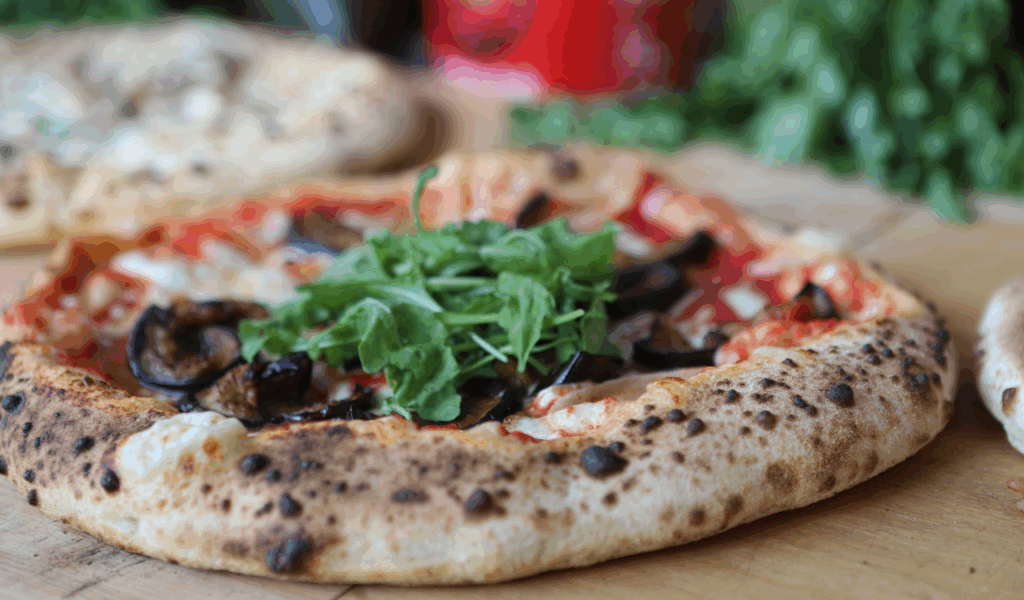
Authentic Neapolitan pizza is characterized by a crust that is burned, pillowy, and soft. It is almost often the case that frozen copies do not pass this structure test. It has been determined by food scientists that the dough cannot be frozen since it requires a significant amount of water in order to be light, and if it were to be reheated, it would become soggy. The crusts of frozen “Neapolitan” pizzas are sometimes described as being either as tough as cardboard or as chewy as a rubber band, according to professional bakers.
The individuals who do not enjoy these pizzas claim that they do not have “leopard spotting,” which refers to the charred bubbles that can only be produced by a wood oven that is heated to 900 degrees. Experts are of the opinion that manufacturers frequently use chemical leavening chemicals in order to give the impression that the dough has been fermented for a considerable amount of time.
The resulting base has a flavor similar to that of bread. According to Italian cooks, referring to these frozen disks as “authentic” displays a lack of respect for the centuries-old legacy of pizzaiolos, who place the utmost importance on fermentation and using ingredients that are fresh and uncomplicated.
3. High-End Meat Lover’s with “Salty Scraps”
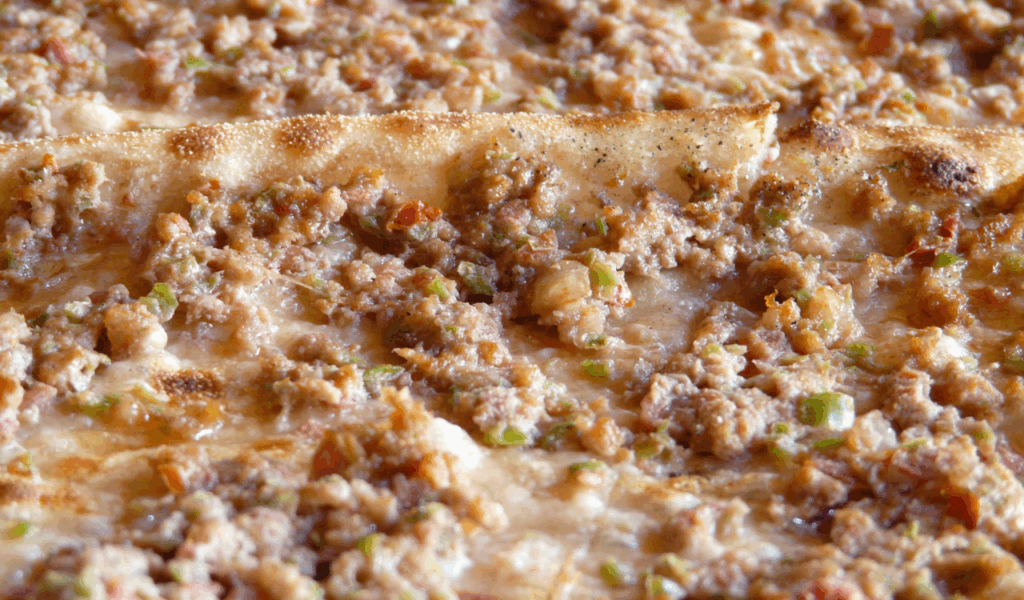
Despite the fact that many high-end frozen pizzas contain a significant amount of high-quality meats such as prosciutto, capicola, or wagyu beef, some people believe that the quality is not always there. According to those who specialize in food safety, these cured meats are frequently cut so thinly that they are absorbed by the sauce, or they are preserved with nitrates to such an extent that they all have the same flavor. From the perspective of professional chefs, the “premium” meats that are utilized in the production of frozen dishes are frequently the leftover scraps and trimmings from larger processing operations.
Those who specialize in nutrition refer to these meat-heavy specialty as “sodium bombs” because just two slices of them can contain almost as much salt as a person would consume in a whole day. According to the opinions of specialists, the fats in these meats have a tendency to separate when they are frozen and thawed, which results in a greasy orange film developing all over the pizza. However, if you want a pizza that has a lot of meat on it, some people believe that it is better to get a simple cheese pie and then add your own high-quality, freshly cut charcuterie that you purchased from a local deli.
4. The “Wood-Fired” Smoke Flavor Illusion
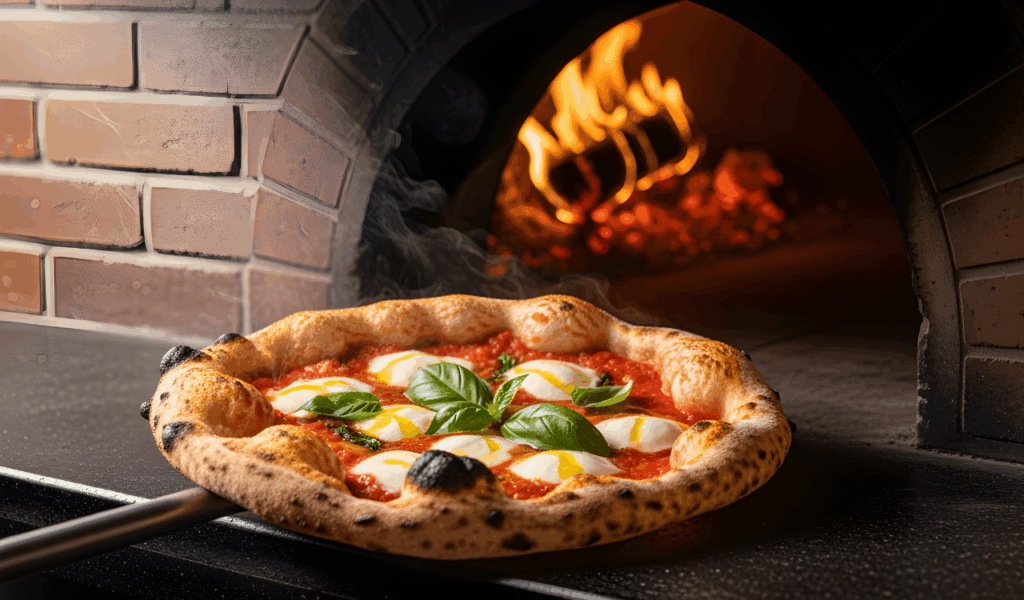
The phrase “wood-fired” printed on a frozen pizza box is one of the most common lies that are told in the industry. It is possible that the dough will pass through a gas-fired conveyor oven that is equipped with a ceramic stone; nevertheless, it won’t typically come into touch with actual wood smoke, according to culinary experts.
According to those who have a negative opinion of the product, the “smoky” flavor is primarily caused by liquid smoke additives that are either mixed into the sauce or sprayed onto the crust before the product is packaged in order to fool your nose.
The use of genuine wood in the cooking process imparts a delicate and intricate char to the meal that cannot be replicated by a machine, according to professional restaurant critics. It is generally believed by specialists that the “char marks” that appear on the bottom of these pizzas are really painted or stamped on during the manufacturing process in order to make them appear more appealing. consumers who work in the hospitality sector claim that the designation “wood-fired” is a psychological deception that tells consumers that they are eating something that was prepared by hand when, in reality, they are eating something that was manufactured in a factory.
5. Buffalo Mozzarella that Mimics Plastic
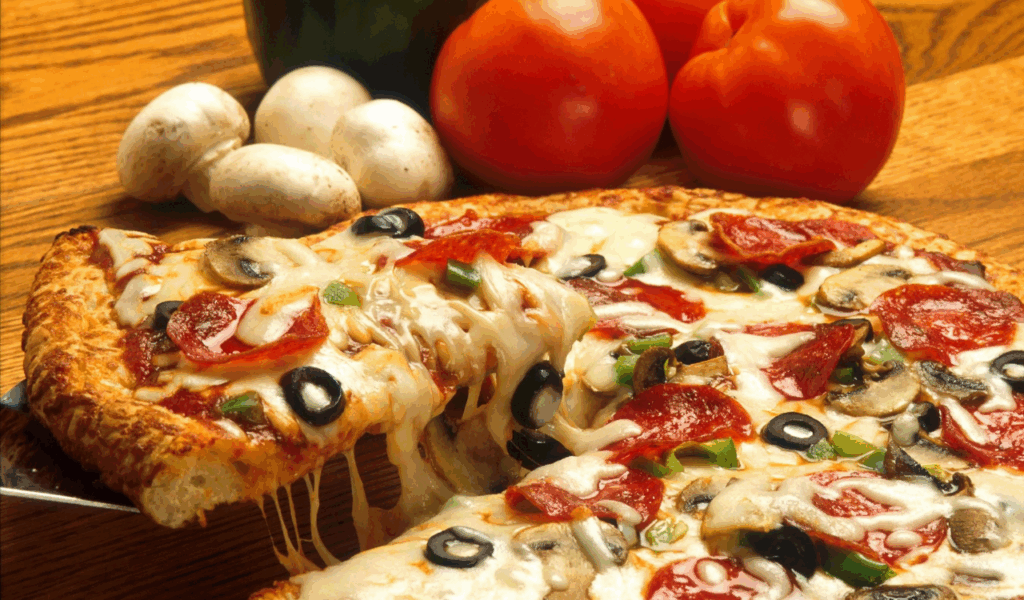
The buffalo mozzarella cheese is well-known for its velvety and smooth consistency; nonetheless, there are others who believe that it is the worst cheese to use in frozen cuisine. According to the findings of food scientists, genuine buffalo mozzarella has a significant amount of water, which causes it to shed water when it thaws. Because of this, the center of the pizza becomes a soupy and wet mess. It has been determined by dairy experts that the majority of “gourmet” frozen pizzas contain a “buffalo-style” combination, which consists mostly of inexpensive cow’s milk mozzarella that has been combined with stabilizers.
Some individuals who do not enjoy these pizzas have stated that the cheese “breaks” into oily pools rather than expanding in a pleasant manner. The experts explain that the freezing process alters the way the proteins in cheese are organized, which results in the cheese having a gritty or plastic-like texture when it is consumed. If the cheese does not have a clean, milky pull, then it is not the real thing, according to professional pizza tasters. This is true regardless of how much money you spend on purchase of the cheese.
6. Veggie Medleys with “Watery” Frozen Produce
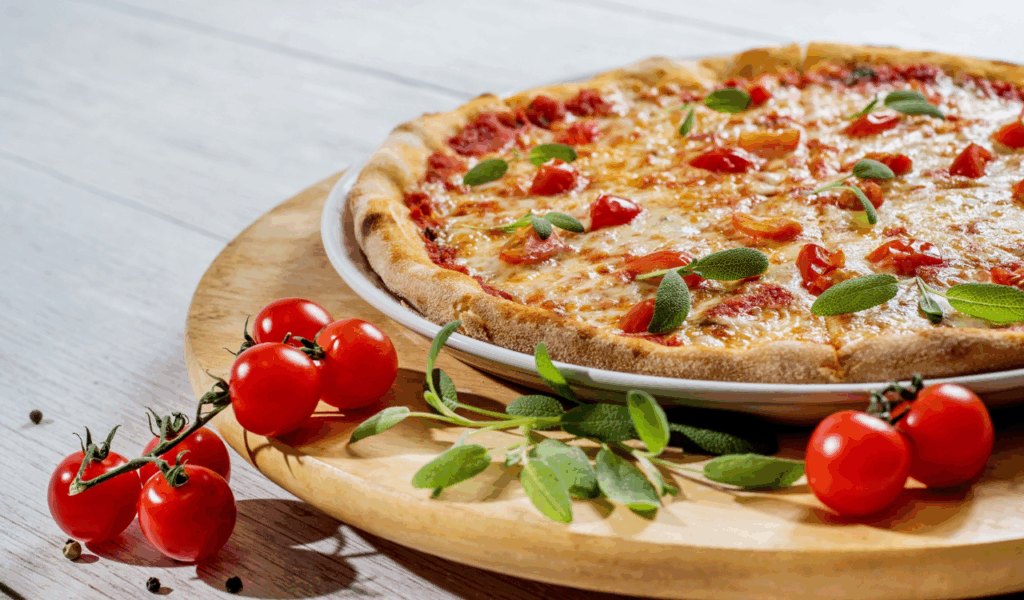
It is common for the packaging of a “Garden Gourmet” pizza to have a vibrant appearance; yet, many people have reported that the pizza inside is mushy and unsatisfactory. The majority of vegetables, including bell peppers, zucchini, and mushrooms, contain a significant amount of water, according to nutritionists.
After they have frozen, the water expands, which causes the cell walls to fall apart. It is the opinion of those who teach cooking that this causes the veggies to become mushy and tasteless, and it also causes them to bleed water into the sauce, which results in the entire pizza tasting watery and insipid.
When it comes to food critics, these “gourmet” vegetables are frequently criticized for not having sufficient flavor and for not being caramelized in the same way as they do when they are roasted. It is recommended by specialists that if you want a pizza that has a lot of vegetables, you should get a basic pizza and then sauté some fresh peppers or mushrooms to place on top of it.
According to chefs who work professionally, the “fresh-picked” photographs that are printed on the packaging are a complete fabrication. This is due to the fact that these veggies are typically blanched and frozen several months before they are delivered to your kitchen.
7. The “Artisanal” Gluten-Free Cauliflower Fake
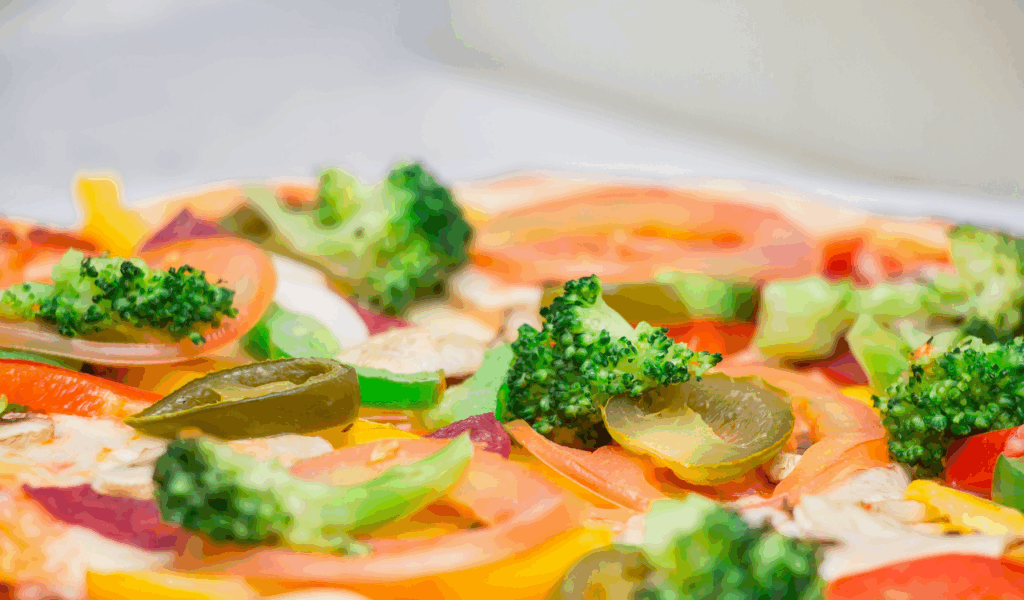
Critics are quick to point out that many of the cauliflower crust restaurants are “cauliflower in name only,” despite the fact that the cauliflower crust trend has grabbed the gourmet world by storm. According to nutritionists, in order to make cauliflower behave like dough, farmers frequently add a significant amount of cornstarch, rice flour, and processed cheeses to the vegetables. The majority of these “healthy” gourmet pizzas, according to nutritionists, include a greater quantity of calories and refined carbohydrates than a standard wheat pizza with a thin crust.
Individuals who do not enjoy them claim that they have a flavorless taste and a taste similar to that of cardboard. They claim that in order for them to taste decent, they require a significant amount of garlic powder and salt. There is a large list of chemicals and gums that are used to hold the crust together, and experts argue that the “artisanal” label is supposed to conceal this information from consumers. The frozen “cauliflower” option is typically merely a highly processed alternative that does not taste or heath good, according to health experts. This is the case unless you are cooking the crust yourself at home.
8. “Small-Batch” Labels on Global Brands
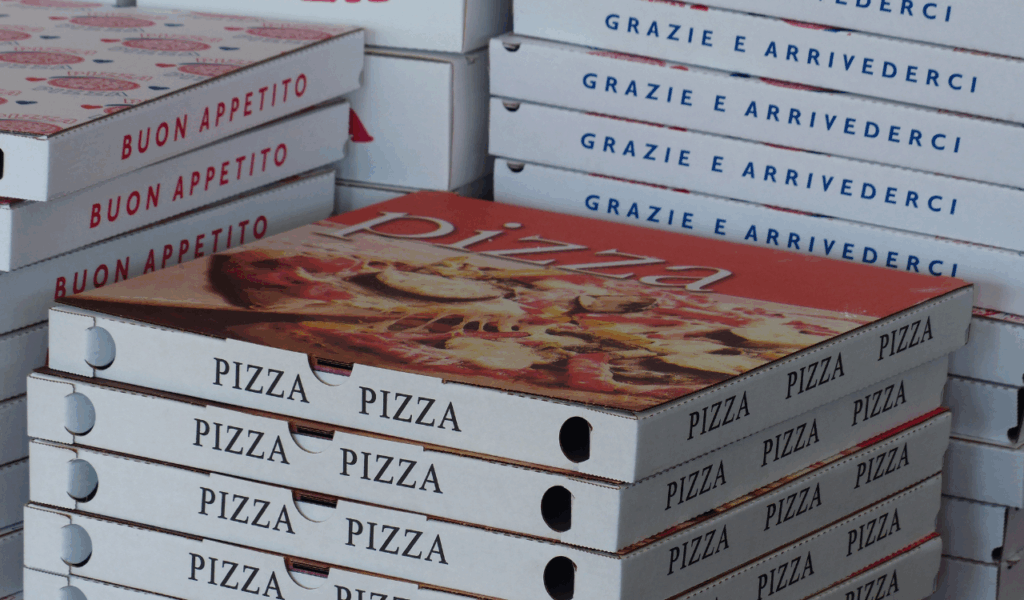
A number of the most expensive frozen pizzas use phrases such as “hand-stretched” or “small-batch” to give the impression that they were produced in a small business. Those who are employed in the industry, on the other hand, claim that a significant number of these brands are owned by large food corporations and are manufactured on the same massive assembly lines as inexpensive brands. The term “hand-stretched” is typically used to refer to the process by which a single mechanical arm pulls the dough to create a shape that gives the impression that it was made by hand, according to marketing experts.
When the product is distributed to thousands of supermarkets across the country, some people believe that the term “small-batch” does not have any significance. These “boutique” pizzas are often made with ingredients that are sourced from the same global vendors as the most affordable pizzas that are available on the market, according to the opinions of experts.
It is likely that you are only paying for a prettier package and a clever story when you pay more for a “small-batch” frozen pizza, according to professional restaurant experts. You are not paying for a better food or better ingredients.