7 Shiplap Walls Contractors Wish Would Just Die Already
For almost ten years, the farmhouse look has been the most popular style for home improvements. But the people who make the power tools are now ready to move on. Homeowners still want horizontal wood planking to give their homes a rustic-chic look, but contractors and interior designers say that this style has become a worn-out cliché that often hides bad craftsmanship.
Renovation experts say that shiplap was initially meant to be used as outside siding, and moving it inside has caused a lot of problems with installation and maintenance that many homeowners are not ready to deal with for a long time.
Architectural analysts say that too much shiplap might lower the value of a home when it is sold since it becomes a sign of the 2010s. Experts believe it doesn’t look ageless anymore; it looks more like a “quick fix” for rooms that don’t have any character. Professional flippers say that DIYers typically don’t realize how much work goes into correctly spacing and leveling each board.
This can lead to crooked lines that drive meticulous professionals mad. Experts say that if you want to modernize your home, it might be time to stop using nickel spacers and look into more modern wall coverings.
1. The All-White “Modern Farmhouse” Shiplap
The iconic white-on-white shiplap wall is the main thing that makes contractors tired. Interior designers say that this style has been copied so many times that it doesn’t seem or feel original or high-end anymore. Professional painters say that white shiplap is a nightmare to keep clean because the small spaces between the boards, called “nickel gaps,” are great for collecting dust and are almost impossible to clean completely without a vacuum attachment.
Contractors say that white paint also makes every flaw in the wood stand out, from knots to small fractures that form as the home settles. Experts note that the white paint typically breaks along the seams as the seasons change and the wood expands or contracts. This means that the paint needs to be touched up all the time to seem new. Home stagers say that a lot of potential buyers now see a room full with white shiplap and immediately think about how much it would cost to tear it out and reveal a clean, smooth drywall surface.
2. Rough-Sawn “Barn Wood” Shiplap
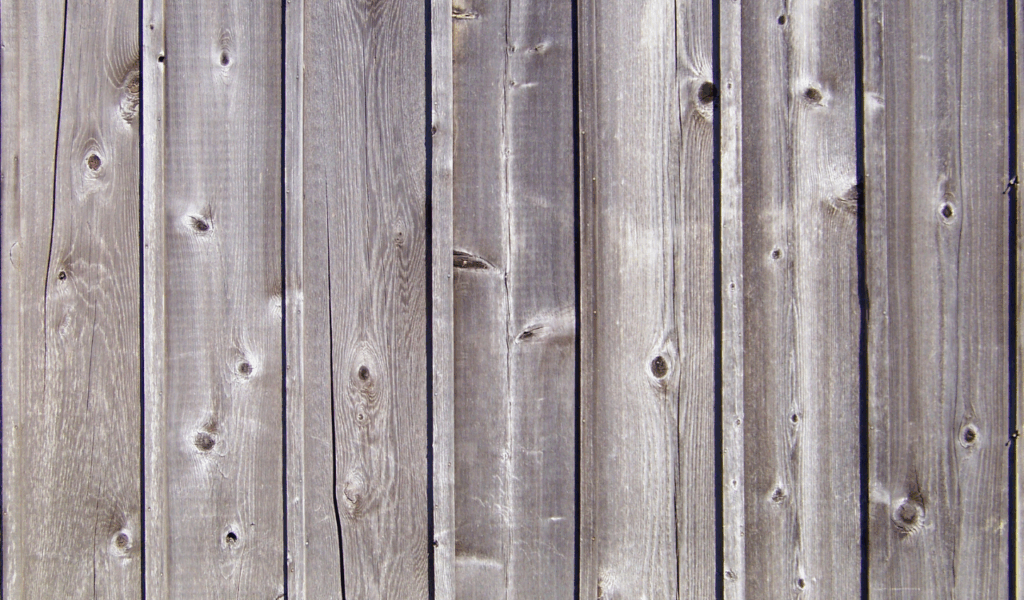
Even though it was designed to give the impression that a room is warmer than it actually is, contractors argue that shiplap made of rough-sawn or recycled wood is extremely difficult to work with. The rough texture of the wood, according to the experts, makes it impossible for it to fit flush against baseboards, crown molding, or electrical outlets due to its thickness.
In the opinion of electricians, installing switch plates on top of rough, splintery wood is not only a question of safety but also a matter of aesthetics, since it frequently results in gaps or fittings that are unstable.
According to the opinions of expert cleaners, raw wood shiplap is a “lint trap.” This is in addition to the difficulties that arise during setup. The shattered surface, over the course of time, tends to collect up fibers from items such as sweaters, blankets, and dusters, which results in the walls seeming “fuzzy.”
Choosing hardwood paneling that has been sanded and sealed is a far more practical and long-lasting option, according to the experts, that you should consider if you really appreciate the way wood appears. It is not going to require a specialized cleaning personnel in order to maintain its original attractiveness.
3. Shiplap Used as a Kitchen Backsplash
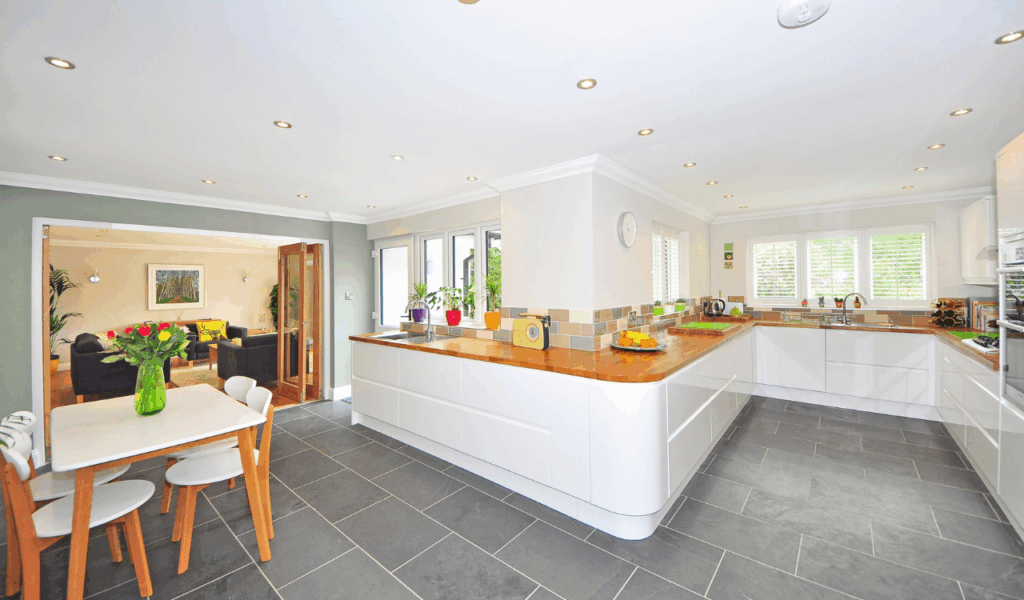
The usage of shiplap in the kitchen, particularly behind the sink or stove, is one of the most frequently discussed applications for this material. As a result of the fact that wood is porous and naturally combustible, it is not a smart choice for a backsplash area, according to professionals who specialize in food safety and contractors.
According to kitchen designers, the heat and oil that are produced during cooking can quickly bend the boards, which can make them a potential fire hazard. Additionally, water splashes near the sink can cause mold to grow beneath the wood, where it is not visible to the naked eye to the naked eye.
It is said that grease penetrates into the crevices between the boards and leaves behind a sticky film that cannot be wiped off without destroying the paint. This is something that professional flippers will tell you. Experts are of the opinion that a wood backsplash might seem lovely in photographs, but it is not a good choice for a kitchen that is constantly being used. When it comes to these areas, contractors recommend that you adhere to non-porous materials such as stone or tile. These materials can be cleaned in great detail and are durable enough to withstand the use of a busy kitchen.
4. Full-Room Vertical Shiplap
There have been some homeowners who have attempted to “modernize” the trend by rotating the boards vertically; however, professionals have stated that this only makes the installation process twice as difficult. According to structural engineers, houses are constructed using vertical studs. However, when you nail vertical boards into vertical studs, you often do not have a secure anchor point. Carpenters claim that this causes boards to “bow” or “pop out” from the wall, which results in an uneven finish that is not consistent with professional standards.
Shiplap that is installed vertically and extends all the way to the ceiling is another architectural element that, according to interior designers, can give the impression that a room is a little wooden box or a 1950s basement. In the event that you absolutely must make use of vertical lines, the professionals recommend that you go with “beadboard” or “wainscoting” as the material of choice for making a room appear taller without the weighty appearance of shiplap. When it comes to hanging artwork or shelving, experts agree that the vertical orientation makes it far more difficult to do so because the vertical lines are constantly competing with the vertical frames.
5. Shiplap Ceilings in Humidity-Prone Bathrooms
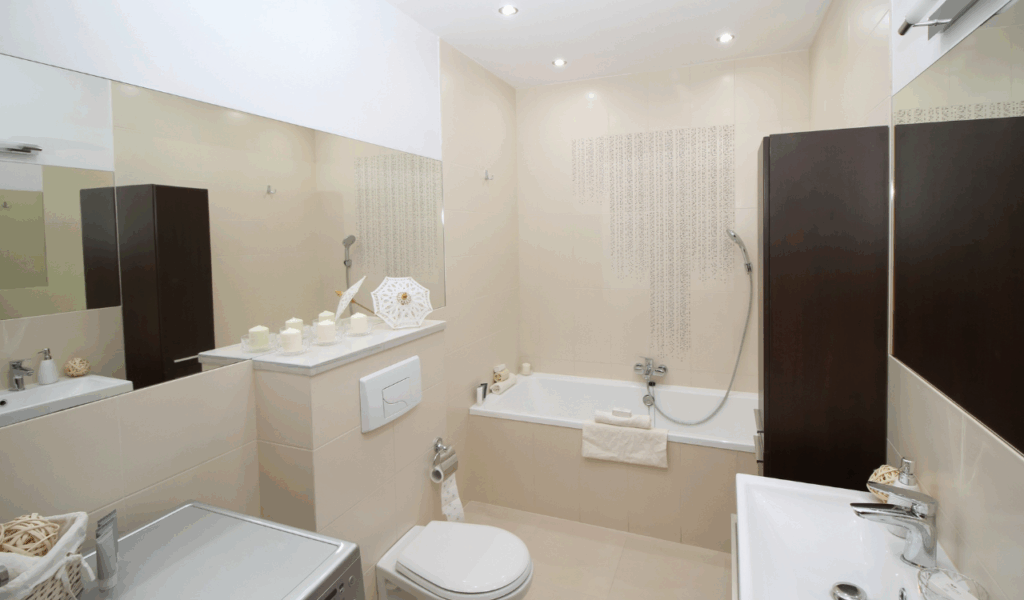
The installation of shiplap on a ceiling is a laborious task for any contractor, but doing it in a bathroom is a recipe for disaster. It is the opinion of home inspectors that the increased humidity that is produced by showers causes the wood to expand and contract far more than it would in a bedroom.
According to contractors, this results in “cupping,” which is when the edges of the boards curve down, and “popping,” which is when the nails lose their grip on the ceiling joists due to moisture. Both of these issues are caused by the presence of moisture.
Mold specialists believe that spores are able to grow underground because steam is trapped between the boards and the ceiling. This creates a hidden space for the mold to thrive. In the event that you do not possess a ventilation system that is suitable for commercial use, experts caution that a shiplap ceiling in a bathroom will most likely require reconstruction inside the next five years. Designers recommend that if you want a textured ceiling, you should choose materials that do not absorb moisture or particular PVC planks that look like wood but do not pose any health risks.
6. The Faux-Plywood “DIY” Shiplap
A lot of homeowners utilize thin strips of cheap plywood to make their homes look like they have pricey tongue-and-groove shiplap. Contractors want this tendency to go away since the thin plywood can easily shatter and tear. Professional painters say that the edges of these strips are very absorbent and “thirsty,” so they need several coats of primer and paint to look even close to smooth. This often costs the homeowner more in labor and materials in the long run.
Building contractors say that these strips are much more likely to bend and peel away from the wall over time since they don’t have the interlocking tongue-and-groove pattern. Experts argue that the “gaps” in DIY shiplap aren’t always the same, which makes the wall look sloppy and unprofessional and destroys the overall aspect of the house. Experts say that if you can’t afford real shiplap, it’s preferable to save up for a good material than to settle for a plywood copy that would break down over time.
7. Shiplap Fireplace Surrounds
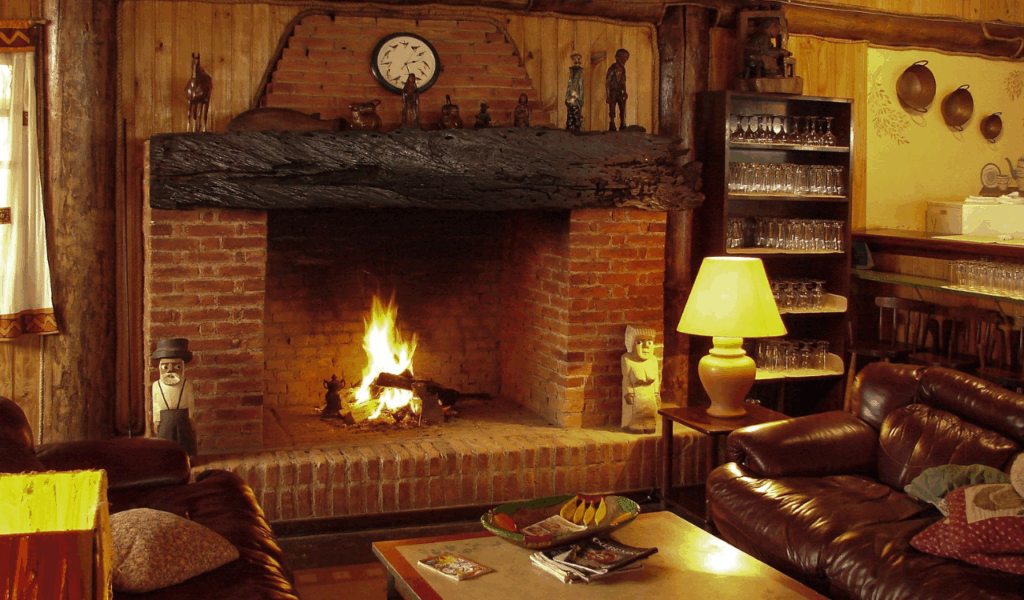
In the event that you utilize wood shiplap around your fireplace, home inspectors and fire marshals will be highly concerned about your intentions. Despite the fact that the wood has been sprayed with paint that is resistant to fire, contractors claim that it is still a combustible material because it is in close proximity to a source of heat. The use of wood in close proximity to the opening of the firebox is strictly prohibited by many municipal construction requirements, according to safety experts, in order to prevent the firebox from accidentally catching fire.
The heat from a fireplace quickly dries out and shrinks the wood, producing large, unsightly gaps and even cracks in the boards. This is additional to the safety concerns that are associated with fireplaces. Experts in interior design believe that a fireplace ought to be the focal point of a space and should be constructed out of sturdy materials that are resistant to heat, such as brick, stone, or concrete. When you use shiplap in this manner, it may appear to be a “cheap” method to cut corners, but experts warn that doing so puts the safety and longevity of one of the most important architectural components in your living room at danger.