10 “Minimalist” Coffee Tables With No Storage That Chaos Your Life
Minimalist coffee tables dominate design feeds, showroom floors, and new-home staging because they photograph clean and promise visual calm. Designers often use them to make living rooms feel lighter, more intentional, and less crowded. But professional organizers and interior designers consistently see a different outcome once real life moves in. Families, remote workers, and even single adults rely on coffee tables as daily landing zones for remotes, books, chargers, mail, snacks, and laptops. When a table offers no storage at all, that everyday behavior does not disappear. It simply spills outward. The result is visible clutter, constant tidying, and a space that feels harder to manage than expected. As open living rooms continue to shrink and multifunctional spaces become the norm, professionals increasingly warn that certain minimalist coffee table designs create more chaos than calm when lived with long-term.
1. Solid Slab Coffee Tables With No Shelves
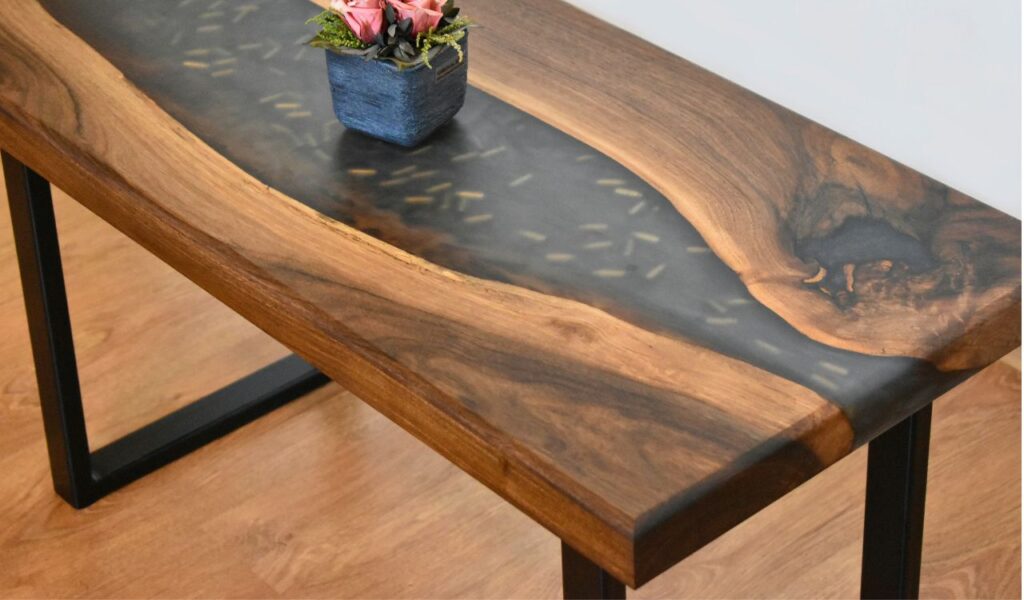
Interior designers often admire solid slab coffee tables for their sculptural presence and seamless surfaces. Made from wood, stone, or composite materials, these tables are marketed as timeless anchors that ground a room. However, professional organizers frequently note that their complete lack of storage creates immediate friction in everyday homes. Without a lower shelf or drawer, every functional item must live on the surface or be moved elsewhere repeatedly. Over time, that constant shuffling becomes exhausting rather than elegant.
Designers working with families and remote professionals point out that slab tables unintentionally encourage clutter stacking. Remotes pile up. Magazines never quite find a home. Charging cords creep across the surface because there is nowhere to tuck them away. In homes where the living room doubles as a workspace or entertainment hub, the slab becomes a magnet for unfinished tasks. The visual calm it promises quickly breaks down because real habits require accessible storage, not perfection.
2. Glass Coffee Tables With Zero Hidden Space
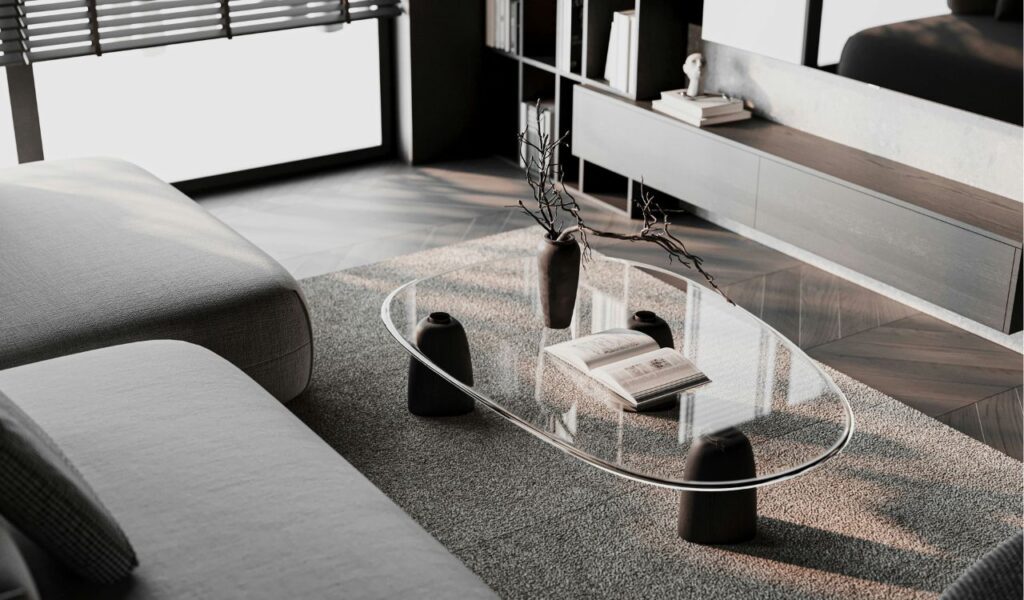
Glass coffee tables are often recommended by designers to make small rooms feel larger and more open. The transparency reduces visual weight and works well in staged photos. Yet professional organizers consistently caution clients that glass surfaces expose everything underneath and on top. When there is no shelf or concealed storage, even minor clutter becomes highly visible, creating a sense of disorder that feels amplified rather than minimized.
Design professionals note that glass tables demand constant maintenance to look presentable. Fingerprints, dust, and smudges appear quickly, and without drawers or baskets to hide everyday items, homeowners are forced to clear the surface multiple times a day. In real households, especially those with children or pets, this creates stress instead of simplicity. What looks refined in a catalog often becomes a high-effort piece that highlights mess rather than containing it.
3. Ultra Low Platform Coffee Tables
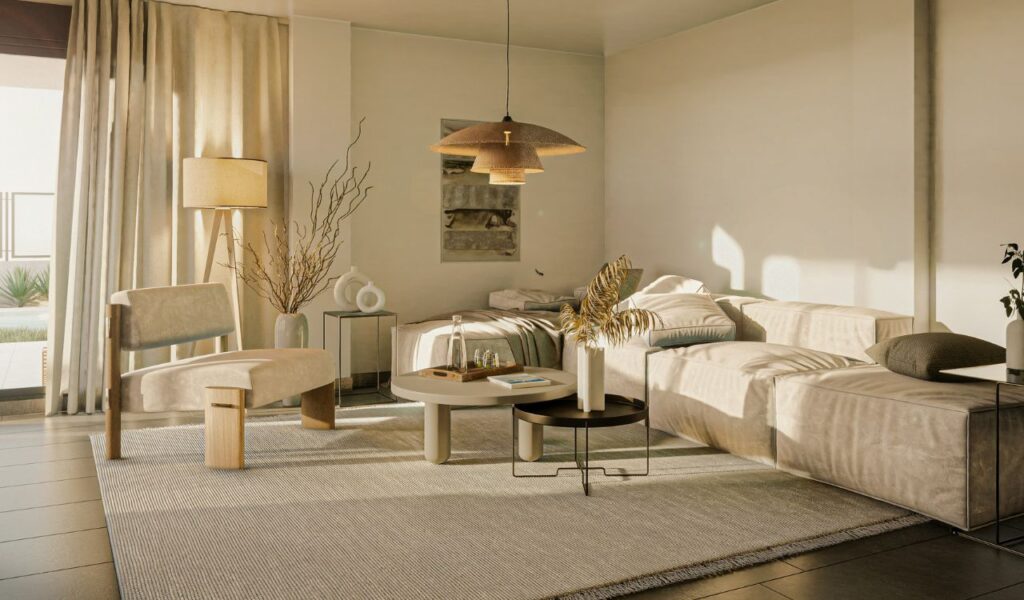
Ultra-low platform coffee tables draw inspiration from modern and Japanese-influenced interiors, and designers often use them to create a relaxed, grounded aesthetic. While visually striking, organizers frequently see these tables fail functionally in homes that rely on living rooms for multiple activities. Their low height makes storage integration difficult, and without shelves or compartments, items are left scattered across the floor or nearby furniture.
Designers working with aging clients or households with children also point out accessibility issues. Reaching down repeatedly to pick up items from a low surface adds physical strain and increases the likelihood that clutter will simply be left where it falls. In practice, homeowners often compensate by adding side tables, baskets, or trays, which defeats the original minimalist intent. The space ends up feeling more crowded than if the table had included discreet storage from the start.
4. Sculptural Statement Coffee Tables
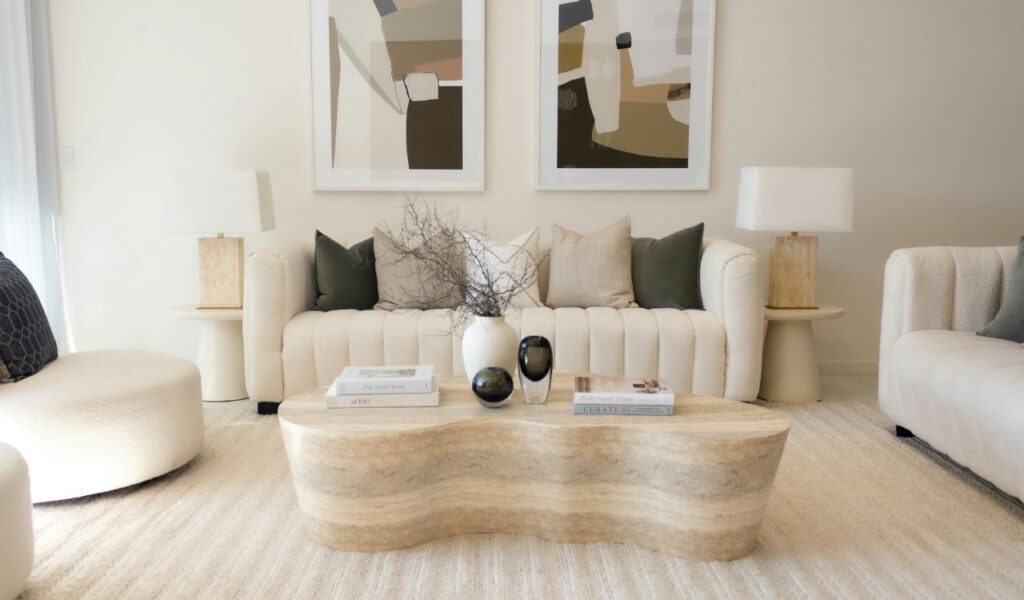
Sculptural coffee tables are frequently showcased by designers as art pieces that elevate a living room instantly. Their unusual shapes, asymmetry, or bold materials draw attention and create visual interest. However, professional stagers and organizers observe that these designs often sacrifice usability entirely. Flat surfaces are limited, edges are impractical, and storage is rarely included.
In lived-in homes, these tables struggle to support daily routines. Drinks wobble. Books slide. There is nowhere to hide remotes or coasters without disrupting the design. Organizers report that clients often feel hesitant to use these tables fully, treating them as fragile objects rather than functional furniture. Over time, clutter migrates to sofas, floors, and side tables instead. What was meant to feel intentional ends up creating visual noise throughout the room, simply because the main surface cannot support real-life needs.
5. Round Pedestal Coffee Tables
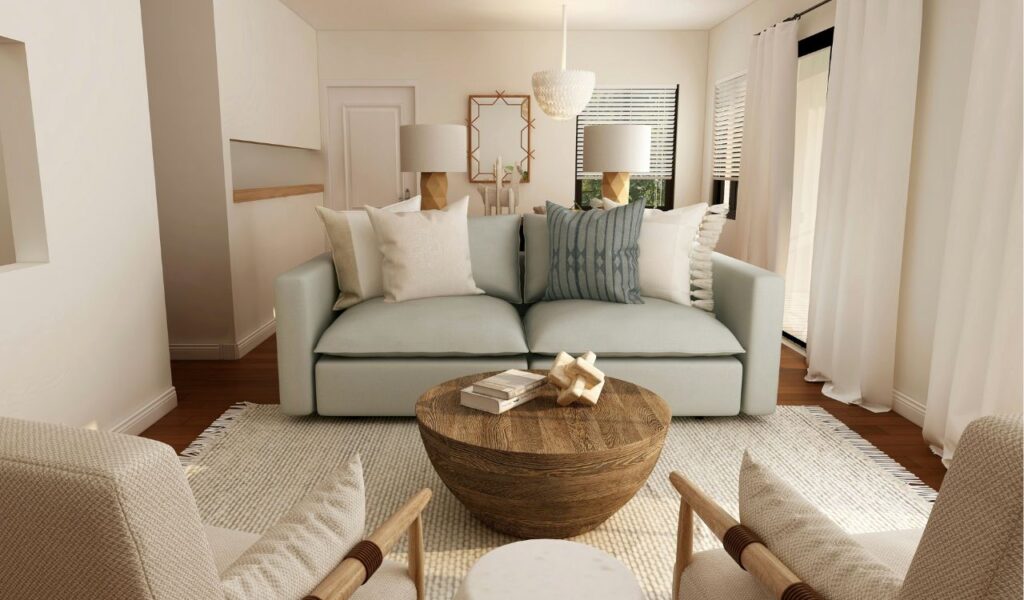
Interior designers often select round pedestal coffee tables to soften sharp room layouts and improve traffic flow. The single central base looks clean and sculptural, especially in minimalist living rooms. But professional organizers regularly flag these tables as deceptively impractical once daily habits take over. Without drawers or a lower shelf, everything that needs to live nearby ends up circling the tabletop or drifting to other furniture.
Designers who work on long-term residential projects note that pedestal bases eliminate opportunities for discreet storage baskets or stacked books underneath. That forces households to rely on nearby consoles or side tables, increasing visual clutter across the room. In family homes, the round shape also limits usable surface area, so items pile upward instead of spreading out. The result is a table that looks elegant from a distance but struggles to support real living without constant resets.
6. Marble Coffee Tables With Narrow Surfaces
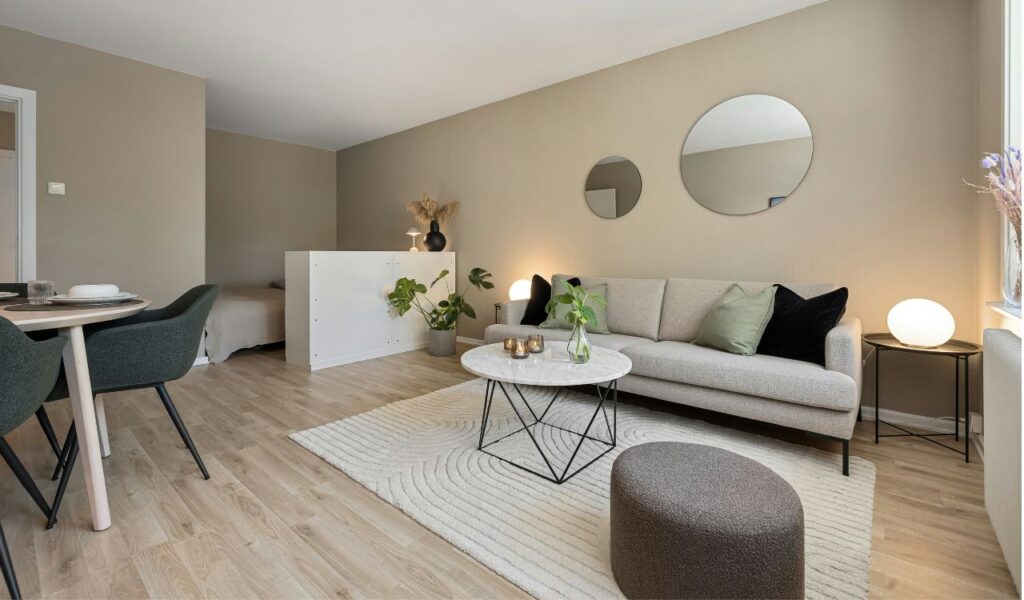
Marble coffee tables signal luxury and permanence, which is why designers frequently use them to elevate minimalist interiors. However, professional stagers and organizers consistently observe that narrow marble surfaces fail to meet everyday needs. The reduced depth limits how many items can sit comfortably without feeling crowded, while the heavy material discourages moving the table to adapt to the space.
Design professionals also point out that marble surfaces create hesitation around use. Homeowners worry about stains, rings, and chips, so functional items like food trays or work materials get redirected elsewhere. Without built-in storage, those displaced items accumulate on sofas, floors, or side tables. Over time, the living room feels fragmented and harder to manage, even though the coffee table itself remains visually pristine.
7. Open Frame Metal Coffee Tables
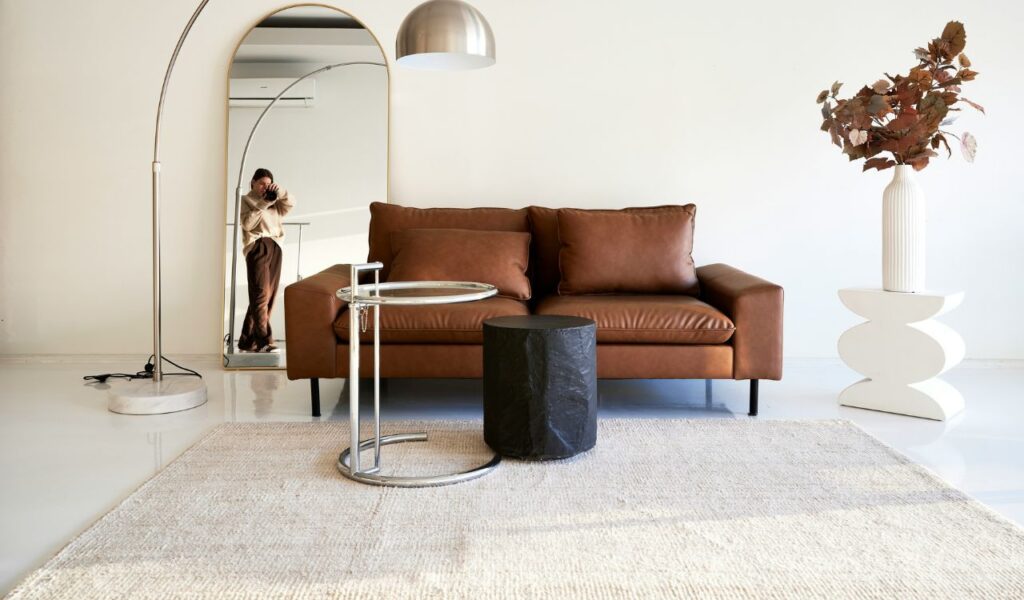
Open frame metal coffee tables appeal to designers who want an airy, industrial look without visual bulk. The exposed structure photographs well and fits minimalist aesthetics that prioritize negative space. Yet organizers frequently explain that open frames provide neither concealment nor support for real storage. Any item placed below remains fully visible, which defeats the purpose of trying to reduce visual clutter.
Designers working with busy households note that these tables often become clutter amplifiers. Items stored underneath look messy from every angle, while the top surface fills quickly due to limited space. Because nothing can be hidden, homeowners feel pressured to keep the area perfect, which is rarely realistic. The table ends up creating stress rather than simplicity, especially in rooms used throughout the day.
8. Single Block Concrete Coffee Tables
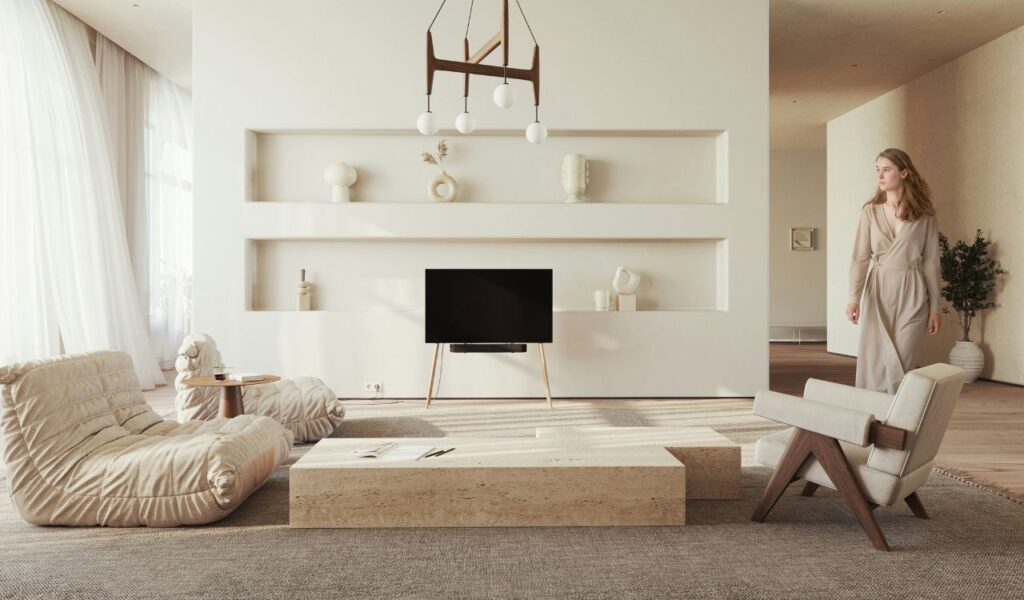
Concrete coffee tables are favored by designers for their bold presence and minimalist credibility. The solid block form feels architectural and durable, making it popular in modern homes. However, professional organizers consistently point out that the monolithic design leaves no flexibility for storage or adaptation. Once placed, the table dictates how the room functions, not the other way around.
Design professionals observe that concrete tables often dominate smaller living rooms, forcing other storage solutions to work around them. Without drawers or shelves, everyday items scatter across the space, creating visual noise that contrasts with the table’s intended simplicity. Homeowners frequently add baskets or trays nearby to compensate, which undermines the minimalist goal. What starts as a statement piece often becomes a functional obstacle in daily life.
9. Ultra Thin Glass Coffee Tables
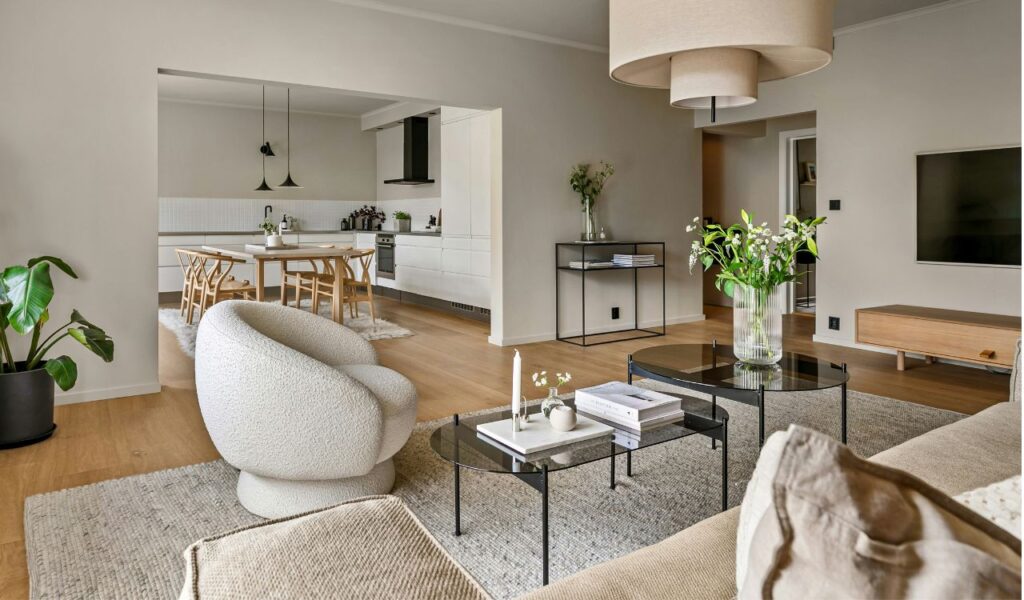
Interior designers often recommend ultra-thin glass coffee tables to visually open up small living rooms. The transparency reduces visual weight and aligns with minimalist design principles. Yet professional organizers repeatedly note that glass tables without storage introduce constant maintenance stress. Every item placed on the surface becomes instantly visible from multiple angles, which makes everyday clutter impossible to disguise.
Designers working with families and remote workers explain that glass surfaces demand frequent cleaning. Fingerprints, dust, and smudges accumulate quickly, especially in high-use spaces. Without drawers or shelves, practical items like remotes, notebooks, or chargers migrate to sofas and floors instead. Over time, the effort to keep the table presentable outweighs its aesthetic benefit, turning a minimalist choice into a daily inconvenience.
10. Geometric Accent Coffee Tables
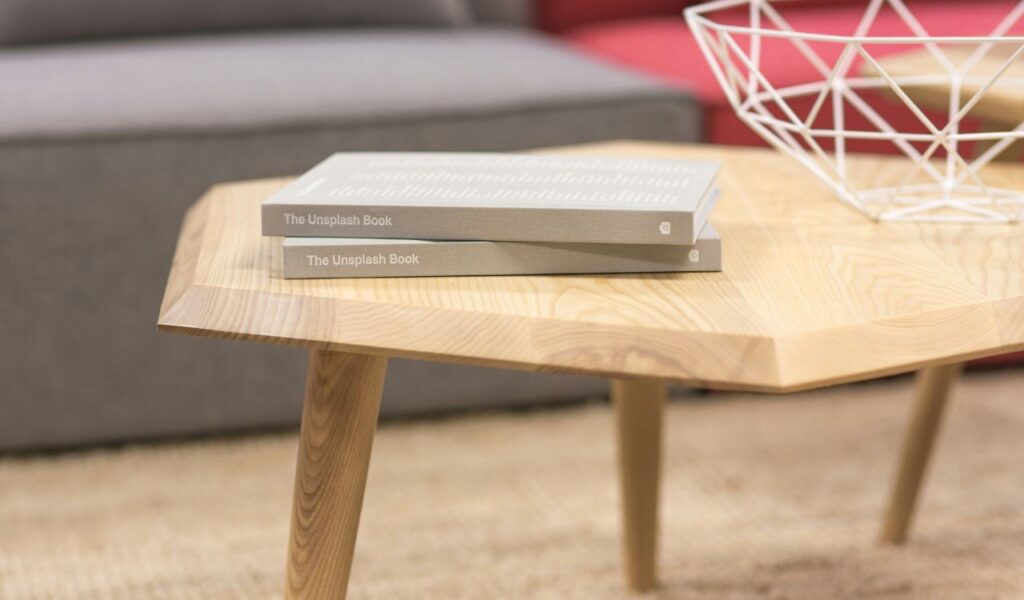
Geometric accent coffee tables feature sharp angles, intersecting lines, or sculptural frames that immediately draw the eye. Interior designers note that while these tables create a modern, gallery-like vibe, their minimal surfaces make daily use challenging. Without drawers, shelves, or hidden storage, items like remotes, magazines, and coasters often accumulate around the table, undermining the clean, organized look. Experts caution that the very design elements that make these tables visually striking also limit functional space, reducing convenience for drinks, snacks, or décor.
Furniture specialists add that many geometric tables are made from lightweight metals or engineered materials, which can wobble or shift on uneven floors. While ideal for curated setups or minimalistic aesthetics, they struggle in active households. Designers recommend treating them as statement pieces rather than workhorse furniture, pairing them with side tables or storage solutions to maintain usability. Without extra organization, geometric accent tables can quickly turn from showpiece to source of everyday clutter, demonstrating that striking form often comes at the expense of function.