8 Sandwich Chains Accused of Using Lower-Quality Ingredients While Raising Prices
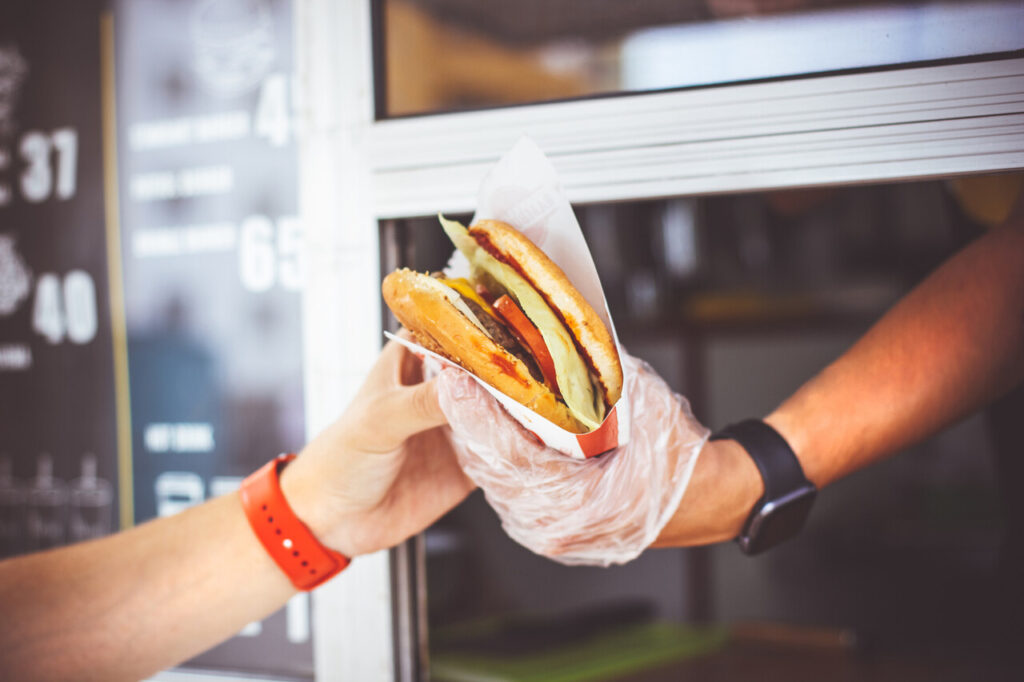
Here’s the thing about sandwich chains. Most people walk in expecting a quick, satisfying meal built on familiar flavors, but lately a growing number of customers feel like something’s off. Portion sizes aren’t what they used to be, meats taste more processed than advertised, and prices keep climbing with every “new and improved” menu rollout. When the bill starts looking like a sit-down meal, but the quality feels closer to a corner convenience store, it sparks frustration. These concerns don’t come from food critics. They come from everyday diners who just want a solid sandwich without feeling shortchanged.
1. Subway
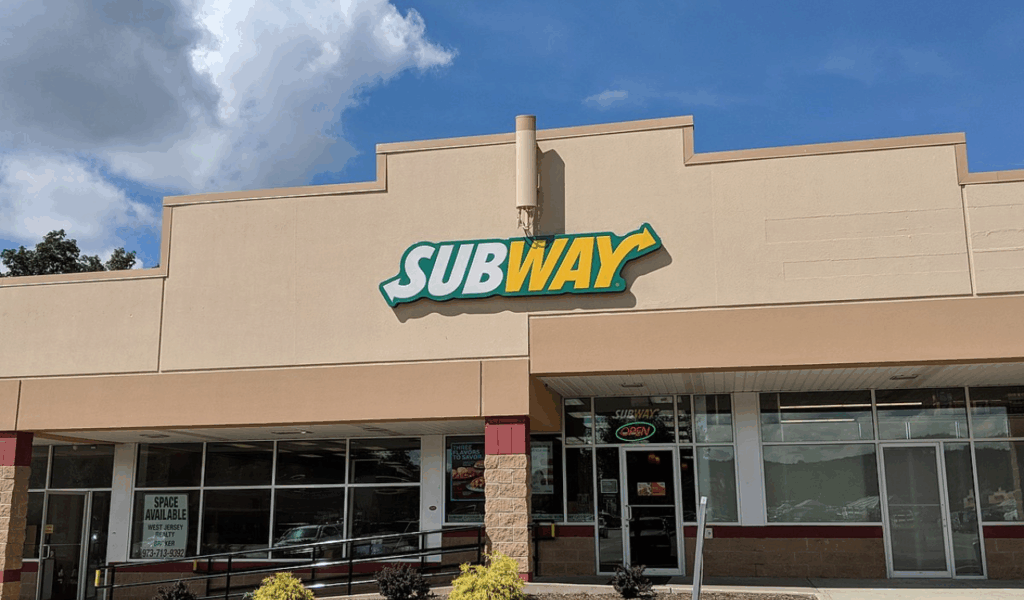
Subway has spent years selling the idea of “fresh,” but regulars have noticed that the experience often feels more processed than the marketing suggests. Much of the protein lineup relies on highly processed deli-style meats, from formed chicken to ham and turkey that bear little resemblance to what you would slice at home. Bread has also drawn criticism over the years, with concerns about texture and additives rather than bakery-quality loaves. When vegetables can look tired during off-peak hours, and sandwiches feel lighter than memory suggests, customers naturally question whether the value still lines up with the chain’s original promise.
2. Jimmy John’s
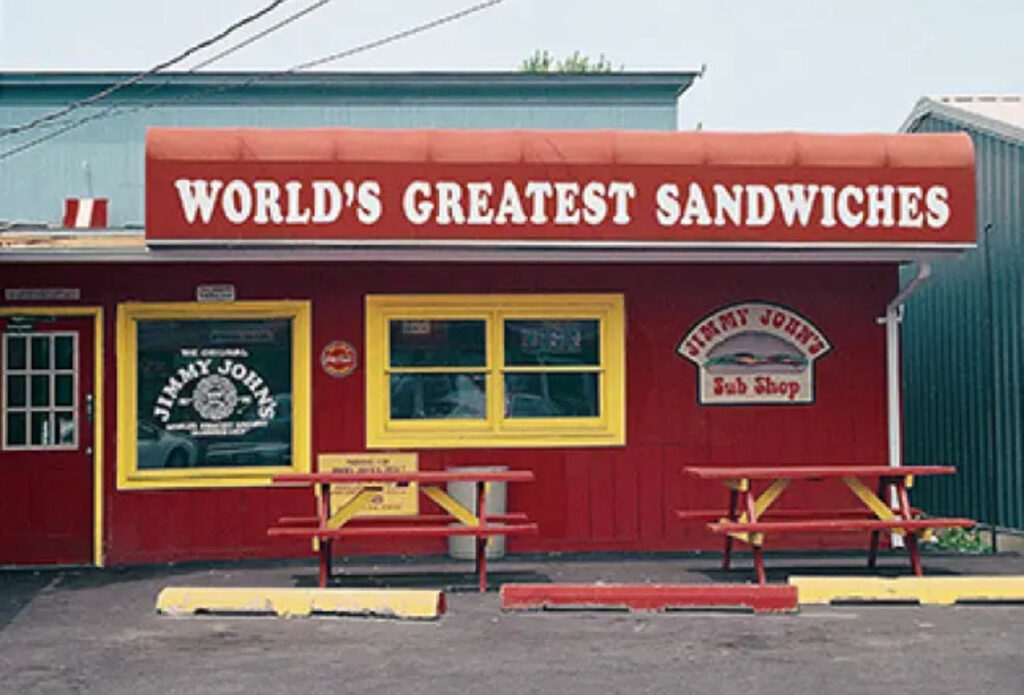
Jimmy John’s built its reputation on speed and simplicity, but that streamlined model can come at a cost to perceived quality. The menu leans heavily on cold cuts and pre-sliced meats that are efficient to assemble but do not always feel premium, especially as expectations for deli-style sandwiches have risen. Bread is baked in-house, yet some diners say it has shifted in texture over time, reading more like mass-produced white rolls than robust bakery loaves. The combination of higher checks and fillings that still rely on basic processed meats leads some guests to feel they are paying more for the same or even slightly thinner layers, instead of seeing clear upgrades in ingredients.
3. Jersey Mike’s
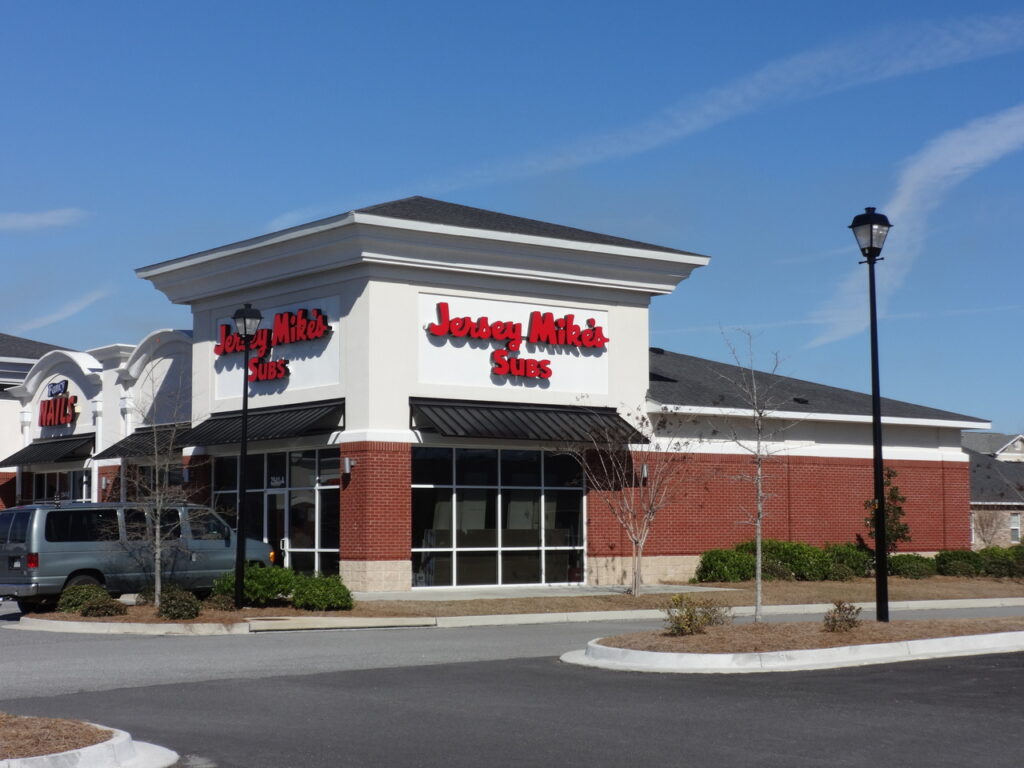
Jersey Mike’s enjoys a stronger quality image than some rivals, thanks to its habit of slicing meats and cheese to order. Even so, it has not escaped criticism. Some customers point out that many of the core proteins are still industrial deli products, just sliced fresh at the counter, and that not all locations are equally generous with portions. As menu prices have risen, particularly for giant size subs and premium fillings, a few regulars report that sandwiches feel less overstuffed than they once did. Any hint of skimpy layering or variable freshness stands out more because it contradicts that carefully built identity.
4. Panera Bread
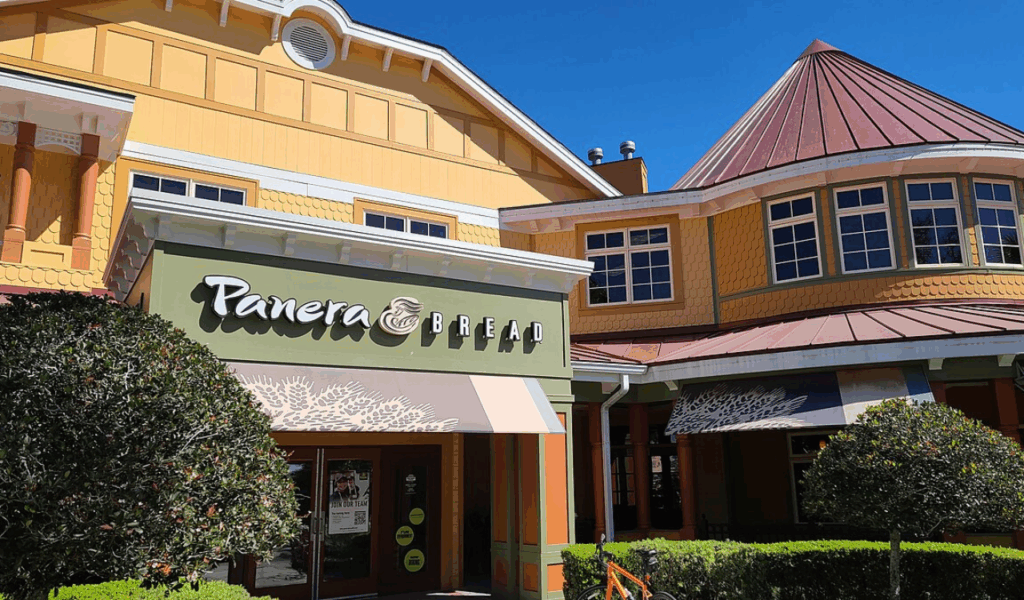
Panera sits at the border of fast food and casual dining, with pricing to match, which naturally raises expectations about ingredient quality. The chain highlights its clean label commitments, yet many sandwiches rely on centralized prep, par-baked breads, and pre-cooked proteins reheated on the line. Customers paying cafe-level prices sometimes complain that the turkey, chicken or bacon tastes closer to supermarket deli than to the kind of carved or freshly grilled meats they associate with a restaurant. Menu simplifications and recipe changes over the years, often aimed at streamlining operations, have also removed or altered some older favorites.
5. Arby’s

Arby’s slogan about having the meats has always been central to its image, yet much of that meat is highly processed, formed, and sliced from large manufactured logs rather than traditional roasts. For years, that was accepted as part of the deal. More recently, as diners pay closer attention to ingredient lists and sourcing, the contrast between the advertising and the reality has sharpened. Price hikes on signature sandwiches and limited-time stacks have led some customers to take a second look at what they are actually getting for their money, especially when portions appear smaller or leaner than in past promotional photos.
6. Quiznos
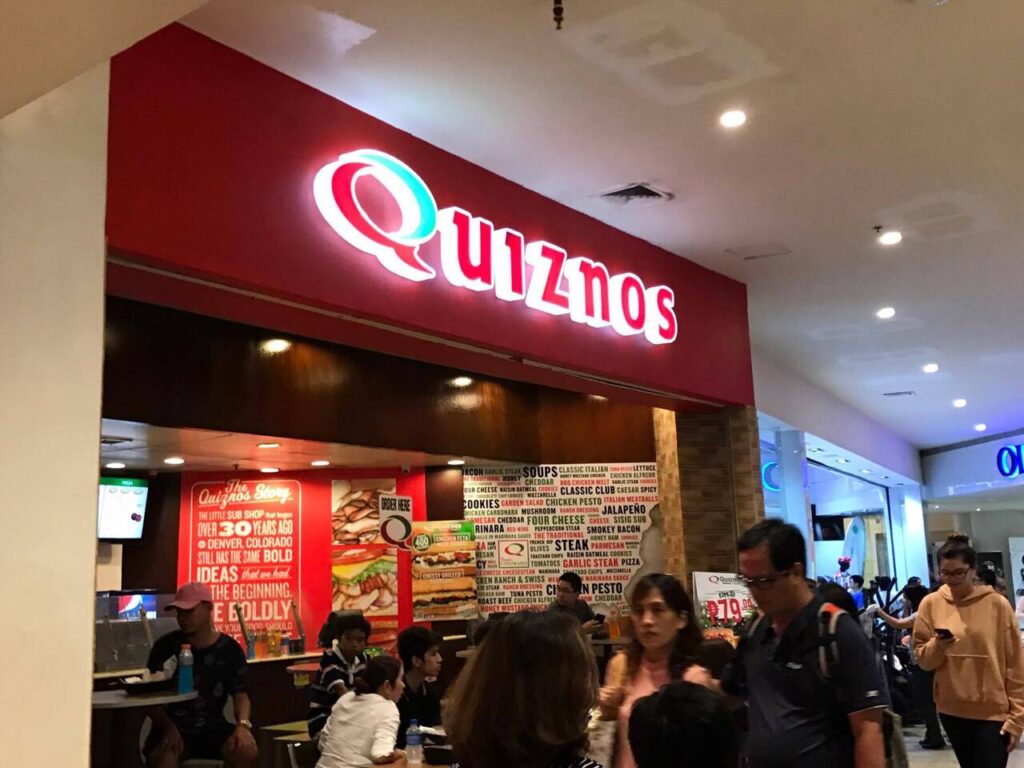
Quiznos once positioned itself as a toasted, more flavorful alternative to other sandwich chains, using richer sauces and melted cheese to stand out. Over time, however, the brand struggled with consistency and store closings, and critics say quality slipped in many remaining locations. Pre-sliced deli meats, standard-issue breads, and heavily sauced fillings sometimes give the impression that flavor is being driven more by condiments than by the underlying ingredients. As operating costs have risen, customers in some markets point to higher menu prices without a clear improvement in freshness or portion size.
7. Firehouse Subs
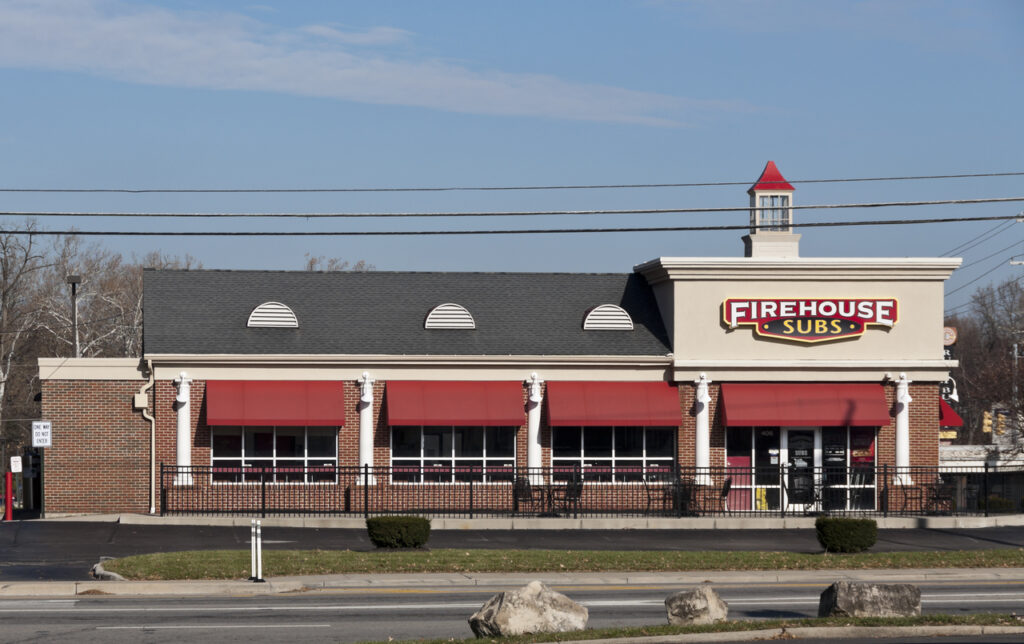
Firehouse Subs emphasizes steaming its meats and cheeses for a hot, comforting sandwich, and many fans like the hearty format. Still, some diners question whether the underlying ingredients justify the growing price tags. The proteins are often standard commercial deli products, sliced and portioned in advance, and the reliance on heavy sauces, melted cheese and soft rolls can sometimes mask fairly ordinary meat quality. As combo and large sub prices have risen, customers paying close to casual dining levels for a sandwich and drink occasionally report that the value no longer feels as strong, especially when compared with independent delis or local shops.
8. Potbelly Sandwich Shop
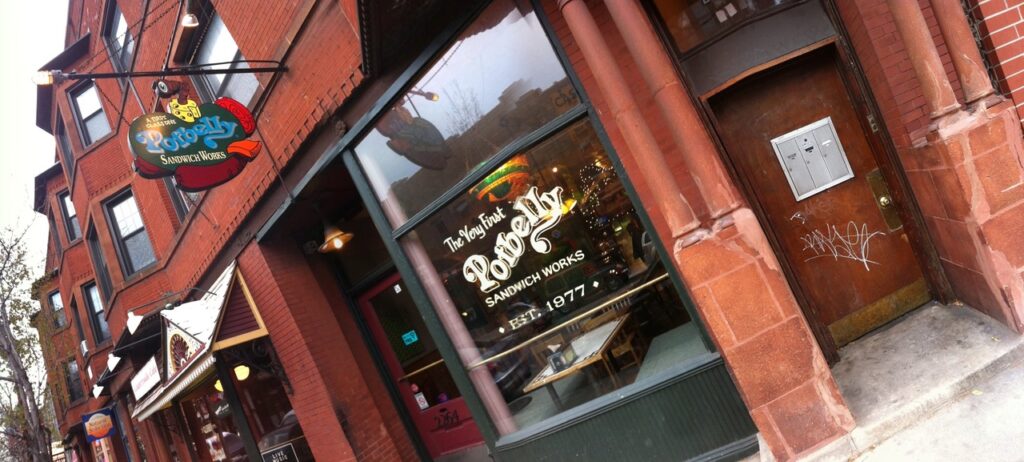
Potbelly trades on a cozy, retro image with toasted sandwiches, shakes, and cookies, positioned as a step up from basic fast food. Much of the menu, however, still depends on pre-sliced deli meats and standardized fillings that are quick to assemble but not necessarily artisan in character. Over the last few years, diners in some regions have noticed noticeable price increases on signature sandwiches and meal deals, without equally obvious upgrades in the meats, cheeses or bread. If a sub that once felt indulgent now seems smaller or more thinly layered, the gap between cost and perceived quality widens.