8 Food Halls Taking Over Downtowns Whether You Like It or Not
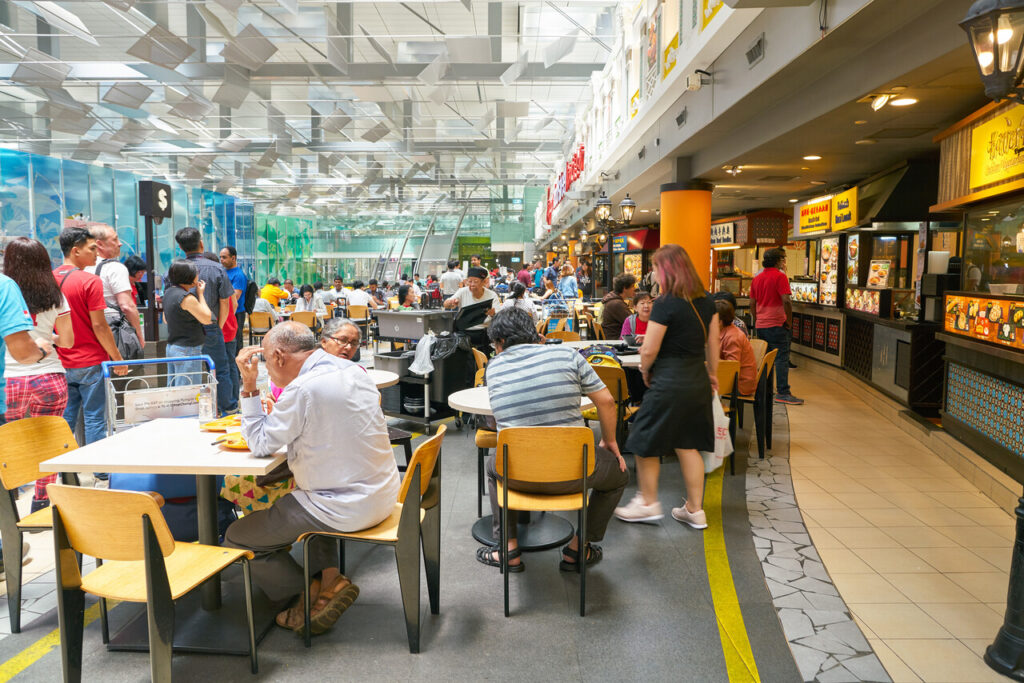
Food halls have become the default answer to downtown revitalization, arriving with polished branding, curated vendors, and the promise of community under one roof. They fill vacant buildings, attract tourists, and give cities something flashy to market. But their rapid spread also raises real questions about affordability, local ownership, and who these spaces actually serve. Some succeed as gathering places, while others feel more like lifestyle showrooms than everyday dining options. Whether welcomed or resisted, food halls are no longer a trend on the fringe. They are a defining feature of modern downtowns, changing how people eat, gather, and spend.
1. Hudson Yards Market
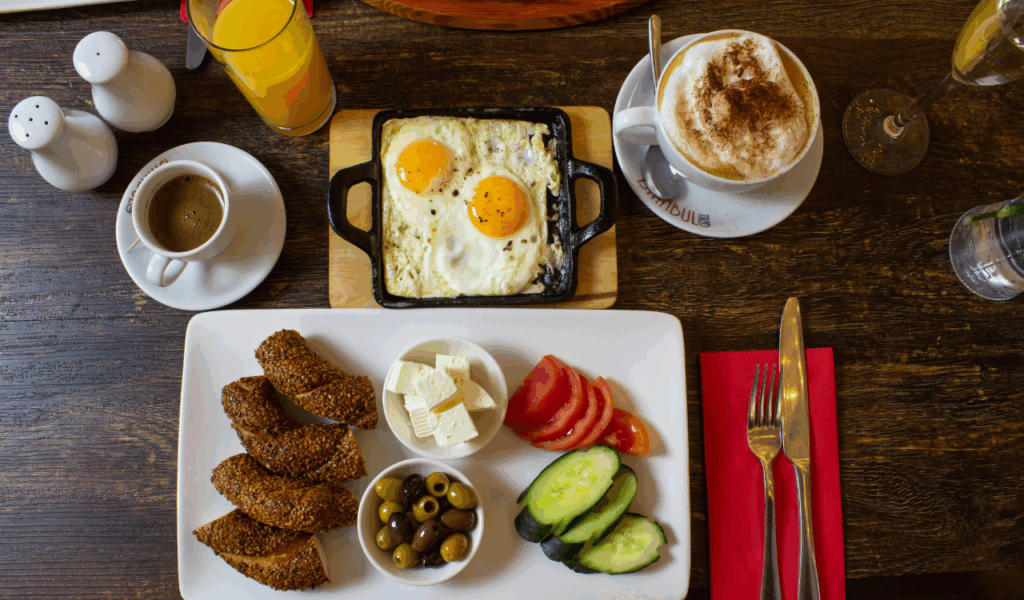
Hudson Yards Market didn’t just arrive in Manhattan; it announced a new era of downtown redevelopment driven by spectacle, pricing power, and real estate ambition. Built into one of the most expensive developments in U.S. history, the food hall reflects its surroundings. Sleek interiors, chef-branded stalls, and carefully curated menus are designed to signal exclusivity rather than accessibility. While the variety is undeniable, many longtime New Yorkers point out that prices rival those of sit-down restaurants while portions remain modest. The space caters heavily to tourists, office workers, and high-income residents, which shifts the daily rhythm of the neighborhood.
2. Time Out Market
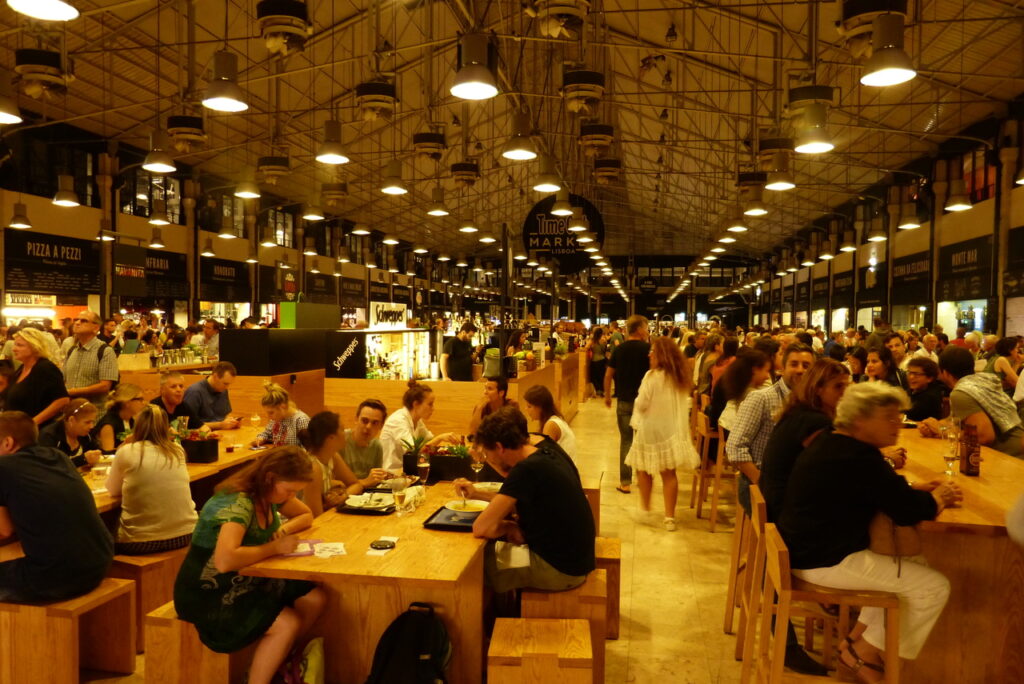
Time Out Market operates on a globally recognizable formula that has proven remarkably effective at taking over downtown food scenes. By partnering with well-known local chefs and restaurants, it offers credibility while controlling pricing, branding, and presentation. The result feels curated and polished, but also tightly managed. Visitors appreciate the chance to sample multiple famous names under one roof, yet critics note that vendors must adjust menus and portion sizes to meet the market’s financial demands. That often translates to higher prices than the original brick-and-mortar locations.
3. Assembly Row Food Hall
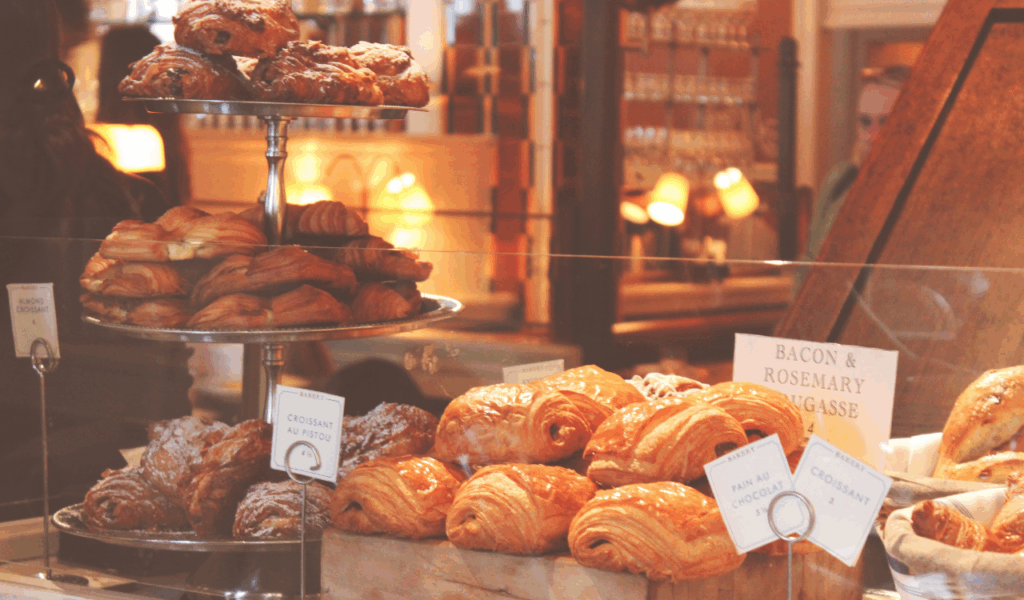
Assembly Row’s food hall emerged as part of a broader transformation of former industrial land into a mixed-use destination. The hall fits neatly into that plan, offering dining options that encourage visitors to linger, shop, and spend. While it brought energy and foot traffic, it also accelerated rising rents in the surrounding area. Many vendors cater to a suburban-urban hybrid audience, blending trend-driven menus with familiar comfort foods. Prices reflect the development’s polished atmosphere rather than everyday affordability. Local critics argue that the food hall prioritizes uniform appeal over culinary risk, making it harder for truly experimental or low-margin concepts to survive.
4. Ponce City Market
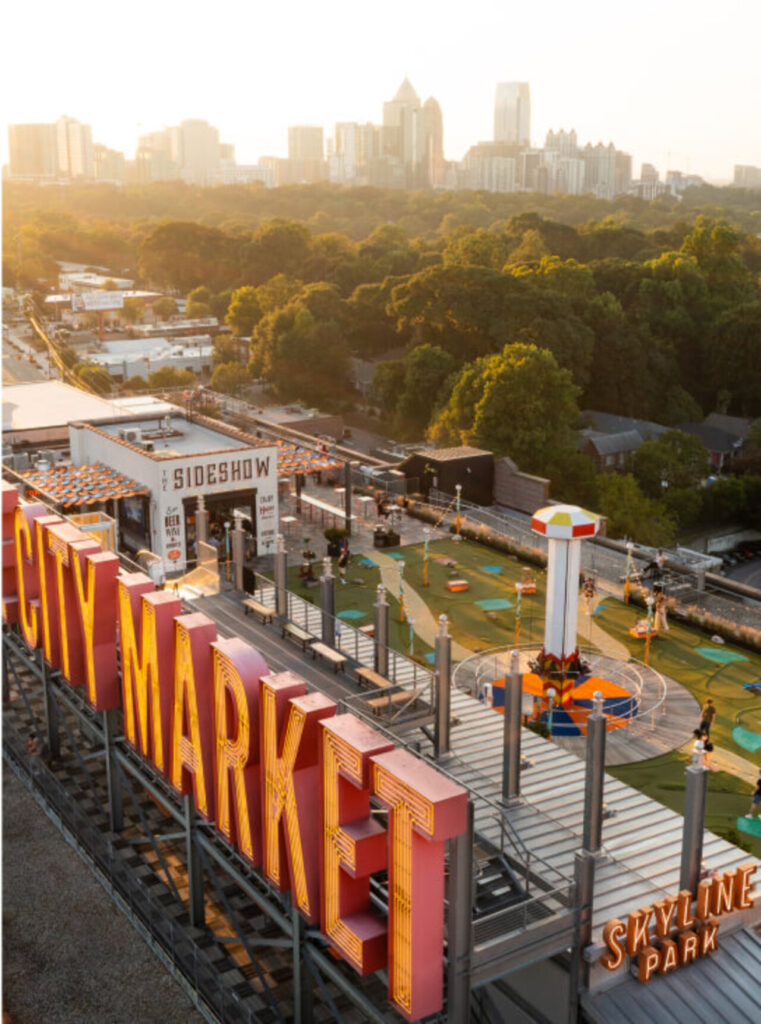
Ponce City Market is frequently praised as a success story, yet it also illustrates the trade-offs that come with large-scale food hall dominance. Housed in a historic Sears building, the market blends nostalgia with modern retail strategy. Its food hall attracts locals and tourists alike, offering everything from upscale Southern cuisine to global street food. However, as popularity surged, so did prices. Smaller neighborhood eateries nearby felt pressure as diners gravitated toward the convenience and buzz of a single destination. Vendors inside the hall benefit from exposure but face high rents and intense competition.
5. The Hall at Union Square
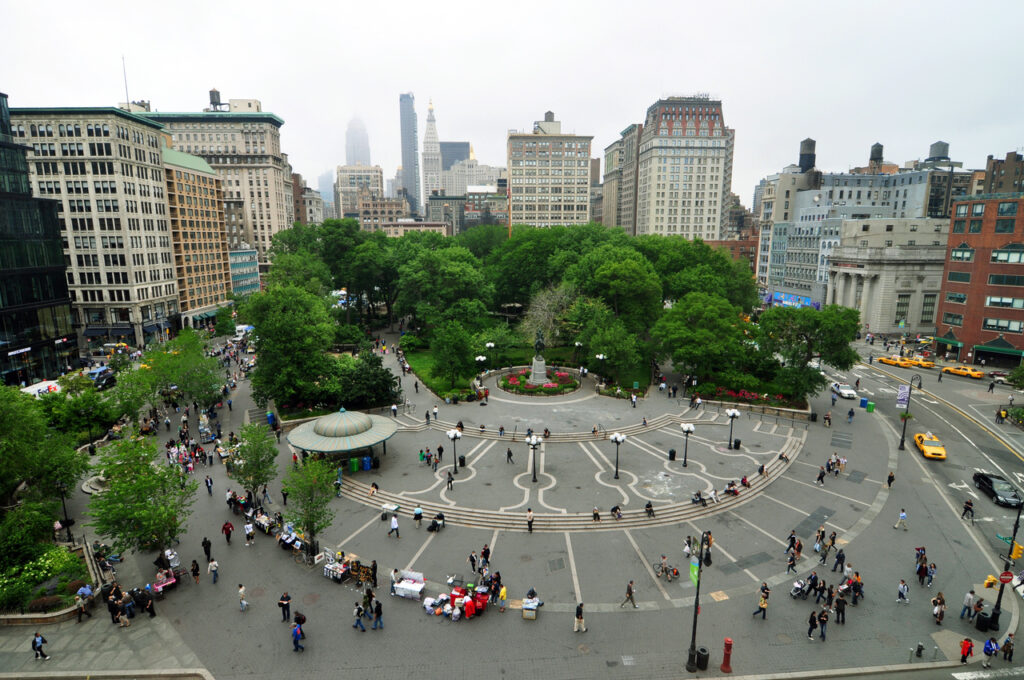
The Hall at Union Square reflects San Francisco’s complicated relationship with innovation, affordability, and survival. Designed to revitalize a struggling retail corridor, the food hall leaned into chef-driven concepts and polished aesthetics. Yet high operating costs, staffing challenges, and shifting downtown foot traffic made sustainability difficult. For diners, prices often felt disconnected from the casual format, especially as nearby independent restaurants closed or relocated. The hall highlighted how food halls are not immune to broader urban challenges like remote work and declining retail density.
6. Legacy Hall
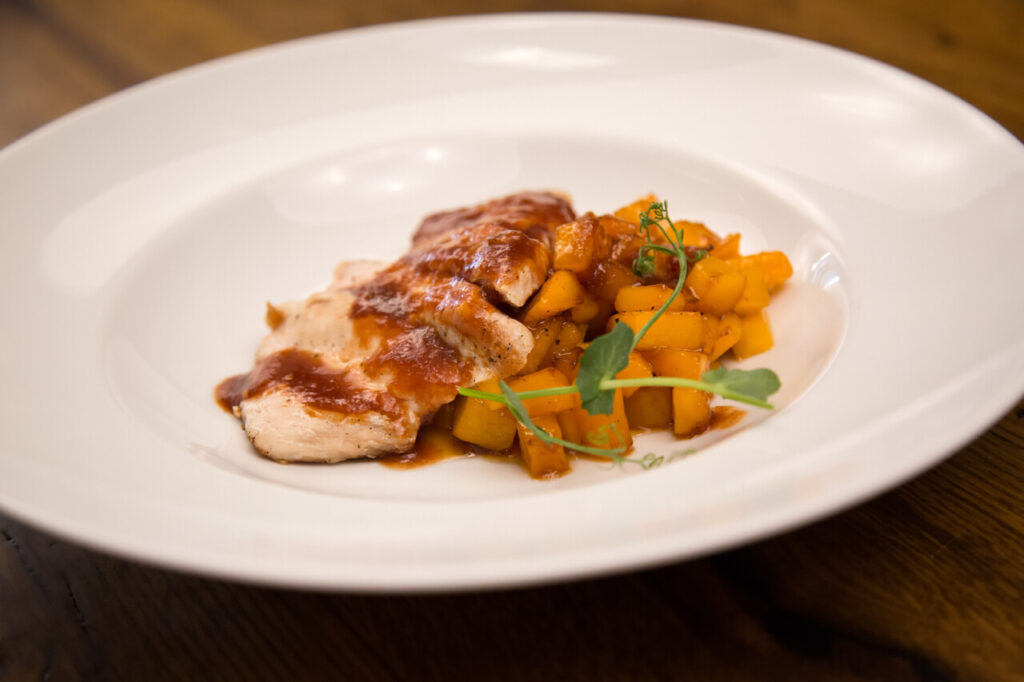
Legacy Hall brings the food hall model into a suburban context, showing that downtown takeover isn’t limited to major cities. Marketed as a destination for families and professionals, it combines dining, live music, and event programming. The scale is impressive, but critics note that prices skew high for everyday visits. Many vendors rely on novelty and social media appeal rather than repeat-value meals. Its success underscores how food halls are evolving into entertainment complexes, blending dining with spectacle in ways that reshape how communities define local food culture.
7. Everett Public Market
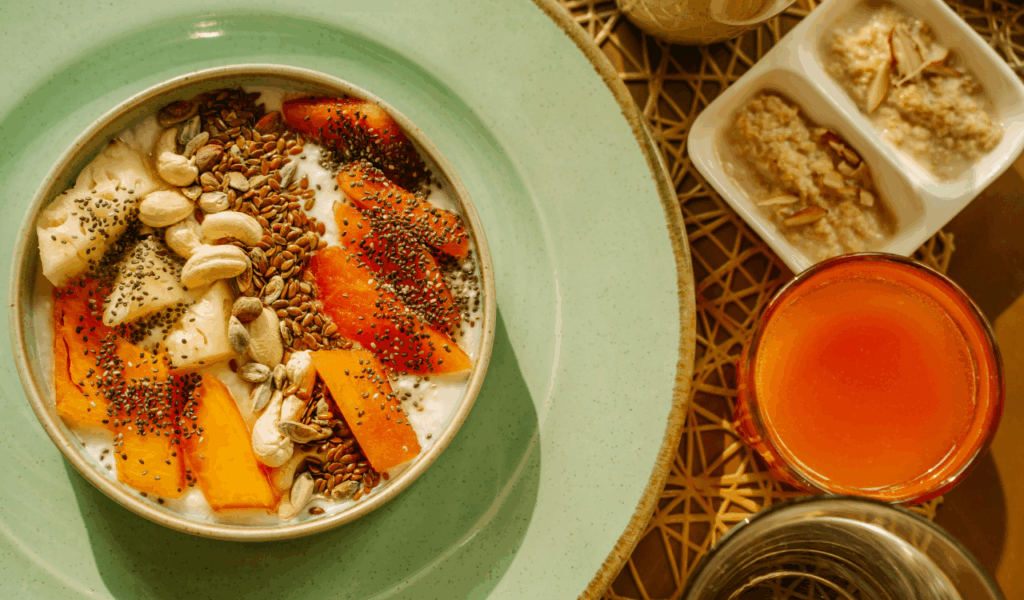
Everett Public Market illustrates how even mid-sized cities are embracing the food hall trend as a redevelopment tool. Positioned as a gathering space for local makers and food vendors, it aimed to boost downtown vitality. Over time, however, operating costs and customer expectations pushed vendors toward safer, higher-margin offerings. While the market still promotes local identity, some residents feel it no longer reflects everyday dining needs. Prices and concepts increasingly resemble larger urban food halls rather than grassroots markets. Everett’s experience highlights how food halls can gradually drift from their original mission as financial pressures mount.
8. One Paseo
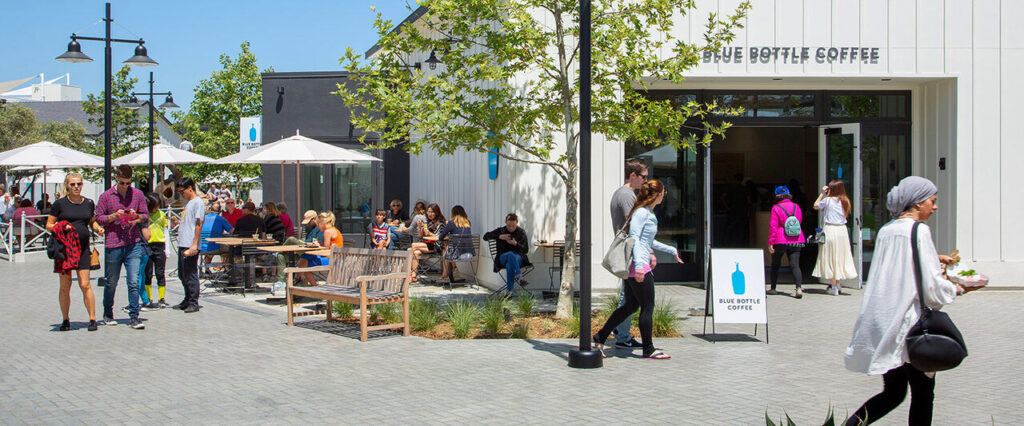
One Paseo blends retail, dining, and residential living into a carefully branded environment where the food hall plays a central role. The dining options are stylish, trend-aware, and priced accordingly. While the setting attracts steady crowds, it also reinforces exclusivity. Independent restaurants outside the development struggle to compete with the visibility and foot traffic One Paseo commands. Its popularity shows how food halls increasingly serve as lifestyle features within upscale developments, shaping downtowns in ways that prioritize polish and profitability over organic growth.