10 School-Year Snack Trends That Missed the Mark
During the school year, there are numerous snack trends that promise to be easy, healthy, or enjoyable, but not all of them actually work. A lot of popular ideas appeared good on packaging or social media, but they didn’t work out when families tried them a lot. Some of them didn’t have enough nutrients, while others didn’t taste well, were too expensive, or weren’t useful. Snacks are a crucial part of keeping your energy up, your mind sharp, and your appetite in check between meals. So, it’s annoying when trends don’t work out. Looking back at these mistakes helps us remember what’s most important while snacking: balance, simplicity, and actual nutrition above excitement or novelty.
1. Overly Sugary “Healthy” Snack Bars
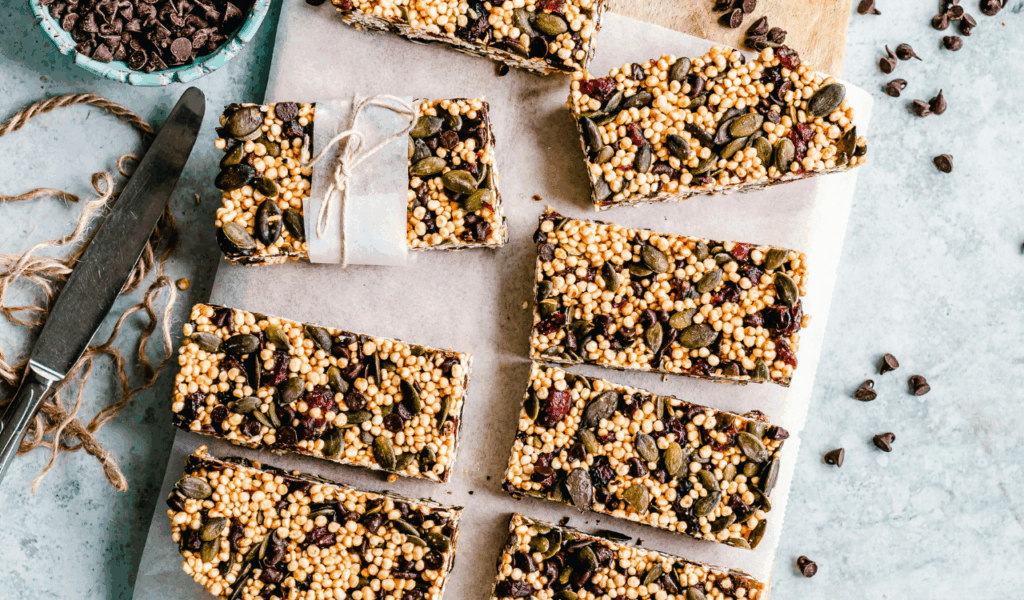
During the school year, snack bars that were advertised as healthy options became very popular, but many of them relied on additional sugars to taste good. Even though labels often promoted grains, fruit, or seeds, the total sugar content was sometimes as high as that of sweets. These bars could give you a quick burst of energy, but then you might collapse, which isn’t great for lengthy days at school. The thick sweetness also taught kids to expect sugary snacks instead of snacks with naturally balanced flavors. Many families recognized that these bars were more like treats than reliable nourishment, which meant they didn’t get the continuous, long-lasting energy they needed.
2. Color-Changing or Gimmick Snacks
People were interested in snacks that changed color when blended, heated, or dipped because they were new. It was great to look at, but the excitement wore off soon when the taste turned out to be ordinary or too fake. A lot of these items used extra colors and flavors but didn’t give you any real nutrients. Parents generally thought that the mess and noise were worse than the short fun. Lunchboxes were made more complicated without any improvements being made to them, and snack time was transformed into a show rather than a break that assisted children in studying and maintaining their concentration.
3. Tiny Portion “Snack Packs”
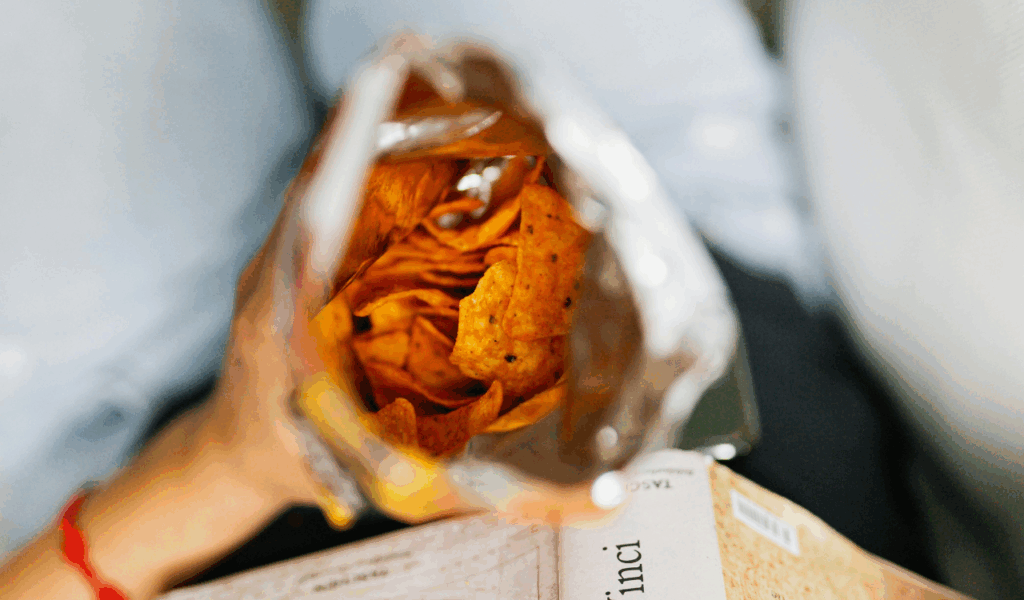
Pre-portioned food packs promised control and convenience, but many were too little to fill up hungry kids. Kids often completed them in a matter of minutes and still felt hungry, so they asked for more food soon after. The waste from the packing was also a problem because each small part was wrapped in plastic. It’s important to be cautious of portion sizes, but these packets didn’t take into account how hungry kids really are during active school days. Almost quickly, families realized that snacks that were prepared at home and were balanced were more filling and could be utilized in a variety of ways, in contrast to these small snacks that were only used once.
4. Protein Snacks With Poor Balance
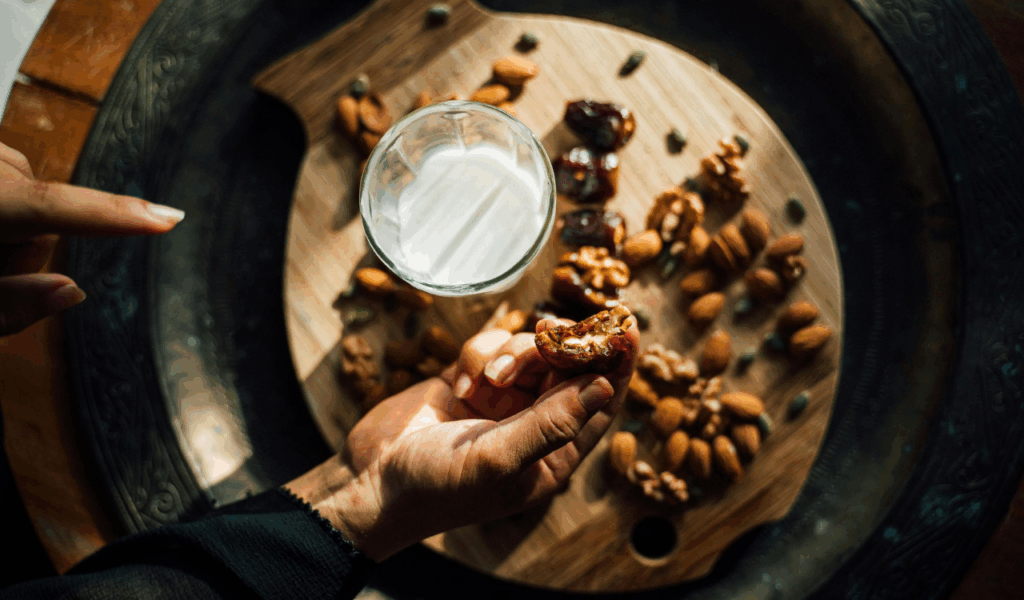
Snacks that were high in protein grew popular, but many people relied too much on protein and didn’t get enough fiber or good carbs. These foods occasionally seemed weighty or unpleasant, especially to younger diners, when they didn’t have that balance. Some people also used processed protein sources that included extensive lists of ingredients. Kids said they didn’t feel stimulated; instead, they said they felt too full or didn’t want to finish them. It was demonstrated by the tendency that protein is most effective when it is incorporated into a larger mix, rather than when it is the only thing that is sold.
5. Artificially Flavored Fruit Snacks
Fruit-flavored snacks were still the most popular lunchbox items, although many of them didn’t have much real fruit and used fake flavors instead. Their texture and sweetness made them hard to tell apart from snacks and treats. They were easy to use, but they didn’t have the fiber and natural nutrients that families were looking for. Repeatedly eating it over time made people less interested in real fruit. Parents who were trying to eat healthily frequently had the impression that they were being deceived because these snacks served as a source of sugar and color rather than providing genuine benefits derived from fruit.
6. Ultra-Processed Savory Chips
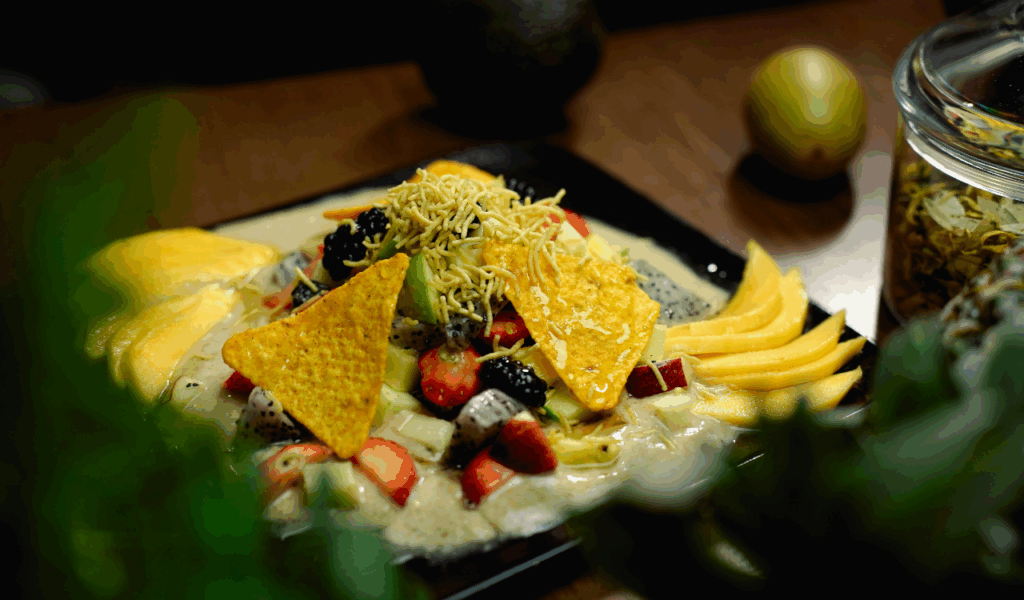
Savory snack chips that said they were baked, puffed, or made from vegetables were abundant, but a lot of them were still excessively processed. Even though they had imaginative names, they often had processed carbohydrates, too much salt, and oils that weren’t very healthy. The taste was so good that it made you want to eat more, yet it didn’t fill you up. As snacks every day, they didn’t do anything than make noise. The fact that these snacks did not have sufficient substance to maintain children’s energy levels throughout the day was a source of disappointment for families who were looking for dependable school snacks.
7. DIY Snack Kits That Took Too Much Time
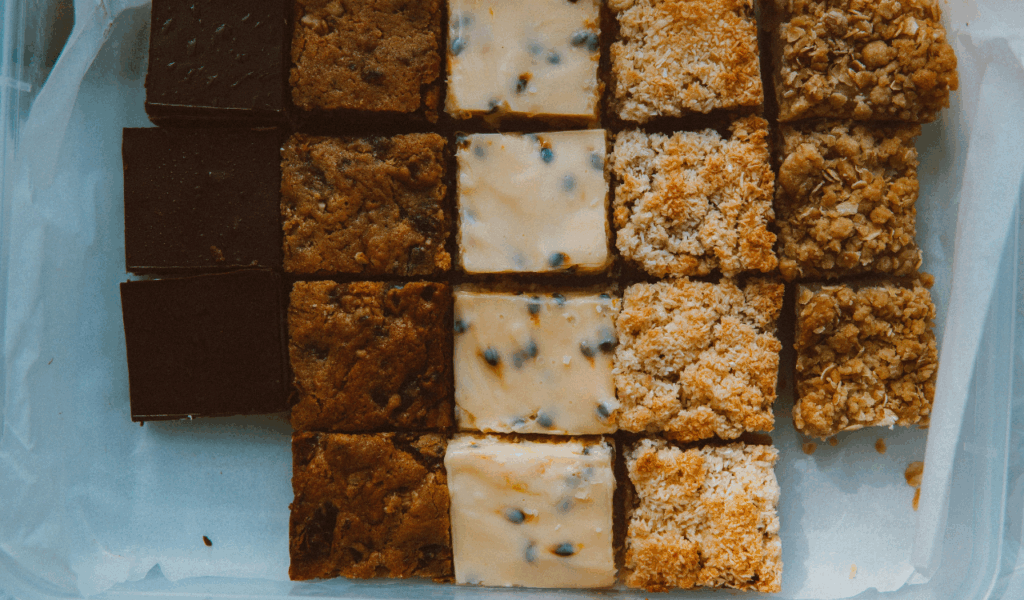
Build-your-own snack kits seemed fun, but they took more time and work than busy mornings could spare. Having to put together individual pieces in separate compartments made things more stressful instead of easier. Before they were accustomed to them, children enjoyed them, but as time went on, they lost interest in them. forth exchange for a meager incentive, parents were required to put forth additional effort to get ready and clean up. In the context of actual school schedules, smaller snacks that could be had in a short amount of time over shorter intervals proved to be beneficial.
8. Extreme “Low Everything” Snacks
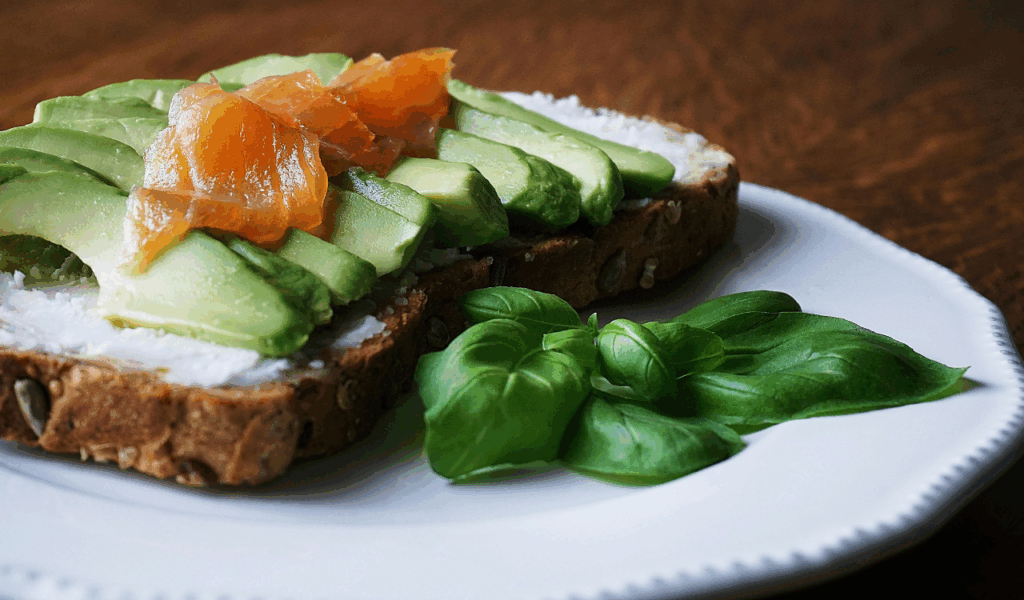
Snacks that were advertised as having low sugar, low fat, and low calories all at the same time typically didn’t taste or feel well. A lot of people used replacements that tasted strange or made their mouths feel flaky. Kids often turned down these choices or ate more later to make up for it, instead of being happy with themThe inclination did not take into account how essential moderation and fun are to maintaining a healthy lifestyle. It was found that snacks that contained the appropriate amount of fat and carbohydrates performed better than those that contained absolutely no ingredients at all.
9. Trendy Global Flavor Snacks
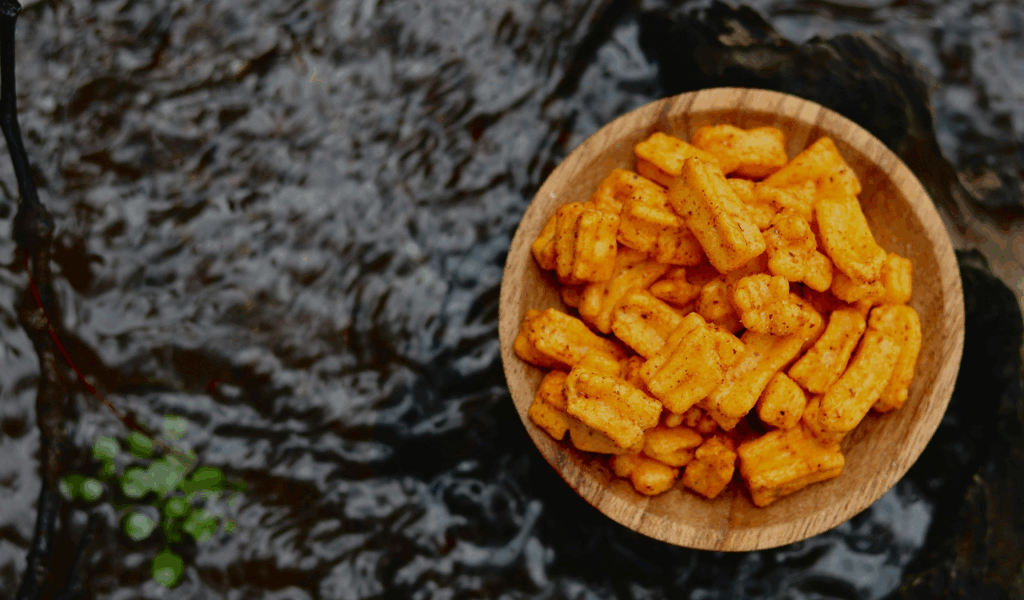
Bold, fashionable flavor profiles became popular, but not all of them worked well for ordinary eating. Strong spices or strange combinations were fun at first, but a lot of kids found them too much. The portions that were not consumed were brought back to their homes without being disturbed. While it is essential to sample a variety of flavors, it is also essential that snacks designed for school breaks be well-liked and reliable. It was a fad that overlooked that snacks should be used to rest and recharge, not to force people to sample new flavors on days when they are already busy.
10. Social Media-Inspired Snack Combos
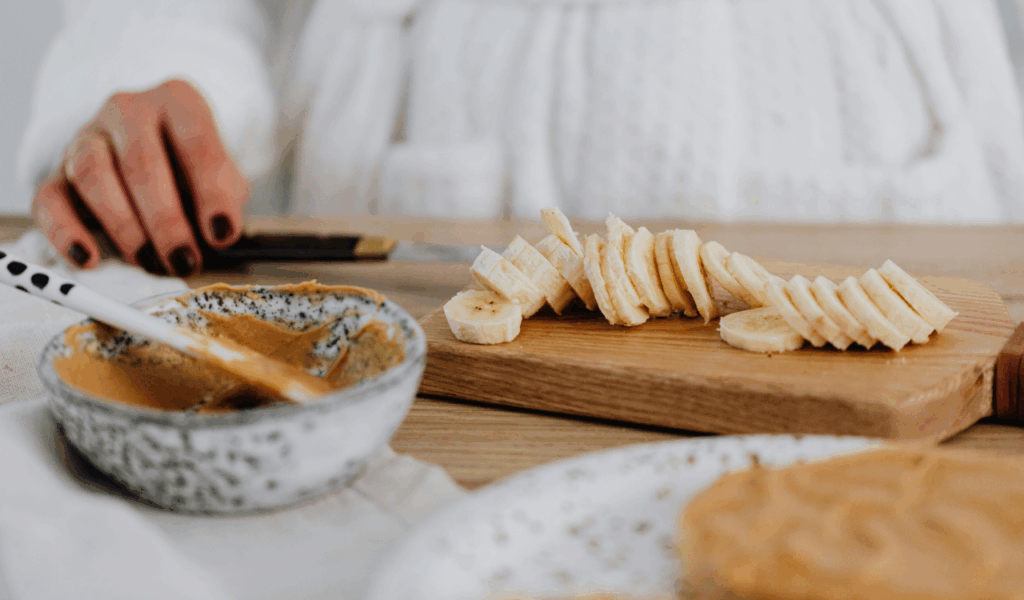
Online, snack combinations that became popular spread swiftly, although many weren’t balanced or useful. On the other hand, some of them had unusual textures, while others were overly sweet, and some of them were too muddy. Although they were entertaining to watch, they were not always able to be packed in lunchboxes or during brief snack breaks. What appeared to be entertaining on television did not necessarily work in real life, as the parents discovered. This trend demonstrated how school-friendly cuisine can appear to be useful, but in reality, it may not be really beneficial at all.