14 Winter Foods That Don’t Match the Reality of Busy Family Schedules

Winter cooking is often presented as slow, comforting, and unhurried. Seasonal recipes highlight simmering pots, oven-filled kitchens, and meals that improve the longer they cook. That image still resonates, but it no longer reflects how most evenings actually unfold. Family schedules are tighter, dinner windows are shorter, and energy tends to drop sharply by the time cooking begins. Many households now aim to get dinner on the table in under an hour, often much faster, even during colder months when heavier foods feel appealing.
This shift has created a quiet mismatch between winter food expectations and daily routines. Dishes that look practical or familiar on paper often reveal hidden time costs, cleanup burdens, or rigid timing once they meet real life. Understanding which winter favorites demand more time and attention than most evenings allow helps families plan meals that feel satisfying without turning dinner into another source of stress.
1. Beef Bourguignon
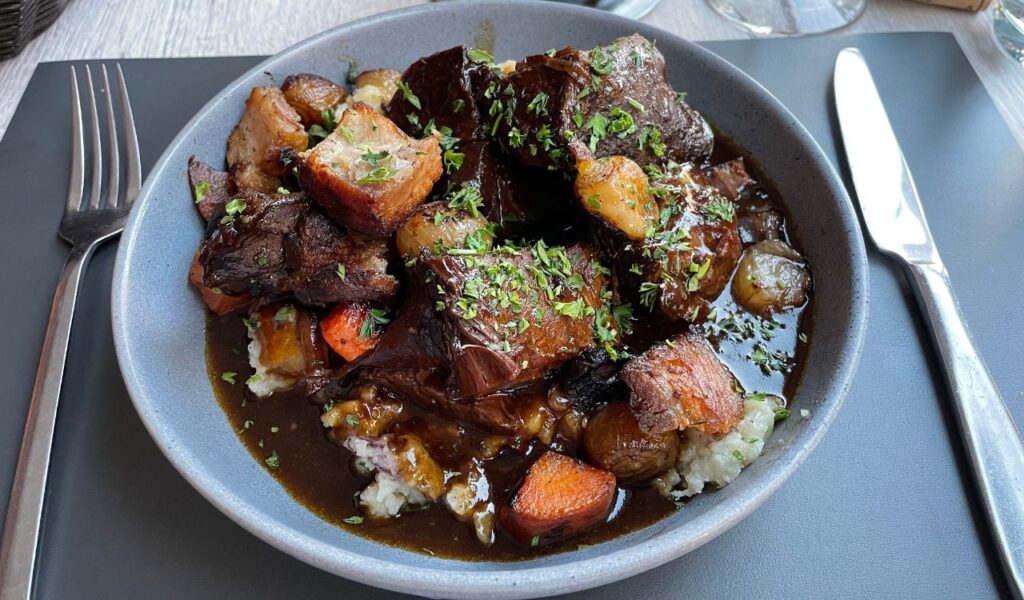
Beef Bourguignon is often framed as the ultimate winter comfort dish, rich, slow-cooked, and deeply satisfying. What that framing rarely accounts for is how demanding the process feels once it is placed inside a normal weekday evening. The dish requires multiple stages that cannot be rushed. Beef must be browned properly to build flavor, vegetables softened without burning, and liquid reduced gradually to avoid bitterness. Each step asks for attention at a time of day when focus is already divided.
For many households, the issue is not skill but timing. Dinner is expected to appear within a predictable window, often less than an hour from when cooking begins. Beef Bourguignon stretches far beyond that expectation. Even when started early, its long simmer means the meal often finishes later than planned, cooling momentum and patience. The result may be exceptional, but the path there assumes an evening that is quieter and less fragmented than most actually are.
2. Homemade Lasagna
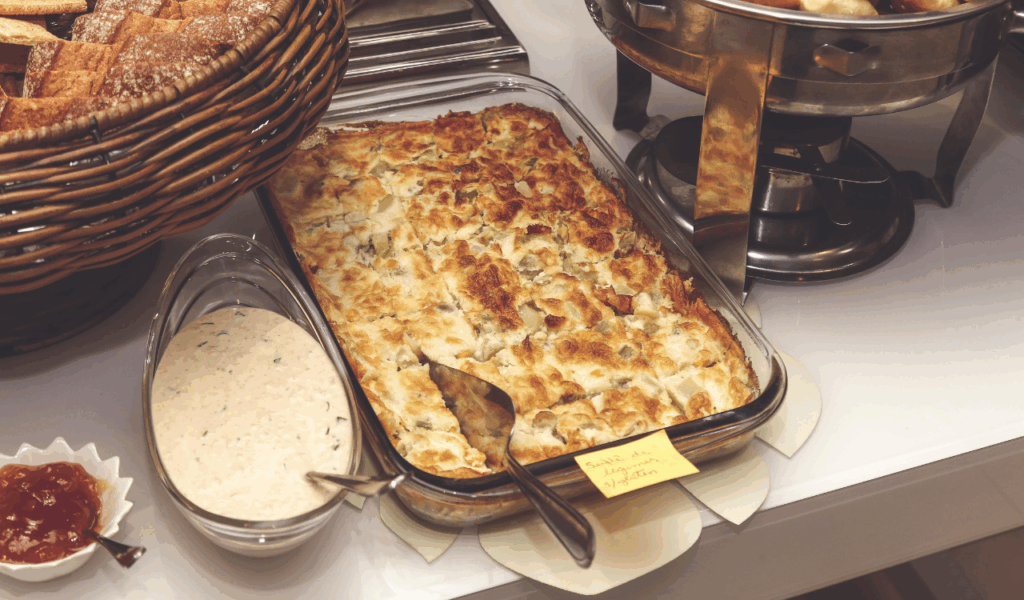
Homemade lasagna carries a reputation for being reliable and filling, which makes it seem like a sensible winter option. In reality, the dish requires more coordination than its familiar appearance suggests. Each layer introduces decisions about moisture, seasoning, and structure. Pasta must cook just enough, sauces must balance thickness, and the final bake locks dinner into a rigid timeline.
What often complicates lasagna is not just prep time but the accumulation of small tasks. Multiple dishes are dirtied before the oven is even turned on. Baking time pushes dinner later, and resting time is needed for clean slices. Many families plan weeknight meals around predictability, not perfection. Lasagna frequently misses that mark, turning into a meal better suited for slower nights when schedules leave room for adjustment.
3. Slow-Roasted Pork Shoulder
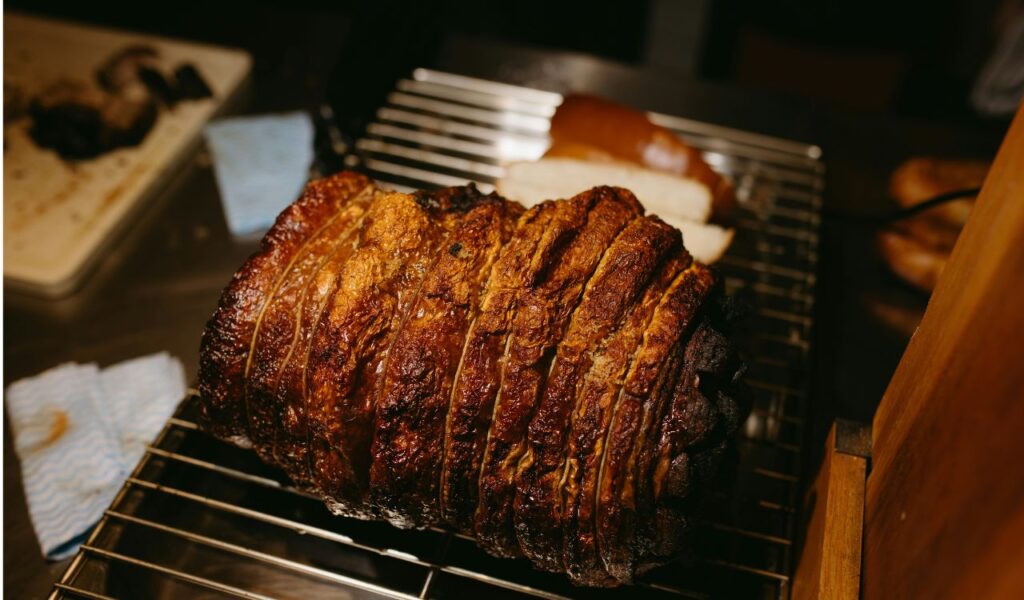
Slow-roasted pork shoulder is praised for its forgiving nature and bold flavor, but it quietly demands long-term planning. The cut benefits from early seasoning, careful placement, and hours of low heat. While much of the cooking is passive, the commitment is not. The oven becomes occupied for most of the day, limiting flexibility for other dishes.
In practice, the biggest challenge is alignment. Families often discover that the roast is ready either too early or too late to match dinner plans. Side dishes must be timed around it, and reheating never quite delivers the same result. While pork shoulder works beautifully for gatherings or weekends, it often clashes with weekday routines that rely on tighter windows and quicker turnaround.
4. Braised Short Ribs
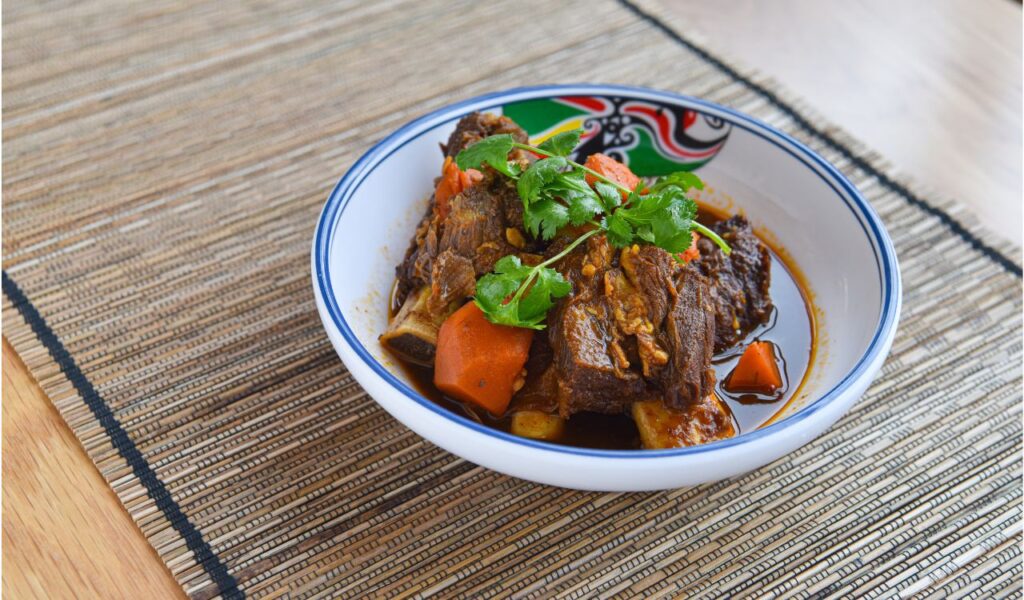
Braised short ribs promise deep flavor and tender texture, but they come with a level of involvement that many evenings cannot absorb. Achieving the desired result requires proper searing, careful liquid control, and hours of steady heat. These steps are not difficult, but they are time-bound and unforgiving when interrupted.
What makes short ribs challenging is the way they dominate the evening. Once started, the process cannot easily pause or adjust. Dinner timing becomes fixed, and everything else must work around it. For households balancing multiple responsibilities at night, that rigidity often feels more stressful than rewarding. Short ribs remain a standout dish, but one that assumes an evening free from constant demands.
5. Creamy Butternut Squash Soup

Creamy butternut squash soup appears simple and wholesome, which makes it an attractive winter option. The reality begins with peeling and cutting dense squash, a task that takes longer than expected and requires physical effort. Roasting adds time, and blending introduces another phase that demands cleanup and adjustment to achieve the right texture.
Even when parts of the soup are prepared in advance, finishing it still requires attention. Seasoning often needs correction, and garnishes or sides add steps. Many families gravitate toward meals that can tolerate shortcuts without compromising success. This soup, while comforting and visually appealing, tends to reward patience more than efficiency. As a result, it often shifts from weeknight staple to occasional project.
6. Traditional Beef Stew
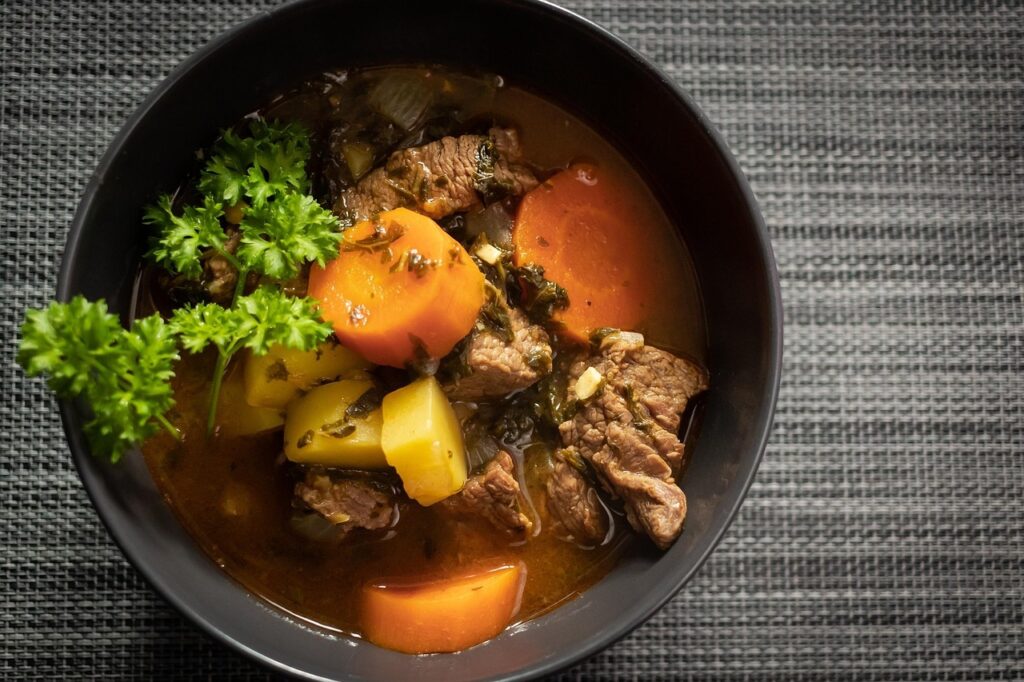
Traditional beef stew carries the reputation of being an easy winter dinner because it simmers for hours and fills the house with warmth. In practice, the work begins long before the pot ever reaches a low boil. Meat needs to be browned in batches, vegetables chopped evenly, and flavors built carefully so the final result does not taste flat. That prep tends to land in the narrow window between work ending and evening responsibilities beginning, when energy is already limited.
Even when a slow cooker is used, the effort does not disappear. Ingredients still need trimming, seasoning often needs adjustment later, and sides must be prepared separately. Many households aim to have dinner ready within about 30 to 45 minutes on weeknights, which makes the stew feel mismatched with reality. It delivers comfort and volume, but the long arc from start to finish often works against busy evening rhythms.
7. Handmade Ravioli

Handmade ravioli looks deceptively charming. Sheets of dough, neat rows of filling, and a sense of care baked into every bite. What those images hide is the amount of uninterrupted focus the process demands. Dough must be mixed, rested, rolled thin, and handled gently. Fillings need consistency, and each ravioli has to be sealed well enough to survive boiling.
That repetition becomes exhausting when evenings are already fragmented. Any interruption slows the process or leads to mistakes that waste time and ingredients. Cleanup builds quickly, with flour-dusted counters and multiple tools involved. Ravioli remains deeply satisfying when time is part of the experience, but on busy winter nights, it often feels like more effort than the payoff justifies.
8. Chicken Pot Pie from Scratch
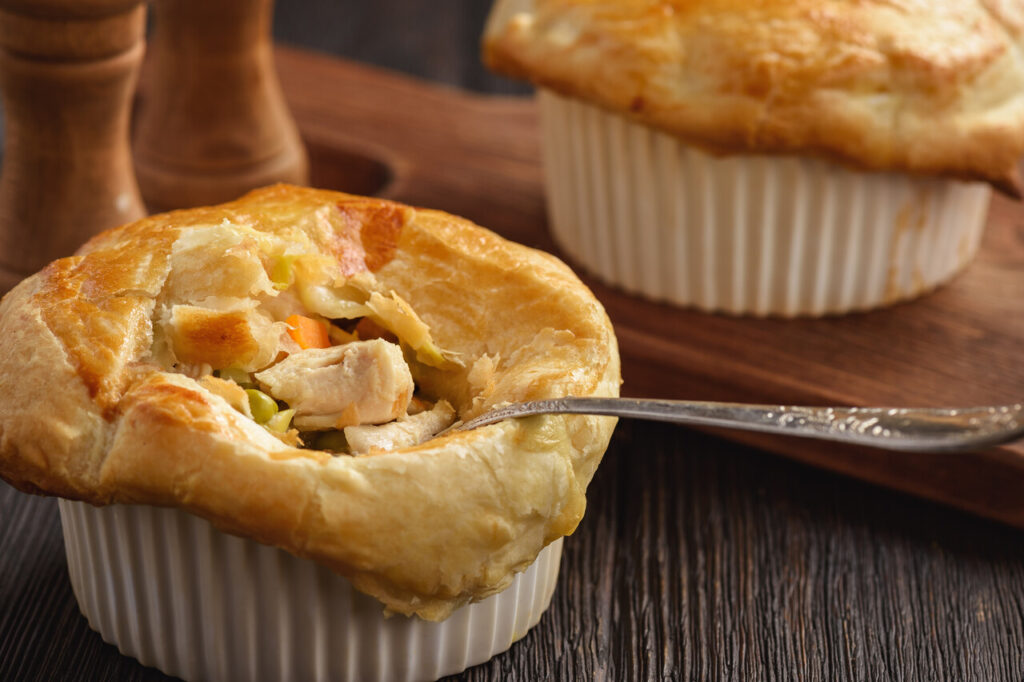
Chicken pot pie promises comfort and familiarity, but making it from scratch introduces several time-heavy steps. The crust alone requires mixing, chilling, rolling, and careful handling. The filling adds another layer, with cooked chicken, vegetables, and sauce all needing to come together at the right consistency before assembly.
Once built, the pie locks dinner into a fixed oven timeline. If the evening runs late, the meal does not adapt easily. Cleanup also lingers, from mixing bowls to baking dishes. While the finished dish feels nourishing and nostalgic, the process often stretches beyond what a typical winter evening can reasonably support.
9. Baked Macaroni and Cheese
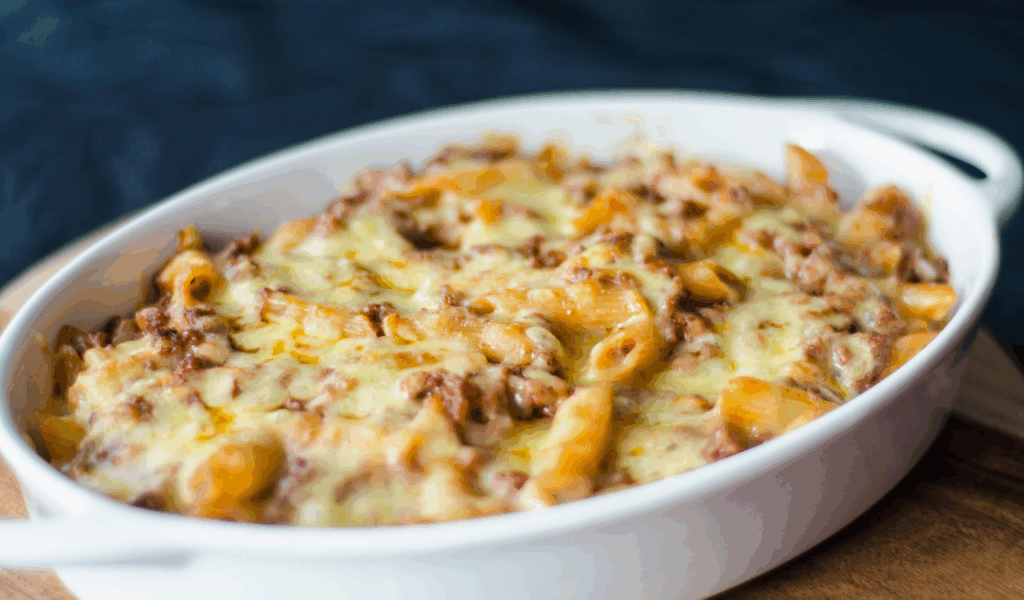
Baked macaroni and cheese is often treated as a reliable fallback, yet it rarely behaves like one. Pasta must be boiled separately, the sauce built carefully to avoid graininess, and everything assembled before baking. Each step depends on timing and attention.
What sounds simple on paper can easily push dinner later than planned. Cheese sauces cling to pots and pans, making cleanup more involved than expected. Many households turn to stovetop versions for speed, leaving baked mac and cheese for nights when time feels less scarce. Its comfort is unquestioned, but its weeknight practicality is often overstated.
10. Braised Lamb Shanks
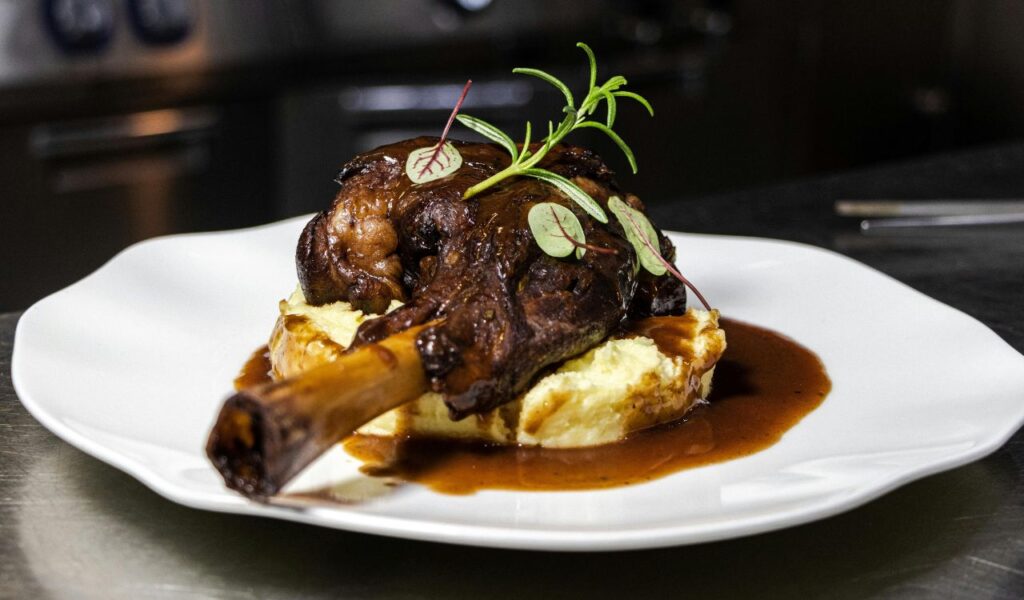
Braised lamb shanks are built for slow transformation. They require searing, long cooking, and enough liquid management to keep the meat tender without diluting flavor. The process dominates oven space and demands planning hours in advance.
On evenings shaped by fixed schedules, that kind of commitment is difficult to accommodate. Sides must wait their turn, and timing becomes rigid. The result can be stunning, but the path there assumes a level of availability that many households simply do not have during the week. Lamb shanks shine when time is intentional, not squeezed.
11. Thick Creamy Chowders
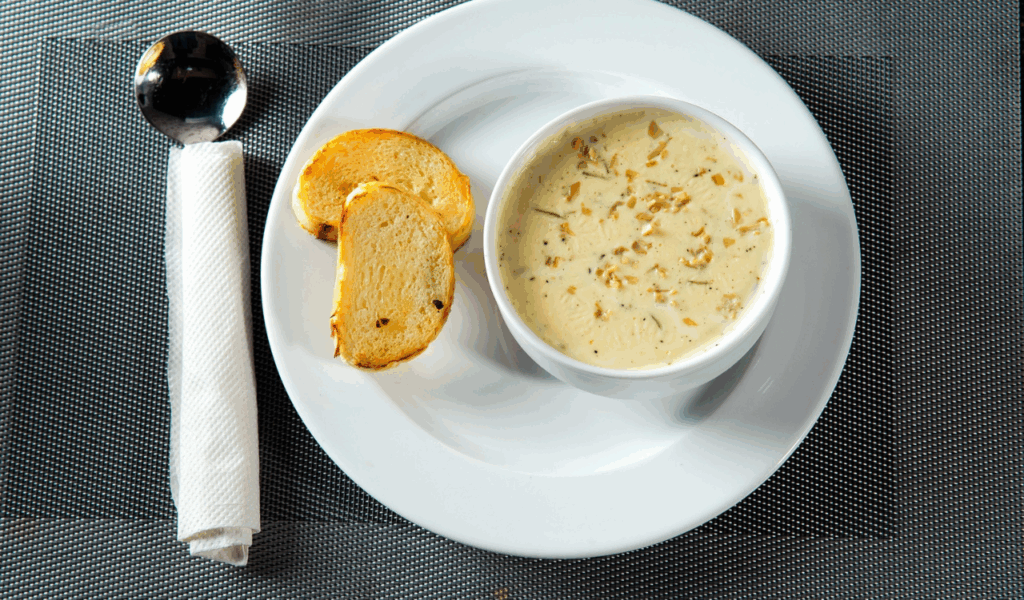
Chowders offer warmth and richness, but they demand constant awareness. Cream, starches, and proteins must be added in the right order and held at the right temperature to avoid separation. Even brief distractions can affect texture.
Serving chowder usually brings extra steps, such as bread, toppings, or garnishes. Reheating requires care, which limits flexibility if dinner is delayed. While chowders feel deeply comforting on cold days, they rarely match the need for meals that can tolerate interruptions and still succeed.
12. Roasted Root Vegetables with Glaze
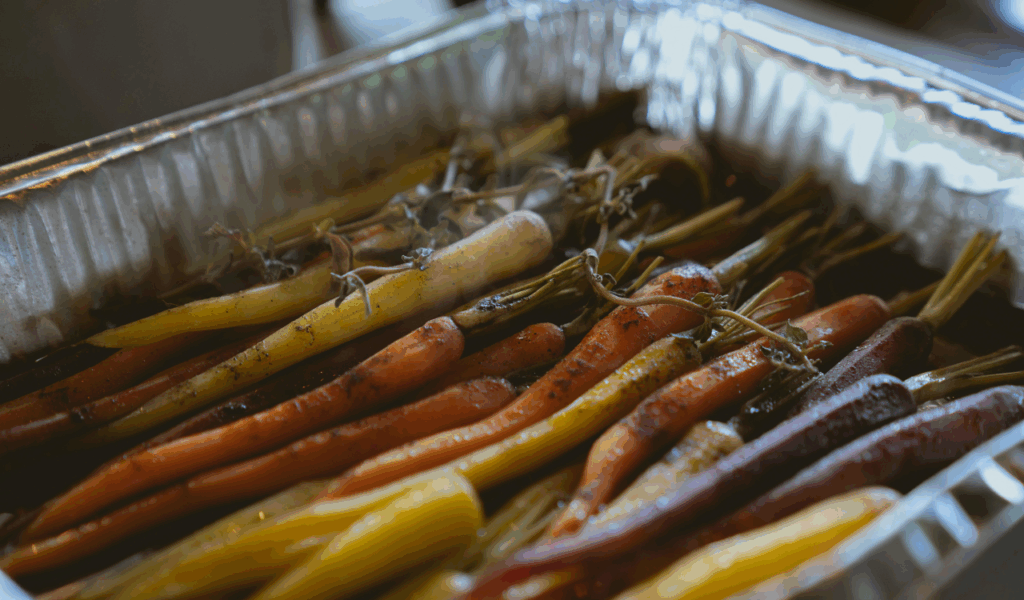
Roasted root vegetables seem straightforward, yet they require precision to work well. Vegetables need even cuts, proper spacing, and close monitoring once glazes are involved. Sugars caramelize quickly and can burn if attention drifts.
Coordinating roasting times with main dishes adds pressure. Uneven cooking often means last-minute adjustments. While nutritious and visually appealing, glazed vegetables frequently take more time and focus than expected, especially when dinner needs to move quickly.
13. Hot Chocolate with Whipped Cream

Hot chocolate made from scratch feels indulgent and cozy, but it involves more steps than most evenings allow. Chocolate must be melted gently, milk heated evenly, and cream whipped separately. Each element adds prep and cleanup.
Spills are common, and the treat disappears quickly once served. On busy nights, quicker options tend to win simply because they demand less attention. Homemade hot chocolate remains special, but it is often saved for moments when time itself is part of the enjoyment.
14. Gingerbread or Holiday Cookies

Gingerbread and holiday cookies carry tradition and warmth, but the process rarely stays simple. Dough often needs chilling, rolling, cutting, baking in batches, and decorating. Each stage stretches the timeline.
Cleanup accumulates, and ovens stay occupied for long periods. While the experience can be meaningful, it works best when planned intentionally. For everyday winter evenings, these cookies tend to feel more like a project than a manageable activity, no matter how appealing the idea may be.