
8 Common Tools That May Soon Be Banned from Backyards
People are paying more attention to the tools and appliances they use in their backyards as they become more aware of the environment. A lot of these gadgets used to be essential for keeping gardens up, but now people are looking into them because they hurt the environment, make noise, and are dangerous.
As local governments make rules stricter on dangerous garden tools, homeowners and landscapers may soon have to switch to more eco-friendly options. More than ever, we need to protect the environment and make sure that things are sustainable. Authorities are working to get rid of equipment that cause pollution and health problems.
We’ll talk about eight common tools that might soon be outlawed in this post. We’ll also talk about what experts say about their effects and what householders can do instead. These instruments used to be quite useful, but they may soon be seen as too dangerous to keep using, causing many people to switch to cleaner, quieter, and more environmentally friendly solutions.
1. Gas-Powered Lawn Mowers
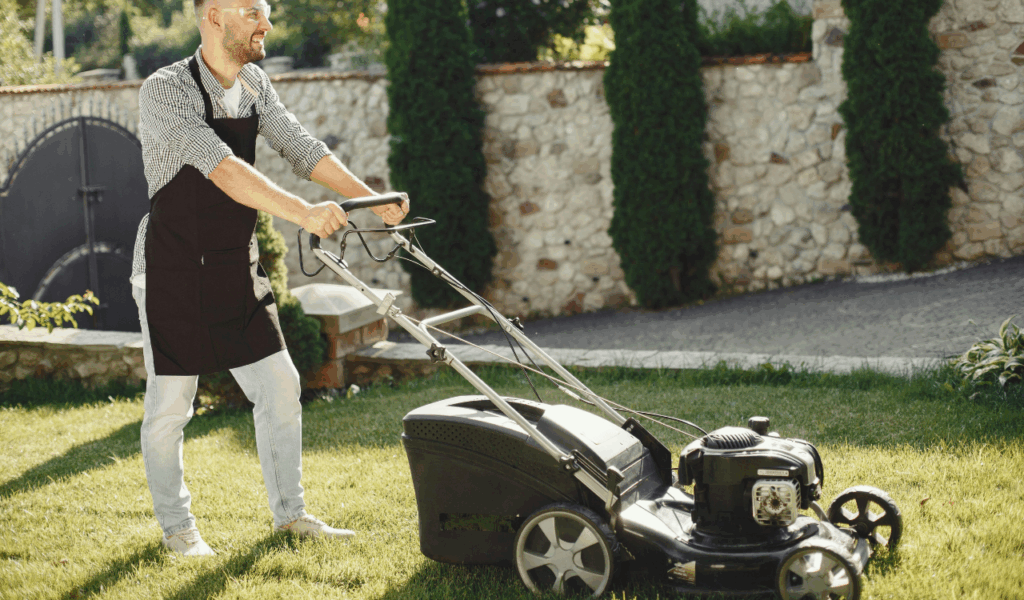
For a long time, gas-powered lawn mowers have been a popular alternative for people who want to keep their yards looking great. But experts are becoming more and more worried about how they affect the environment. Lisa Green, an environmental expert, adds, “Gas-powered mowers release harmful pollutants like carbon monoxide and hydrocarbons that make the air quality worse.” “They also depend on fossil fuels, which aren’t good for the environment.” Gas-powered mowers are not only bad for the environment, but they also don’t work as well as electric mowers.
The desire for cleaner technology is leading to laws that will gradually get rid of conventional instruments in favor of electric or battery-powered ones. Cities and governments are already taking steps to limit or ban gas-powered lawn mowers in residential areas. Homeowners may soon have to choose quieter, more environmentally friendly choices that follow the rules in their area. To stay within the law and help make the world a cleaner, greener place, you will need to switch to electric or battery-powered mowers.
2. Gas-Powered Leaf Blowers
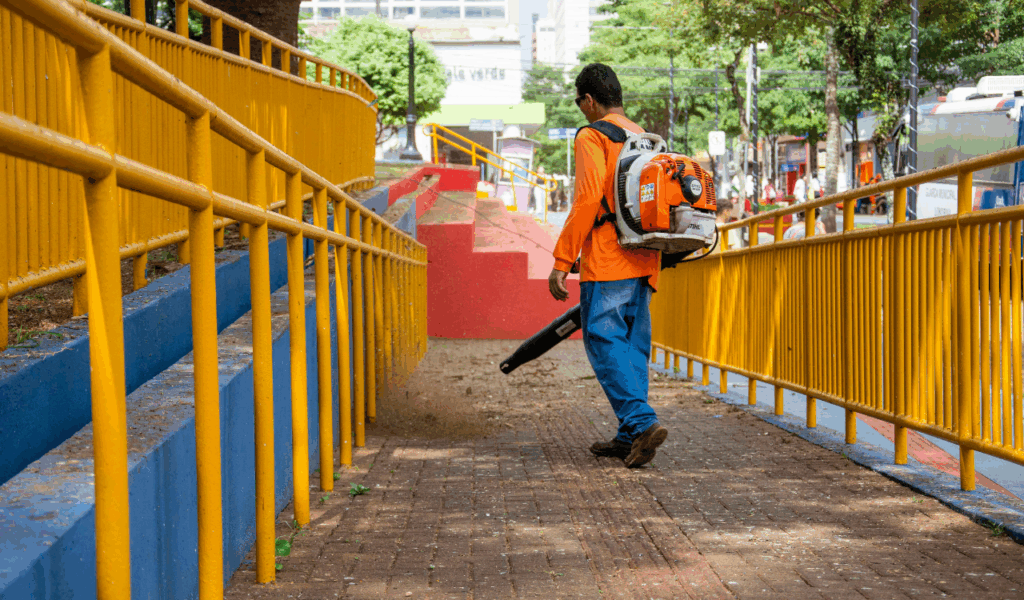
Gas-powered leaf blowers are another instrument that is getting banned more and more in different places. These tools are great for quickly getting rid of leaves and other trash, but we can’t ignore how bad they are for the environment. “These blowers are very loud—often over 100 decibels—and if you are around them for a long time, they can cause hearing loss,” explains landscaping expert John Davis. “Besides making noise, they also let out carbon monoxide and other dangerous volatile organic compounds (VOCs) into the air.”
Gas-powered leaf blowers make a lot of noise that can bother neighbors and wildlife, in addition to being bad for the environment and people’s health. Several communities have already implemented legislation that limit or ban these machines. They tell homeowners to look for quieter, cleaner options like electric or cordless blowers. As worries about air and noise pollution develop, gas-powered blowers are likely to be phased out. Homeowners will then have to find cleaner, quieter ways to do things.
3. Weed Killers Containing Glyphosate
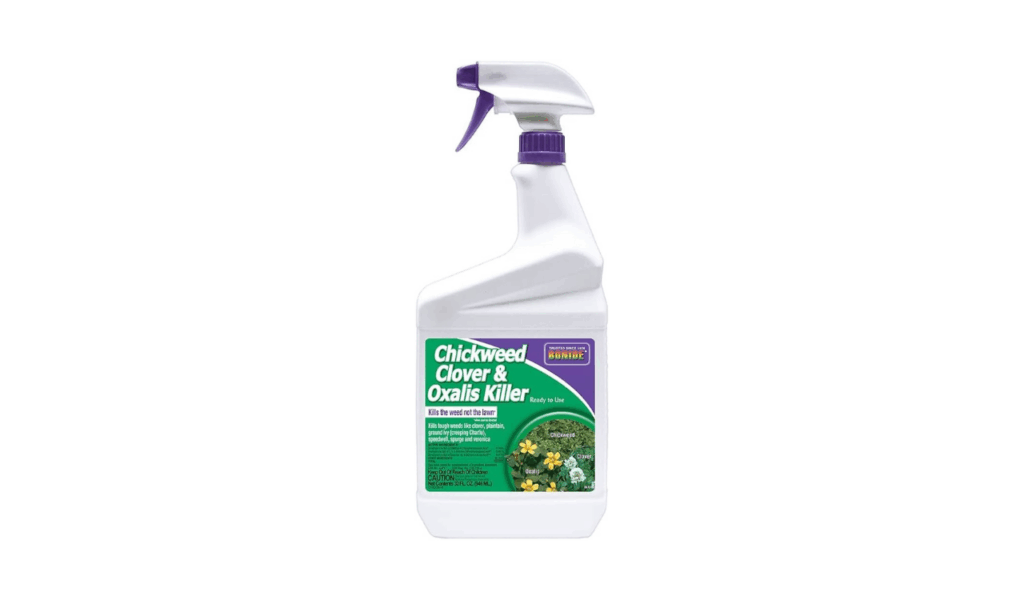
People use glyphosate-based herbicides, like Roundup, a lot in both residential and commercial landscaping. But people are becoming more and more worried about the long-term health consequences of these chemicals. Karen Adams, an expert on pesticide safety, says, “There is more and more proof that long-term exposure to glyphosate can make you more likely to get cancer and other health problems.” Because of this, a lot of states are thinking about banning glyphosate-based products, especially for use in homes.
As more people learn about the health concerns of glyphosate, homeowners are looking for safer, more natural ways to get rid of weeds. More and more people are using organic herbicides, homemade vinegar treatments, and manual weeding. These other options not only lower health hazards, but they also help make lawn care more environmentally friendly. As rules change, homeowners may have to use these natural solutions to stay within the law and protect their health.
4. Gas-Powered Chainsaws
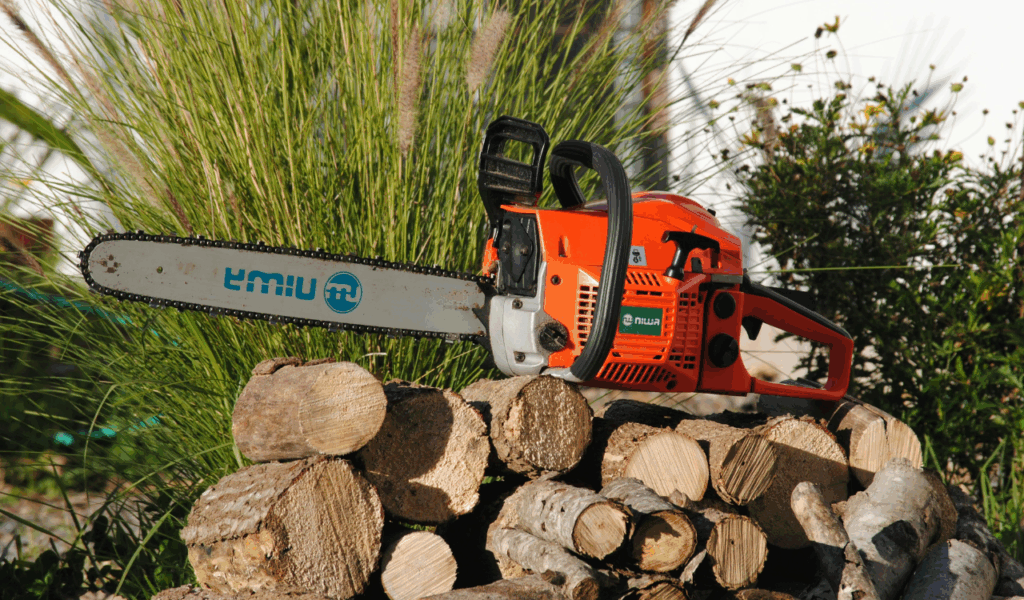
Chainsaws are necessary for things like trimming and chopping big branches, but gas-powered chainsaws are becoming more and more contentious since they hurt the environment. Steve Carter, an arborist, adds, “Gas chainsaws release a lot of carbon dioxide and other pollutants, which makes the Earth warmer.” “They are also very loud, which bothers both wildlife and neighbors.”
Chainsaws that run on electricity or batteries are becoming a good option. These gadgets are quickly becoming popular because they run more quietly and don’t pollute the air. To cut down on air and noise pollution, many neighborhoods are already using these cleaner options. As electric chainsaw technology gets better, gas-powered models will probably be replaced by these more environmentally friendly ones. This is especially true in cities and suburbs where noise laws are tougher.
5. Chemical Fertilizers
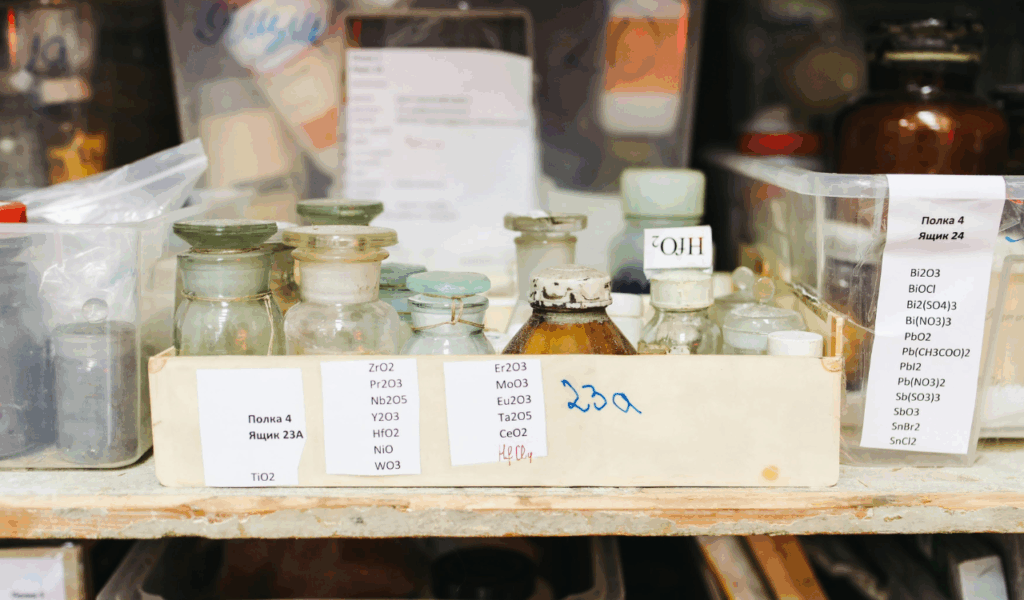
Chemical fertilizers have been used for a long time to help plants grow, but they are bad for the environment. Tom Blake, an environmental expert, says, “Chemical fertilizers often end up in local water systems, which makes drinking water unsafe and hurts aquatic life.” Algae blooms can happen in rivers and lakes when these nutrients wash off, which can kill fish and other animals and damage ecosystems.
A lot of people are switching to organic and natural fertilizers because they know how bad synthetic fertilizers are for the earth. More and more people are choosing compost, organic manure, and bio-based fertilizers since they are better for the environment. Also, many governments are limiting or outright banning the use of chemical fertilizers in residential areas to safeguard water quality and encourage environmentally friendly gardening. People that care about the environment will soon start using these safer, more eco-friendly options.
6. Pressure Washers
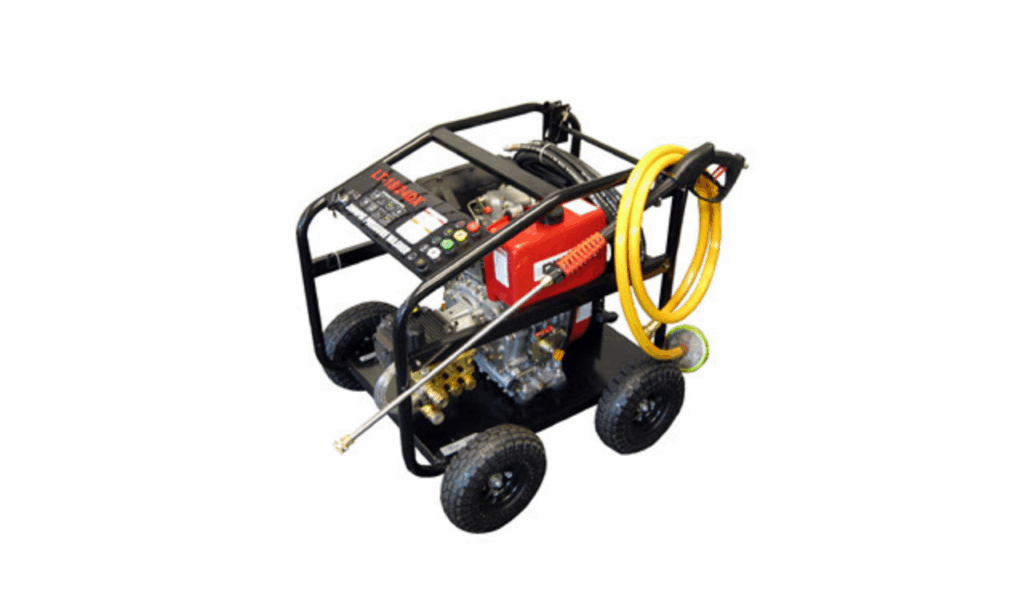
People often use pressure washers to clean patios, driveways, and even the outside of their homes, but they use a lot of water and could hurt the environment. Rachel Green, an expert on water conservation, says, “Pressure washers can waste a lot of water, especially if they’re not used properly.” Many cities are thinking about limiting the use of high-pressure washers, especially in places where saving water is important. “They also often send pollutants like soap, dirt, and debris into storm drains, which can contaminate water supplies.” People who own homes should utilize more environmentally friendly ways to clean, like low-pressure washers and eco-friendly detergents.People often use pressure washers to clean the outside of their homes, driveways, and patios. But these machines can use a lot of water and hurt the environment in a big way. Rachel Green, an expert on water conservation, writes, “When used incorrectly, pressure washers can waste water and add to runoff that carries pollutants like dirt, soap, and chemicals into storm drains.”
Some communities are thinking about rules that would limit the use of high-pressure washers because they need to save more water. These machines not only waste water, but they can also put dangerous substances into the air. Homeowners can lessen their impact by utilizing cleaning solutions that are good for the environment or low-pressure washers. These other options can clean well without wasting water or harming the area around them, which is why they are the best choice as more places pass legislation to save water.
7. Gas-Powered Snow Blowers
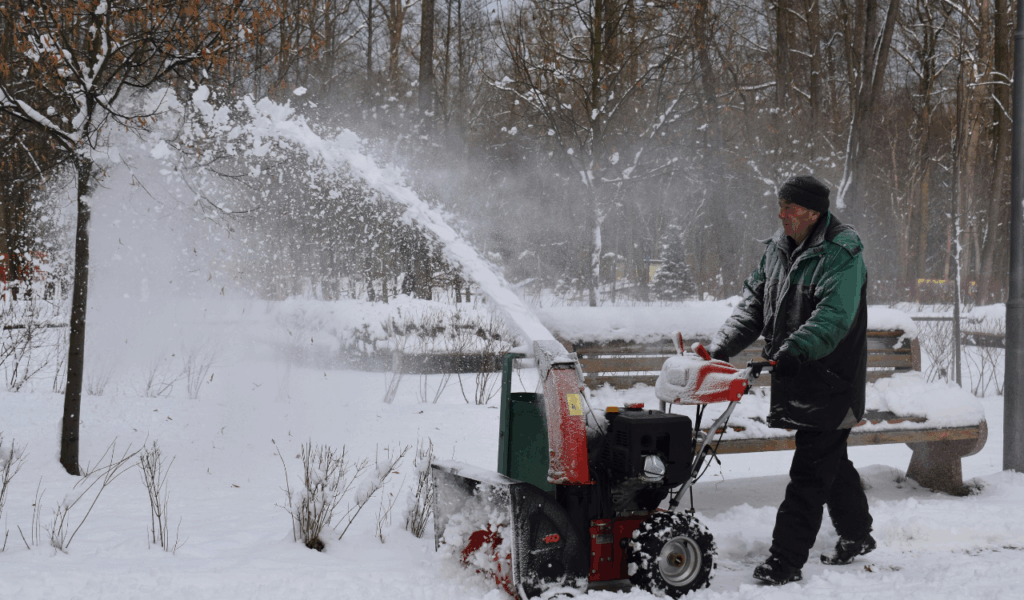
People who live in colder areas need gas-powered snow blowers to clear snow from their driveways and sidewalks. But people are paying more and more attention to these devices because of the noise and pollution they cause. Environmental expert Carla Harris adds, “Gas-powered snow blowers release harmful substances like carbon monoxide, and the noise they make can be disruptive in residential areas.”
Electric and battery-powered snow blowers are becoming more popular since they are quieter and cleaner. These versions are not only quieter, but they also don’t pollute the air at all, making them a better alternative for those who care about the environment. Gas-powered snow blowers may soon be outlawed or regulated in favor of cleaner, quieter options as more towns and cities put stronger rules in place to cut down on noise and air pollution. The change to electric cars has already begun, and it will probably keep going as technology gets better.
8. Non-Eco-Friendly Pesticides
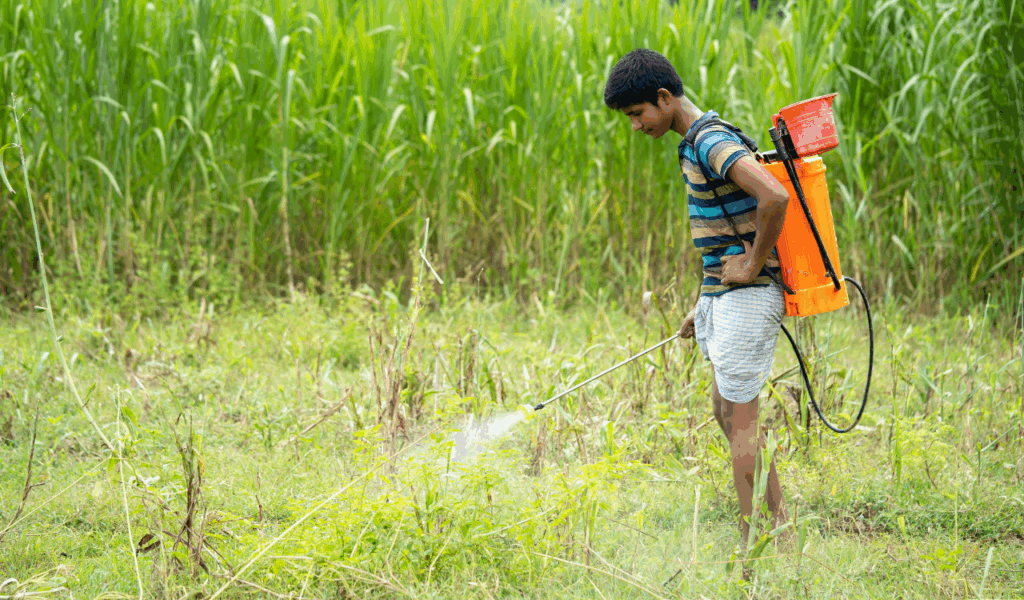
Pesticides that have hazardous compounds in them can be bad for the environment, animals, and people. Linda Williams, an expert on pesticides, says, “Pesticides often leach into the soil and water, harming beneficial insects, polluting water sources, and posing risks to human health.” These pollutants can throw ecosystems out of whack and make it harder for pollinators like bees and butterflies to survive.
As more people learn about the dangers of pesticides that aren’t good for the environment, more homeowners are choosing natural ways to get rid of pests. Integrated pest control (IPM), neem oil, and diatomaceous earth are becoming more popular as alternatives. Many municipal governments have already banned toxic pesticides. Homeowners may soon have to convert to eco-friendly ways to get rid of pests in order to follow new rules. These natural options are a safe and effective approach to get rid of pests without harming the ecosystem around them.