5 Meals That Fall Apart the Moment Plans Change
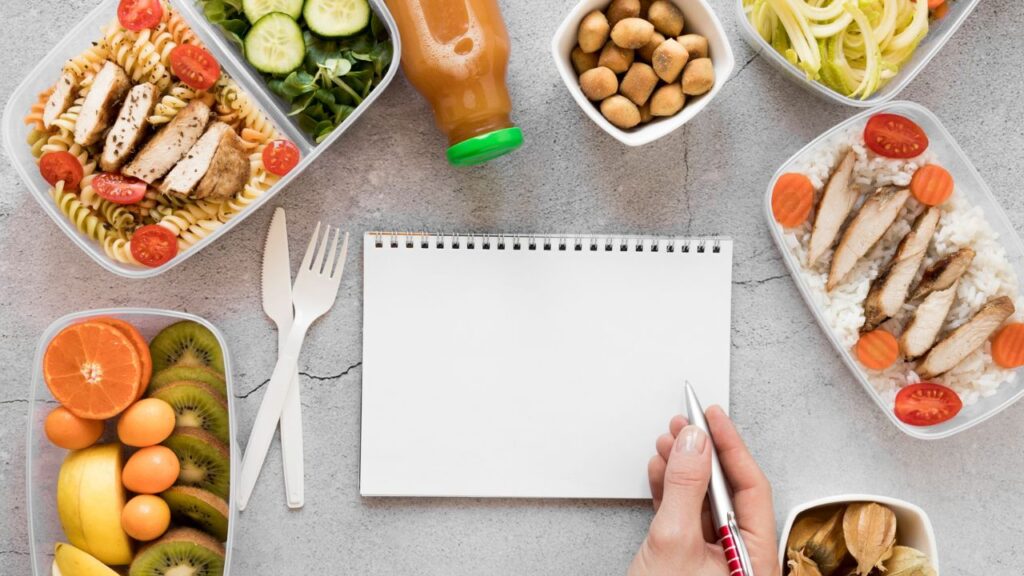
Even carefully planned dinners can unravel when schedules change unexpectedly. Delayed commutes, late family members, or missing ingredients turn intended stress-free meals into chaotic experiences. Many dishes rely on precise timing or layering to maintain texture, moisture, and flavor. From casseroles to soufflés and puff pastry creations, fragility increases as complexity rises. Understanding which meals demand structure helps home cooks prepare smarter, keeping dinners satisfying even on unpredictable nights. Cold evenings amplify the desire for comfort, but these recipes often fail to deliver when timing slips.
Oven and Timing-Sensitive Dishes
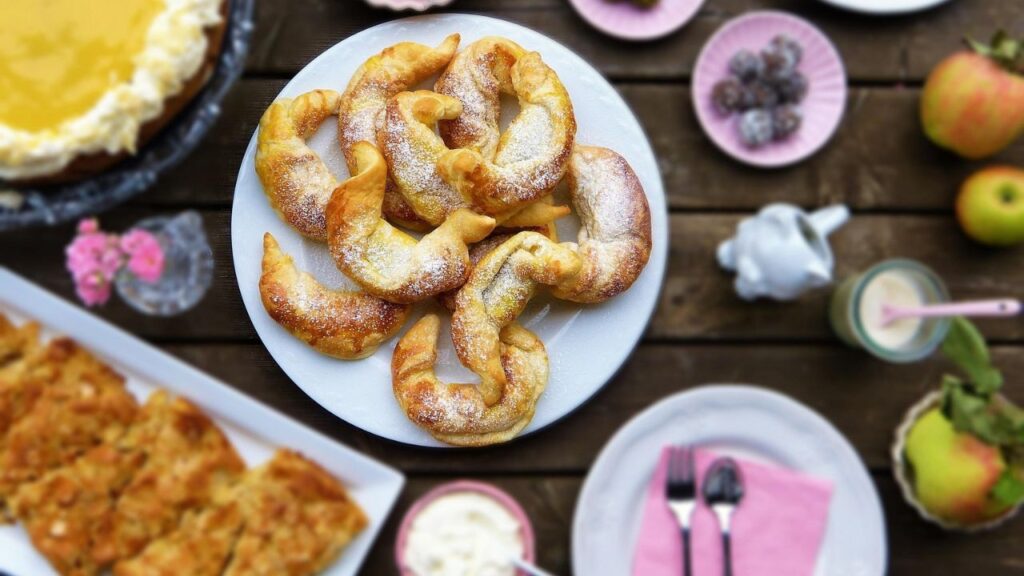
Layered casseroles, soufflés, puff pastry dishes, and multi-component stir-fries are designed to impress but depend on exact timing and coordination. Casseroles need consistent layering and baking, or some sections become mushy while others remain firm. Soufflés collapse within minutes if removed too late, as egg whites deflate. Puff pastry loses crispness if the oven is delayed, and fillings can turn soggy. Stir-fries juggle vegetables and proteins with differing cook times; a two-minute delay can overcook tender greens or dry out meat. These dishes shine only when schedules are predictable, revealing how quickly elegance can turn stressful in real-world cooking.
Proteins and Layered Components
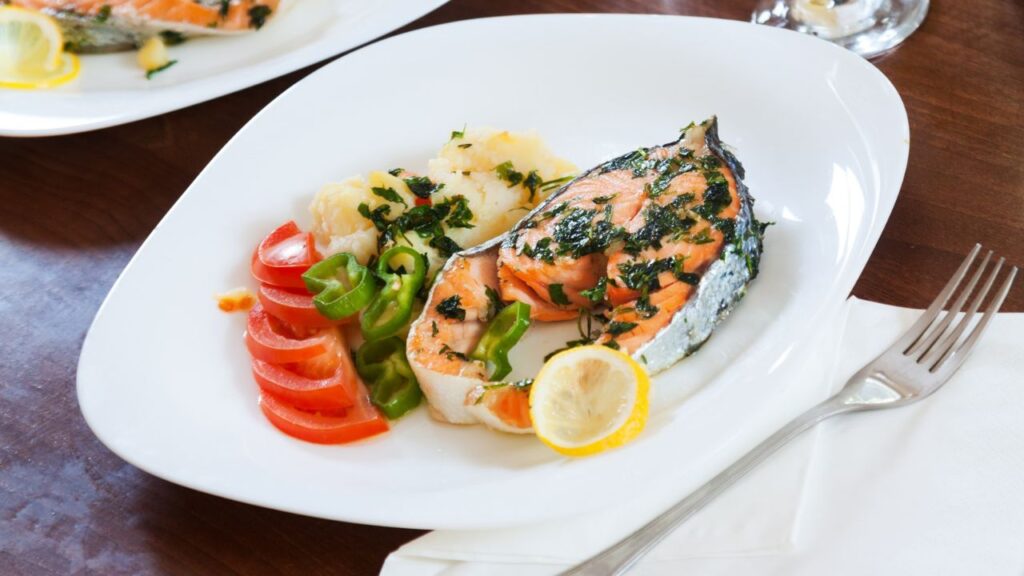
Stuffed vegetables, delicate fish dishes, risotto, and meatloaf excel in controlled kitchens but falter under disruption. Stuffed peppers or zucchini rely on balanced fillings and precise baking; late diners or ingredient swaps unbalance texture and flavor. Light fish fillets dry out within minutes if timing slips, while coordinating sauces and sides adds pressure. Risotto demands constant stirring and gradual liquid absorption to stay creamy; missing a step produces uneven, sticky results. Meatloaf requires uniform mixing and cooking; delays can dry the exterior while leaving centers underdone. These meals highlight the fragility of structured protein-focused dishes in everyday life.
Stews, Egg Bakes, and Braised Dishes
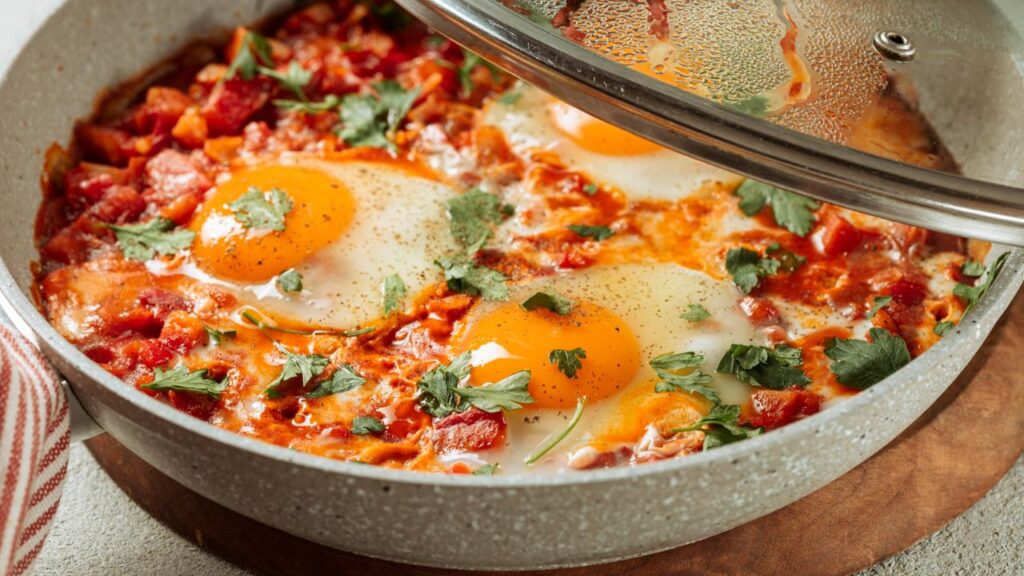
Soupy stews, egg-based bakes, and braised proteins appear hearty and forgiving but still depend on timing, heat, and ingredient coordination. Stews can separate or thicken unevenly if ingredients are added too soon or late. Egg bakes, such as strata or frittatas, turn rubbery when overcooked, while undercooked centers leave runny portions. Braised meats need slow, consistent heat; interruptions may produce tough or unevenly cooked results. Adjusting servings mid-cook or handling multiple tasks increases the risk of inconsistent texture and flavor. Winter nights highlight these challenges, as cold, hungry families notice even slight deviations in execution.
Homemade Pasta and Coordination Challenges
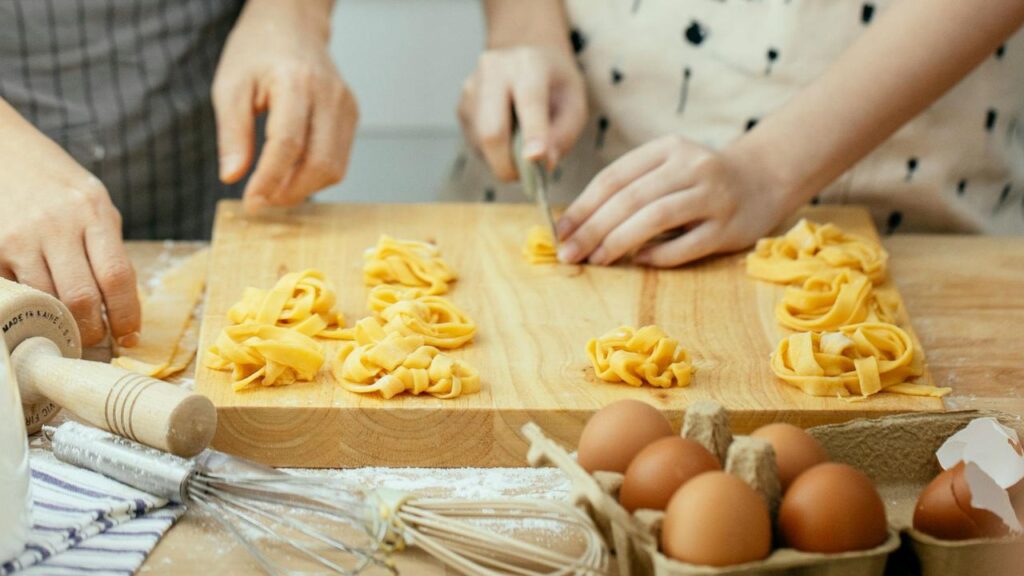
Homemade pasta dishes are prized for flavor but require precise cooking windows and timing with sauces and add-ins. A short delay can overcook noodles or cool the sauce, throwing off harmony. Substituting pasta types, proteins, or vegetables changes cooking duration, increasing the chance of uneven results. Preparing multiple portions compounds the risk. Any multitasking, last-minute ingredient swap, or schedule disruption can transform a carefully crafted, satisfying meal into a rushed and uneven experience. Even beloved pasta dishes demonstrate that elegance and comfort hinge on consistency and planning, reminding cooks that structure often governs winter dinner success.