8 Entryway Storage Ideas That Create More Work
Entryways are meant to make daily comings and goings easier, not add more friction to routines. But many popular storage ideas focus on appearance over function, creating systems that look organized while quietly increasing effort. When storage lacks structure, accessibility, or clear purpose, it invites clutter, constant rearranging, and unnecessary decision-making. Instead of simplifying life, these solutions add small but persistent chores. Over time, homeowners realize that what seemed helpful on day one actually demands more attention than it saves. The difference between good storage and bad storage is how little you have to think about it once it’s in place.
1. Oversized Storage Benches That Turn Into Catch-alls
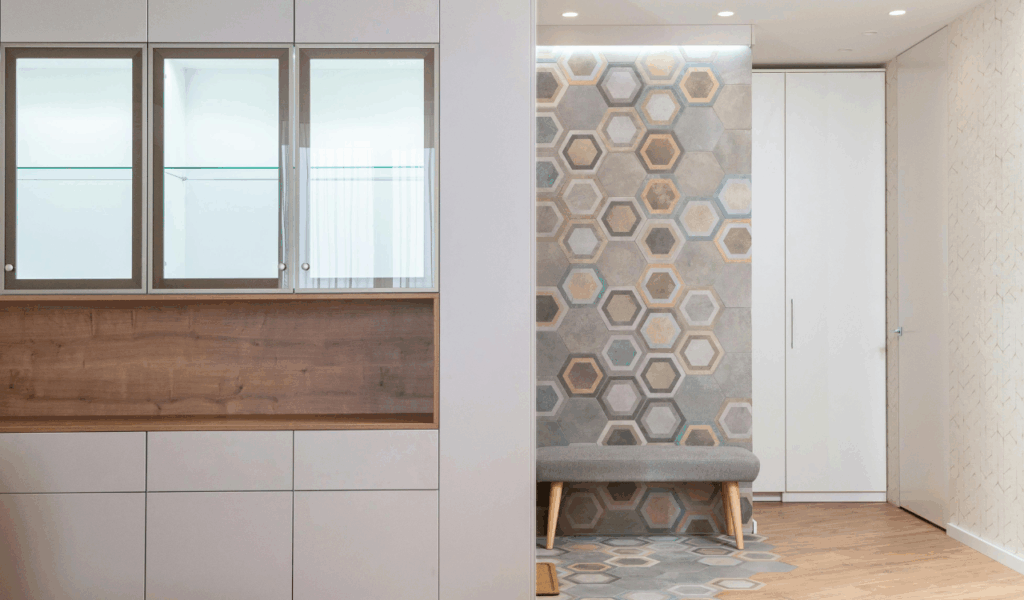
At first glance, a large storage bench feels like the perfect entryway solution. It promises seating, hidden storage, and a clean look all in one piece. The problem shows up within weeks of real use. Because the interior is one big open cavity, people tend to toss items inside without sorting. Shoes, bags, scarves, sports gear, and random household items end up layered on top of each other. Finding anything later means emptying half the bench onto the floor. Over time, the bench becomes a black hole rather than a system. Maintenance also increases because clutter is hidden instead of addressed. What looks tidy on the outside quietly creates more work behind the scenes, especially in busy households where speed matters.
2. Console Tables Without Defined Storage Zones
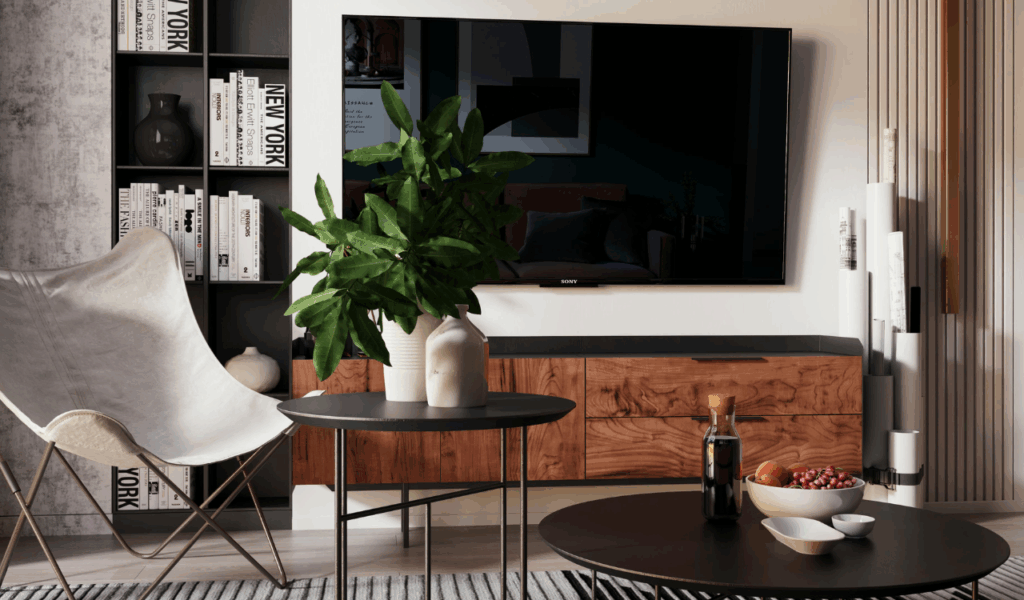
A slim console table often gets added to entryways for visual balance, but many lack drawers, trays, or dividers. That absence of structure turns the surface into a magnet for clutter. Mail piles up, keys migrate, and everyday items spread out because nothing has a clear home. Each time the table fills up, someone has to stop and reorganize it. This creates repeated micro chores that add up. Without defined zones, the table never truly resets itself. Instead of helping people drop items quickly and move on, it demands constant attention to keep it functional. Over time, homeowners realize they’re maintaining a decorative surface rather than benefiting from actual storage.
3. Too Many Hooks in One Spot
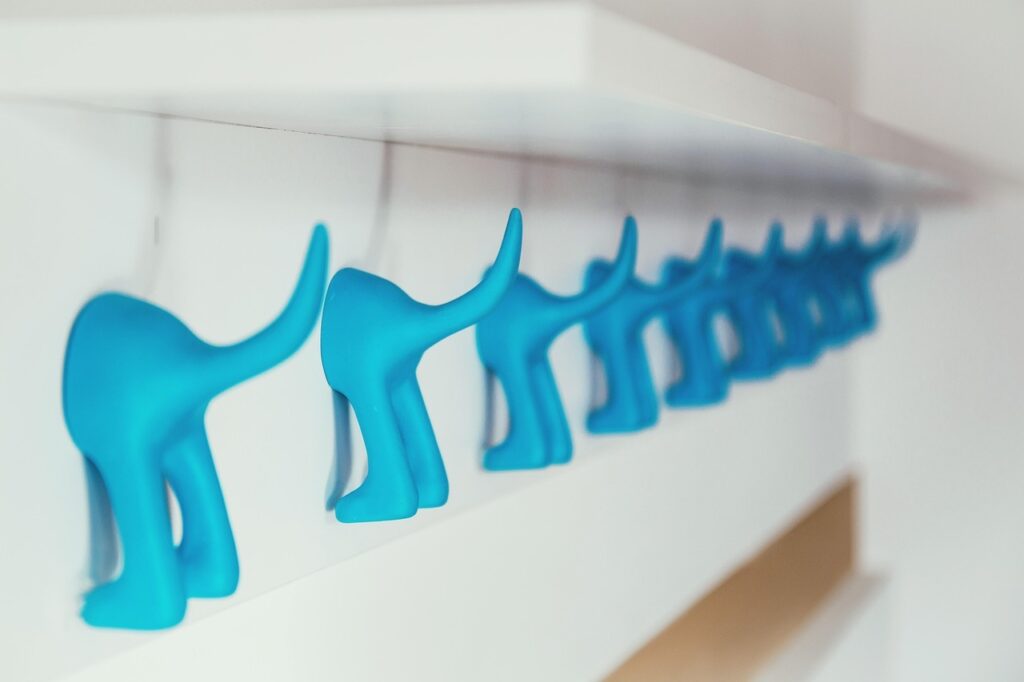
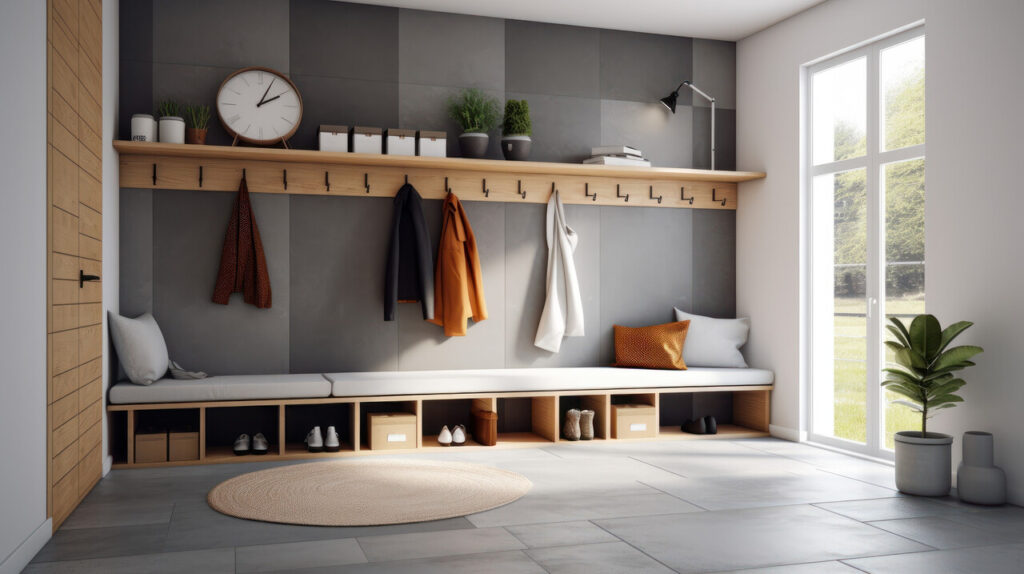
Hooks are often recommended as an easy entryway fix, but when installed without restraint, they backfire. Packing too many hooks into a small area leads to overlapping coats, tangled bags, and items constantly slipping off. Heavier pieces pull lighter ones down, and retrieving one item often disturbs several others. The result is daily friction rather than convenience. Visual clutter also increases because everything stays exposed. Instead of streamlining routines, overcrowded hooks create noise and disorder. Without spacing, labeling, or limits on what belongs there, hooks encourage accumulation. What starts as a practical idea becomes another surface that requires frequent untangling and resetting.
4. Tall Cabinets That Are Hard to Reach
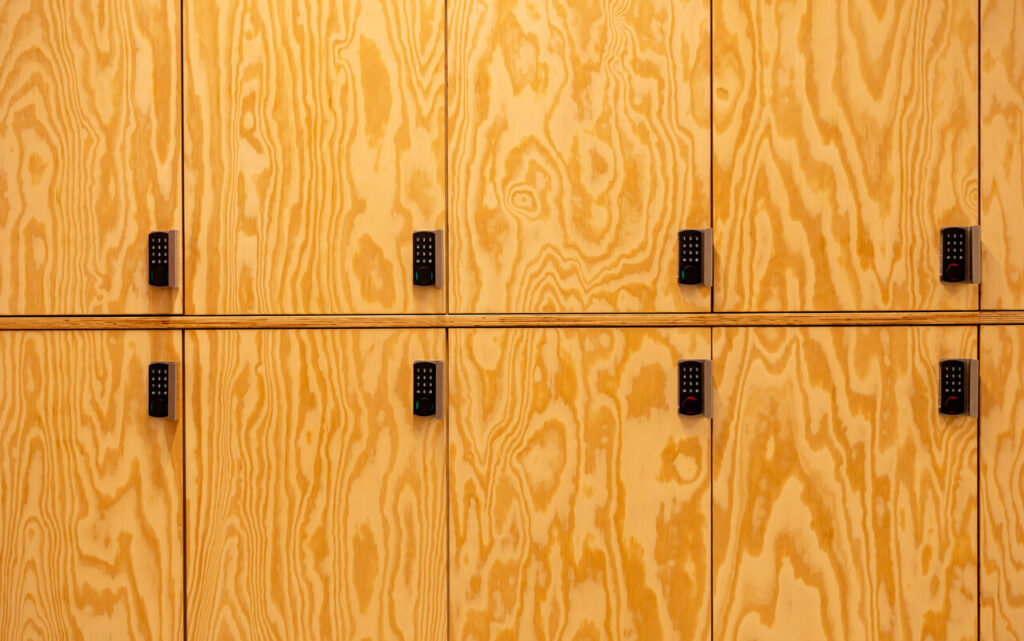
Tall entryway cabinets seem efficient because they hide clutter vertically, but accessibility is often overlooked. When shelves are too high or too deep, people stop using them thoughtfully. Items get shoved into the back, forgotten, or stacked carelessly. Retrieving something requires extra steps, stools, or digging through layers of unrelated items. This discourages proper use and leads to overflow elsewhere in the entryway. Over time, these cabinets become storage for things people rarely touch, not the daily essentials they were meant to organize. The extra effort required to use them consistently turns a storage solution into a passive obstacle.
5. Shoe Racks Packed Without a Rotation System
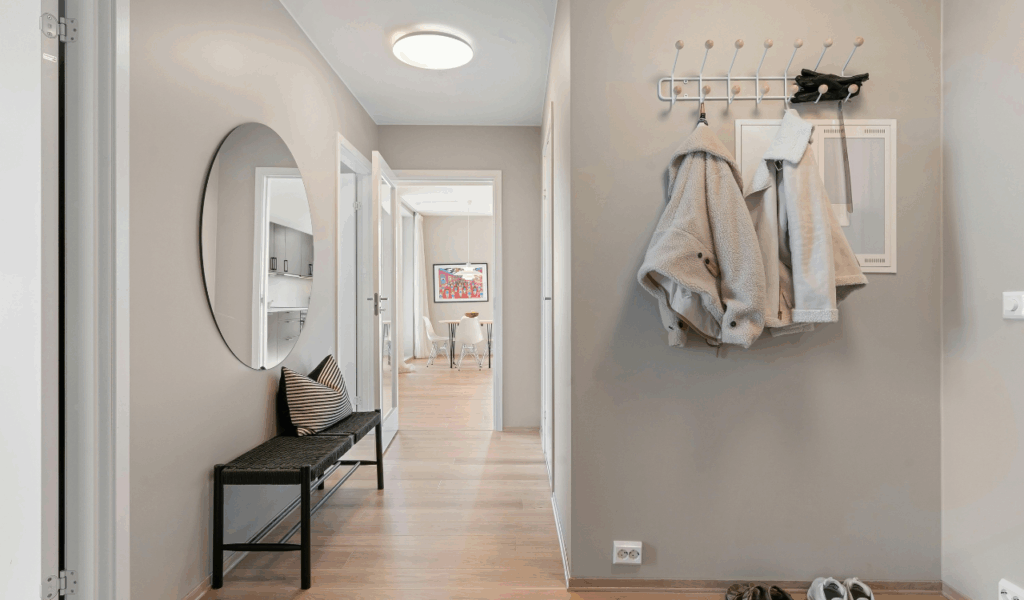
Shoe racks fail when they try to hold every shoe owned rather than just the ones in active use. Without rotation by season or purpose, racks become overcrowded fast. Shoes get jammed together, pairs separate, and retrieval becomes frustrating. Instead of grabbing and going, people end up shuffling footwear daily to access what they need. Dirt and wear increase because shoes are stacked too tightly. The rack requires frequent reshuffling to stay usable. A system meant to save time ends up demanding it. When storage ignores how often items are used, it adds friction to routines that should be effortless.
6. Narrow Hallway Shelves That Interrupt Movement

In tight entryways, narrow shelves look appealing because they promise storage without bulk. In reality, they often intrude into walking paths just enough to cause problems. People brush past them, knock items over, or avoid using them altogether. Objects placed on narrow surfaces tend to fall or shift, creating constant small messes. Cleaning becomes more frequent because dust and debris collect where traffic is heaviest. Instead of supporting flow, these shelves disrupt it. Storage that interferes with movement quickly becomes more trouble than it’s worth, especially in homes where multiple people pass through at once.
7. Decorative Baskets Without a Clear Purpose

Baskets are frequently used as a flexible storage fix, but without defined roles, they create confusion. When everything can go into a basket, nothing stays organized. Items get mixed, and retrieving one thing means sorting through several others. Because contents are hidden, clutter builds unnoticed until the basket overflows. Homeowners then face a larger cleanup task instead of small daily maintenance. Without labels or rules, baskets encourage avoidance rather than organization. They look calm on the outside but quietly generate more work by postponing decisions instead of solving them.
8. Floating Shelves Placed Too High for Daily Use
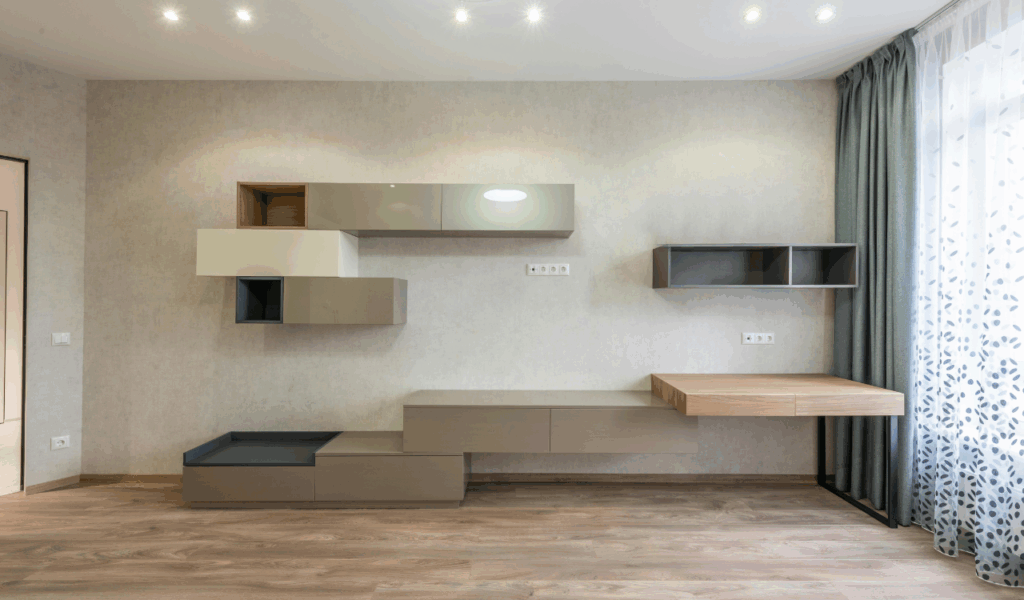
High floating shelves often look stylish in entryways, but their placement limits practicality. Daily essentials stored too high become inconvenient to access, especially during rushed mornings. People compensate by leaving items on lower surfaces instead, undermining the shelf’s purpose. Over time, the shelf becomes decorative while clutter returns below it. Dust also accumulates more quickly on elevated surfaces that aren’t used regularly. Storage only works when it aligns with natural movement and reach. When shelves ignore ergonomics, they add steps and frustration to routines that should feel simple and automatic.